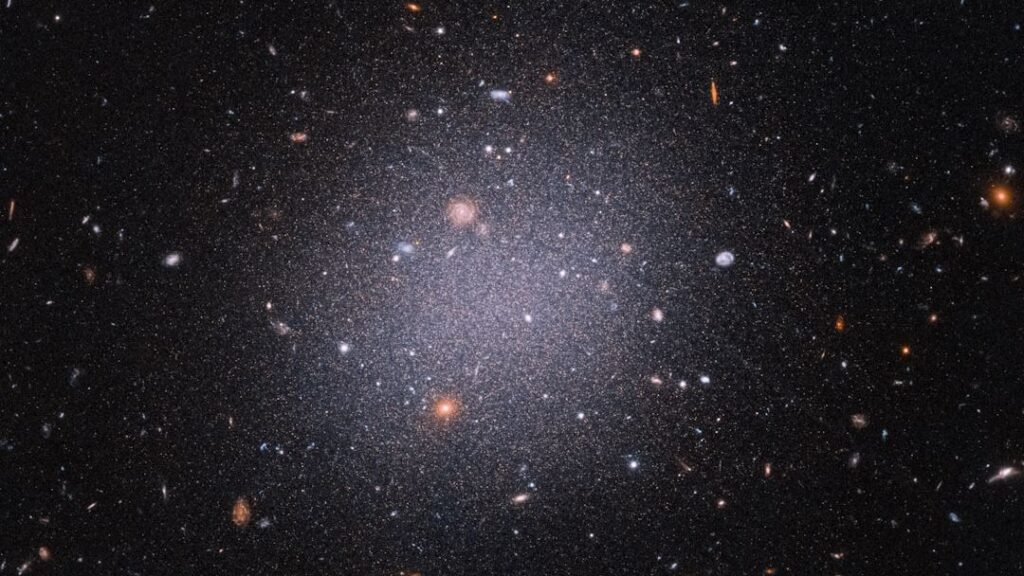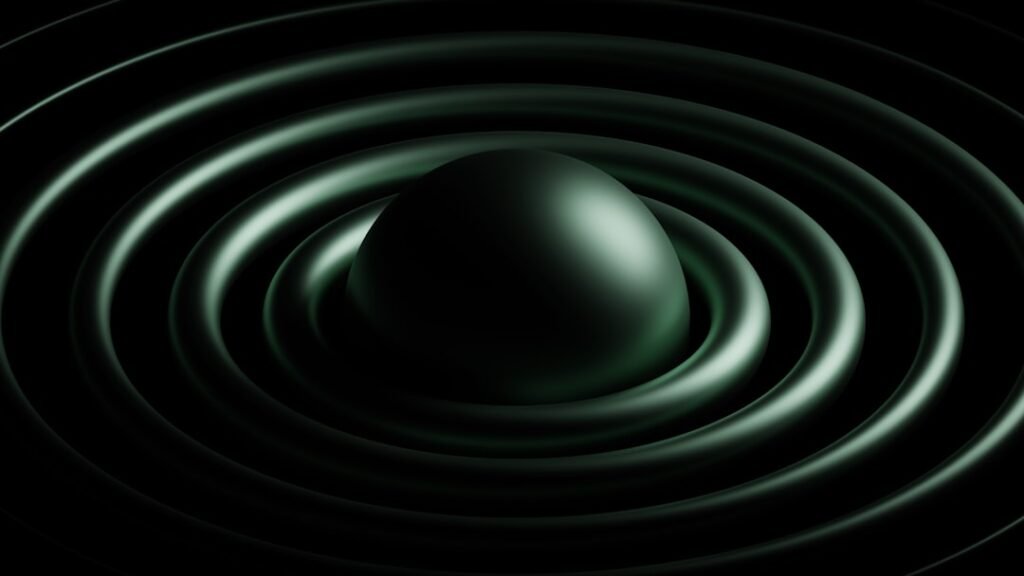

We’ve known about the universe through light for most of human history. Telescopes captured photons that traveled across unimaginable distances, revealing stars, galaxies, and cosmic events painted across the night sky. Yet there’s always been something missing, something we couldn’t quite access with electromagnetic waves alone. Think of it like trying to understand an orchestra by only watching the conductor. You miss the music itself.
That all changed when scientists detected gravitational waves for the first time in 2015. It’s hard to explain just how monumental that moment was. These ripples in spacetime, predicted by Einstein more than a century ago, opened an entirely new way to observe the cosmos. Now, in 2026, we’re witnessing discoveries that are challenging everything we thought we knew about black holes, dark matter, and the very fabric of reality.
The Most Massive Black Hole Collision Ever Recorded
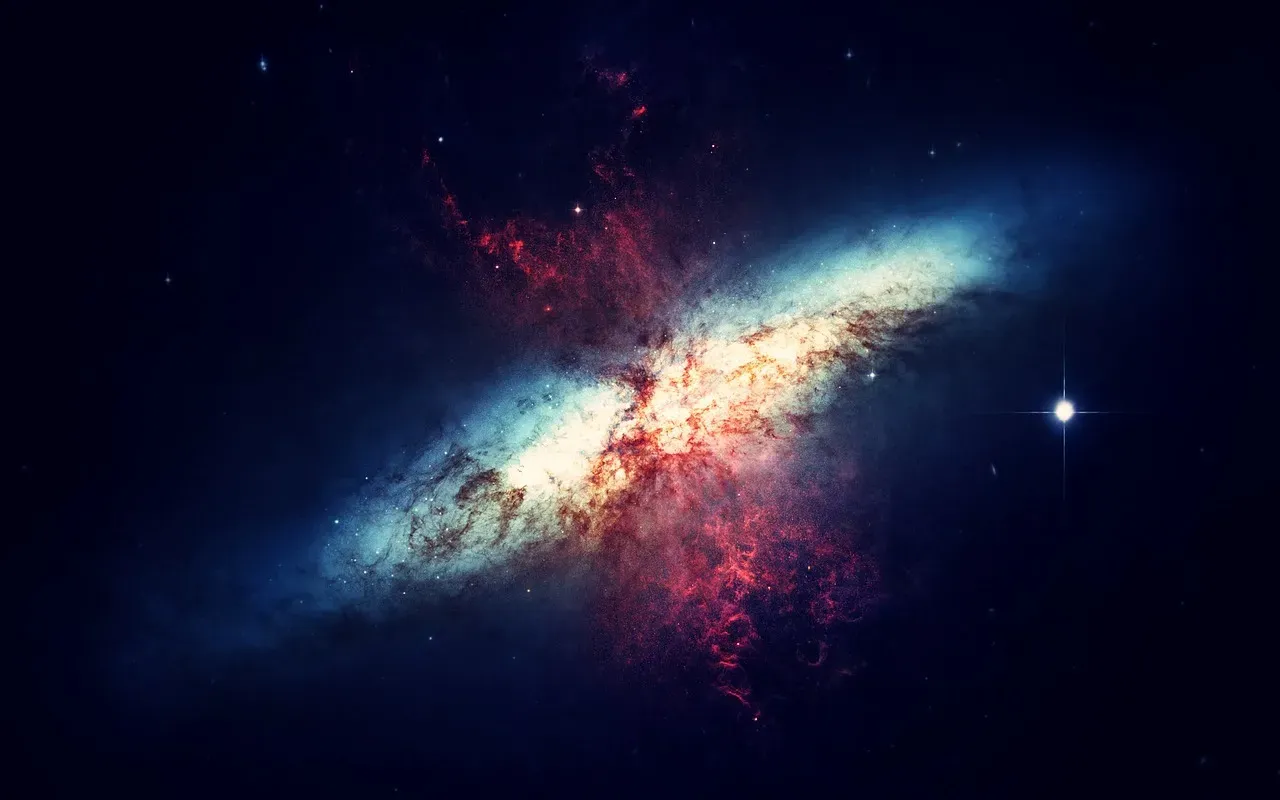
An international team of scientists recently detected the largest black hole merger ever measured, resulting in a combined black hole 225 times our sun’s mass. The event, labeled GW231123, sent gravitational waves rippling through spacetime from an estimated five billion light years away.
The merger analysis suggests the two original black holes clocked in at roughly 137 and 103 times our sun’s mass. What makes this discovery particularly intriguing isn’t just the size. While the combined black hole’s mass sets records, the two original black holes seemingly had masses near or in a range largely forbidden by current astrophysical models. This challenges fundamental assumptions about how black holes form and evolve.
Testing Einstein’s Theories With Unprecedented Precision
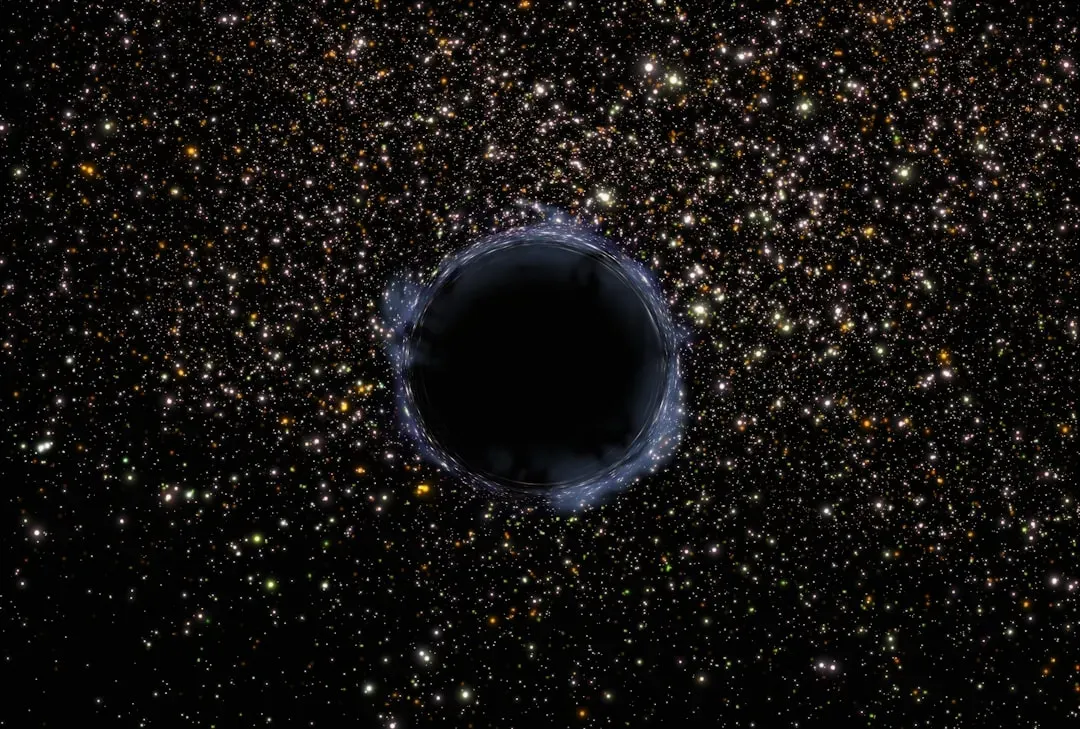
GW250114 is the clearest gravitational wave signal from a binary black hole merger to date, giving researchers an opportunity to test Albert Einstein’s theory of gravity, known as general relativity. Detected in January 2025, this signal arrived with such clarity that scientists could do something previously impossible.
When two black holes merge, the collision rings like a bell, emitting specific tones characterized by two numbers: an oscillatory frequency and a damping time. If you measure one tone in data from a collision, you can calculate the mass and spin of the black hole formed in the collision. But if you measure two or more tones in the data, each is effectively giving you a different mass. The remarkable thing? All measurements lined up perfectly with Einstein’s predictions. The exceptional strength of the GW250114 signal has allowed scientists to measure the properties of the black holes with unprecedented precision, enabling a definitive test of Stephen Hawking’s celebrated black hole area theorem.
Gravitational Waves Might Finally Reveal Dark Matter
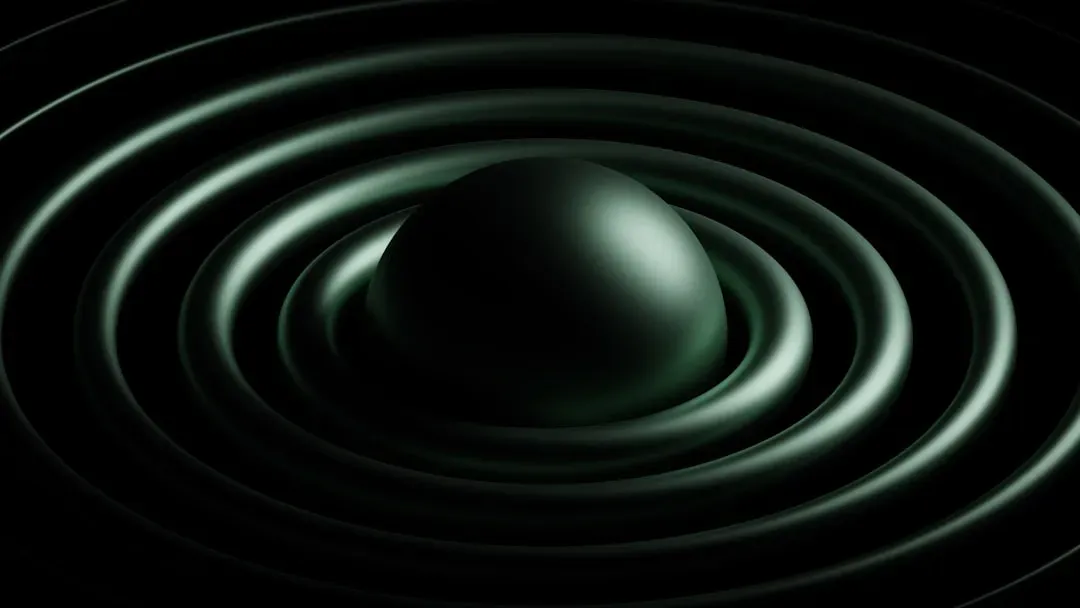
Gravitational waves from black holes may soon reveal where dark matter is hiding, with a new model showing how dark matter surrounding massive black holes leaves detectable fingerprints in the waves recorded by future space observatories. This is huge because dark matter makes up roughly eighty-five percent of all matter in the universe, yet we’ve never directly observed it.
The team presents a more advanced method for calculating how dark matter surrounding black holes subtly alters the gravitational waves those systems produce. The new work introduces the first fully relativistic framework for a wide range of possible environments, meaning the calculations rely entirely on Einstein’s theory of gravity rather than simplified Newtonian approximations. As a result, the model can more accurately describe how matter around a massive black hole changes the orbit of the smaller object and reshapes the gravitational waves that are emitted. It’s a sophisticated approach that could finally help us map where this mysterious substance exists throughout the cosmos.
Compact Detectors Opening New Frequency Windows
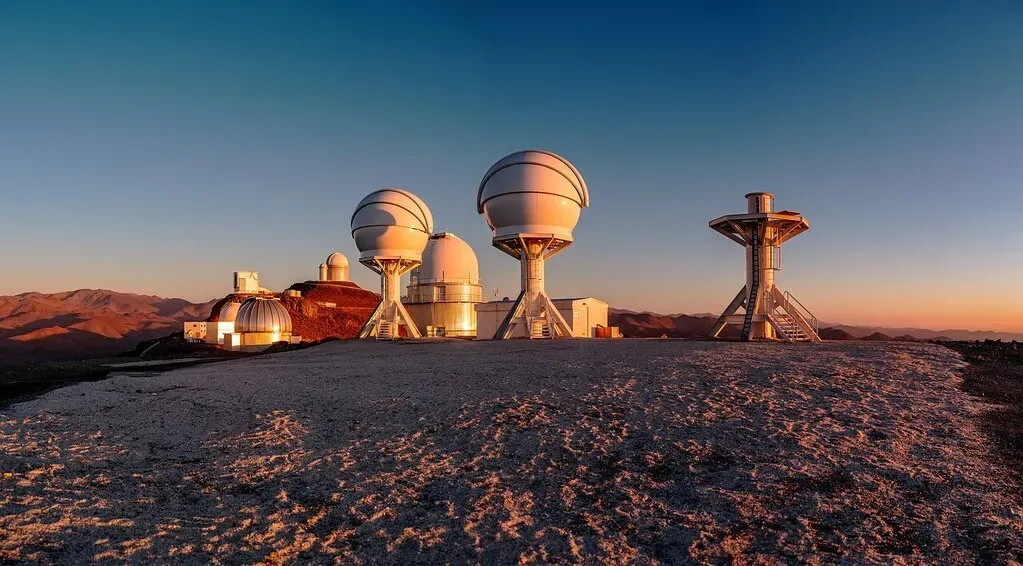
Researchers have designed a new type of gravitational wave detector that operates in the milli-Hertz range, a region untouched by current observatories. Built with optical resonators and atomic clocks, the compact detectors can fit on a lab table yet probe signals from exotic binaries and ancient cosmic events. Let’s be real, this is a game changer.
Gravitational waves have already been detected in high-frequency ranges using ground-based observatories such as LIGO and Virgo, and in extremely low frequencies through pulsar timing arrays. Yet a large mid-band region has remained undetected until now. Unlike the enormous interferometers currently used, this setup is small enough to fit on a lab table and is largely unaffected by seismic and Newtonian noise. Think of it as filling in the missing pieces of a cosmic puzzle we didn’t even know existed.
Scientists Can Now Manipulate Gravitational Waves With Light
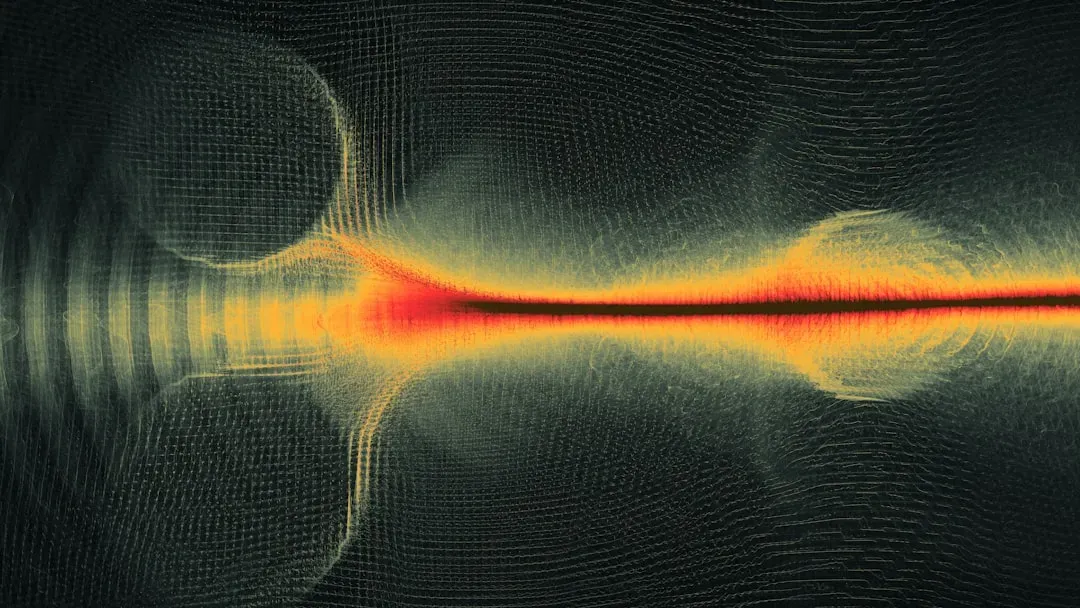
A physicist has proposed a bold experiment that could allow gravitational waves to be manipulated using laser light. By transferring minute amounts of energy between light and gravity, the interaction would leave behind faint but detectable fingerprints. This sounds like science fiction, yet it might help unlock gravity’s quantum secrets.
The proposal focuses on shifting tiny amounts of energy from a beam of light into a passing gravitational wave. As this happens, the light loses a small amount of energy, while the gravitational wave gains exactly the same amount. That energy corresponds to one or more gravitons, the theoretical particles believed to carry the force of gravity, although they have never been directly observed. Success could hint at the long-sought quantum nature of gravity. Honestly, this is one of the most ambitious experiments proposed in recent memory.
New Technology Expands Detection Capabilities Dramatically
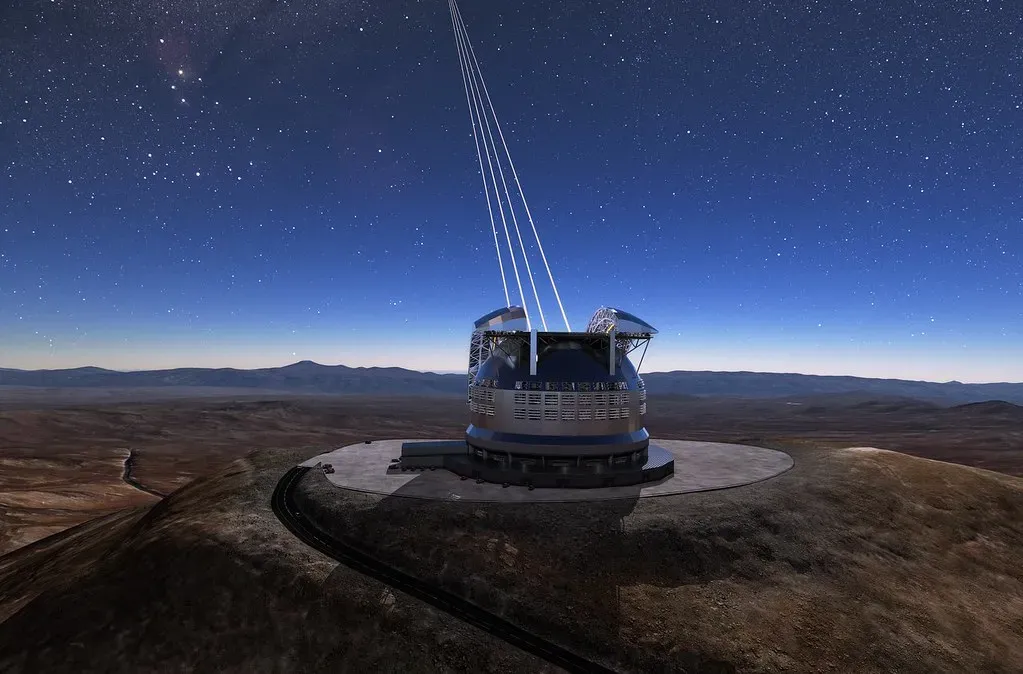
Gravitational-wave detection technology is poised to make a big leap forward thanks to an instrumentation advance, with a paper detailing the successful development and testing of FROSTI, a full-scale prototype for controlling laser wavefronts at extreme power levels inside LIGO. FROSTI stands for Front Surface Type Irradiator, which sounds technical because it is.
At the heart of this innovation is a novel adaptive optics device designed to precisely reshape the surfaces of LIGO’s main mirrors under laser powers exceeding one megawatt, more than a billion times stronger than a typical laser pointer and nearly five times the power LIGO uses today. This technology opens a new pathway for the future of gravitational-wave astronomy and is a crucial step toward enabling the next generation of detectors like Cosmic Explorer. The technology will help expand the gravitational-wave view of the universe by a factor of ten, potentially allowing astronomers to detect millions of black hole and neutron star mergers across the cosmos with unmatched fidelity.
The Gravitational Wave Background Reveals Galaxy Evolution
Scientists at the University of Colorado Boulder may have solved a pressing mystery about the universe’s gravitational wave background, the ripples in space and time that move constantly through the cosmos. Analysis provides evidence that the variations are caused by low-frequency gravitational waves which are distorting the fabric of physical reality known as spacetime. According to findings, the spatial distortion from the gravitational waves creates the appearance that pulsars’ radio-signal ticking rates are changing. But really, it’s the stretching and squeezing of space between Earth and the pulsars which causes their radio pulses to arrive at Earth billionths of seconds earlier or later than expected.
In 2023, several international collaborations reported that they had detected the gravitational wave background for the first time. There was just one problem: based on the measurements, those waves were much larger than scientists had estimated. A single tweak was enough to make estimates of the gravitational wave background line up with measurements. Smaller black holes start out little, but because the little ones grow the most, they shouldn’t be discounted. This discovery reshapes our understanding of how galaxies merge and evolve over billions of years.
Conclusion
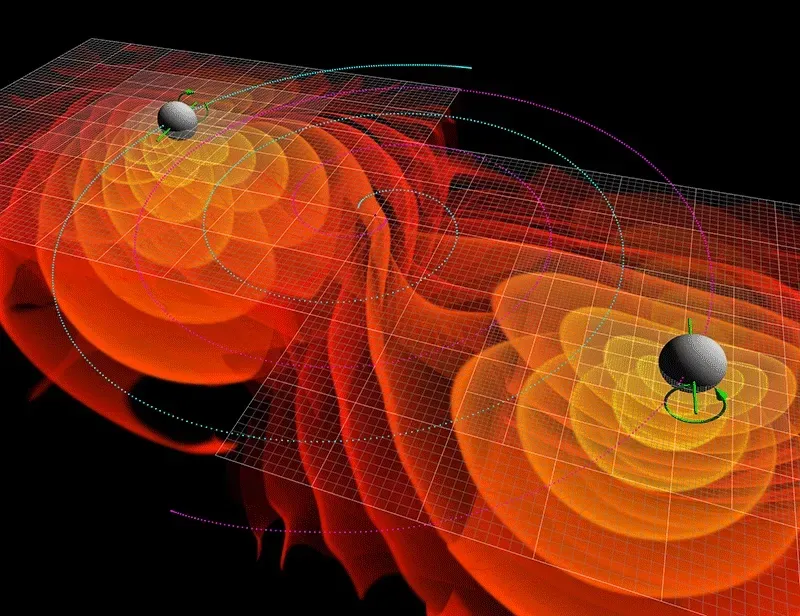
Gravitational wave astronomy is barely a decade old, yet it’s already rewriting textbooks. We’ve detected hundreds of cosmic collisions, tested Einstein’s most audacious predictions with astonishing accuracy, and opened windows into phenomena that were completely invisible before. The detectors keep getting more sensitive, the discoveries keep getting stranger, and we’re only scratching the surface.
Future observatories like Cosmic Explorer and the Einstein Telescope will push detection rates up by orders of magnitude. We might soon confirm the existence of gravitons, map dark matter throughout the universe, or detect waves from the Big Bang itself. It’s exciting to think about what the next ten years will bring. What do you think will be the most groundbreaking discovery from gravitational wave astronomy? The cosmos keeps surprising us, and honestly, that’s the best part.