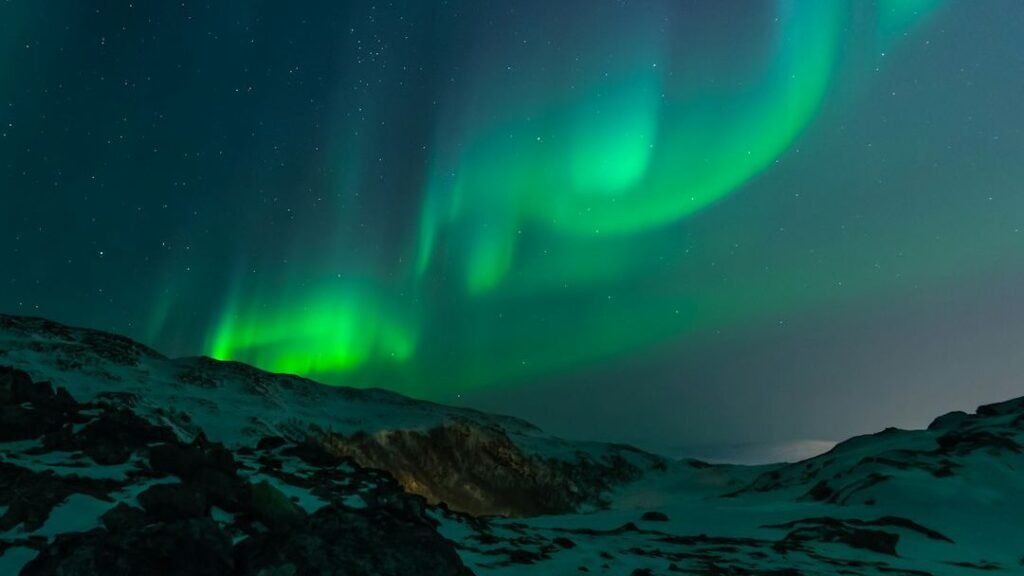

You’ve probably seen pictures of the northern lights. Maybe you’ve even been lucky enough to witness them yourself. Those ribbons of green light dancing across the Arctic sky look magical enough in photographs, yet what’s unfolding above our heads is far stranger and more intricate than most of us imagine.
Scientists are still discovering new things about auroras. Honestly, it’s kind of surprising that a phenomenon humans have observed for thousands of years continues to surprise researchers in 2026. The lights aren’t just pretty. They’re windows into invisible forces, atmospheric secrets, and cosmic weather patterns we’re only beginning to decode.
The Science Behind the Spectacle Is Wilder Than You Think
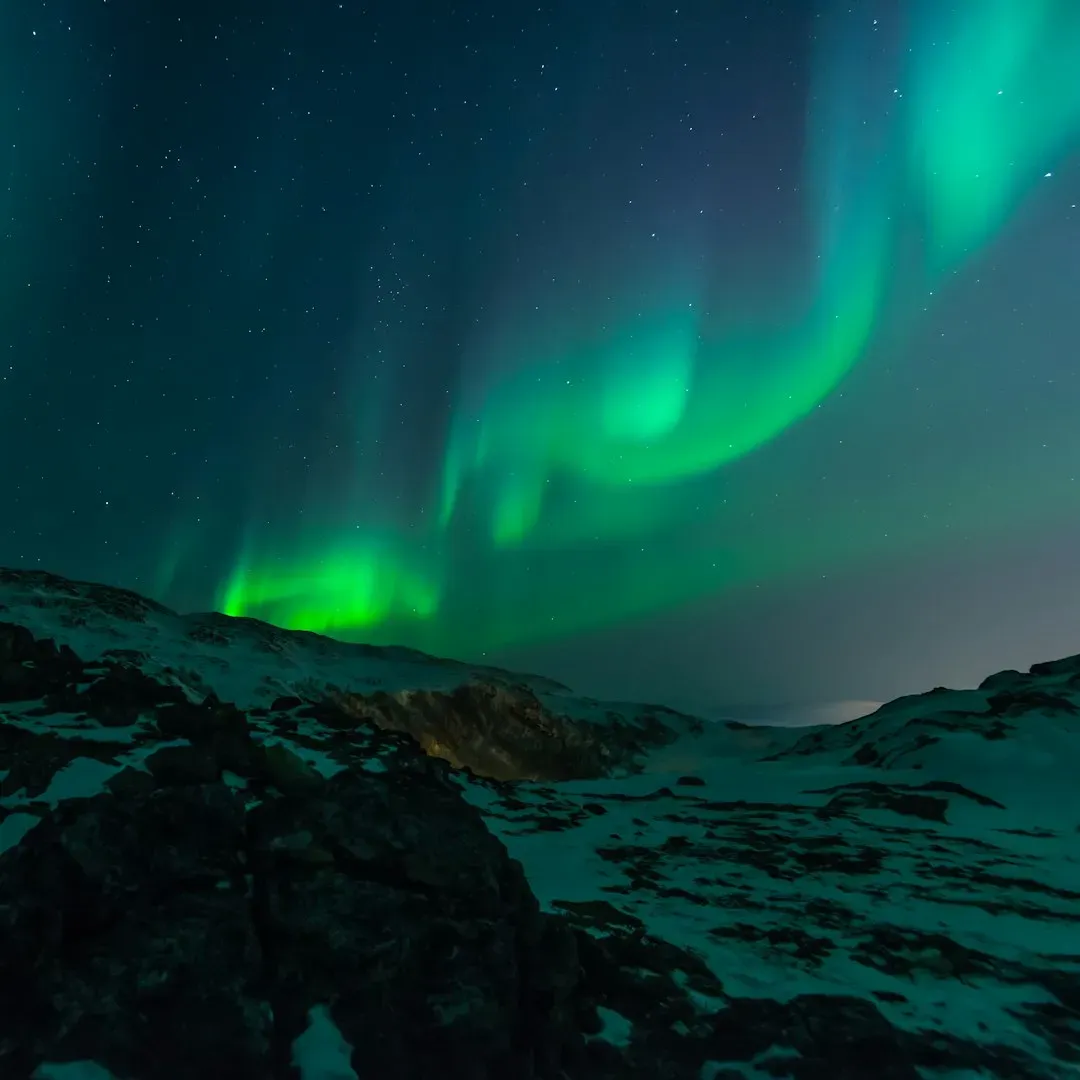
Auroras happen when disturbances in the magnetosphere caused by solar wind alter the trajectories of charged particles, mainly electrons and protons, that precipitate into the upper atmosphere and create ionization and excitation of atmospheric constituents that emit light of varying color and complexity. Let’s be real, that’s a lot happening all at once. These charged particles from the sun collide with gases in Earth’s upper atmosphere, and the result is light.
Think of it like a cosmic neon sign. When molecules and electrons must return to their original energy state, they release energy as photons, and the color depends on the gas mixture, just like neon lights. What makes auroras particularly fascinating is that electrons and protons precipitate in the high atmosphere, specifically the thermosphere and exosphere, producing light of various colors and complexity through ionization and excitation.
The thermosphere sits roughly 50 to 600 miles above Earth’s surface. That’s where the magic unfolds, in a layer most of us will never visit.
Green Isn’t the Only Color Up There
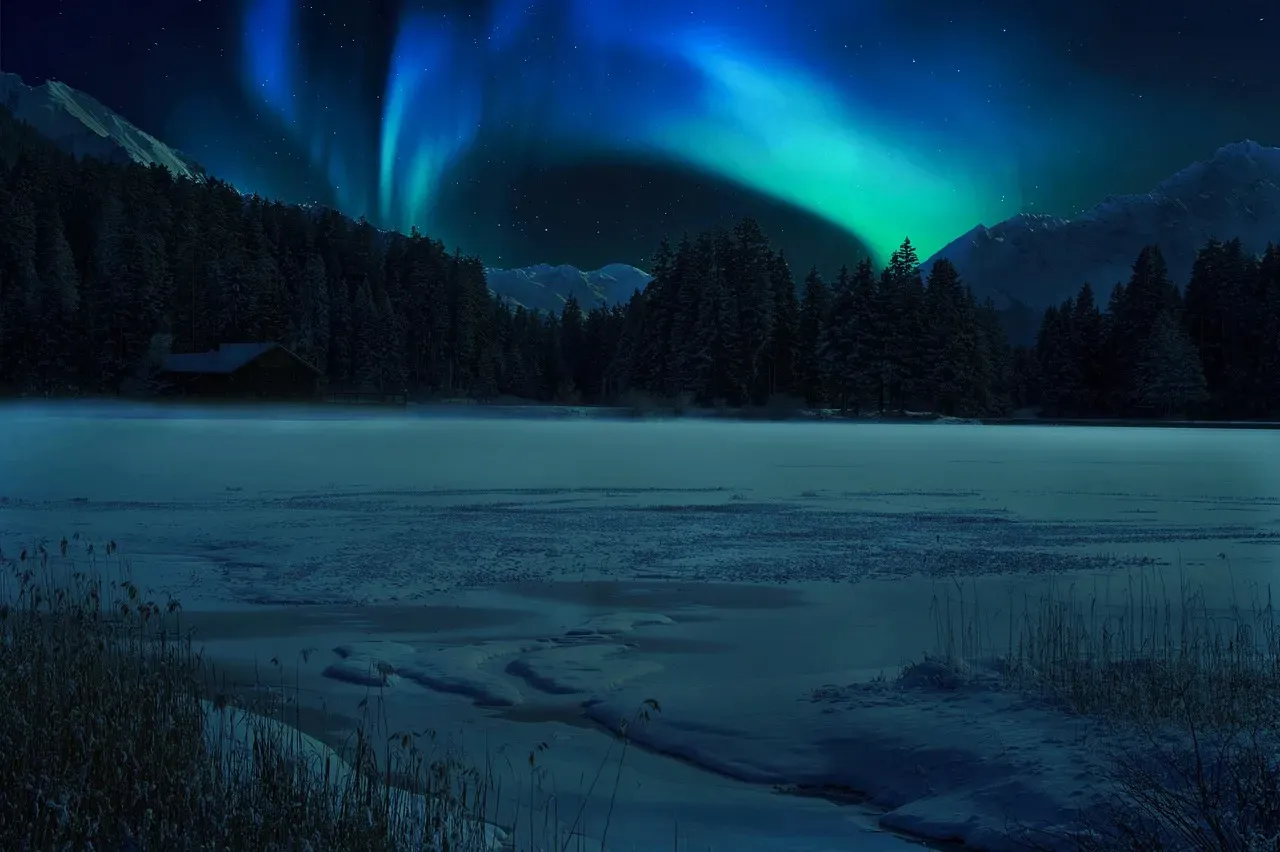
The most common auroral color is a pale green at a wavelength of 557.7 nanometers, resulting from atomic oxygen excited to the singlet S state. Most people expect green when they go aurora hunting. It’s the shade cameras capture best and what our eyes detect most easily in low light conditions.
Yet auroras can glow in nearly every color you can imagine. Auroras come in a wide variety of colors, from green to pink to blue and purple, leaving skywatchers both mesmerized and mystified. Red appears in the aurora when solar particles react with oxygen at higher altitudes, generally above 150 miles, where oxygen is less concentrated and excited at a higher frequency than denser oxygen lower down.
Nitrogen can produce blue or purple light, while yellow and pink appear during high solar activity as a mixture of red with green or blue. I know it sounds crazy, but the atmosphere is basically putting on a multicolored light show based on invisible particle collisions.
Altitude Changes Everything About What You See
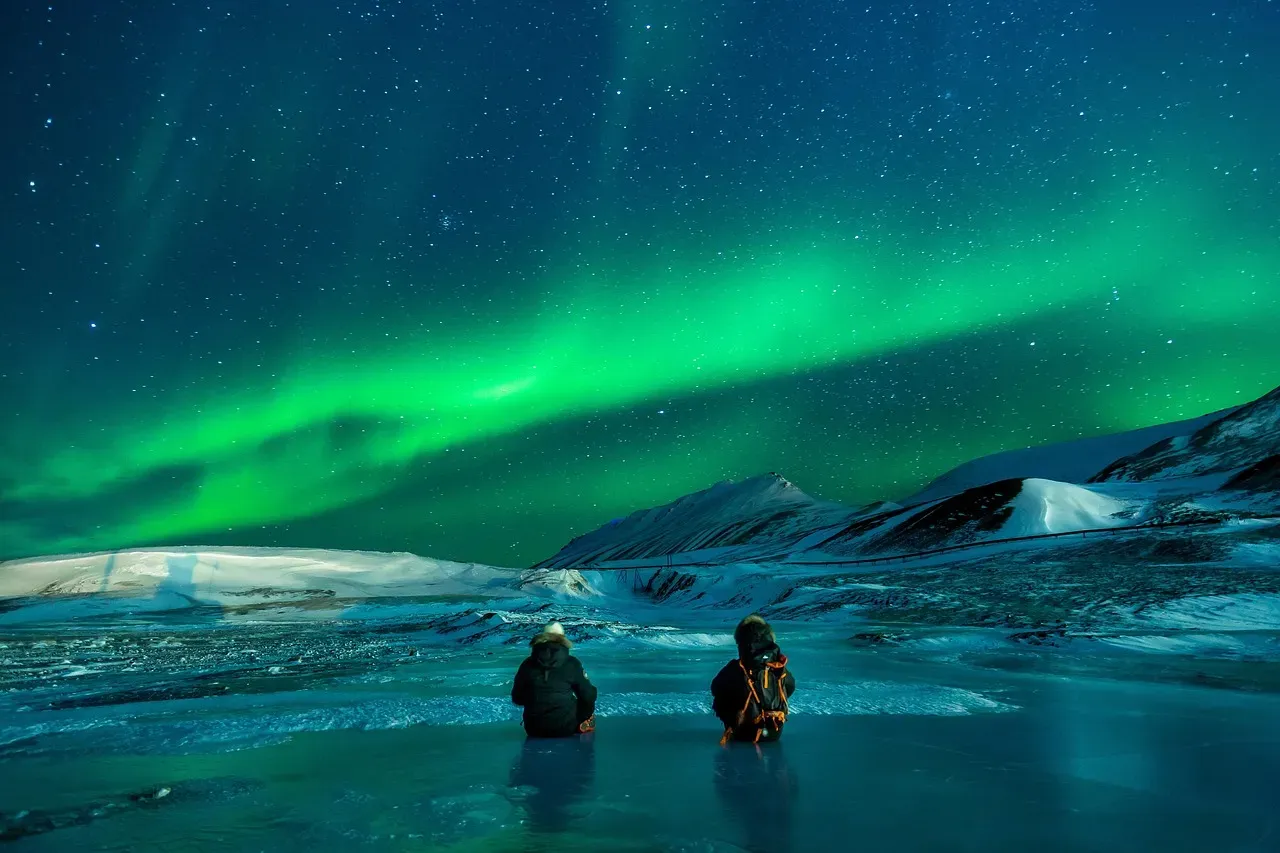
Where the collision happens matters just as much as what collides. Most solar particles typically collide with our atmosphere at an altitude of around 60 to 150 miles, where high concentrations of oxygen cause the aurora to appear in shades of green, making it the most predominant auroral color. This is your standard, classic aurora.
Red auroras occur at higher altitudes, typically between 150 and 200 miles above Earth’s surface, where charged particles interact with high-altitude oxygen atoms that emit red or crimson light when excited. Meanwhile, blue auroras appear at lower altitudes, usually below 60 miles, when electrons collide with nitrogen molecules causing them to emit blue light. It’s hard to say for sure, but the layering effect creates something like a vertical rainbow under the right conditions.
Cameras See What Your Eyes Can’t
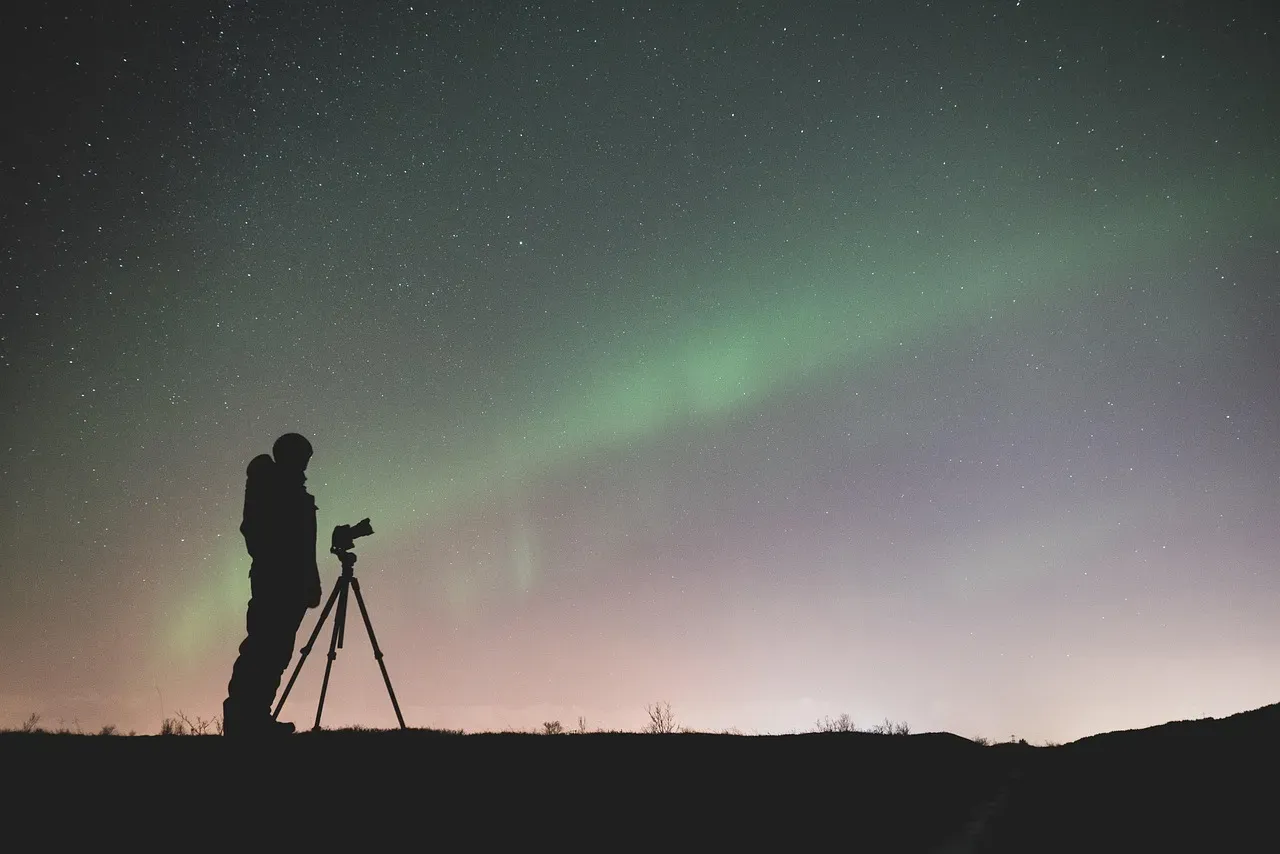
Here’s something that might surprise you. Modern digital cameras are often more sensitive than the human eye and can detect aurora and the colors of the aurora when it is too dim for humans to see it. So those jaw-dropping photos on social media? They’re not necessarily exaggerated.
When the aurora is faint, it appears white to the unaided eye, and as its brightness increases, color vision starts to work and the characteristic pale green hue becomes visible. Your eyes simply aren’t built to detect subtle colors in low light. Cameras don’t have that limitation.
What looks like a faint grayish glow to you might explode into vivid greens, purples, and reds on a camera screen. It’s one of those rare situations where technology reveals a more accurate version of reality than our own senses can manage.
Meet STEVE, the Aurora That Isn’t Actually an Aurora
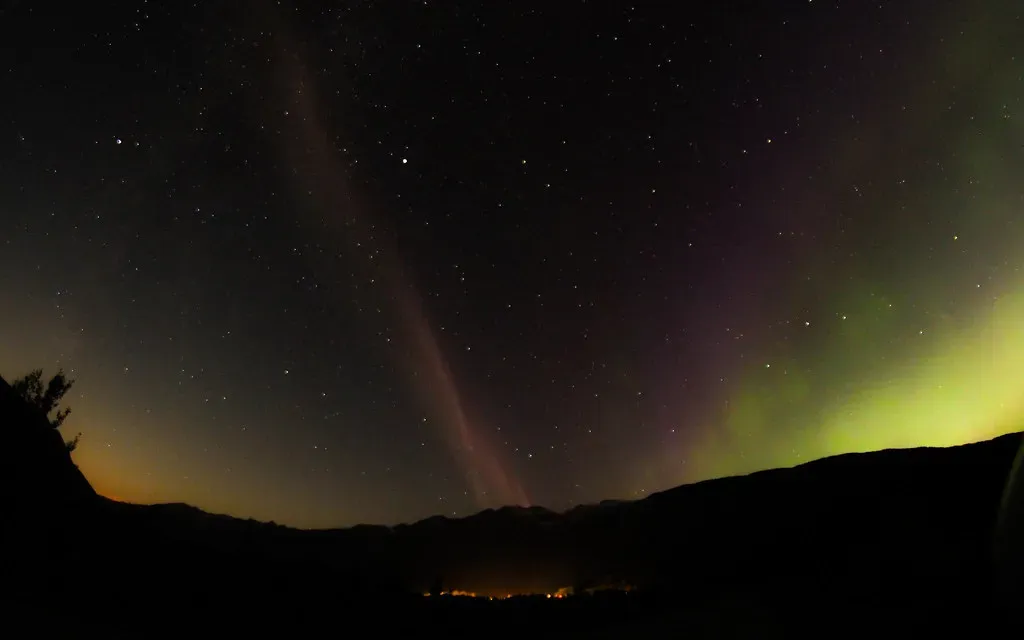
In recent years, citizen scientists discovered something bizarre in the night sky. STEVE, short for Strong Thermal Emission Velocity Enhancement, is a fast-moving stream of extremely hot gases that travels westward at dusk, creating a stunning display of mauve light in the sky. People thought it was just another type of aurora at first.
Despite excitement over the discovery, subsequent investigations indicated STEVE was not an aurora, technically speaking, but rather a similar kind of atmospheric glow produced by charged particles flowing through Earth’s ionosphere. STEVE is caused by a 25 kilometer wide ribbon of hot plasma at an altitude of 450 kilometers, with a temperature of 3,000 degrees Celsius and flowing at a speed of 6 kilometers per second.
Sometimes STEVE appears with something called the picket fence, which are vertical green stripes. The whole thing looks otherworldly and proves we’re still finding new phenomena in our own atmosphere.
The Dunes Are Even Stranger
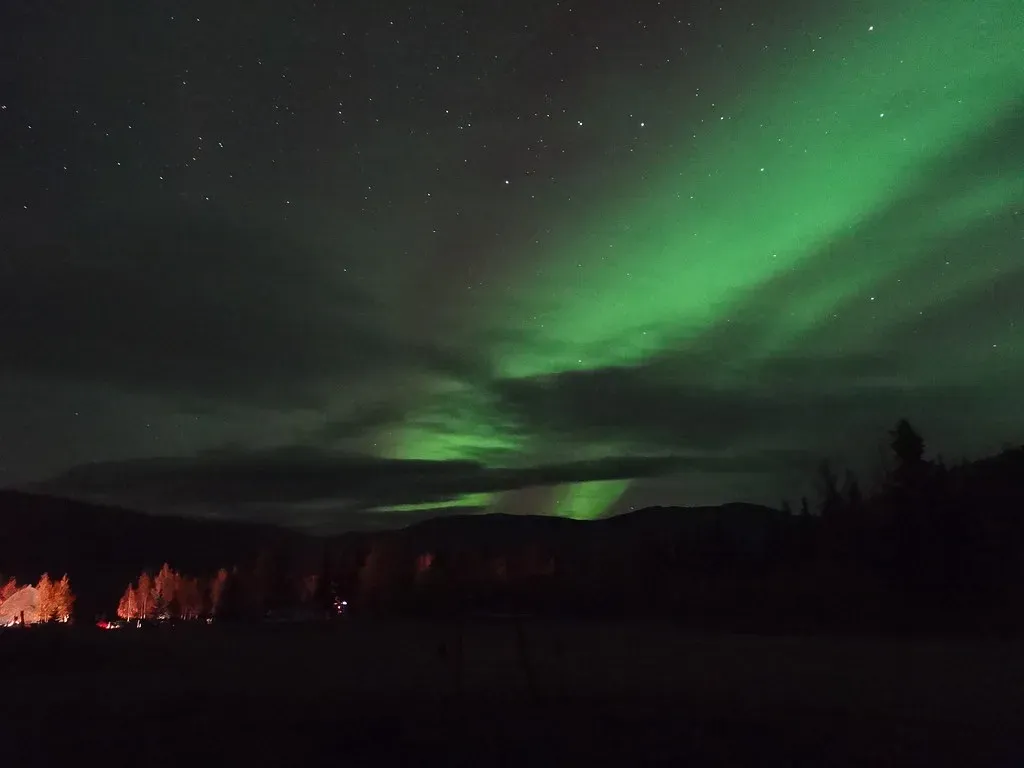
If STEVE wasn’t weird enough, there’s also something called the dunes. A new auroral form named the dunes consists of a monochromatic wave field with a wavelength of about 45 kilometers within a thin layer at 100 kilometer altitude, manifesting atmospheric waves, possibly mesospheric bores. Discovered by Finnish aurora enthusiasts in 2018, these horizontal stripes puzzled even experts.
The dunes appear as thin ribbons of green light extending toward the equator for hundreds of kilometers, arranged horizontally like fingers reaching toward the horizon, unlike most auroral light displays oriented vertically. The dunes arise from undulations of gas in the atmosphere, with crests being regions of higher air density where there is more oxygen for cascading electrons to excite into glowing green, and rare waves buffered by slightly colder air can spread over long distances.
The discovery happened because amateur photographers noticed something in the sky that didn’t fit any known category. That’s pretty remarkable when you think about it.
Solar Activity Determines How Vivid Things Get
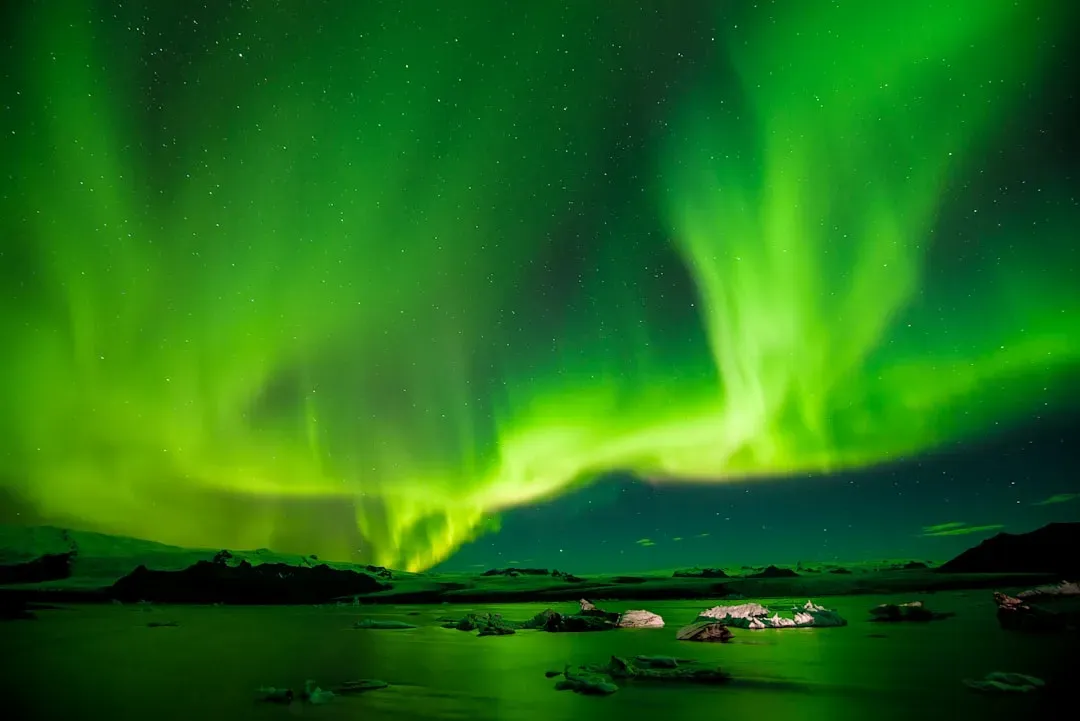
The Sun runs on an 11-year cycle, swinging from calm to wildly active, with the peak called the solar maximum when the Sun sends out more solar flares and coronal mass ejections that light up our skies with auroras. We’re currently in Solar Cycle 25. Solar scientists believe Solar Cycle 25 will have a double peak, extending the window for aurora activity well into 2026, meaning more time, more power, and more northern lights.
Northern lights are significantly more pronounced and frequent during a solar maximum, and the increased number of solar flares leads to more intense and widespread aurora displays that can even be seen at lower latitudes than usual. Remember that incredible display in May 2024? The night of May 10, 2024, witnessed the strongest aurora borealis and australis in 21 years, so strong that aurora was visible as far south as Florida and the Canary Islands, meaning basically everyone in Europe and the US could see it with clear skies.
Rare Colors Appear During Intense Storms
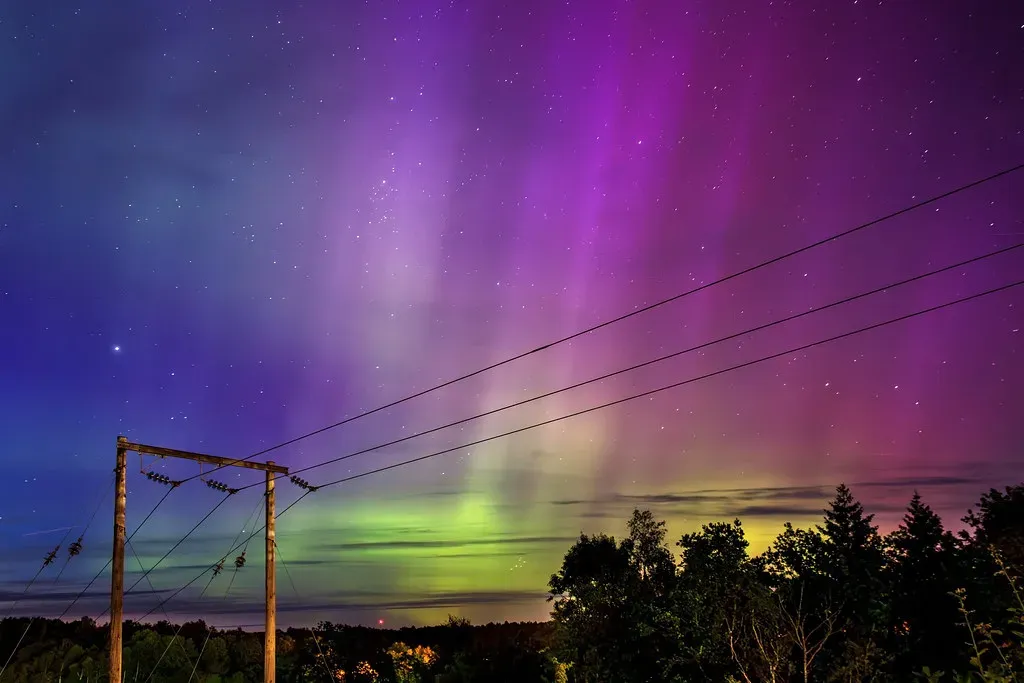
During particularly strong geomagnetic storms, things get really interesting. The intensity and variety of aurora colors depend largely on solar activity, and during periods of high solar wind and strong geomagnetic storms, more energetic charged particles collide with atmospheric gases, leading to brighter auroras and a wider spectrum of colors, including rare reds and purples.
A geomagnetic storm triggered by a solar flare can cause charged particles to penetrate the lower atmosphere, where they collide with nitrogen molecules to produce blue and violet light that mixes with red emissions from oxygen atoms in the upper atmosphere, resulting in pink and purple glows. Pink and purple auroras are genuinely rare. When they appear, they’re often so vivid they look unreal even to the naked eye.
Yellow and pink auroras are typically associated with high solar activity. You won’t see these during a quiet night in the auroral zone. They require exceptional conditions.
Auroras Exist on Other Planets Too
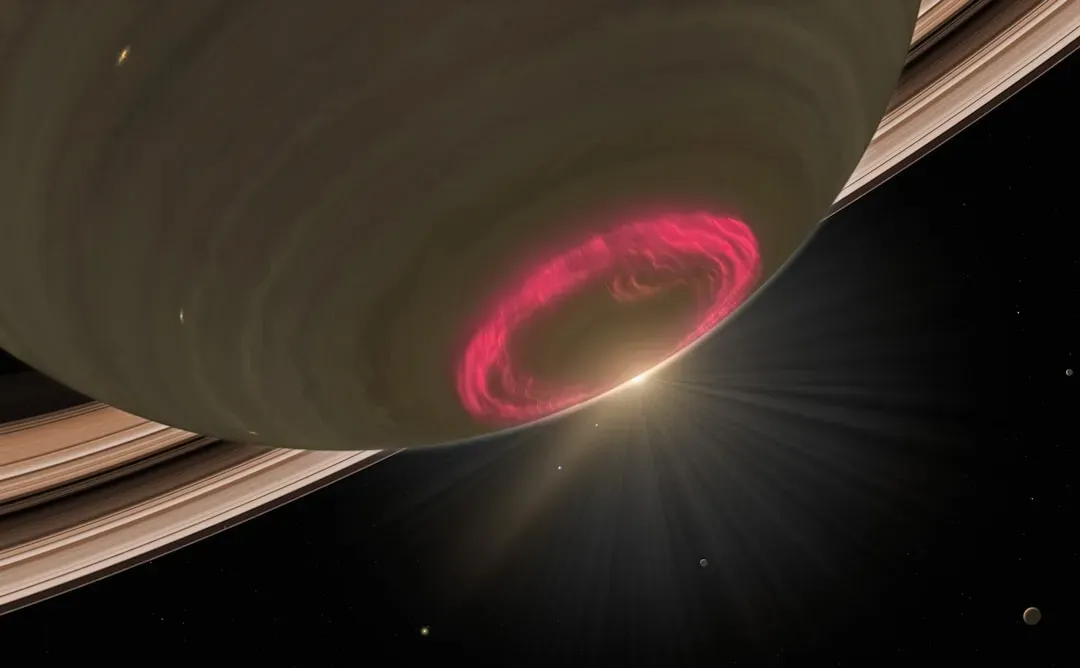
Earth isn’t special when it comes to auroras. These events are also seen on other planets like Saturn and Jupiter, resulting in a range of colors depending on altitude and the atmospheric gases involved. Jupiter’s auroras are particularly intense because of its massive magnetic field.
Auroras can occur on other planets and moons with atmospheres, usually where a planet’s magnetic field lines meet its atmosphere, and have been seen on places like Saturn and Jupiter, though they can occur in different ways on any planet with an atmosphere. The colors differ based on what gases make up each planet’s atmosphere. Jupiter’s auroras glow with ultraviolet light that humans can’t even see without special instruments.
It makes you wonder what other atmospheric light shows are happening across the universe that we’ll never witness.
Citizen Scientists Are Making Major Discoveries
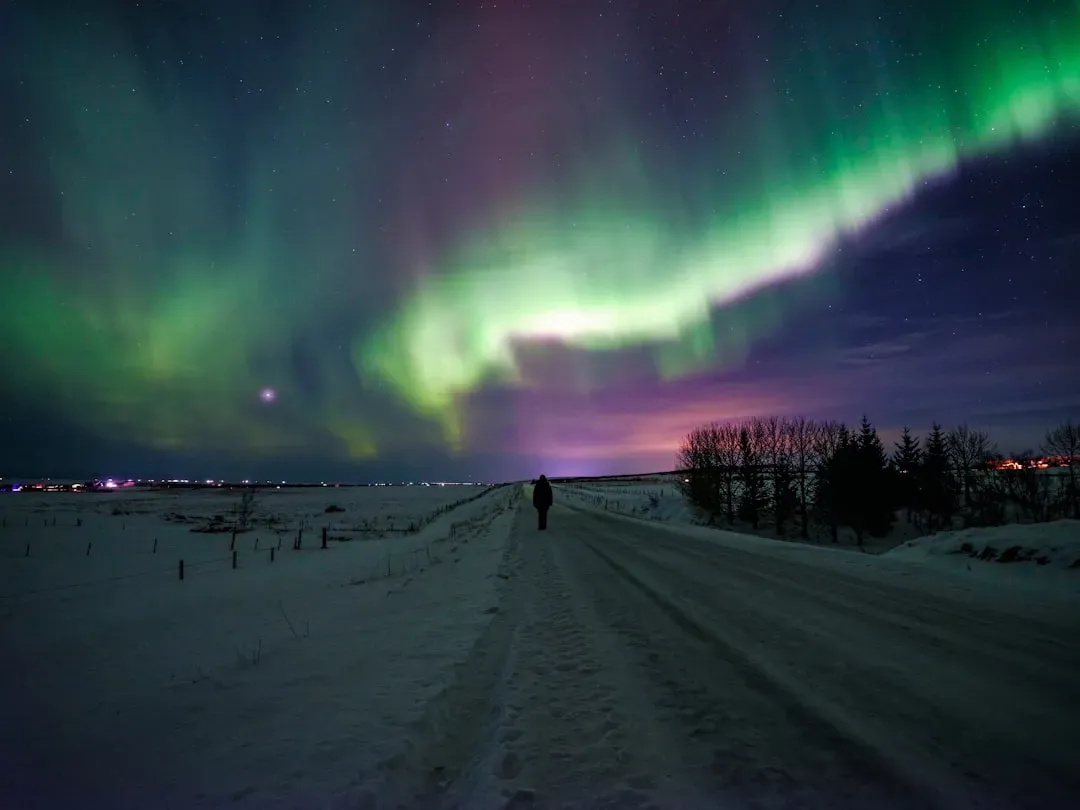
Some of the biggest recent breakthroughs about auroras came from regular people with cameras, not professional scientists. Improving digital camera technology has inspired amateur photographers to capture artistic shots featuring aurora, and citizen photographs have led to surprising scientific advances receiving worldwide attention.
Space physicists at the University of Helsinki worked with citizen scientists who first saw the dunes to determine their altitude and develop a theory to explain how they form, after citizens approached a physicist saying they had observed a completely new type of aurora scientists hadn’t seen before. NASA’s Aurorasaurus citizen science project encourages people to report their aurora sightings, and each verified report serves as a valuable data point for scientists who model these phenomena, potentially leading to published papers or new discoveries.
Anyone with a camera and clear skies can contribute to aurora science. That’s genuinely exciting.
What We Still Don’t Understand
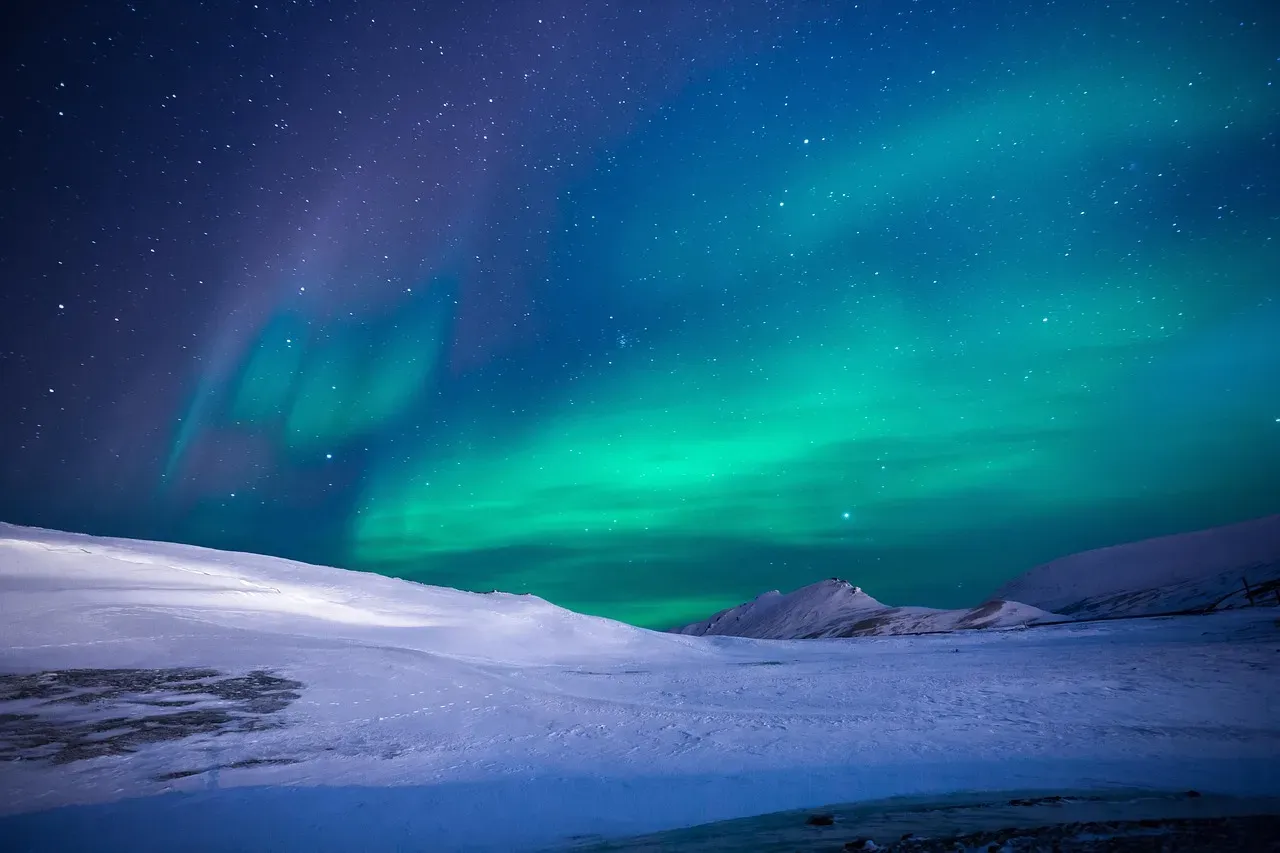
Despite centuries of observation and modern technology, mysteries remain. It took until the end of the twentieth century before a satisfactory explanation of the aurora, its colors, and the mechanisms behind it emerged. Even now, aspects puzzle researchers.
Spectral analyses of the light in STEVE’s mauve streak reveal a hodgepodge of different wavelengths, which is puzzling because producing such a spectrum requires something more complex than an atom, yet scientists don’t know of any molecules at STEVE’s altitude that could produce the observed spectrum. The physics at play in some of these phenomena remains partially unexplained.
There’s also the question of how much we’re still missing. If amateur photographers only recently spotted the dunes, what else is happening in our atmosphere that we simply haven’t noticed yet? The northern lights still have secrets to reveal, and that makes every aurora display not just beautiful, but scientifically significant.
The northern lights are proof that nature still surprises us, even when we think we understand something. Those swirling colors overhead represent physics we’re still decoding, atmospheric layers we’re still mapping, and cosmic interactions we’re still measuring. Next time you see an aurora, remember you’re watching something far more complex than dancing lights. You’re witnessing the visible edge of invisible forces, a conversation between the sun and Earth that we’re only beginning to understand. What do you think is the most fascinating aspect of auroras?