Have you ever felt like your brain is full, like you’ve reached some invisible storage limit? Maybe you’ve struggled to remember a new password while juggling work deadlines, or felt overwhelmed trying to learn a new skill. That nagging feeling might make you wonder if your brain is somehow maxed out. The truth is far more remarkable.
Your brain isn’t a hard drive that fills up and slows down. It’s a dynamic, ever-changing organ with capabilities that neuroscientists are still trying to fully understand. While it’s true that our working memory has limits in the moment, the long-term capacity for learning and storing information is something else entirely. Let’s dive into what makes your brain such an extraordinary learning machine.
Your Brain’s Staggering Storage Potential
Research estimates that the brain’s memory storage capacity reaches around 2.5 petabytes, which equals roughly a million gigabytes. To put that in perspective, you could theoretically record three million hours of television shows in that space. You’d need to leave a TV running continuously for more than 300 years to use up all that storage.
The human brain consists of about one billion neurons, with each neuron forming about 1,000 connections to other neurons, amounting to more than a trillion connections. Here’s the thing though. If each neuron could only store a single memory, you’d run into problems pretty quickly. Yet neurons combine so that each one helps with many memories at a time, exponentially increasing the brain’s memory storage capacity.
The Secret Power of Synaptic Connections
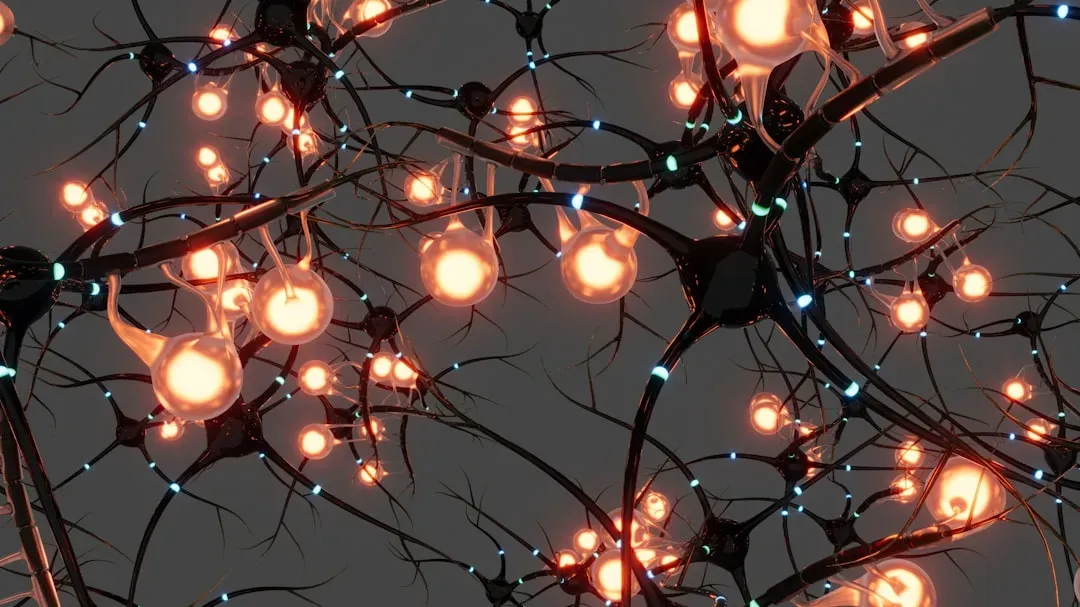
The real magic happens at the tiny spaces between your brain cells called synapses. A human brain contains trillions of these synapses, which gives rise to the brain’s astounding capacity for information processing, and the formation of synaptic connections must be highly specific. Think of synapses as the brain’s intricate wiring system, where information flows and transforms.
Scientists calculated that the brain is capable of storing 4.7 bits of information at each synapse, creating nearly 26 distinct storage levels within the brain. This variability is what makes your brain so adaptable. Each synapse can be strengthened or weakened based on how often it’s used, creating a flexible system that constantly reorganizes itself. The amazing diversity of proteins at synapses is what allows the brain to tune the strength and stability of connections, allowing us to think complex thoughts and build memories.
Neuroplasticity Rewrites the Rules
Neuroplasticity is how the brain adapts to changes in response to new learning and memory demands, involving the formation of new neural connections and the strengthening or weakening of existing ones. This means your brain literally reshapes itself every time you learn something new. It’s hard to overstate how revolutionary this concept is.
Neuroplasticity, our brain’s ability to reorganize itself by forming new neural connections, allows us to learn and unlearn, which is crucial for adjusting to new information. Your brain at age fifty isn’t the same brain you had at twenty, not just because of aging, but because every experience has physically altered its structure. In a young brain, dendrite spines move around like crazy, but when you look in an adult brain, the spines don’t move very much. Still, the capacity for change never fully disappears.
Forgetting Is Actually a Feature

Let’s be real: forgetting can be frustrating. Yet selective forgetting is actually essential for your brain to function properly. Selective forgetting plays a significant role in this process, as it helps prioritize important memories over less significant ones. If you remembered every single detail of every moment, your brain would be cluttered with useless information.
Forgetting is a way to manage colossal information overload so that the brain operates efficiently and effectively. Your brain is constantly making decisions about what matters and what doesn’t. That random conversation you had three weeks ago? Probably not worth keeping. The faces of people you care about? Those connections get strengthened. It’s not magical, not some hidden dimension of space that’s limitless, but the brain can come out of such unreliable synapses with remarkable precision.
The Hippocampus as Memory Architect

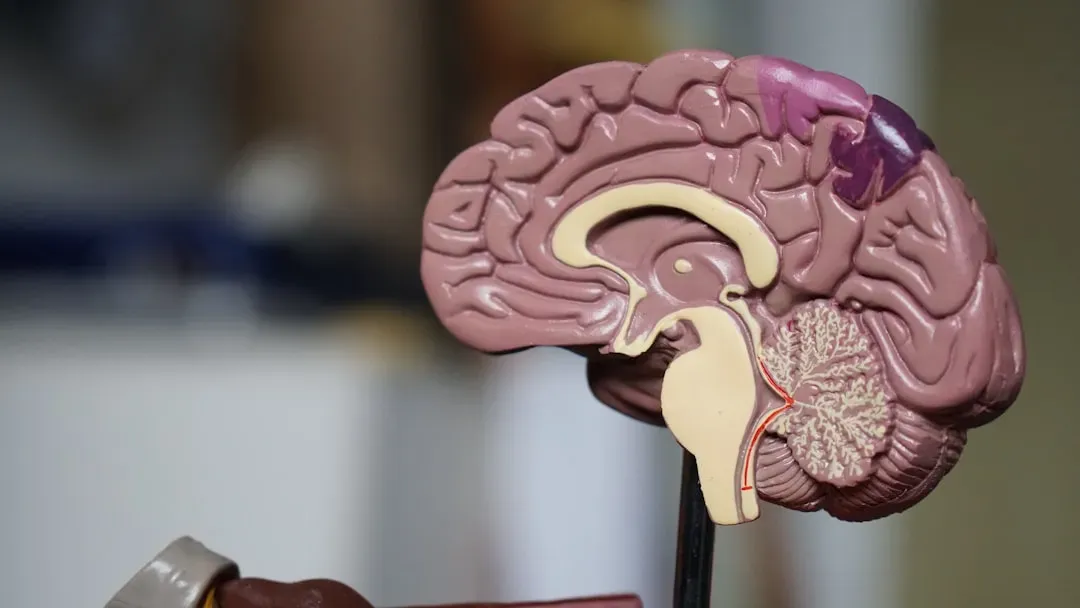
The hippocampus, a key region in the brain, plays an essential role in converting short-term experiences into long-term memories and acts as a storage space for facts and experiences. This seahorse-shaped structure is where your memories initially take root. Without it, forming new long-term memories becomes nearly impossible.
The number of place cells maintaining a stable place field and the stability of individual cells progressively increased across the week until most of the representation was composed of long-term stable cells that disproportionately represented task-related learned information. Recent studies show that memory formation is more complex than scientists once believed. Memory formation begins in the hippocampus, and long-term memory relies not on a single on/off switch, but on a sequence of gene-regulating programs that unfold like molecular timers across the brain.
Learning Never Stops at Any Age
For decades, scientists believed that you were born with all the brain cells you’d ever have. That dogma has been completely overturned. The discovery of neural stem cells with persistent proliferative capacity in adulthood has challenged the dogma that the adult brain is incapable of regeneration. Your brain continues producing new neurons throughout your life, particularly in the hippocampus.
Research has demonstrated that neurogenesis continues throughout adulthood in specific brain regions, particularly the hippocampus, and is thought to play a role in learning, memory, and mood regulation. Increasing adult-born neurons in aged mice by overexpressing specific genes or attenuating certain signaling improved cognitive abilities and long-term memory, suggesting that cognitive decline with aging can be reversed at least in part by increasing hippocampal adult neurogenesis. The potential implications for treating age-related memory loss are genuinely exciting.
Exercise Literally Grows Your Brain

If there’s one lifestyle change that consistently enhances brain function, it’s exercise. Aerobic exercise not only induced neurogenesis in mice, but also increased brain-derived neurotrophic factor, a protein found in the brain that plays a key role in nerve health. Physical activity isn’t just good for your body; it fundamentally changes your brain’s architecture.
Voluntary exercise in a running wheel doubled the number of proliferating cells and net neurogenesis in the dentate gyrus, while an independent study showed that exposing rats to regular swimming exercise resulted in an increase in progenitor cell proliferation. Investigation of high to moderate intensity exercise groups revealed an increase in growth factors that were associated with enhanced cognitive function when compared to low-intensity exercise groups. Regular physical movement appears to be the brain’s natural fertilizer.
Diet and Nutrition Shape Cognitive Power

Compounds such as curcumin, resveratrol, blueberry polyphenols, omega-3 fatty acids, and flours rich in soluble fibers have been shown to induce neurogenesis in the adult brain, reducing oxidative stress and neuroinflammation while enhancing cell signaling. What you eat doesn’t just fuel your body; it directly impacts your brain’s capacity to learn and remember.
Many dietary components have been shown to reduce oxidative stress and neuroinflammation, provide protection from cellular damage, and improve cognitive function. Think of nutrition as brain maintenance. Defined nutritional intake and regular physical exercises are recommended lifestyle approaches to enhance neurotrophic factors expression and maintain neural stem cell homeostasis in the hippocampus, which may serve to prevent or significantly improve the status of neurogenesis in aging and neurodegeneration. It’s one of those areas where science catches up with common sense.
The Learning Brain Constantly Reorganizes Itself
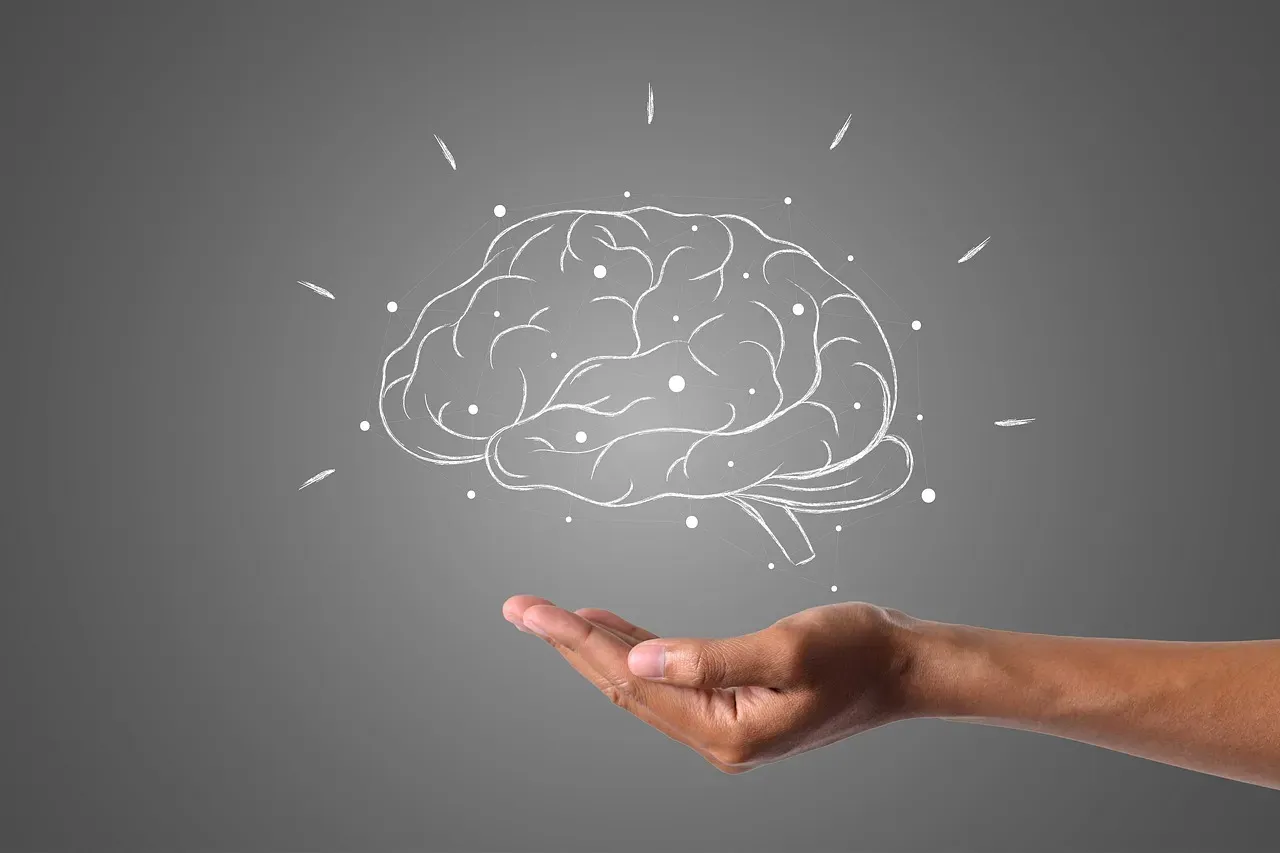
An increase in the strength of a relatively small number of synapses can bind connected neurons into a circuit that stores a new memory, guided by a deceptively simple principle: neurons that fire together, wire together. This elegant concept explains how your brain creates lasting connections. Every time you practice a skill or revisit a memory, you’re physically strengthening those neural pathways.
In an intricately coordinated process, new information causes certain synapses to get stronger with new data while others grow weaker. Your brain isn’t passively recording information like a camera. This is particularly important during early development but continues throughout life as the brain learns and forms new memories through a phenomenon known as long-term potentiation. The process of learning is active, dynamic, and never truly stops.
Working Memory vs. Long-Term Storage
Working memory is what allows humans to juggle different pieces of information in short-term scenarios, like making a mental grocery list, and while scientists agree that the capacity of working memory is limited, they offer competing theories about how and why this is true. You’ve probably experienced this limitation firsthand when trying to remember a phone number or keep track of multiple tasks at once.
Recent research shows that learning, rather than capacity, is the real driver of working memory, and that the model learned how to strategically store information to its full storage capacity through a mechanism that emulates the human brain’s dopamine delivery system. When scientists altered the dopamine delivery system to emulate conditions in patients with Parkinson’s disease, schizophrenia and ADHD, the results showed that without a healthy dopamine system, the model did not learn how to use storage space as efficiently. This helps explain why certain neurological conditions affect memory.
Your Brain’s Potential is Within Reach
The human brain represents one of nature’s most extraordinary achievements. Its capacity for learning and memory isn’t truly limitless in the literal sense, yet for all practical purposes, you’ll never come close to maxing it out. The human brain’s capacity for knowledge is vast, dynamic, and adaptable, with current estimates suggesting a storage capacity ranging from hundreds of terabytes to potentially petabytes.
The brain’s capacity is not a fixed limit, but rather a dynamic potential that can be influenced by genetics, environment, lifestyle, and cognitive training, and by understanding the neural mechanisms underlying knowledge storage, we can take steps to optimize our cognitive abilities. The science is clear: your ability to learn and remember can be enhanced through deliberate choices. Physical exercise, proper nutrition, adequate sleep, and continued intellectual engagement all contribute to maintaining and improving your brain’s remarkable capabilities. The question isn’t whether your brain has enough capacity. The question is how you’ll use the incredible potential you already have. What new skill will you decide to learn today?