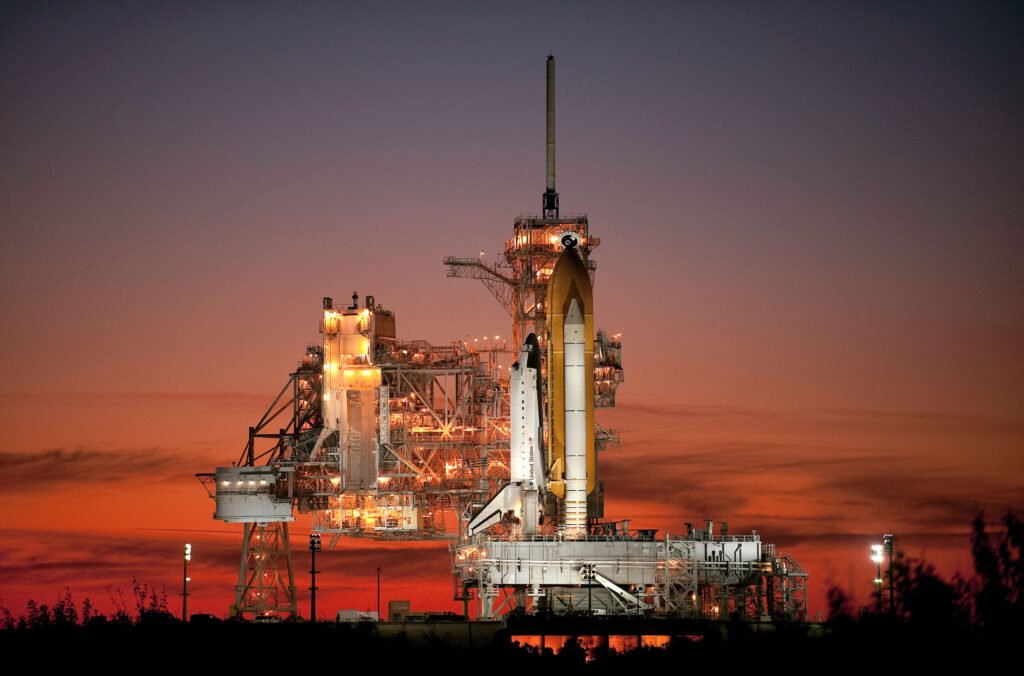

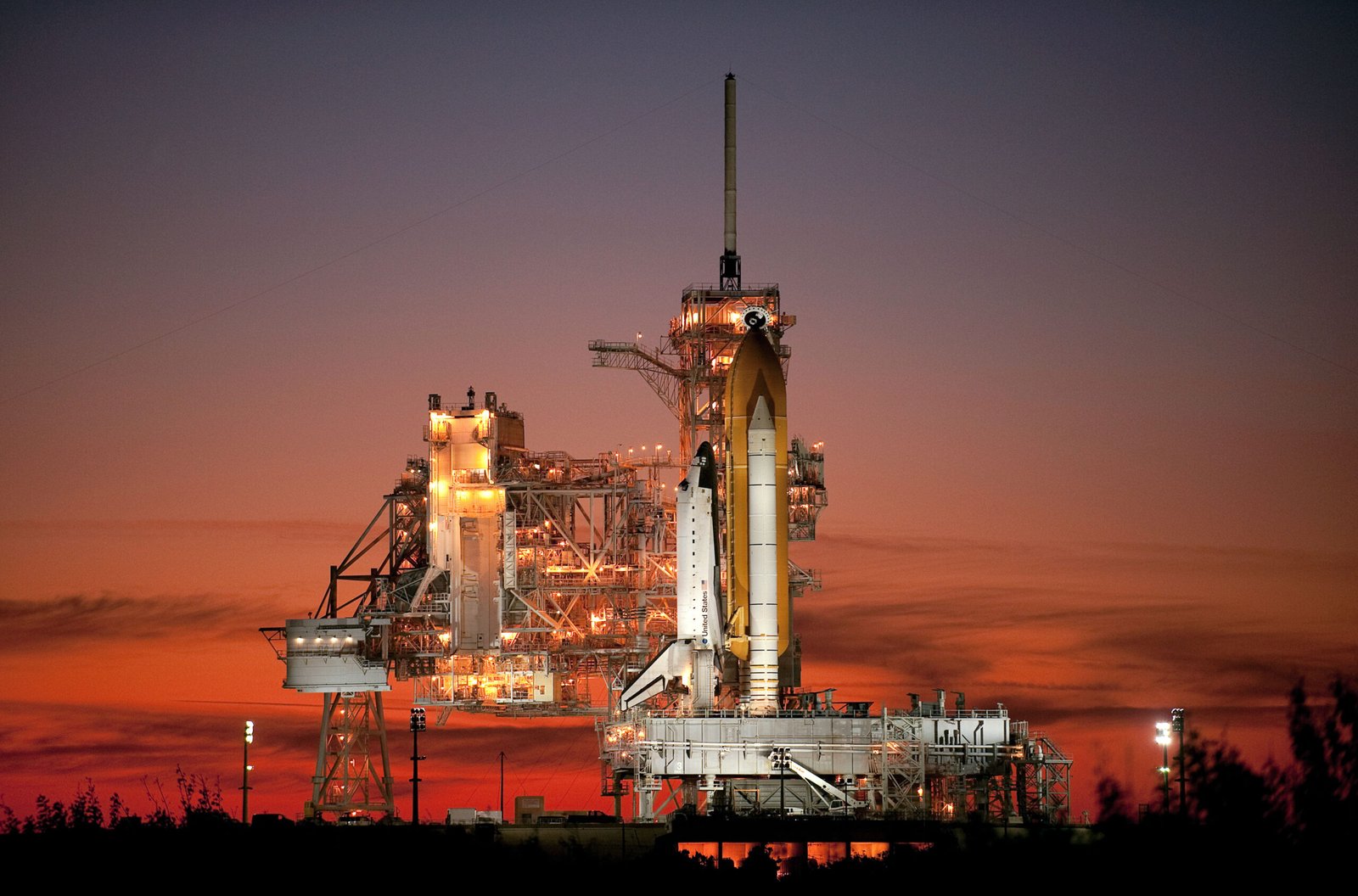
Cold Weather Violates Strict Launch Criteria (Image Credits: Upload.wikimedia.org)
Florida – Forecasts of near-freezing temperatures forced NASA to delay the Artemis II mission, pushing the earliest launch opportunity to February 8 amid a rare cold snap at the Cape Canaveral Space Force Station.[1][2]
Cold Weather Violates Strict Launch Criteria
Temperatures plunged into the 20s Fahrenheit before dawn on Sunday, prompting NASA to scrap weekend plans for a crucial test.[2] Engineers monitored the arctic outbreak closely, as it threatened ground systems and hardware performance. The agency assessed conditions and determined the weather would breach established limits.
NASA’s launch rules prohibited operations if temperatures at specific heights on the pad – 132.5 feet and 257.5 feet – fell below 38 to 49 degrees Fahrenheit for 30 minutes, depending on wind and humidity.[2] “The expected weather this weekend would violate launch conditions,” the agency stated. Heaters protected the Orion capsule atop the stack, while purging systems maintained internal environments. This decision prioritized safety over speed in preparations.
Wet Dress Rehearsal Shifted to Ensure Success
The wet dress rehearsal, a 49-hour simulated countdown, loaded the 322-foot Space Launch System rocket with over 730,000 gallons of super-chilled liquid oxygen and hydrogen.[3] Originally set for Saturday, January 31, the tanking phase moved to Monday, February 2. Teams remained poised at Launch Complex 39B, ready once conditions improved.
Past rehearsals faced hurdles like balky fans and stuck valves, underscoring the test’s complexity. NASA managers adjusted the timeline to position the effort for success, avoiding risks from the chill. Data from the rehearsal will inform the final launch readiness review. Any further slips would shift potential liftoffs day-for-day.[4]
Artemis II Marks Historic Return to the Moon
Artemis II will send four astronauts on the first crewed Orion flight, looping around the Moon in a 10-day mission unseen since Apollo.[4] The crew entered quarantine on January 23 at Johnson Space Center in Houston and will travel to Florida six days before liftoff. This flight validates systems for future lunar landings under Artemis III, targeted for 2028.
The mission revives human exploration beyond low Earth orbit after more than 50 years. Orion’s heaters and cold-weather configurations kept the spacecraft viable during the delay. NASA emphasized operational safety as crews pushed boundaries.[3]
Coordinating with ISS Crew Rotation
NASA synchronized Artemis II with the Crew-12 mission to the International Space Station, potentially launching days apart. “Our teams have worked very carefully to see how we can keep moving towards launch for both missions, while at the same time making sure we avoid any major conflicts,” said Ken Bowersox, associate administrator for Space Operations.[1]
Steve Stich, Commercial Crew Program manager, outlined contingencies: a February 8 Artemis liftoff could push Crew-12 to the 19th, while later dates or scrubs opened earlier slots. Jessica Meir, Crew-12 commander, expressed excitement: “We are all thrilled about the launch of Artemis. We are very excited to see how this will all play out.”[3] Possible overlap might allow real-time chats between lunar voyagers and station residents.
Upcoming Launch Opportunities
February windows narrowed to three dates after the shift.
- February 8 (opens 11:20 p.m. Florida time)
- February 10
- February 11
Additional slots beckon in March (6, 7, 8, 9, 11) and April (1, 3, 4, 5, 6).[2] The February 8 attempt coincides with the Super Bowl, adding intrigue to the evening.[1]
Key Takeaways
- Cold snap to 20s Fahrenheit violated pad temperature limits, delaying wet dress rehearsal to February 2.
- Artemis II launch now no earlier than February 8, with limited monthly windows.
- Mission paves way for lunar landings; safety remains paramount amid weather challenges.
Weather remains the unpredictable force in spaceflight, reminding observers that even Florida’s sun cannot always thaw ambitions for the stars. As NASA adapts, the path to the Moon endures. What are your thoughts on this delay and the Artemis program’s progress? Share in the comments below.