Have you ever wished you could regrow a lost finger or repair a damaged organ without surgery? While that sounds like science fiction for us humans, there are creatures on this planet right now that make it look effortless. Some animals possess regenerative powers so extraordinary that scientists spend entire careers trying to unlock their secrets. These aren’t mythical beasts from fantasy novels; they’re real living organisms sharing our world, quietly performing miracles of biological engineering that could one day revolutionize medicine.
Let’s be real, when you think about healing, you probably imagine scabs and scars. Most of us are stuck with that limited repair kit. Yet scattered across the animal kingdom are species that laugh in the face of permanent injury, creatures that can rebuild entire limbs, organs, or even their brains from scratch. So let’s dive in and meet these biological marvels that are rewriting the rules of what’s possible.
The Axolotl: Nature’s Ultimate Regeneration Champion
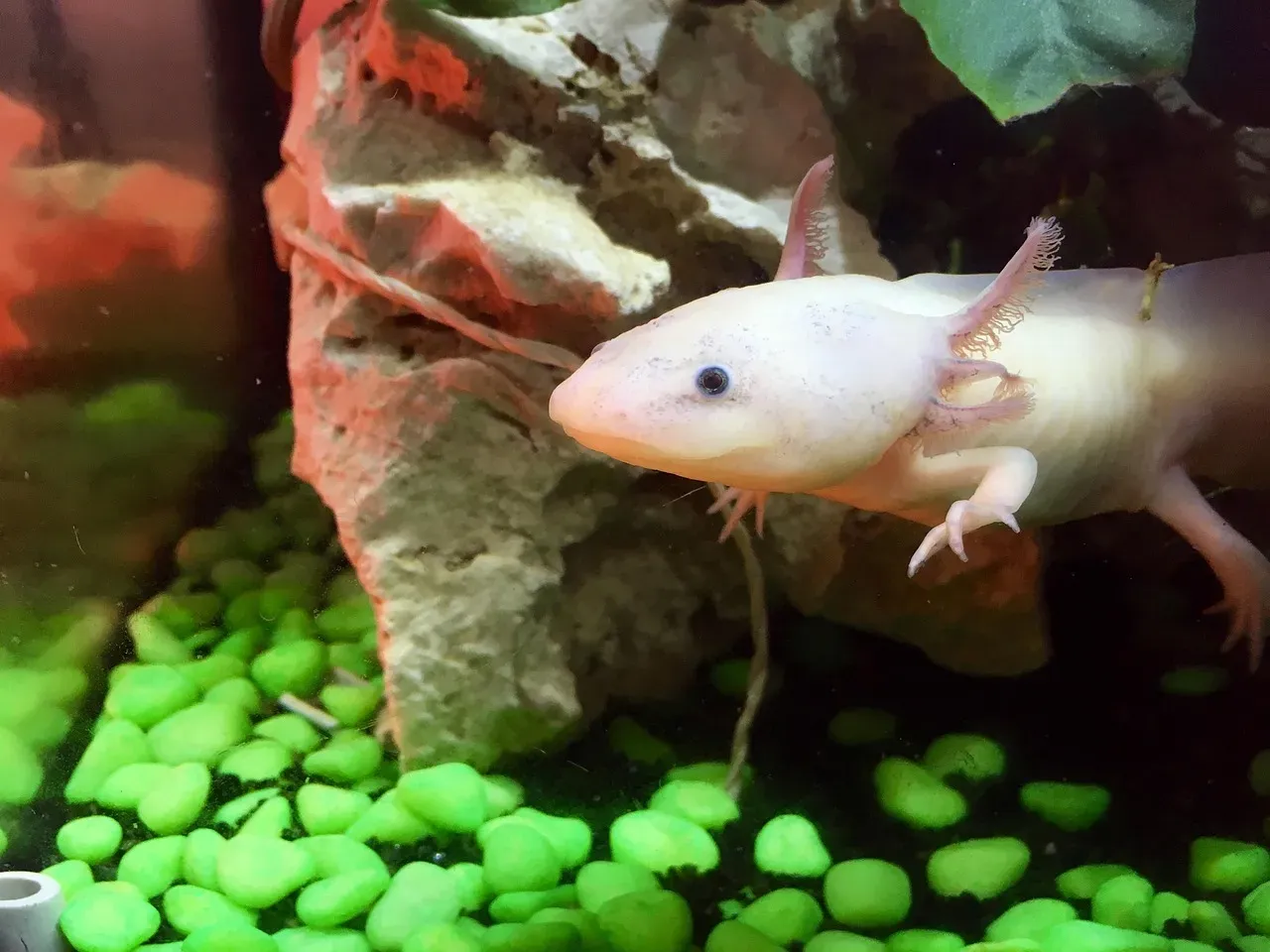
The Mexican axolotl can regenerate missing limbs, tails, and parts of their brain, heart, and lower jaw. Think about that for a moment. If this adorable salamander loses a leg, it doesn’t just heal the wound. In a few months, the axolotl will grow a whole new arm with bones, muscle, skin, nerves and all. What makes this even more remarkable is that axolotls can regrow organs that are just as robust as the originals, no matter how old they get.
Recent research in 2025 revealed something fascinating about how these creatures pull off this trick. Researchers traced this ability back to a molecule known as retinoic acid, which is responsible for telling an axolotl’s cells what body part to grow back. Here’s the thing though: retinoic acid is not an axolotl specific molecule, humans also have it, mostly from our diet and in skincare products like retinol. Harvard researchers discovered that axolotls activate stem cells throughout the body, not just at the injury site, coordinating regeneration through their sympathetic nervous system. The axolotl basically turns on biological switches that we’ve permanently turned off.
Starfish: Growing Entire Bodies from Single Arms
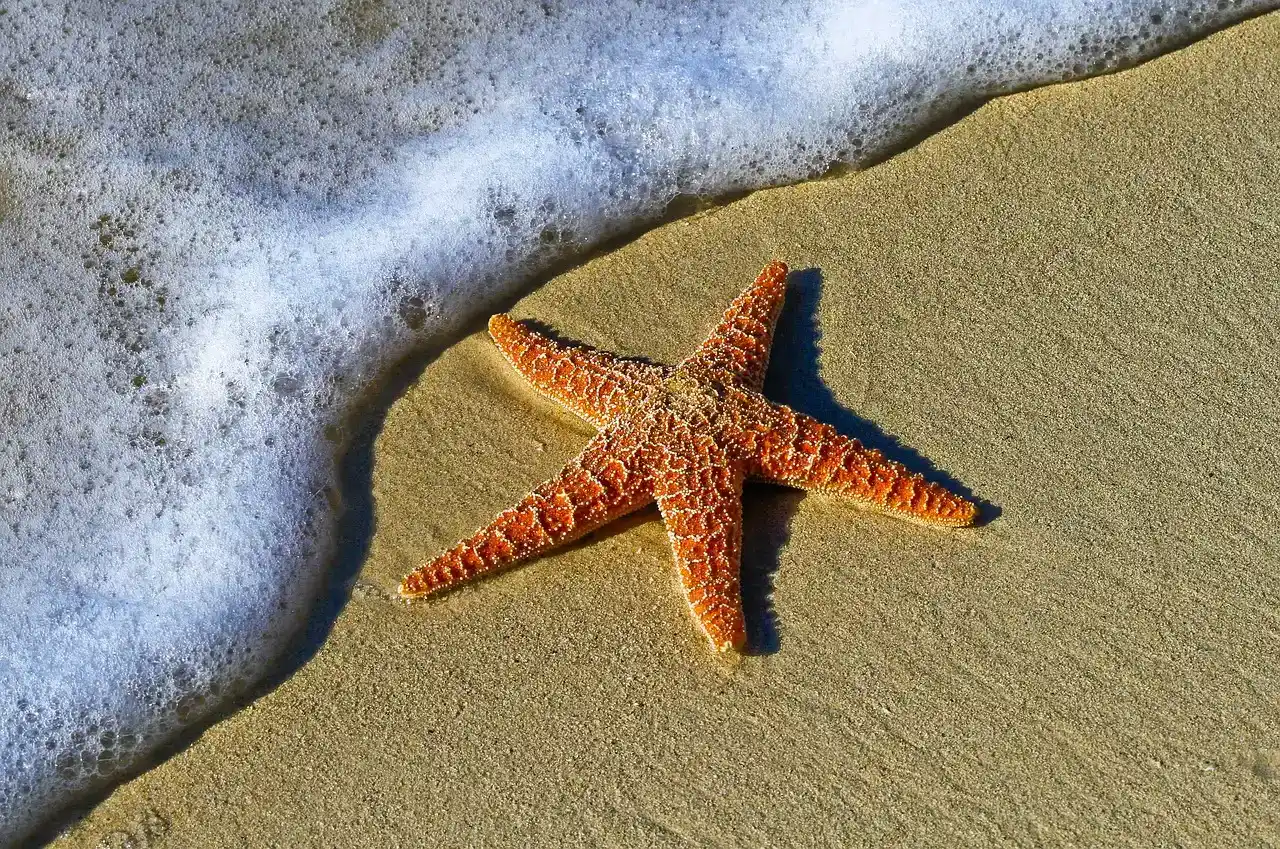
Starfish can grow a new limb, but these creatures can also grow a whole new body from the lost limb. That’s not a typo. Cut a starfish into pieces, and under the right conditions, several new starfish can grow from pieces of the original one. This process, called fission, represents one of nature’s most dramatic examples of regeneration and serves as a form of asexual reproduction.
What powers this incredible ability? Sea stars retain indeterminate stem cells throughout their lives, enabling them to regrow most parts of their bodies, even vital organs. Humans only have such stem cells during the fetal stage. In 2022, scientists made a groundbreaking discovery: starfish could not just regenerate their body, they could correctly regenerate their nervous system, and researchers found that when neurons were injured in the starfish, they began to express the gene sox2. This process can take anywhere between months to years, depending on the extent of the damage and the availability of resources such as food.
Planarian Flatworms: Regrowing Brains in a Week
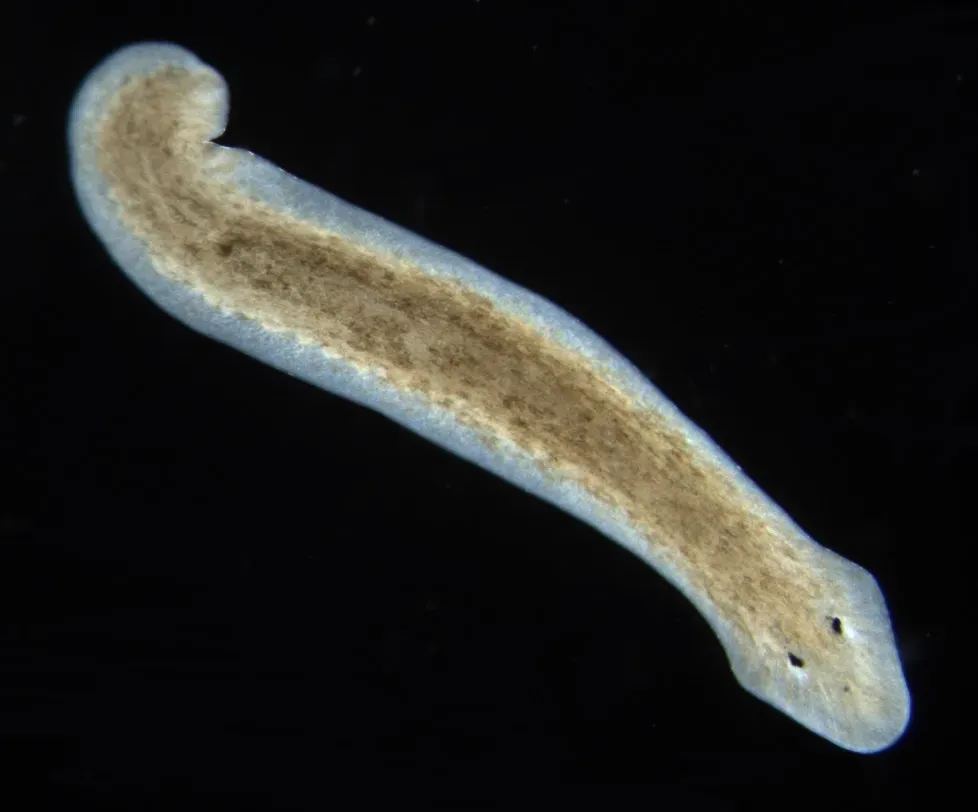
Imagine being decapitated and growing a completely new head, brain and all, with your memories intact. That’s exactly what planarian flatworms can do. The planarian flatworm can completely regenerate its whole brain and functionally reintegrate the new tissue in approximately seven days without scarring. If you slice one of these tiny worms into multiple pieces, each fragment will regenerate into a complete organism.
Scientists at Tufts University showed that a decapitated planarian will not only regrow a new head, it will retain learned information as well as planarians who never lost their heads. Let that sink in: a worm with a brand new brain remembering things the old brain learned. The secret lies in their neoblasts, specialized stem cells. Planarians accomplish regeneration with use of adult pluripotent stem cells, cells capable of becoming any type of tissue needed. The planarian brain undergoes constant neuronal turnover of approximately twenty-five percent per week, making it possibly the most dynamic nervous system in the animal kingdom.
Zebrafish: Healing Hearts Without Scars
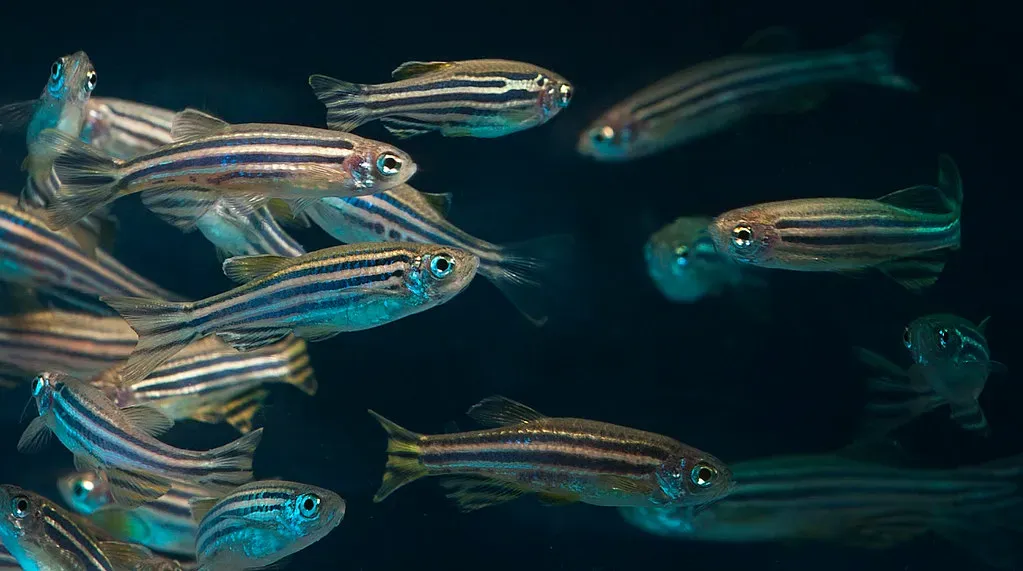
Here’s where things get really interesting for human medicine. The zebrafish can generate its heart with little or no scarring. While humans suffer permanent damage after heart attacks, leaving behind scar tissue that weakens the organ, zebrafish simply rebuild. Zebrafish fully regenerate hearts within 2 months of 20% ventricular resection, and regeneration occurs through robust proliferation of cardiomyocytes localized at the leading epicardial edge of the new myocardium.
Just last month, in January 2026, researchers made a major breakthrough. Scientists discovered that the protein Hmga1 plays a key role in heart regeneration in zebrafish, and in mice, this protein was able to restore the heart by activating dormant repair genes without causing side effects. Honestly, I think this is one of the most promising developments for regenerative medicine in years. In human hearts, as in adult mice, the Hmga1 protein is not produced after a heart attack, however, the gene for Hmga1 is present in humans and active during embryonic development, providing a foundation for gene therapies. We have the blueprint; we just need to figure out how to switch it back on.
Sea Cucumbers: Regenerating Internal Organs
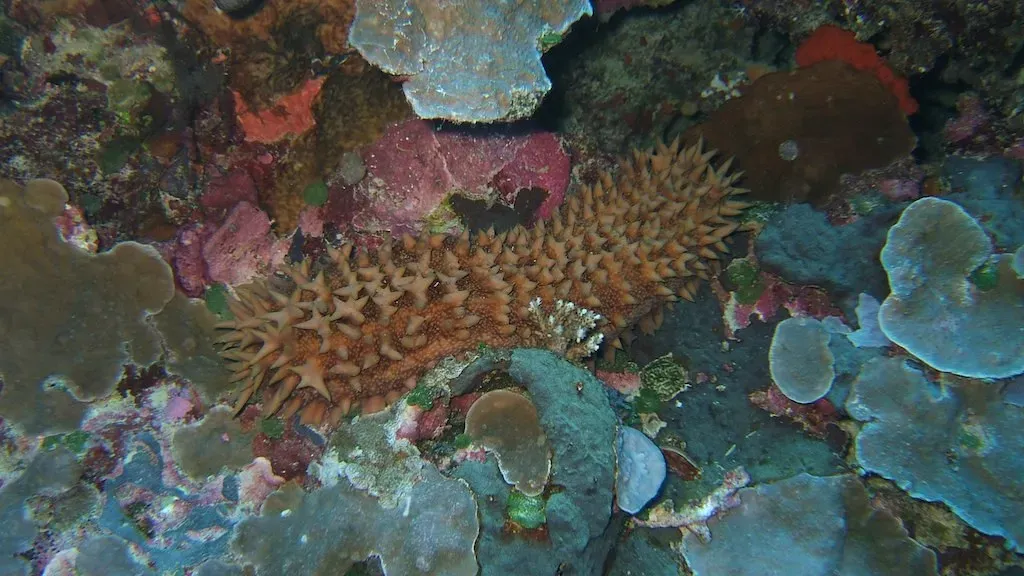
Sea cucumbers might not look like much, but these ocean floor dwellers possess regenerative abilities that would make any other creature jealous. When threatened by predators, some sea cucumber species will actually expel their internal organs as a defense mechanism, leaving the predator with a meal while they escape. The truly extraordinary part? They can regrow those expelled organs within a few weeks.
Comprehensive studies in the regeneration of radial nerve chords in sea cucumbers point to the use of radial glial dedifferentiation in nervous system regeneration. These creatures can regenerate their digestive systems, respiratory structures, and portions of their nervous system. The process involves existing cells reverting to a more primitive state and then rebuilding the missing structures. Their ability to regenerate such complex internal organ systems makes them valuable subjects for understanding tissue repair mechanisms that could potentially be applied to human organ damage.
Deer: Regrowing Sixty Pounds in Three Months

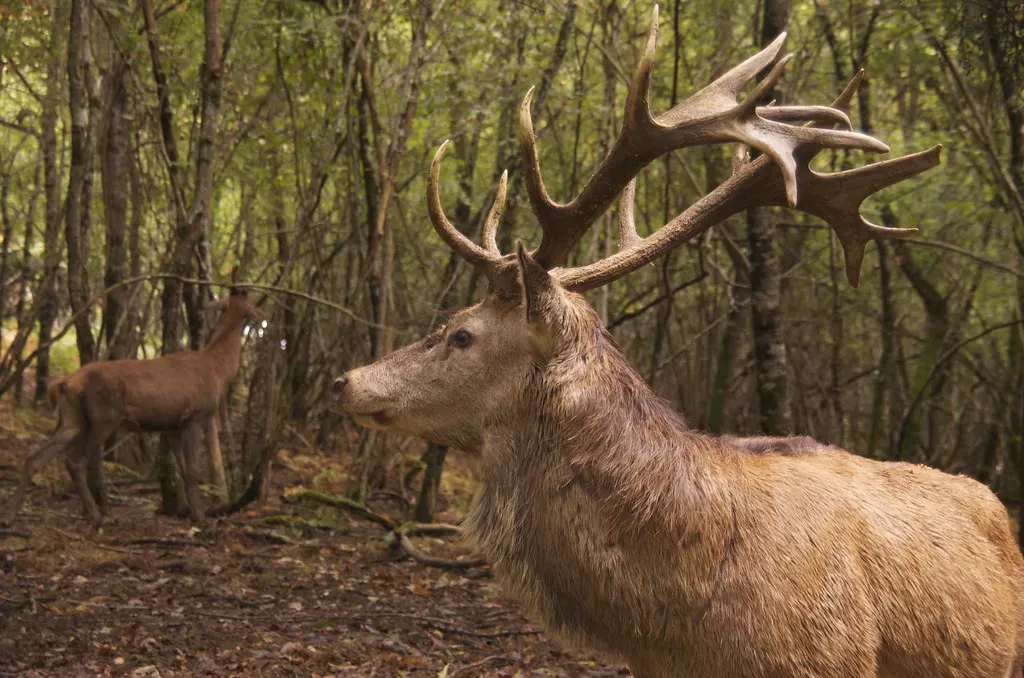
You might not think of deer as regeneration champions, but consider this: A deer can regrow 60 pounds in as little as three months when their antlers regenerate annually. Antlers growing back is one of the most extreme examples of regeneration out there, according to researchers. These aren’t small appendages; we’re talking about massive bony structures complete with blood vessels and nerves that fall off and regrow every single year.
What’s fascinating is that this represents mammalian regeneration at its finest. Researchers have found that mammals have the ability to regenerate more than previously appreciated, including rabbits regenerating parts of their ear lobes, bats regenerating parts of their wings, and spiny mice quickly regenerating skin. The fact that mammals, our close evolutionary relatives, can accomplish such dramatic regeneration suggests that the genetic toolkit for regeneration might be lurking dormant in our own DNA, waiting for the right signal to activate.
Lizards: Detachable Tails and Rapid Regrowth
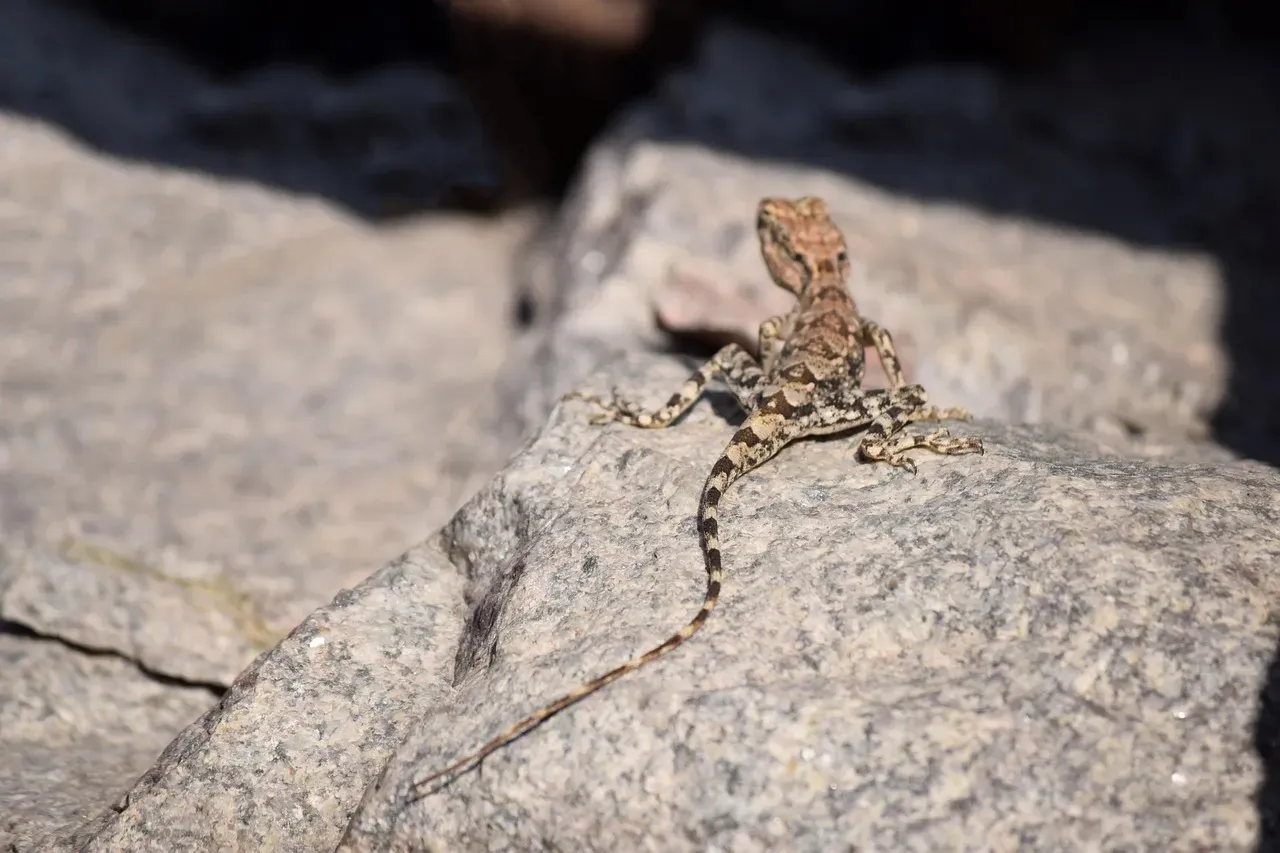
Some lizards and other animals can lose their body parts, but are masterful at regenerating them, a feat humans are sadly less capable of doing. Who hasn’t heard the classic story of a lizard dropping its tail to escape a predator? This process, called autotomy, is deliberate self-amputation. Starfish and sea stars will cut off one or more of their arms and grow back the limbs lost to autotomy over time, but lizards have perfected this survival strategy on land.
After the amputation of a salamander’s leg, molecules spill out of ruptured cells while an epidermis covers the stump, which attracts stem cells to the wound, and the stem cells form a mass of embryo-like tissue called a blastema. While the regenerated lizard tail isn’t quite as good as the original, lacking the original bone structure and instead featuring cartilage, it’s still a remarkable feat. Chameleons can regrow their tails and limbs, and they can also heal damaged nerves and skin during the regenerative process. It’s hard to say for sure, but evolutionary pressures likely shaped this ability as a survival mechanism, trading a temporary loss for continued life.
Conclusion
The animal kingdom’s regeneration superstars offer us more than just fascinating biology; they provide a roadmap for the future of human medicine. From the axolotl’s complete limb regeneration to the zebrafish’s scarless heart healing, these creatures are living proof that regeneration isn’t just possible, it’s already happening all around us. Scientists today are racing to decode these biological mechanisms, discovering molecules like retinoic acid and Hmga1 that could unlock our own dormant regenerative potential.
We share roughly seventy percent of our genes with zebrafish, and we produce many of the same molecules that power regeneration in these extraordinary animals. The difference isn’t necessarily in what we have, but in how those genetic switches are set. As research accelerates in 2026 and beyond, we’re inching closer to a future where regrowing a damaged heart or lost limb might not be science fiction anymore. These seven animals have been performing miracles for millions of years. Now it’s our turn to learn from the masters. What do you think about regenerative medicine’s potential? Could you imagine a world where losing a limb is just a temporary setback?