
Have you ever stood before a rock formation so bizarre it made you question what you know about nature? The United States is home to some of the planet’s most puzzling geological wonders, structures that look like they were dropped from another dimension entirely. Scattered across deserts, prairies, and coastlines are formations that challenge our understanding of erosion, time, and the forces that shape our world.
These aren’t your typical roadside attractions. We’re talking about landscapes that seem to break the rules, places where sandstone swirls like frozen water and towers of rock appear to float in midair. Let’s dive in and explore ten of the strangest geological oddities this country has to offer.
The Wave: Arizona’s Swirling Sandstone Masterpiece
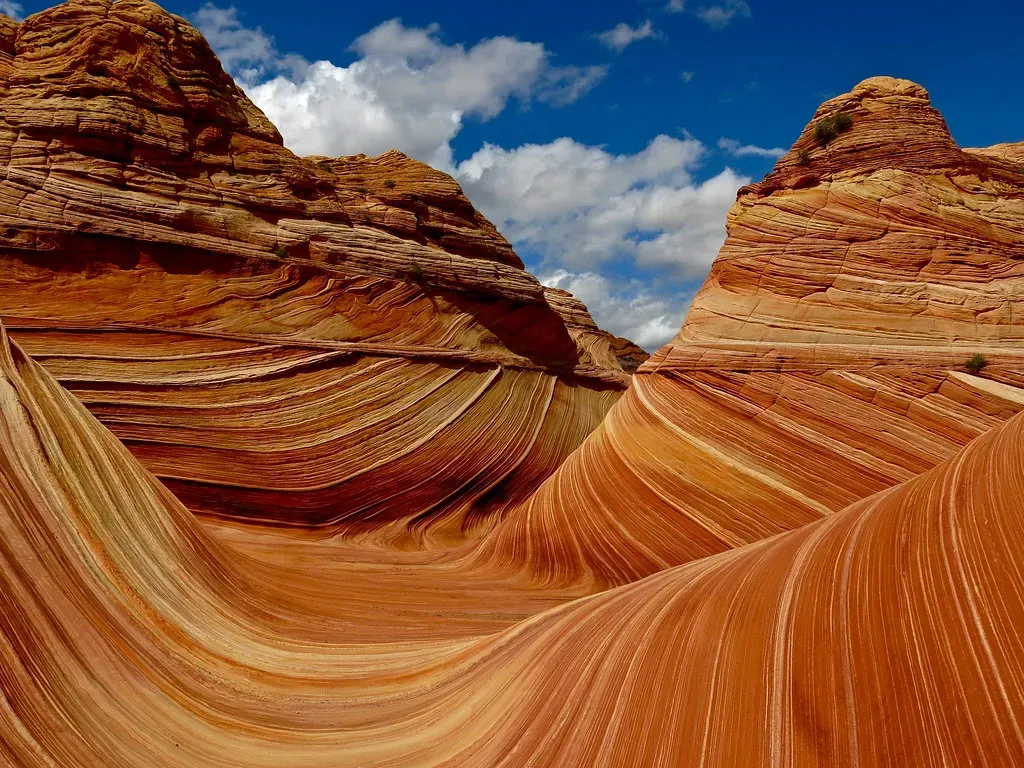
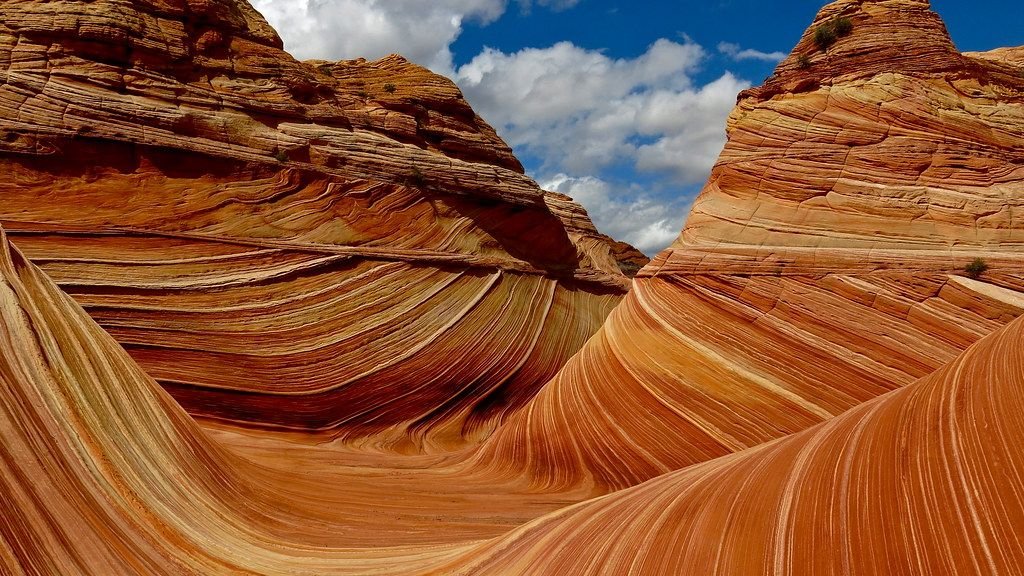
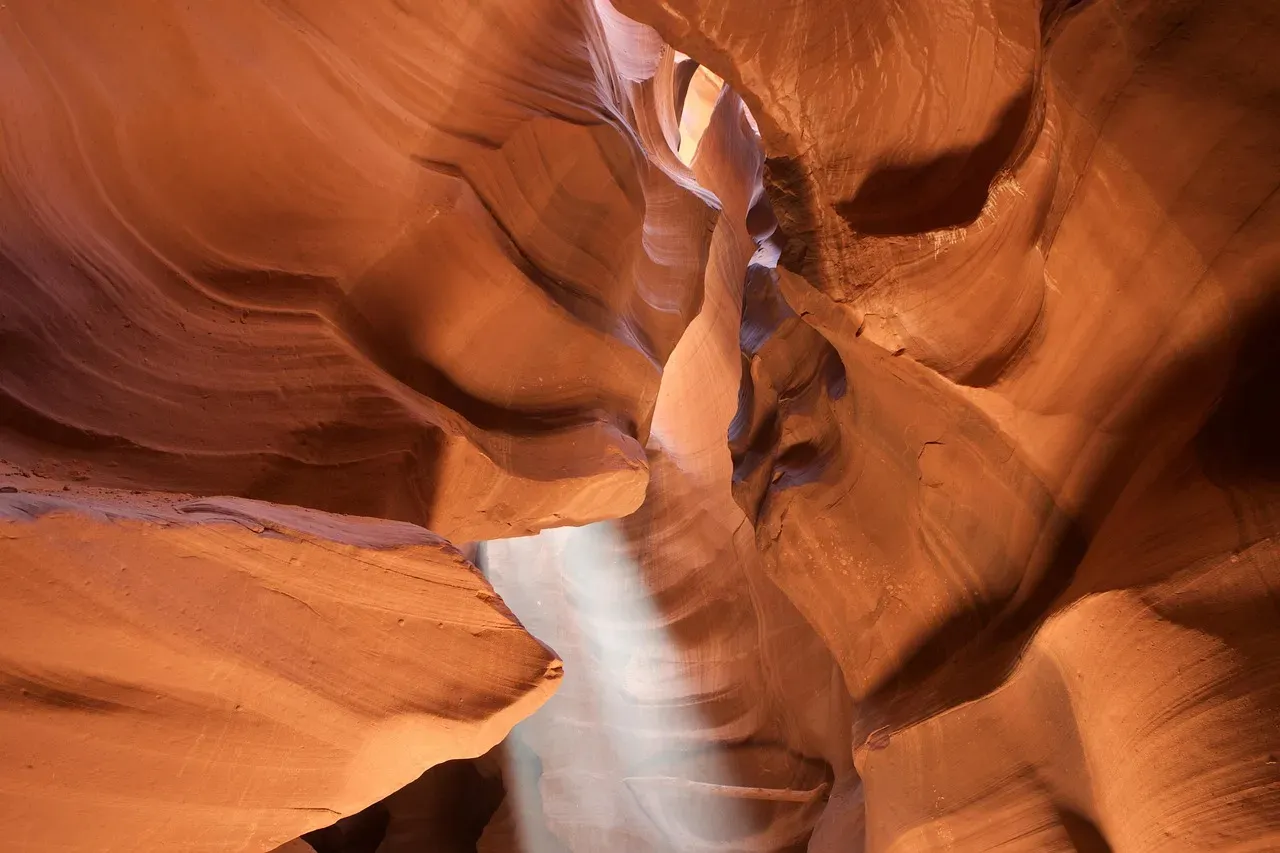
The Wave is a sandstone rock formation located in Arizona near its northern border with Utah, situated on the slopes of the Coyote Buttes. What makes this place genuinely mind-bending is how the rock looks like it’s been painted with flowing ribbons of color. Over millennia, wind-blown sand and periodic water flow eroded the Navajo Sandstone with differing intensity, creating uneven troughs and ridges, which then hardened into the mesmerizing formations seen today.
Here’s the kicker, though. A daily lottery system dispenses only ten next-day permits in person, and ten online permits for each date are available four months in advance. The fragility of this wonder means that not everyone gets to witness it firsthand, which somehow makes it even more mysterious.
Devils Tower: Wyoming’s Volcanic Enigma
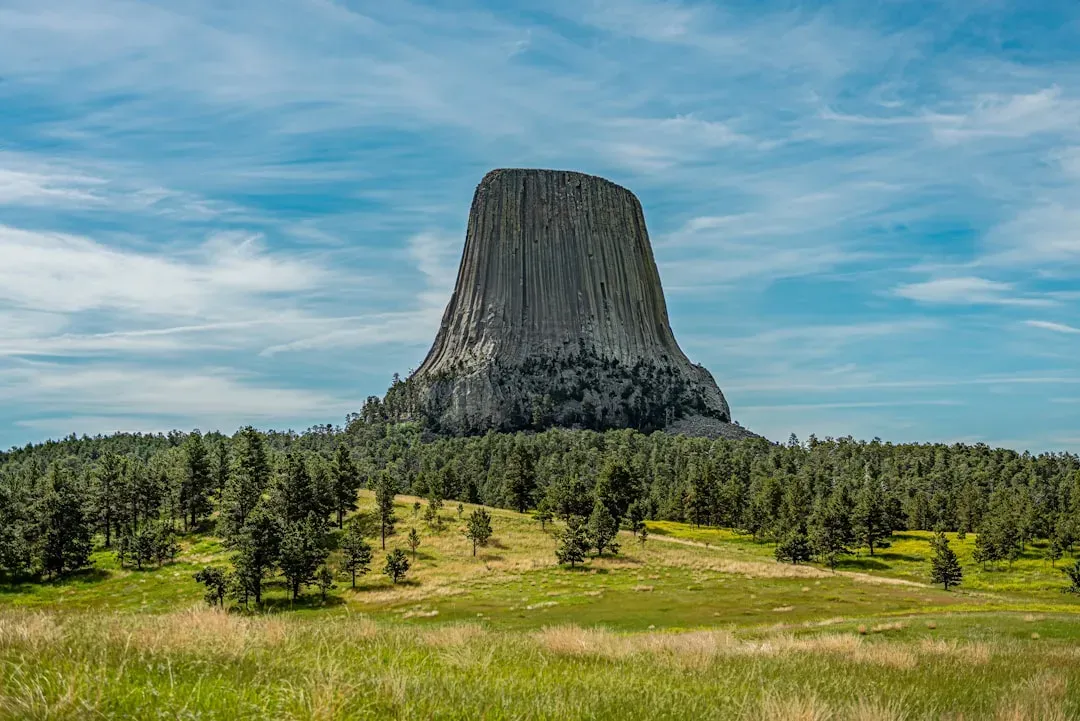
Devils Tower was the first declared United States National Monument, established on September 24, 1906, by President Theodore Roosevelt. This massive column of rock seems completely out of place rising from Wyoming’s rolling plains. It formed by molten lava that welled up into a layer of sedimentary rock roughly 50 million years ago, and starting about one or two million years ago, rain and snowmelt slowly washed away the surrounding sandstone, leaving the much sturdier mass behind.
What really gets me is how the tower’s vertical columns look almost too perfect to be natural. Many Native American tribes consider it sacred, and the National Park Service asks climbers to voluntarily refrain from ascending during June. There’s something humbling about a geological formation that commands such reverence across cultures.
Goblin Valley: Utah’s Alien Playground
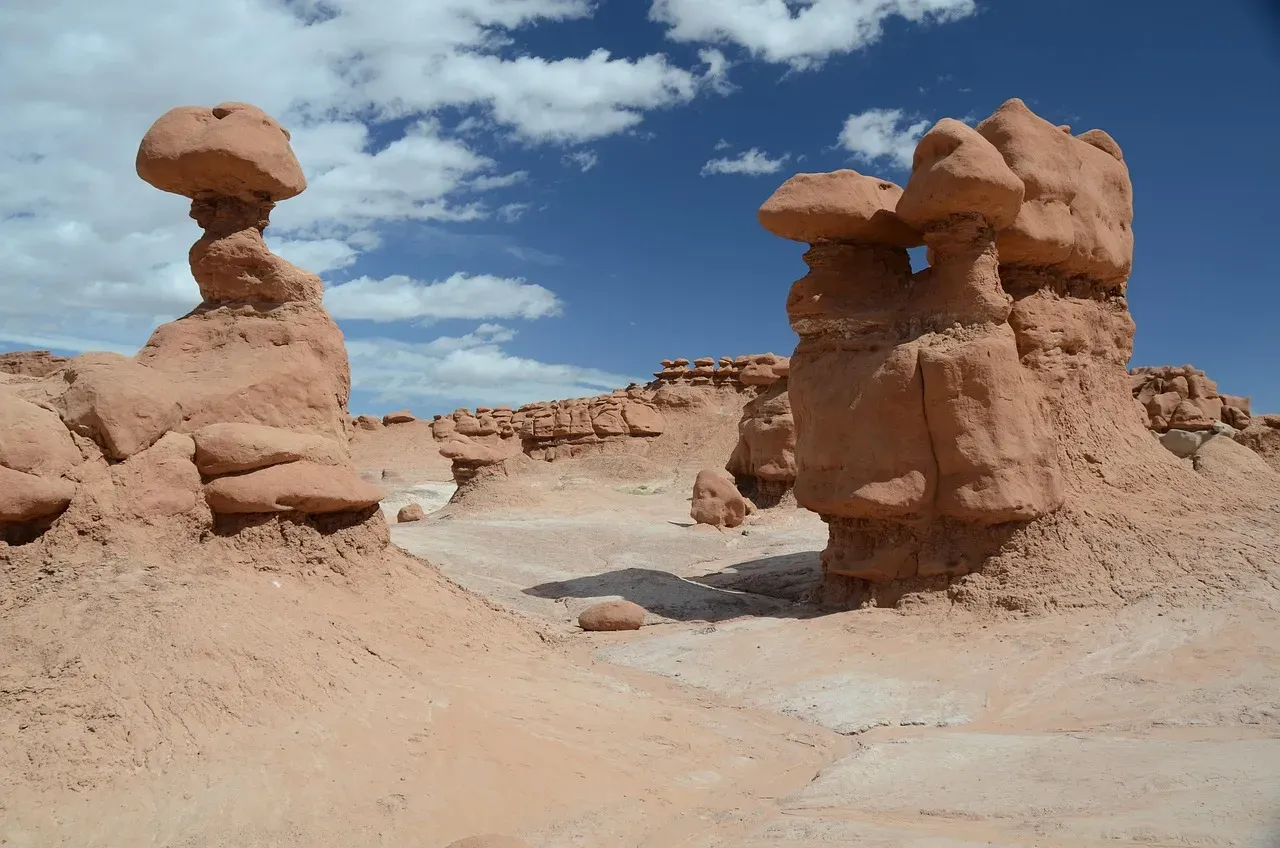
Imagine walking into a valley where thousands of mushroom-shaped rock pillars stare back at you. Goblin Valley State Park near Green River features a valley populated with thousands of uncannily mushroom-shaped hoodoos, rock pillars shaped by water erosion and dust blown across the valley. The formations genuinely look like goblins frozen in stone, each with its own eerie personality.
What makes Goblin Valley so fun is that there are no designated trails – you’re free to roam, climb, and explore wherever you want, with little passageways, alcoves, and hidden “rooms” formed by clusters of goblins. It’s like nature created its own interactive sculpture garden. Stay for sunset and see the goblins glow like burning embers.
Mono Lake: California’s Otherworldly Tufa Towers
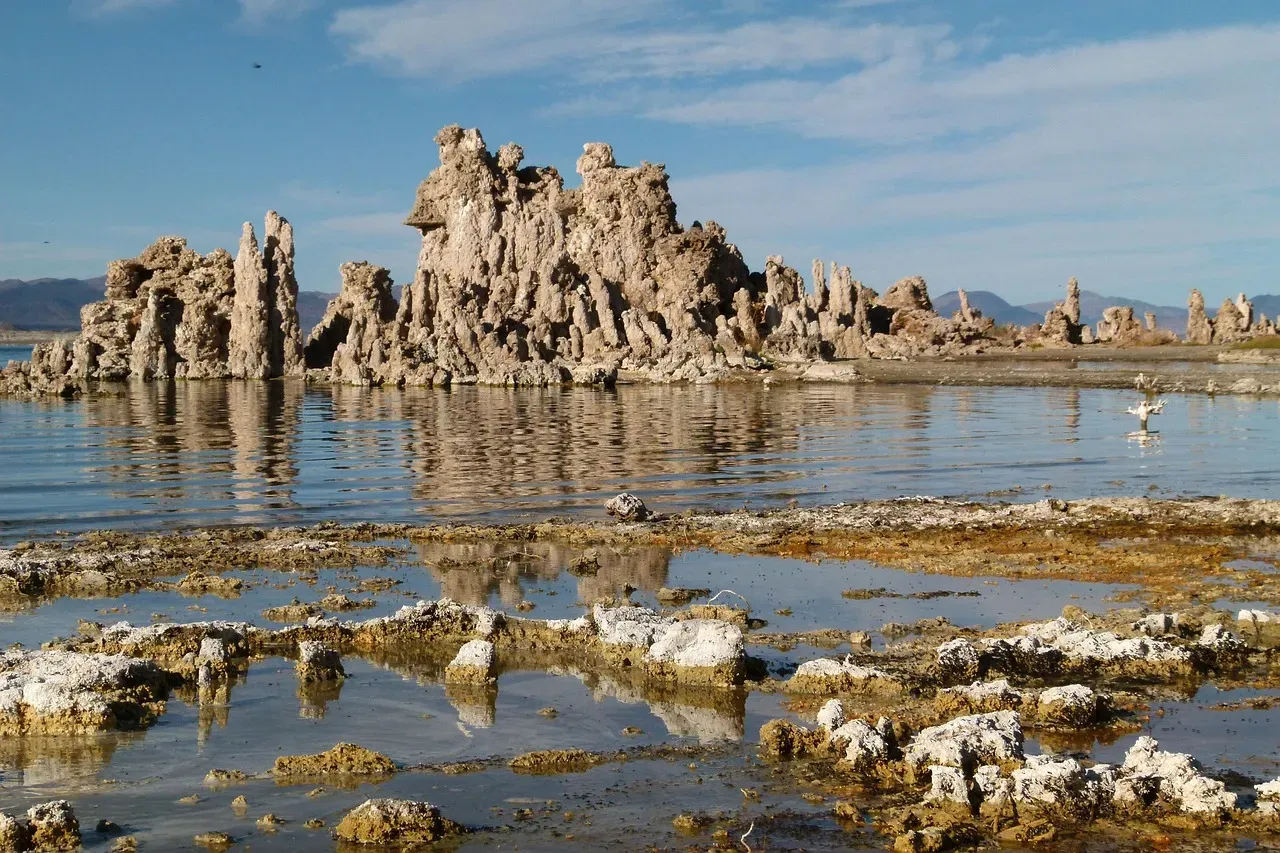
Located just 13 miles east of Yosemite National Park, this ancient lake receives salt and minerals from Sierra streams, creating calcium carbonate spires called tufa towers that rise majestically from the water. These spires look like something from a science fiction movie, ghostly formations emerging from an alkaline lake that’s more than twice as salty as the ocean.
The story behind these towers is actually tied to human intervention. The tufa pillars became exposed when Los Angeles started diverting water from four of the lake’s five feeder streams in 1941, and over just a few decades, the lake lost half its volume. So in a strange twist, we can only see these formations because of environmental changes. Nature’s beauty sometimes emerges from unexpected circumstances.
Balanced Rock: Garden of the Gods’ Gravity-Defying Boulder
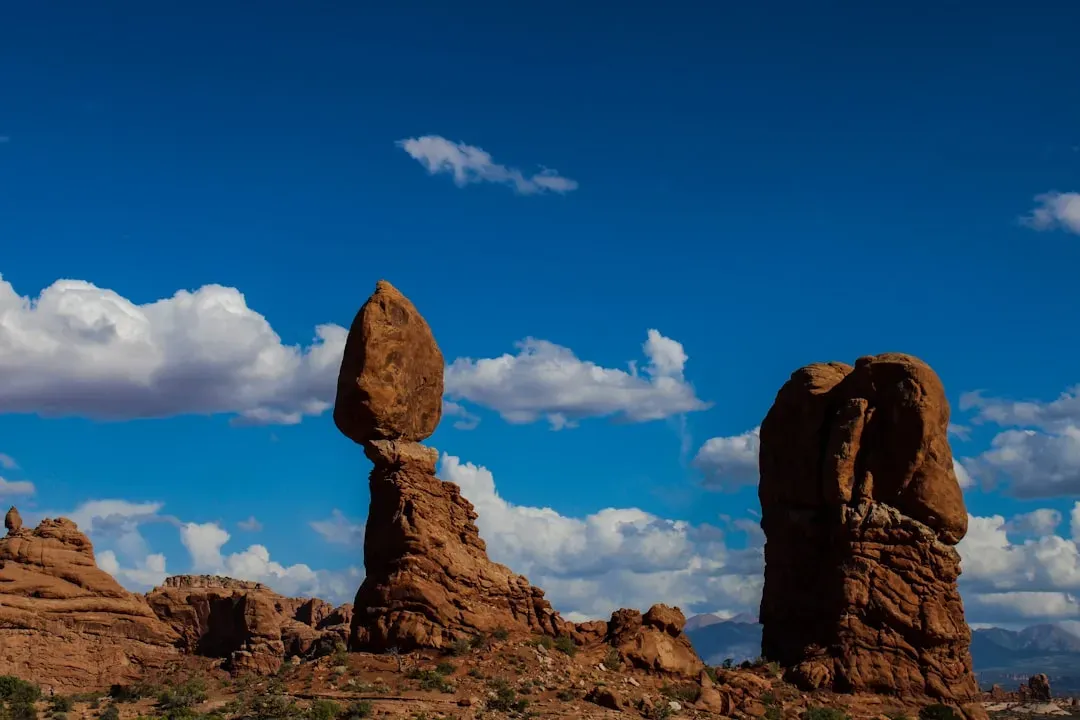
The City of Colorado Springs owns and maintains this grand, nearly 1,300-acre assemblage of red rock cliffs, spires and boulders. The star of the show? Balanced Rock, an enormous boulder that from certain angles appears to defy the laws of physics as it perches precariously on the edge of a ledge.
You stand there looking at it, waiting for it to topple over, wondering how many storms it’s weathered without budging an inch. The rock formations here are over 300 million years old, and they’re surrounded by the stunning backdrop of the Rocky Mountains. It’s hard to say for sure, but standing beneath Balanced Rock gives you a strange mix of awe and nervous anticipation.
Craters of the Moon: Idaho’s Volcanic Wasteland
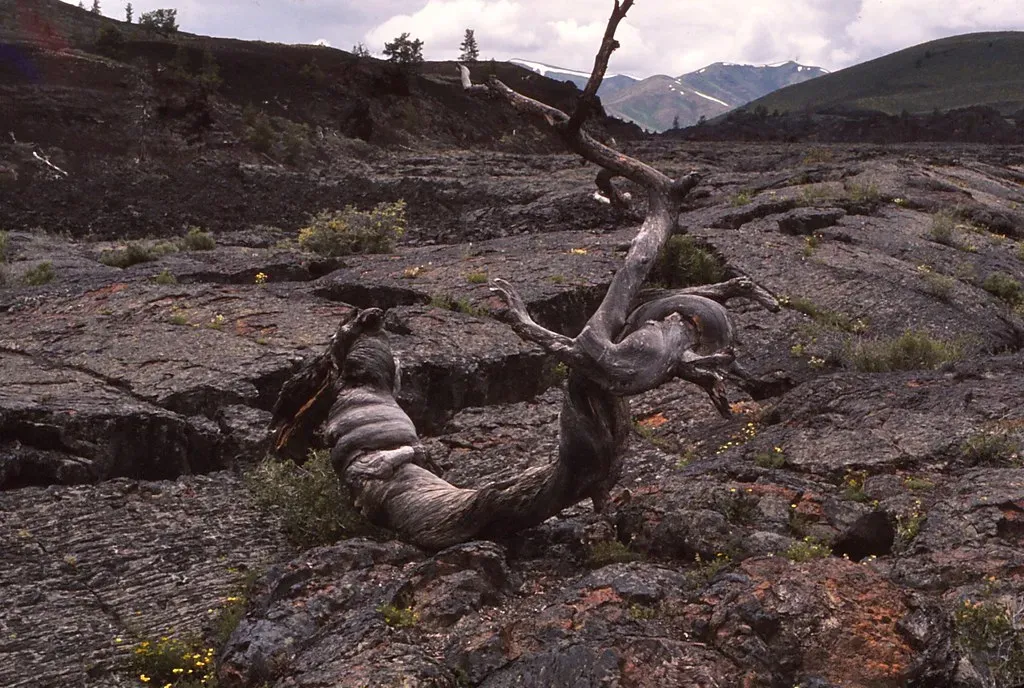
Boasting 618 square miles of nothing but lava, this Idaho monument contains nearly every volcanic rock formation possible: cinder cones, lava rivers, lava tubes, spatter cones, tree molds and nearly endless lava beds. The landscape truly does resemble the surface of another planet. The cones look red or black from a distance, and viewed up close, shards of volcanic glass in the fine stone shimmer in shades of purple and gold.
Craters of the Moon is the country’s only dark-sky preserve, with unparalleled views of the Milky Way every cloudless night. Walking among these formations during the day feels surreal enough, but imagine experiencing this alien terrain under a blanket of stars.
Valley of Fire: Nevada’s Red Sandstone Wonderland
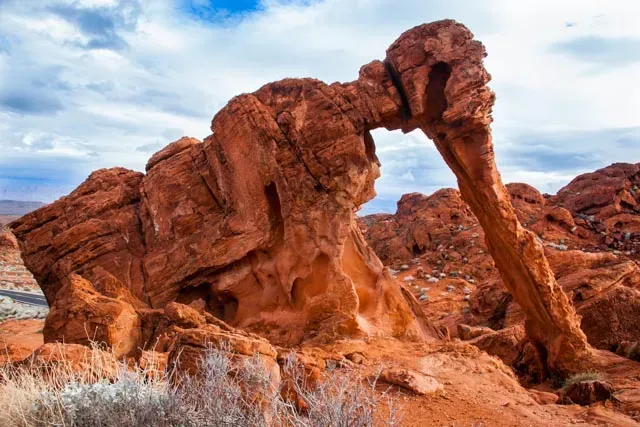
Just an hour’s drive from the Las Vegas Strip, Valley of Fire State Park offers impressive rock formations created by shifting sand dunes during the Mesozoic era some 150 million years ago. Of the dozens of beautiful and odd formations here, perhaps none is stranger than Elephant Rock, where erosion has sculpted a slanted arch resembling an elephant’s trunk and body.
The park earned its name for good reason. Come on a summer’s day when the sun is blazing down on the red sandstone, and you’ll agree that the park was aptly named: It’s an oven. The heat radiating off these ancient rocks creates an almost hallucinatory atmosphere.
Monument Rocks: Kansas’ Prairie Stonehenge
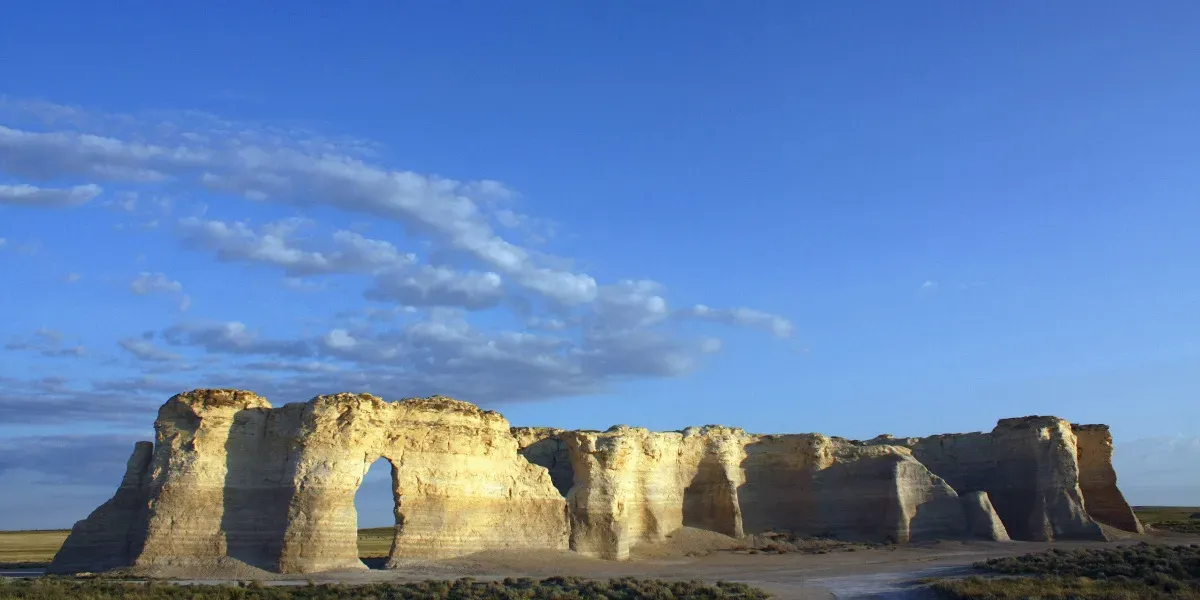
The nation’s first National Natural Landmark, the Monument Rocks in western Kansas showcase seventy-foot blocks of chalk somehow landed right in the middle of scrubby ranchlands, remnants of an ancient sea that filled middle America 80 million years ago. These pale towers rising from endless prairie seem completely misplaced, like someone forgot to pick up their building materials after creating a monument.
The rock formations are chock-full of fossils too. It’s a reminder that this landlocked landscape was once underwater, teeming with marine life. Let’s be real, standing in the middle of Kansas and looking at ocean fossils does mess with your sense of time and place.
Mima Mounds: Washington’s Mysterious Grassland Bumps
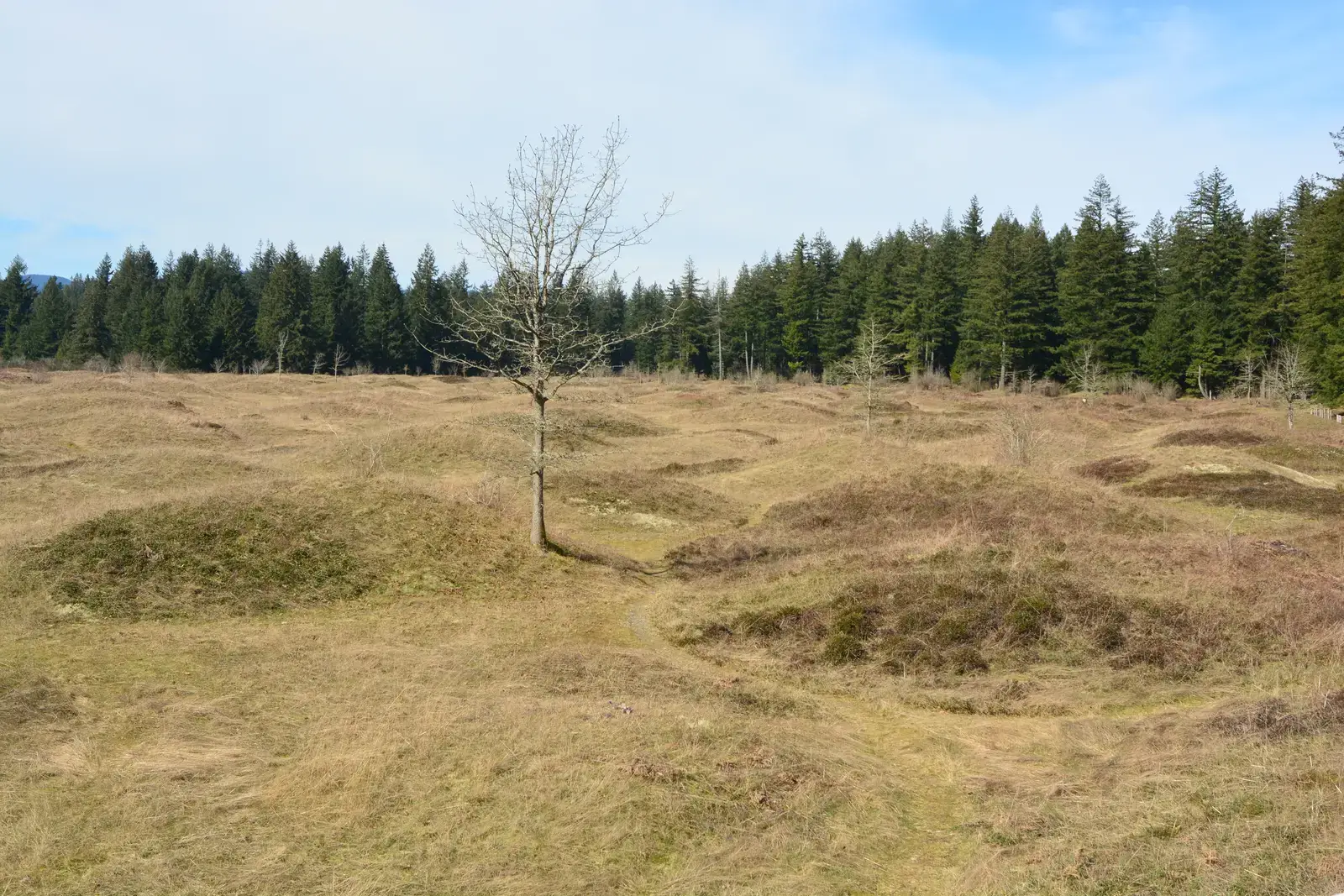
The Mima Mounds are mysterious, uniform undulations in the grasslands of Washington State near Olympia, ranging from 10 to 164 feet in diameter and up to 6.5 feet tall. When American explorer Charles Wilkes set eyes on them in 1841, he believed they were human-made burial mounds and had three of them excavated, only to find them filled with loose stones, and similar mounds are found from California to Colorado.
Here’s what makes them truly baffling. Scientists suggest that some of the mounds may be 30,000 years old, which makes decoding them complex; humans are believed to have arrived in North America several thousand years later than that. So if people didn’t create them, what did? Theories range from ancient earthquakes to pocket gophers working overtime, but honestly, nobody knows for certain.
Ringing Rocks: Pennsylvania’s Musical Boulders
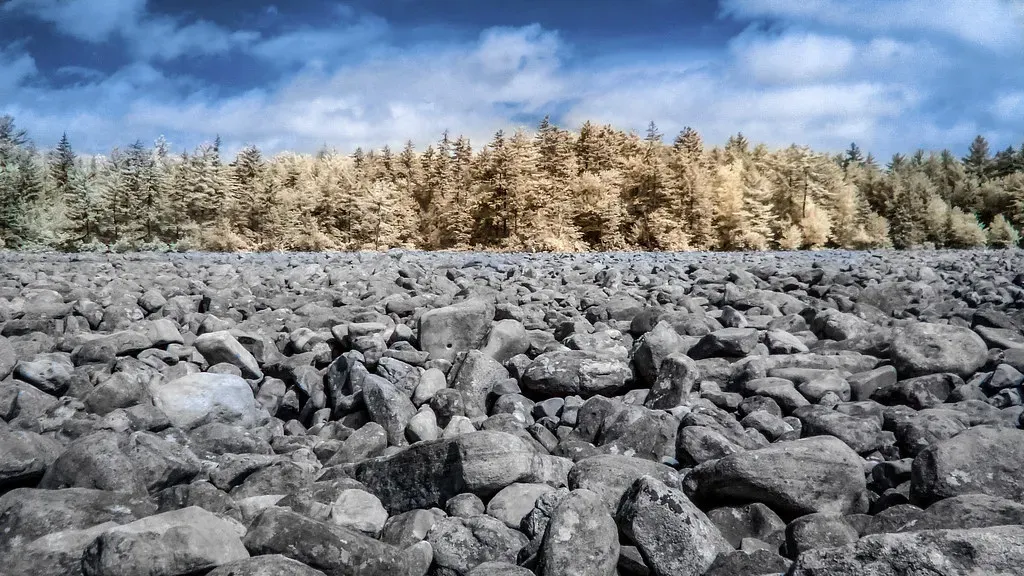
In Pennsylvania’s Ringing Rocks Park, when struck, these sonorous stones seem to “sing,” emitting ringing metallic tones that resemble chiming bells when hit with a hammer or another hard object. It sounds like a fairy tale, but these rocks genuinely produce musical notes when you tap them. Scientists believe the unique mineral composition of the rocks is what makes them ring, and the tones are actually lower than the human ear can hear; it’s only when the sound waves interact with each other that they’re audible.
This eight-acre boulder field is basically a natural xylophone scattered across the Pennsylvania countryside. People have been coming here for generations to create impromptu concerts, hammers in hand, coaxing melodies from stone. It’s one of those places where you have to experience it yourself to believe it.
Conclusion
From swirling sandstone that looks painted by giants to rocks that sing when you strike them, America’s strangest geological formations remind us how little we truly understand about the forces that shaped our planet. These places exist at the intersection of science and mystery, where even experts can’t fully explain every detail of their formation. They challenge our assumptions about what nature can create and how long it takes to do so.
Some of these formations have stood for millions of years, weathering ice ages and continental shifts, while others are surprisingly young in geological terms. What they all share is an ability to make us stop and stare, to question what we’re seeing, and to feel small in the face of deep time. What do you think about these geological mysteries? Tell us in the comments.