
Imagine waking up tomorrow and realizing that every moment of your life is happening at once: your first day of school, the coffee you’re sipping now, and a conversation you haven’t had yet. It sounds impossible, even a little unsettling, but this is the kind of picture some physicists and philosophers are seriously considering when they say time might not be linear. Instead of a straight arrow from past to future, time could be more like a landscape you can, in principle, stroll around.
Thinking about time this way doesn’t just bend your brain for fun; it shakes the foundations of how we understand cause, choice, and even who we are. If time isn’t a one-way street, what happens to free will? What does “before” and “after” even mean? As strange as those questions sound, modern physics, from relativity to quantum theory, keeps nudging us toward answers that feel more like science fiction than everyday life.
Is Time Really an Arrow or Just a Story We Tell?
We grow up with the feeling that time flows: yesterday is gone, now is happening, and tomorrow is waiting just ahead. That sense of flow is so strong that it feels like a basic fact of the universe, the way gravity pulls us down or the sun rises every morning. But a lot of physicists argue that this “flow” might be more of a mental construct than a physical feature, more like a story our brains tell to make sense of change.
In fundamental physics equations, time usually shows up as just another variable, and nothing inside those equations forces it to have a direction. If you run most basic laws of physics backward, they work just as well as forward, which is deeply at odds with how it feels to spill coffee or grow older. That gap between the timeless math and our deeply time-soaked experience is where the mystery really begins: maybe the arrow of time is less a cosmic rule and more a psychological perspective.
The Block Universe: All Moments Existing at Once
One of the strangest ideas to come out of Einstein’s theory of relativity is the “block universe” view of reality. In this picture, past, present, and future all coexist in a vast four‑dimensional structure, like a frozen loaf of spacetime where every event is just another slice. Your birth, this exact moment reading these words, and your far future are all equally real, just located at different coordinates in the block.
From this perspective, the feeling that only “now” is real is like a traveler on a train believing that only the station they’re currently passing exists. Different observers, moving at different speeds, can disagree about which events are simultaneous, which makes the idea of a single, universal “now” collapse. If the block universe is right, time doesn’t flow; instead, consciousness moves through a static landscape of moments, turning them into a story that feels like a journey.
Relativity and Why “Now” Depends on Who You Ask
Einstein’s special relativity shredded the old idea that time ticks the same for everyone, everywhere. When you move very fast compared to someone else, your experience of time stretches or shrinks relative to theirs, a phenomenon actually measured with fast‑moving airplanes and satellites. That means two people in different states of motion don’t just disagree about how long something took; they can disagree about the order in which events happened.
This relativity of simultaneity is more than a technical curiosity; it undermines the notion of a single universal present. If different observers carve up spacetime into past, present, and future in different ways, then reality doesn’t seem to care which division is “right.” In a sense, each observer carries their own “now” with them, which fits very naturally with the block universe idea and makes a strictly linear, objective timeline look more like a comforting illusion.
Entropy, Chaos, and the Illusion of One-Way Time

If fundamental equations don’t pick a direction for time, why do we have such a clear sense of before and after? The standard answer comes from entropy, a measure of disorder in a system that tends to increase over time. Eggs splatter but never un‑splatter on their own, ice cubes melt but don’t spontaneously reassemble, and tidy rooms drift toward chaos without effort, not the other way around.
Many scientists think the arrow of time is tied to this one-way increase in entropy, rooted in the universe’s very low‑entropy beginning. In that view, the direction of time emerges from statistics and initial conditions, not from some deep cosmic law demanding that time move forward. It’s like watching cream swirl into coffee: the underlying rules don’t care which direction you play the video, but given where you started, one direction is overwhelmingly more probable, and our sense of time follows along.
Quantum Weirdness: Can the Future Influence the Past?
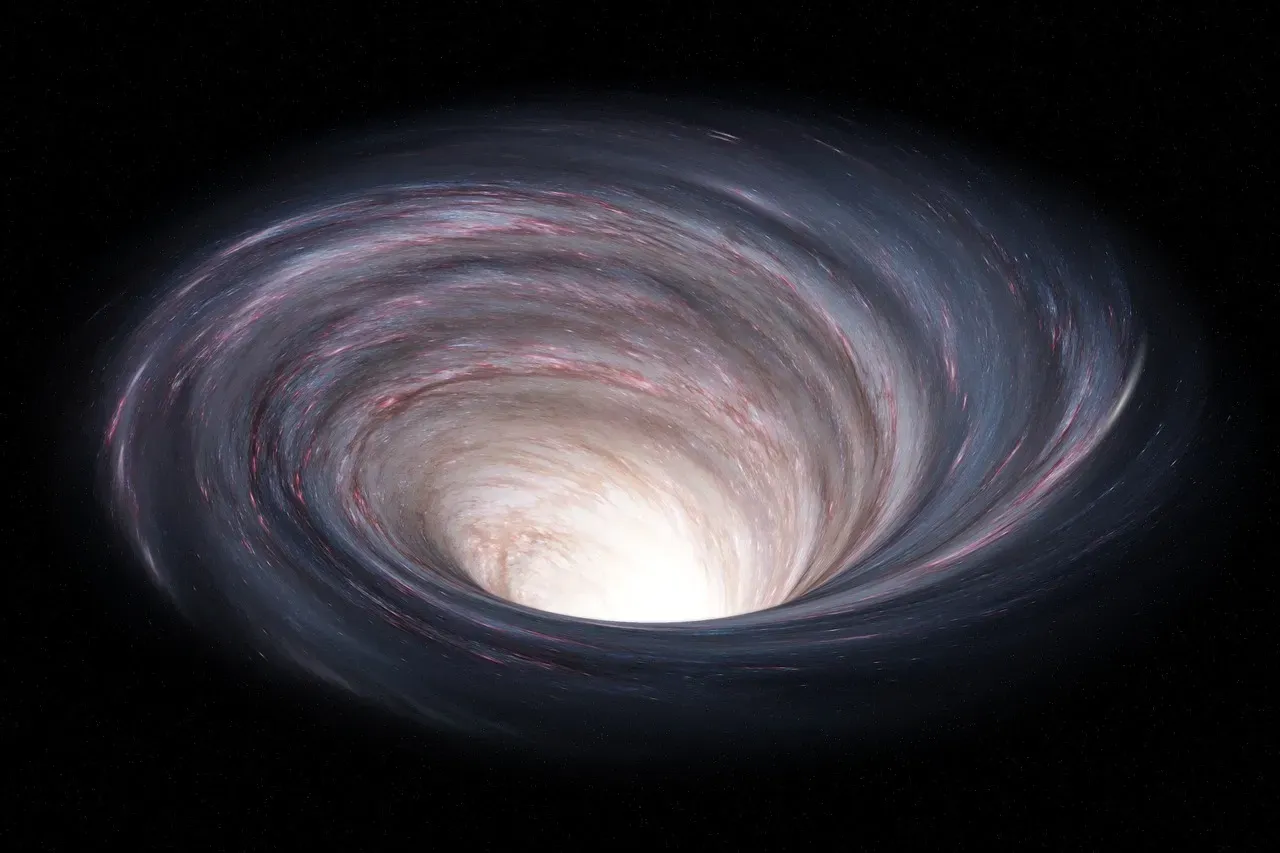
Quantum physics adds another layer of strangeness to the story of time, especially when you start looking at entanglement and certain experiments that flirt with retrocausality. In some interpretations, the way you measure a particle now seems to shape how its history must have looked, as if the future is helping to decide the past. That doesn’t mean you can send lottery numbers back in time, but it does hint that our usual one‑direction cause‑and‑effect picture might be too simple.
There are serious models that treat quantum events as depending on both past and future boundary conditions, like a movie whose plot is determined not only by the opening scene but also by the final one. Time‑symmetric approaches to quantum theory try to clean up some of the mess by letting influences run both ways in a consistent way. While the jury is still out, the mere fact that such models are even on the table pushes us toward a more flexible, less linear idea of how time and causality really work.
Free Will in a Universe Where the Future Already Exists

The block universe view raises a deeply personal question: if the future is already “there,” do we actually make choices, or are we just acting out a script? It can feel unsettling to think that your biggest decisions might be as fixed as your childhood memories, simply written in a different part of the spacetime block you haven’t mentally reached yet. That picture makes free will sound like a movie character believing they can change the ending even though the film is already edited.
Some philosophers argue that free will can still make sense if we think of it as part of the structure of the block itself: your choices are real, but they are eternally what they are, not open in the way we usually imagine. Others lean into a more radical view, suggesting that what we call freedom might emerge from complex, brain‑level processes that are unpredictable in practice, even if fixed in theory. Whether comforting or not, these debates force us to ask what kind of freedom we actually want: true openness, or the feeling that our actions flow from who we are, even in a timeless universe.
Could Time Be an Emergent Illusion, Not Fundamental at All?
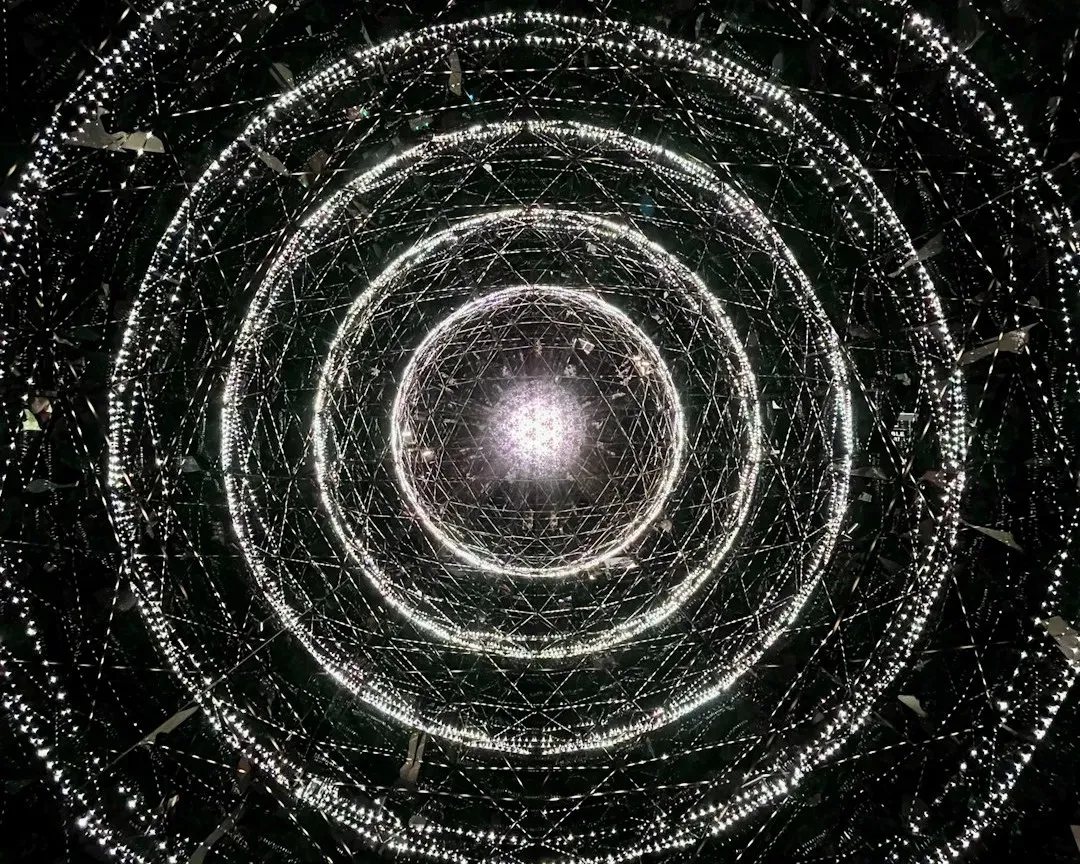
A growing line of research suggests that time might not be a basic ingredient of reality but something that emerges from deeper, more abstract structures. In some approaches to quantum gravity and holography, spacetime itself looks like a large‑scale pattern arising from microscopic correlations, a bit like how temperature emerges from countless jiggling particles. If that’s right, then the time we experience could be more like a user interface than the underlying code.
In these models, what we call “the passage of time” could come from increasing entanglement, changing correlations, or our brain updating its internal model of the world. The future would not be a pre‑existing road waiting to be walked, but a continuously built narrative stitched from information. It’s an unsettling but strangely liberating thought: maybe time feels like a straight line not because the universe truly is one, but because our limited, human minds need a simple track to run on.
Living Your Life When Time Isn’t What You Thought
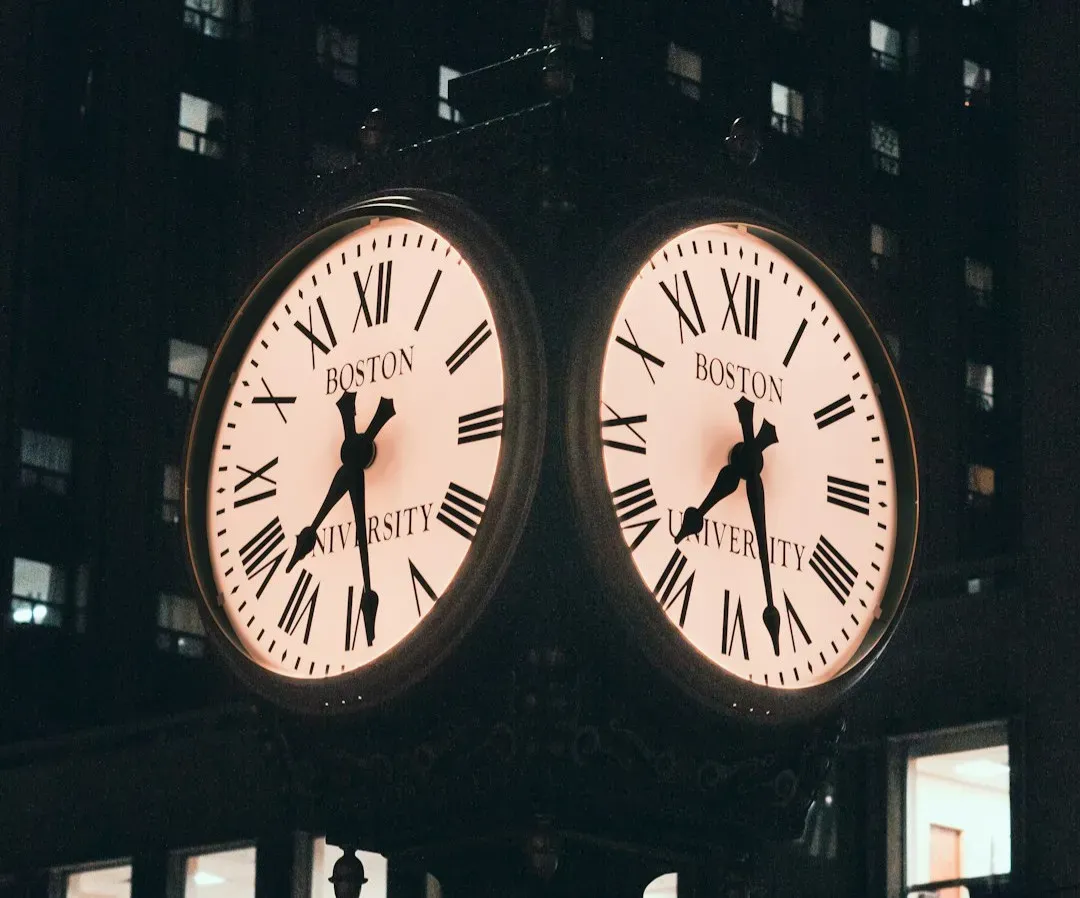
Even if these wild ideas about time turn out to be right, you still have to pay your bills, show up to appointments, and remember birthdays. On a human scale, clocks tick, bodies age, and plans matter, no matter what the deeper structure of spacetime looks like. In that sense, our everyday, linear experience of time works extremely well, like a good map that’s not perfectly accurate but incredibly useful.
For me, thinking about time as non‑linear doesn’t make life feel pointless; it actually makes each moment feel denser, like every second is carrying more than it lets on. Maybe the past, present, and future are all there at once, and we’re just a moving spotlight lighting up one frame after another. Whether or not time is ultimately a block, a loop, or an emergent pattern, we still wake up each day inside a story that feels like it’s just beginning – so the real question is what we decide to do with the part we can see.