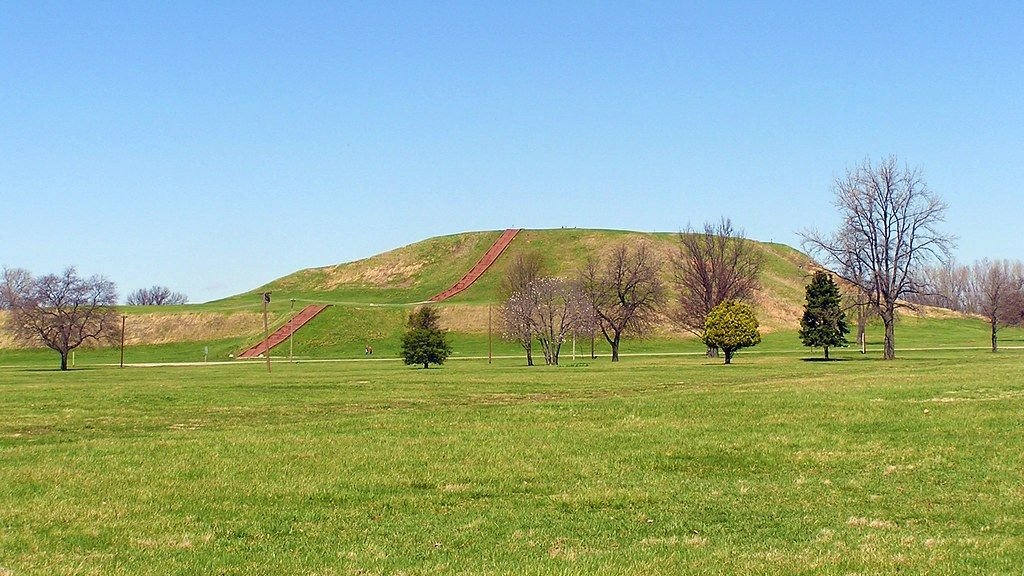

Scattered across the landscapes of the eastern United States are thousands of ancient earthen mounds, some as precise and monumental as the pyramids of Egypt – yet most people have never heard of the cultures that built them. For a long time, European settlers refused to believe that Indigenous peoples could have created such complex earthworks, spinning wild theories about a “lost race” that simply vanished. That myth still lingers in the background today, quietly shaping how many people imagine the distant past of North America.
The truth is stranger, more human, and far more interesting than the old legends. The so-called Mound Builders did not disappear in some mystical catastrophe – they changed, moved, adapted, struggled, and survived like every other society in history. To really understand what happened, you have to look at who they were, how they lived, and why their cities and monuments eventually faded from view while their descendants kept going.
Who Were the “Mound Builders” Really?
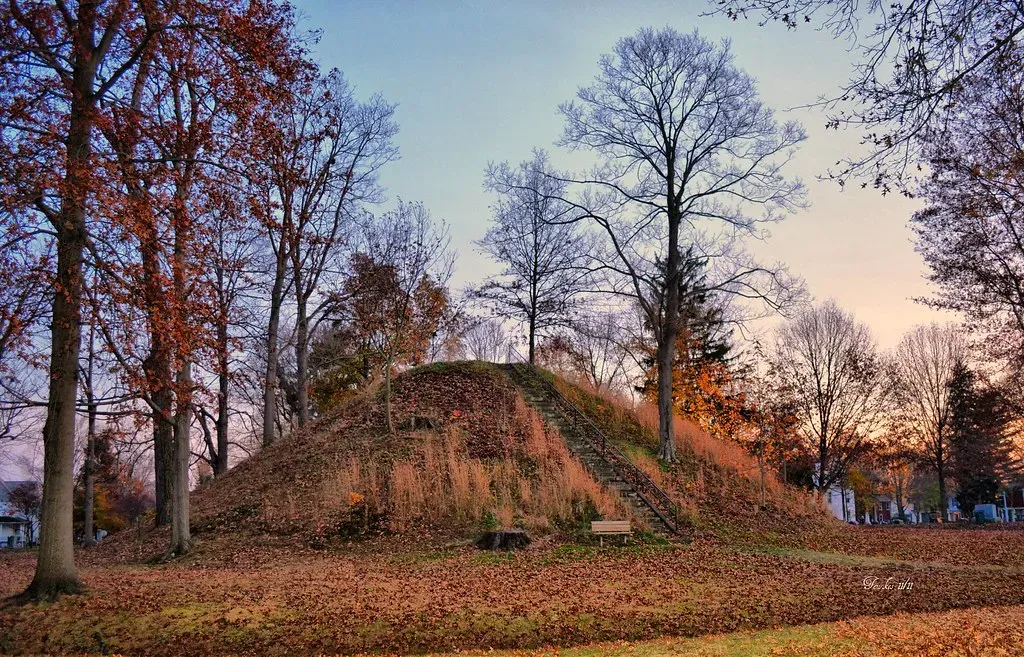
When people talk about “Mound Builders,” they often imagine a single mysterious civilization, but that picture is completely wrong. The mounds were built by many different Native American cultures over thousands of years, stretching from the Gulf Coast to the Great Lakes and from the Mississippi Valley to the Appalachian foothills. Early European and American writers lumped all these groups together under one vague label without understanding their diversity or their timelines.
Archaeologists today use specific cultural names: Poverty Point, Adena, Hopewell, Mississippian, and others, each with its own style, era, and traditions. Some focused on burial mounds, others on massive platform mounds that supported buildings, and still others on intricate geometric earthworks. Instead of one lost people, you have a long, layered story of many Indigenous societies, constantly changing and influencing one another across centuries.
From Ancient Earthworks to Mississippian Cities
The oldest known mound-building traditions go back several thousand years, long before the rise of big cities along the Mississippi River. Early sites like Poverty Point in present-day Louisiana show that even hunter-gatherer groups could organize huge communal labor projects, shaping the landscape into ridges, circles, and mounds. Later, cultures like Adena and Hopewell in the Ohio Valley built tall conical mounds, effigy mounds shaped like animals, and precise geometric earthworks aligned with astronomical events.
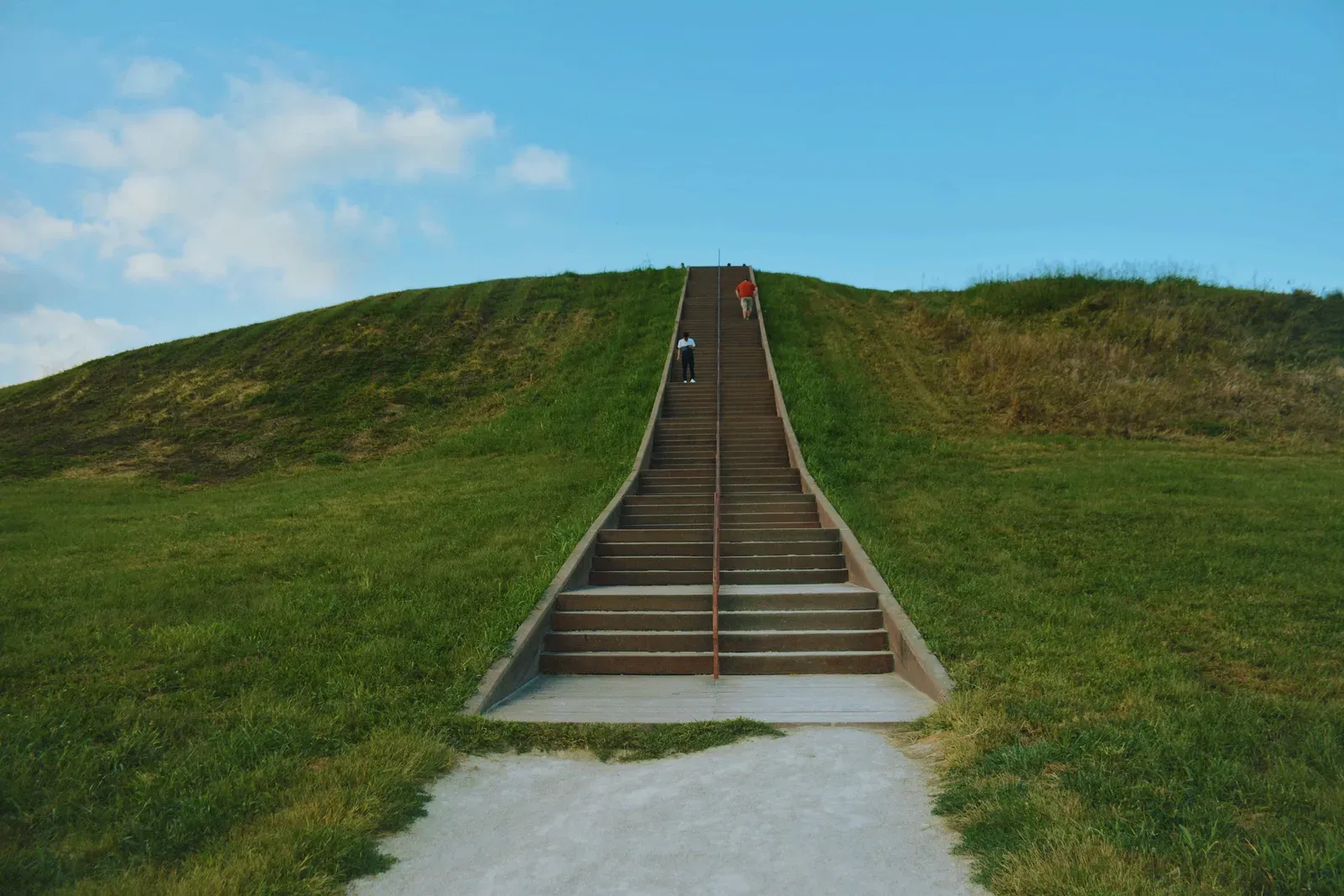
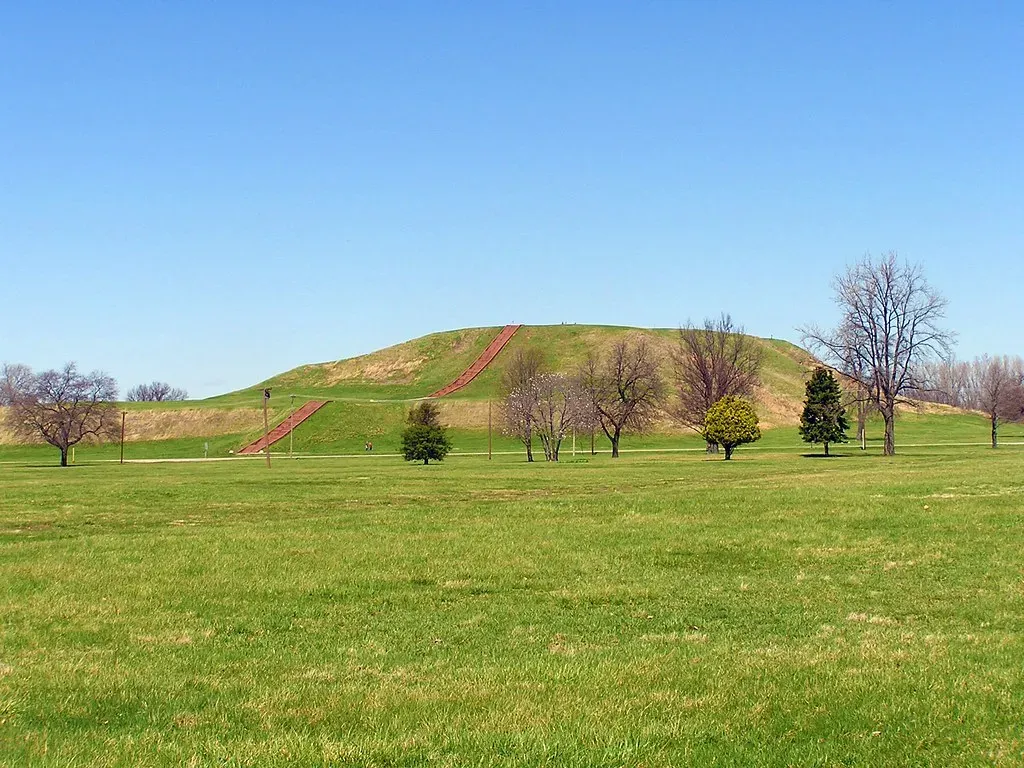
By roughly a thousand years ago, the Mississippian cultures took mound building to a new level, creating full-blown urban centers anchored by large platform mounds. Cahokia, near modern-day St. Louis, had multiple plazas, dozens of mounds, wooden palisades, and a population that may have rivaled European cities of the same period. These places weren’t just ceremonial sites; they were bustling communities with farms, markets, social hierarchies, and regional influence that stretched for hundreds of miles.
Why Their Monuments Seem to Vanish
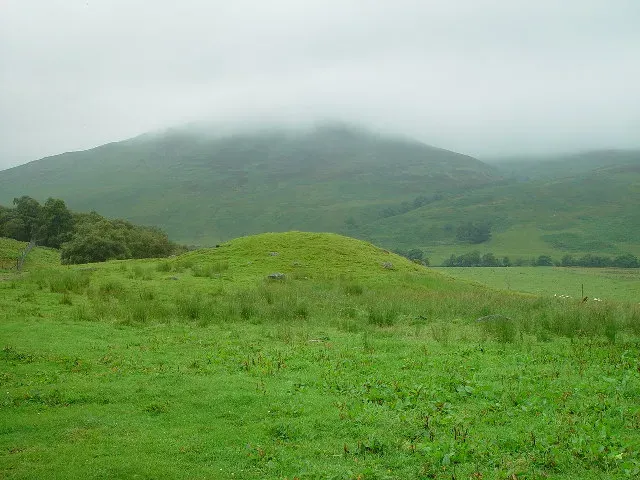
Standing in front of a modern city skyline, it’s easy to forget that time is brutal to anything made of earth, wood, and thatch. The Mound Builders didn’t carve their cities out of stone; they shaped clay and soil, then topped their platforms with wooden temples, homes, and council houses. Over centuries, wooden structures rot, storms erode slopes, rivers shift course, and vegetation reclaims open plazas until only low rises remain, often mistaken for natural hills.
On top of that, later settlers and developers did a lot of damage without even realizing it – or sometimes fully aware. Many mounds were plowed flat for farming, leveled for roads and railways, or used as convenient material for construction. Urban growth swallowed entire ancient centers, leaving only a few protected sites and scattered mounds behind. The impression that the builders “vanished” is partly an illusion created by erosion, destruction, and the simple fact that most people aren’t trained to recognize a weathered mound when they see it.
Climate Stress, Overcrowding, and Social Upheaval
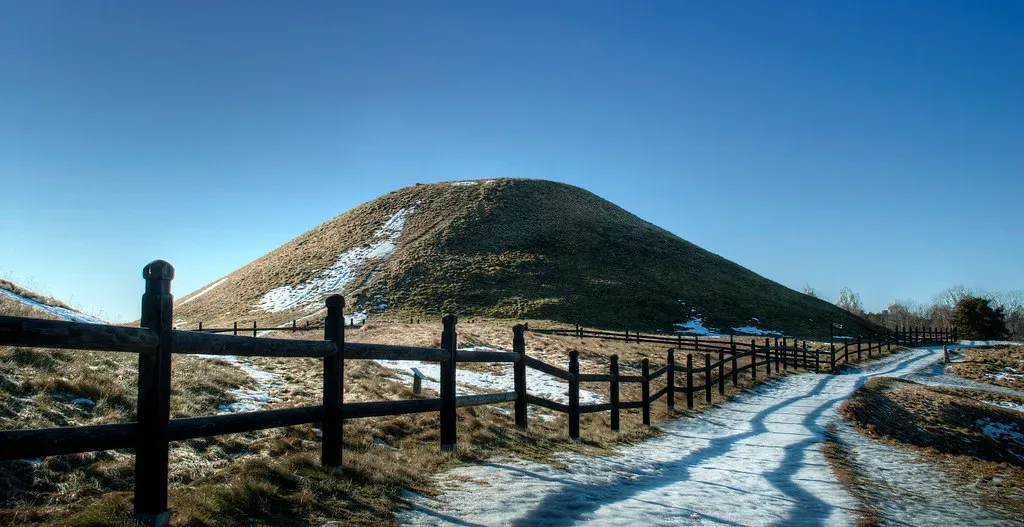
So why did big mound centers like Cahokia decline? The most convincing explanations point toward a mix of environmental stress and social tensions rather than a single dramatic disaster. Archaeological evidence suggests periods of flooding, crop failures, and climate shifts, including episodes related to what scientists call the Medieval Warm Period and later cooling trends. When your society depends heavily on maize agriculture packed into floodplains, unstable weather can hit like a slow-motion earthquake.
Inside those cities, growing populations, inequality, and political power struggles likely made things worse. Elites built higher, more elaborate mounds while regular people bore the burden of labor and tribute, and that kind of pressure always has a breaking point. Signs of fortified walls, burned structures, and sudden shifts in settlement patterns hint at conflict, internal dissent, or regional warfare. Instead of a magical disappearance, you see a familiar pattern from world history: stressed societies fracture, decentralize, and people move on to different ways of living.
Epidemics and the Myth of an Empty Continent
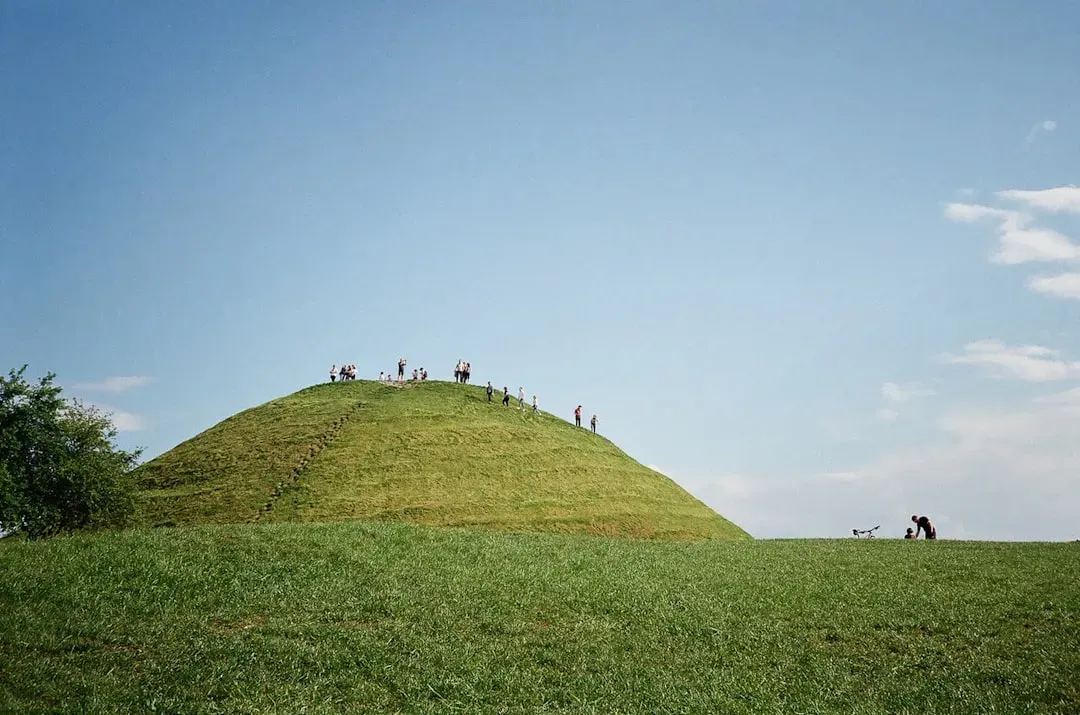
By the time many European explorers, traders, and settlers arrived in the interior of North America, the biggest mound centers had already declined, transformed, or been abandoned for other forms of settlement. But what really accelerated the sense of “vanishing” were epidemic diseases that spread ahead of direct contact. Smallpox, measles, influenza, and other infections tore through Indigenous communities who had no prior exposure or immunity, sometimes wiping out large portions of local populations in a few generations.
When Europeans finally documented these regions, they often encountered smaller, scattered communities and landscapes that looked less densely occupied than they had been a century or two earlier. This fueled a dangerous and self-serving idea that the land had always been underused or nearly empty, and that the great earthworks must have belonged to some vanished race unrelated to the Indigenous groups still there. In reality, survivors, refugees, and reorganized communities carried forward languages, stories, and traditions, even if epidemics had violently thinned their numbers and disrupted their societies.
What Happened to the Descendants of the Mound Builders?
The biggest misunderstanding about the Mound Builders is the assumption that they simply ceased to exist. Their descendants did not vanish; they became the many Native nations still alive today in the Southeast, Midwest, and beyond. Over centuries, people moved, intermarried, adopted new technologies, and responded to colonial invasion, forced removal, and cultural pressure, but they did not stop being themselves. Cultural identities are more like rivers than statues – they can change course, pick up new tributaries, and still remain part of the same flowing story.
Archaeologists and tribal historians connect Mississippian and earlier mound-building traditions with the ancestors of groups like the Choctaw, Chickasaw, Creek (Muscogee), Caddo, Natchez, and many others, each with its own distinct history. While not every detail can be traced in a straight line, there are clear continuities in art styles, religious symbolism, settlement patterns, and oral histories. The “vanishing” is largely a colonial myth that ignores how Indigenous peoples adapted to unimaginable pressures while preserving deeper threads of identity and memory.
Why the Mound Builder Mystery Still Matters Today
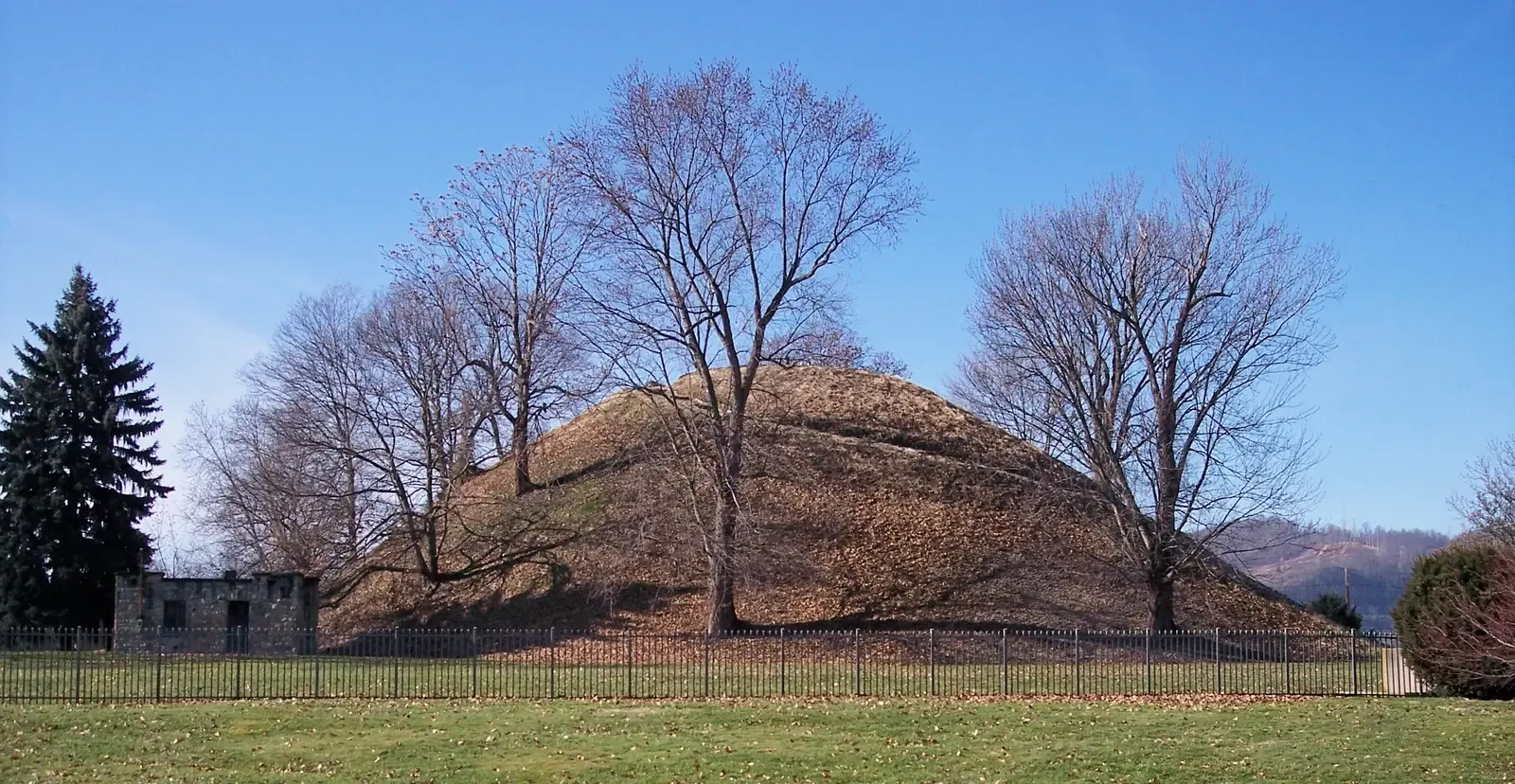
At first glance, the story of the Mound Builders might feel like a distant archaeological puzzle, but it actually says a lot about how we choose to remember or erase the past. For generations, the refusal to credit Native Americans with building complex earthworks became a convenient excuse to treat them as less advanced, less organized, or less deserving of their homelands. Those old stories still echo in school textbooks, roadside signs, and casual conversations, even when people don’t realize where the ideas came from.
Taking the mystery seriously means learning to see these sites not as relics from a vanished race, but as monuments from cultures whose descendants are still here, watching, speaking, and asking to be heard. It means supporting preservation of remaining mounds, listening to Indigenous perspectives on their meaning, and accepting that North America’s past is just as deep and intricate as the histories people usually associate with Europe or the Middle East. The Mound Builders did not fade into thin air; their legacy runs quietly under the surface of modern America, waiting for more of us to notice and actually care.