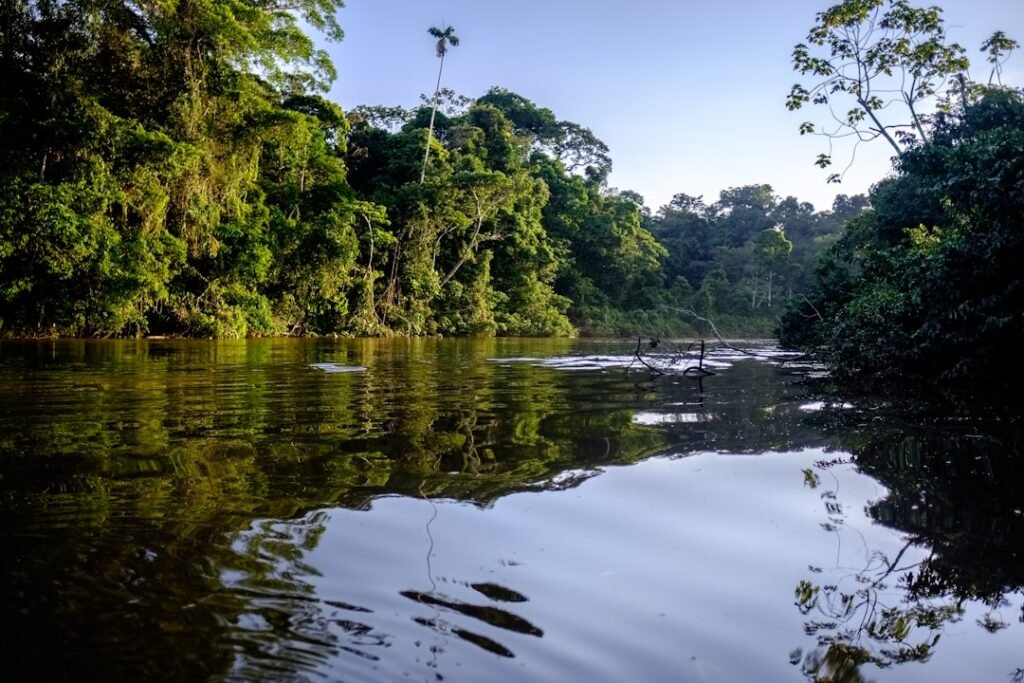
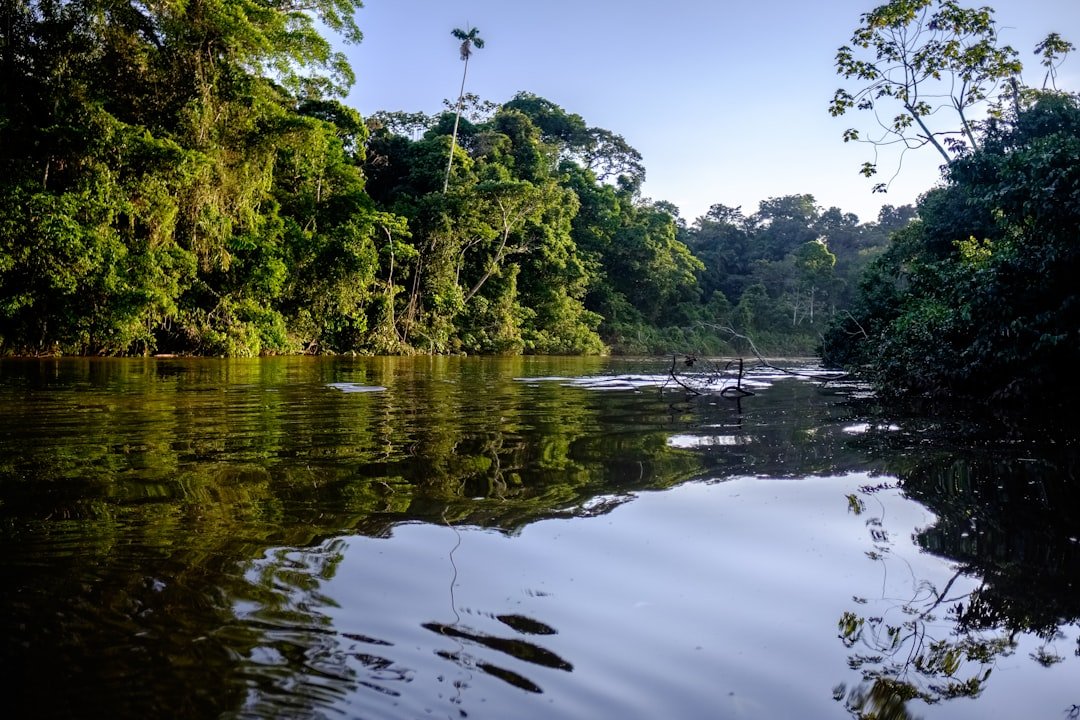
65 Blocks Claim Vast Territory (Image Credits: Unsplash)
Ecuador – Recent data unveiled the extent to which oil and gas lease blocks dominate the nation’s landscape, with heavy concentrations in the ecologically vital Amazon region.[1]
65 Blocks Claim Vast Territory
The Stockholm Environment Institute released a comprehensive dataset mapping 65 active oil and gas lease blocks across Ecuador. These blocks encompass 7 million hectares, equivalent to a quarter of the country’s total land area. Fully 88% of them lie within the Amazon, underscoring the rainforest’s role as the primary target for extraction activities.[1]
This expansive footprint emerged from years of data compilation in the Fossil Fuel Atlas, a tool designed to track fossil fuel developments and their environmental risks. The blocks not only cover immense areas but also position Ecuador as a focal point for Amazon-wide oil expansion concerns. Analysts noted that such leasing patterns signal ongoing pressures on one of the world’s most biodiverse ecosystems.[2]
Critical Overlaps with Protected Zones
Lease blocks intersect with key protected areas, including the western edge of Yasuní National Park, the Cofán-Bermejo Ecological Reserve, and the Cuyabeno Wildlife Reserve. A detailed analysis estimated that 21% of the leases overlap protected lands, while 61% encroach upon Indigenous territories. These intrusions heighten risks to habitats that safeguard endangered species and cultural heritage sites.[1]
The Cuyabeno-Imuya Intangible Zone stands out, sheltering 11 communities from Secoya, Siona, Cofán, Kichwa, and Shuar nations. Additional overlaps affect Shuar groups in Pastaza and Morona Santiago provinces. Despite a 2023 referendum where over 5.2 million voters approved halting oil activities in Yasuní, persistent leasing elsewhere challenges conservation gains.[1]
Wildlife and Ecosystems Under Siege
Active production within reserves like Cofán-Bermejo and Cuyabeno threatens species such as pink river dolphins and jaguars. These areas host diverse fauna, yet oil infrastructure fragments habitats and introduces pollutants. Seismic faults beneath some blocks amplify dangers, as earthquakes can trigger landslides and infrastructure failures.[1]
Toxic chemicals from operations contaminate water and soil, entering the food chain through fish bioaccumulation. Alexandra Almeida, president of Acción Ecológica, warned that these substances prove highly toxic to both environments and human health, often released untreated. Such pollution persists long-term, rendering rivers unusable and endangering wildlife populations.[1]
Spills Expose Ongoing Vulnerabilities
Major pipeline ruptures have demonstrated the perils of this expansion. In 2020, a Trans-Ecuadorian Oil Pipeline System failure spilled over 15,000 barrels into the Coca River, affecting 27,000 Indigenous people. A March 2025 incident released 25,000 barrels, polluting three rivers, killing wildlife, and impacting 5,000 residents in Esmeraldas province.[1]
Health studies link exposure to oil toxins with respiratory issues, cardiovascular diseases, miscarriages, and cancer. Communities near extraction sites face compounded risks from both environmental degradation and seismic activity. These events highlight the urgent need for stricter oversight in high-biodiversity zones.
- Yasuní National Park: Western overlaps despite 2023 drilling ban.
- Cofán-Bermejo Ecological Reserve: Active blocks amid jaguar habitats.
- Cuyabeno Wildlife Reserve: Production threatens dolphins and Indigenous zones.
- Cuyabeno-Imuya Intangible Zone: 11 communities at risk.
- Shuar territories in Pastaza and Morona Santiago: Multiple lease encroachments.
Key Takeaways
- Oil blocks cover 25% of Ecuador, 88% in Amazon, per SEI data.
- 61% overlap Indigenous lands; 21% hit protected areas.
- Spills and toxins endanger wildlife like jaguars and dolphins, plus human health.
As Ecuador balances energy needs against its rich natural heritage, the Fossil Fuel Atlas offers a stark visual reminder of the stakes.Explore the dataset here. Protecting the Amazon’s wildlife demands renewed commitment to conservation amid extraction pressures. What steps should Ecuador take next? Share your thoughts in the comments.