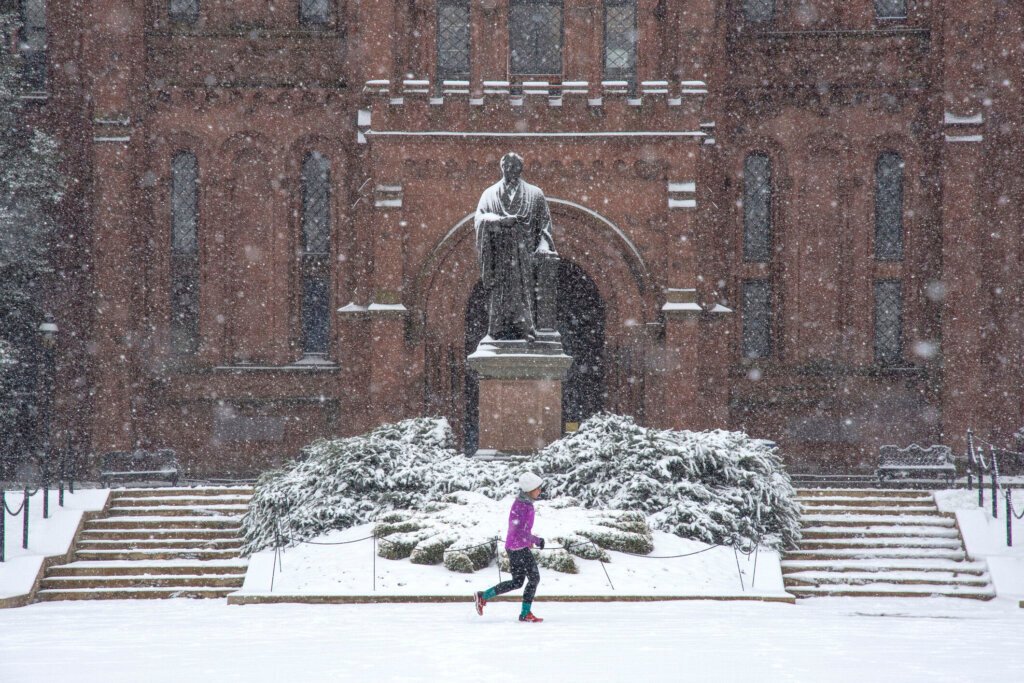
Frigid Air Challenges Even Seasoned Exercisers (Image Credits: Wtop.com)
Washington region – Athletes continue to hit roads and bike paths in temperatures hovering in the teens and twenties Fahrenheit, prompting concerns over potential health dangers during these harsh conditions.[1][2]
Frigid Air Challenges Even Seasoned Exercisers
Endurance enthusiasts often push through biting cold to maintain training routines. Yet medical experts caution that extreme low temperatures introduce serious threats like frostbite and hypothermia. Frostbite strikes when skin freezes, starting with numbness in exposed areas such as cheeks, nose, ears, hands, and feet. Hypothermia sets in as core body temperature falls below 95 degrees Fahrenheit, leading to shivering, confusion, and coordination loss.[3]
Exercise generates body heat, which offers some protection. However, sweat-soaked clothing can accelerate cooling if not managed. Those with asthma or heart issues face amplified risks from dry winter air irritating airways. Local physicians note frequent cases of cold-related troubles following D.C.-area storms.[1]
Defining the Cold Threshold for Outdoor Activity
Experts refrain from a universal cutoff temperature, emphasizing factors like wind chill and personal fitness. Mayo Clinic advises against outdoor sessions below 0 degrees Fahrenheit or during extreme wind chill. Frostbite risk stays under 5 percent above 5 degrees Fahrenheit but surges with wind chill below minus 18 degrees Fahrenheit, where exposed skin may freeze in 30 minutes.[3]
Running groups have trained successfully at 10 degrees Fahrenheit under calm, sunny skies with proper gear. Wind chill around minus 20 degrees Fahrenheit marks a common limit, as frostbite accelerates rapidly. The American College of Sports Medicine highlights wind chill’s role in elevating frostbite and nonfreezing cold injuries below 59 degrees Fahrenheit tissue temperature.[4][5]
| Wind Chill Range | Frostbite Time on Exposed Skin |
|---|---|
| Above 5°F | Low risk (<5%) |
| -18°F | 30 minutes |
| Below -20°F | High risk, rapid onset |
Shoveling Snow Overloads the Cardiovascular System
Snow removal emerges as a particularly hazardous winter task. The American Heart Association reports hundreds of U.S. deaths annually during or after shoveling. A Canadian study linked heavy snowfall of 7-8 inches to 16 percent higher odds of men hospitalized for heart attacks and 34 percent increased mortality risk.[6]
Shoveling rivals treadmill stress tests in cardiac demand, spiking heart rates above 85 percent of maximum within two minutes. Cold constricts arteries while exertion elevates blood pressure, creating a perfect storm. Those over 50, with obesity, smoking history, diabetes, or prior heart events face the greatest peril. In the D.C. region, hospitals see spikes post-storm from this activity’s Valsalva maneuver, where breath-holding builds thoracic pressure.[1]
Proven Precautions for Cold Exposure and Shoveling
Layering forms the foundation of safe winter exercise. Begin with moisture-wicking synthetics, add insulating fleece or wool, and finish with waterproof breathable shells. Cover extremities with glove liners under mittens, thermal socks in larger shoes, hats, and scarves. Cyclists need visibility lights; all should check forecasts and inform others of routes.[3]
- Warm up indoors before heading out to prime muscles.
- Push snow rather than lift and toss to lessen strain.
- Take frequent breaks and stop if chest pain, dizziness, or palpitations occur; call 911 if symptoms persist.
- Hydrate despite cold, as breathing and sweat cause fluid loss.
- Use traction aids on ice and change into dry clothes immediately post-activity.
- Avoid shoveling if unfit or at cardiac risk; hire assistance instead.
These steps allow many to train safely through winter. However, indoor alternatives remain wise during peaks of peril.
Key Takeaways
- Monitor wind chill; stay indoors below 0°F or extreme conditions.
- Shoveling poses heart attack risks comparable to intense tests, especially for at-risk groups.
- Prioritize layering, hydration, and breaks to mitigate dangers.
Winter demands respect for cold’s toll on body and heart. Balance commitment to fitness with caution to avoid turning routine into regret. What are your winter exercise limits? Share in the comments.