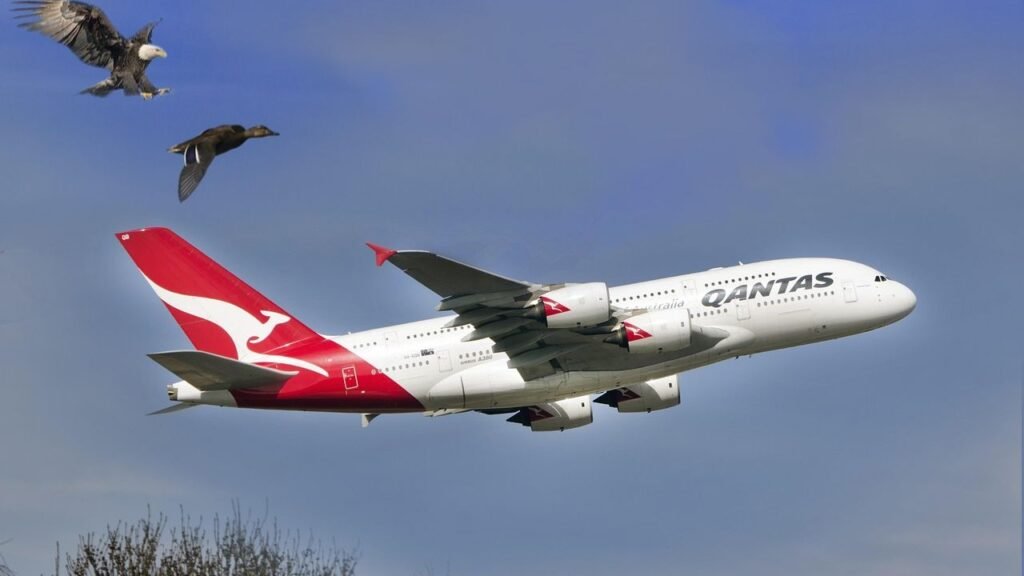

Ever watched a bird glide effortlessly through the sky or marveled at a massive airplane lifting off the runway and wondered what invisible forces are at work? The truth is, both rely on the same fundamental laws of physics to achieve something that seems almost magical: flight. Whether it’s feathers and hollow bones or metal wings and jet engines, the science behind staying airborne is surprisingly elegant.
You might think that birds and planes achieve flight in completely different ways. After all, one flaps its wings while the other roars down a runway at tremendous speed. Yet beneath these differences lies a shared reliance on aerodynamic principles that have taken millions of years to evolve in nature and centuries for humans to understand and engineer. Let’s dive into the fascinating physics that makes flight possible.
The Four Forces That Rule the Skies
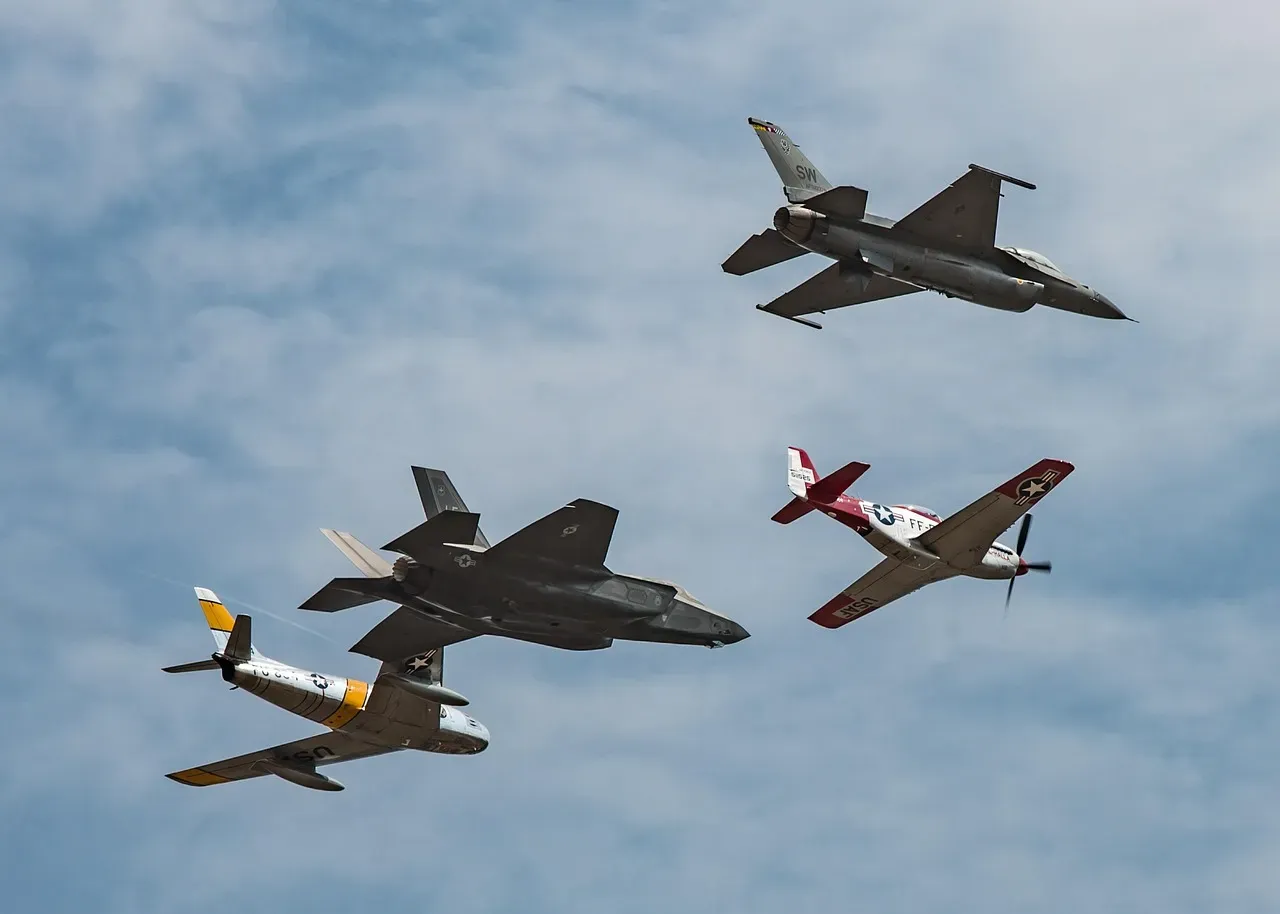
Every object that moves through the air, whether bird or plane, must contend with four opposing forces: weight, lift, thrust, and drag. Think of it as a constant tug-of-war happening in three dimensions. Weight, or gravity, is the force downward towards earth determined by the mass of the object.
Thrust is a force pushing an object forward, while drag is the friction holding it back. When thrust is stronger than drag, the subject can move forward. To achieve and maintain flight, these forces must be carefully balanced. For an airplane to takeoff, thrust must be greater than drag and lift must be greater than weight. To maintain level flight, lift must equal weight and thrust must equal drag. Birds intuitively manage this balance with every wingbeat, while pilots constantly adjust controls to keep their aircraft stable.
How Wings Actually Create Lift
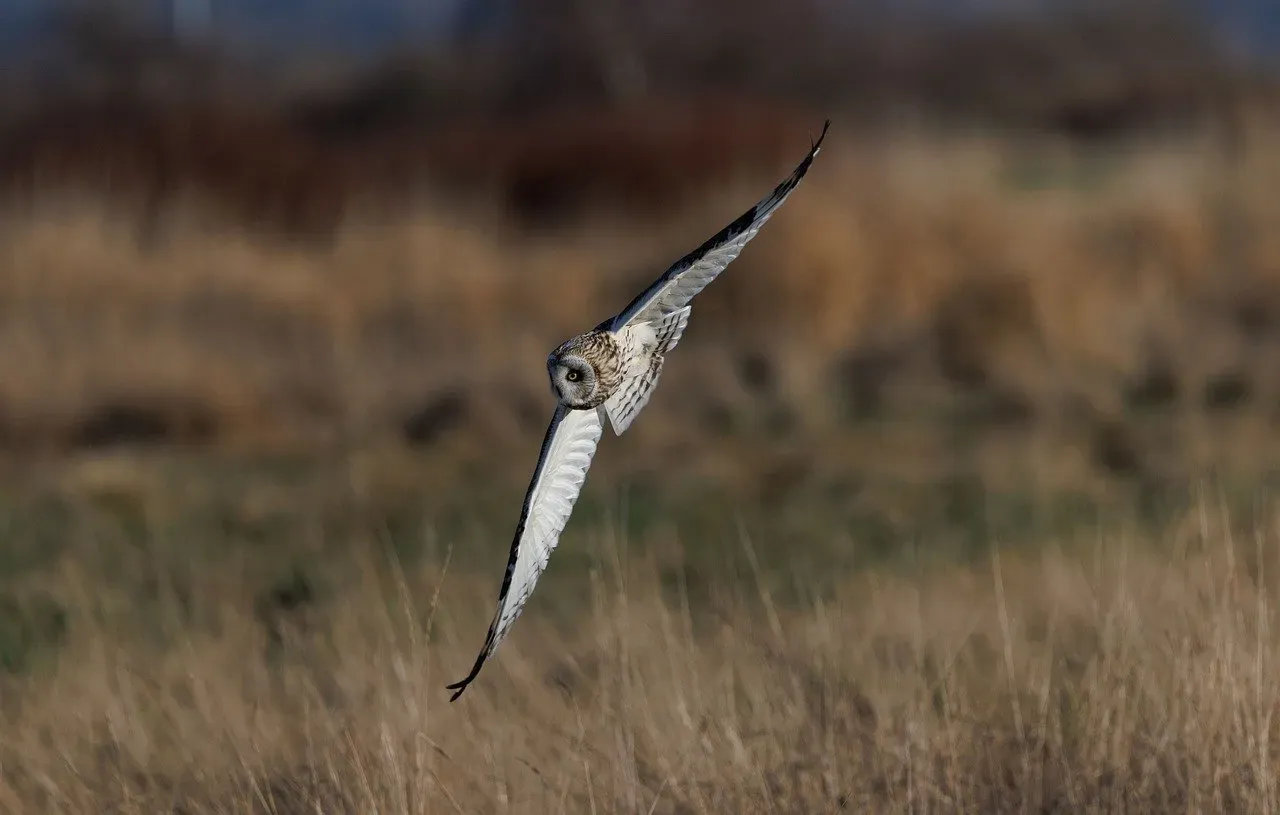
Let’s be real, the explanation you probably learned in school about how wings work is likely wrong. It’s often said that the airflow moving over the top, curved surface has a longer distance to travel and needs to go faster to have the same transit time as the air travelling along the lower, flat surface. But this is wrong. The truth is far more interesting.
A bird’s wing, for example, is built in the shape of an airfoil, which can be roughly described as a comma on its side. The top of the wing curves upwards before tapering down to the back. When the air moves around the wing, the air above the wing moves across it faster than the air underneath. This results in different air pressures on either side of the wing, with lower air pressure above the wing, and the bird has created lift. This pressure difference literally pushes the wing upward, keeping the creature aloft.
The Bernoulli Mystery Explained
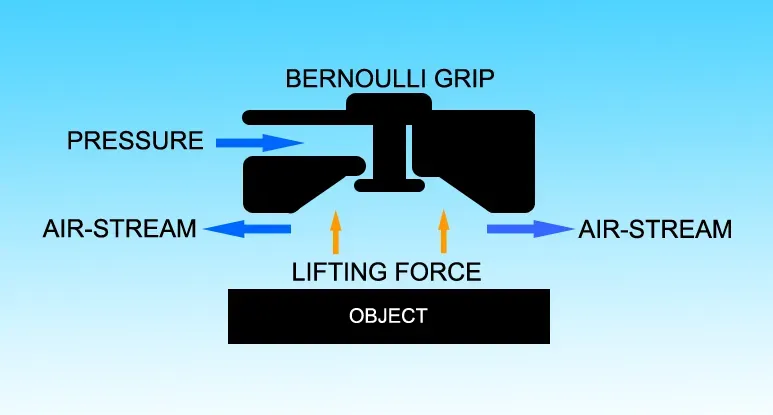
In 1738, Bernoulli found that, when a gas like air moves, it exerts less pressure. That’s the essence of Bernoulli’s principle in a nutshell. Due to the shape of an airplane wing, air on top of the wings moves faster than air on the bottom of the wings. Bernoulli’s Principle states that faster moving air has lower air pressure and slower moving air has higher air pressure.
However, here’s where things get complicated. A serious flaw common to all the Bernoulli-based explanations is that they imply that a speed difference can arise from causes other than a pressure difference, and that the speed difference then leads to a pressure difference, by Bernoulli’s principle. This implied one-way causation is a misconception. The real relationship between pressure and flow speed is a mutual interaction. Both cause and reinforce each other simultaneously. Think of it like a dance where both partners are leading at once.
Newton’s Third Law Enters the Chat

You can’t talk about flight without bringing Isaac Newton into the picture. This law states that every action or force has an opposite and equal reaction. So, a bird flapping its wings downward imparts a force against the air, and the air, in turn, imparts an upward force on the bird. Simple as that sounds, it’s profoundly important.
Lift occurs when a moving flow of gas is turned by a solid object. The flow is turned in one direction, and the lift is generated in the opposite direction, according to Newton’s Third Law of action and reaction. In reality, lift generation involves both Bernoulli’s principle and Newton’s third law working together. Neither explanation alone tells the complete story. It’s hard to say for sure, but the debate over which principle matters more has frustrated aerodynamicists for decades.
Bird Wings: Nature’s Engineering Marvel
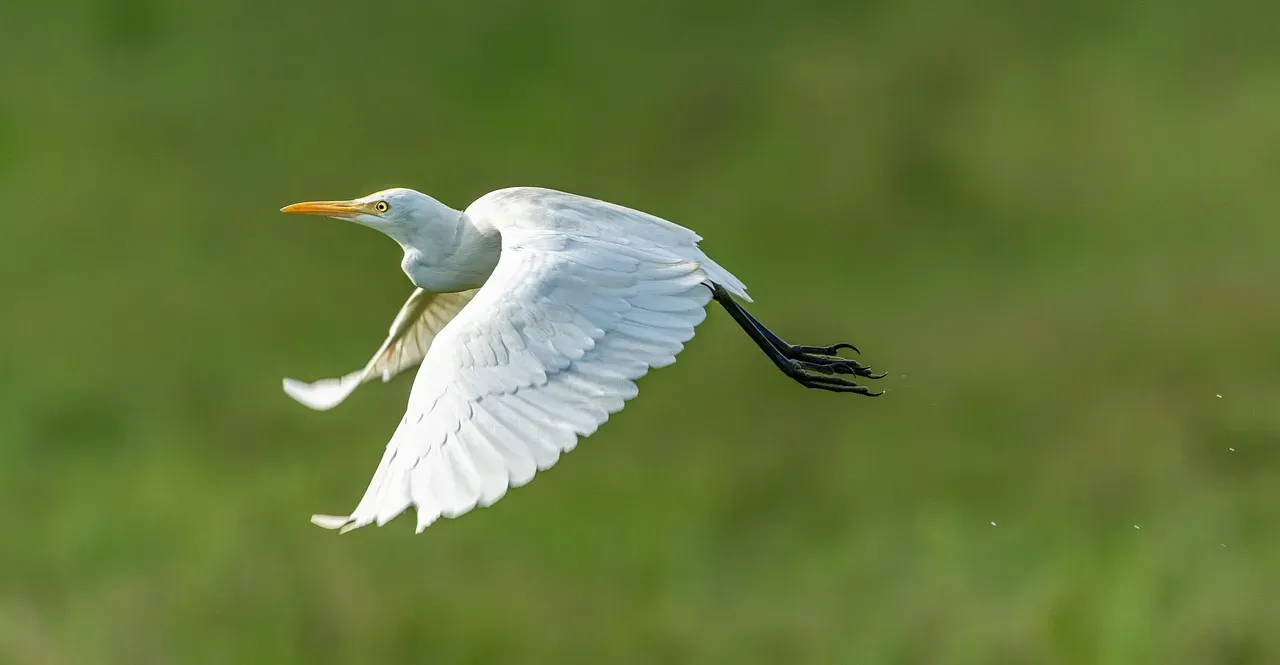
Over 50 muscles in the body work together to help a bird fly. Some are responsible for the downward and upward motions, some for folding and unfolding the wings, while others control the small yet essential orientation of each flight feather. That’s an incredible amount of coordination happening instinctively. Birds don’t think about aerodynamics; their bodies simply execute flawlessly.
Primaries are the longest and narrowest of the outer feathers, and they can be individually rotated. These feathers are the main source of thrust, mostly generated on the downstroke of flapping flight. Secondaries remain close together in flight and help to provide lift by creating the airfoil shape of the bird’s wing. Each feather type has evolved for a specific aerodynamic purpose, making the wing a remarkably sophisticated tool.
The Difference Between Flapping and Gliding
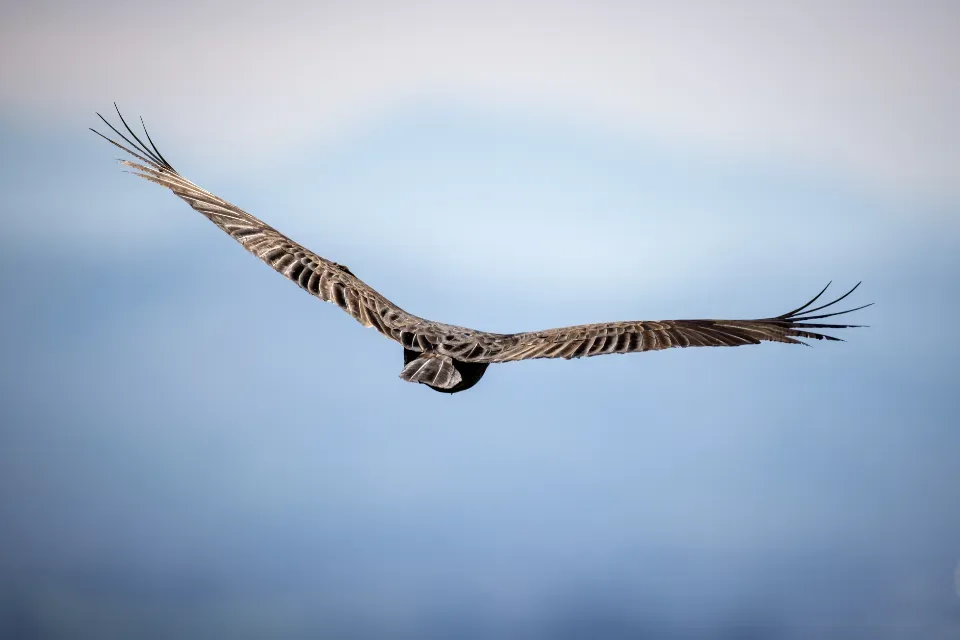
When a bird flaps, as opposed to gliding, its wings continue to develop lift as before, but the lift is rotated forward by the flight muscles to provide thrust, which counteracts drag and increases its speed, which has the effect of also increasing lift to counteract its weight, allowing it to maintain height or to climb. Flapping flight is energetically expensive, which is why many larger birds prefer to glide whenever possible.
Many larger birds, with heavier masses, utilize large sail-like wings to soar on thermals. Turkey Vultures, for example, can cover up to 200 miles in day with very little flapping if the conditions are right with air currents. Conversely, hummingbirds constantly flap, adjusting the angle of their wings and flight feathers to have the ability to hover in front of a flower. They can maneuver their wings both vertically and horizontally, like a helicopter, affecting the air pressures around them and, therefore, lift and drag forces. The contrast between these strategies is stunning.
How Airplanes Borrow From Birds
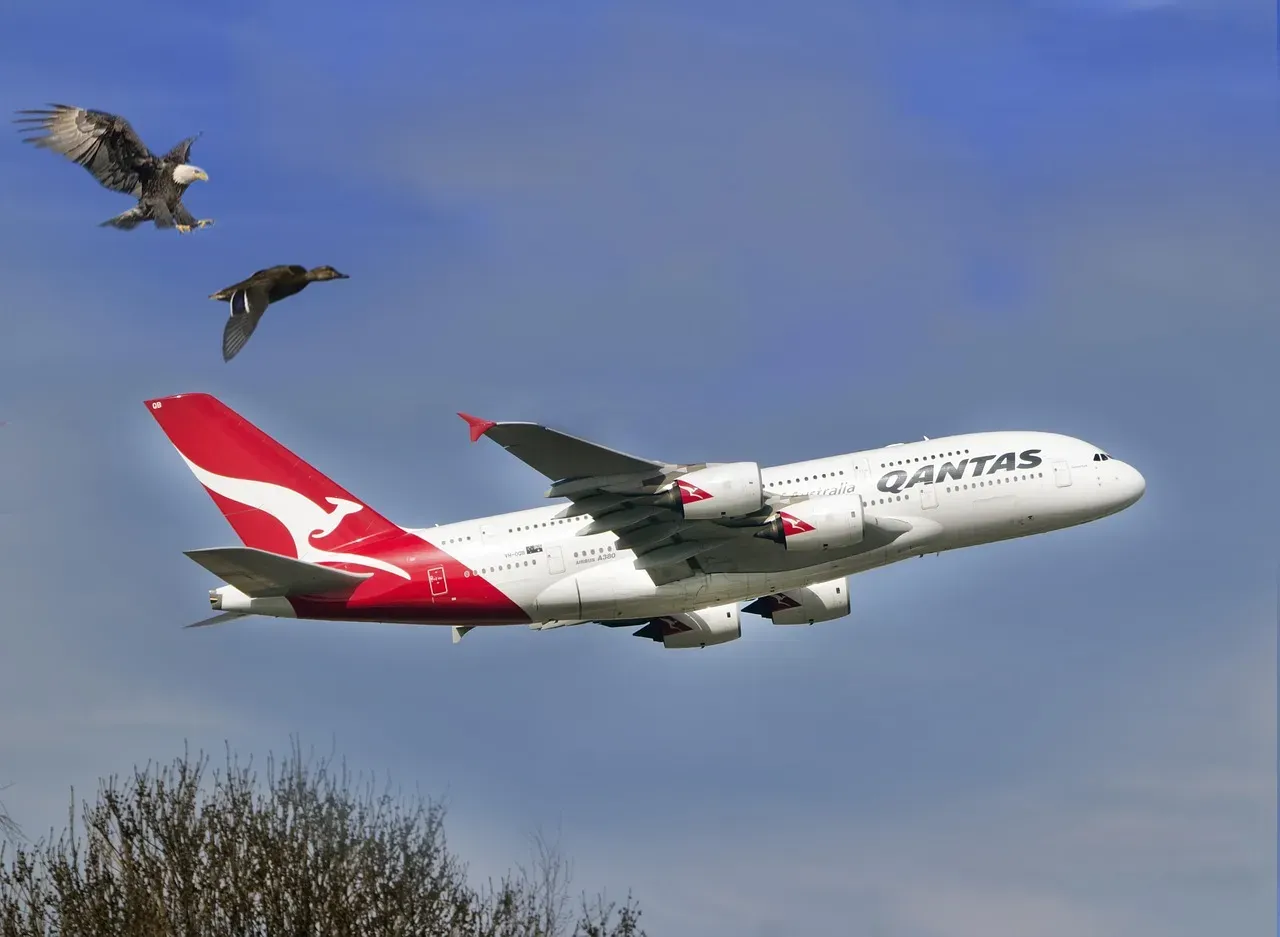
The short answer is that we copied the blueprint from nature. In the early 19th century, British inventor Sir George Cayley translated the shape of a bird’s wing into the modern airfoil. The Wright Brothers studied bird flight before they designed the first airplane. Now modern aircraft fly higher and faster than any bird, yet no manufactured device matches the graceful movements and mechanics of bird wings.
Here’s the thing: planes can even fly upside down. This theory also does not explain how airplanes can fly upside-down, which happens often at air shows and in air-to-air combat. The explanation lies in angle of attack. As the angle of attack increases, the pressure difference between the top and bottom of the wing increases. This differential causes lift to increase. By tilting the wing correctly, pilots can generate lift regardless of which surface is on top.
The Role of Drag in Flight
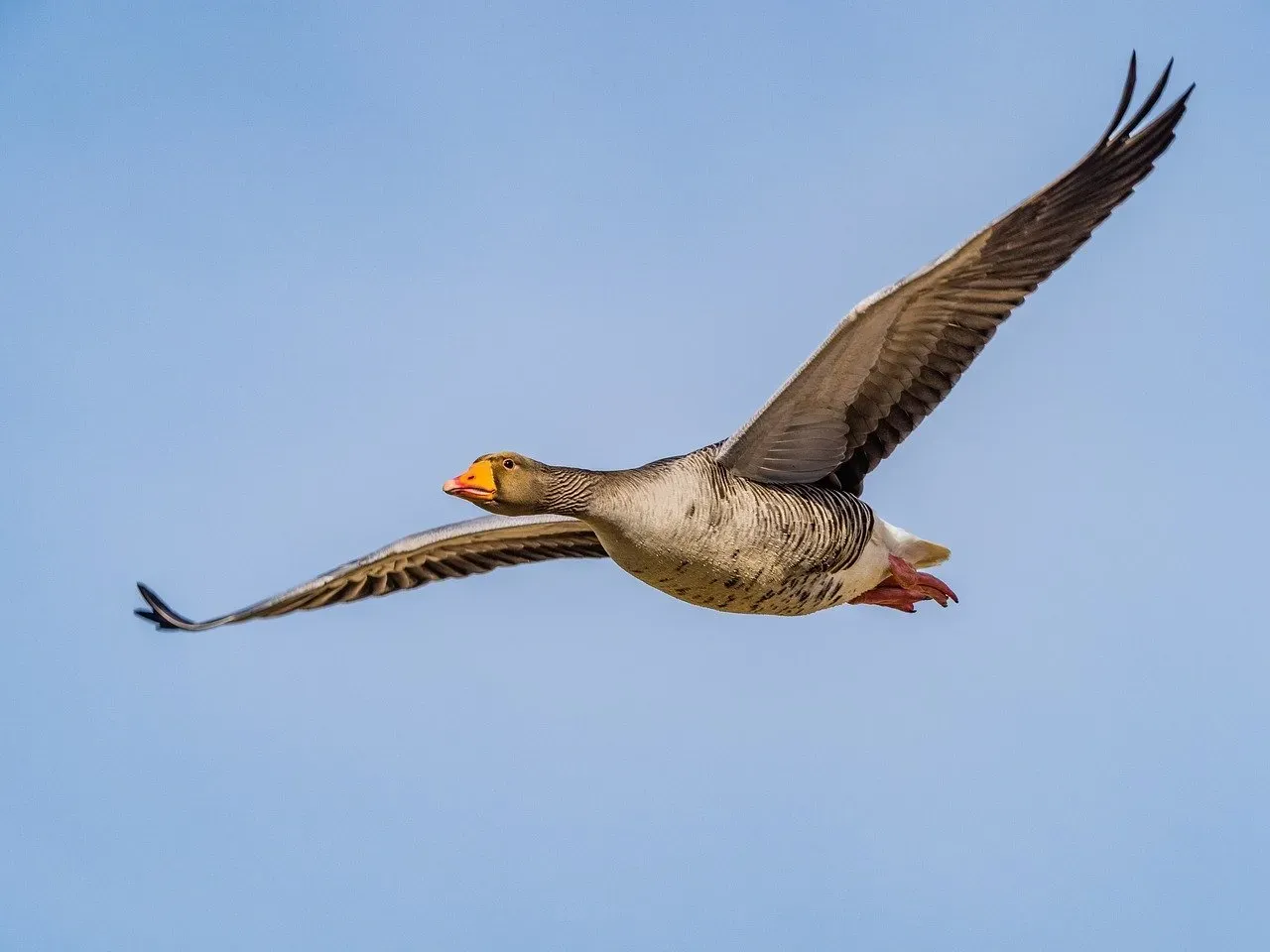
Birds occupy space, so they must inevitably interact with particles of matter as they move through the air. These interactions cause friction and resistance, which result in a slowing force called drag. Every moving object experiences drag, and minimizing it is crucial for efficient flight.
A bird’s streamlined wings and body shape are its primary defense against the effects of drag. Aircraft engineers obsess over this too. From sleek fuselages to carefully designed wing tips, every curve and contour is shaped to reduce air resistance. Note that the job of the engine is just to overcome the drag of the airplane, not to lift the airplane. A 1 million pound airliner has 4 engines that produce a grand total of 200,000 of thrust. The wings are doing the lifting, not the engines. That ratio might surprise you.
Weight: The Constant Challenge
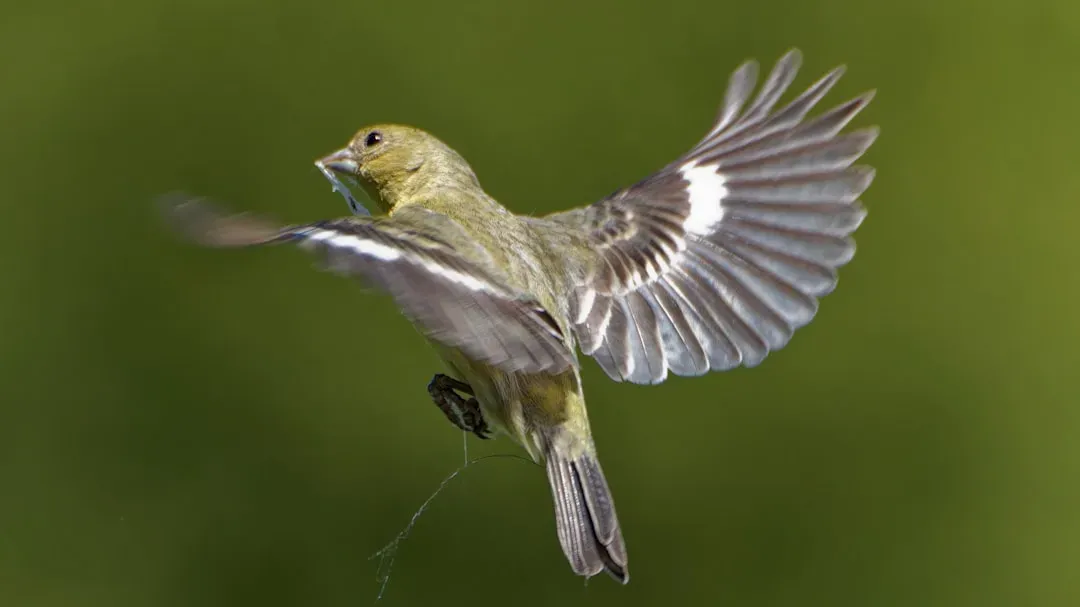
The most obvious hurdle to flight is weight, which imparts a downward force in opposition to lift. Birds have evolved ultra-lightweight bodies, and they defy gravity by applying force with their powerful wing muscles and utilizing the natural airfoil created by their wing shape. Hollow bones, air sacs, and lightweight feathers all contribute to making birds remarkably light for their size.
For aircraft, weight management is equally critical. Weight is distributed throughout the airplane and includes the mass of all the aircraft’s parts, fuel, passengers, baggage, and freight. However, the weight of an aircraft and its center of gravity also constantly change as fuel is consumed during flight. For this reason, pilots must frequently adjust controls in flight to keep the aircraft balanced. It’s a delicate balance that requires constant attention and precise calculation.
The Magic Happens in the Balance
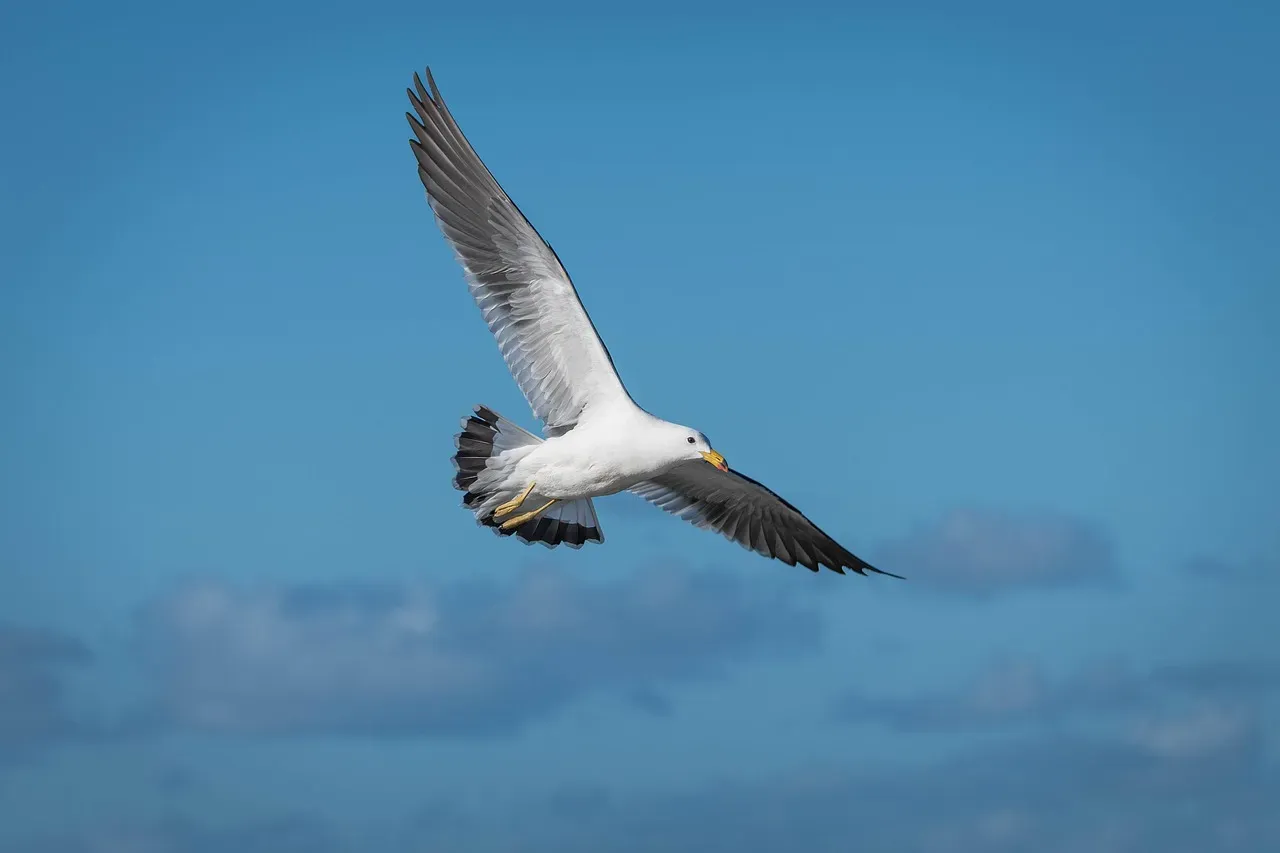
The four forces of flight don’t act in isolation. They are constantly interacting: thrust works to overcome drag, lift counters weight, and adjustments in one force affect the others. This dynamic interplay is what makes flight possible. Whether you’re watching a sparrow dart between trees or a jumbo jet cruise at altitude, the same physics principles are at work.
From the labored flapping but majestic soaring of the largest Eagles to the mind-numbing speed and agility of exquisite neotropical Hummingbirds, avians have truly mastered the mechanics of flight. Fine-tuned anatomy and the ability to harness lift, thrust, and natural air currents make bird flight a masterclass in aerodynamics and the laws of physics. Millions of years of evolution have perfected what human engineers are still working to fully replicate. The sky isn’t some mysterious realm reserved for the chosen few; it’s a space governed by elegant physical laws that both birds and planes exploit brilliantly.
What’s truly remarkable is that whether it’s powered by muscles or jet engines, whether covered in feathers or aluminum, flight remains one of nature’s and humanity’s greatest achievements. Did you expect that the same principles could explain both a hummingbird’s hover and a 747’s transcontinental journey?