
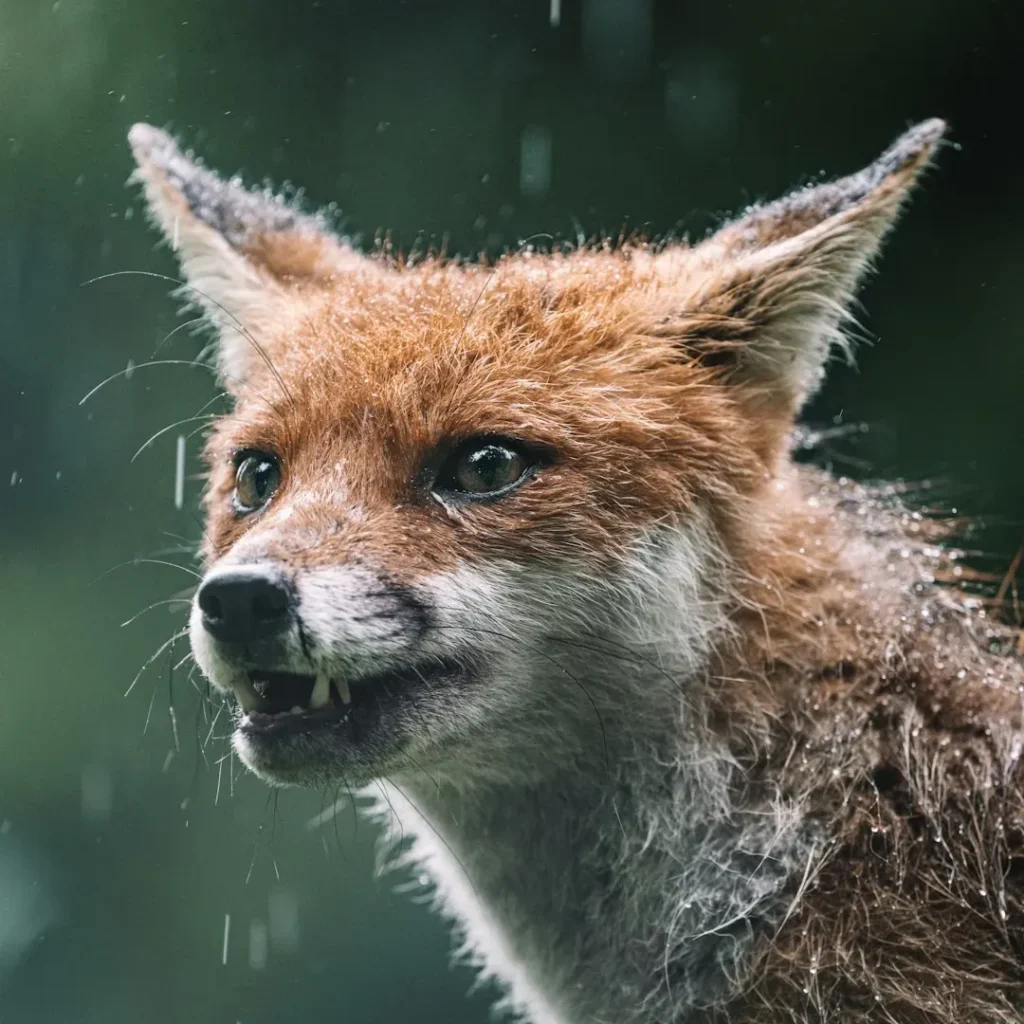

Have you ever watched a bird swoop low across the sky and felt a change coming? Or noticed your pet acting strangely just before a thunderstorm rolled in? For centuries, humans have looked to the animal kingdom for clues about what’s brewing in the atmosphere. Long before satellites and radar towers existed, our ancestors relied on these natural forecasters to survive.
Early humans looked to natural signs, including animal behavior to anticipate shifts in weather. There’s something almost magical about how creatures seem to know what’s coming, sometimes days before meteorologists catch on. Animals possess an extraordinary ability to detect subtle shifts in their environment, from fluctuations in atmospheric pressure to seasonal and humidity changes, and their heightened senses allow them to perceive what often goes unnoticed by humans. So let’s get started and discover which animals truly have this ancient gift.
Birds Flying Low Signal Storms Ahead
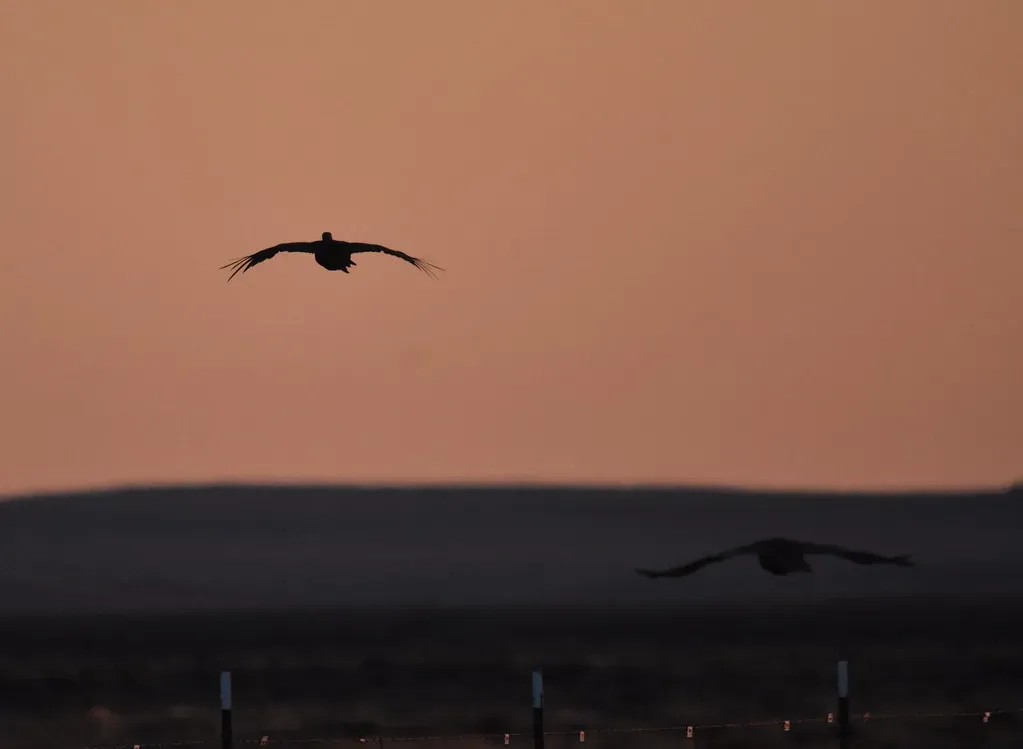
Birds can detect the subtle decreases in air pressure that accompany storms and alter their flight paths accordingly. When you spot hawks or swallows suddenly hugging the ground instead of soaring high above, that’s nature’s weather bulletin in action. Birds need to fly fast and efficiently to conserve their energy, so they settle into sweet spots where the air is thin, and when the weather is good, domes of high air pressure push these sweet spots up into the air, so birds fly higher, but when the air pressure drops before the weather gets bad, so do the sweet spots and the birds that look for them.
Here’s the thing though. Air pressure does affect birds, and some can sense changes in metabolic pressure, and when the air pressure drops, they fly closer to the ground, where the air density is less heavy. Birds tend to binge eat before a storm. It’s like they’re stocking up for the bad weather ahead, which honestly makes perfect sense when you think about it.
Sharks Swim to Safety Before Hurricanes Strike

Let’s be real, sharks detecting hurricanes sounds like something out of a movie. There’s a growing body of research that suggests sharks can actually feel changes in barometric pressure – either through their inner ear or something called a lateral line – and this gives them a heads-up that a storm is on the way. Animals such as sharks can detect the change in barometric pressure storms give off and swim away long before the storm arrives.
From two weeks out of a hurricane, sharks can actually detect the change and start heading for deeper water. That’s two weeks! Scientists tracked blacktip sharks and found they behaved exactly this way before storms arrived. After sensing a drop in barometric pressure, smaller sharks, and those that are young, tend to flee to deeper waters. Meanwhile, larger tiger sharks sometimes stick around and scavenge after the storm passes.
The Cow Lying Down Myth Gets Debunked
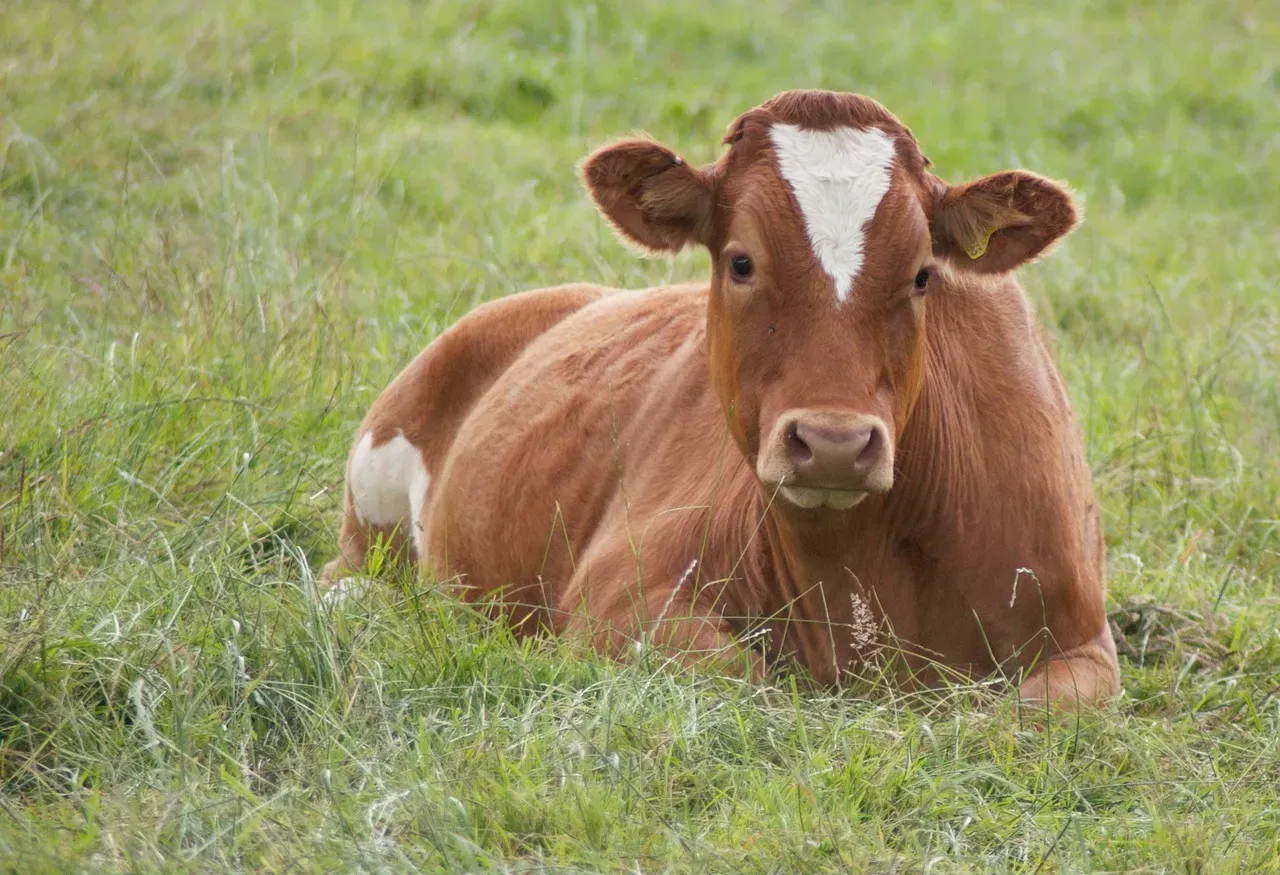
This one’s probably the most famous weather folklore out there. Cows, like many animals, are affected by changes in air pressure, and they become restless when stormy weather approaches and may lie down in a dry spot. Sounds convincing, right? Except there’s a catch.
There is no scientific backing for this at all. Scientists across the board say that there is no solid proof behind the fact that herds of cattle lie down before it rains. Cows spend up to 12 hours a day lying on the ground, relaxing and napping. So when you see a cow lying down, it’s probably just taking a break, not predicting your afternoon thunderstorm. Sorry to burst that bubble.
Ants Build Higher Mounds When Rain Approaches
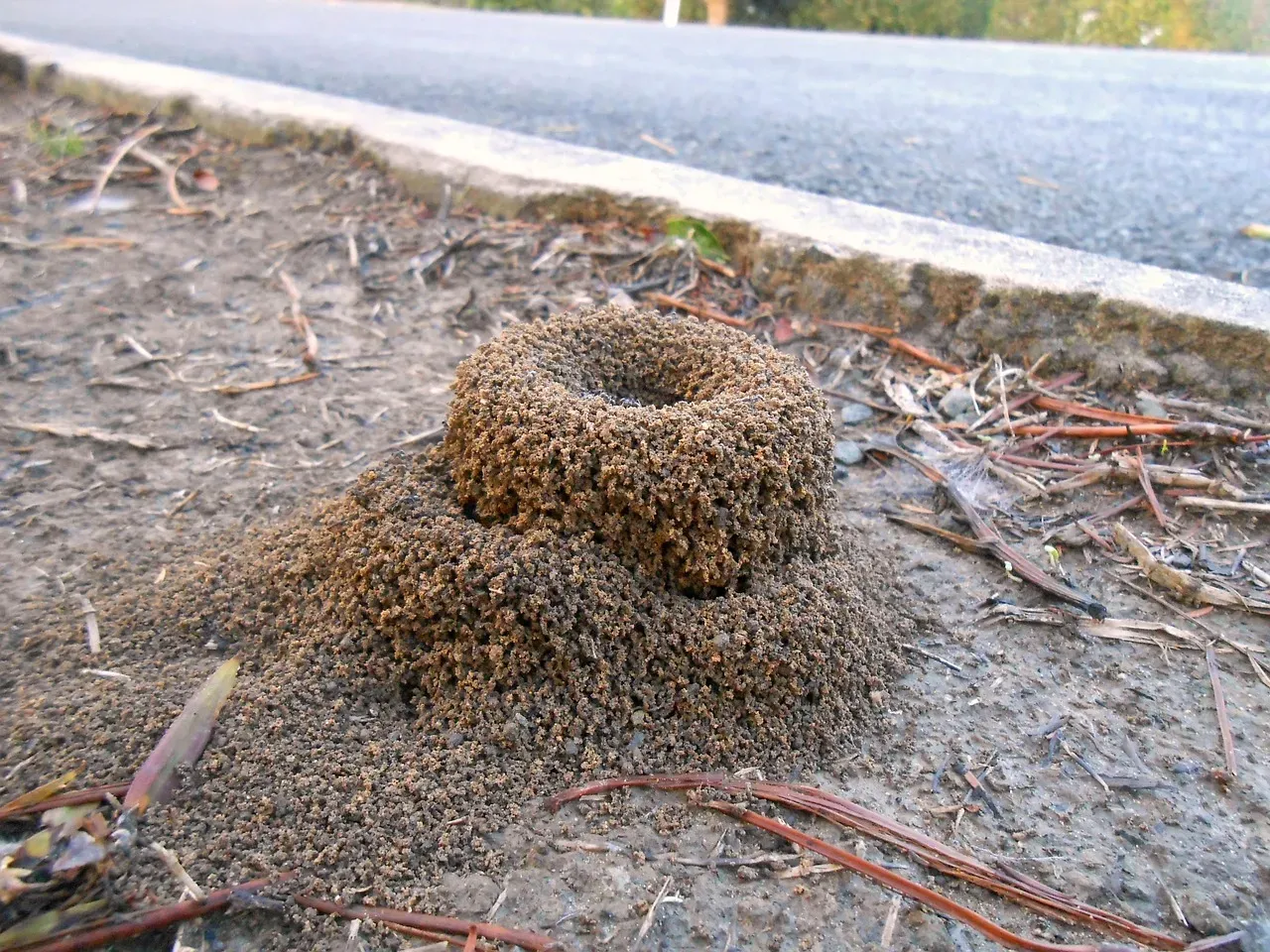
Some say that ants can sense drops in barometric pressure better than humans and respond with mound building behaviour. You’ve probably seen it yourself – suddenly your lawn is covered with these little dirt mounds that seemingly appeared overnight. There is enough anecdotal evidence to suggest that ants change their behaviour in response to changes in weather patterns, and they monitor the humidity and temperature in their nests and when this changes, they do all they can to regulate these variables with activities such as mound building.
Ants often build taller mounds before heavy rainfall as a protective measure against flooding. It makes sense when you consider a decent rainstorm would be catastrophic for their underground colonies. They’re literally preparing their homes for the deluge, raising the entrance to keep water from rushing in and drowning their queens.
Frogs Croak Louder Before Rainstorms
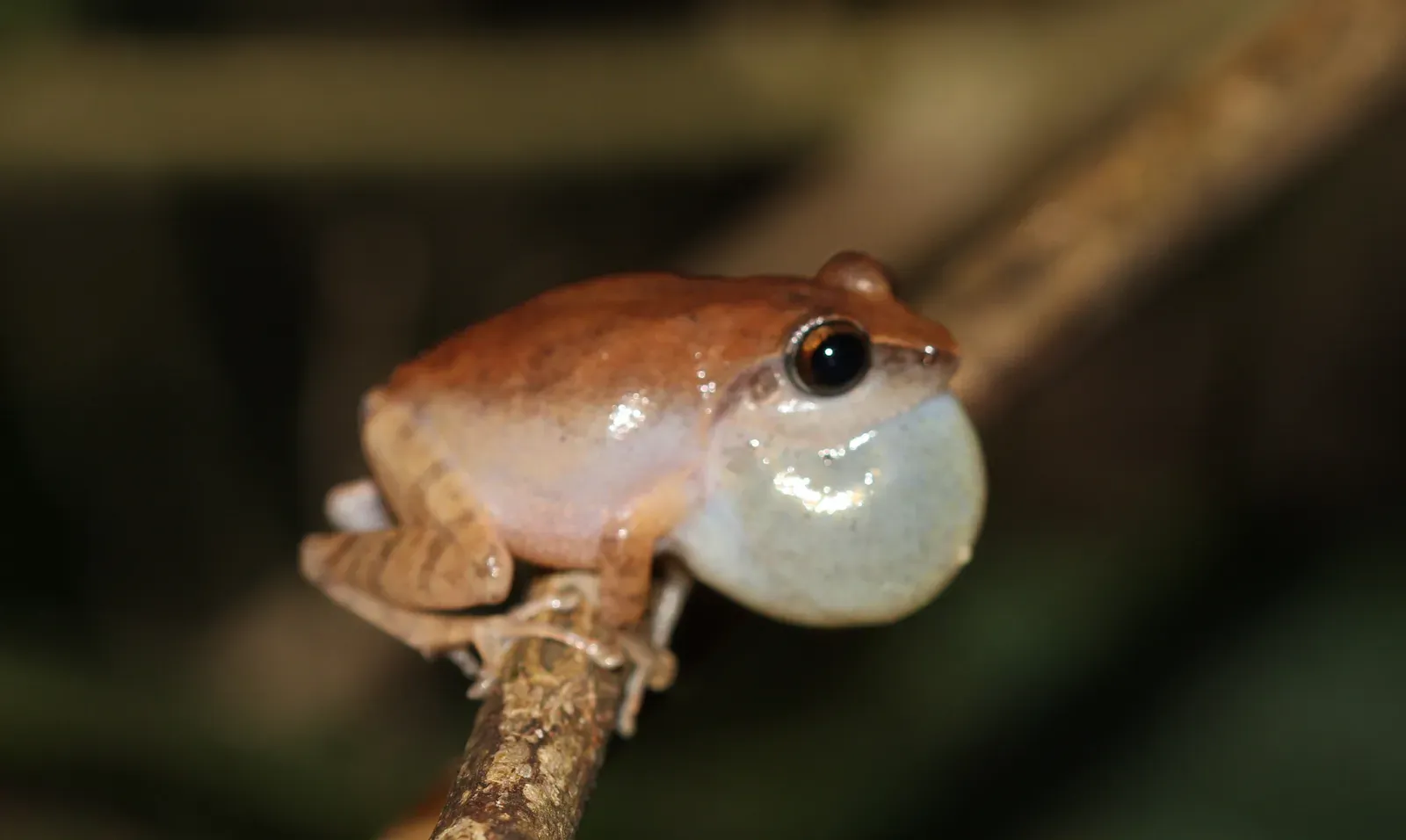
If you’ve ever heard that symphony of croaking intensify on a summer evening, you’ve experienced this phenomenon firsthand. Frogs and insects become more vocal before rain, likely reacting to changes in humidity and pressure that signal rain is imminent. Frogs croak loudly to mate, and they are more successful following a good rain, and the male frogs will start croaking with more gusto before a rain.
The science behind this is actually pretty fascinating. The eggs are laid in bodies of water. So increased humidity and the promise of fresh water means better breeding conditions. These amphibians aren’t exactly fortune tellers, but they’re extremely sensitive to environmental cues that we humans completely miss.
Dolphins Detect Pressure and Salinity Changes
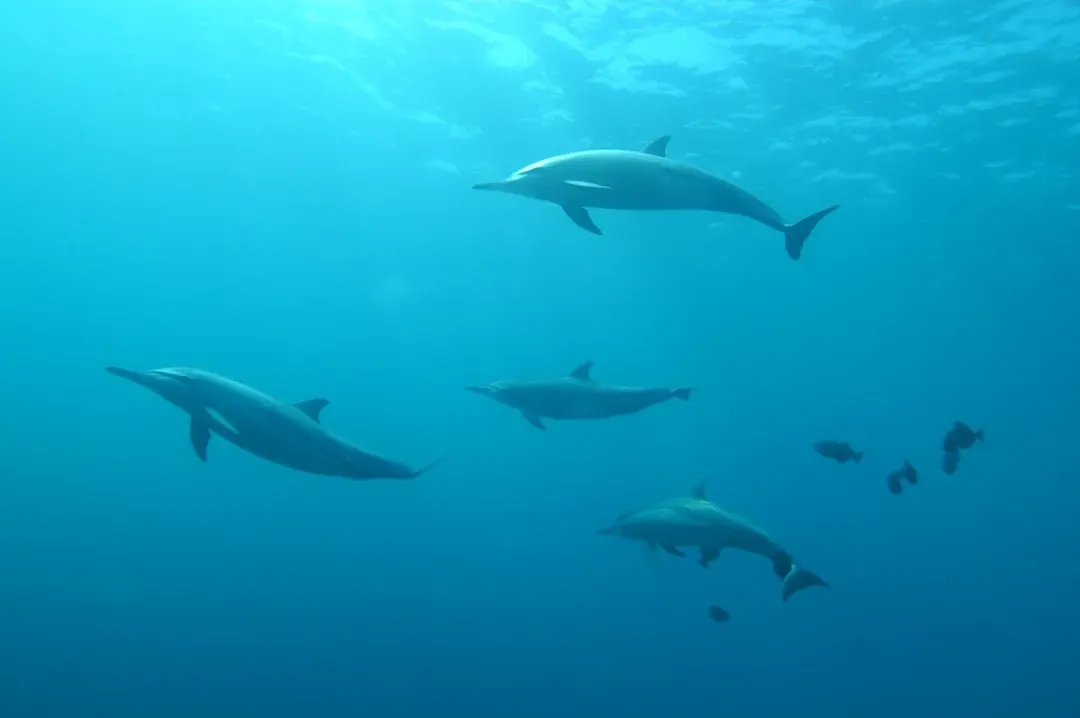
Dolphins, sharks, sea turtles and other marine animals can detect changes in pressure, water temperature, salinity and currents. Dolphins are sensitive to barometric pressure changes, which typically drop before a storm, and this sensitivity helps them anticipate weather changes. These intelligent creatures have an early warning system that puts our weather apps to shame.
Marine scientists have a theory that dolphins and whales can detect the salinity change that happens when outer bands bring heavy freshwater rain to an area. When a hurricane approaches, dolphins often move to deeper, calmer waters well before the storm makes landfall. Dolphins may move to deeper or calmer waters to avoid turbulent conditions near the surface, and this migration helps them stay safe during severe weather.
Insects Respond to Humidity and Pressure Shifts
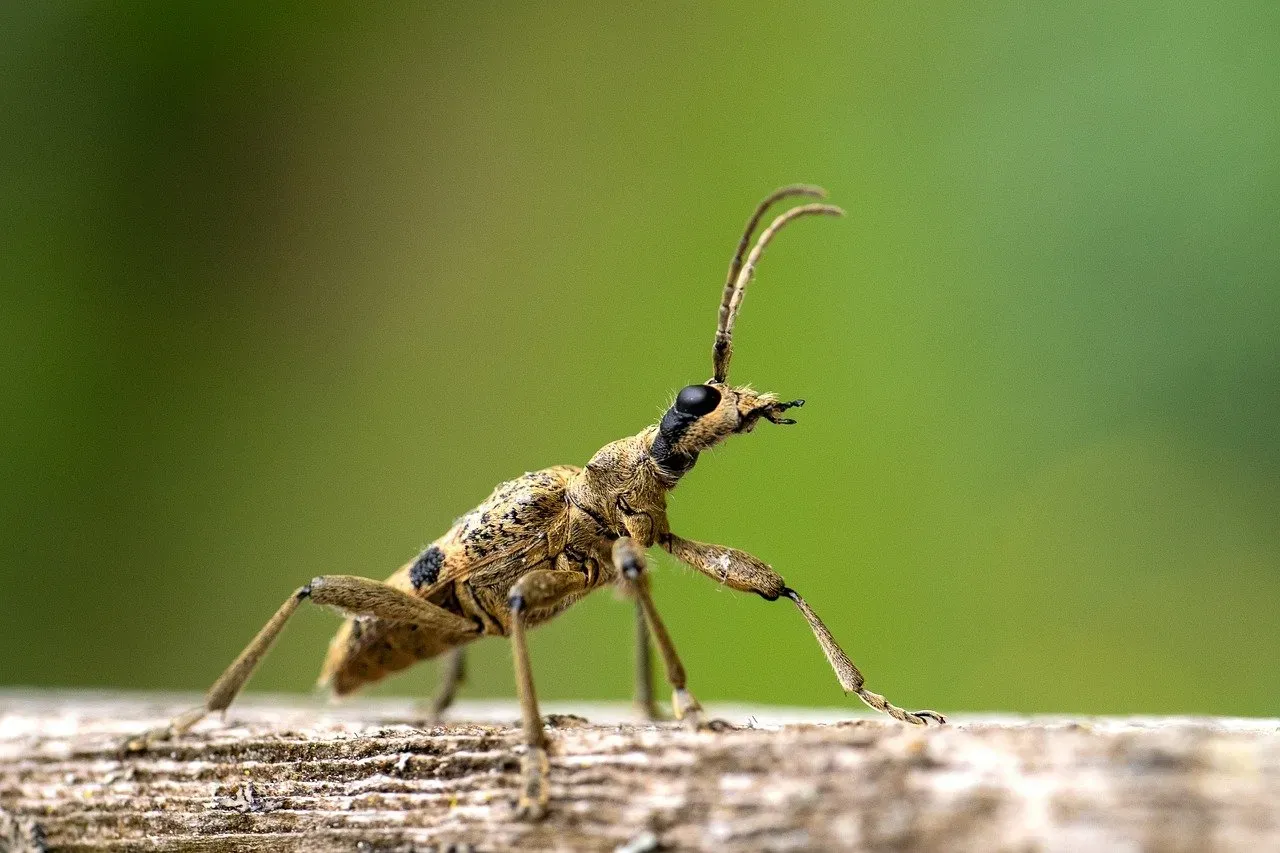
Insects, along with birds, make the best weather predictors, according to the Old Farmer’s Almanac. Crickets, for instance, have this incredible talent. All you have to do is count the number of cricket chirps you hear in 13 seconds, add 40, and you know what the outside temperature is to within a few degrees Fahrenheit, and Amos Dolbear first discovered the relationship between snowy tree crickets and temperature in 1897.
Bees also show fascinating behavior changes. Birds and bees appear to be able to sense this drop in barometric pressure and will instinctively seek the cover of their nests or hives. You’ll notice fewer bees buzzing around your garden right before a storm hits. They’ve already retreated to safety while you’re still checking your phone for the forecast.
Birds Detect Infrasound From Distant Storms
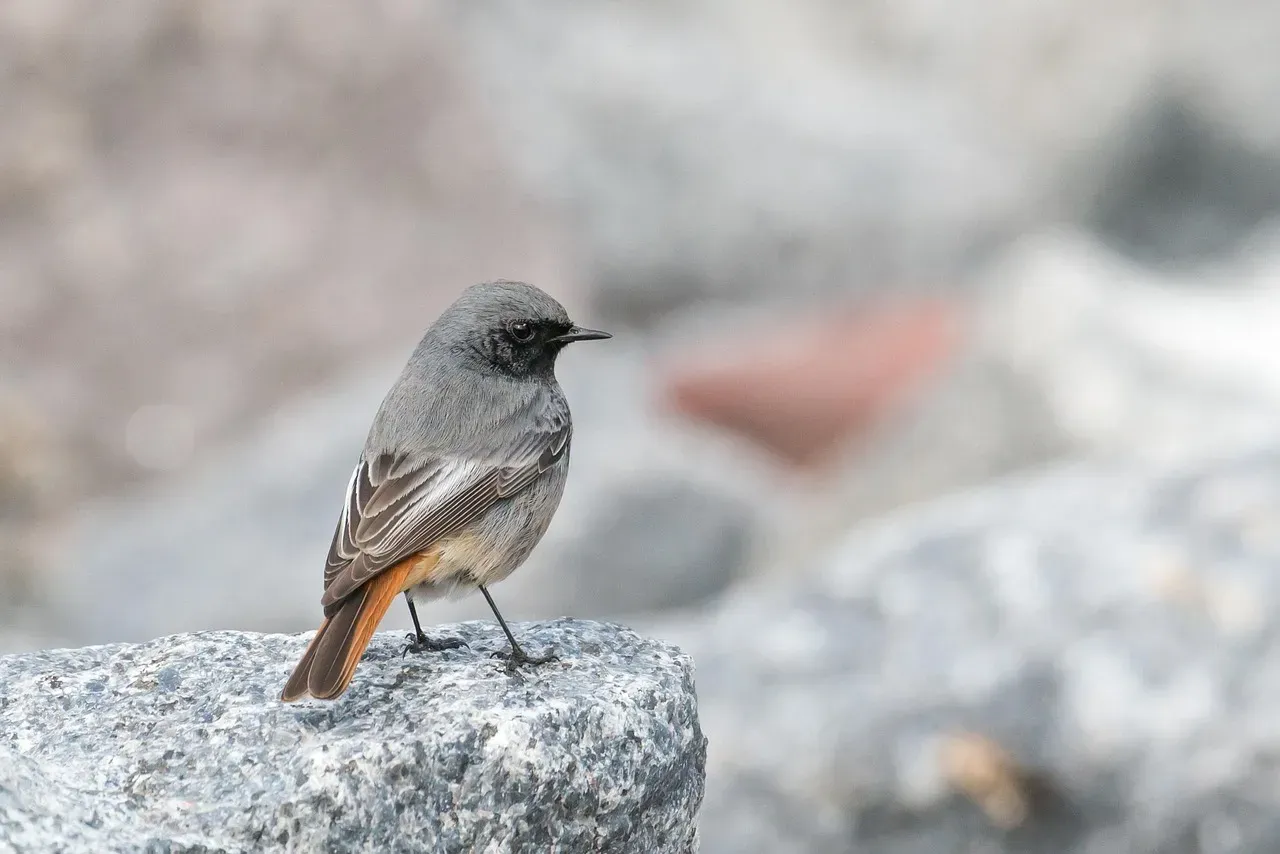
This one blows my mind. Some migratory birds are believed to detect infrasound – low-frequency sounds that humans cannot hear – which may help them sense changes in the atmosphere and adjust their movements accordingly. Because infrasound travels so far, birds can detect a distant thunderstorm hours before it’s visible or audible to humans, and well before the local barometric pressure begins to drop significantly, and this gives them ample time to prepare.
Golden-winged warblers evacuated an area of Tennessee more than 24 hours before a devastating string of tornadoes hit the area, and the study authors predicted the migrant birds listened to infrasound associated with the storms and heeded it as a warning sign. That’s roughly a day’s advance notice from nature’s alarm system. Pretty remarkable when you consider these are creatures with brains smaller than a walnut.
The Truth Behind Animal Weather Predictions
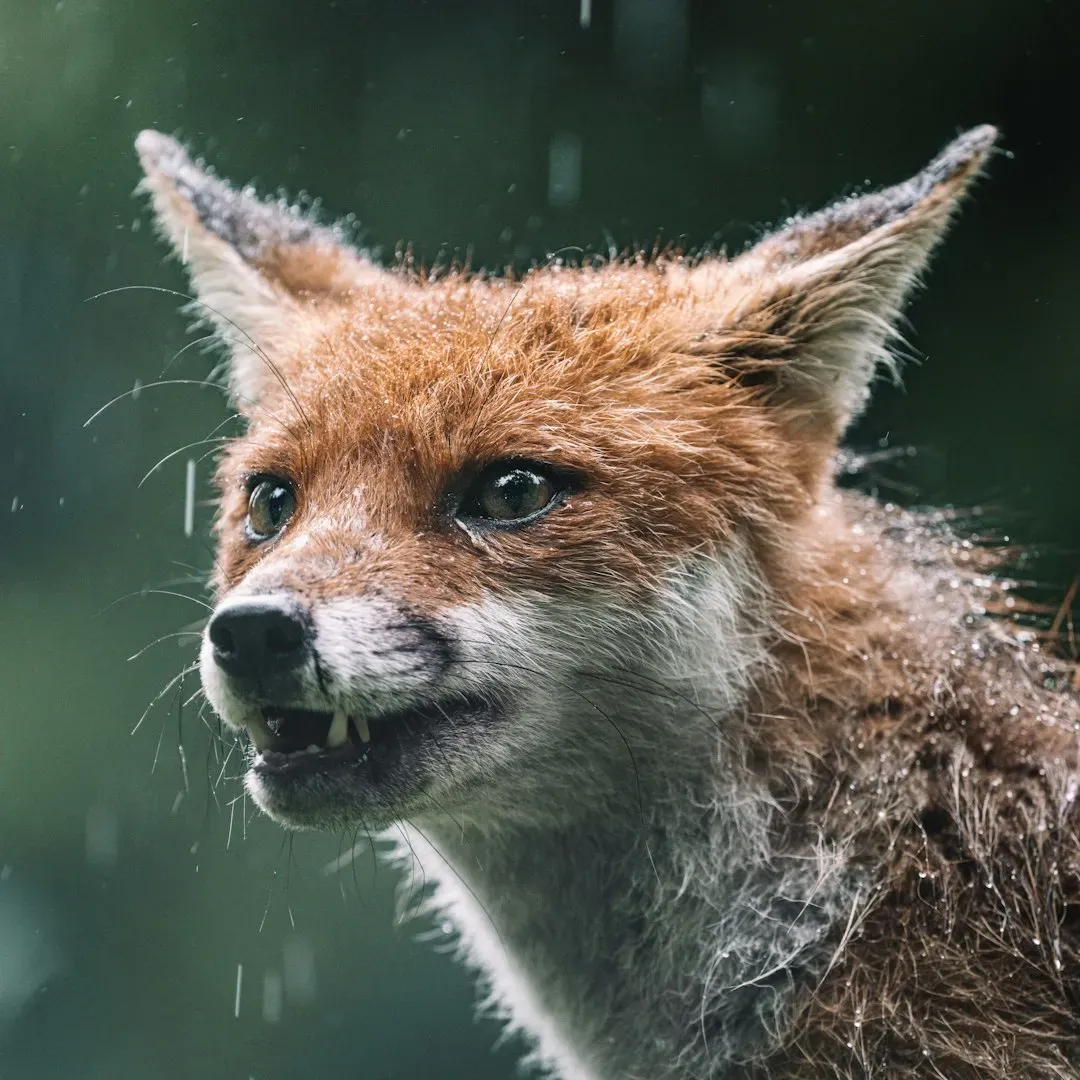
Here’s where things get interesting. It’s highly unlikely animals can predict weather in an ESP-sort of way, but they very well may be able to sense environmental signals that humans miss. These behaviors are not so much predictions as they are a response to immediate environmental cues. So animals aren’t really forecasting the weather in the way meteorologists do – they’re just incredibly tuned into their surroundings.
A human might sense a drop in barometric pressure, but not feel compelled by that sensation to seek shelter before a storm hits, as an animal might. At least some of their five senses almost always surpass our own, and many weather occurrences generate noises in the infrasonic range, too low for people to usually hear, but well within the hearing range of many animal species. We’ve just gotten lazy with all our technology, honestly.
Throughout history, animals have served as nature’s meteorologists, offering clues about atmospheric changes that our modern instruments now measure in different ways. While some folklore has been debunked by science, the core truth remains – creatures great and small possess sensory abilities that connect them to their environment in ways we’re only beginning to understand. Maybe next time you see birds flying unusually low or notice your dog acting restless, you’ll think twice before dismissing these ancient weather signals.
What do you think about it? Have you ever noticed animals behaving strangely before a storm hit your area?


