You’ve probably walked past ancient stories carved into stone without even realizing it. Scattered across the American landscape, from the desert Southwest to Pennsylvania’s riverbanks, thousands of mysterious images have been waiting for millennia to share their secrets. These aren’t just random scratches on rocks. They’re windows into minds that lived thousands of years before our modern world existed.
These petroglyphs give us our only direct window into the minds of prehistoric humans, and they remain in the same place and context as when their makers created them. Let’s be real, there’s something haunting about standing before a carving that someone painstakingly etched into stone when mammoths still roamed the continent. What were they trying to say? What stories were they telling? The answers might surprise you more than you’d expect.
The Ancient Canvas: What Exactly Are Petroglyphs?
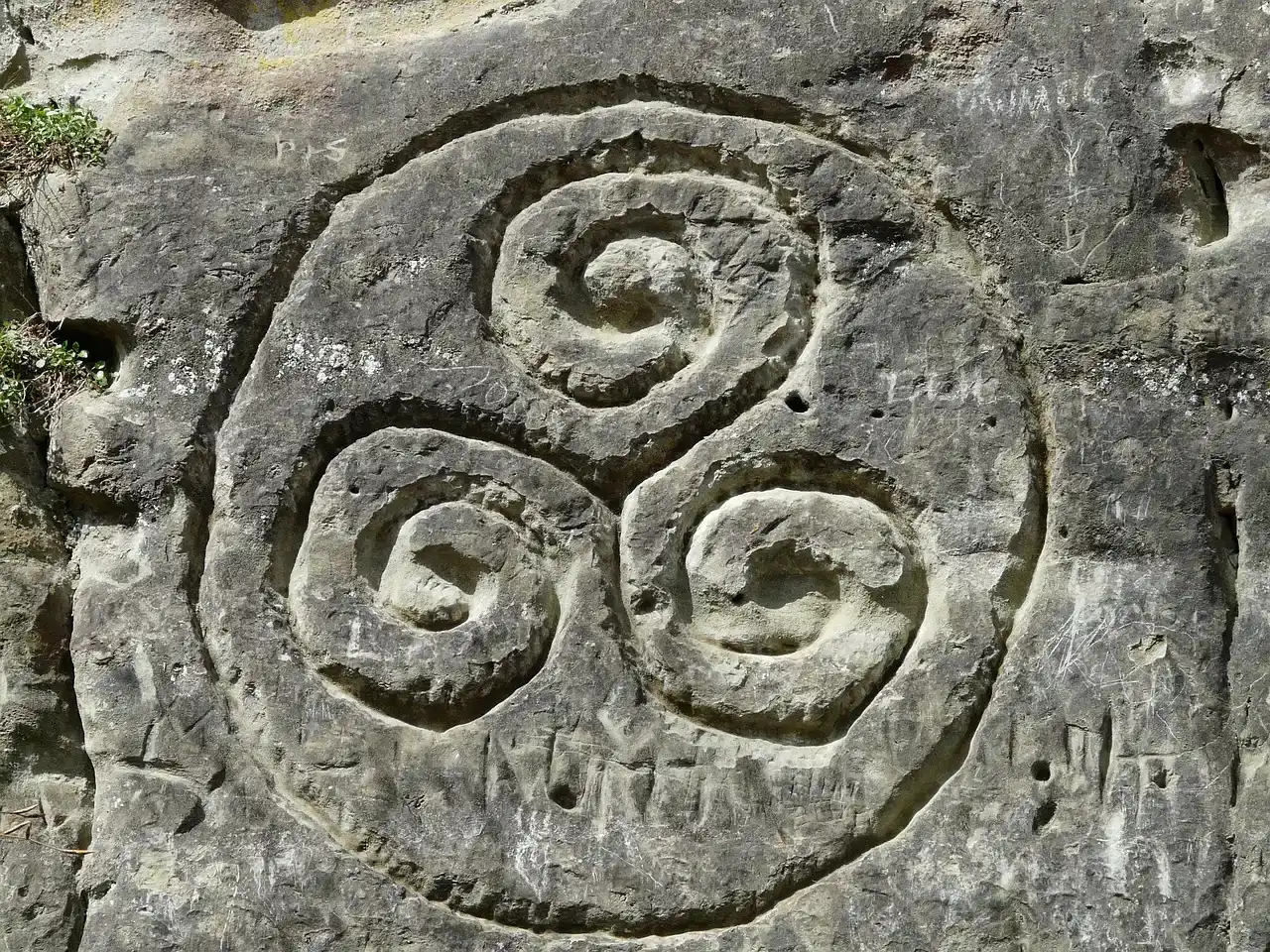
Petroglyphs are images created by removing part of a rock surface by incising, picking, carving, or abrading. Think of them as the earliest form of permanent communication, carved directly into stone rather than painted on it. These images were created by carving, engraving, or scratching the rock’s surface to reveal lighter layers beneath.
Most petroglyphs were formed using harder stones through direct or indirect percussion, and in soft sandstone, they could be simply scratched into the surface. The resulting grooves are often shallow, less than an inch wide and carved less than three-eighths of an inch deep. Here’s the thing, they can be incredibly difficult to spot unless you know when to look. Early morning or late afternoon, when the sun hits at a low angle, suddenly brings these ancient messages to life.
America’s Oldest Stories Carved in Stone
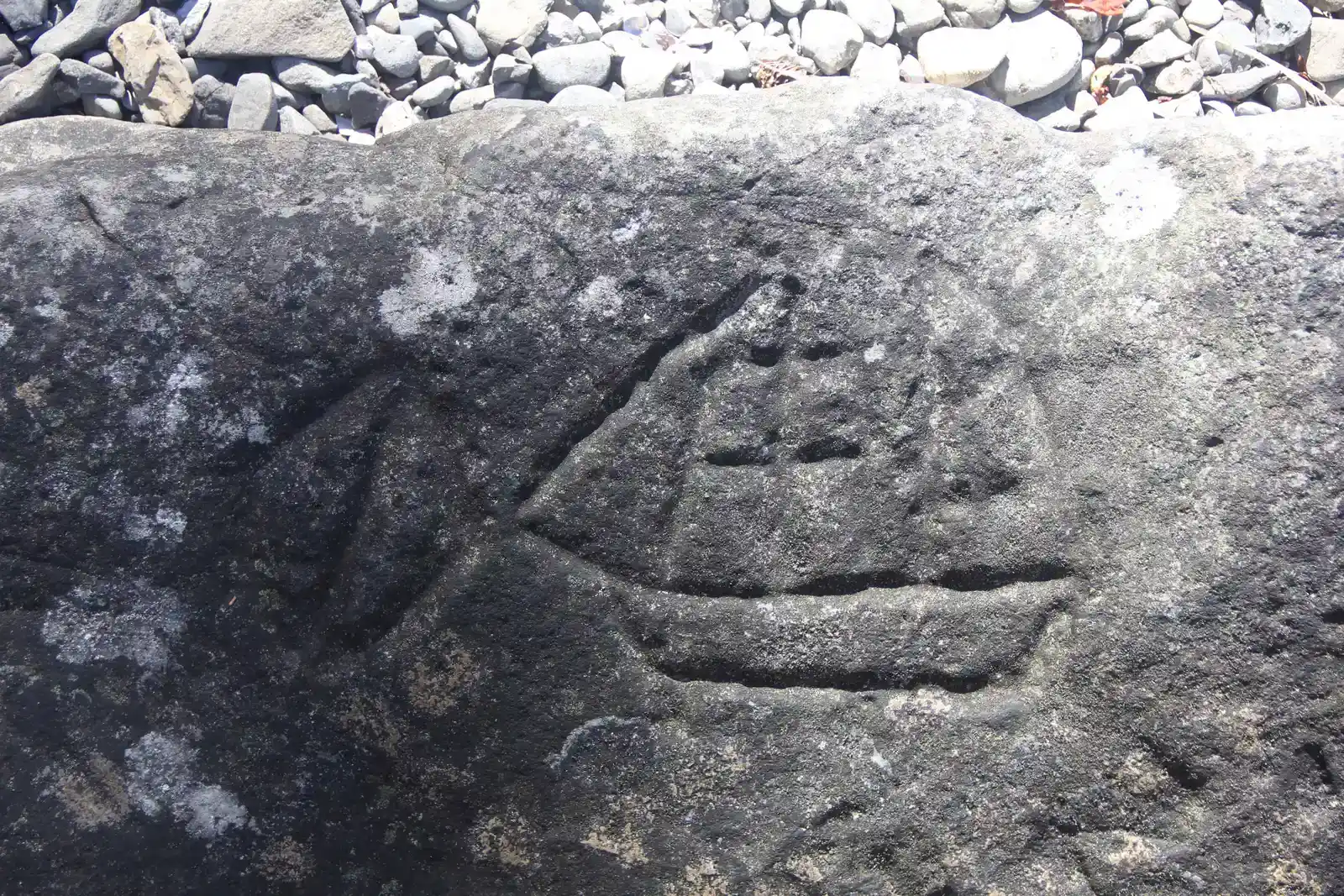
Winnemucca Lake in western Nevada features the oldest known petroglyphs in North America, dated to between 14,800 and 10,500 years ago. Let that sink in for a moment. Someone carved these images when the Ice Age was barely ending, when the entire landscape looked nothing like it does today.
The rocks at Winnemucca include both simple petroglyphs like straight lines and swirls, and more complex ones that resemble trees, flowers, or leaf veins, including an intricate diamond pattern. At Jeffers Petroglyphs in Minnesota, the earliest carvings date back to 9,000 B.C., with the most recent carved in the 1700s. Honestly, it’s mind-boggling to think these sites served as gathering places for nearly 11,000 years.
More Than Just Rock Art: The Spiritual Dimension
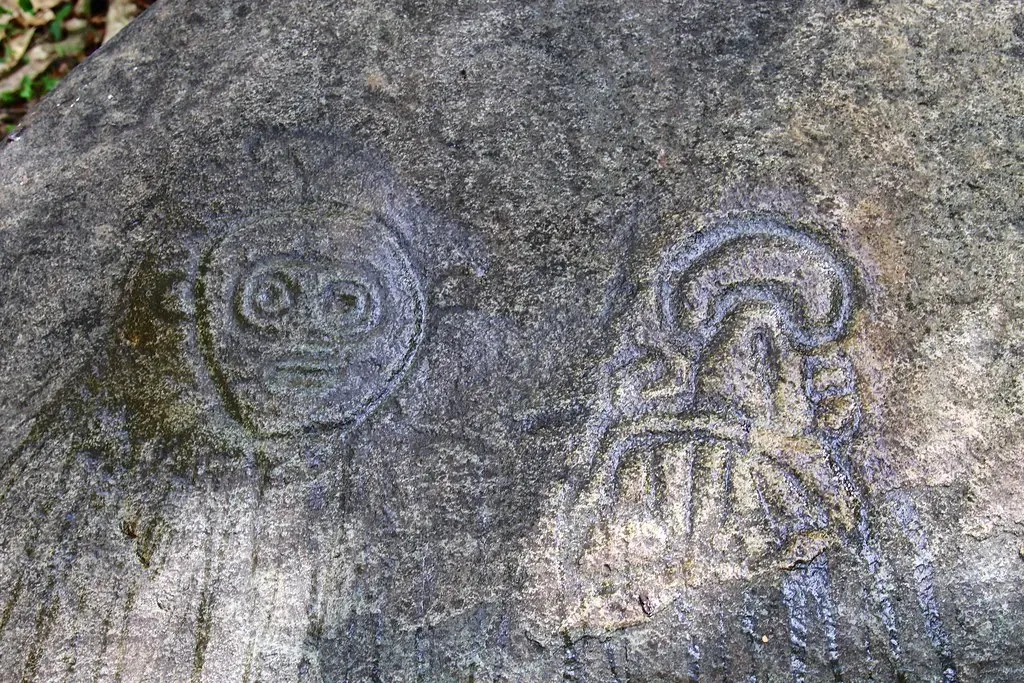
Petroglyphs are powerful cultural symbols that reflect the complex societies and religions of surrounding tribes. They weren’t created casually or randomly. Placing each petroglyph image was not a casual decision, with some meanings only known to their makers, while others represent tribal, clan, or kiva markers, and some are religious entities showing who came to an area and where they went.
Many American Indian people believe that the spirits of the makers reside in what they have created, meaning rock art is living and has a spirit. Images of animals may have functioned within sacred worship contexts, with eagles, bears, and coyotes serving as totem creatures or guardian spiritual helpers. This adds a whole different layer to understanding these carvings. They weren’t just art for art’s sake.
Decoding the Symbols: A Language Written in Stone
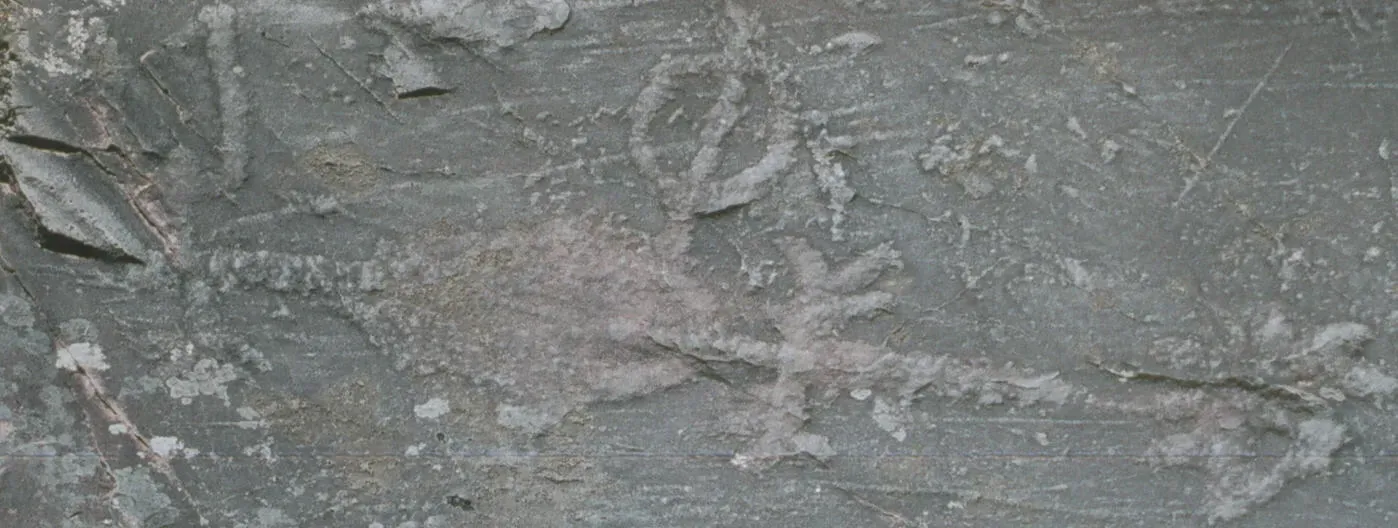
Native American symbols were like words with one or more definitions and different connotations, varying from tribe to tribe, which is why symbols or picture writing was often used to convey words and ideas. Some patterns appear across vast distances, suggesting shared beliefs or extensive trade networks.
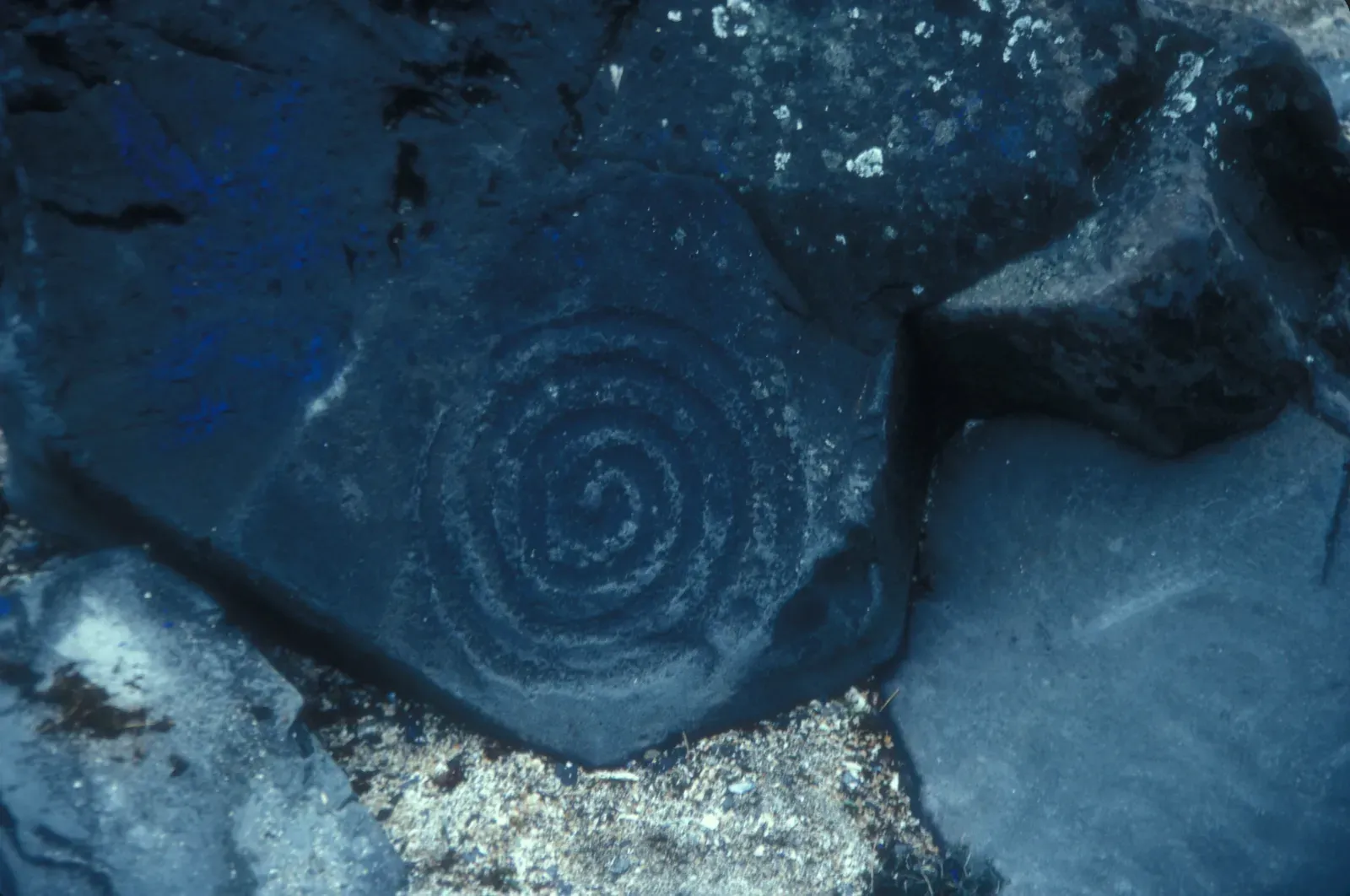
Spirals were commonly pecked on rocks, and there is reasonable evidence that many served as ritualistic solar markers to designate solstices and equinoxes, important dates in agricultural ritual cycles. Some petroglyph maps depict trails with symbols communicating time and distances, others act as astronomical markers, and still others may have been byproducts of various rituals. It’s hard to say for sure, but these weren’t primitive scratchings. They represented sophisticated knowledge systems.
Regional Styles Tell Different Stories
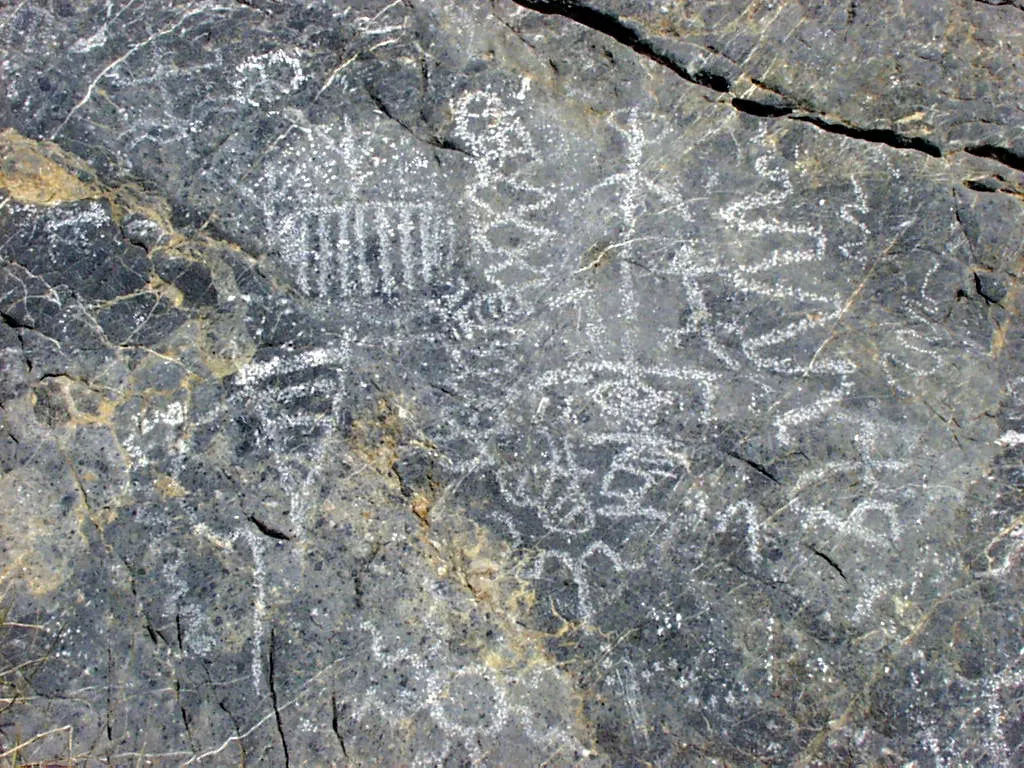
Most petroglyphs in Pennsylvania are similar stylistically to Algonquian art found throughout the Northern Midwest, Northeast, and into Canada. Petroglyph styles have been recognized as having local or regional dialects from similar or neighboring peoples. Think of it like accents in spoken language, each region developing its own visual vocabulary.
The Petroglyph National Monument in New Mexico is the site with the most petroglyphs in the United States, with archaeologists estimating over 25,000 images along 17 miles of escarpment. It is estimated that roughly 90 percent of the monument’s petroglyphs were created by the ancestors of today’s Pueblo people. The concentration of imagery in certain locations wasn’t accidental. These were important places, gathering spots where generations returned to add their marks.
Modern Science Meets Ancient Art
Scientists determined the mass per area of manganese and iron on rock surfaces, as both elements are part of rock varnish that forms again on petroglyphs after carving and grows over years, allowing them to classify the engravings chronologically by comparing intact varnish with the varnish of the engravings. This non-destructive method has revolutionized how we date these ancient images.
Research suggests the earliest petroglyphs in the Great Basin were created as early as the transition from the Pleistocene to the Holocene about 12,000 years ago, and were repeatedly revised by indigenous people over thousands of years, with Celebration Park alone showing rock engravings covering a span of about 10,000 years. Digital photography and 3D scanning technology allows researchers to create detailed records of petroglyphs, recording details that may be imperceptible to the naked eye. Technology is finally giving us tools to preserve what erosion and time threaten to erase.
Protecting These Fragile Messages From the Past
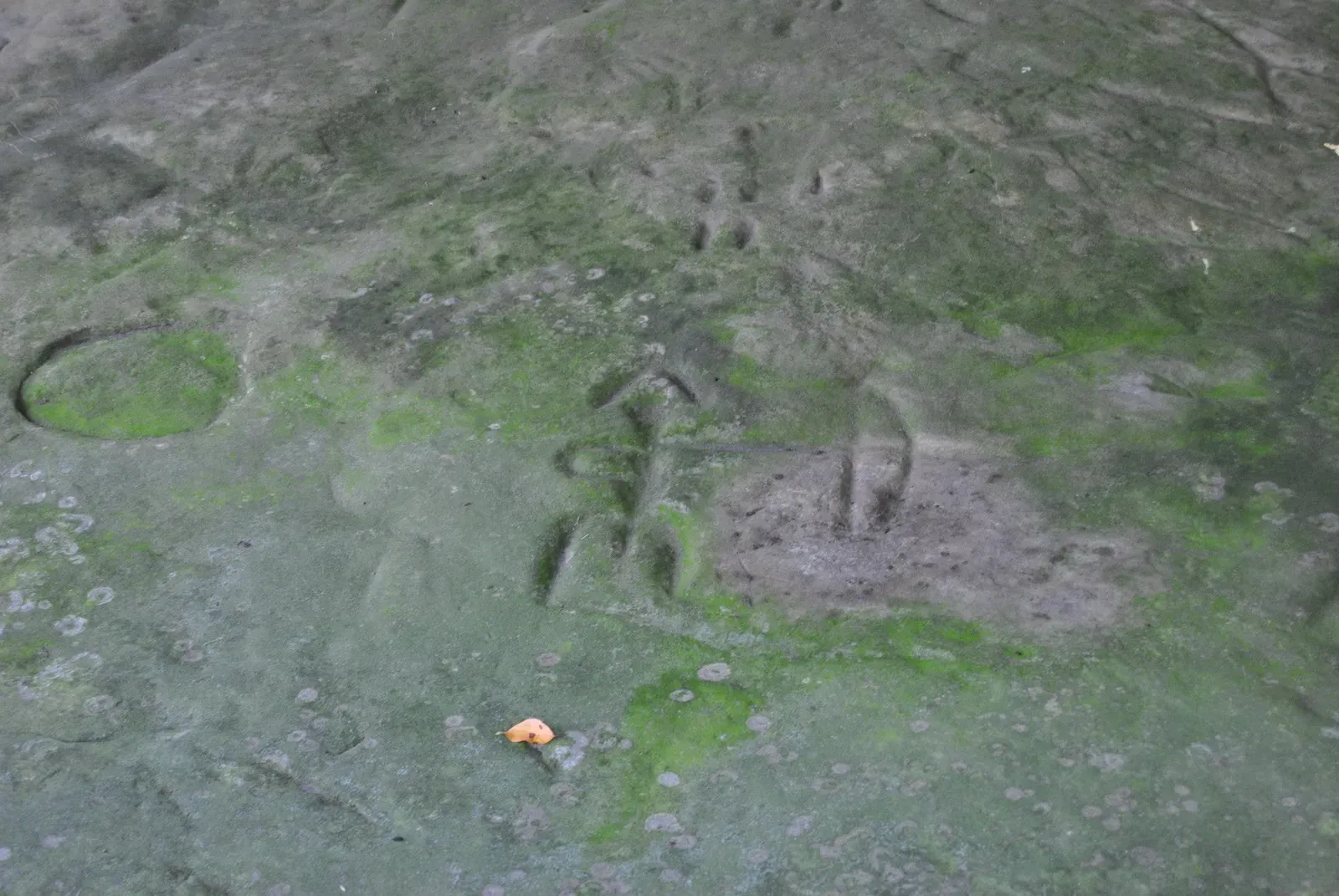
These fragile artifacts are susceptible to natural and human-caused damage, including erosion from wind and water as well as temperature fluctuations that can degrade petroglyphs. Man-made deterioration takes a greater toll than natural weathering, with vandals and collectors defacing images, attempting to remove them, or enhancing them with modern marking materials.
The history revealed through rock art is especially threatened by people who vandalize sites by collecting artifacts or defacing rock art, as unscientific digging and vandalism destroy data about the past and violate the cultural heritage of Native Americans. Technologies including digital imaging and 3D modeling are being developed to document and monitor the condition of petroglyphs, with collaboration being essential for effective preservation. These aren’t just interesting historical curiosities. They’re sacred sites for descendants of the people who created them, and they deserve our respect.
Conclusion
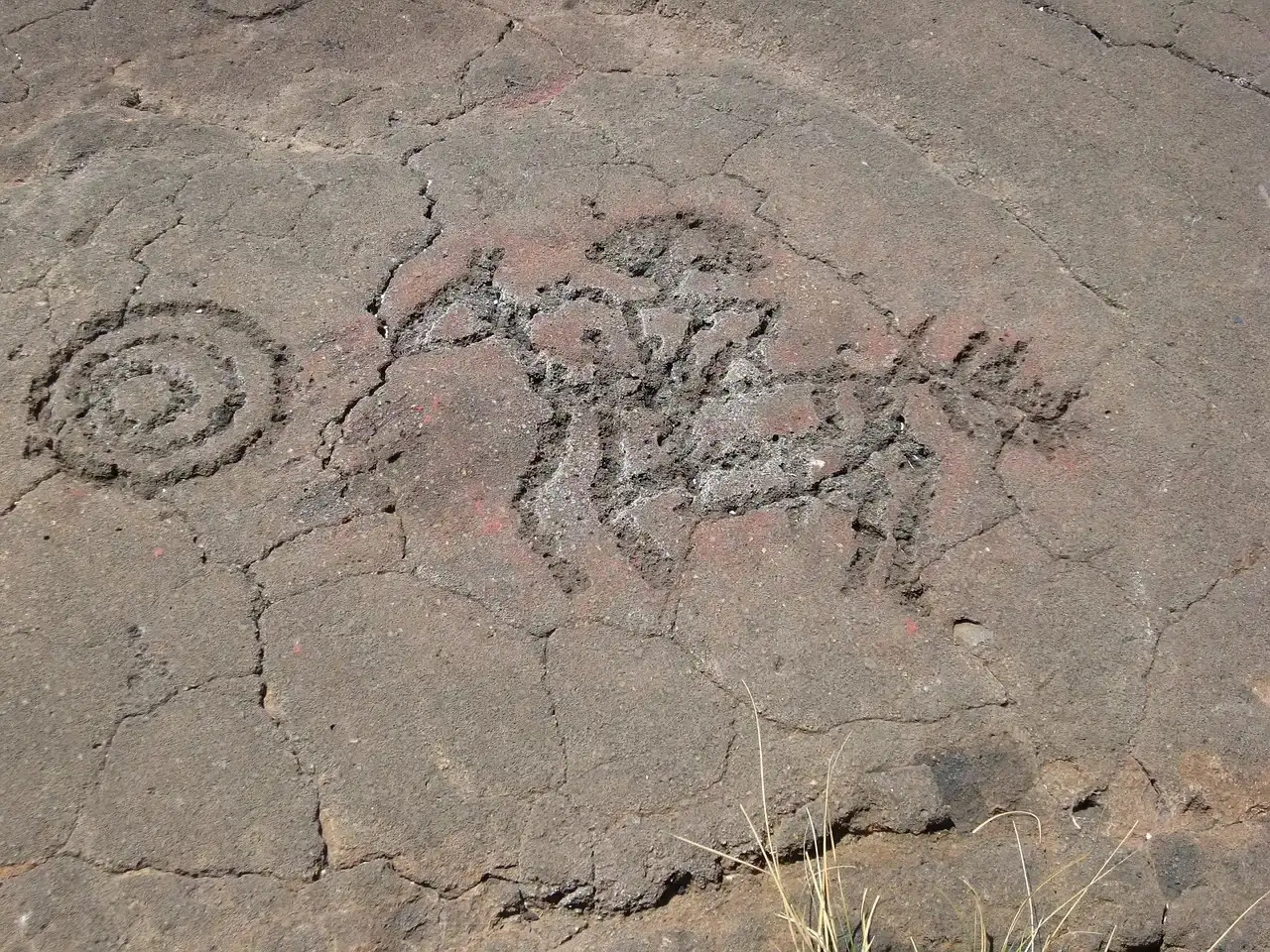
The artists have long vanished, but their insights and ideas written in stone remain, continuing to speak from the past and bringing us in pictorial form a diversity of ideas, cosmologies, and beliefs of the first Americans. These petroglyphs represent humanity’s earliest attempts to leave lasting messages, to mark territory, to communicate with the spirit world, and to record important events.
Petroglyphs are the voice of ancient cultures speaking to us from across the ages, and as we decode their messages, we honor the legacies of those who came before and gain a deeper appreciation for the enduring power of these remarkable symbols. Whether you encounter them in a protected national monument or stumble upon them during a hike, remember that you’re standing before messages that have survived longer than any empire, longer than any written language still in use today. What would you carve into stone if you wanted to speak to people 10,000 years in the future? What do you think these ancient artists hoped we’d understand?
Hi, I’m Andrew, and I come from India. Experienced content specialist with a passion for writing. My forte includes health and wellness, Travel, Animals, and Nature. A nature nomad, I am obsessed with mountains and love high-altitude trekking. I have been on several Himalayan treks in India including the Everest Base Camp in Nepal, a profound experience.