
You know how your phone uses GPS satellites to find your location? Well, it turns out that plenty of animals were doing something similar millions of years before we even invented smartphones. They can sense something we can’t: Earth’s magnetic field. It sounds a bit like science fiction, honestly. Here’s the thing though. This ability, called magnetoreception, is real and scientists have been working hard to figure out exactly how it works.
Think about it for a second. Birds fly thousands of miles to the exact same nesting spot every year. Sea turtles hatch on a beach, swim across entire oceans, and then somehow find their way back to that same beach decades later. Salmon navigate upstream to spawn in the precise river where they were born. How do they pull this off without a map or compass? The answer lies hidden in their biology, in mechanisms so subtle and sophisticated that researchers are still piecing together the puzzle. Let’s dive in.
The Hidden Sense That Changed Everything

For a long time, biologists wondered whether migrating animals like birds and sea turtles possessed an internal magnetic compass that let them navigate using Earth’s magnetic field, but until late in the twentieth century, the evidence was basically just behavioral. Animals clearly responded to magnetic fields in experiments, yet no one could explain the underlying mechanism.
The idea that animals can detect Earth’s magnetic field has traveled from ridicule to well-established fact in little more than one generation, and dozens of experiments have now shown that diverse animal species ranging from bees to salamanders to sea turtles to birds have internal compasses. Some species use these compasses to navigate entire oceans while others find better mud just inches away. Let’s be real, that’s remarkable versatility.
Not Just One Trick: Multiple Magnetic Mechanisms

The mechanism for magnetoreception in animals is still under investigation, with two main hypotheses currently being discussed: one proposing a quantum compass based on a radical pair mechanism, the other postulating a more conventional iron-based magnetic compass with magnetite particles. It’s like evolution came up with more than one solution to the same problem.
There are three basic theories for how magnetoreception works, and they might all be accurate depending on the animal, with the first involving magnetic minerals where bacteria and phytoplankton generate biological magnetite crystals that allow them to sense Earth’s magnetic field, and the second theory involving electromagnetic induction in animals sensitive to electric charges such as aquatic animals. Different creatures, different solutions.
The Quantum Compass: Cryptochrome and Radical Pairs
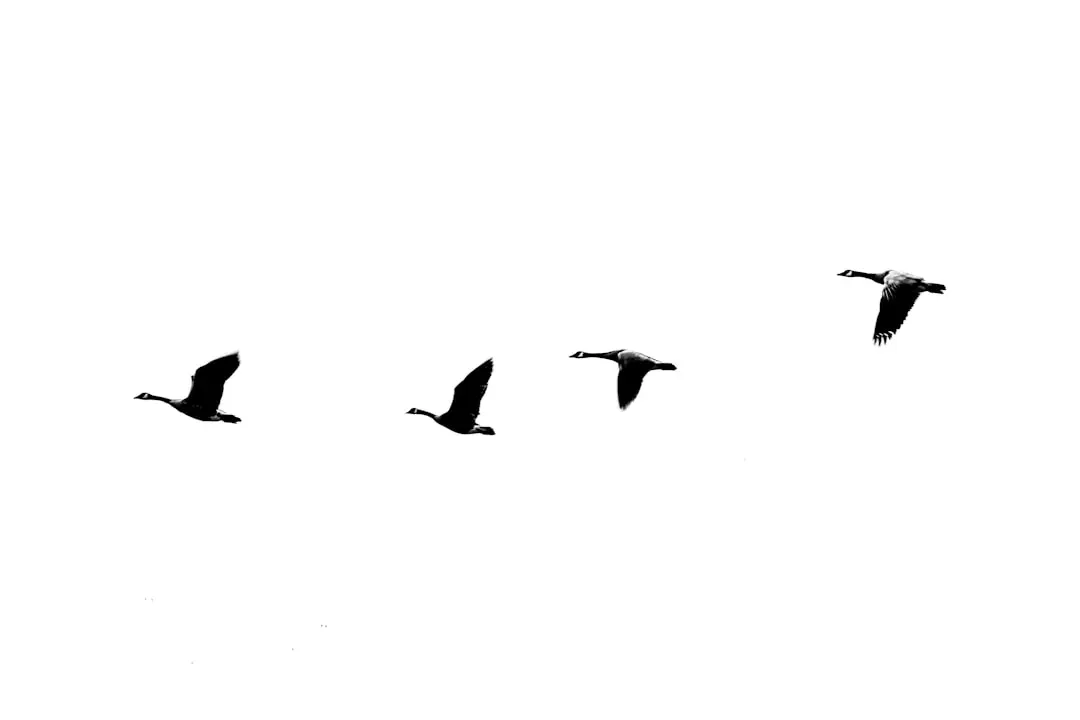
Here’s where things get wild. Experiments on migratory birds provide evidence that they make use of a cryptochrome protein in the eye, relying on the quantum radical pair mechanism to perceive magnetic fields, and this effect is extremely sensitive to weak magnetic fields and readily disturbed by radio frequency interference. We’re talking about quantum mechanics happening inside a bird’s eye. That’s not something you hear every day.
In cryptochrome, a yellow molecule called flavin adenine dinucleotide can absorb a photon of blue light, putting the cryptochrome into an activated state where an electron is transferred from a tryptophan amino acid to the FAD molecule, forming a radical pair, and despite twenty years of searching, no biomolecule other than cryptochrome has been identified capable of supporting radical pairs. The specificity is striking.
Why Migratory Birds Have the Edge

Not all cryptochromes are created equal. Cryptochrome levels in migratory birds, which rely on navigation for their survival, are highest during the spring and autumn migration periods when navigation is most critical, and the Cry4a protein from the European robin, a migratory bird, is much more sensitive to magnetic fields than similar but not identical Cry4a from pigeons and chickens, which are non-migratory. Evolution fine-tuned this system beautifully.
The magnetic sense of migratory birds such as European robins is thought to be based on a specific light-sensitive protein in the eye, and researchers have demonstrated that the protein cryptochrome 4 found in birds’ retinas is sensitive to magnetic fields and could well be the long-sought magnetic sensor. Yet even with this breakthrough, proving it works inside a living bird’s eye remains technically challenging.
Magnetite: The Biological Compass Needle
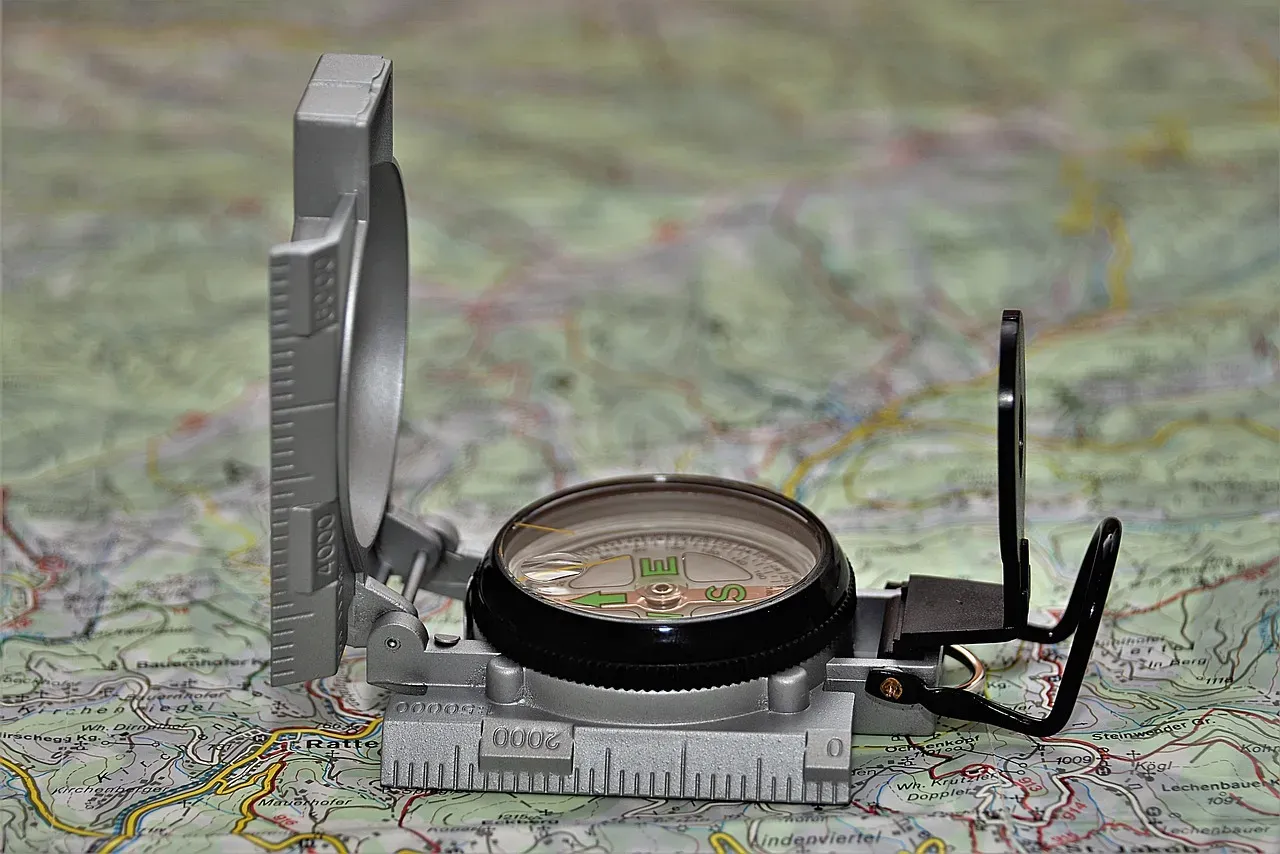
Naturally magnetic, biologically precipitated magnetite has been found in chitons, magnetotactic bacteria, honey bees, homing pigeons, and dolphins, and its mineralization in localized areas may be associated with the ability of these animals to respond to the direction and intensity of Earth’s magnetic field. It’s essentially tiny compass needles embedded in their bodies.
Single-domain crystals are tiny, about fifty nanometers in diameter, and each is a permanent magnet that will align with Earth’s magnetic field if permitted to rotate freely, and such crystals might activate secondary receptors such as hair cells or stretch receptors as the particles try to align with the geomagnetic field. Think of it as an internal pull you can physically feel. Research shows that magnetic cells clearly meet the physical requirements for a magnetoreceptor capable of rapidly detecting small changes in Earth’s magnetic field.
A Completely Different Route: Electromagnetic Induction
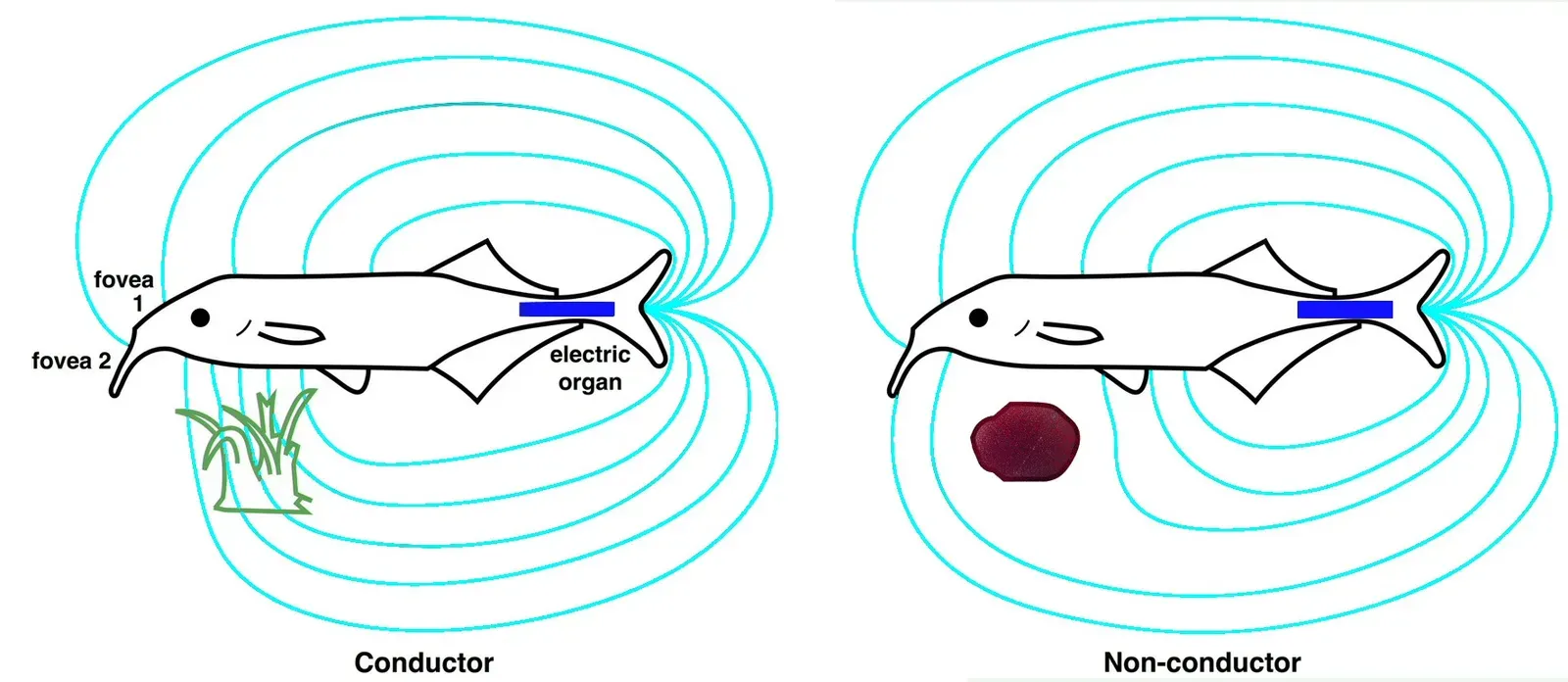
Another possible mechanism of magnetoreception in animals is electromagnetic induction in cartilaginous fish, namely sharks, stingrays, and chimaeras, which have electroreceptive organs called the ampullae of Lorenzini that can detect small variations in electric potential and are used to sense the weak electric fields of prey and predators. Sharks basically use their electric sense to infer magnetic information.
Although using electromagnetic induction for magnetoreception may be plausible for elasmobranchs, it has two significant requirements: the animal must have sensitive electroreceptors and the animal must live in an electrically conductive environment, and unlike water, air does not conduct electricity, so this mechanism appears unlikely for terrestrial animals. That limits which creatures can exploit this particular trick.
Sea Turtles: Masters of the Magnetic Map
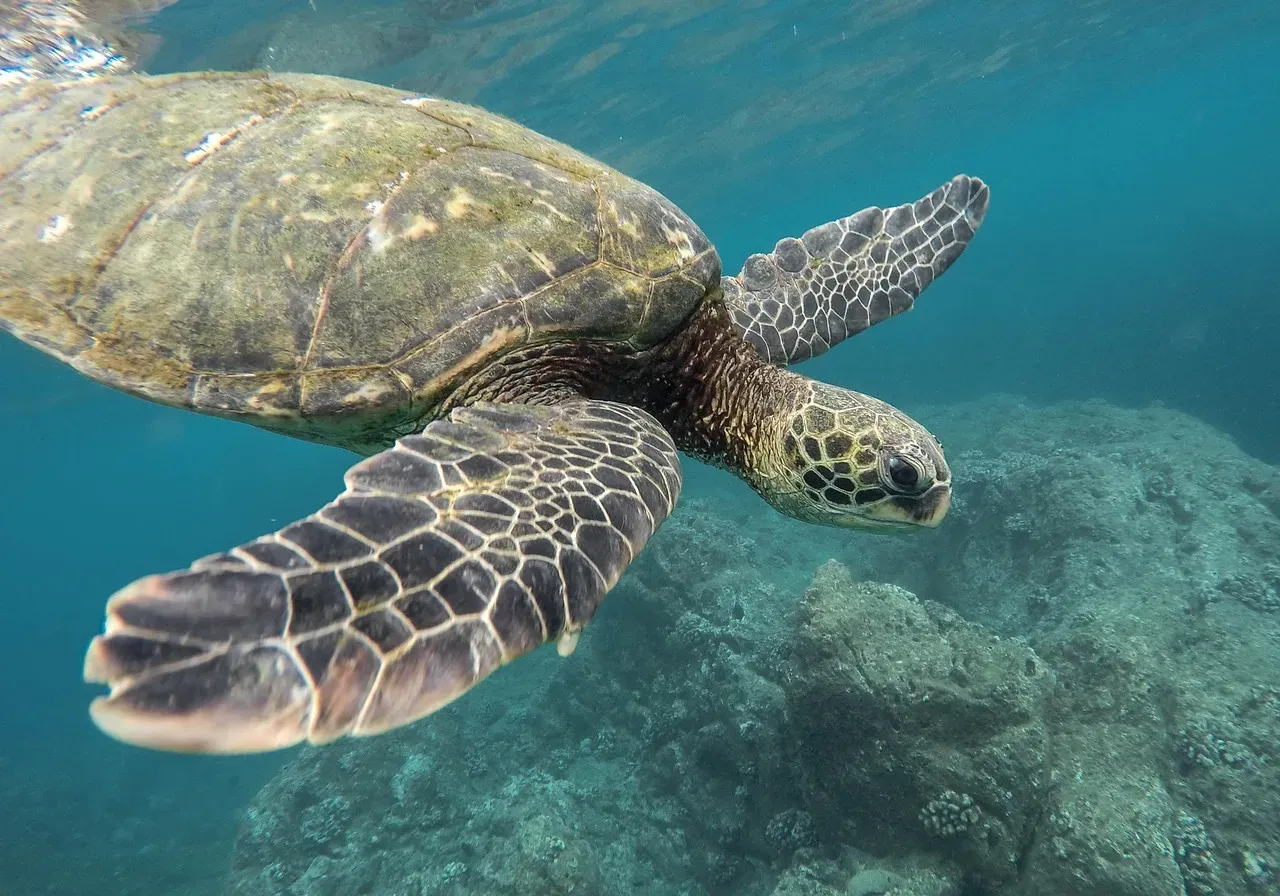
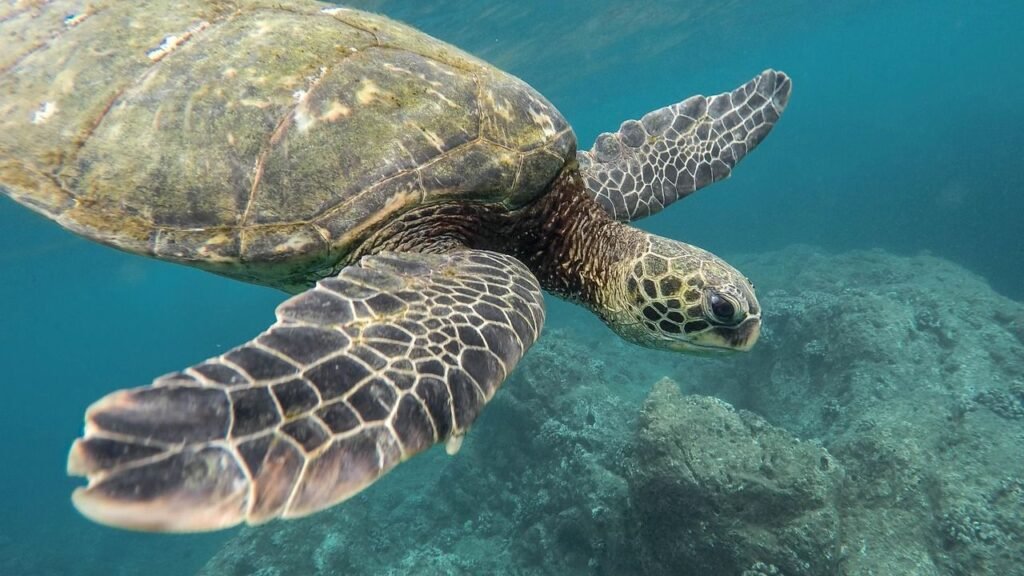
Sea turtles have a low-resolution biological equivalent of a global positioning system, but one that is based on geomagnetic information instead of satellite signals. It’s honestly mind-blowing when you think about how a hatchling smaller than your hand can navigate across an entire ocean.
Loggerhead sea turtles can learn magnetic signatures associated with different geographic areas and have two different magnetic senses, each based on a different underlying mechanism, with the researchers finding that the turtles’ talent for map making was separate from their inner compass, suggesting that the two forms of magnetoreception work in different ways. They’ve got a backup system. Smart evolution, if you ask me.
The Challenge of Finding the Sensors

Exactly how animals perceive magnetic fields is not known, and there are several reasons why locating magnetoreceptors has proven to be unusually difficult, with magnetic fields being unlike other sensory stimuli in that they pass unimpeded through biological tissue, meaning receptors for senses such as olfaction and vision must make contact with the external environment but magnetoreceptors might plausibly be located almost anywhere inside an animal’s body. You’re looking for something microscopic that could be anywhere from head to toe.
Magnetic fields can freely penetrate biological tissue, and therefore magnetoreceptive systems could be located in any tissue in an animal’s body, literally from head to toe, and for those investigators exploring the magnetite-based hypothesis, this fact makes finding twenty-nanometer-sized crystals a very challenging task. It’s like searching for a needle in a haystack, except the haystack is an entire animal and the needle is invisible to most detection methods.
From Navigation to Survival

Diverse animals ranging from worms and insects to birds and turtles perform impressive journeys using the magnetic field of the earth as a cue, and many animals sense the earth’s magnetic field to accomplish spectacular migrations, with European robins flying across the Mediterranean Sea to North Africa and sea turtles hatched on the East Coast of the United States hobbling into the Atlantic to launch a circular trek. These migrations aren’t optional. They’re survival.
Growing evidence suggests that sea turtles and salmon imprint on the magnetic field of their home area when young and then use this information to return as adults, and throughout most of the natal homing migration, magnetic navigation appears to be the primary mode of long-distance guidance in both sea turtles and salmon. It’s a form of memory written in magnetic code, passed down through generations without anyone needing to teach it.
Animals possess a sensory world richer than we often give them credit for. While humans invented technology to navigate, countless species were already equipped with biological systems that rival our best instruments. The mechanisms behind magnetoreception remain one of science’s grand challenges, but each discovery brings us closer to understanding how evolution crafted these living compasses. Next time you see a bird flying overhead or watch a turtle swim away, remember: they’re navigating using forces you can’t even perceive. Pretty humbling, isn’t it? What other hidden senses might be out there, waiting to be discovered?