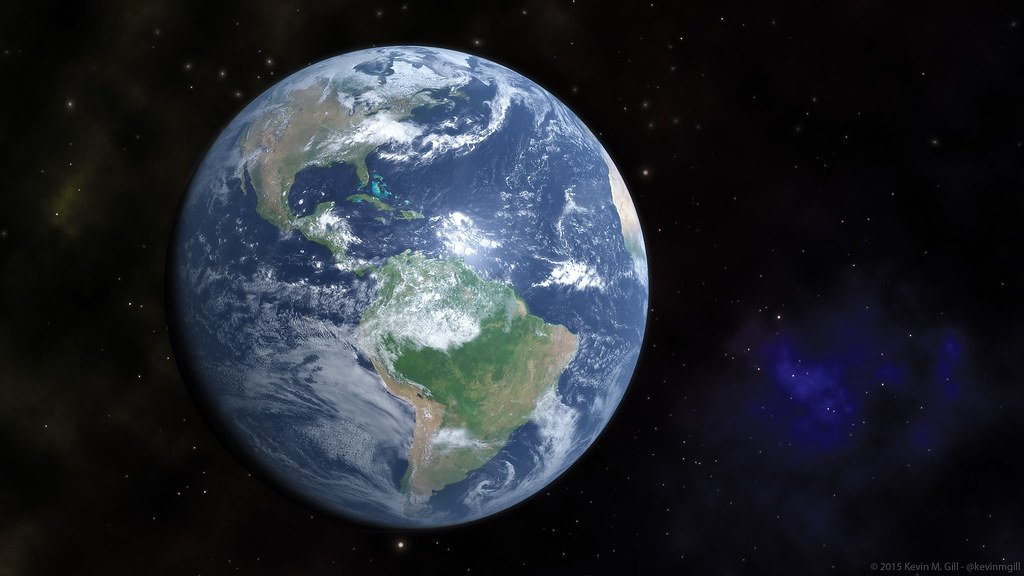

You wake up every day on a planet where the weather follows predictable patterns. Seasons shift in rhythm. Temperatures hover within a range that allows liquid water to pool on the surface. It’s easy to assume this is normal, even unremarkable. Yet when you survey the cosmic neighborhood and explore planets beyond our solar system, something startling emerges. What if the very climate stability you take for granted is one of the universe’s rarest gifts?
Recent discoveries have begun to challenge long-held assumptions about planetary habitability. We’re learning that finding a rocky planet in a star’s habitable zone is one thing. Maintaining the kind of stable, life-friendly conditions that Earth has enjoyed for billions of years? That’s something entirely different.
Our Cosmic Siblings Took Drastically Different Paths
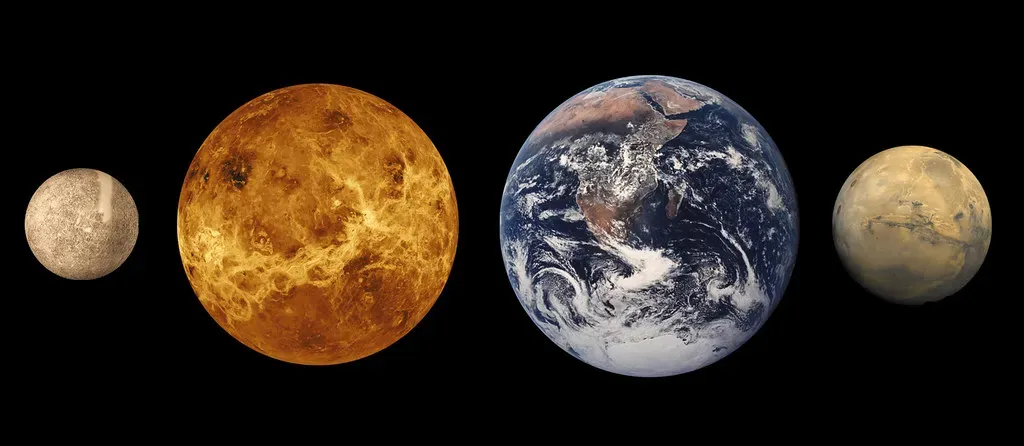
Venus, Earth, and Mars all started with roughly the same ingredients around four and a half billion years ago. Yet today, these siblings couldn’t be more different. Despite starting with similar building blocks, Earth’s neighbors suffered devastating climate catastrophes and couldn’t hold onto their water.
Venus developed a thick atmosphere composed predominantly of carbon dioxide, resulting in extreme surface temperatures due to a runaway greenhouse effect. Today, its surface temperature hovers around seven hundred and thirty-five degrees Celsius. Mars, being smaller and farther from the Sun, has a thin atmosphere primarily of carbon dioxide which lacks sufficient pressure to support liquid water on its surface. What happened between these three worlds reveals just how precarious climate stability truly is.
The Razor’s Edge Between Paradise and Hell
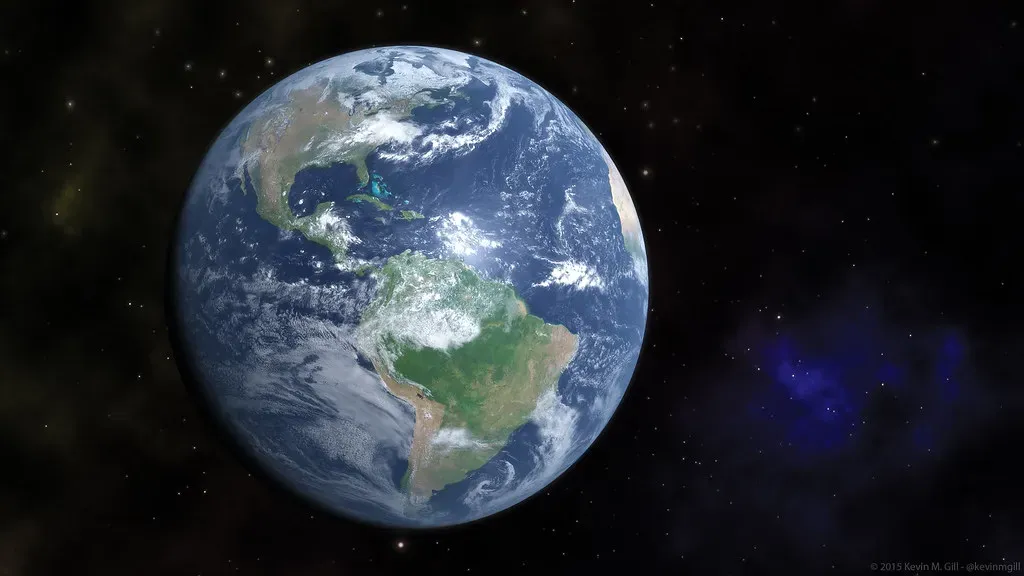
Here’s the thing that keeps planetary scientists up at night. The difference between Earth and Venus bears down to only a few degrees in temperature. Think about that for a moment. The gap separating a verdant, life-sustaining world from a sterile hellscape isn’t some vast cosmic gulf. It’s shockingly narrow.
A global average temperature rise of just a few tens of degrees would be sufficient to initiate a runaway greenhouse effect that would make our planet uninhabitable. From the initial stages of this process, atmospheric structure and cloud coverage undergo significant changes, leading to an almost-unstoppable runaway effect that’s very complicated to reverse. Research shows that once this tipping point is crossed, there’s virtually no going back.
Most Planets Can’t Keep Their Cool or Stay Warm
When scientists model thousands of Earth-like worlds orbiting different types of stars, the results paint a sobering picture. Partial ice coverage was present on only about ten percent of otherwise habitable planets in one major simulation study. Most worlds swung between extremes.
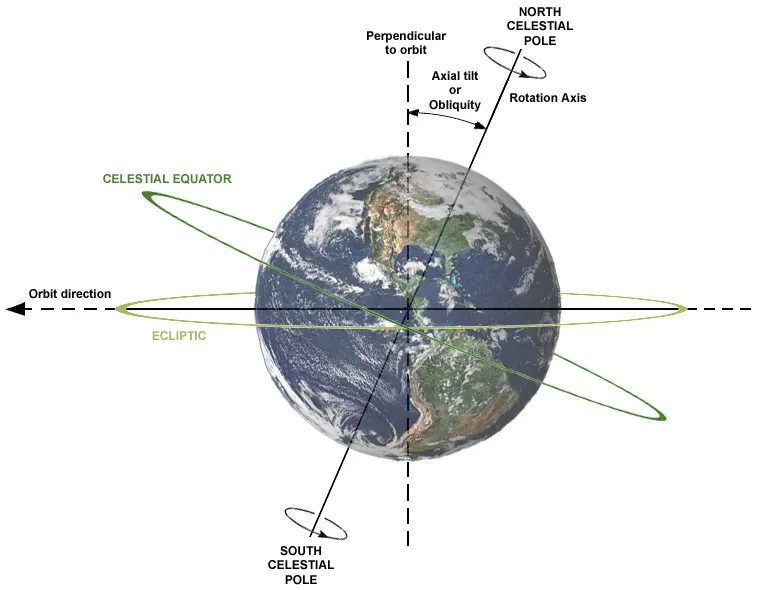
Obliquity variations are almost always the dominant factor in determining the degree of a planet’s climate changes. Translation? How much a planet wobbles on its axis matters enormously. For Earth-like planets, severe climate changes generated by large obliquity variations will operate on timescales of a few years or less, far too rapid for slow geological processes to compensate. Most exoplanets don’t have the special circumstances that keep Earth’s wobble in check.
The Moon Is Earth’s Unsung Climate Guardian
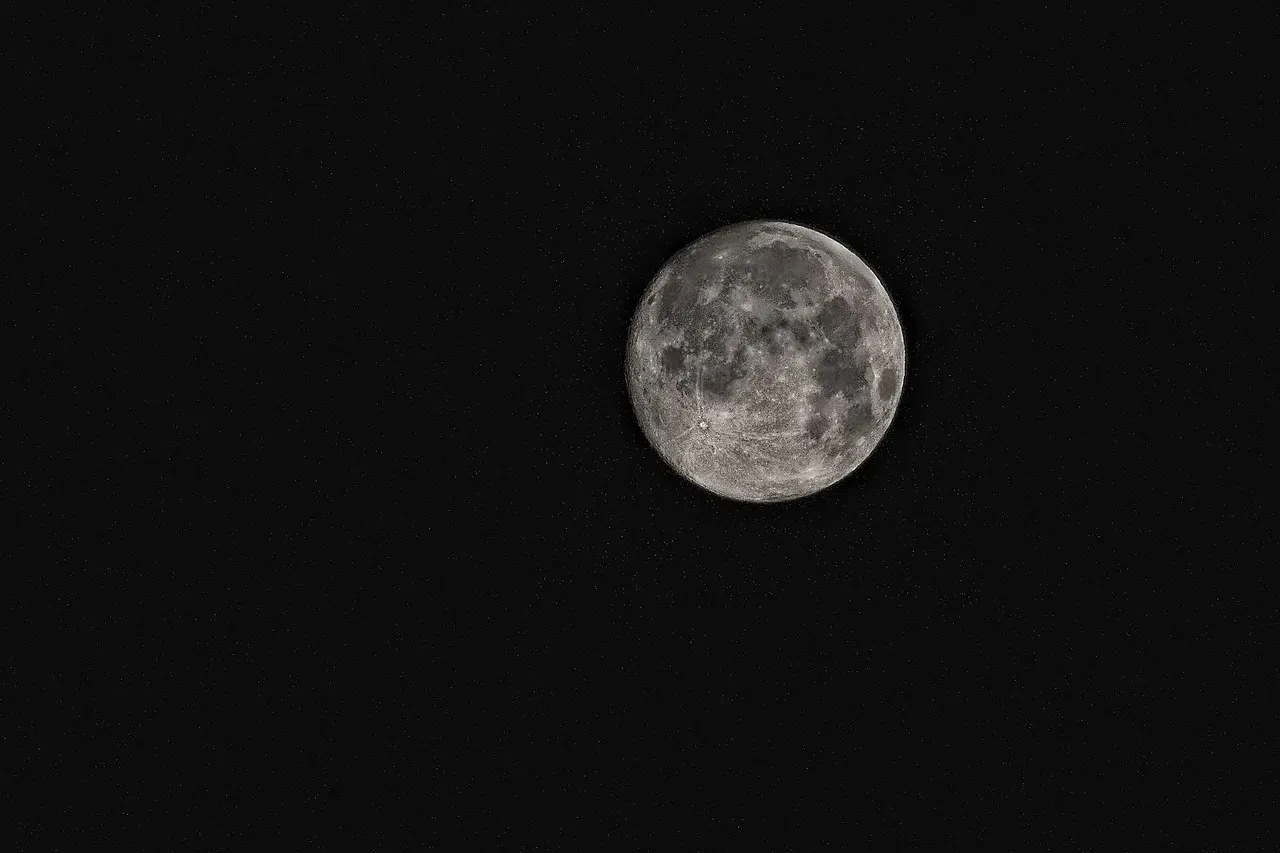
Let’s be real – you probably don’t think much about the Moon beyond romantic notions and tide schedules. Yet that silvery disc hanging in the night sky may be the single most important reason human civilization exists. Earth’s obliquity is essentially stable, exhibiting only small variations of about 1.3 degrees around the mean value of 23.3 degrees.
But if the Moon were not present, the chaotic zone for Earth’s axial tilt would extend from nearly zero degrees up to about eighty-five degrees. Large variations in obliquity resulting from chaotic behavior might have driven dramatic changes in climate. Mars offers a cautionary tale. Mars’ wild axial changes prevented it from having a long-term stable climate, and it now stands as a frozen desert.
A Magnetic Shield That Does More Than Block Radiation

Earth’s magnetic field doesn’t get nearly enough credit. Sure, you might know it protects us from solar wind. Generated by the motion of molten iron in Earth’s core, the magnetic field protects our planet from cosmic radiation and from charged particles emitted by our Sun. This isn’t just about preventing radiation burns.
When the same stream of solar wind hit Earth and Mars, the increase in the rate of loss of Martian oxygen was ten times that of Earth’s increase. Earth’s magnetic field deflects most of the solar wind, whose charged particles would otherwise strip away the ozone layer that protects Earth from harmful ultraviolet radiation. Without this invisible bubble, our atmosphere would gradually bleed into space. Climate stability requires an atmosphere to stabilize.
The Habitable Zone Is More Complicated Than a Simple Distance
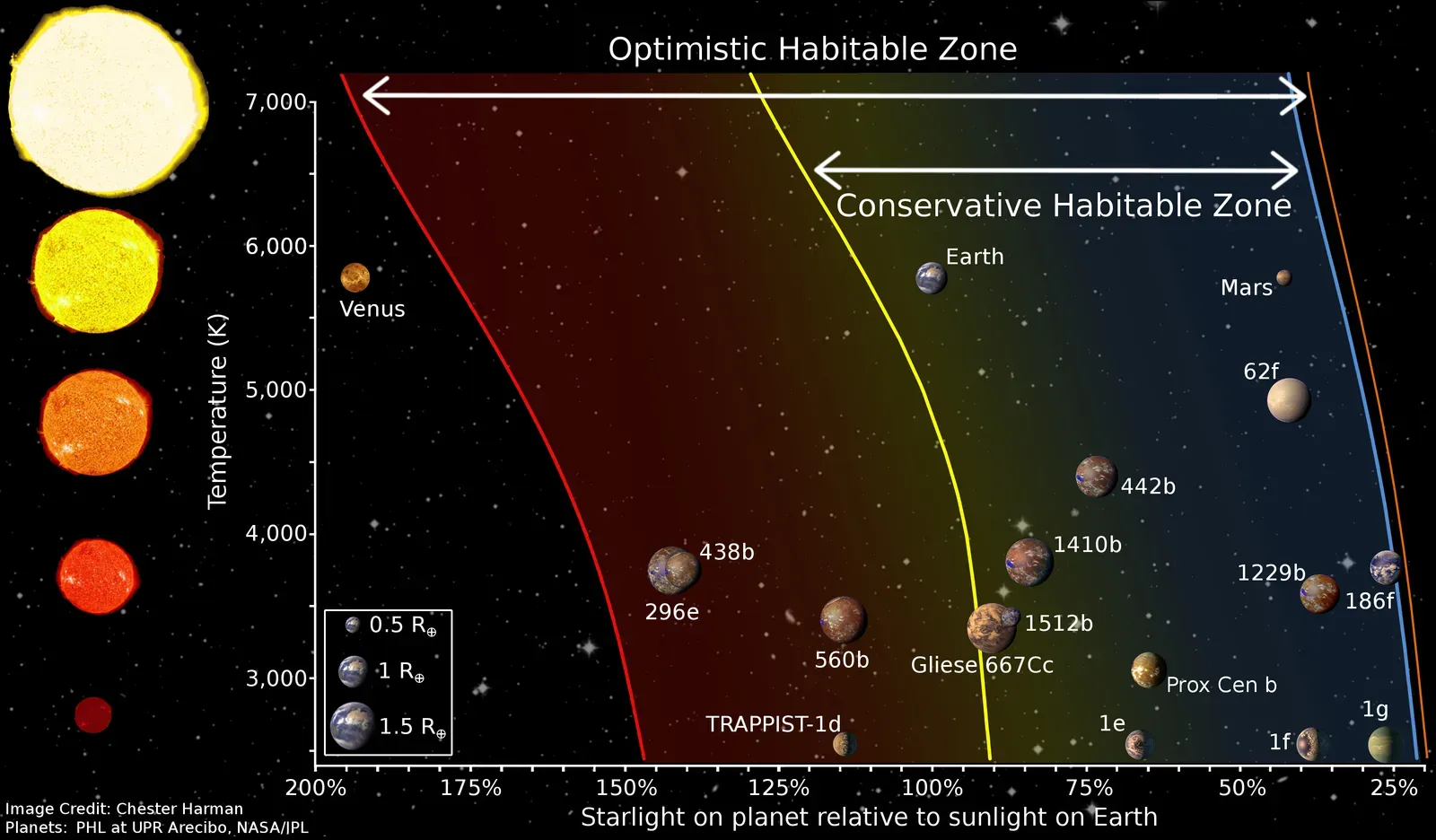
For decades, astronomers talked about the “Goldilocks zone” as if proximity to a star told the whole story. Simulations produce a runaway greenhouse effect inside a certain distance and limit cycling between temperate and freezing temperatures beyond another threshold. The narrow spacing ratio implies that habitable planets will be less frequent than previously expected.
At its heart, the study of the habitable zone for Earth-like planets is the study of fundamental evolutionary processes of water-rich terrestrial planetary atmospheres. These atmospheres teeter between states “characterized either by uncontrolled sea ice albedo or by water vapor greenhouse feedbacks.” You’re either freezing solid or boiling away. Finding the sweet spot and maintaining it? That requires a constellation of fortunate circumstances working in concert.
Most Exoplanets Face Climate Instability We Can’t Imagine
It is extremely unlikely that extrasolar terrestrial planets sufficiently distant from their host stars to avoid tidal locking will possess orbital eccentricity variations that are not much larger than Earth’s. Eccentric orbits mean planets experience wild swings in the amount of heat they receive throughout their year. Imagine summer temperatures varying by hundreds of degrees depending on which part of the orbit you’re in.
Climate simulations resulted in climates ranging from planet-wide snowballs to moist greenhouse worlds. The majority fell into one of these extremes. Temperate, stable conditions like Earth’s middle ground appeared remarkably uncommon. When researchers factor in all the variables – star type, orbital eccentricity, axial tilt, atmospheric composition, presence of large moons – the percentage of genuinely stable worlds shrinks dramatically.
Earth Has Survived Multiple Close Calls

You might assume Earth’s climate history has been smooth sailing. Far from it. Earth has had its own snowball periods in its history, where it was mostly covered by ice and snow. Our planet has flirted with total freezing multiple times. Earth’s carbonate-silicate cycle has rescued it a few times from slushball events, where ice edges reached down into tropical latitudes but stopped short of the equator.
Honestly, we’ve been incredibly lucky. Each time Earth teetered toward a frozen wasteland, slow geological processes managed to pump enough greenhouse gases back into the atmosphere to trigger a thaw. Earth has had liquid water on its surface for much of the past four billion years, yet four billion years ago the Sun’s luminosity was only about seventy-five percent as intense as it is at present. How did we not freeze solid? This “faint young Sun problem” suggests Earth possessed just the right atmospheric composition at just the right time.
Finding Another Earth May Be Harder Than We Thought
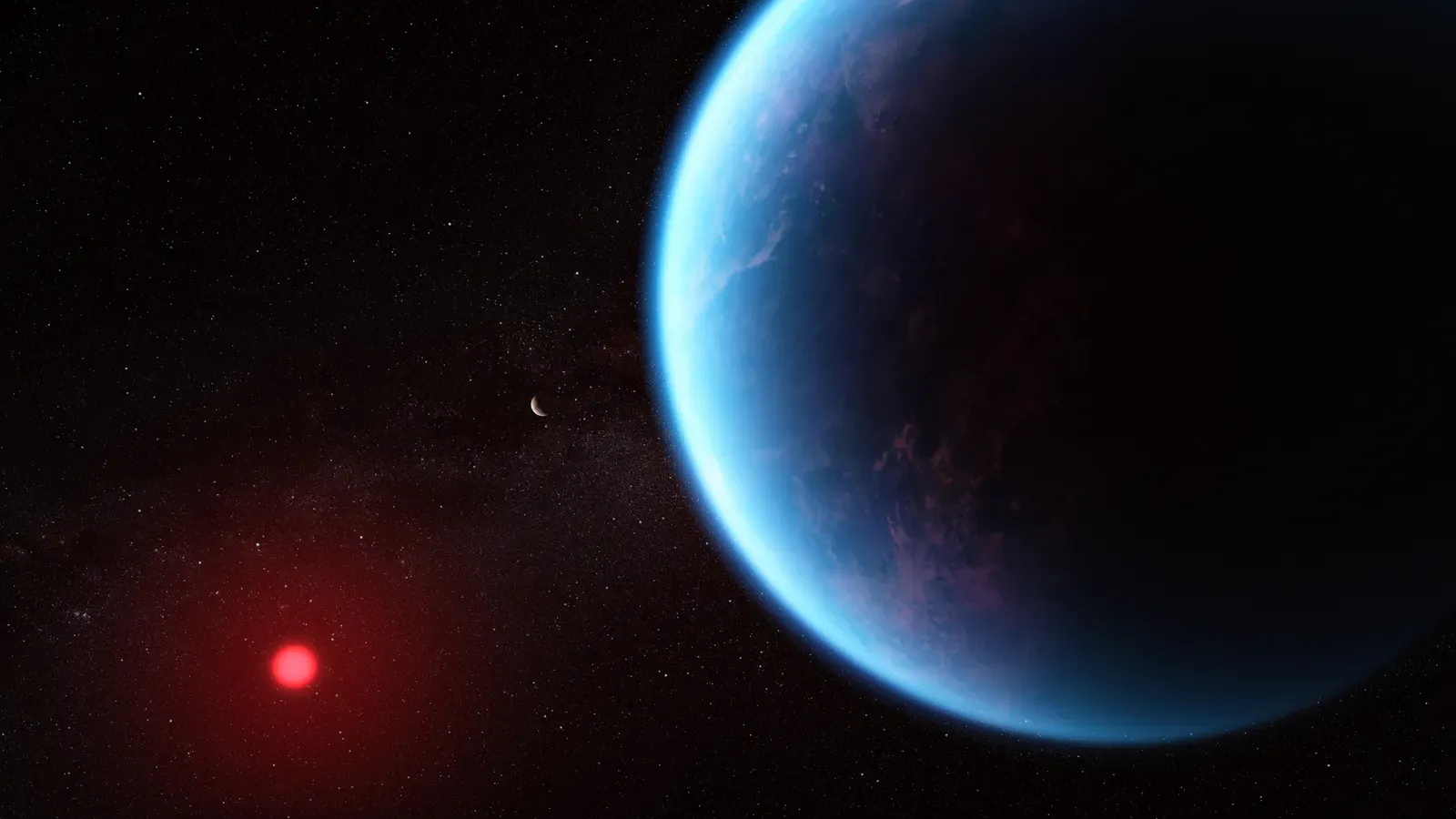
We haven’t found a planet that can support life like Earth – so far, our home is unique in the universe. Based on Kepler space telescope data, there could be as many as forty billion Earth-sized planets orbiting in the habitable zones of Sun-like stars and red dwarfs in the Milky Way. That sounds promising until you realize being in the habitable zone is merely the entry requirement, not a guarantee of habitability.
Planets which have all the requirements for complex life are not typical at all but actually exceedingly rare. For a small rocky planet to support complex life, the values of several variables must fall within narrow ranges – even if many Earth-like planets exist, they are likely separated by thousands of light-years. We may share a galaxy with countless rocky worlds, yet true climate twins of Earth could be vanishingly sparse.
The Universe Might Be Quieter Because Stable Climates Are Rare
Perhaps the silence that greets our searches for extraterrestrial intelligence isn’t because life is rare. Maybe life gets started often enough. Simple organisms might be common wherever liquid water persists for even geologically brief periods. Complex, technologically capable civilizations? Those require billions of years of climate stability to evolve.
If most planets experience chaotic obliquity swings, runaway greenhouse effects, atmospheric loss to stellar wind, or lack stabilizing moons, then windows for complex life narrow dramatically. Earth might represent not just a habitable world but a stable refuge – an anomaly where conditions remained steady long enough for multicellular organisms to emerge, diversify, and eventually build telescopes to ponder their cosmic fortune.
The realization that climate stability, not merely habitability, may be the true bottleneck changes everything. It means that even as we discover thousands of exoplanets, the search for worlds capable of nurturing complex ecosystems becomes more daunting. It also deepens our appreciation for the delicate, improbable balance that has allowed our blue marble to remain hospitable for eons. What do you think – are we cosmically blessed, or just cosmically alone in our good fortune? Tell us your thoughts.