
Think you understand reality? Think again. Throughout history, brilliant minds have shattered our most fundamental assumptions about the universe, time, life, and even our own existence. These weren’t just minor tweaks to existing knowledge. These were seismic shifts that forced humanity to completely reimagine everything we thought we knew.
From the tiniest particles that make up matter to the vast cosmic dance of galaxies, these theories didn’t merely explain phenomena. They upended centuries of belief, challenged religious authority, and fundamentally altered how you perceive the world around you every single day. Some of these ideas seemed so outrageous when first proposed that their creators faced ridicule, rejection, and worse. Yet today, they form the bedrock of modern science and shape technologies you use without a second thought. Let’s dive in.
Quantum Mechanics: Reality Is Stranger Than Fiction
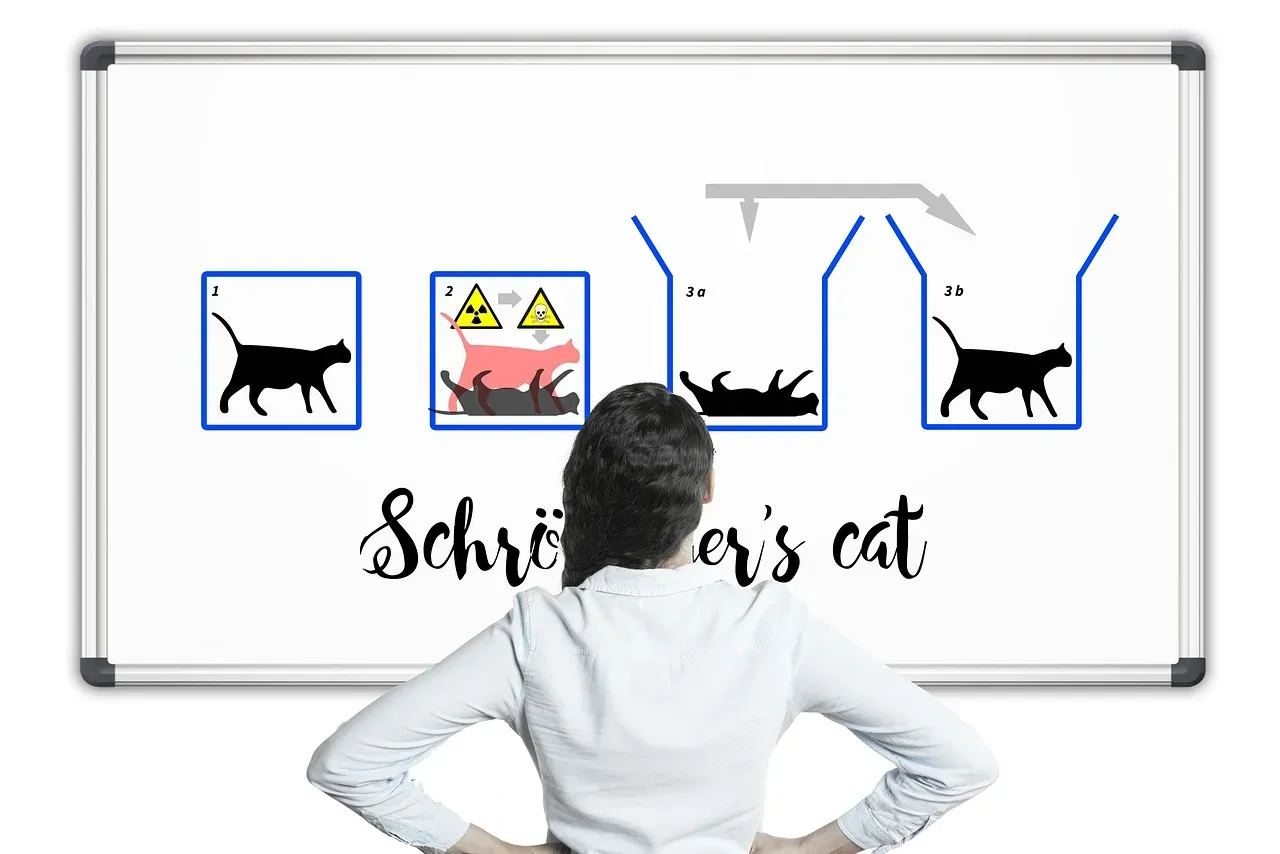
Quantum mechanics has earned its reputation over the past century by predicting experimental outcomes with immaculate precision and enabling technologies like lasers, transistors, and atomic clocks, yet scientists still struggle to interpret what the theory implies about nature. Here’s the thing: the theory usually cannot predict with certainty what will happen, but only gives probabilities.
Imagine this. A fundamental feature of quantum mechanics is that it usually cannot predict with certainty what will happen, but only gives probabilities. An electron doesn’t have a definite location until you observe it. The act of measurement pins down the indeterminate behavior of atoms, and the standard framing suggests humans play some special role in shaping the universe, with theorists now emphasizing how observers do indeed create the world they inhabit. What’s at stake? Nothing less than reality itself.
Quantum theory ripped the entire fabric of classical physics to shreds, demolished ordinary notions of the nature of reality, screwed up entire philosophies of cause and effect and revealed peculiarities about nature that nobody, no matter how imaginative, could ever have imagined. This wasn’t a gentle evolution of thought. Conceived at the turn of the 20th century and emerging in full form in the mid-1920s, quantum mechanics is the math that explains matter and the theory for describing the physics of the microworld, at the heart of everything that made the century so dramatically different from those before it.
Think about your smartphone, your computer, medical imaging devices. Quantum physics fueled the present-day electronics-based economy, transforming commerce, communication and entertainment, but quantum theory taught scientists much more than how to make computer chips – it taught that reality isn’t what it seems.
Einstein’s Theory of Relativity: Time and Space Are Illusions
You’ve heard of it, you may even know the equation E=mc². Still, let’s be real: do you actually grasp what Einstein did? Albert Einstein’s understanding of how gravity affects the fabric of space-time, published in 1915, expanded the theory of special relativity that he had published 10 years earlier. Space and time aren’t separate, fixed things. They’re woven together, and massive objects literally warp them.
When Einstein put forward his general theory of relativity, that gravity itself is the bending of space and time by mass and energy, it was a seminal moment in the history of science. Before Einstein, gravity was just an invisible force pulling objects together. General relativity states that gravity is how mass warps space and time – the bigger the mass, the more it warps things.
Here’s where it gets wild. Time moves relative to the observer, and an object in motion experiences time dilation, meaning that when an object is moving very fast it experiences time more slowly than when it is at rest. Twin astronauts, one in space traveling fast and one on Earth? The one in space ages slower. It’s not science fiction. It’s measured reality.
The theory transformed theoretical physics and astronomy during the 20th century, superseding a 200-year-old theory of mechanics created primarily by Isaac Newton, introducing concepts including 4-dimensional spacetime as a unified entity of space and time, relativity of simultaneity, kinematic and gravitational time dilation, and length contraction. Your GPS wouldn’t work without accounting for relativity. GPS satellites fly in different orbits around the Earth, creating different frames of reference, so GPS has to take special relativity into consideration to help us navigate.
Darwin’s Evolution by Natural Selection: Life Wasn’t Designed
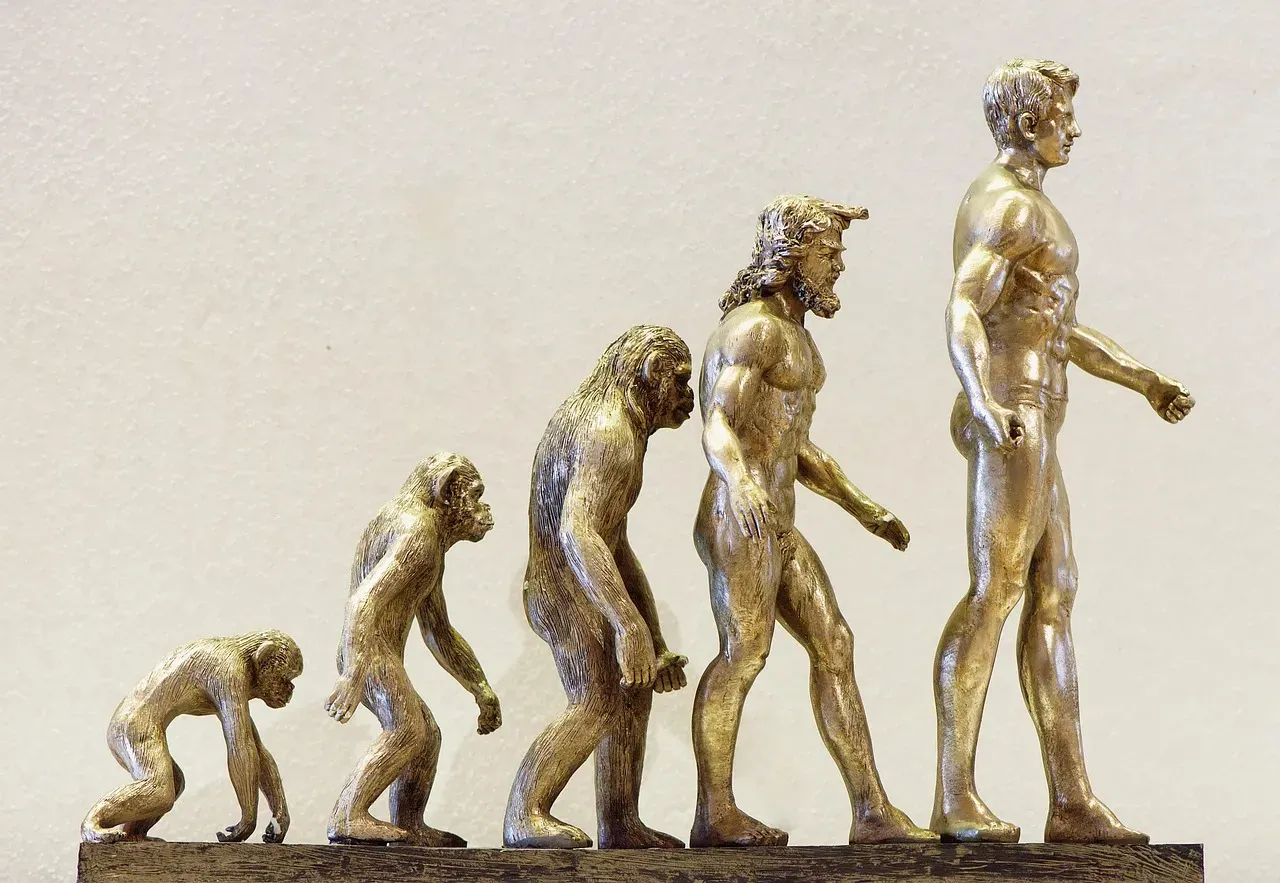
Natural selection is a cornerstone of modern biology, with the concept published by Darwin and Alfred Russel Wallace in a joint presentation of papers in 1858, elaborated in Darwin’s influential 1859 book On the Origin of Species by Means of Natural Selection. This one hit differently. It wasn’t just about biology. It shook the foundations of how humanity understood its place in the universe.
Darwin’s greatest contribution to science was completing the Copernican Revolution by drawing out for biology the notion of nature as a system of matter in motion governed by natural laws, and with Darwin’s discovery of natural selection, the origin and adaptations of organisms were brought into the realm of science, explaining the adaptive features of organisms as the result of natural processes, without recourse to an Intelligent Designer.
Think about it. Individuals less suited to the environment are less likely to survive and reproduce, while individuals more suited to the environment are more likely to survive and reproduce and leave their heritable traits to future generations, which produces the process of natural selection, and this slowly effected process results in populations changing to adapt to their environments, with these variations accumulating over time to form new species. No divine plan. No predetermined purpose. Just survival, reproduction, and adaptation over millions of years.
Darwin and other scientists argued that a process much like artificial selection happened in nature, without any human intervention, and Darwin argued that natural selection explained how a wide variety of life forms developed over time from a single common ancestor. Religious leaders were outraged. Some still are. Yet the evidence became overwhelming, and today evolution underpins our entire understanding of life on Earth.
Germ Theory of Disease: Invisible Enemies Were Killing Us
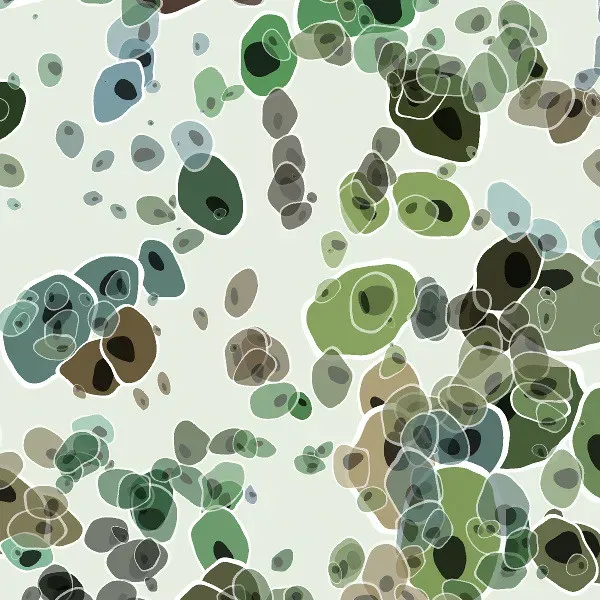
Germ theory is the theory that certain diseases are caused by the invasion of the body by microorganisms, organisms too small to be seen except through a microscope. Sounds obvious now, right? In the nineteenth century, this was revolutionary. People thought diseases came from bad air, moral failings, or imbalanced humors.
A transitional period began in the late 1850s with the work of Louis Pasteur, which was later extended by Robert Koch in the 1880s, and by the end of that decade, the miasma theory was struggling to compete with the germ theory of disease. Pasteur, by a brilliant series of experiments, proved that the fermentation of wine and the souring of milk are caused by living microorganisms, and his work led to the pasteurization of milk and solved problems of agriculture and industry as well as those of animal and human diseases.
Compelling experimental evidence established the role of microbes, leading to the germ theory of infectious diseases around 1870 in the most extraordinary paradigm shift ever seen in medicine. Suddenly, doctors understood why washing hands mattered. Why sterilizing surgical instruments saved lives. Why contaminated water killed entire neighborhoods.
This discovery changed the whole face of pathology and effected a complete revolution in the practice of surgery. As the germ theory gained acceptance, it replaced earlier beliefs, such as the miasma theory, which attributed disease to bad air, and this shift in understanding significantly transformed medical practices and laid the groundwork for modern medicine. Countless lives were saved. Antibiotics, vaccines, and modern sanitation all flowed from understanding that tiny, invisible organisms were the true culprits.
Heliocentrism: Earth Isn’t the Center of Everything
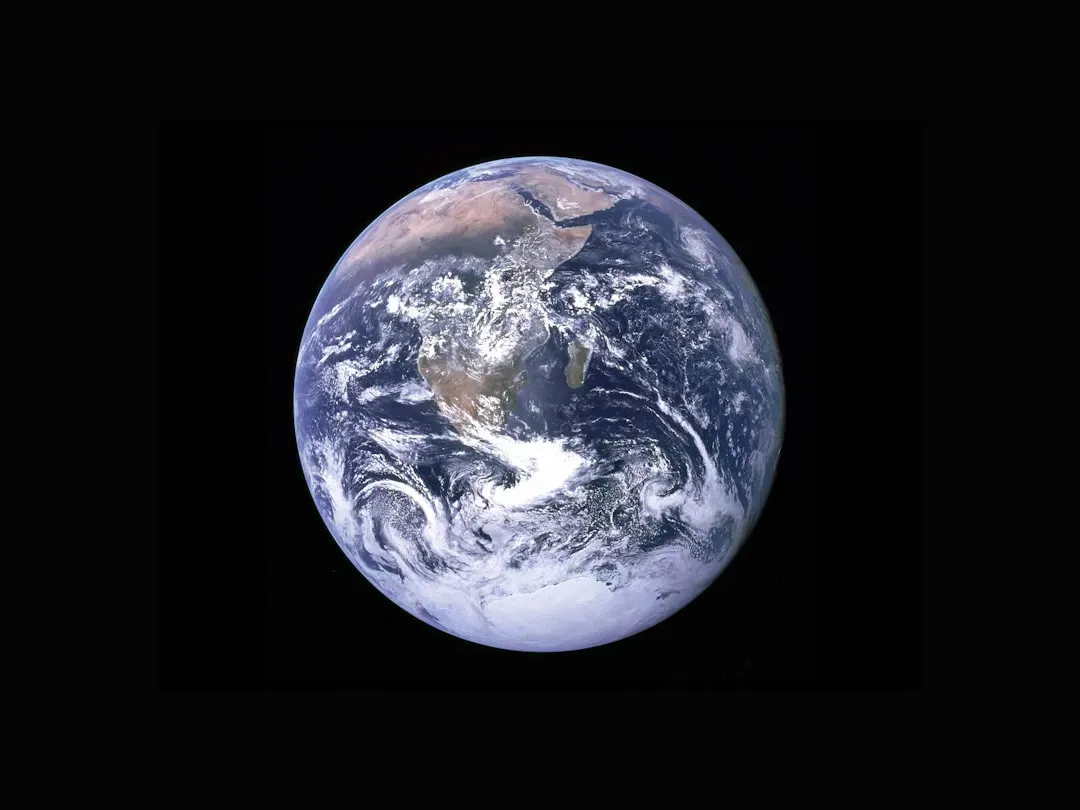
One of the greatest insights ever, conceived by some ancient Greeks but established only two millennia later: the Earth revolves around the sun, as do other planets. Nicolaus Copernicus published this radical idea in 1543, though he’d been working on it for years. Why was this so shocking? Because for centuries, everyone believed Earth was the cosmic centerpiece.
The Polish astronomer Nicolaus Copernicus was the first to propound a comprehensive heliocentric theory equal in scope and predictive capability to Ptolemy’s geocentric system, motivated by the desire to satisfy Plato’s dictum, and was led to overthrow traditional astronomy because of its alleged violation of the principle of uniform circular motion and its lack of unity and harmony as a system of the world. He literally turned the world inside out, putting the Sun at the center and setting Earth into motion around it.
This wasn’t just astronomy. The success of the heliocentric model, together with other observations, broke the notion that received wisdom from antiquity was certain and reliable, thus opening the way for additional questioning in other areas of natural philosophy that ultimately ushered in the scientific revolution of the 17th century, and heliocentric theory also affected other important disciplines, such as theology, astronomy, and astrology.
Religious authorities condemned it. The Catholic Church banned Copernican books. Galileo faced the Inquisition for supporting it. Yet the evidence kept mounting. Telescopes revealed moons orbiting Jupiter, Venus showing phases like our moon. The universe didn’t revolve around us. We were just one planet among others, orbiting an ordinary star in an incomprehensibly vast cosmos. Humanity’s ego took a massive blow, though our understanding of reality expanded infinitely.
Conclusion

These five theories didn’t just add to human knowledge. They demolished what we thought we knew and rebuilt our worldview from scratch. Quantum mechanics showed us reality operates on probabilities at the smallest scales. Relativity revealed that time and space are flexible, not fixed. Evolution demonstrated that life arose through natural processes, not divine creation. Germ theory transformed medicine by identifying invisible microbes as disease agents. Heliocentrism displaced Earth from the cosmic center.
Each theory faced fierce resistance. Each eventually triumphed through evidence and experimentation. Each fundamentally changed not just science, but philosophy, religion, medicine, and daily life. The technologies you use, the medicines that keep you healthy, the very way you think about existence – all shaped by these intellectual revolutions.
What’s remarkable is that reality proved stranger, more fascinating, and more beautiful than anyone imagined. So here’s a question to leave you with: what current assumptions about reality might the next great theory shatter? What do we think we know today that future generations will look back on and shake their heads at?