
Have you ever wondered how the most unlikely pairs in the animal kingdom manage to survive together? Nature is full of surprises, and some of the most fascinating ones involve creatures you would never expect to cooperate. These partnerships aren’t just charming curiosities. They’re essential survival strategies that have evolved over millions of years.
From the depths of the ocean to the African savanna, species from different worlds have figured out how to work together in ways that benefit them both. These relationships show us that collaboration isn’t just a human concept. It’s woven into the very fabric of life on Earth. Let’s dive into seven of the most astonishing symbiotic relationships that will completely change how you see the natural world.
Clownfish and Sea Anemones: An Underwater Safe House
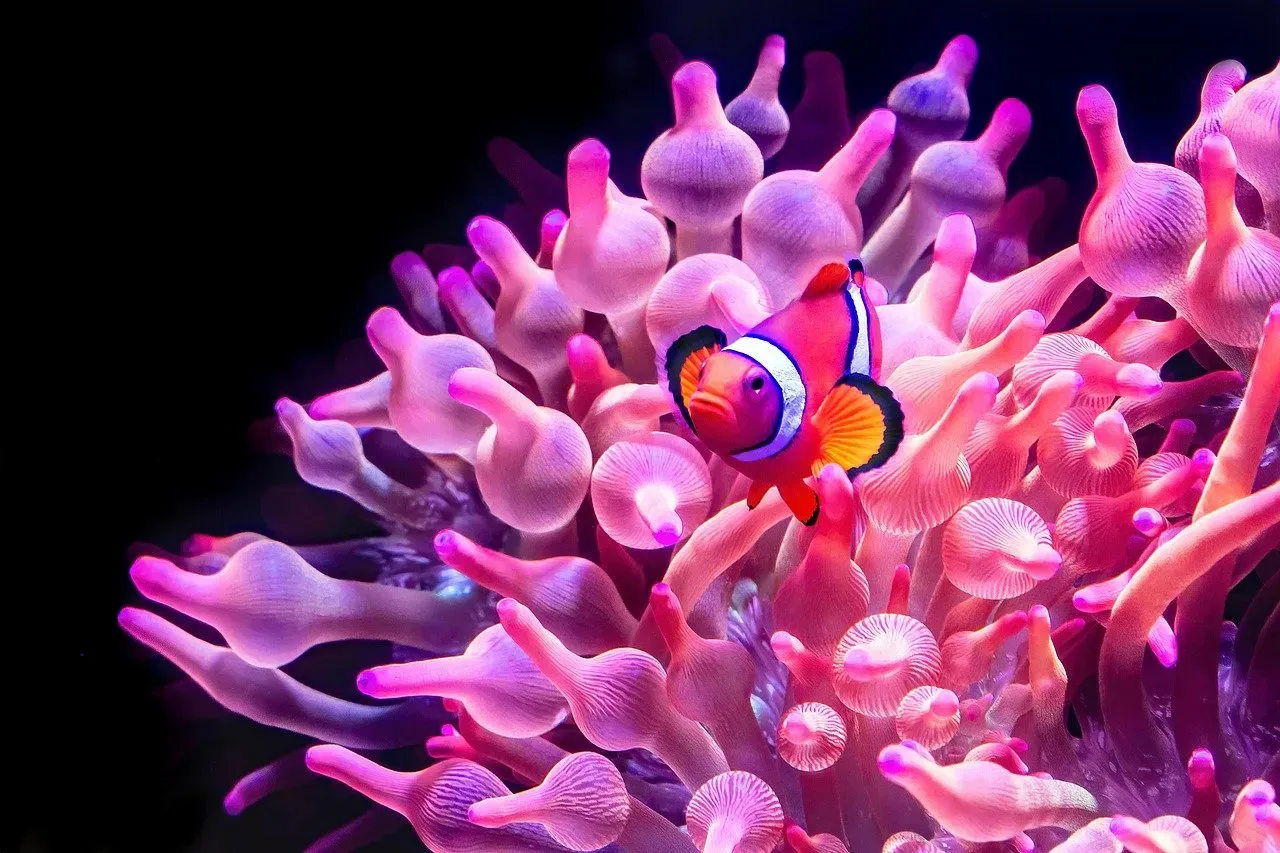
Clownfish and sea anemones maintain a long-lasting relationship that is immortalized on the big screen, and the tiny clownfish isn’t affected by the anemone’s sting thanks to a layer of mucus that protects its skin. Picture this: you’re a small, colorful fish in an ocean full of predators. Where do you hide? Inside the tentacles of a creature that can paralyze most fish with a single touch. It sounds like a terrible idea, yet clownfish have made this their winning strategy.
The clownfish keeps the anemone free of parasites and provides it with nutrients through its waste, which may also stimulate growth-beneficial symbiotic algae within the anemone, and may also drop food onto the anemone and drive off anemone-eating intruders that stray too close. The anemone gets a bodyguard and a cleaning service rolled into one. Anemones that harbor clownfish appear to have faster growth rates, higher rates of asexual reproduction and lower mortality than those without fish. It’s hard to say for sure, but this partnership might be one of the most perfectly balanced relationships in the entire ocean.
Pistol Shrimp and Goby Fish: The Blind Leading the Watchful
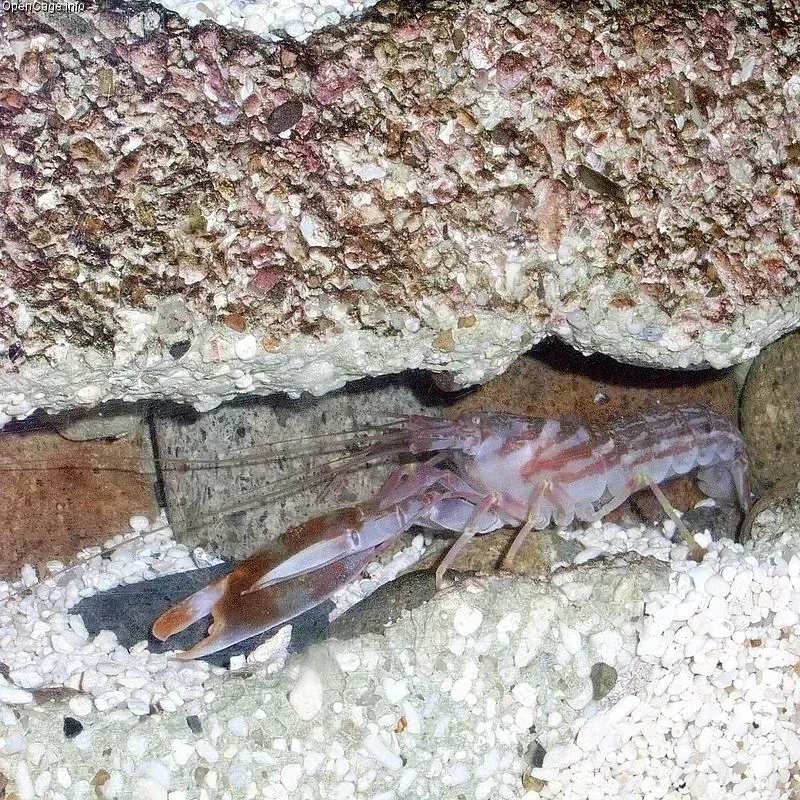
Pistol shrimp are burrowers, digging holes in the sandy seafloor that they will maintain and sometimes share with a goby, and outside the burrow, the pair stay close together, often with the shrimp maintaining physical contact by resting its sensitive antennae on the fish. This relationship is remarkably touching when you really think about it. The shrimp has terrible eyesight and spends its time building and maintaining a cozy burrow in the sand. The goby fish, with its sharp vision, acts as the shrimp’s personal security guard.
When the goby spots a potential predator, it uses chemical cues and bolts for cover in the shared burrow, and the shrimp relies on these tactile and chemical cues to know when it needs to hide, too. They’re like roommates who genuinely respect each other’s strengths. The goby stands watch while the shrimp does all the housework. When the goby is active, it signals to the shrimp that it’s relatively safe to be outside the burrow. Let’s be real, this is the kind of living arrangement most humans can only dream about.
Woolly Bats and Pitcher Plants: A Bathroom Deal You Won’t Believe
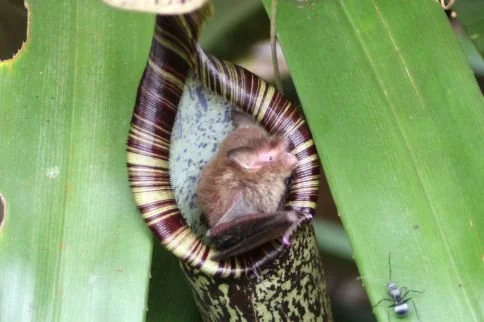
Woolly bats are known to roost in Nepenthes hemsleyana, a tropical pitcher plant found in Borneo, and while the bat gets a hidey-hole to rest in, the plant benefits by catching the guano that the little mammal produces, which provides the plant with the nutrients it needs to survive. Yes, you read that correctly. These bats voluntarily climb into carnivorous plants that normally digest small animals. It sounds like a death wish, yet it works.
The pitcher plant is specifically shaped to accommodate the bat, and in return, the bat provides something the plant desperately needs: fertilizer. A similar relationship occurs between tree shrews and another Bornean pitcher plant, Nepenthes lowii, where the shrews climb onto the pitcher’s rim to feed on the nectar, and in return, with the plant’s hollow body acting a bit like a toilet bowl, the shrews drop their nutritional feces into the plant’s stomach. Nature has basically invented the world’s strangest rest stop, and honestly, both parties seem perfectly happy with the arrangement.
Oxpeckers and Large Mammals: The Controversial Cleanup Crew
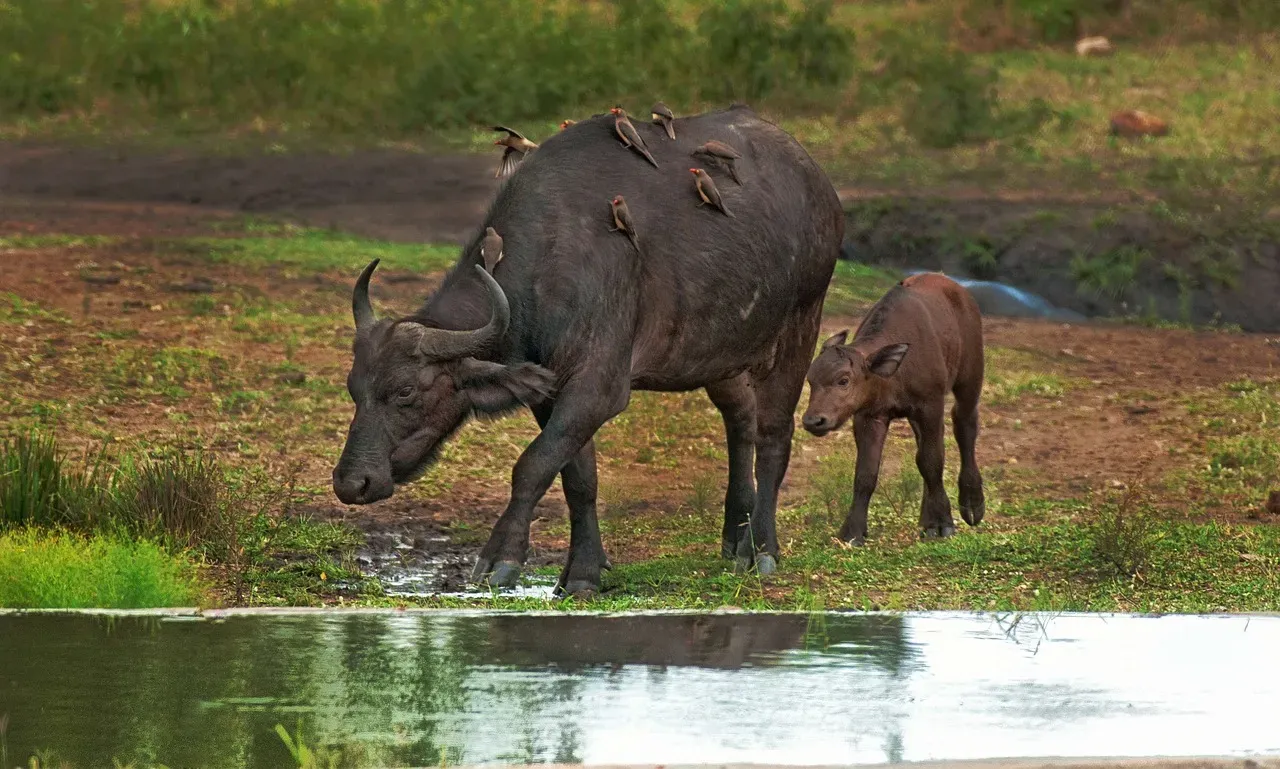
The beastly buffalo and the small red-billed oxpecker might seem an unlikely pair, but they actually enjoy one of the most successful symbiotic relationships in nature, with the oxpecker providing two valuable services: ridding the buffalo of parasites and other bothersome bugs and acting as an early warning system by way of a hissing noise the bird makes when predators come near. For years, this was held up as the perfect example of mutualism. The bird gets food, the mammal gets clean, everyone wins.
Here’s the thing: recent research suggests it’s not quite that simple. More recent studies show these birds can go too far and dig into skin, creating wounds that attract egg-laying flies and infections, and many ecologists now consider this relationship closer to parasitism than pure mutualism. The oxpeckers sometimes act more like tiny vampires than helpful companions. At times, they will pass up eating a tick if it is not filled with blood, and in those cases, the birds will let the ticks continue to feed on the hosts’ skin until the ticks become more palatable. Still, the large mammals tolerate them, suggesting the benefits might outweigh the occasional bloodletting.
Honeyguide Birds and Humans: An Ancient Partnership
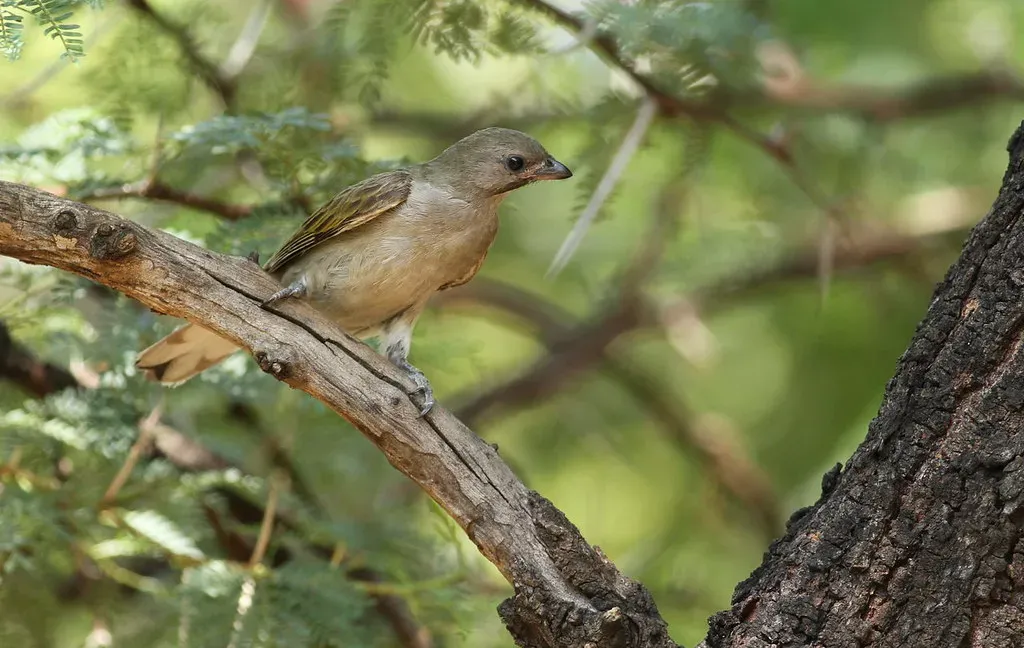
Some wild species also form alliances with humans, such as the honeyguide bird, which charts a path for human honey hunters in northern Tanzania, where honey hunters follow birds to beehives that hang from the branches of tallest trees. This is one of the few documented examples of wild animals actively cooperating with humans for mutual benefit. The bird knows where the honey is but can’t access it. Humans have the tools but lack the bird’s incredible tracking skills.
Hungry honeyguide birds are a boon for honey hunters in Tanzania, and after finding their sticky, sweet treasure in the trees, the human hunters leave beeswax and larvae as a feast for birds. The relationship has been passed down through generations, with specific calls used to communicate between species. I know it sounds crazy, but this partnership might stretch back thousands of years. It’s a reminder that symbiosis isn’t limited to animals alone.
Ants and Aphids: The Original Farmers
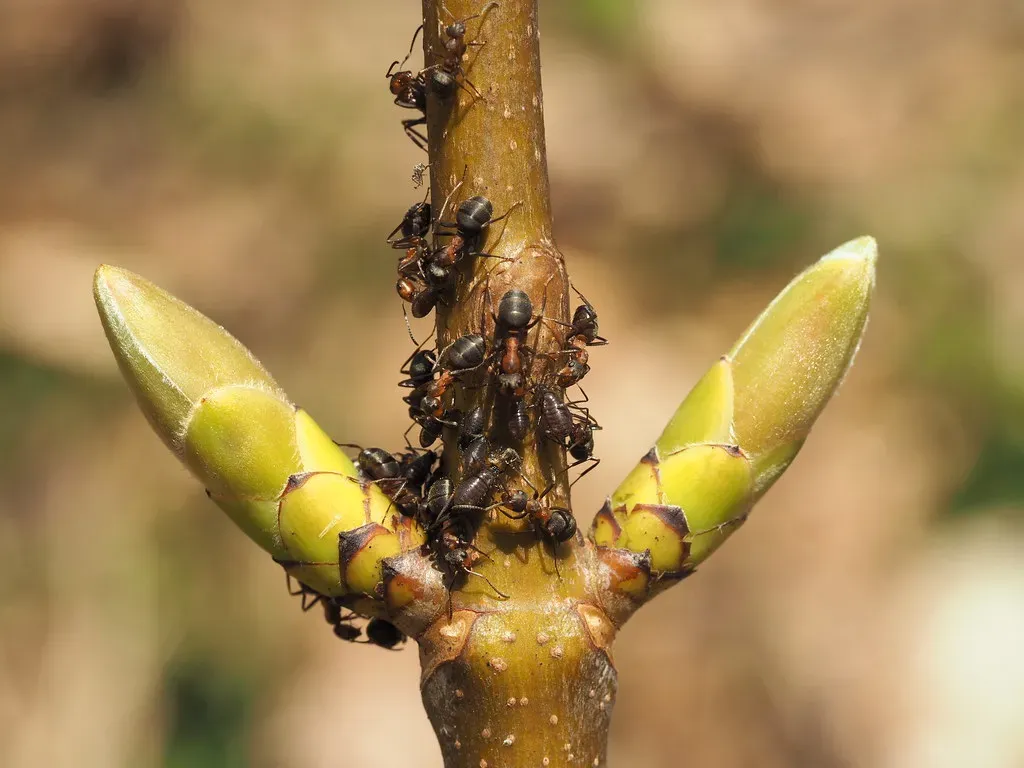
Aphids are little sap-sucking insects that secrete honeydew, a sugary liquid that is the waste product of their diet, and many aphid species are known to engage in a mutualistic relationship with ants that feed on the honeydew by milking the aphids with their antennae, and in return, some species of ants will protect the aphids from predators and parasites. If you’ve ever wondered who invented agriculture, you might want to look at ants. They were farming long before humans figured it out.
Some will move aphid eggs and nymphs underground to their nest, which ultimately makes harvesting their honeydew more efficient, like an ant equivalent of a dairy farm. They literally herd their aphids like livestock, moving them to fresh feeding spots and protecting them from danger. The aphids produce the sugar-rich honeydew, and the ants ensure their safety. It’s a tiny empire built on mutual dependence, operating right beneath our feet.
Crocodiles and Plover Birds: The Legendary Dental Assistants
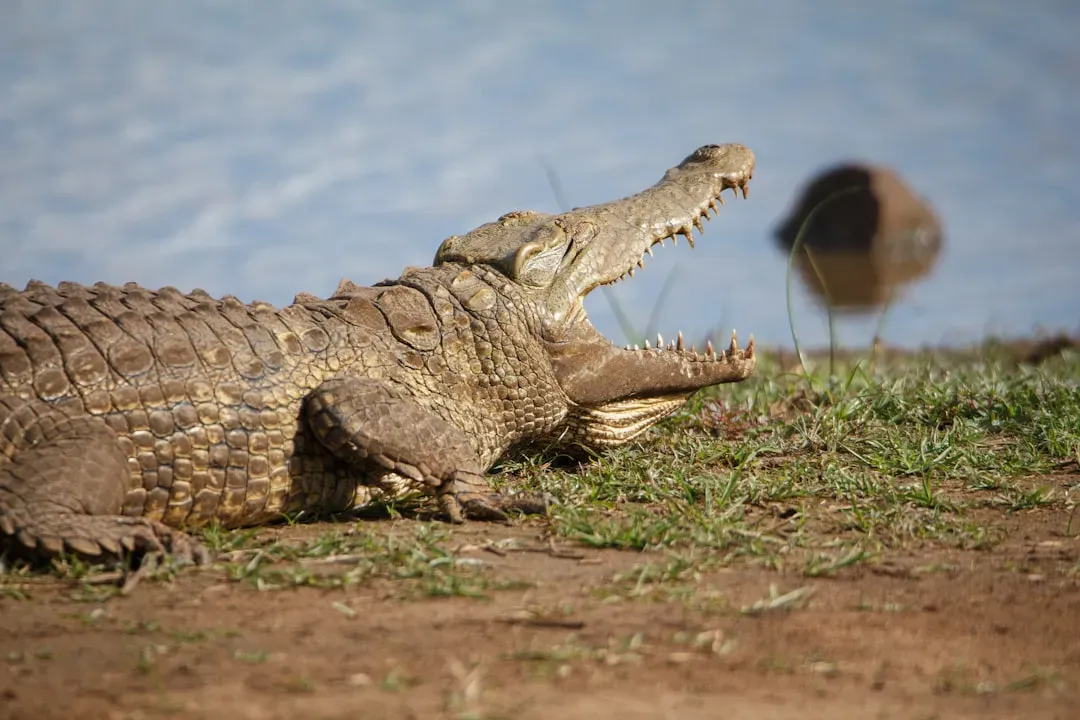
The story of crocodiles and plover birds has captivated humans for thousands of years. Herodotus was the first author known to have described the phenomenon of avian activity cleaning leeches from the jaws of crocodiles. According to the ancient tale, crocodiles would lie with their mouths open, and brave little plovers would hop inside to pick out bits of food and parasites from between those massive teeth.
Here’s where it gets interesting: There is no definitive scientific record of a cleaning symbiotic relationship between any crocodilian species and any bird species, and this absence of evidence casts doubt on the validity of the Egyptian Plover’s role as a Crocodile Bird. The relationship might be more myth than reality. Yet the story persists because it captures something we find deeply compelling about nature: the idea that even the fiercest predators might pause for a helpful cleaning. Whether true or embellished, the tale reminds us that nature’s partnerships can seem almost too perfect to believe.
Conclusion
These remarkable relationships show us that survival isn’t always about being the biggest, fastest, or strongest. Sometimes, it’s about finding the right partner. From the ocean floor to the African plains, nature has perfected the art of collaboration in ways we’re only beginning to fully understand. These partnerships have evolved over millions of years, finely tuned through countless generations.
What makes these relationships so compelling is how they challenge our assumptions about competition in nature. We often think of the natural world as a brutal battleground, yet cooperation is just as fundamental to life as competition. These symbiotic bonds maintain ecosystems, support biodiversity, and demonstrate that interconnectedness isn’t just beautiful – it’s essential. What would you have guessed about these partnerships before reading about them?