
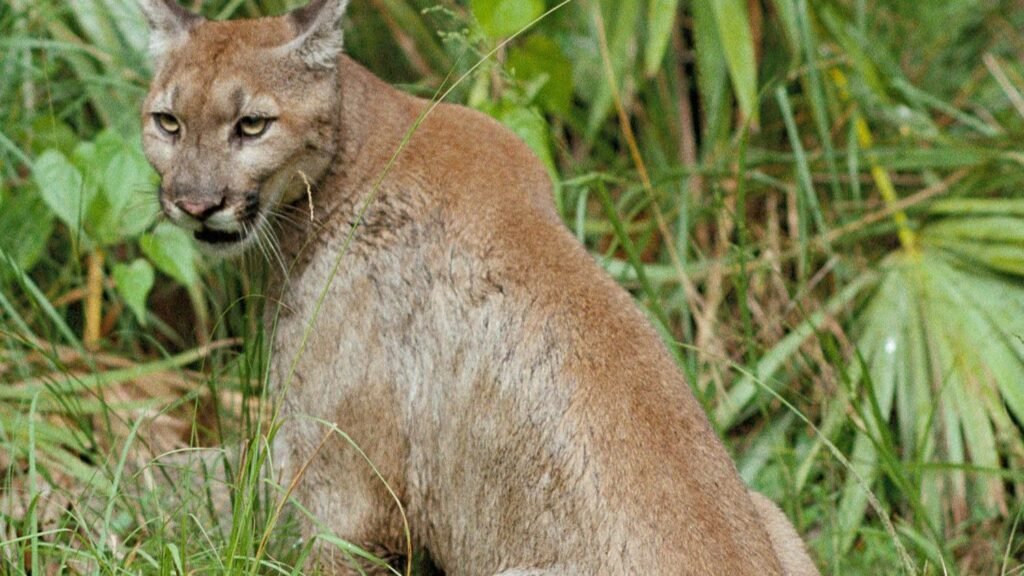

If you’ve ever driven through South Florida at dusk and glimpsed a tawny shadow slipping between the palmettos, you know there’s something almost ghostlike about the Florida panther. This animal isn’t just rare; it’s hanging on by a thread, with only a small wild population left in the entire world. Yet, against the odds, it still patrols the mangroves, pine flatwoods, and sawgrass marshes of the Everglades, quietly shaping the landscape in ways most people never see.
What makes this big cat so important is not just its beauty or its tragic backstory, but the invisible work it does to keep the ecosystem in balance. Like a conductor in an orchestra, the Florida panther influences which species thrive, which decline, and how energy flows through the marshes and swamps. Lose the panther, and the Everglades doesn’t just lose a mascot; it starts to unravel, thread by thread. Once you see how deeply everything is connected to this animal, it becomes hard not to care what happens next.
The Last Big Cat of the Eastern United States
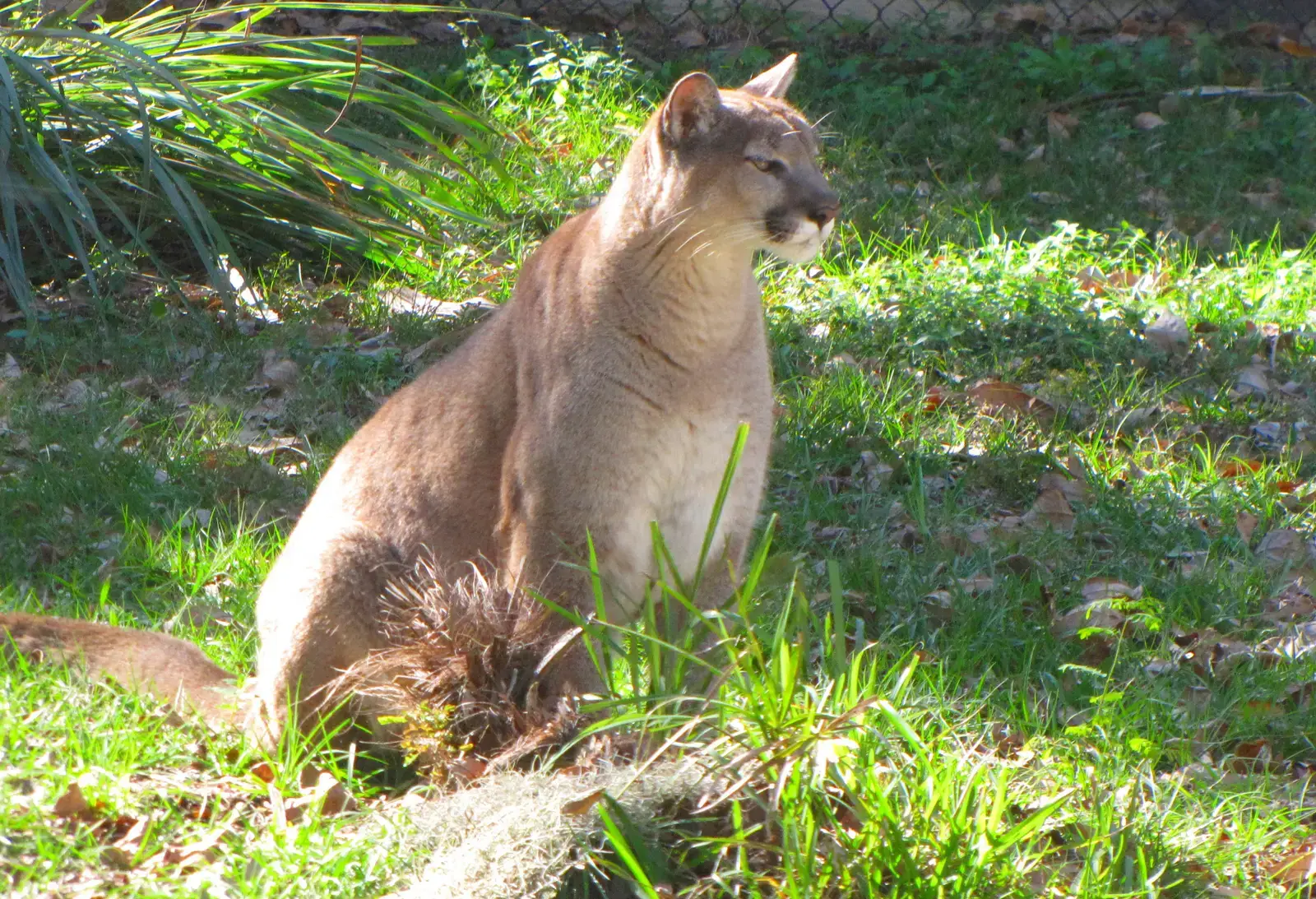
The Florida panther is the only remaining wild cougar population east of the Mississippi River, a living remnant of a predator that once roamed across most of North America. By the middle of the twentieth century, relentless hunting, habitat loss, and government-backed predator control had nearly wiped them out, leaving only a handful hiding in remote South Florida swamps. That tiny population came with serious problems: inbreeding, genetic defects, and a future that looked pretty much sealed. For years, people honestly wondered if this cat would quietly disappear.
Conservation efforts in the late twentieth and early twenty-first centuries changed the story, but only just. Biologists introduced closely related cougars from Texas to boost genetic diversity, and over time that helped strengthen the population and reduce severe defects like kinked tails and heart problems. Even now, though, the total number of Florida panthers in the wild is thought to be only in the low hundreds, scattered in patches of remaining habitat. When you realize that an entire branch of North America’s big-cat legacy now survives in one cramped corner of Florida, you start to understand how much pressure rests on this single population.
Apex Predator: Keeping Prey Populations in Check
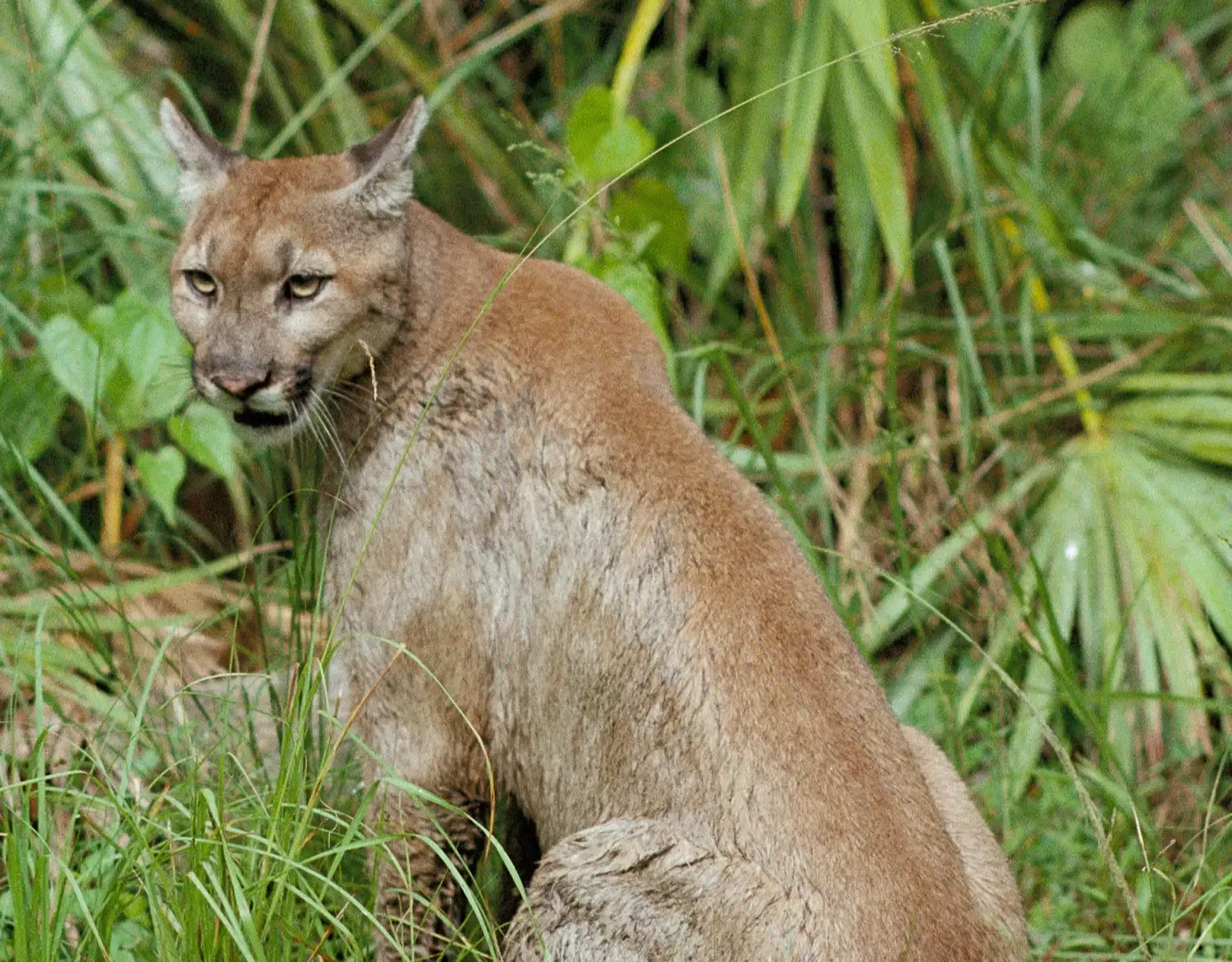
The Florida panther sits at the top of the Everglades food web, and that position matters far more than most people realize. As an apex predator, it preys primarily on white-tailed deer, wild hogs, raccoons, and other medium-sized animals that can easily become overabundant without natural control. When prey populations explode, they don’t just nibble harmlessly at plants; they can strip vegetation, spread disease, and alter entire plant communities. The panther’s presence keeps these animals moving, wary, and in more sustainable numbers.
This top-down influence is what ecologists call a trophic cascade, and you can think of it like pulling a key block from a Jenga tower. Without panthers, deer and hogs linger longer in sensitive areas, over-browsing young trees and plants that hold soil in place and provide cover for birds, reptiles, and small mammals. Raccoons and similar predators may raid more bird nests and turtle nests when they aren’t being hunted themselves. The cat doesn’t have to be everywhere, all the time; just knowing a stealthy predator might be watching changes how prey behave. That constant tension is part of what keeps the Everglades from tipping out of balance.
Shaping Vegetation and Wetland Health Indirectly
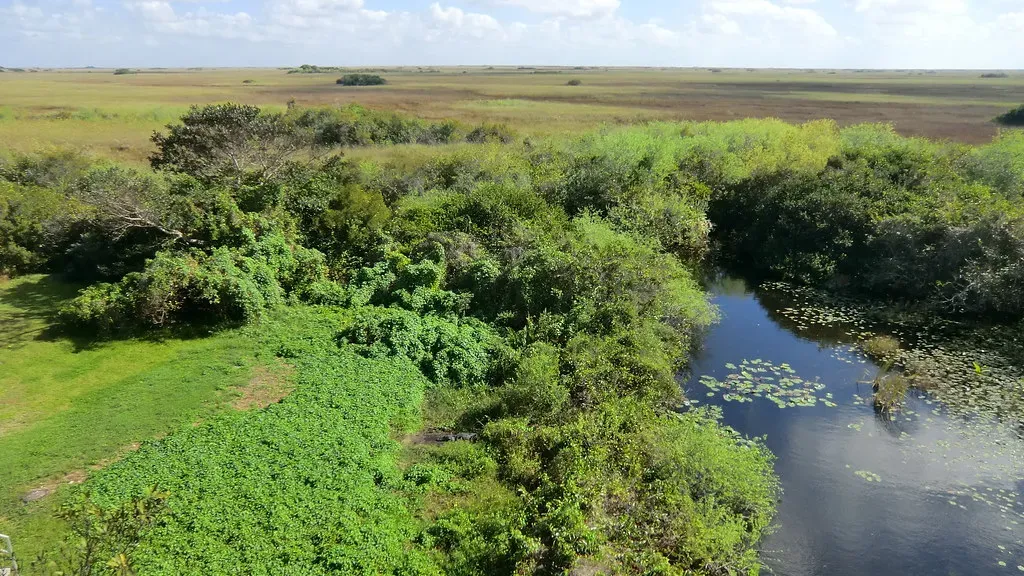
At first glance, it sounds odd to say a meat-eating cat helps plants, but that’s exactly what happens in a roundabout way. By regulating the numbers and behavior of deer and hogs, panthers reduce overgrazing on young trees, shrubs, and wetland vegetation. Over time, this means more saplings survive, more canopy forms, and more ground cover remains intact. Healthy vegetation stabilizes soil, shades water, filters runoff, and creates nesting and hiding spots for countless other species.
When these plant communities stay robust, they support better water quality and more complex habitat structure in the wetlands. Instead of monotonous stretches of overgrazed marsh, you get a patchwork of dense thickets, open glades, and shaded waterways, each hosting its own mix of species. This structural diversity makes the Everglades more resilient to disturbances like storms, droughts, and rising seas. It’s a bit like reinforcing the beams and walls inside a house; you may never see the panther doing it, but the entire framework holds up better because it’s there.
Scavengers, Nutrients, and the Circle of Life
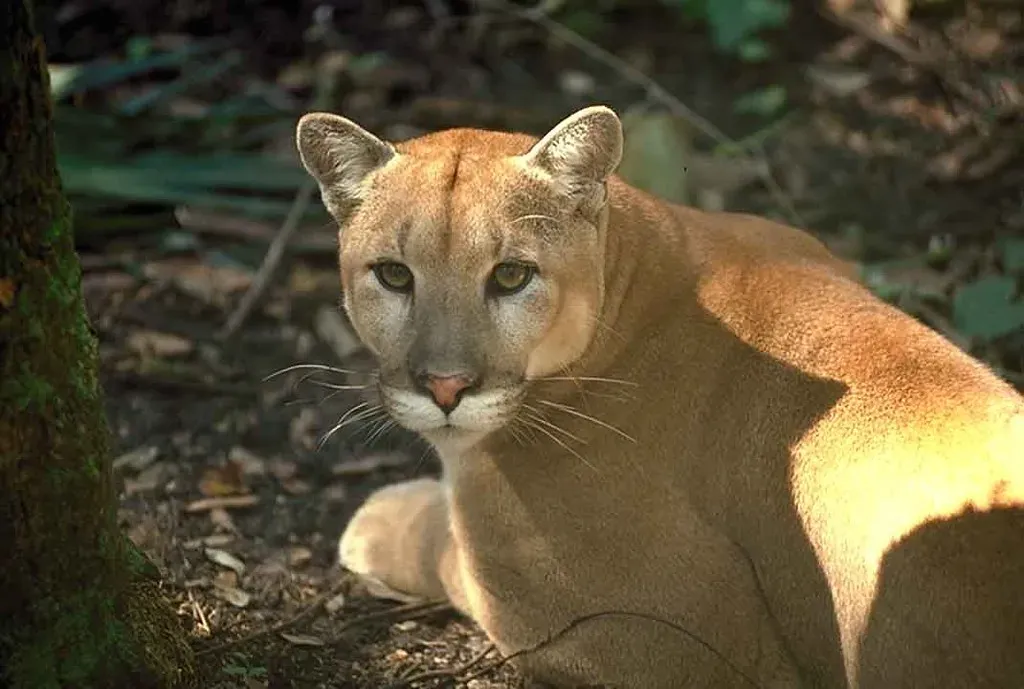
Every time a panther makes a kill, it does more than feed itself; it sets off a chain of meals for other creatures. Panthers rarely consume every scrap of a carcass, and what’s left becomes food for vultures, black bears, bobcats, coyotes, foxes, and a whole crew of smaller scavengers and insects. This steady supply of carrion is an underrated part of how nutrients move through the ecosystem, especially in areas where plant growth and decomposition are tightly tied to water levels. The remains of a single deer can end up nourishing dozens of species, from large scavengers down to beetles and fungi.
As these scavengers feed and break down the carcass, nutrients like nitrogen and phosphorus are returned to the soil and water in more usable forms. That helps fertilize surrounding plants, which in turn support more insects, birds, and herbivores. Over long periods, this cycle reinforces the productivity of the Everglades, especially in nutrient-poor areas where every extra boost matters. In a way, the panther acts like a slow, wandering fertilizer system, converting living biomass into a form that ripples back across the ecosystem long after the original hunt is over.
An Umbrella Species That Protects Many Others
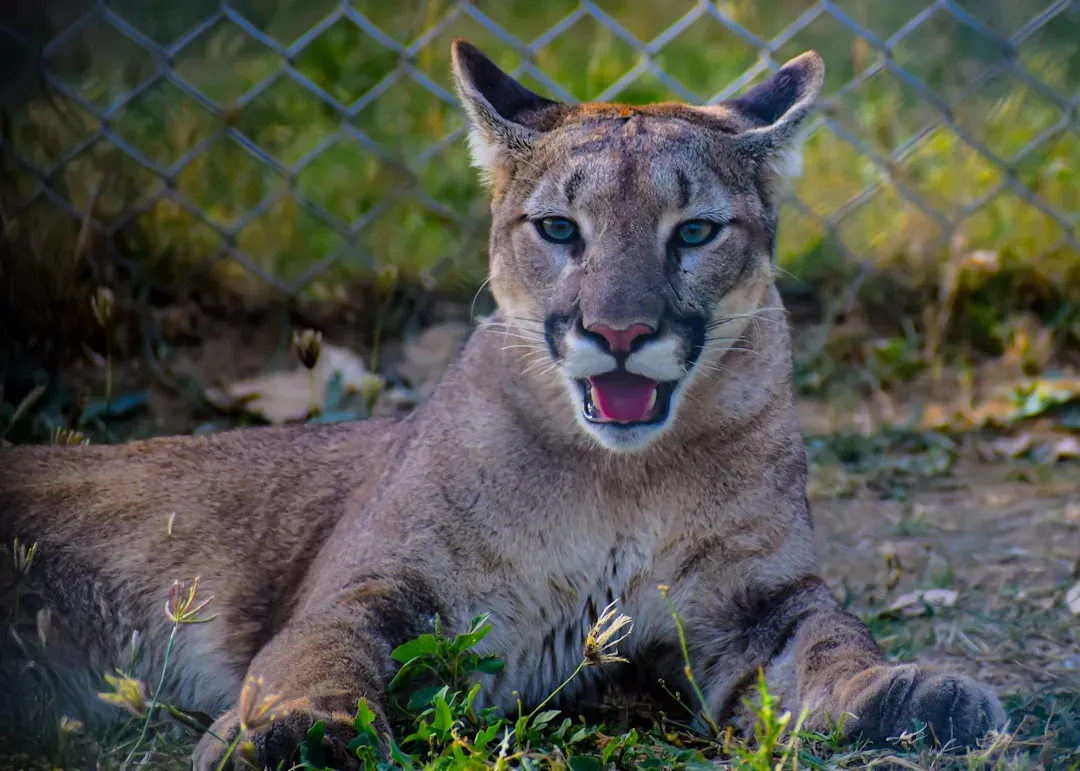
The Florida panther is sometimes described as an umbrella species, and that label is more than just conservation jargon. Because panthers need huge territories, varied habitats, and safe corridors to move and hunt, protecting enough space for them automatically protects countless other species that share the same landscapes. When land managers secure a large stretch of forest, marsh, or prairie to support panthers, they also preserve habitat for wading birds, black bears, otters, bobcats, foxes, snakes, and amphibians that would otherwise lose ground to development. One decision about a single predator ends up sheltering a whole community of wildlife under that “umbrella.”
This effect extends beyond animals to plants and whole ecological processes. The same intact swamps and flatwoods that a panther uses to den or travel double as critical floodplains, water recharge zones, and fire-adapted landscapes. Keeping these spaces undeveloped allows natural fires to move through, water to spread and recede, and native vegetation to regenerate. When people rally around saving the panther, they’re often, knowingly or not, voting to keep entire functioning ecosystems alive rather than isolated patches of green surrounded by pavement.
Human Pressure, Roads, and Fragmented Habitats
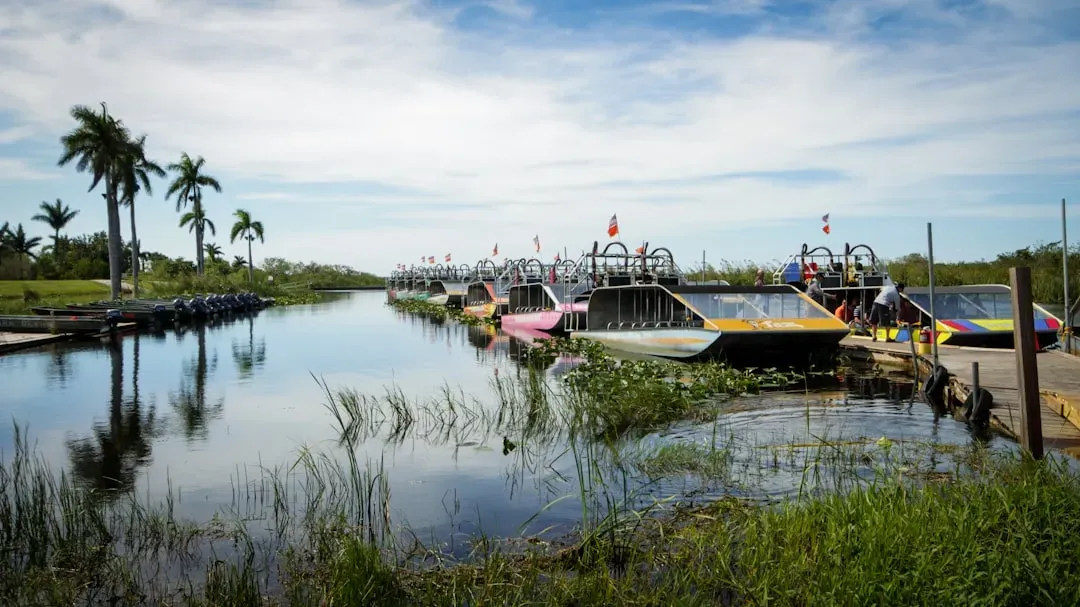
Habitat fragmentation also traps panthers in pockets of land where inbreeding can creep back in and where young cats struggle to find new territory. The more we squeeze wild spaces into thin strips and disconnected patches, the harder it becomes for these animals to move, mate, hunt, and adapt. Solutions like wildlife crossings, protected corridors, and smarter land-use planning can reduce some of this pressure, but they demand political will and public support. In a very real sense, the future of the Florida panther depends on how willing people are to give it room to live, even as South Florida continues to grow and change.
The Panther as a Symbol of a Living Everglades
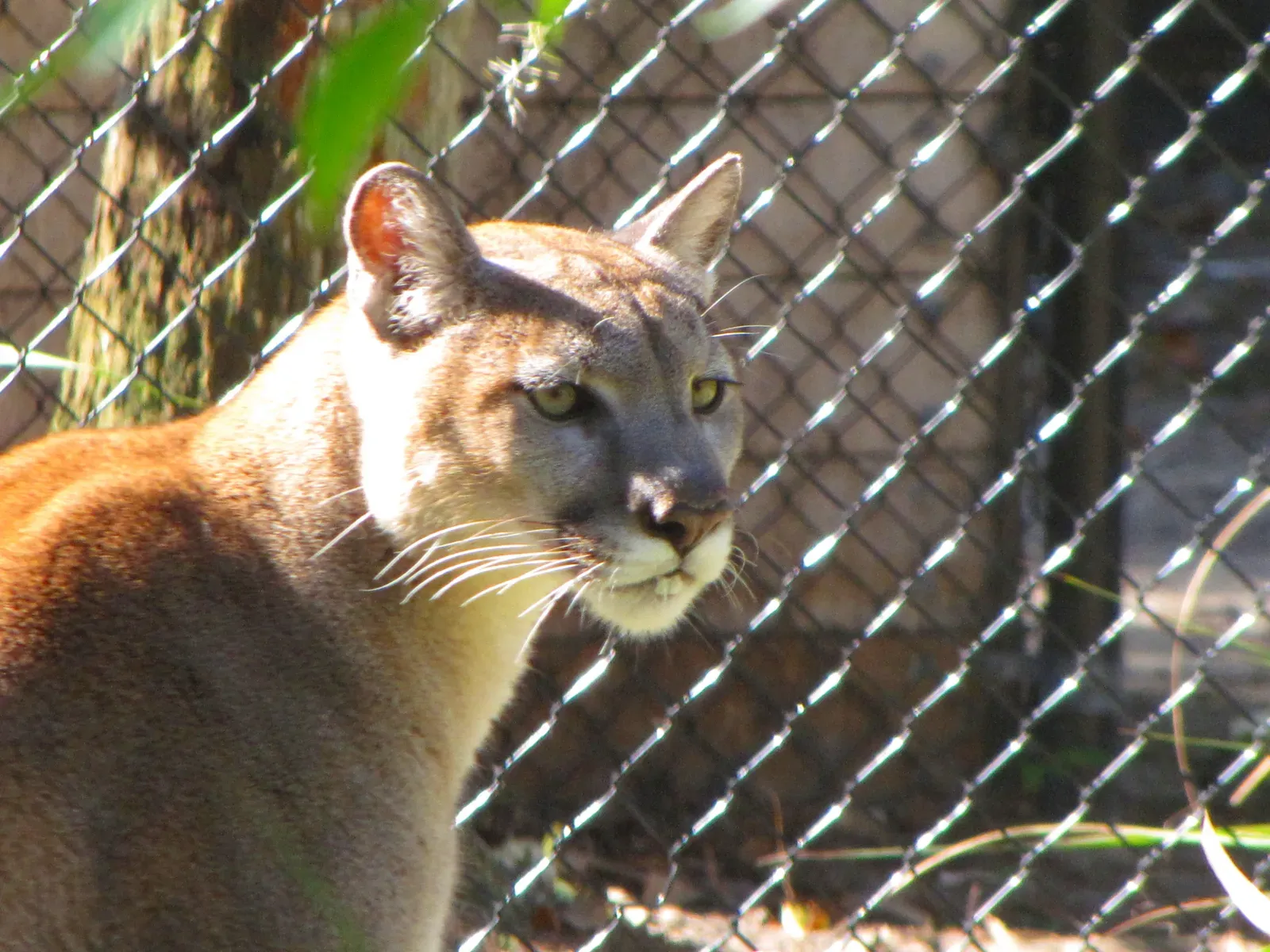
Over the past few decades, the Florida panther has become more than just a species on a list; it’s turned into a symbol for what’s at stake in the Everglades. When people picture a wild, functioning South Florida, they don’t imagine a drained swamp or a gated community; they imagine a secretive cat slipping between cypress trunks under a full moon. That image taps into something emotional and stubborn in us, a sense that some places should remain wild enough to surprise us. Without animals like the panther, the Everglades risks becoming just another managed landscape instead of a living, breathing ecosystem.
Seeing the panther as a symbol isn’t just sentimental; it can be practical, too. A charismatic, powerful animal tends to draw more attention, funding, and political urgency than a nameless marsh plant or a small fish, even though those species matter as well. By fighting for the panther, people often end up protecting the entire web of life that makes the Everglades unique. In that way, the Florida panther is both a real animal and a kind of promise: if it still survives, then maybe the wild heart of the Everglades does, too.


