
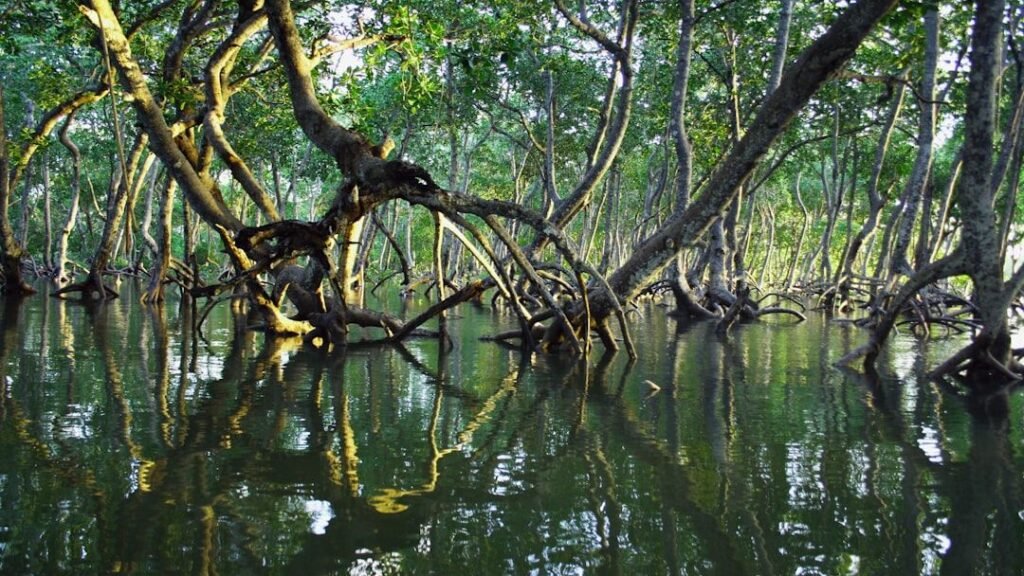

If you stand at the edge of a Florida mangrove forest at low tide, it can feel like you’ve stepped into another planet: twisted roots, brackish water, a tangle of life that looks more chaotic than protective. But quietly, day after day, these strange trees are doing work that would cost us billions to replace. They are absorbing storm energy, stabilizing coastlines, feeding fisheries, and pulling carbon out of the air at a pace that makes most other ecosystems look lazy.
What makes Florida’s mangroves so critical right now is the timing. Sea levels are rising, hurricanes are getting stronger, and more people and property sit in harm’s way than ever before. In a state where a single major storm can cause tens of billions of dollars in damage, the line between disaster and “we got lucky” often runs right through these coastal forests. Mangroves aren’t pretty background scenery; they’re some of the hardest-working infrastructure America has, and most of it came free of charge.
The Living Seawall: How Mangroves Blunt Hurricanes and Storm Surges
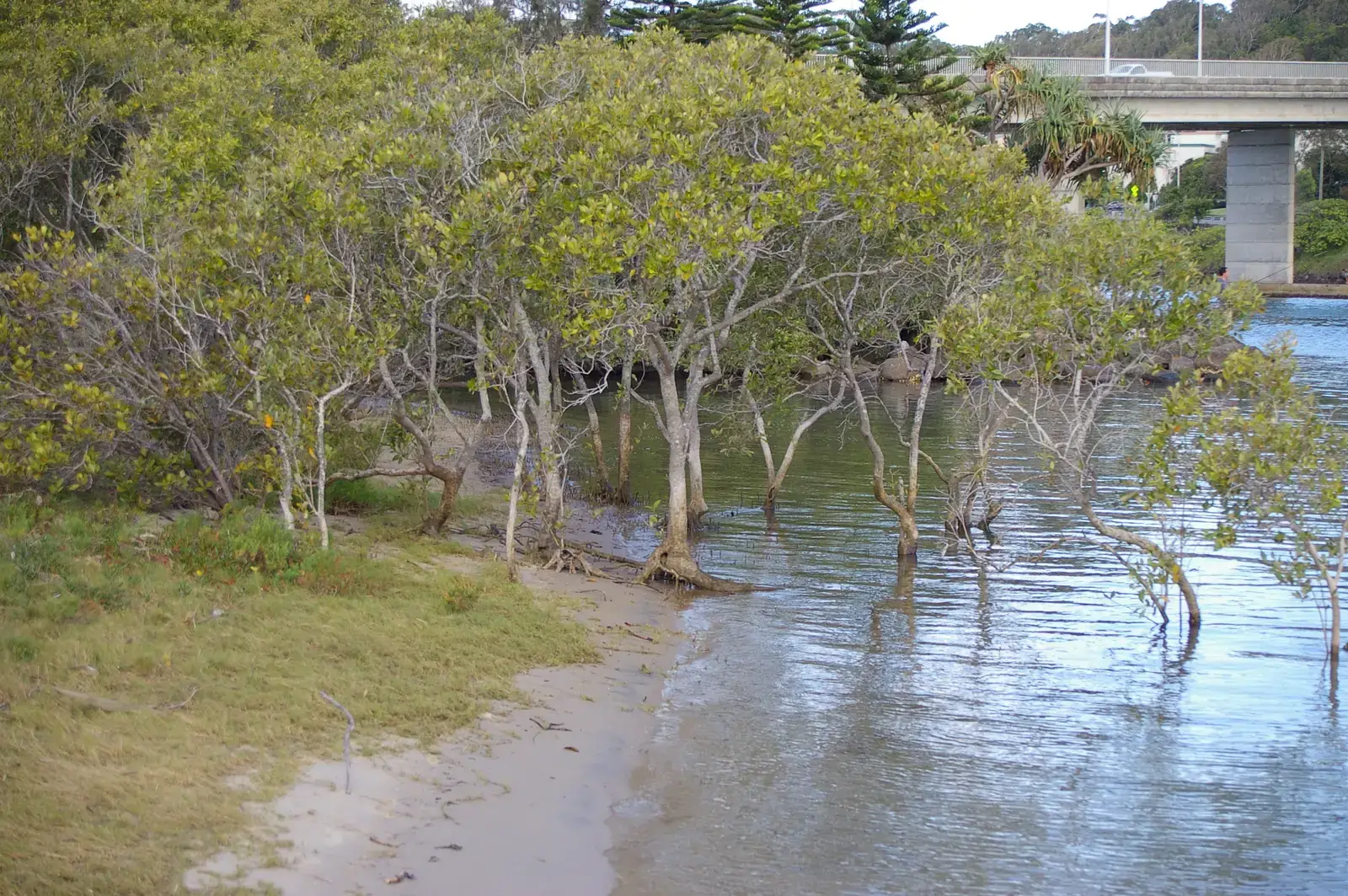
Here’s the surprising part: a shallow forest of trees can sometimes protect a coast better than a wall of concrete. Mangroves do this by acting like a dense, flexible barrier that forces storm-driven water and waves to slow down as they weave through the maze of roots and trunks. Researchers have found that even relatively narrow mangrove belts can significantly reduce wave height and storm surge, meaning less force hitting homes, roads, and sea walls behind them.
During major hurricanes in the past decade, places with intact mangrove forests often saw less flooding and structural damage than neighboring areas with cleared shorelines. It’s not magic, it’s physics: as water and wind meet that tangled structure, energy gets dissipated instead of slamming straight into land. In simple terms, mangroves are like natural shock absorbers for the coast, taking the worst of the hit so people and property behind them don’t have to.
Guardians Against Erosion in a State That’s Literally Crumbling Away
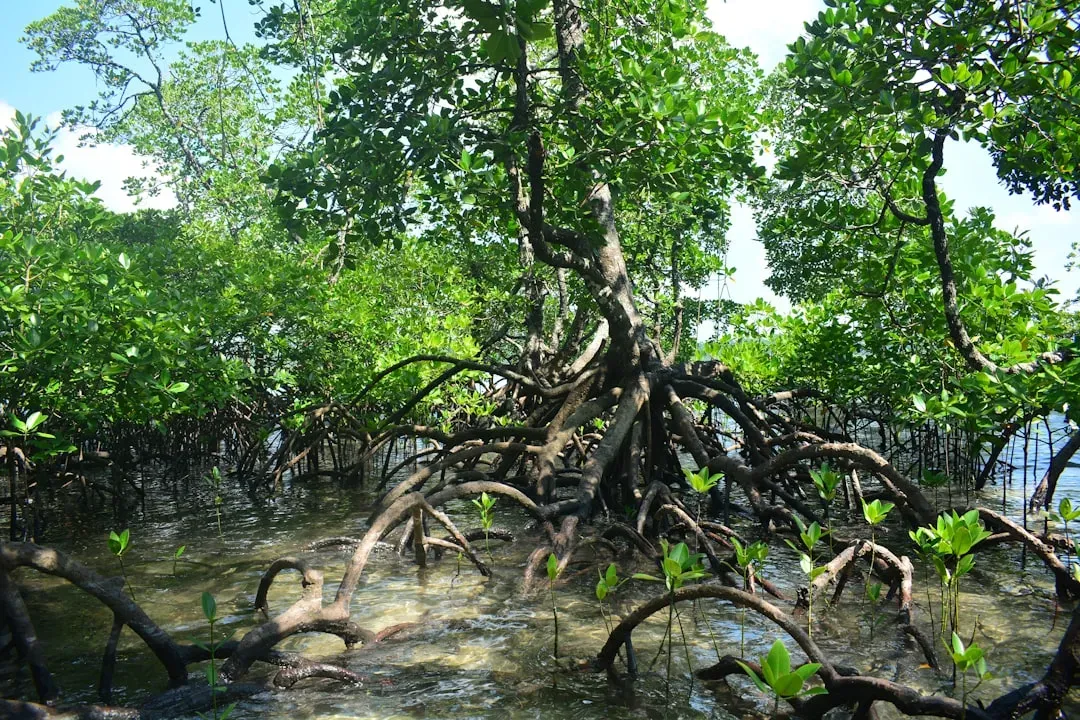
Large parts of Florida’s coastline are made of sand, mud, and soft sediments that are easy to carve away, especially when waves and boat wakes keep pounding them. Mangroves fight that erosion in two major ways: their dense root networks lock the soil in place, and their branches and roots trap sediment that would otherwise wash away. Over time, this trapped material can actually help build up land instead of losing it.
In areas where mangroves have been removed and replaced with lawns or seawalls, erosion tends to accelerate, sometimes shockingly fast. I’ve seen places where a mangrove-lined shoreline stayed in almost the same place for years, while a nearby cleared bank lost several feet in what felt like no time. With sea level rising steadily, losing that stabilizing force is like taking the rebar out of concrete and hoping the structure still holds.
Fish Nurseries That Keep Florida’s Coastal Economy Alive
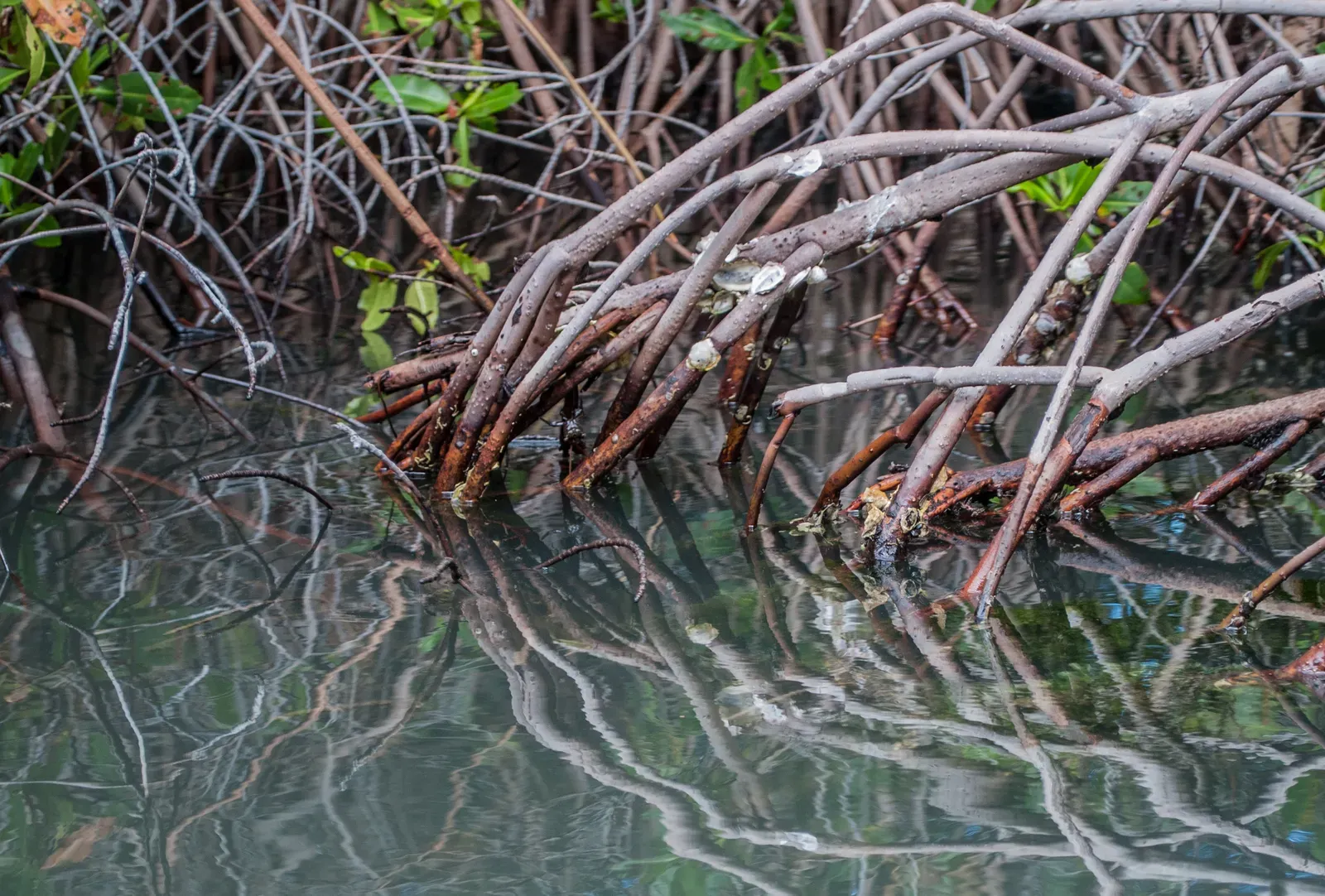
Those tangled underwater roots are more than just storm buffers; they’re safe havens for an enormous variety of marine life. Juvenile fish, crabs, and shrimp use mangrove areas as nurseries, hiding among the roots where larger predators have a harder time reaching them. Many species that later move out to seagrass beds, reefs, and open water spend their vulnerable early stages tucked into these protected pockets.
That nursery role is directly tied to Florida’s fishing and tourism economy. Recreational and commercial fisheries rely heavily on species that depend on mangroves at some point in their life cycles. When mangrove habitat is lost, it doesn’t just mean fewer trees; it often means fewer fish, weaker fisheries, and less stable incomes for people who work on the water. In a state where coastal tourism and fishing pump billions into the economy, those roots quietly become economic infrastructure too.
Carbon Powerhouses in the Fight Against Climate Change
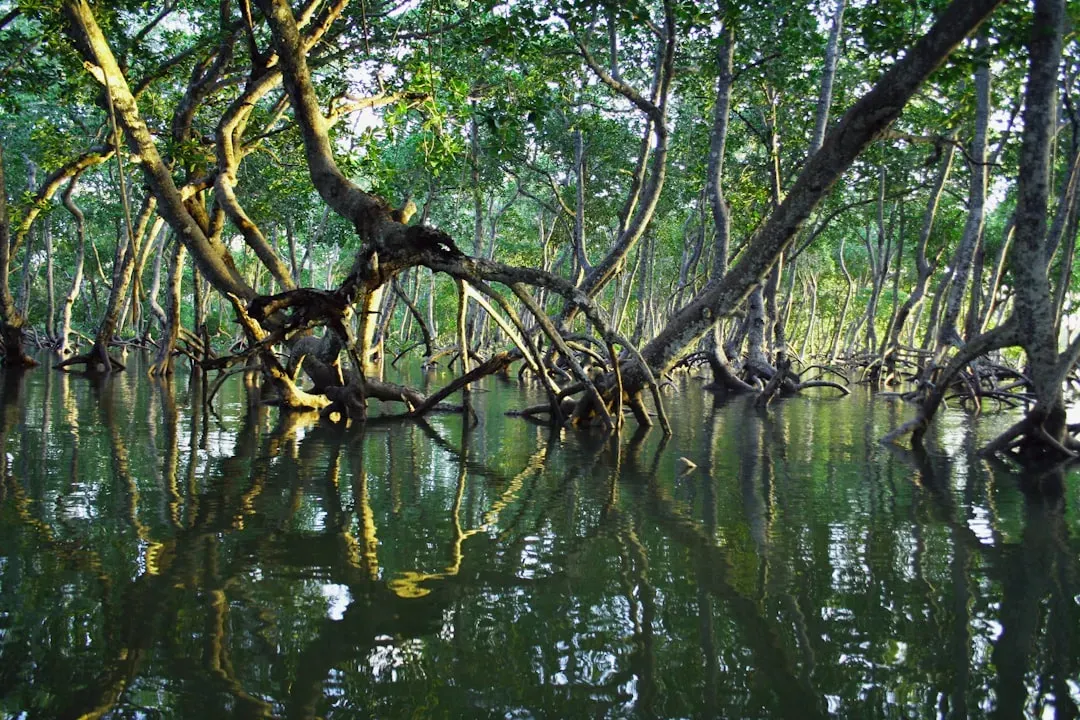
You would never guess from their twisted appearance that mangroves are some of the planet’s most efficient carbon-storing ecosystems. They pack carbon not just into leaves and trunks, but deep into the wet soils beneath them, where it can stay locked away for centuries if undisturbed. Per acre, they often store far more carbon than typical upland forests, which makes them a powerful ally in slowing climate change.
Destroying mangroves doesn’t just remove that carbon-absorbing capacity, it can also release the carbon already stored in their soils back into the atmosphere. In Florida, where climate impacts like rising seas and stronger storms are already painfully obvious, keeping and restoring mangroves is one of the more straightforward climate strategies we have. They are nature’s version of a long-term savings account, steadily pulling carbon from the air and tucking it away where it can’t easily get back out.
Biodiversity Hotspots in a Narrow Coastal Strip
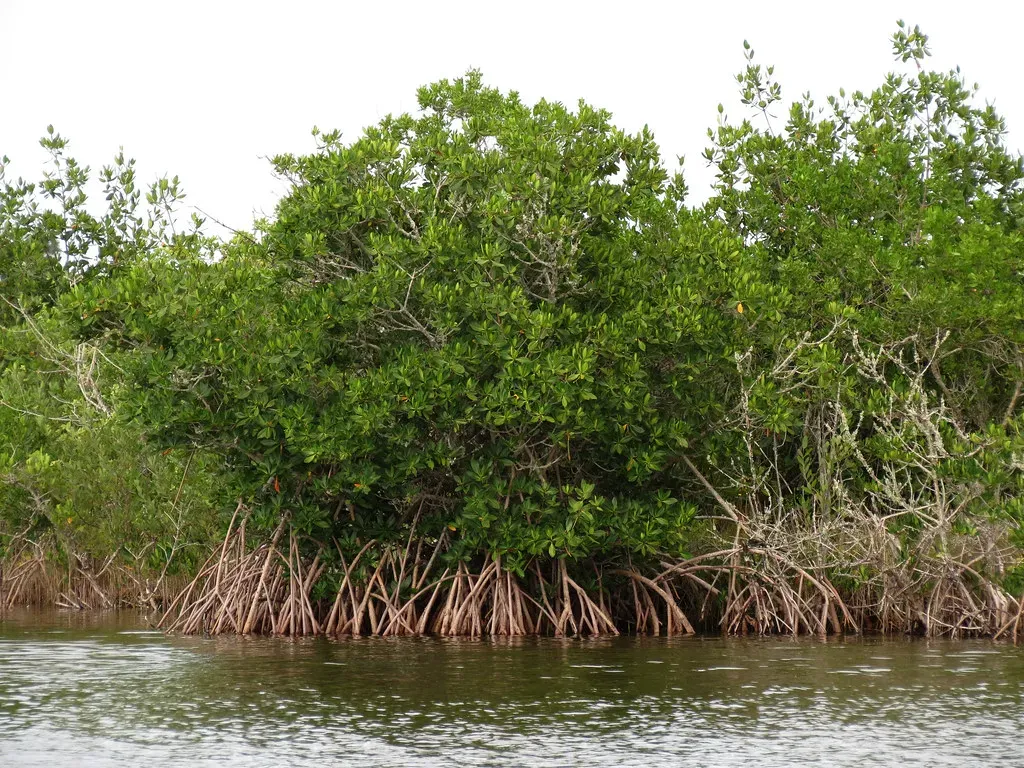
To walk through a mangrove forest is to move through layers of life stacked on top of one another: birds nesting above, fish and crabs weaving below, insects and reptiles slipping in between. Florida’s mangroves support a huge range of species, from wading birds and manatees nearby to countless invertebrates and tiny fish hidden among the roots. Some of these species are threatened or highly sensitive, relying on these habitats because they simply don’t have many alternatives left.
This biodiversity isn’t just nice to look at; it keeps the ecosystem stable and adaptable. Diverse communities tend to bounce back better after disturbances like storms or heat waves. In a time when so many habitats are shrinking or getting fragmented, mangroves act like compact refuges, packing a surprising amount of life into relatively small areas. Losing them would be like closing down one of the busiest and most essential neighborhoods in the coastal food web.
A Natural Defense Line for Homes, Insurance, and Local Budgets
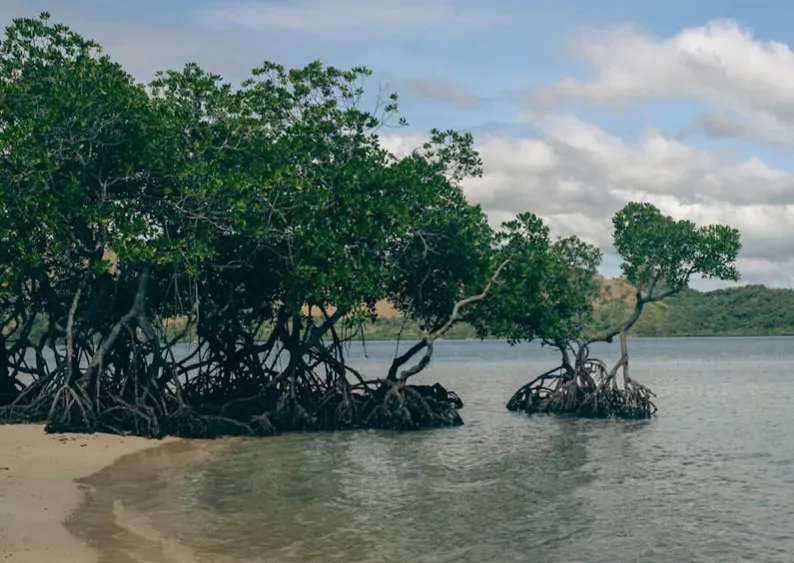
Behind the ecological story is a blunt economic one: Florida’s coastal property is worth a staggering amount of money, and it sits directly in harm’s way. Mangroves act as a natural defense line that can reduce damage costs, claims, and insurance payouts during storms. Some studies have shown that coastal wetlands, including mangroves, prevent billions of dollars in flood damage during major hurricanes by softening storm surges before they hit developed areas.
As insurance costs in Florida climb and some companies scale back coverage in the riskiest coastal zones, the role of natural defenses is getting a lot more attention. It is far cheaper to conserve existing mangroves or restore damaged patches than to endlessly rebuild roads, seawalls, and homes after every major storm. In that sense, Florida’s mangroves are quietly subsidizing our coastal lifestyle, paying out protection that would otherwise drain local and state budgets.
A Narrow Window to Protect and Restore What’s Left
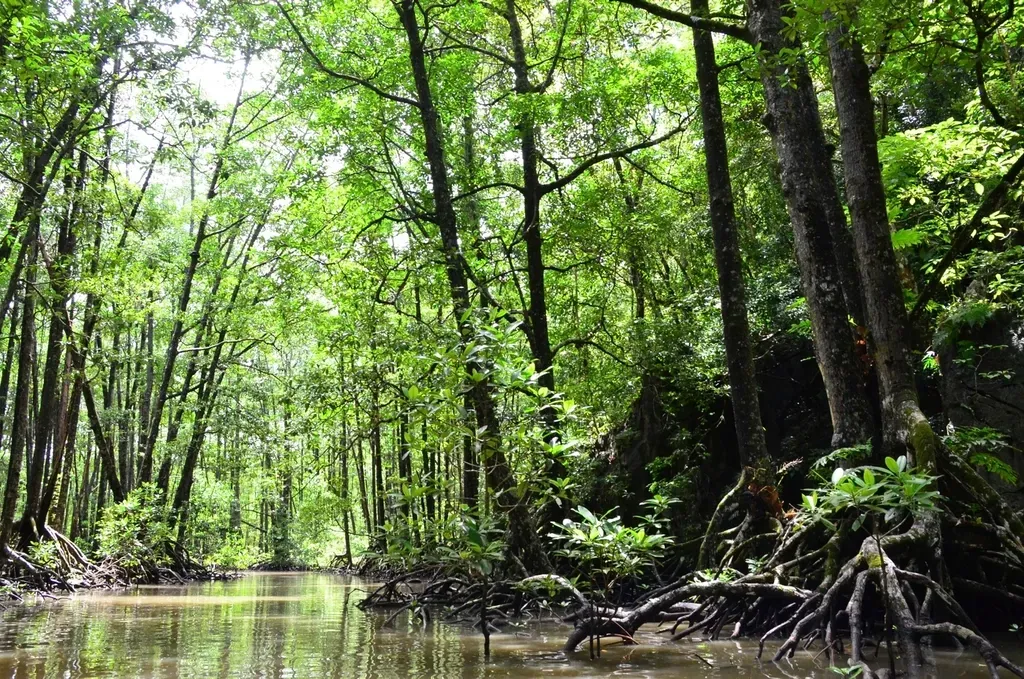
For decades, mangroves were often seen as expendable obstacles standing in the way of waterfront views and development. Large areas were cleared or cut back to make room for homes, marinas, and canals, leaving many shorelines more exposed than they had been for centuries. In some parts of Florida, regulations and public attitudes have shifted, and there’s growing recognition that every stretch of surviving mangrove matters more than we realized.
But the window is tight. As sea levels continue to rise, mangroves need space to move inland, and hard infrastructure like roads and buildings often block that natural migration. The choice now is whether to treat mangroves as essential coastal infrastructure that must be planned for, protected, and restored, or as leftovers that can be squeezed into whatever space is convenient. In a state built on the edge of land and sea, the decision we make about these forests will say a lot about how seriously we take our own long-term safety and stability.


