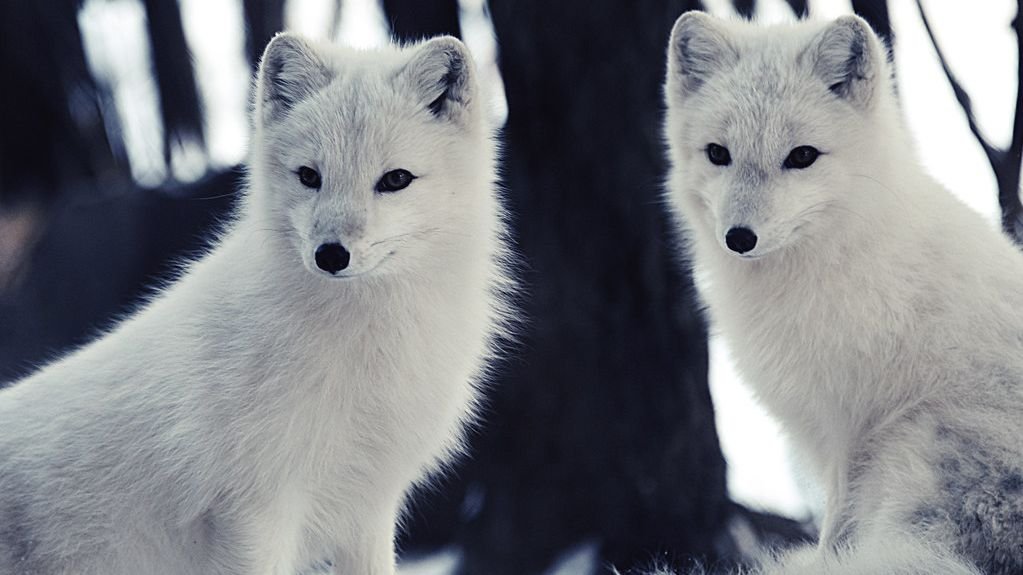

Some animals rewrite the rules of survival in silence, and the Arctic fox is one of them. While most of us picture them as fluffy white ghosts moving across endless snow, scientists watching them closely are seeing something far stranger: their movements are shifting faster than the climate models said they would.
In just a couple of decades, these small predators have turned into restless nomads, rerouting age‑old journeys, skipping traditional stopovers, and in some cases abandoning well‑known denning areas altogether. When I first read about one fox traveling from Norway to Canada and back across the sea ice, it sounded almost unreal; now, stories like that are becoming less surprising and more like warnings. The question is no longer whether Arctic fox migration is changing, but how quickly, and what that speed is trying to tell us.
The surprising speed of Arctic change
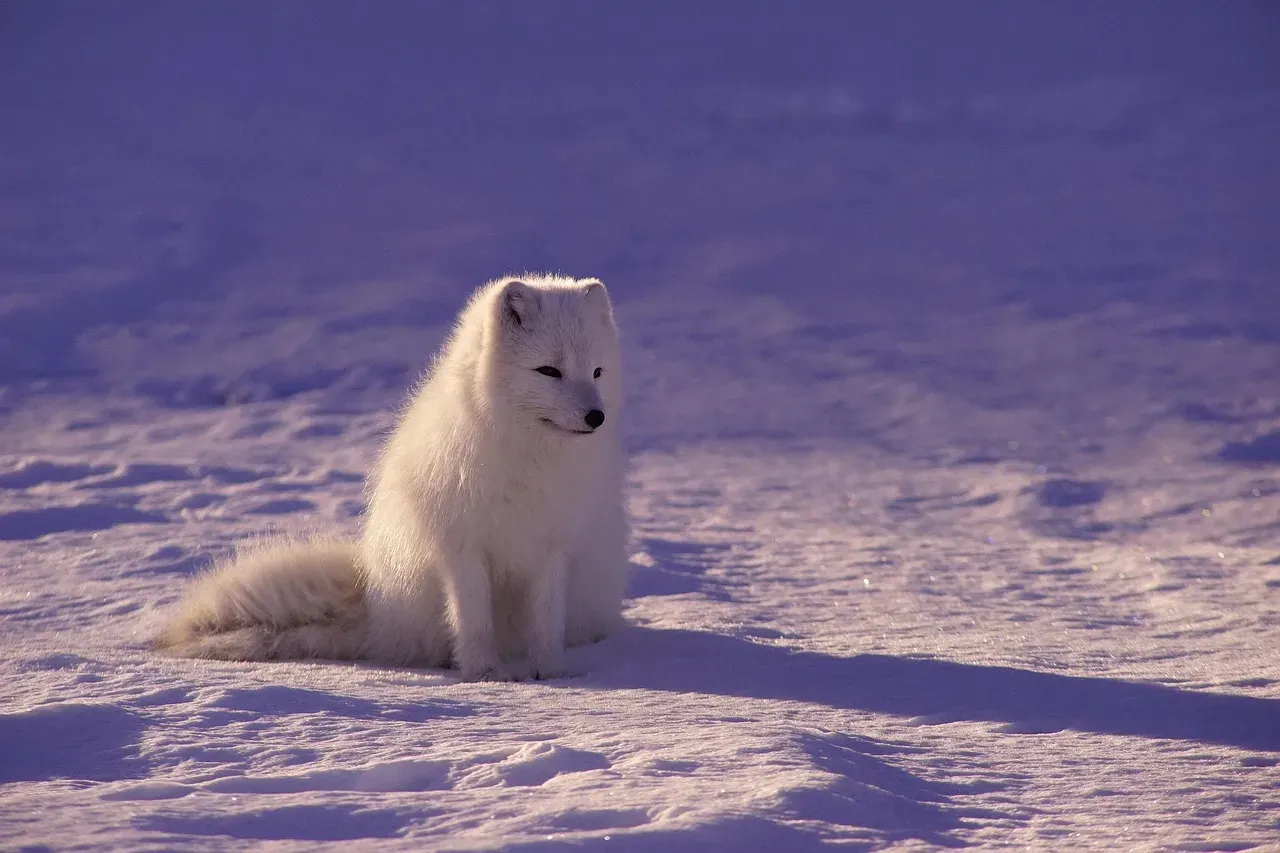
Most climate projections expected wildlife to adjust gradually, like a slow dial being turned. Instead, Arctic foxes are reacting more like someone hitting a light switch, changing their routes and timing in a handful of years rather than across generations. Biologists tracking GPS‑collared foxes have seen individuals cover thousands of kilometers in a season, then follow completely different paths the next year, as if the map itself has been redrawn under their paws.
This unpredictability is what’s catching researchers off guard. Patterns that were once relatively stable, like winter dispersal zones or traditional coastal feeding grounds, now appear patchy and inconsistent. It’s a bit like watching commuters suddenly abandon the main highway for side roads no one really understands yet. Models that assumed slow, step‑by‑step shifts in habitat are struggling to keep up with a predator that can pivot from one strategy to another almost overnight.
Sea ice: the disappearing highway
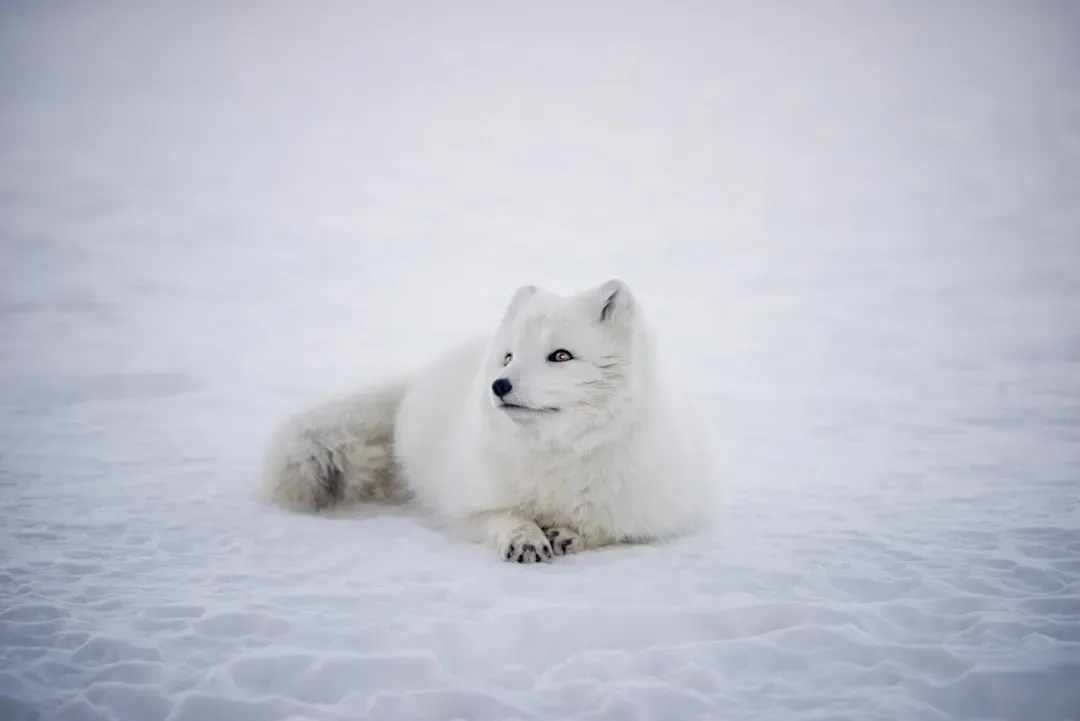
For Arctic foxes, sea ice used to be the ultimate shortcut, a solid winter road stretching between islands, coasts, and even continents. As that ice thins and breaks earlier every year, the foxes are losing the reliable bridges they once used to migrate, especially between breeding and wintering grounds. Instead of following predictable circuits over stable ice, many are now forced to weave around open water, leapfrogging between remaining floes or hugging shifting shorelines.
Because the ice conditions are changing much faster than older climate scenarios predicted, foxes are being pushed into improvisation mode. Some individuals rush further north in search of thicker ice, while others retreat inland sooner, abandoning coastal paths that once teemed with food. Imagine your favorite road to work being blocked at random days each week; eventually, you stop relying on it at all and start experimenting with routes that might not exist the next time you try them.
Food booms, busts, and desperate detours
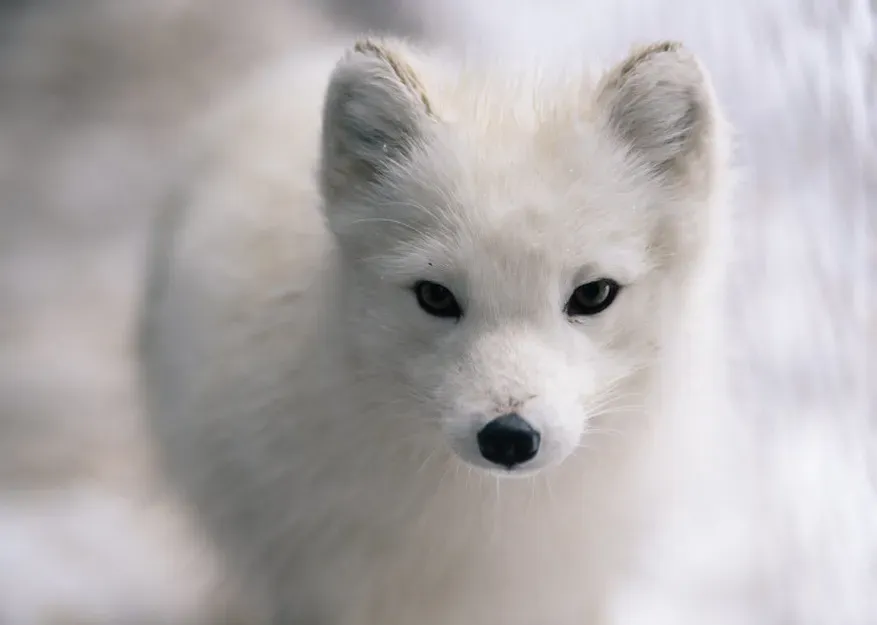
If sea ice is the road, then food is the fuel, and that fuel has become wildly unreliable. Arctic foxes depend heavily on lemmings, seabird colonies, fish scraps, and carrion left by larger predators, but climate change is scrambling when and where all of these appear. In some years, lemming numbers crash unexpectedly, forcing foxes to roam far beyond their usual territories, pushing migration earlier, farther, or into entirely new regions.
What’s startling is how fast the foxes seem to detect and react to these shifts. When seabird colonies change their timing or location because of ocean warming, foxes quickly alter their routes to intercept eggs and chicks elsewhere. They’re acting like opportunistic foragers constantly chasing rumors of a new buffet opening two valleys over. This hyper‑flexible, almost opportunistic behavior means that as food patterns become more chaotic, fox migration patterns are snapping and reshaping in real time rather than drifting slowly over decades.
From homebodies to extreme travelers
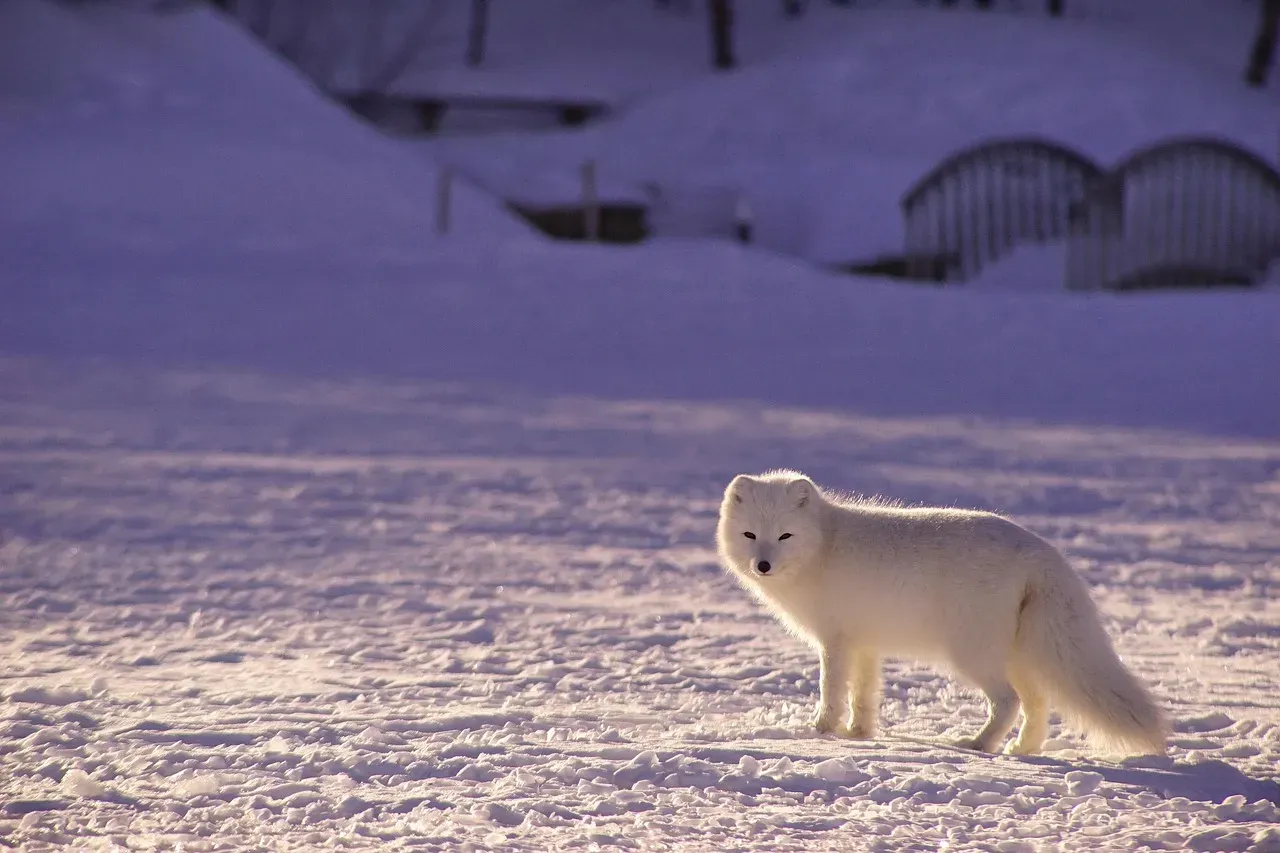
Historically, many Arctic foxes were fairly local, tied to specific dens that families returned to year after year. Those traditions are fraying. More foxes are now making extreme long‑distance movements, sometimes crossing entire archipelagos or ice fields to reach unpredictable food sources or new breeding sites. Instead of a neat loop between a few familiar places, their seasonal journeys are starting to resemble tangled webs drawn across maps.
This shift from semi‑resident to highly nomadic behavior is one reason researchers say the changes are happening faster than expected. Evolutionary change usually takes generations, but behavior can shift in a single lifetime, and Arctic foxes are leaning heavily on that flexibility. It’s a bit like young people leaving their hometowns en masse because jobs vanish overnight; the decision to move might be individual, but once enough individuals do it, the entire pattern of where people live and travel transforms suddenly.
Competition and the rise of the red fox
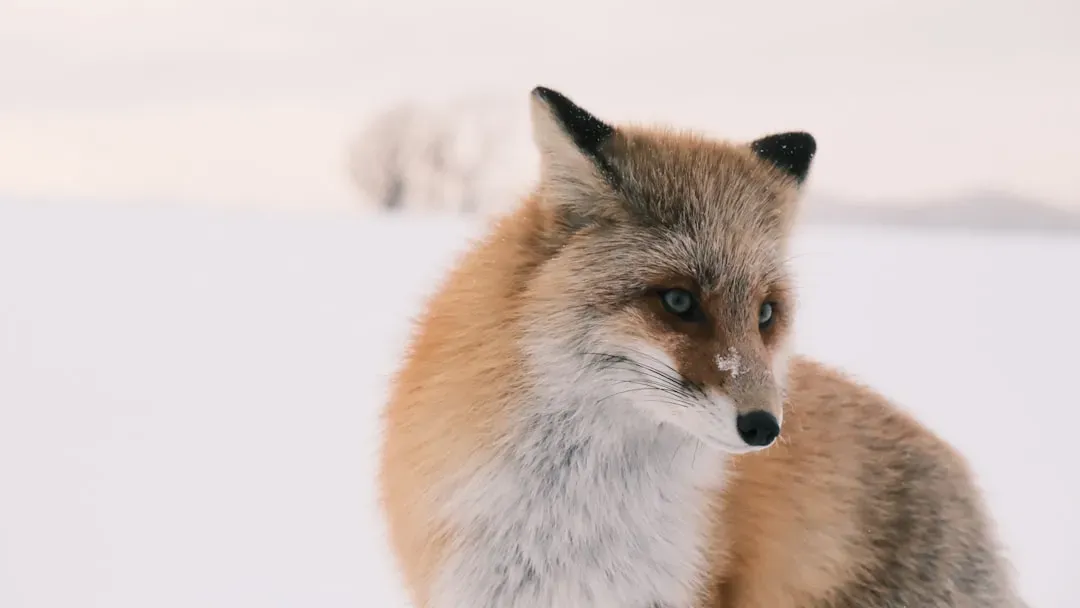
There’s another actor quietly rewriting Arctic fox travel plans: the expanding red fox. As northern regions warm, red foxes have been moving into territories that were once too harsh for them, often outcompeting Arctic foxes for food and den sites. In some places, red foxes are taking over burrows and dominating prime hunting grounds, effectively pushing Arctic foxes out of the best neighborhoods.
That pressure can force Arctic foxes to shift both where and when they move, searching for safer or less contested routes and breeding areas. This added social stress sits on top of the climate stress they’re already facing. You can think of it like being priced out of your city and having to commute from farther away through a maze of construction and detours; the whole rhythm of your daily travel changes, not because you wanted it to, but because the space around you got more crowded and less forgiving.
Why models got it wrong
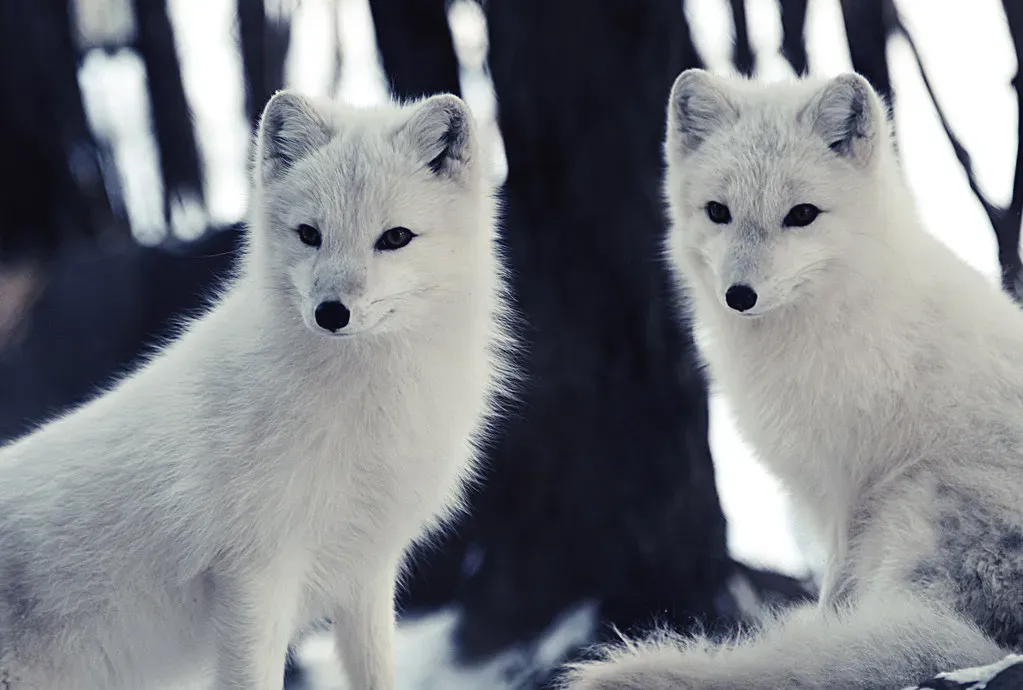
The gap between prediction and reality comes partly from how we build models in the first place. Many early projections assumed that as temperatures rose, habitats would shift gradually northward and animals would follow in a similarly slow, almost orderly way. What those models often underestimated was just how quickly behavior can change when an animal is highly mobile, opportunistic, and small enough to exploit narrow windows of opportunity.
On top of that, most models struggle with messy feedback loops: sea ice loss changes food availability; food changes fox movements; fox movements affect prey, scavenging patterns, and even disease spread, which then feed back into the system again. Each of those loops speeds up the others. It’s similar to underestimating traffic because your map app doesn’t account for what happens when a crash triggers a chain reaction of sudden lane changes and new jams; reality becomes more chaotic, more quickly, than the clean simulations ever suggested.
What faster foxes mean for the Arctic future
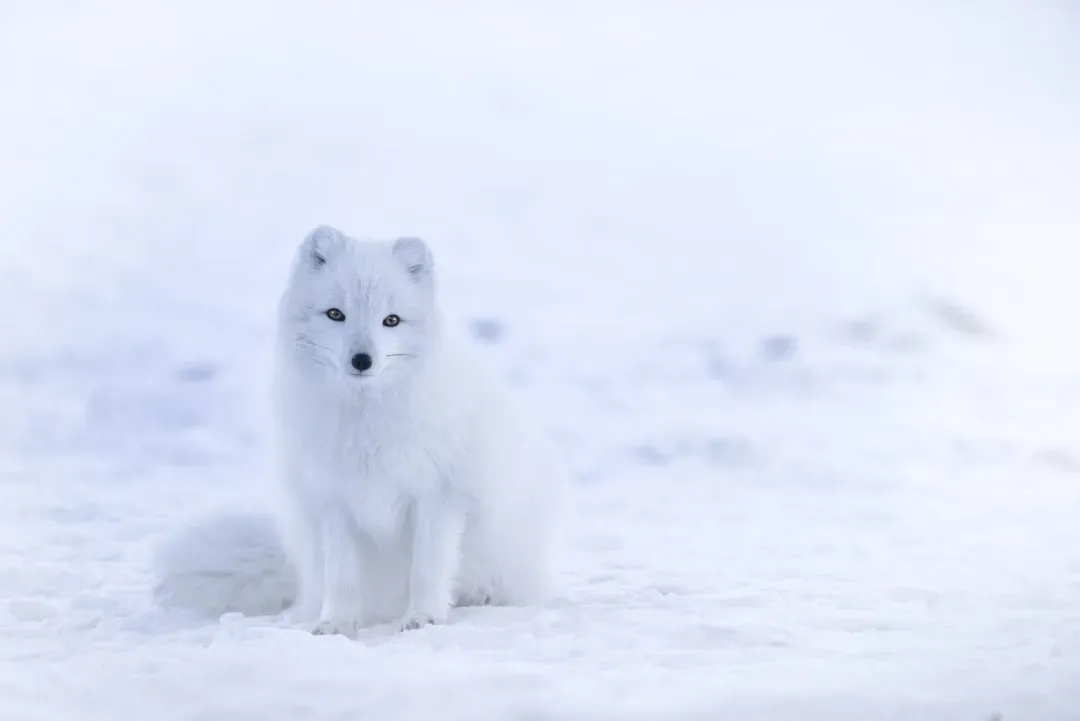
The rapid shifts in Arctic fox migration are more than an interesting animal story; they’re a warning flare for the entire Arctic system. When a top small predator starts changing where it moves and when it shows up, the effects ripple out to birds, rodents, carcass availability, and even how nutrients move across land and sea ice. The fact that these changes are outpacing predictions tells us that other, less visible processes in the Arctic may also be racing ahead of schedule.
For scientists and policymakers, this means that planning based on cautious, slow‑change scenarios is already outdated. Monitoring programs need to be nimbler, models need to better capture behavioral flexibility, and conservation efforts must assume that tomorrow’s Arctic might not look much like today’s at all. In a way, the Arctic fox is acting like an early alarm system, racing across a landscape we thought we understood and showing us, with every sudden detour, how wrong our timelines might have been.