
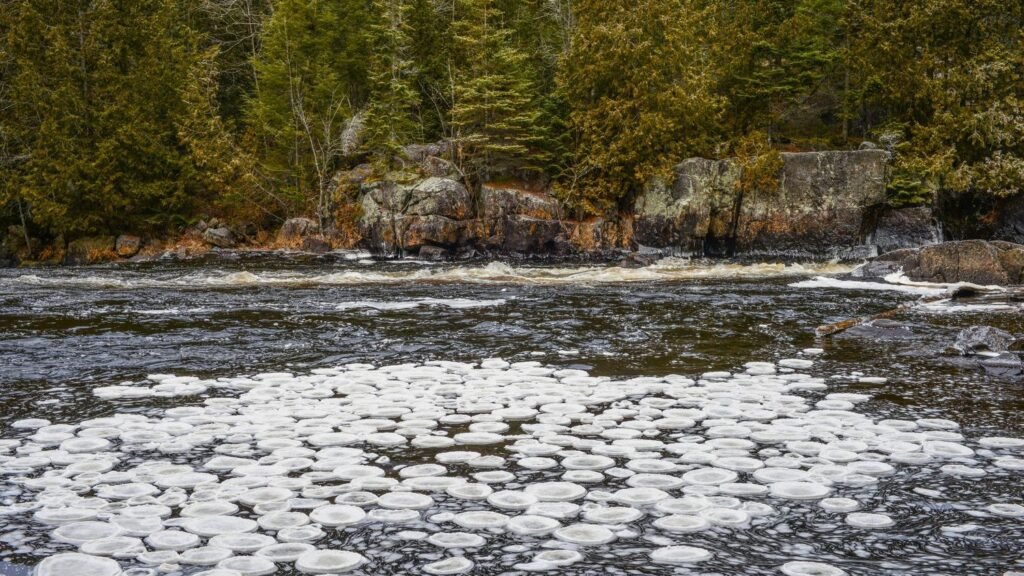

If you’ve scrolled past a photo of a perfectly round patch of ice floating in an otherwise flat, frozen lake and thought it looked a bit like a crop circle on water, you’re not alone. Across the American Midwest in recent winters, people have been stopping mid-walk, mid-snowmobile ride, even mid-ice fishing session, stunned by eerie, circular ice formations that seem almost too precise to be natural. They look suspiciously like something an artist – or something else – carefully carved into the winter landscape.
What makes these circles so gripping is that they show up in ordinary places: small farm ponds, suburban reservoirs, big-name lakes in Minnesota, Wisconsin, Michigan, and beyond. One day the ice looks normal; the next, there’s a pale ring drifting slowly or rotating in place, like a vinyl record on a turntable. They feel mysterious at first glance, but underneath the strangeness there’s a fascinating story of physics, climate, and the way water quietly shapes ice when no one’s looking.
A Surprising Pattern on Ordinary Lakes
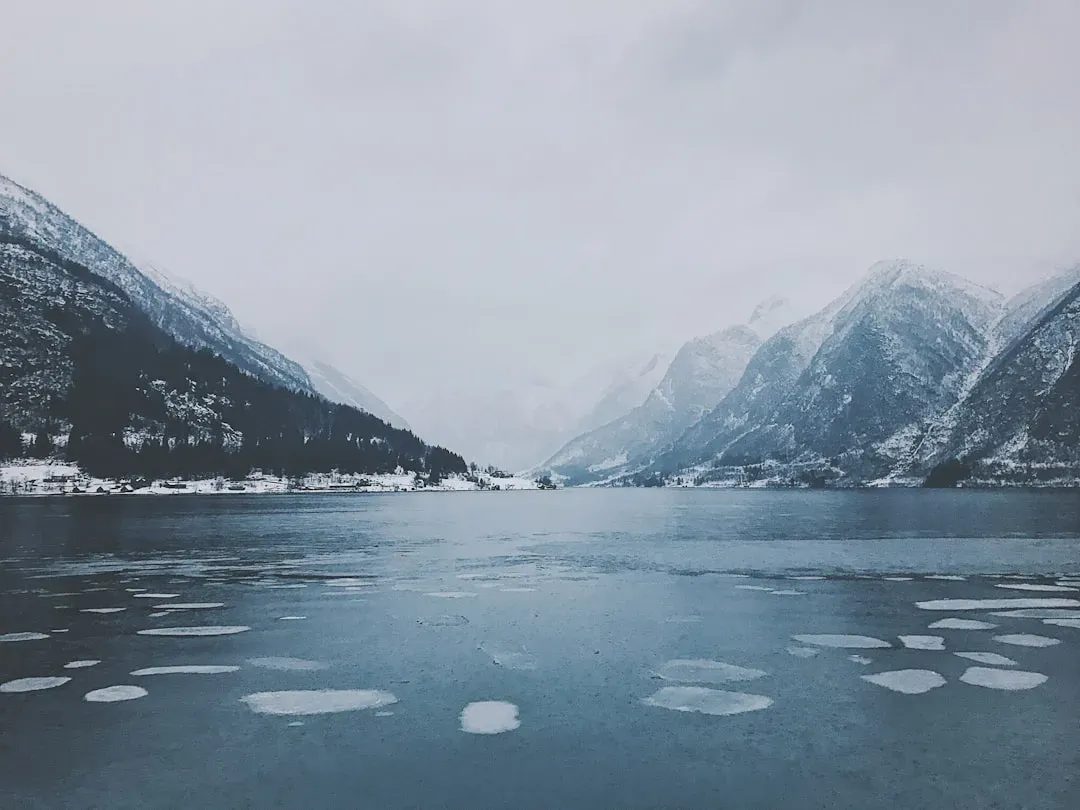
The first emotional punch of these ice circles is just how wrong they look to our eyes. We’re used to chaotic cracks, jagged edges, and snowdrifts on frozen lakes, not neat rings that could pass for satellite images of another planet. When these shapes appear, they often stand out as lighter or darker disks against the surrounding ice, sometimes ringed by a thin, smooth border where the ice has been ground or melted differently.
Across Midwestern states, social media feeds have been filling with photos whenever a cold snap hits after a period of open water or weirdly warm weather. People post them with theories ranging from underground springs to secret government tests, because that’s what happens anytime nature draws clean geometric shapes. Yet these patterns tend to show up in similar types of spots: places with subtle currents, inflows from small rivers, or deeper pockets under the ice, hinting that there’s more going on beneath the surface than the eye can see.
What Exactly Are These Circular Ice Formations?
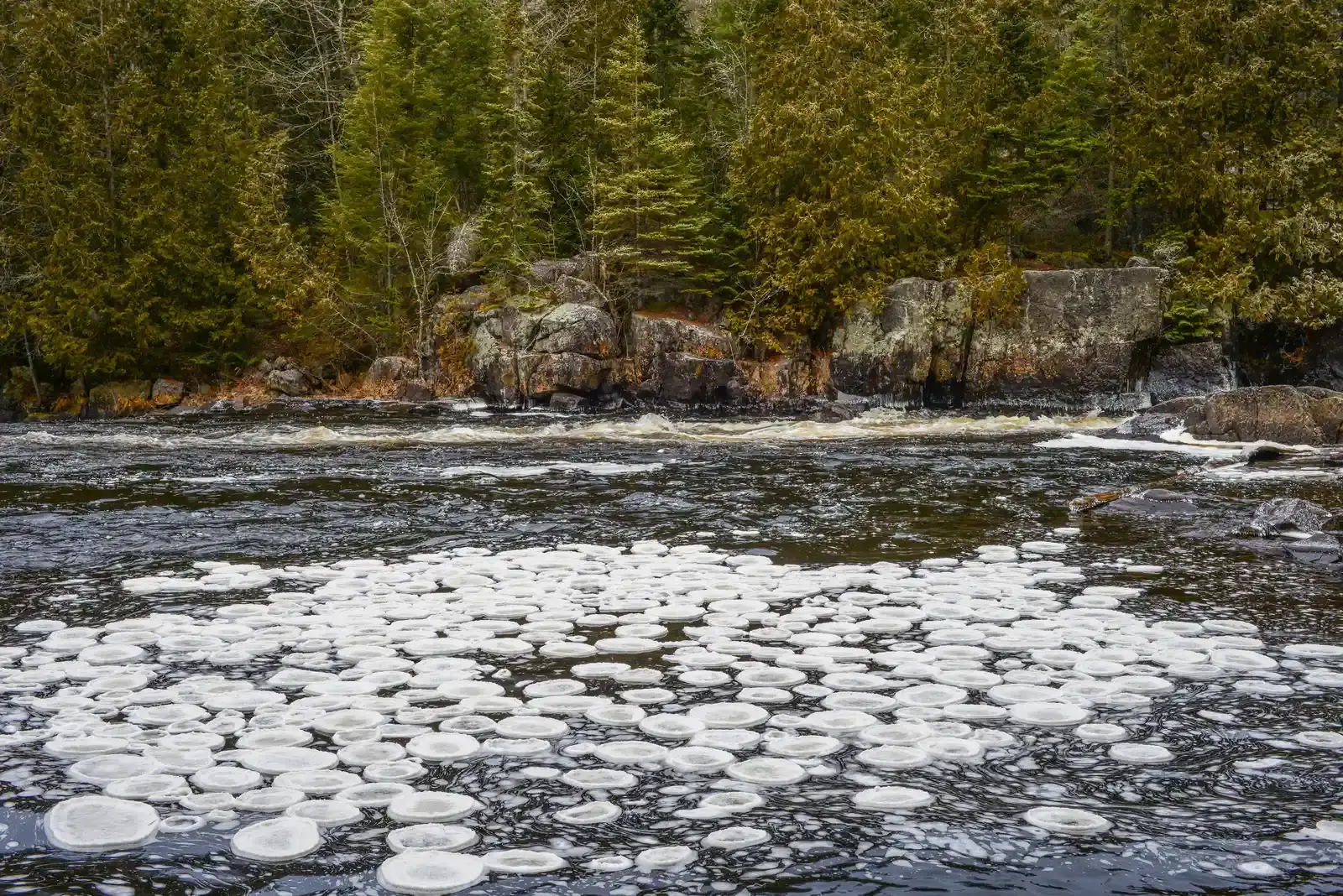
In most cases, what people are seeing are so‑called ice circles or ice pans: floating or partially frozen disks of ice that rotate or drift within a larger sheet of ice. Imagine a slow-motion merry-go-round, except instead of wooden horses you have a flat slab of ice gently grinding against its surroundings, sanding itself into a circle. Over hours or days, that grinding can create a shockingly smooth, rounded edge that feels almost engineered.
Sometimes these circles are fairly small, the size of a car or living-room rug, and show up where a creek feeds into a lake. Other times they can span dozens of feet or more, especially on big rivers and wide lakes, forming entire archipelagos of ice disks. In some unusual setups, several circles can bump into each other, creating a pattern that looks a bit like a giant frozen Venn diagram. The variety is part of the appeal: every winter brings new photos, slightly different shapes, and renewed curiosity.
The Physics Behind the Mystery: Currents, Vortices, and Friction
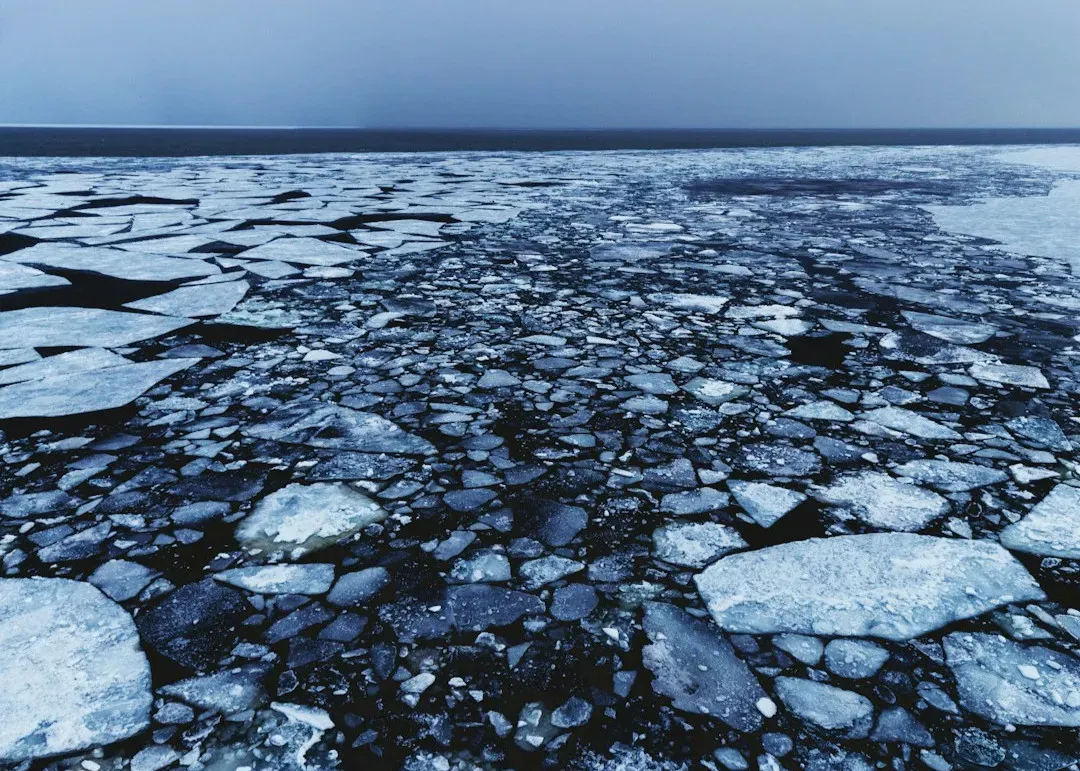
The most widely accepted explanation is far less spooky and far more elegant: these circles form where gentle currents or underwater vortices meet forming or thinning ice. When part of the water surface starts to freeze and a chunk of ice breaks free into a slowly rotating swirl, its edges bump repeatedly into the surrounding ice or slush. Each tiny collision chips off rough corners, the way a rock tumbles in a river and becomes rounded over time. In physics terms, rotational motion and friction do the carving.
In many Midwestern lakes, small inflowing rivers, underwater springs, or even differences in depth can set up subtle circular currents beneath the surface. If a disc of ice becomes trapped in one of these slowly spinning zones, it essentially becomes a self-sculpting shape. As it rotates, it shaves itself into a circle, much like a potter’s wheel shapes clay into a round form. No one sees the process happen in real time, but when they finally walk out the next day, all that invisible motion is revealed as a neat geometric circle stamped into the ice.
Why the Midwest Is Seeing More of Them Lately
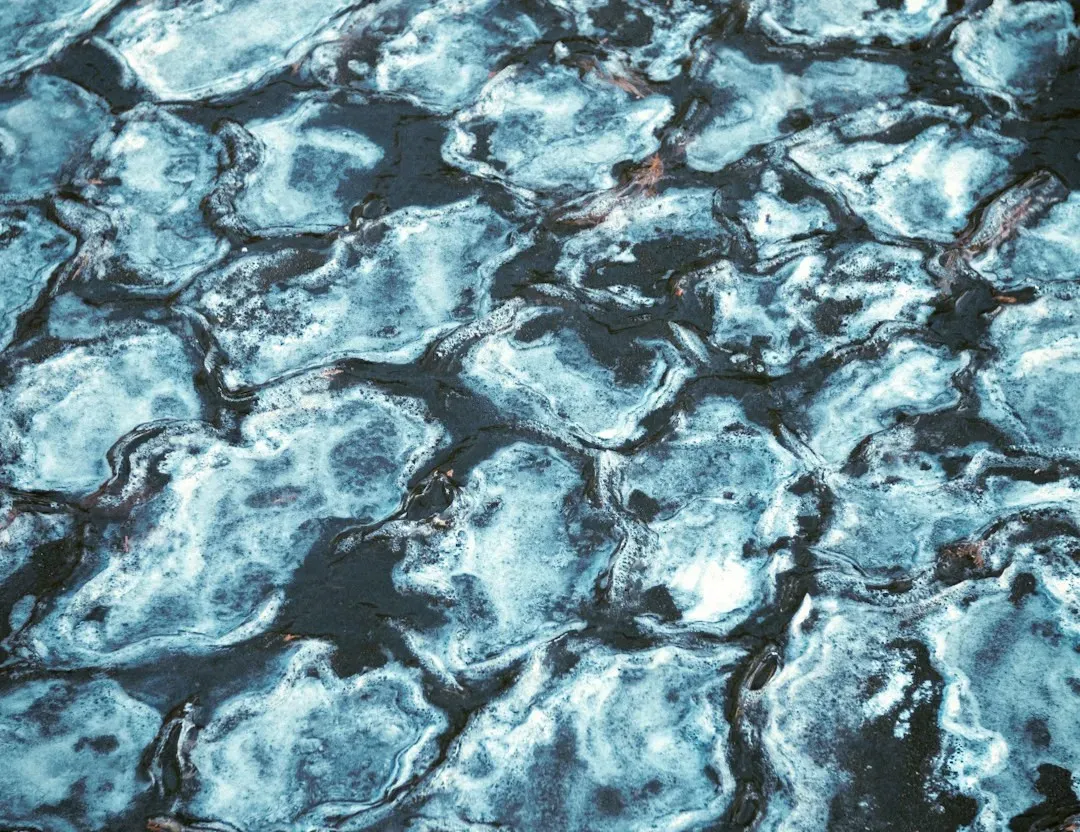
Residents who’ve spent decades near Midwestern lakes sometimes say they never noticed these circles until recent years, which raises a fair question: are they new, or are we just better at noticing and sharing them? Part of the answer is probably technology. Nearly everyone now carries a camera in their pocket and can upload photos instantly, so a rare event that once stayed local now gets bounced around the internet fast. A single odd circle on a lake in Iowa can be seen by people in Finland in minutes.
But changing winter weather patterns also play a major role. The Midwest has been experiencing more freeze-thaw cycles, midwinter rain, and stretches of unusually warm temperatures followed by sudden cold snaps. These swings can create uneven ice thickness, open leads of water, and more opportunities for currents to interact with forming ice. When a thin layer of new ice meets moving water underneath, you get the perfect recipe for rotating chunks, melting rims, and ultimately the formation of these eerie circular shapes.
Climate Change, Unstable Ice, and Hidden Risks
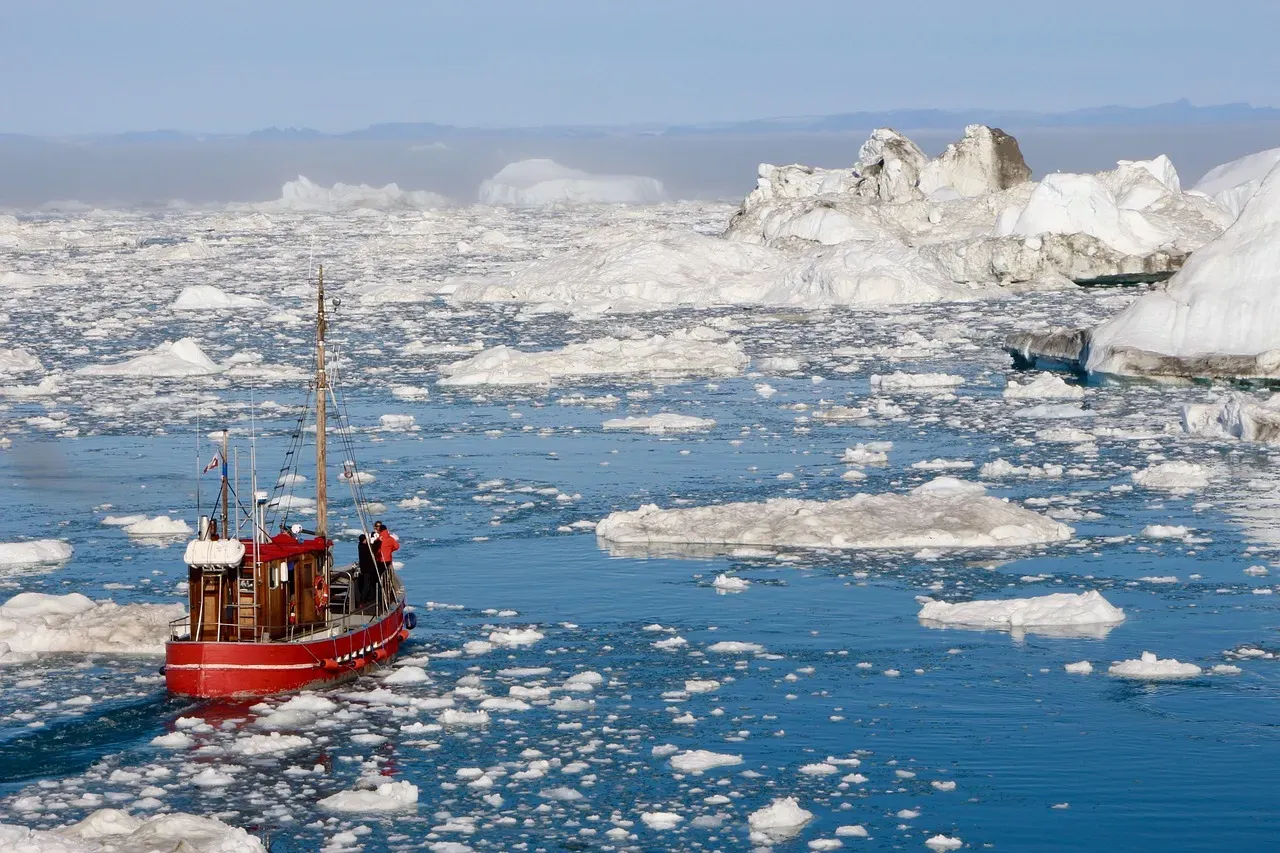
As strange as these circles look, they can also be quiet warning signs that the ice isn’t as solid as it appears. Areas with circular formations often mean there’s moving water, warmer inflows, or variable thickness that can catch skaters, snowmobilers, or anglers off guard. A disk might be spinning or flexing around a weak spot where the ice has been thinned from below, and that thin patch might extend beyond the visible circle. The formation looks like art, but under your boots it can behave more like a trapdoor.
With winters trending milder and more erratic in many Midwestern states, these unstable zones may be becoming more common. Instead of a long, steady freeze building a thick, uniform ice sheet, we get patchwork conditions: some bays frozen, some channels open, other sections repeatedly re-freezing. That patchiness is exactly what helps ice circles form in some spots and what makes them dangerous. So while it’s tempting to walk up close to get the perfect photo, the very existence of that circle can be a sign to stay back and trust your zoom.
How to Safely Observe and Document Ice Circles
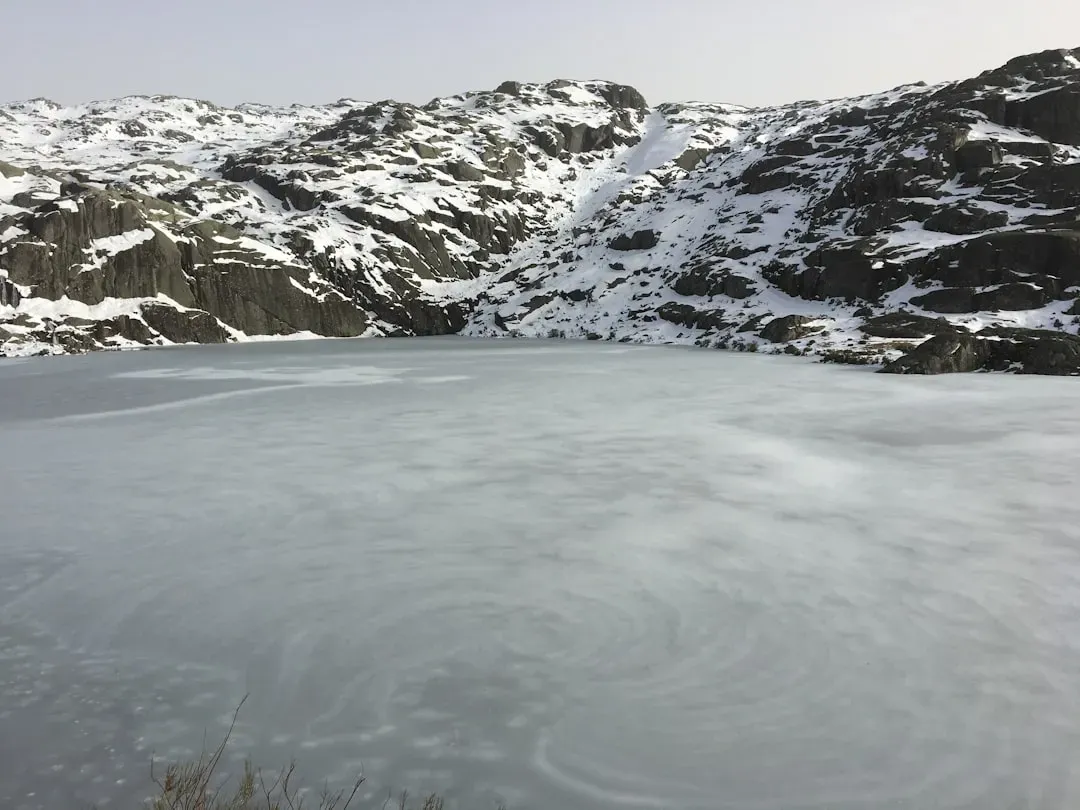
If you’re hoping to spot one yourself, the best chances usually come after a stretch of fluctuating temperatures, especially where small rivers, creeks, or storm drains feed into a lake. Walking along shorelines or bridges can sometimes reveal subtle disks you’d miss from ground level. A pair of binoculars or just zooming in with your phone can help you catch faint circular outlines in the ice or see slow rotation that’s hard to detect with the naked eye. From a safe vantage point, you can really study the different textures and shades across the circle and surrounding ice.
The key is resisting the urge to walk out to them, especially in the mid or late winter thaw when the ice is already stressed. If you do go onto a frozen lake for any reason, it’s smart to go with others, know local safety guidelines, and carry basic safety gear like ice picks and a throw rope. From shore, though, they’re a photographer’s dream: stark shapes against snow, dramatic shadows in low sunlight, even faint spirals of fractured ice. Capturing those details helps scientists, too, because widespread photos over multiple years can highlight where and when these circles tend to form, turning casual curiosity into useful observation.
The Quiet Wonder of Winter’s Geometry
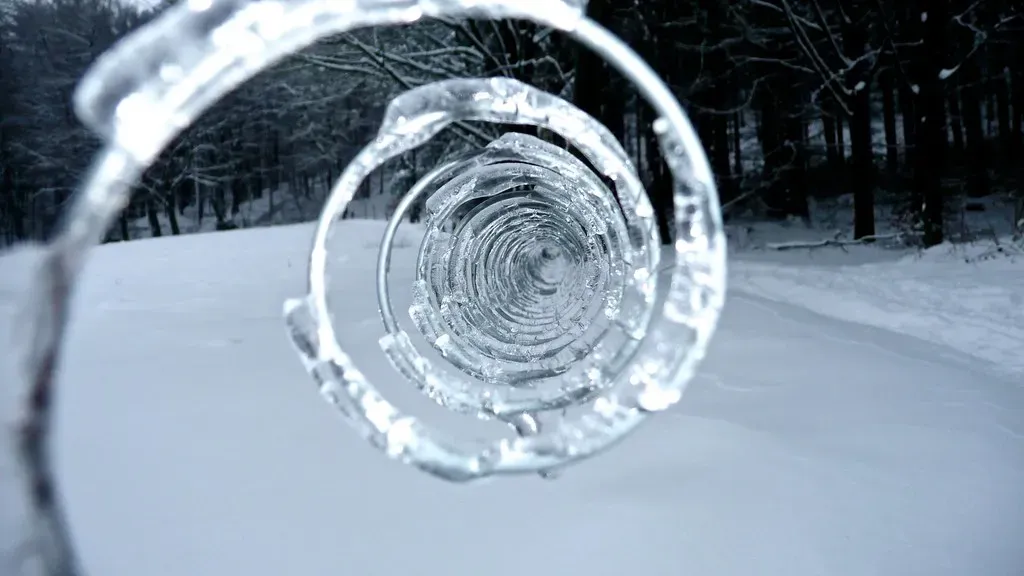
For all their strangeness, circular ice formations are a reminder that nature doesn’t need us to be dramatic. Given enough time, a slow swirl of water and a sheet of ice can draw a nearly perfect circle with no human hand involved. They compress an entire story into a single shape: hidden currents, shifting weather, subtle friction all leaving a visible mark on the surface. You don’t see the hours or days it took to carve that rim; you just see the final, eerie result and feel that little jolt of surprise.
In a way, these circles invite us to pay closer attention to things we usually take for granted, like ponds we drive past every day or lakes that seem boringly familiar in winter. They’re quiet but dramatic proof that the landscape is constantly in motion, even when everything looks frozen and still. The next time you pass a Midwestern lake on a cold morning, it might be worth a second glance at the ice. How many other patterns are out there right now, waiting to be noticed before they melt away?


