
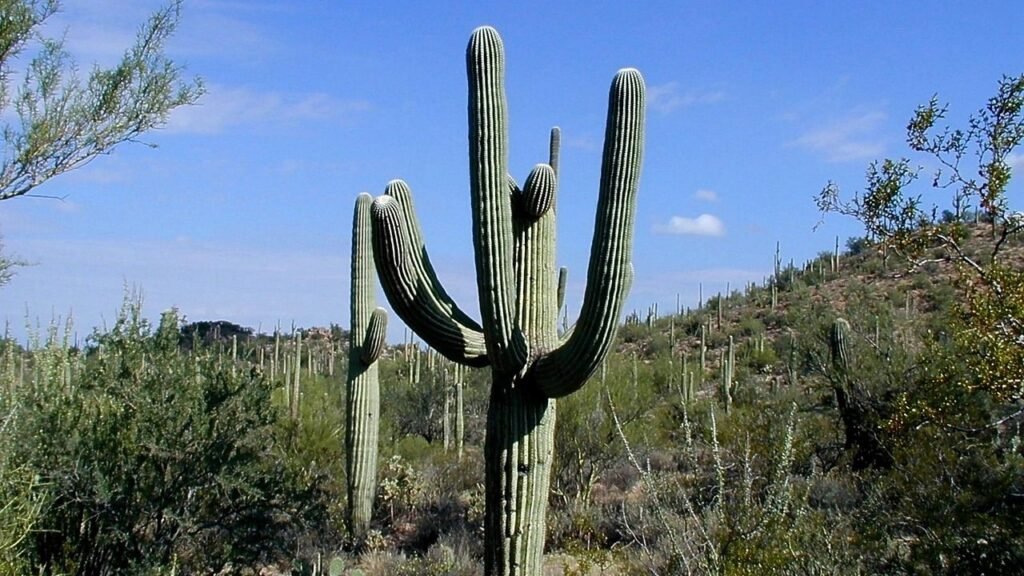

Picture a plant that was standing tall when your great-great-grandparents were children. Now imagine it’s still there today, weathering every storm, drought, and blazing summer that came its way. The saguaro cactus routinely lives between 150 and 200 years, outlasting elephants, whales, and nearly every other mammal on Earth. It’s hard to say for sure what makes these desert giants so resilient, but the answer lies in a combination of extraordinary biological adaptations that most animals could never match.
You’ve probably driven past them on Arizona highways or seen them towering in old Western films. Yet, there’s something you might not realize: these cacti don’t just survive the desert. They’ve mastered it in ways that challenge everything we think we know about longevity.
The Secret of Incredibly Slow Growth
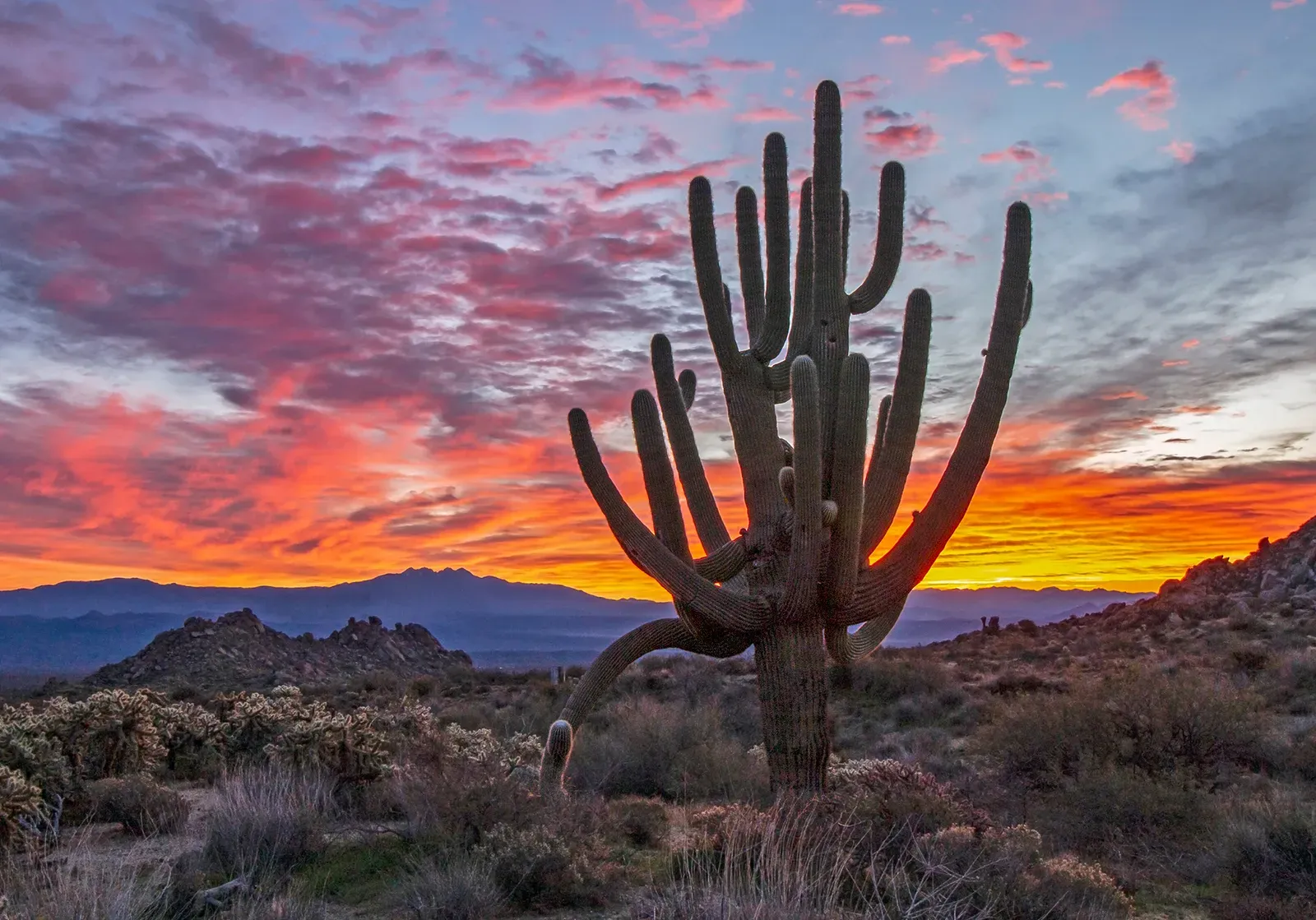
A ten-year-old saguaro might only be around one and a half inches tall, which sounds almost absurd when you consider the towering figures they eventually become. This glacially slow growth rate isn’t a weakness. It’s actually one of their greatest survival strategies.
In Saguaro National Park, studies indicate that these cacti grow between one and one and a half inches in the first eight years of life. Think about that for a second. While you grow several inches in a single year as a child, the saguaro takes nearly a decade to achieve what you’d measure with a ruler. They may take between 20 and 50 years just to reach a height of about three feet.
This extended juvenile phase allows the cactus to focus energy on developing deep survival systems rather than racing upward. They start growing more quickly between ages 30 to 100 and then their growth rate starts to slow down again as they put more energy into their arms. Honestly, it’s a strategy that pays off over centuries rather than decades.
Water Storage That Defies Belief
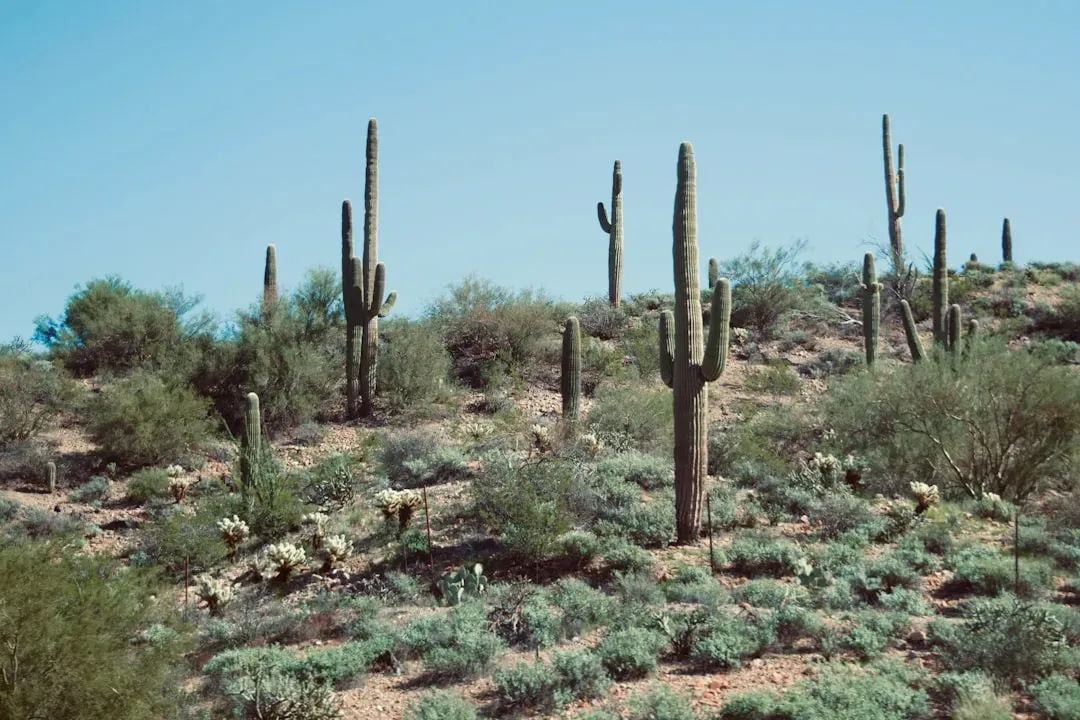
Here’s the thing about desert life: water is everything. The saguaro features a pleated surface which allows it to expand to contain all the water it needs, holding over a thousand gallons. Let that sink in for a moment. A single cactus can store more water than most backyard swimming pools hold in volume.
These cacti can store up to 5,000 liters of water in their expandable stems, which have accordion-like pleats that expand after rainfall. When the rains finally come to the Sonoran Desert, the saguaro’s ribbed exterior stretches outward like a living water tank. When fully hydrated, a saguaro can weigh between 1,500 and 2,200 kilograms, which translates to several tons of weight.
This waxy skin helps the saguaro retain moisture, and as it takes in water, its accordion pleats expand so it can store the water within its large, sponge-like stem. The ability to hoard resources during the good times is what allows them to laugh in the face of multi-year droughts.
Root Systems Built for Desert Dominance
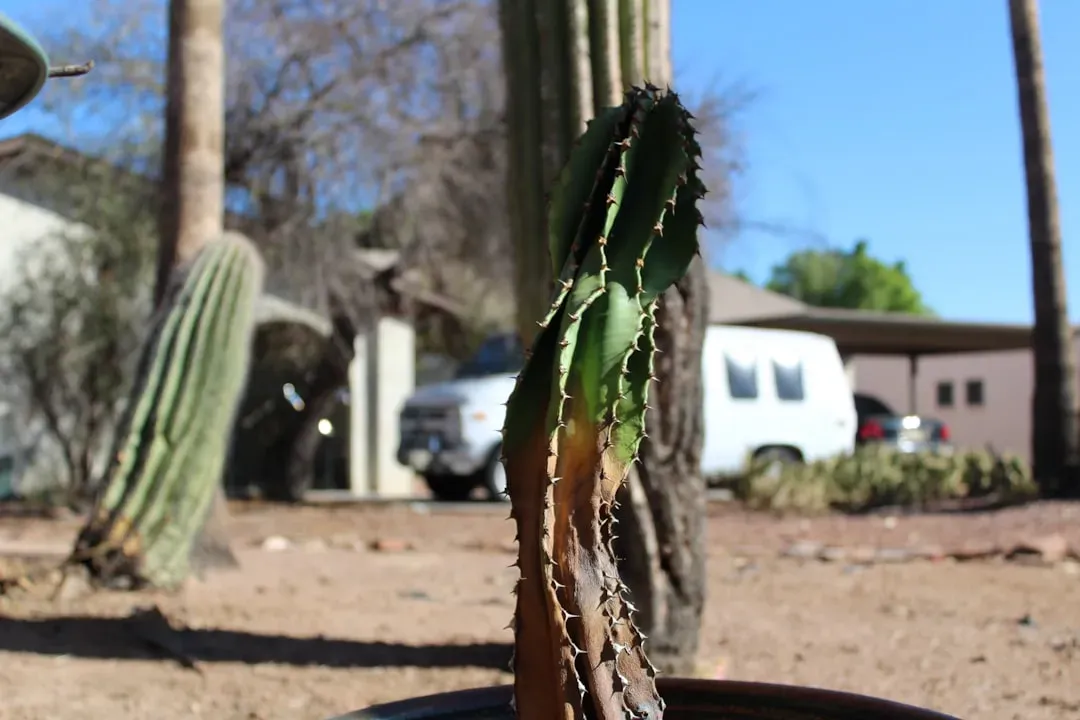
You might think cacti would grow deep roots to search for underground water. Most saguaro cactus roots are only four to six inches deep, but extend out as far as the cactus is tall, allowing the roots to effectively absorb rainwater that doesn’t sink deep into the hard, dry desert ground. This shallow but sprawling network is pure genius.
A single taproot grows straight down about five feet to access water stored deep underground, providing an anchor and emergency water source. Meanwhile, those lateral roots spread out like a spider’s web just beneath the surface. When it rains, cacti shoot out more roots, but during dry periods, roots will shrivel up and break off to conserve the plant’s water supply.
Though they’re about 30 inches across, their root systems can extend as far as 100 feet, which is roughly the width of three school buses parked end to end. The saguaro doesn’t waste energy maintaining roots it doesn’t need. It adapts, it sacrifices, and it survives.
Cells That Live as Long as Your Grandparents
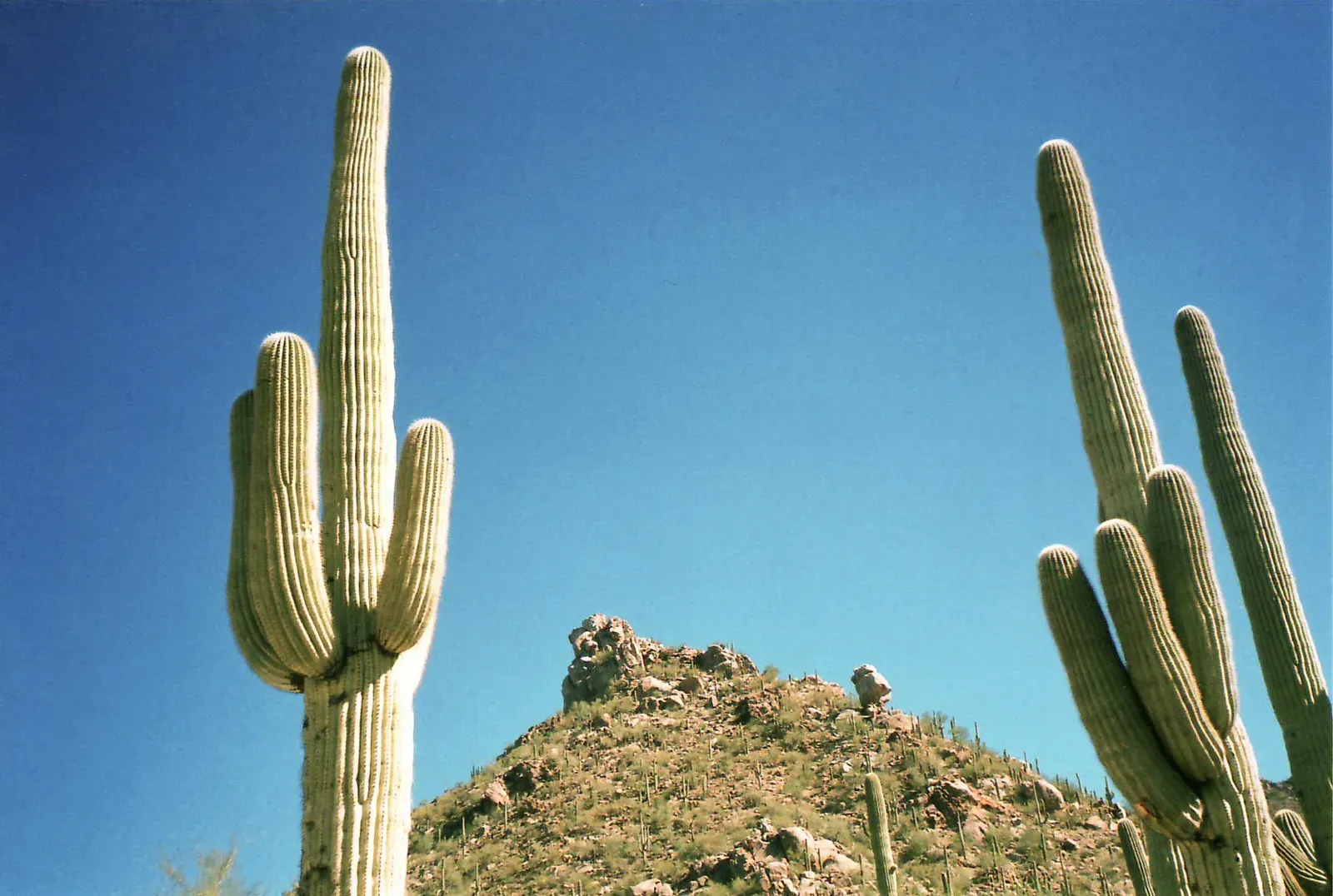
Let’s be real: most of your body’s cells don’t last more than a few years before they’re replaced. The saguaro operates on an entirely different biological clock. Individual stomatal guard cells and medulla cells can live and function for as long as 150 years, possibly the longest living of all cells except possibly nerve cells in some tortoises.
Imagine individual cells within your body lasting your entire lifetime without replacement. That’s what the saguaro accomplishes. These cells maintain their function across more than a century, resisting the degradation that plagues most living tissue. It’s an adaptation so extreme that scientists are still trying to fully understand the mechanisms behind it.
The implications are staggering. While mammals constantly repair and replace damaged tissue, the saguaro simply builds cells tough enough to endure from the start. There’s no constant cellular turnover, no endless cycle of death and renewal. Just persistence.
Breathing at Night to Beat the Heat
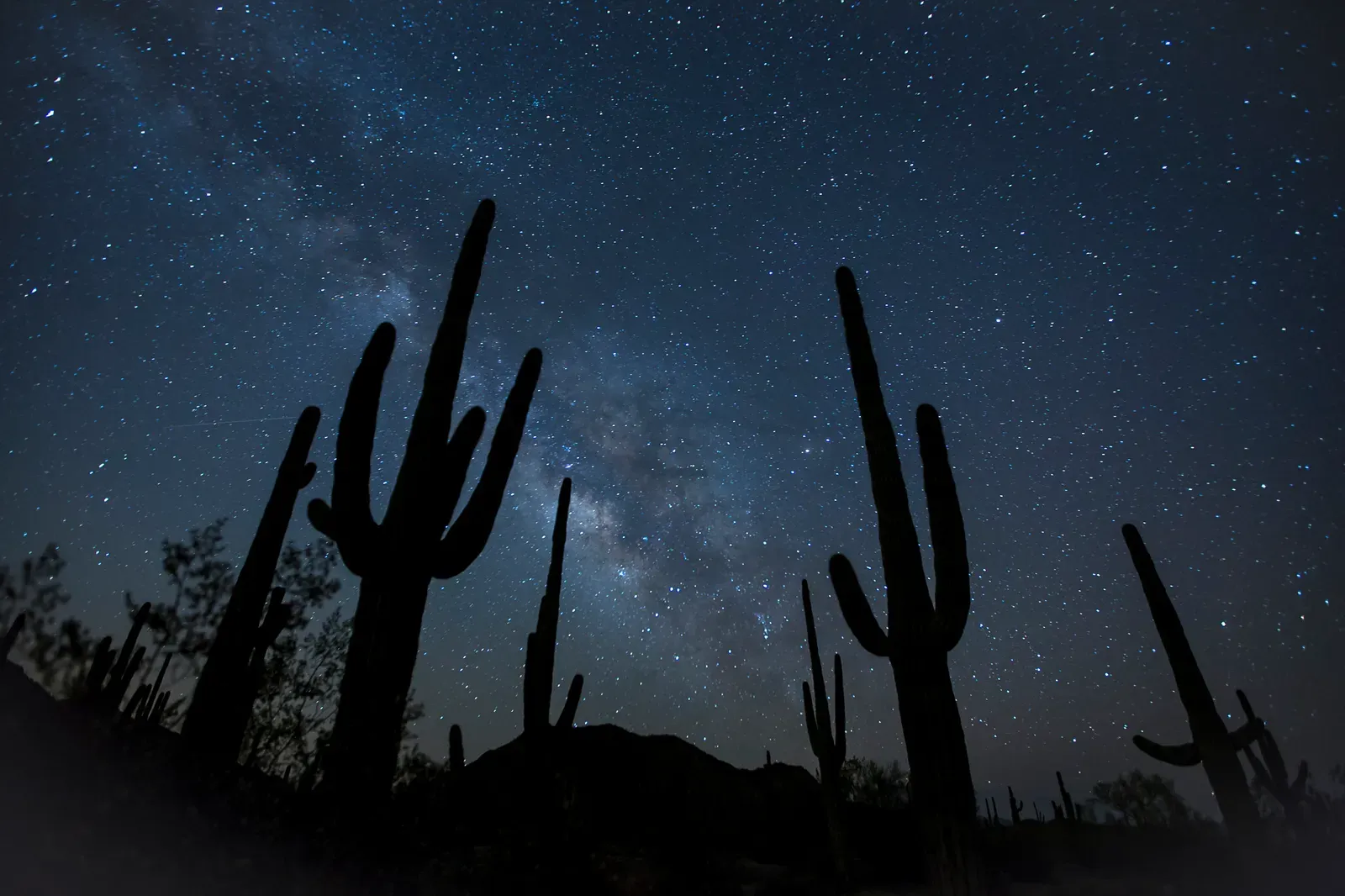
As a cactus, it uses crassulacean acid metabolism photosynthesis, which confers high levels of water-use efficiency and allows the saguaro to transpire only at night, minimizing daytime water loss. Most plants lose water during the day when they open their pores to take in carbon dioxide. Not the saguaro.
The cooler temperatures, lack of sun, and calmer breezes help cacti retain water, and once the sun rises, the plant goes to work making sugars. It’s like working the night shift to avoid the brutal desert sun. The cactus absorbs carbon dioxide under the cover of darkness, stores it chemically, and then processes it into sugars during the day when its pores are sealed tight.
This metabolic trick is what separates desert survivors from desert casualties. The waxy coating on the skin helps retain moisture, and the pointy spines protect against thirsty animals looking for a free drink. Every adaptation works in concert to keep precious water locked inside.
The Long Wait for Reproduction
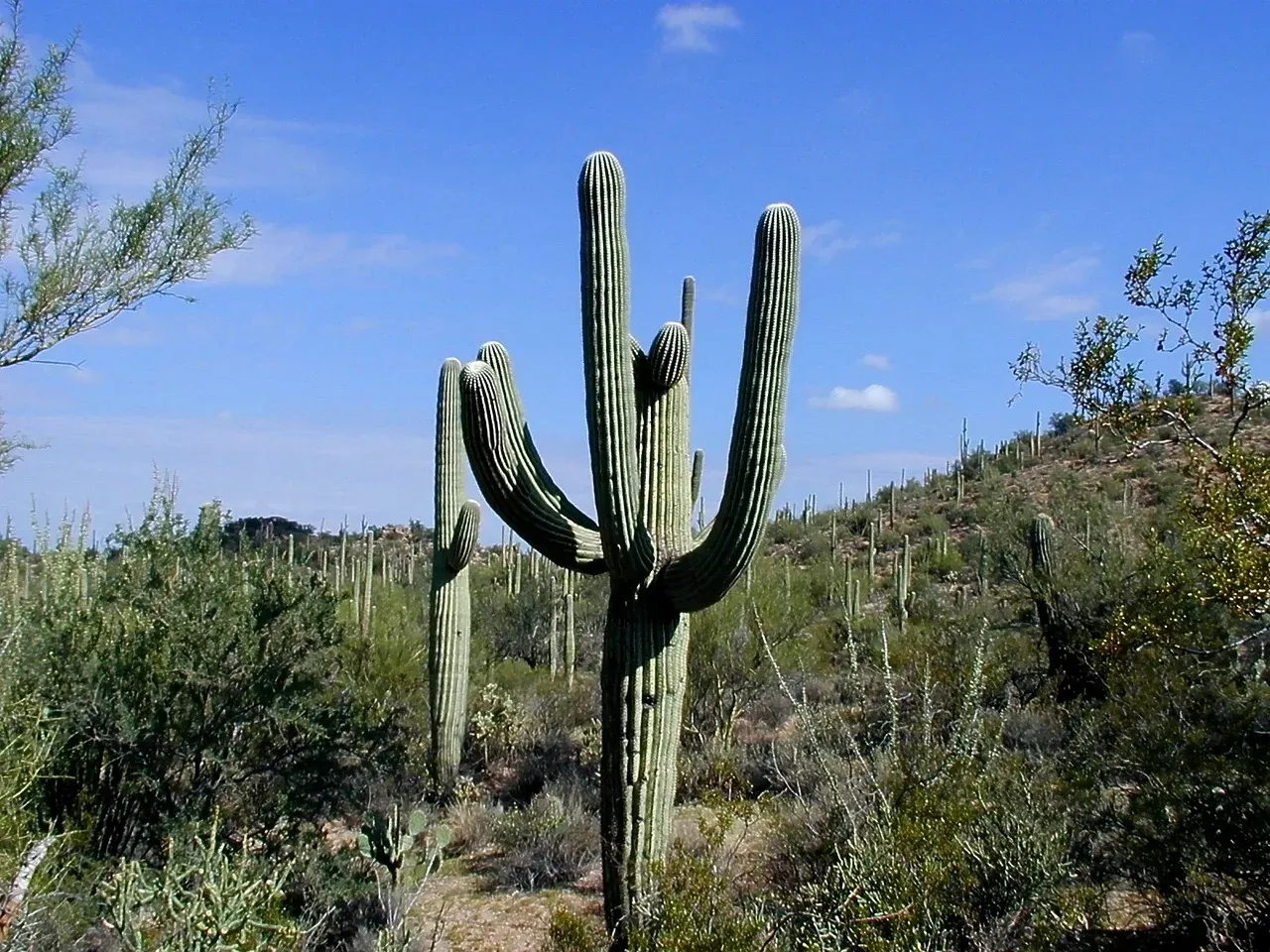
Young saguaros grow as a single trunk that produces flowers at about 35 years, which is already longer than many mammals live their entire lives. Yet that’s just the beginning. They may grow their first side arm around 75 to 100 years of age, but some never grow any arms.
Think about what that means for survival strategy. The saguaro doesn’t rush into reproduction like annual plants or even like most animals. It waits. It’s not until about 50 to 70 years that most saguaros begin to grow their first arms, one of their most distinctive features. Those arms aren’t just for show. They’re additional reproductive sites that increase the cactus’s ability to produce more flowers and fruit.
A healthy adult saguaro can produce as many as 40 million seeds in its lifetime, though only a tiny fraction ever take root and survive. The saguaro plays the long game, betting on quantity over decades rather than speed. It’s patient in ways that would make a monk jealous.
Protection from Predators and Elements
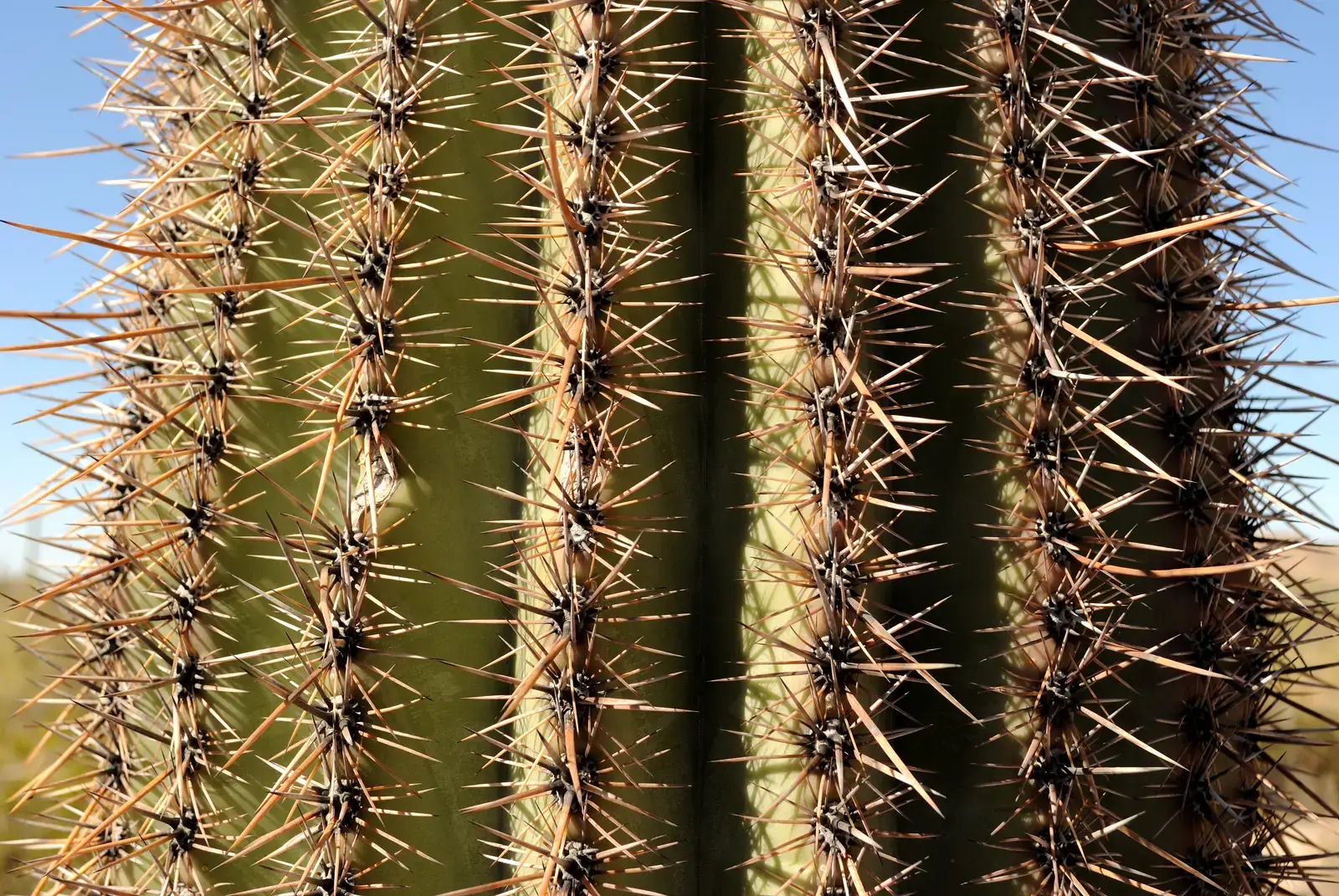
Saguaros are covered with rows of spines that serve to help protect the cactus from predation by food- or moisture-seeking animals, as well as to protect its sensitive growing tip from extreme heat or cold. Those spines aren’t just decorative. They’re a multipurpose defense system.
The spines on a saguaro are extremely sharp and can grow to seven centimeters long, which is nearly three inches of pointed deterrent. Animals looking for a quick drink or meal quickly learn to avoid these prickly fortresses. The spines also help redirect the wind and insulate the plant, creating tiny pockets of still air that reduce water loss through evaporation.
Inside the saguaro, many ribs of wood form something like a skeleton, and the rib wood itself is relatively dense. This internal framework provides structural support that allows the cactus to grow dozens of feet tall without toppling over. It’s architecture and biology wrapped into one brilliant package.
Surviving Where Others Can’t
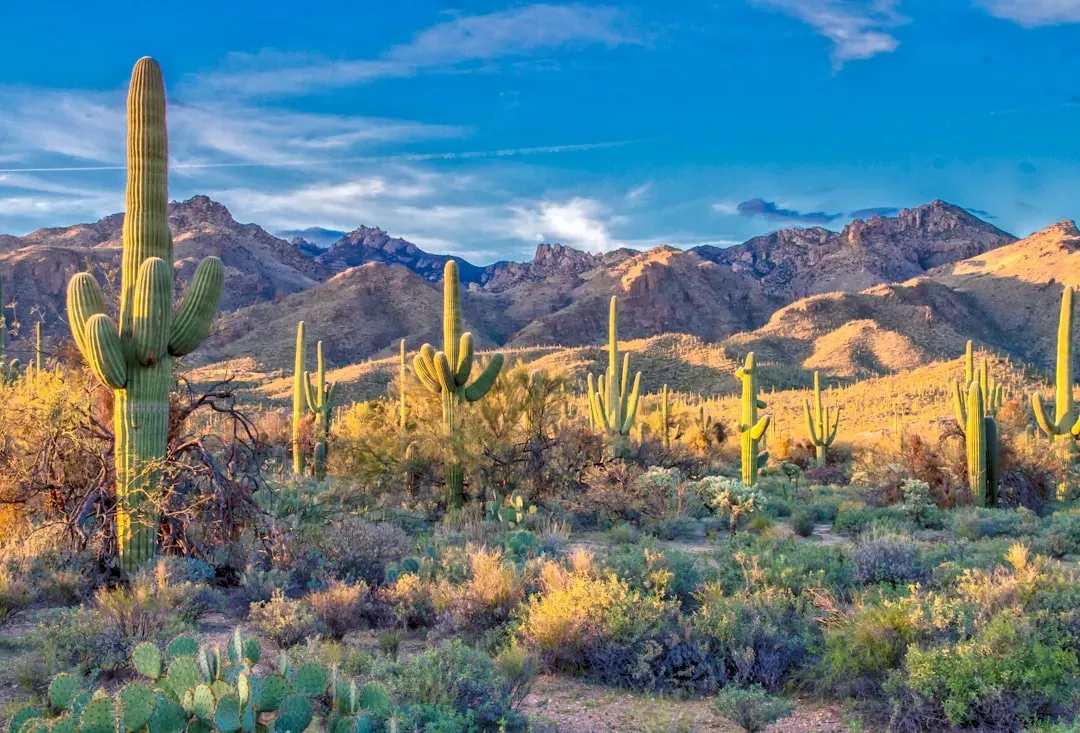
This cactus is found exclusively in the Sonoran Desert, where the most important factors for growth are water and temperature, and if the elevation is too high, cold weather and frost can kill the saguaro. These plants aren’t generalists. They’re specialists adapted to one of the harshest environments on the planet.
Saguaro typically grow at elevations ranging from sea level to 4,500 feet, although they may be found up to 5,000 feet, as elevation is a limiting factor and the saguaro is sensitive to extended frost or cold temperatures. Within this narrow band, they’ve found their sweet spot. In an environment where temperatures soar above 115 degrees Fahrenheit and rainfall averages less than eight inches annually, these remarkable plants have developed adaptations that allow them to not just survive, but flourish.
What separates the saguaro from most mammals is its ability to essentially shut down when conditions turn hostile. During dry times, it can pull from its water storage to grow and produce flowers and seeds. Mammals need constant energy input. The saguaro can wait it out, drawing on reserves that would make a camel envious.
The saguaro cactus stands as living proof that slow and steady really can win the race. Most saguaros have a lifespan of 150 to 200 years, with the oldest known saguaro discovered in Arizona living as long as 300 years. While mammals burn through their lives in decades, the saguaro takes its time, building systems designed for centuries rather than years.
These desert giants remind us that longevity isn’t about speed or size or even intelligence. It’s about adaptation, efficiency, and the patience to wait out whatever challenges the world throws your way. Did you expect a plant to outlast nearly every mammal on Earth? Tell us what surprised you most in the comments.


