
Imagine stepping outside and instantly freezing solid, gasping for oxygen, or burning your feet on sand so hot it could fry an egg. For humans, many of Earth’s environments are simply unlivable without layers of technology and gear. Yet millions of animals not only survive in those extremes, they actually thrive there, as if the planet’s worst conditions were custom-made for them.
From icy oceans to toxic caves and crushing deep-sea pressure, animals have evolved adaptations so wild they almost feel like science fiction. Some become living antifreeze, others recycle their own urine, and a few can shrug off radiation and vacuum-like conditions that would destroy us in seconds. Let’s dive into seven of the most incredible ways animals have hacked Earth’s harshest environments to make them home.
1. Antifreeze Blood in Polar Seas
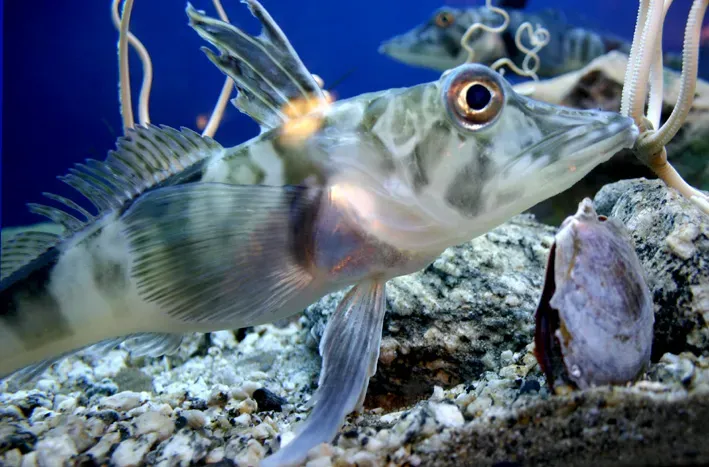
In the frigid waters of Antarctica, the sea can be so cold it’s actually below the normal freezing point of freshwater. A human dropped in there wouldn’t last long, but Antarctic notothenioid fish glide around as if they were in a chilled swimming pool. Their secret weapon is a set of special proteins in their blood that act like antifreeze, stopping ice crystals from forming and spreading through their bodies.
Instead of letting their cells turn to ice daggers, these antifreeze proteins latch onto tiny forming crystals and shut them down. This means these fish can swim in water that would freeze their blood solid without that adaptation. It’s like having built‑in winter tires for their bodies, gripping onto survival where most life would skid out. For me, the first time I read about them, it felt less like biology and more like a clever hack you’d expect in a sci‑fi survival story.
2. Desert Survivors That Recycle Water
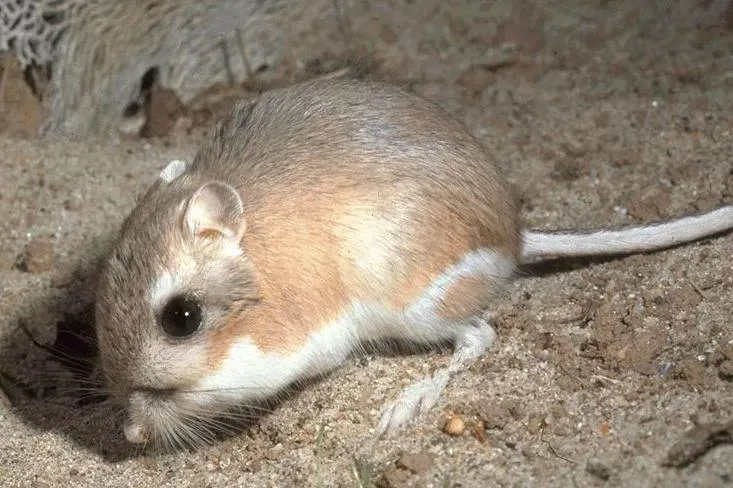
Deserts are brutal: blazing heat by day, bitter cold at night, and almost no water. Yet animals like the kangaroo rat manage to live entire lives without ever taking a single sip of liquid water. Instead, they pull every drop they need from the seeds they eat, squeezing moisture out through insanely efficient internal chemistry. Their kidneys are so powerful that their urine is almost like a paste instead of a liquid, so they barely lose any water at all.
Camels take a different route, storing fat (not water) in their humps, which can be converted into energy and some metabolic water when times are tough. They tolerate changes in body temperature that would leave most mammals delirious. It’s like they agreed to live in permanent “hard mode” and then evolved a set of cheat codes. Thinking about it honestly makes my daily habit of carrying a water bottle feel ridiculously luxurious.
3. High-Altitude Champions That Outsmart Thin Air
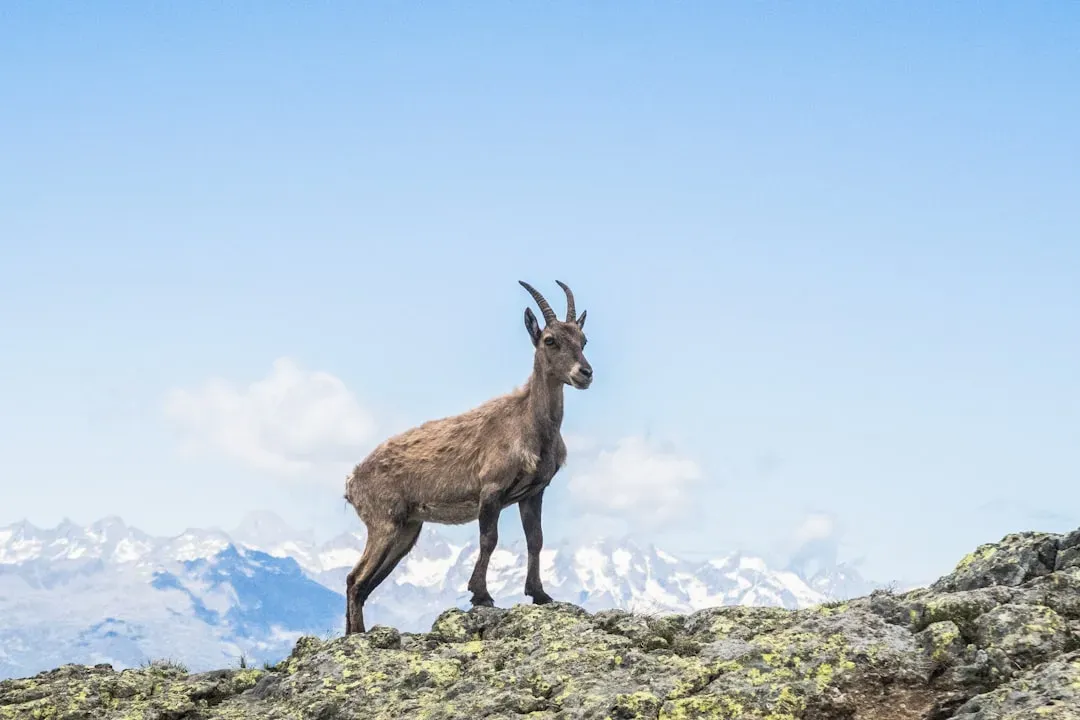
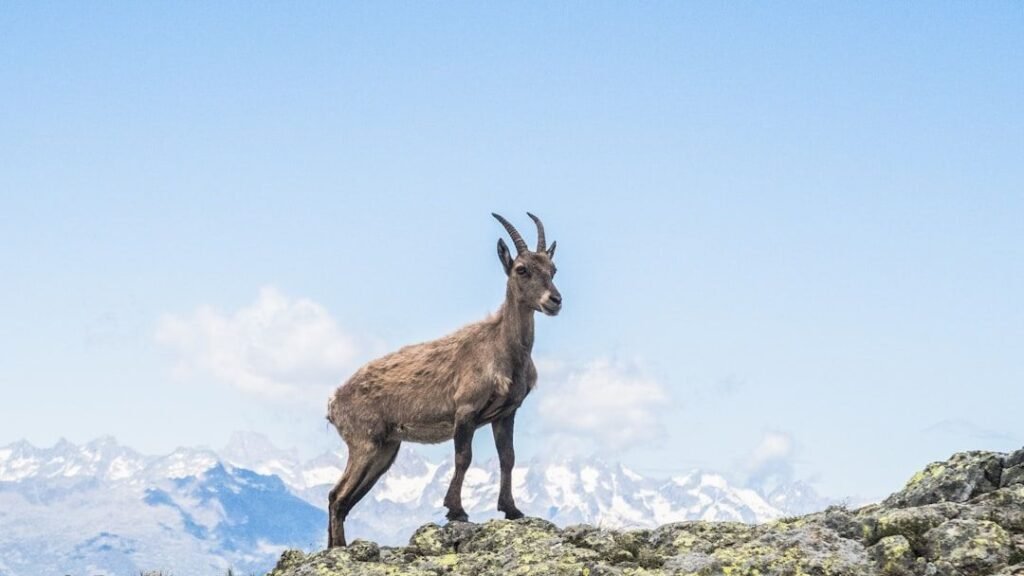
High in the mountains, oxygen thins out so much that just walking can feel like wading through wet cement. Yet species like bar‑headed geese fly over the Himalayas at altitudes where climbers need oxygen tanks, and Andean camelids like vicuñas and llamas casually graze where many humans struggle to breathe. Their bodies have fine‑tuned blood chemistry that grabs onto oxygen more tightly and holds it longer, making every breath count.
Some high‑altitude mammals also have larger lungs and denser capillary networks that deliver oxygen quickly to muscles that need it. Even their hemoglobin molecules are slightly different, tuned for thin air the way a sports car engine is tuned for high performance. To me, high‑altitude animals feel like the ultimate endurance athletes, except they never signed up for a race – they were just born at the finish line.
4. Deep-Sea Creatures Built for Crushing Pressure and Total Darkness
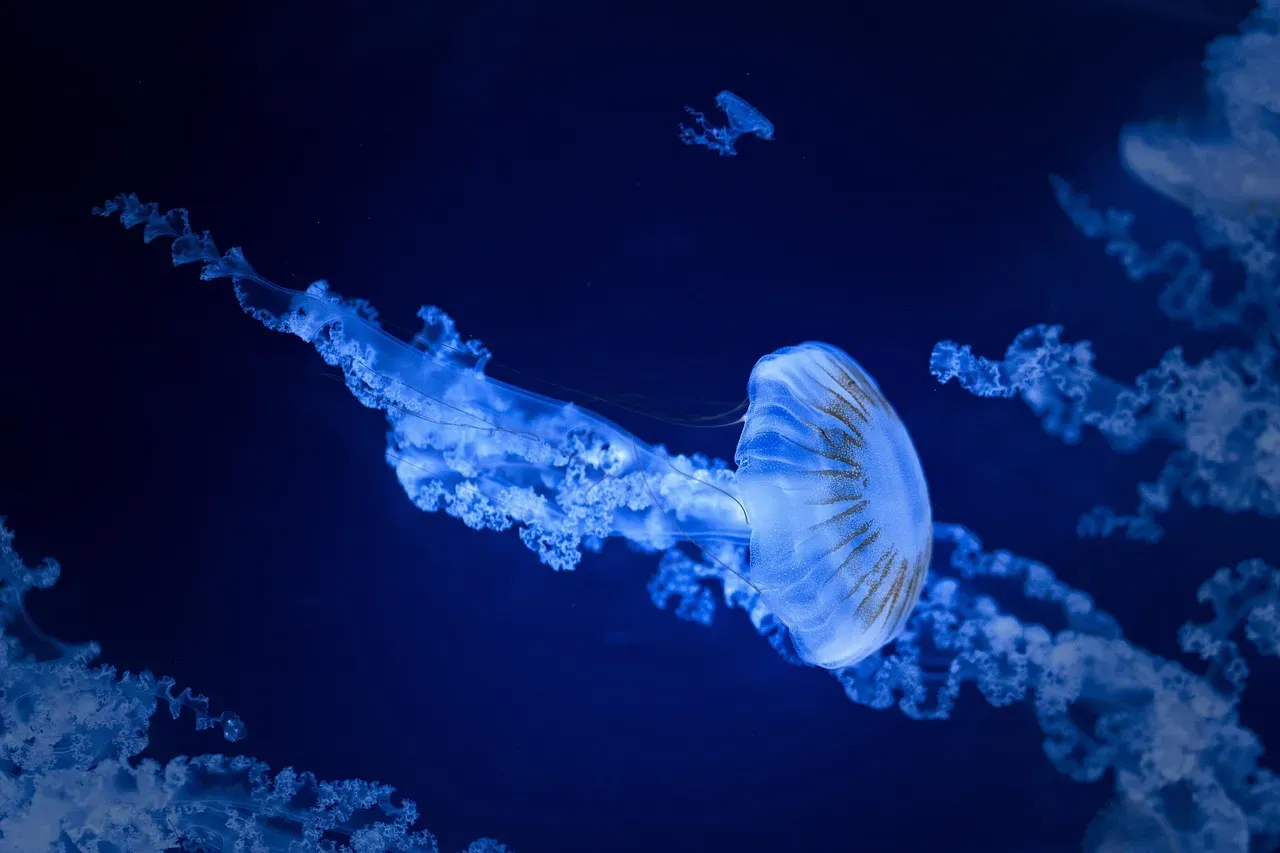
Plunge thousands of meters down into the ocean and things get weird fast: zero sunlight, near‑freezing temperatures, and pressure so intense it would crush a submarine if it cracked. Yet deep‑sea animals like anglerfish, gulper eels, and giant isopods drift and crawl as if it were nothing. Many have soft, flexible bodies instead of rigid skeletons, allowing them to withstand those enormous forces without shattering.
To survive the darkness, they lean heavily on senses other than sight, or grow their own light using bioluminescent organs that glow like underwater lanterns. Some fish lure prey with a tiny glowing “fishing rod” on their heads; others flash signals to attract mates or confuse predators. It’s as if evolution decided that if the deep sea was going to be terrifying, it might as well be theatrically dramatic too. Whenever I see footage from those depths, it feels less like Earth and more like an alien world that happens to share our ocean.
5. Heat-Defying Masters of Volcanic and Scalding Habitats
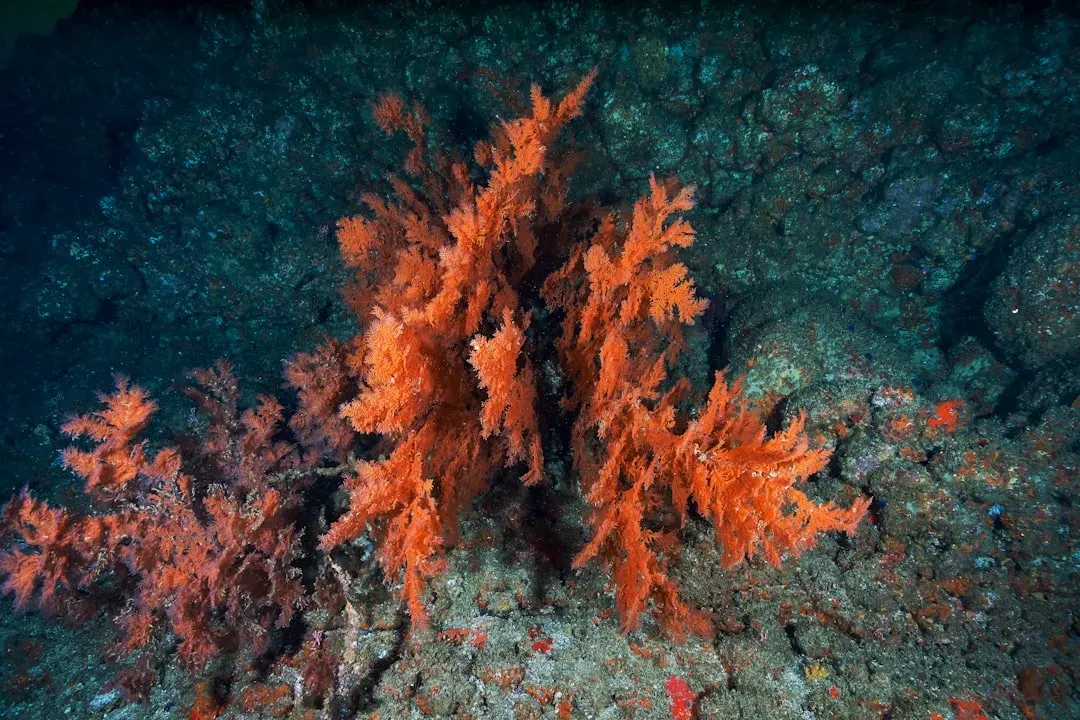
Scalding hot springs and volcanic vents seem like the last place you’d expect to find complex animals, yet some creatures are right at home there. Certain species of tube worms and shrimps live near hydrothermal vents on the ocean floor, where superheated, mineral‑rich water blasts out of the crust. They avoid being cooked alive by carefully positioning themselves in just the right spot, balancing between lethal heat and survivable warmth.
On land, some insects and small animals have proteins that stay stable at higher temperatures, while behaviors like burrowing and being active only at dawn or dusk keep them away from the worst of the heat. It’s a bit like living in a kitchen where the oven is always on, and your survival depends on knowing exactly where the cool tiles are. Their entire lifestyle is a delicate dance between curiosity and caution, getting as close as possible to the edge without crossing it.
6. Radiation-Resistant and Nearly Indestructible Micro-Animals
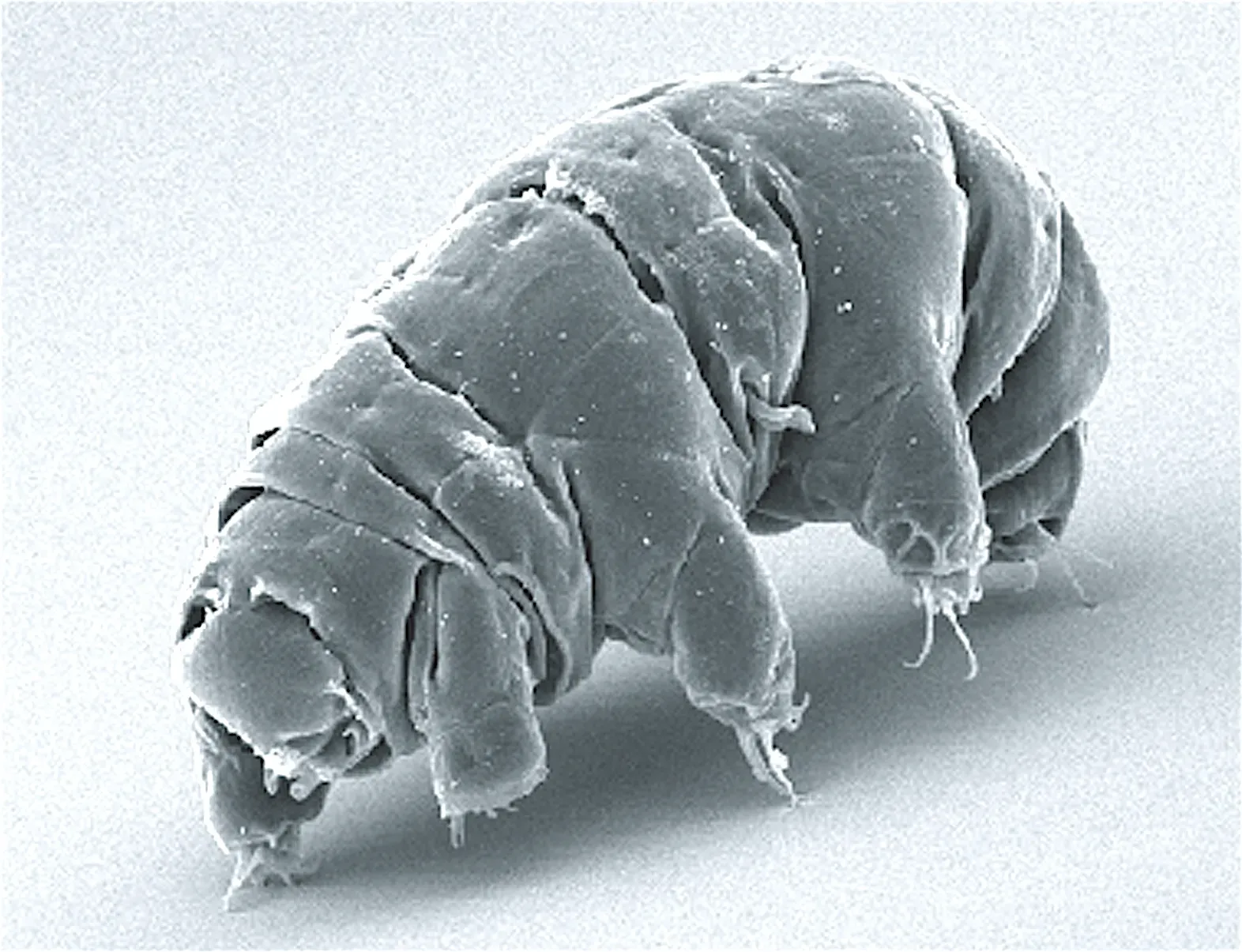
When it comes to sheer toughness, few animals are as shocking as tardigrades, often called water bears. These microscopic creatures can survive extreme radiation, crushing pressure, intense heat and cold, and even the vacuum of space for short periods. They pull it off by entering a dried‑out, dormant state called a tun, where their metabolism drops to a near standstill and their cells are packed with protective molecules that limit damage.
Some other tiny organisms go a similar route, with special DNA‑repair abilities that fix radiation damage almost as fast as it occurs. It’s like having a built‑in repair crew that never sleeps, patching up the walls as fast as the universe can smash them. Every time I read new research on tardigrades, I find myself quietly relieved they’re less than a millimeter long – because if anything on Earth deserves the title “miniature tank,” it’s them.
7. Cave and Deep Underground Animals That Live Without Light
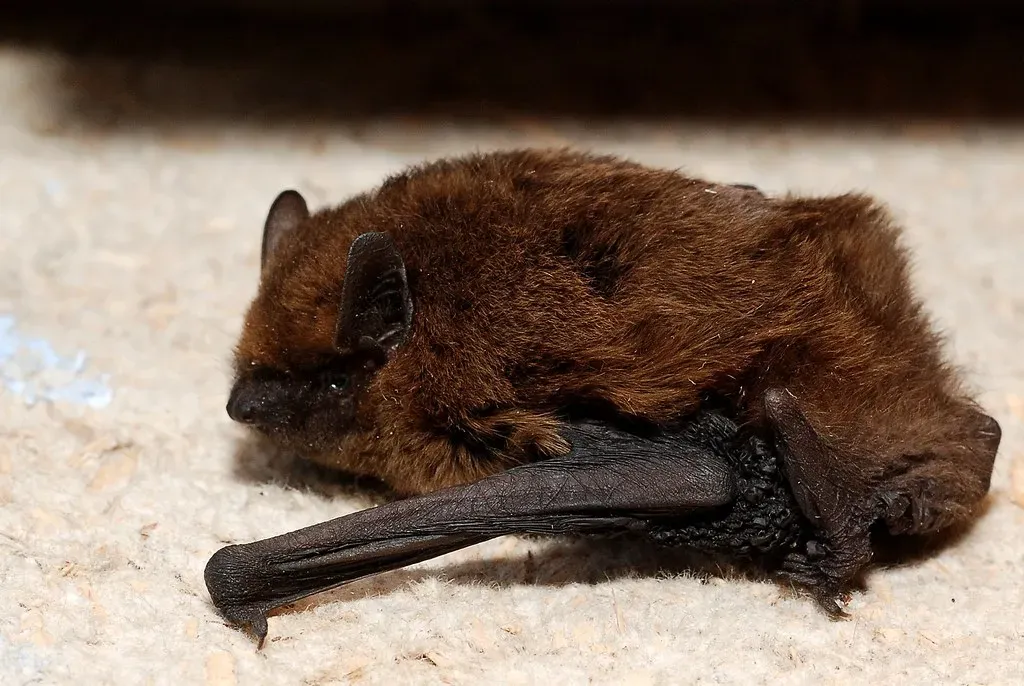
Deep inside caves and underground systems, light simply doesn’t exist, and often food is painfully scarce. Over many generations, cave fish, salamanders, and insects have lost their eyesight entirely, their eyes shrinking or disappearing because they’re no longer useful. In exchange, they supercharge other senses – touch, smell, vibration detection – so they can navigate pitch‑black tunnels and find the faintest traces of food.
Many of these animals develop ghostly pale or translucent bodies since camouflage is pointless when no one can see anyway. They live slow, careful lives, often with very low metabolisms, stretching every meal as far as possible. It’s like someone hit the dimmer switch on life and turned it almost all the way down, yet these species found a way not just to persist, but to specialize. Their existence is a quiet reminder that life doesn’t need sunlight to keep rewriting the rules.
Extreme Earth, Extreme Life
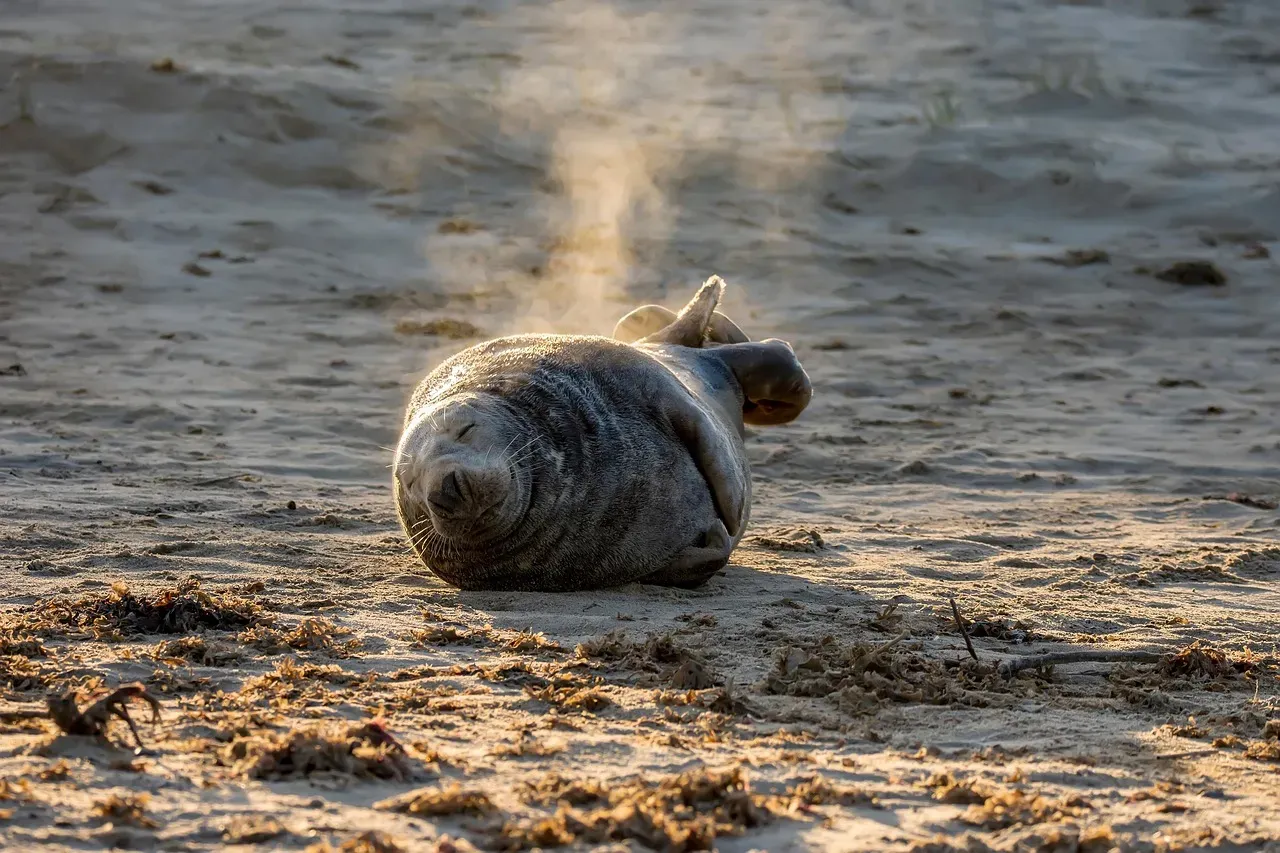
Across frozen seas, burning deserts, high mountains, deep trenches, volcanic vents, radioactive zones, and lightless caves, animals have pulled off a dizzying variety of survival tricks. Antifreeze blood, ultra‑efficient kidneys, oxygen‑grabbing hemoglobin, soft pressure‑proof bodies, heat‑stable proteins, nearly indestructible dormant states, and super‑sensing underground specialists all show how far evolution will go when pushed. None of these adaptations appeared overnight; they’re the result of countless generations of tiny tweaks tested against some of the harshest conditions on Earth.
In a way, these animals hold up a mirror to us, quietly proving that the planet is both more dangerous and more forgiving than we tend to assume. Life bends, stretches, and reshapes itself to fit environments we would call impossible, turning hostile worlds into everyday neighborhoods. The next time you step into an air‑conditioned room or zip up a winter jacket, it’s worth remembering there are creatures out there doing far more with far less. Which of these harsh habitats did you least expect to be so full of life?