
Every time we think we’ve finally figured out the universe, it pulls the rug out from under us. We map galaxies, measure starlight, write equations that predict black holes and gravitational waves, and yet most of what exists is still invisible, untouchable, and deeply mysterious. It’s like we’ve explored a beautifully lit room, proudly drawn a floor plan, then discovered that the house actually sits inside a vast, dark cathedral we can barely glimpse.
Modern physics keeps whispering the same unsettling message: what we call “reality” is probably just a thin slice of something far stranger. Space might not be empty, time might not be steady, and matter might not be what it looks like. In a way, our entire universe could be more like a flexible, shifting fabric than a solid, fixed stage. And the more closely we look at that fabric, the more it frays in our hands.
The Illusion Of Solid Reality
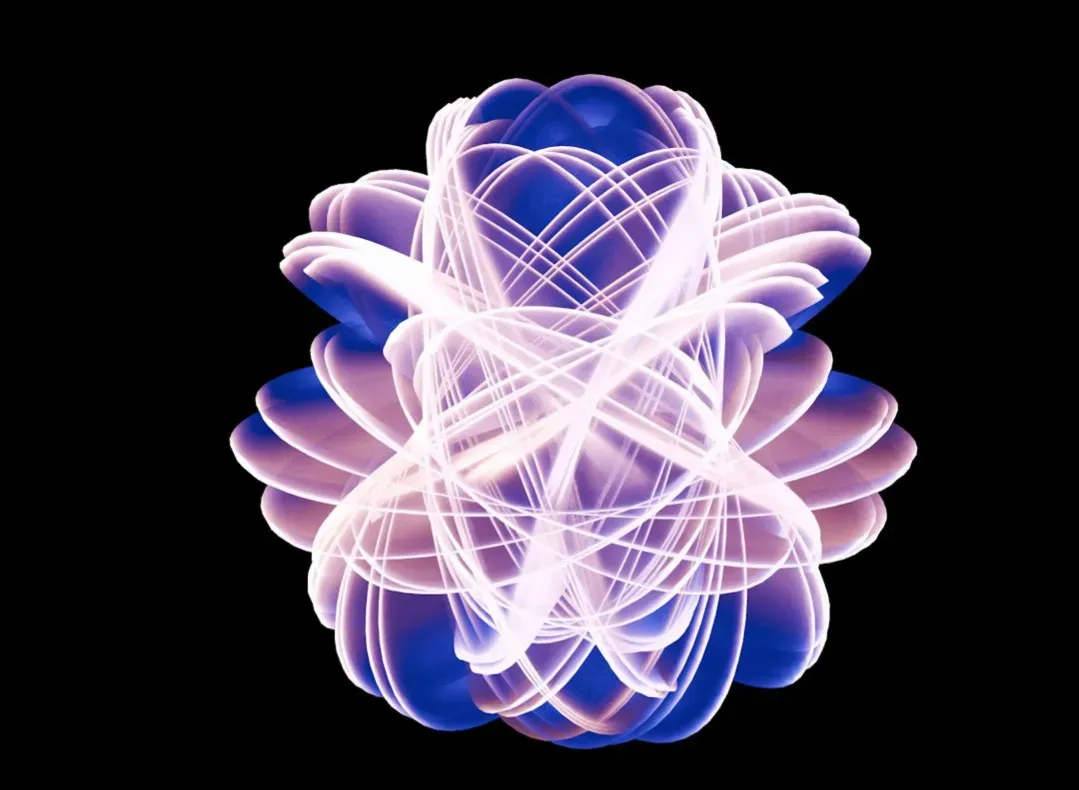
Pick up your phone, tap the table, or knock on a wall – it all feels solid, certain, reassuringly there. But if you zoomed in far enough, you’d find mostly empty space, a swirling mess of fields, probabilities, and particles that pop in and out of existence like nervous fireflies. The closer you look, the less “solid” anything actually is, and the more it begins to resemble a restless, vibrating pattern instead of a neatly built structure.
Physicists today describe matter not as tiny billiard balls, but as excitations in underlying fields spread throughout the universe. An electron is a specific kind of ripple, a photon another, all part of an unseen sea that’s always present, even in a perfect vacuum. To me, that feels a bit like learning that the bricks of your house are actually waves on an invisible ocean, every wall secretly made of motion, not stone.
Spacetime: The Flexible Stage That Refuses To Stay Still
For most of history, people treated space as a rigid backdrop and time as a simple, universal clock ticking everywhere at the same pace. Then Einstein came along and replaced that comforting picture with something wildly more slippery: space and time are stitched together into a single fabric called spacetime, and that fabric bends, stretches, and warps. Massive objects like stars and planets don’t just sit in space – they reshape it, like bowling balls on a mattress.
This warped spacetime tells objects how to move, and their motion in turn reshapes spacetime, creating a kind of cosmic feedback loop. In 2015, when scientists first detected gravitational waves – tiny ripples in spacetime from colliding black holes – it was a direct confirmation that the “stage” of the universe isn’t passive at all. The universe is more like a trampoline constantly wobbling under invisible dancers than a flat, fixed theater floor.
Dark Matter: The Invisible Thread Holding Galaxies Together
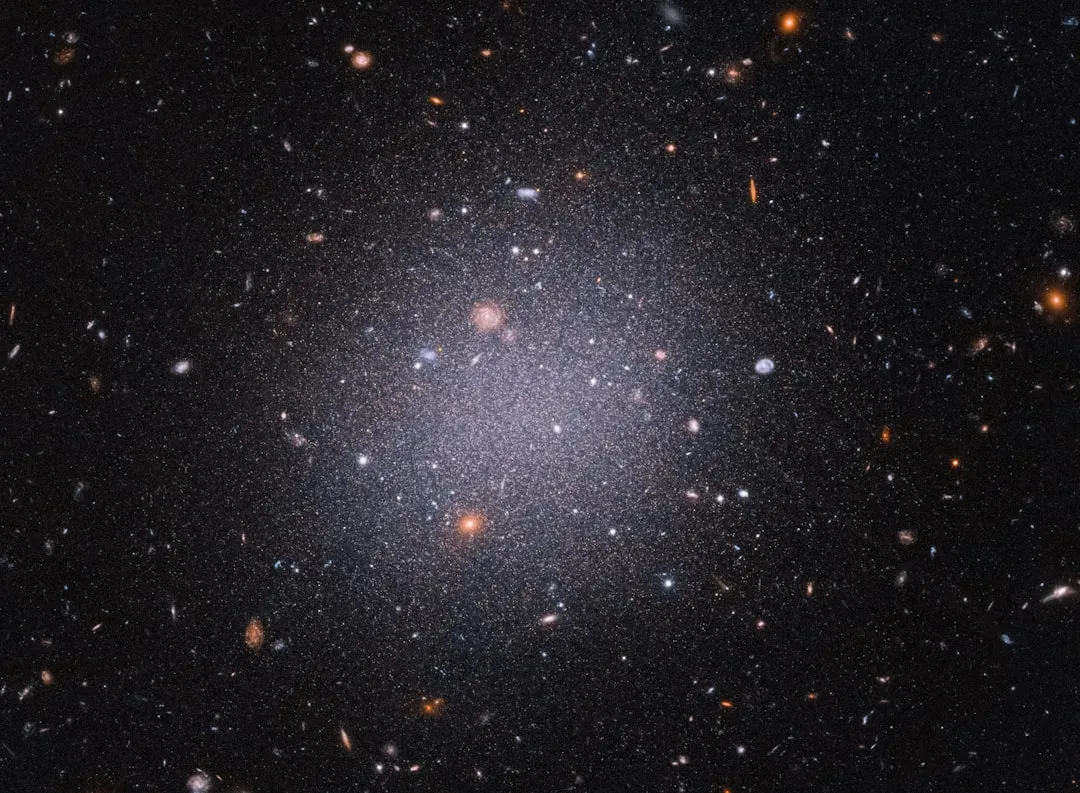
When astronomers measured how fast stars orbit around the centers of galaxies, something didn’t add up. The stars were moving so quickly that the galaxies should have torn themselves apart long ago, like a carousel spinning too fast and flinging the horses off. The only way to explain their stability was to assume there’s a huge amount of unseen mass creating extra gravity – a kind of invisible glue holding everything together.
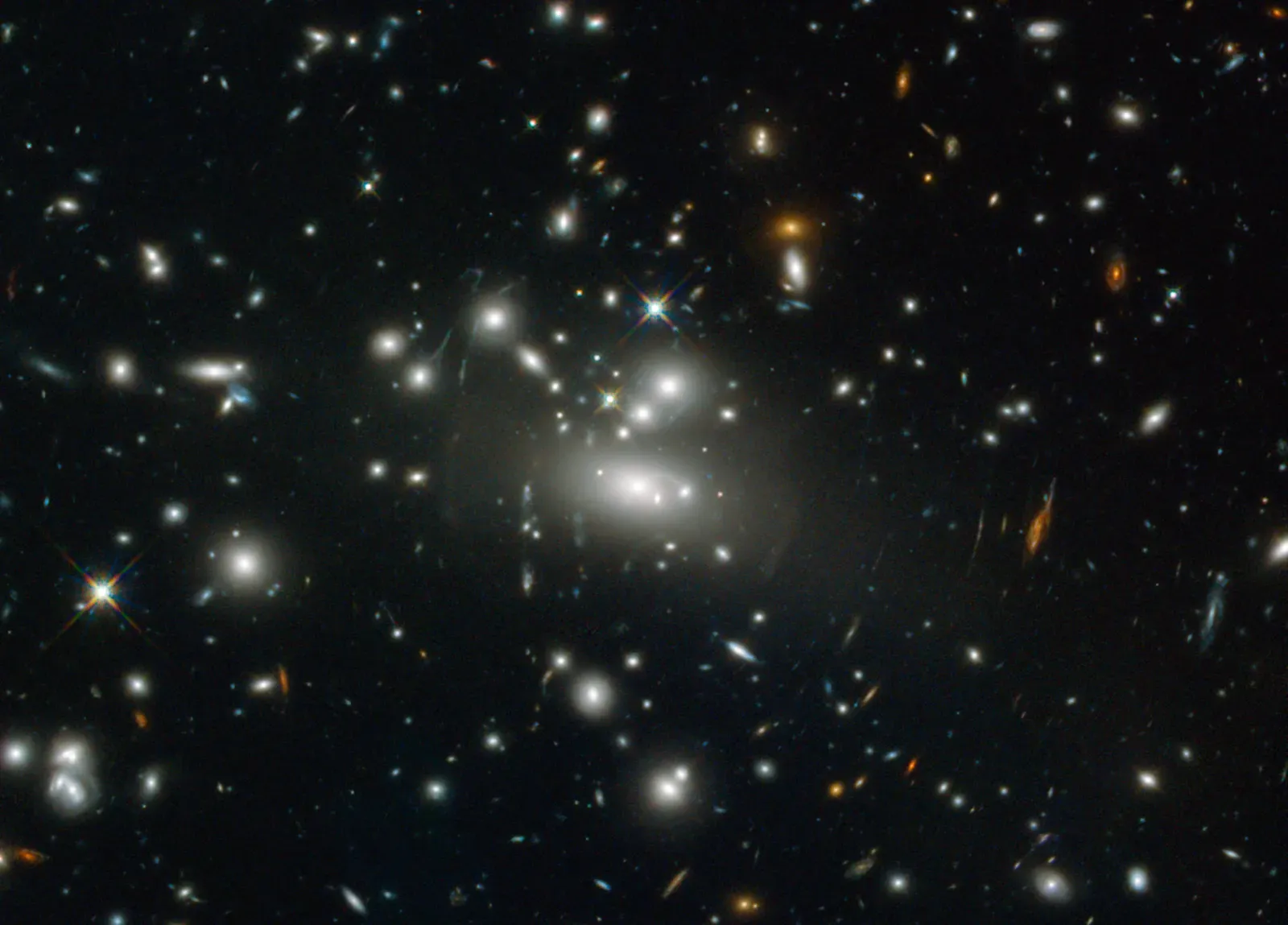
That hidden mass is what we call dark matter, and it makes up most of the matter in the universe, even though we’ve never seen it directly. It doesn’t glow, doesn’t absorb light in any obvious way, and has stubbornly refused detection in underground experiments and particle colliders. Yet its gravitational fingerprint is everywhere, shaping galaxy clusters and bending light as it passes by. It’s as if the universe is stuffed with ghostly scaffolding we can only detect from the way it tugs on everything else.
Dark Energy: The Mysterious Force Stretching The Cosmic Fabric
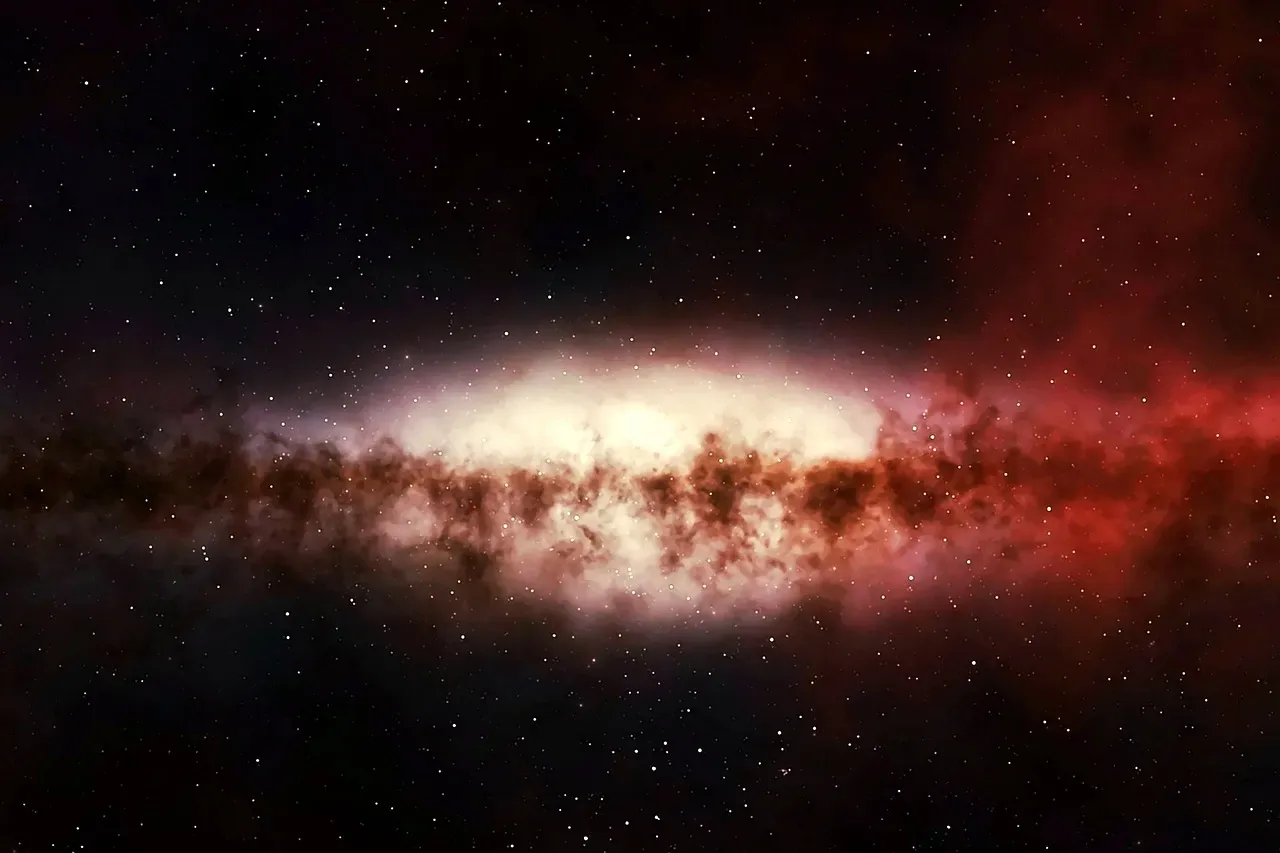
As if invisible matter weren’t strange enough, the universe also seems to be expanding faster and faster over time. When astronomers carefully observed distant exploding stars to measure how the universe grows, they expected to see gravity slowing everything down. Instead, they found cosmic acceleration, as though some unseen force were pulling the fabric of space itself outward, stretching it more and more with each passing billion years.
This unknown driver of expansion is called dark energy, and it accounts for most of the total energy content of the universe, dwarfing both regular matter and dark matter. No one is fully sure what it is – maybe a property of empty space itself, maybe something even deeper, possibly tied to quantum fields we don’t yet understand. To me, it feels like living in a house whose walls are quietly expanding every second, while we argue over whether it’s the paint, the bricks, or something in the foundation we’ve never seen.
The Quantum Foam Beneath Everything We See
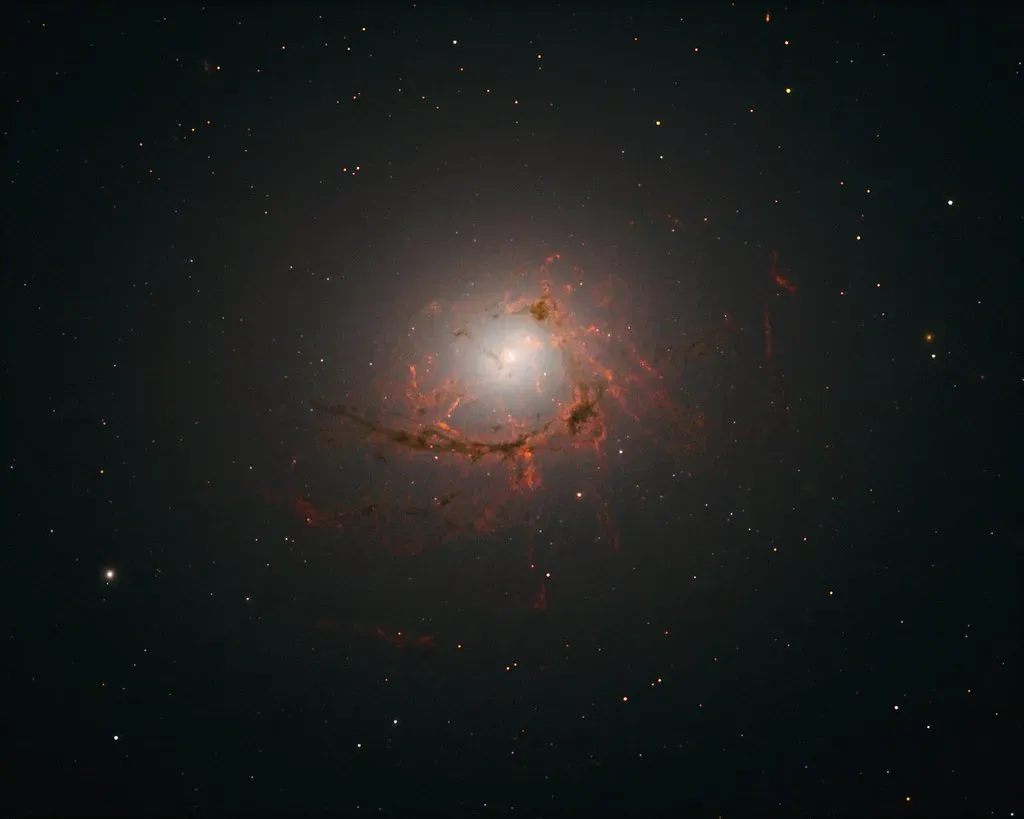
On the smallest scales we can imagine, space and time may not be smooth at all. According to quantum theory, if you zoom in far enough – far past atoms, protons, and even smaller particles – you eventually hit a regime where spacetime itself becomes grainy and chaotic. Instead of a calm, continuous surface, you get something more like boiling water, with tiny, fleeting fluctuations bursting into existence and vanishing almost instantly.
Physicists sometimes call this seething underlayer quantum foam, a restless background where the usual notion of distance and duration might break down. In that realm, even the idea of a “before” and “after” can lose meaning, and the mathematical tools we use start to crack. That’s one of the places where our two best theories – general relativity and quantum mechanics – refuse to play nicely together, hinting that the true fabric of the universe is still beyond our current reach.
Holographic Reality: Is The Universe A Projection?
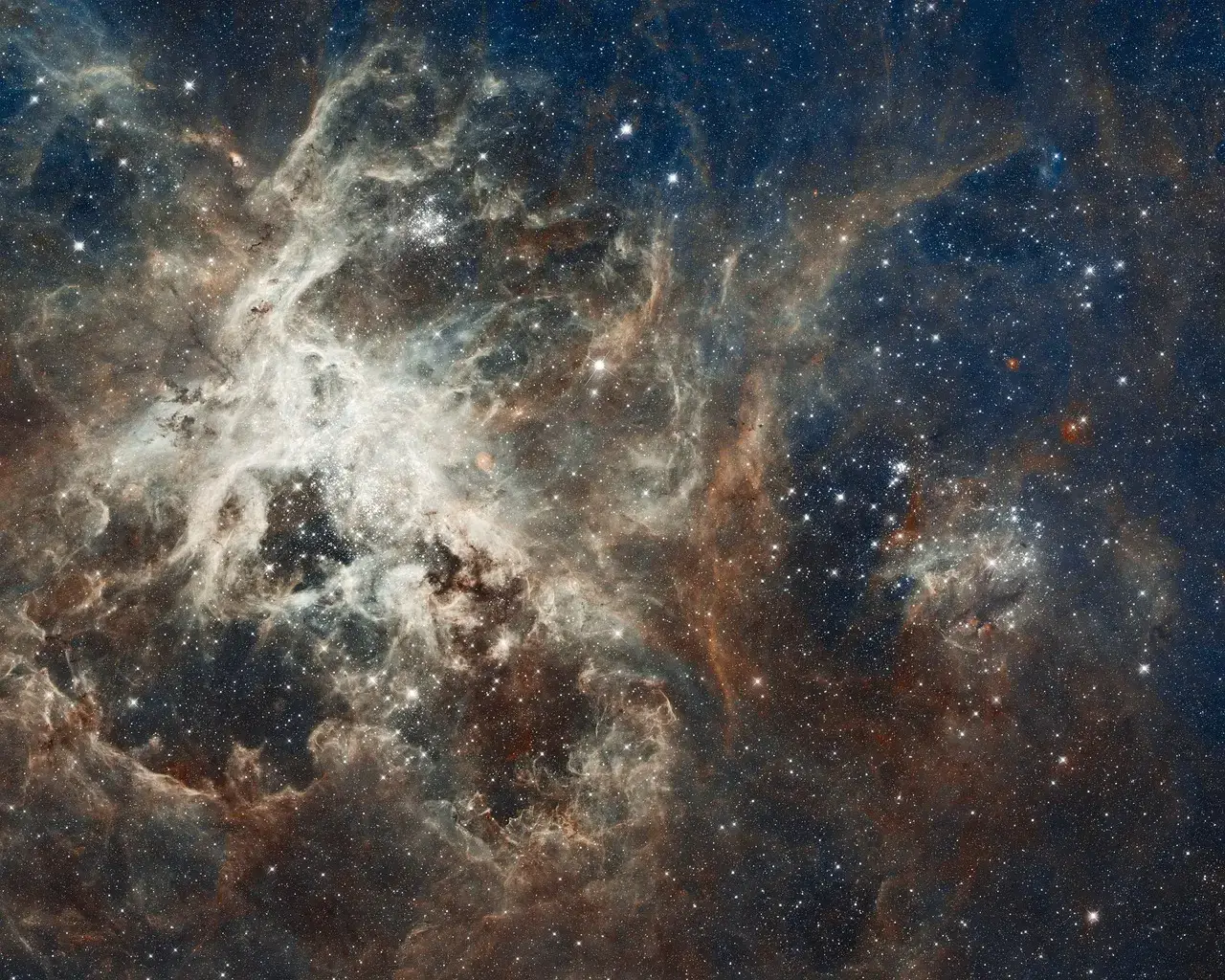
One of the wildest ideas in modern physics is that our three-dimensional universe might be like a hologram – where the true information describing reality is stored on a distant, lower-dimensional surface. This isn’t the same as saying we’re in a cheap sci‑fi simulation run on some alien laptop; it’s more subtle and more mathematical. The core suggestion is that the volume of space we move through could be fully encoded on a kind of cosmic boundary, the way a holographic plate encodes a 3D image in a 2D pattern.
This holographic principle emerged from the study of black holes and the strange way their information content seems to depend on surface area rather than volume. If something like this holds for the entire universe, then the “fabric” we experience might be a remarkably clever re‑expression of data stored elsewhere. Personally, I find that idea both unnerving and oddly beautiful, like discovering that the rich, three-dimensional world of a movie comes from a thin strip of film you can hold in your hand.
Why Our Brains Struggle With The Cosmic Fabric
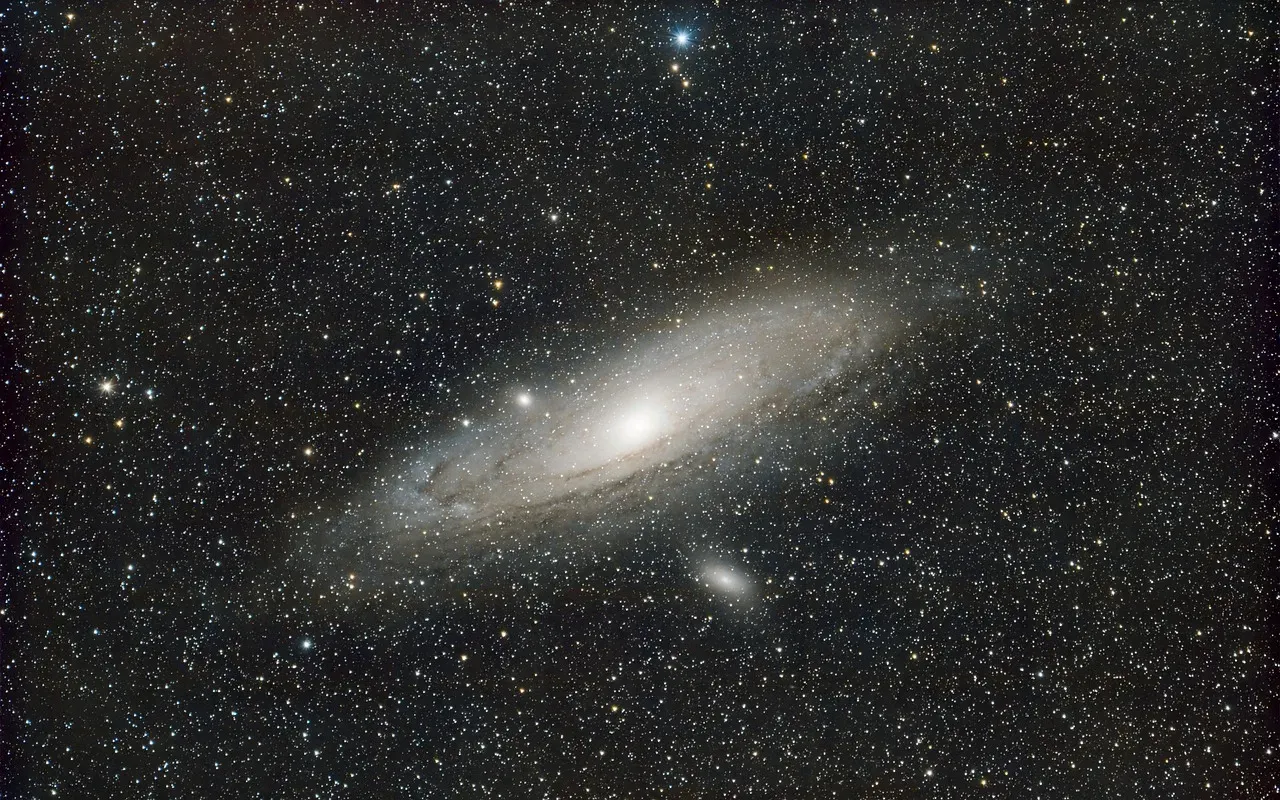
Our nervous systems evolved to navigate cliffs, predators, storms, and social drama – not warped spacetime, quantum foam, and invisible energy fields. It’s no wonder that ideas like curved space or a universe dominated by things we can’t see feel so alien. Our intuitive sense of reality was trained on a thin, familiar slice of the world, the way a fish might understand only its own pond and never guess there’s an ocean beyond it.
When I first learned that most of the universe is made of dark matter and dark energy, it felt less like a scientific fact and more like a plot twist that changes everything in retrospect. The chair under you, the planet, the stars in the night sky – those are just the visible embroidery on a much deeper, mostly hidden fabric. Maybe the true strangeness isn’t that the universe is hard to understand, but that with our limited, Earth‑shaped brains, we’ve managed to glimpse even this much.
Living Inside A Question We Haven’t Learned To Ask
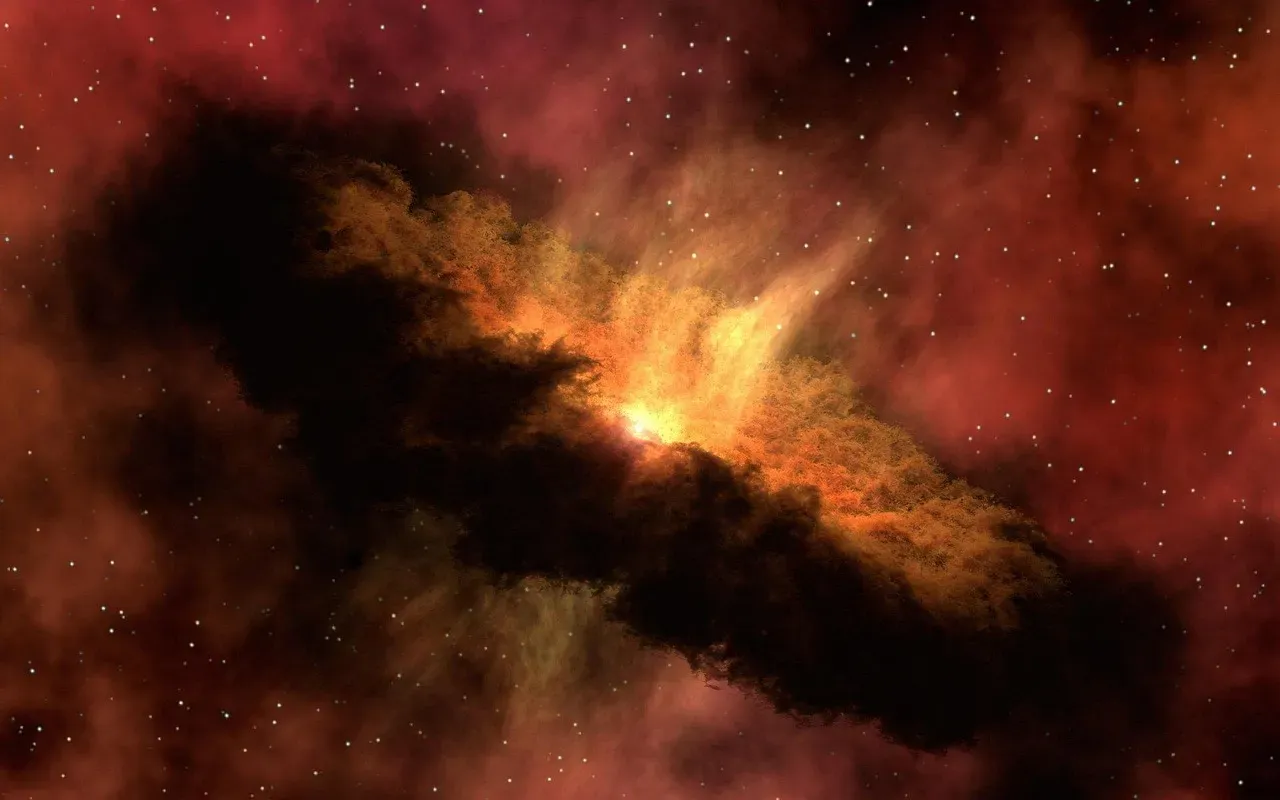
When you put all of this together – warped spacetime, dark matter, dark energy, quantum foam, and possibly holographic reality – you get a picture of a universe that is anything but simple. Every time science pulls back one curtain, there’s another one behind it, hinting that what we call “fundamental” might just be another layer of approximation. We’re like people tracing the patterns on a vast tapestry by touch in the dark, slowly realizing the cloth is much larger and stranger than we thought.
Yet that uncertainty isn’t a failure; it’s the most honest thing we have. Our best theories work astonishingly well, but they also point beyond themselves, nudging us toward a deeper understanding of the fabric we’re embedded in. Maybe the universe is not just something we look at, but something we’re actively woven into, threads in a pattern we’re still learning to see. When you stare up at the night sky now, knowing how little we truly grasp, does it feel a bit more like a question than an answer?