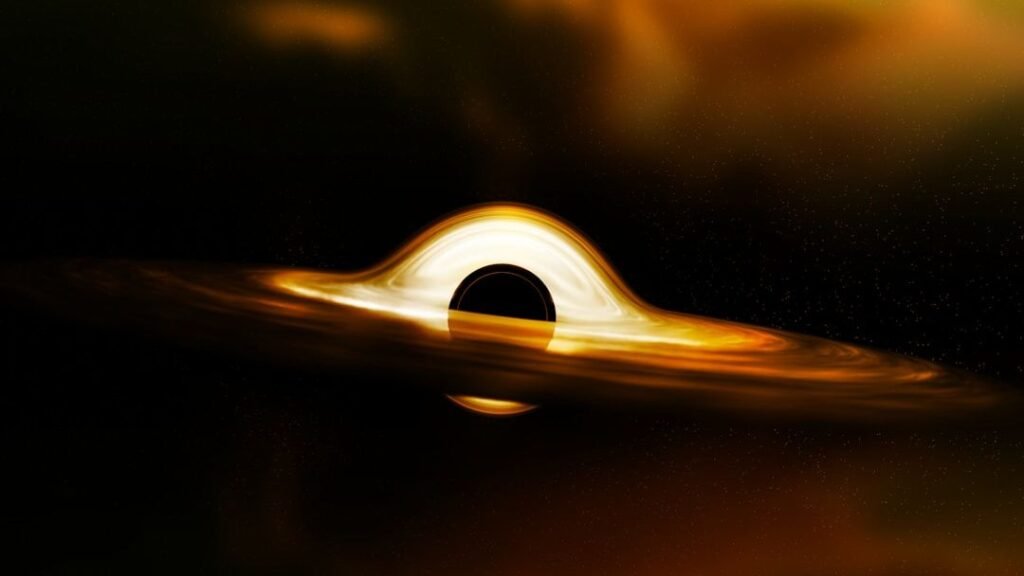

Black holes sound like pure science fiction: invisible monsters that can swallow stars, bend time, and twist space like a crumpled sheet of paper. Yet they’re very real, and the more astronomers study them, the stranger they become. Even with today’s powerful telescopes and supercomputers, black holes still behave like cosmic riddles that refuse to be fully solved.
When I first read that a teaspoon of black hole material would outweigh mountains, I honestly thought someone was exaggerating. Then I realized that with black holes, the truth almost always sounds exaggerated. Let’s dive into some of the most jaw-dropping facts scientists know so far – the kind that make you question what “reality” even means at the edge of a black hole.
They’re So Dense That a Mountain Would Be Smaller Than a Grain of Sand
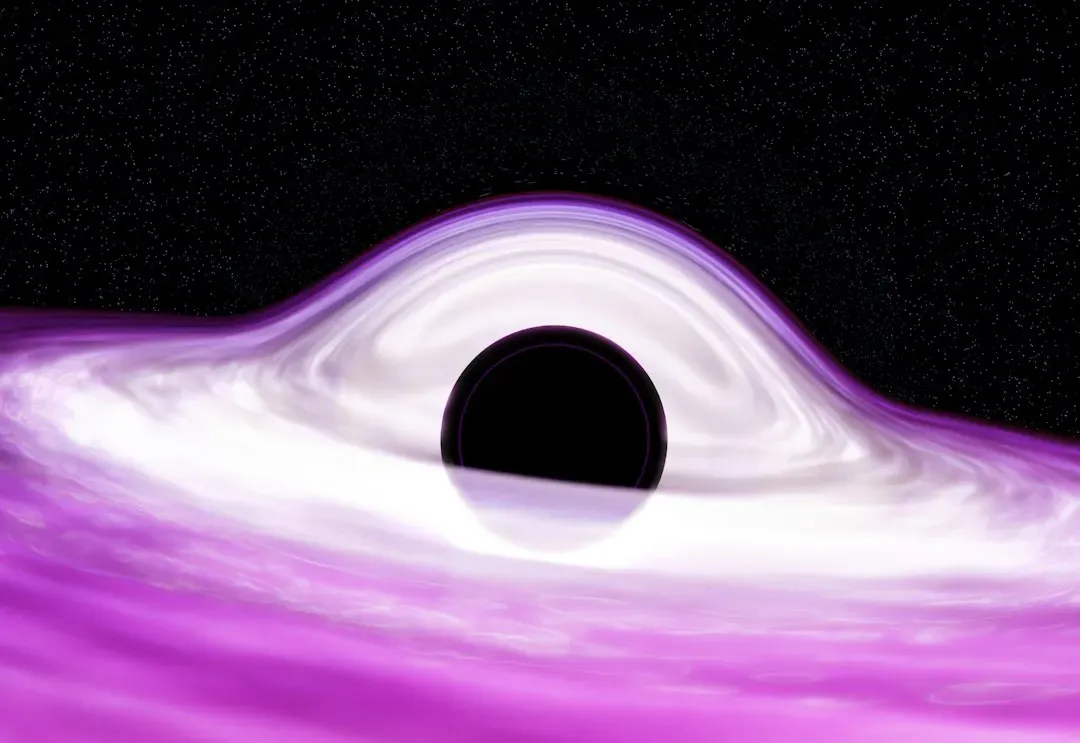
Imagine taking a star much more massive than our Sun and crushing it so tightly that it becomes smaller than a major city. That’s essentially what happens when certain massive stars collapse into black holes. The result is an object so dense that its gravity becomes overwhelmingly strong, pulling in anything that gets too close and not even letting light escape.
If you could somehow scoop up just a teaspoon of matter from a stellar-mass black hole, it would weigh as much as a huge mountain range on Earth. This is like squeezing the mass of thousands of Earths into a volume that could fit inside a modestly sized town. It’s density on a scale that’s almost impossible for the human brain to picture, which is why black holes feel more like a thought experiment come to life.
They Literally Bend Time, Not Just Space
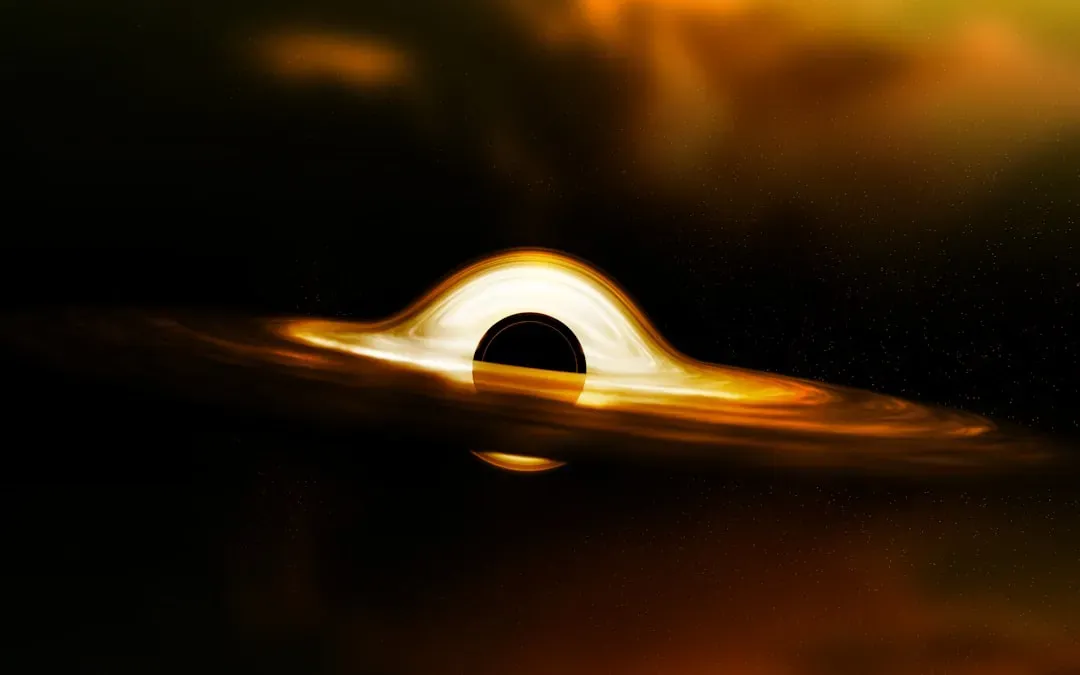
Black holes don’t just warp the space around them, they also mess with time itself. According to Einstein’s theory of general relativity, the stronger the gravity, the slower time passes. Near a black hole, gravity is so intense that time for someone close to it would crawl compared with someone far away. In a sense, black holes are like extreme time machines that only move you forward.
If you hovered just outside a black hole (somehow without being torn apart) and then returned to Earth, you’d find that more time had passed for everyone else than for you. A few hours near the black hole could mean many years, decades, or more back home. This isn’t just a fun sci‑fi idea; it’s a real prediction of physics, and milder versions of this time distortion have already been measured around Earth using satellites and precise atomic clocks.
At Their Center, Physics Breaks Down Into a Singularity
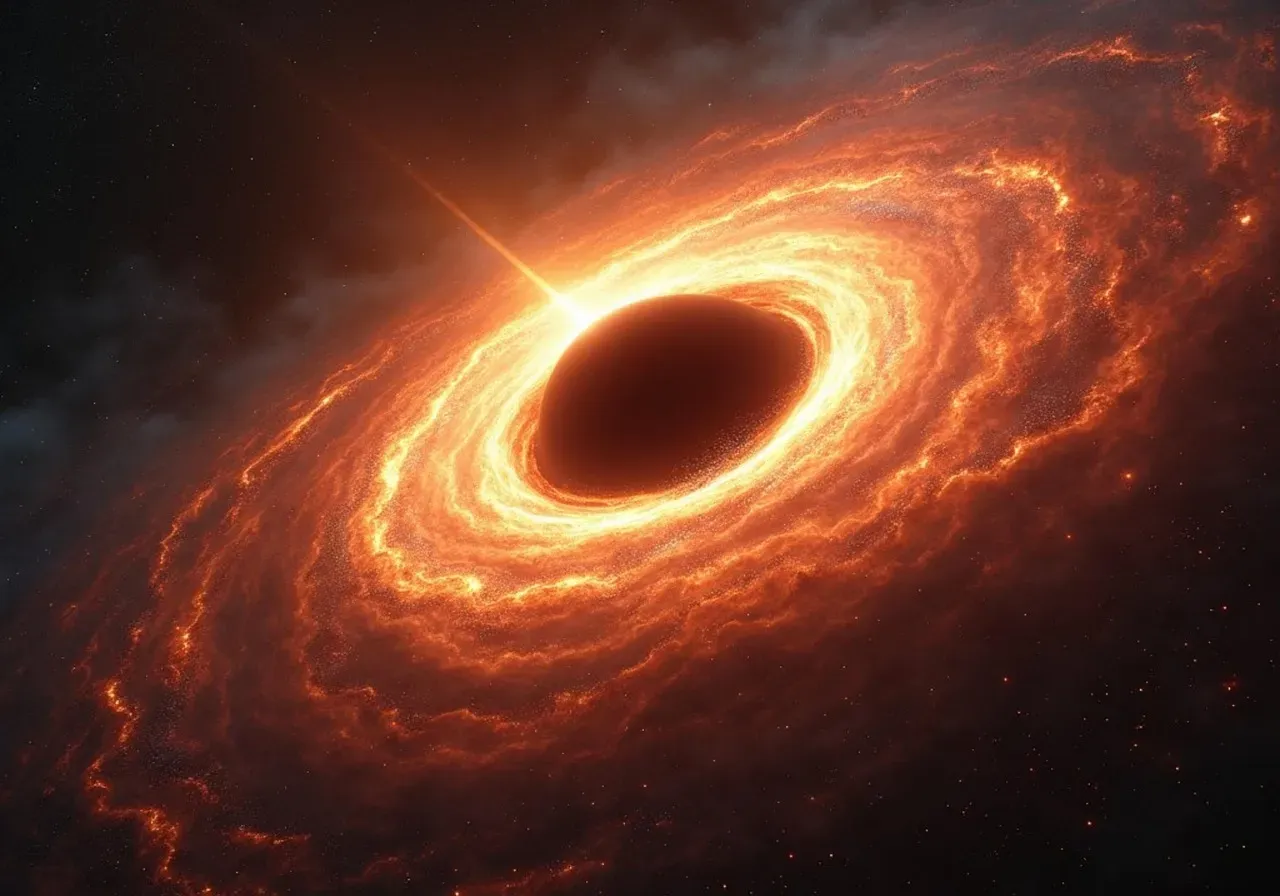
At the heart of a black hole, current theory says there’s a singularity: a point where density becomes infinite and the known laws of physics fall apart. It’s like a warning label on the universe that says, “Our equations stop working here.” Space and time themselves are predicted to be crushed into something so extreme that our best theories simply can’t describe it.
Many physicists suspect that a deeper, still-undiscovered theory of quantum gravity will eventually replace this singularity with something more physically meaningful. Right now, though, the singularity sits there in the math like a cosmic glitch. It reminds us that black holes aren’t just astronomical objects; they’re also signposts pointing to the limits of human knowledge.
They Emit “Hawking Radiation” and Can Eventually Evaporate
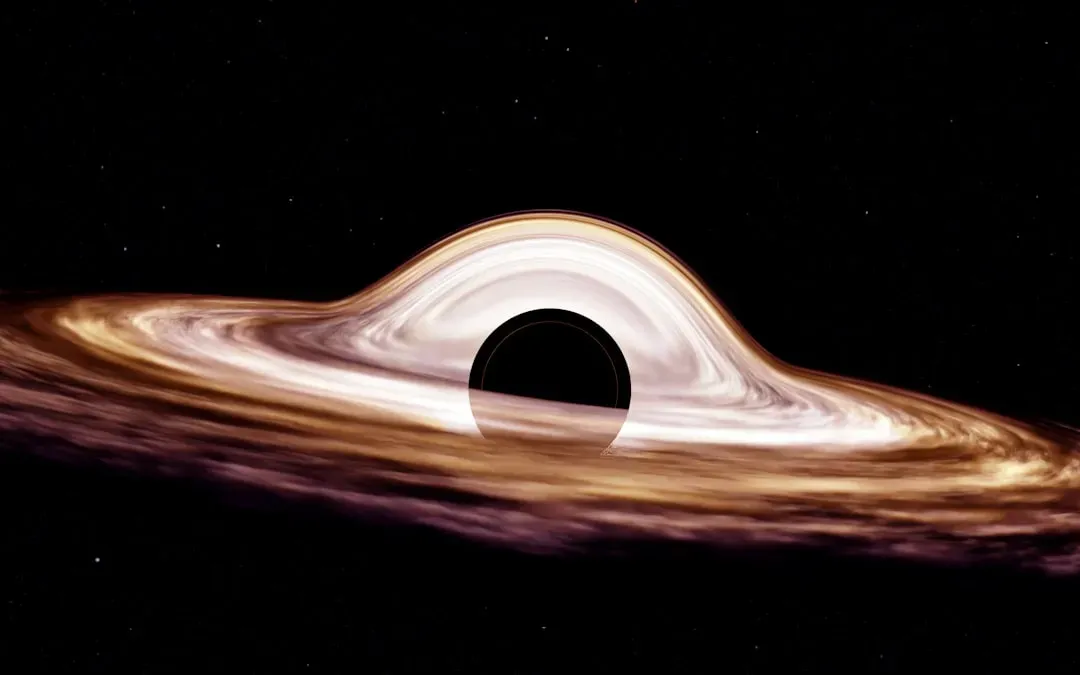
It sounds contradictory, but even though black holes don’t let light escape from inside their event horizons, they can slowly lose mass over time through a process called Hawking radiation. This effect arises from quantum physics at the edge of the black hole, where particle and antiparticle pairs constantly pop in and out of existence. Under certain conditions, one particle can fall in while the other escapes, making it look like the black hole itself is radiating.
This process is incredibly slow for large black holes, so slow that a black hole with the mass of a star would take far longer than the current age of the universe to evaporate. But the idea that something defined by inescapable gravity can, over unimaginable timescales, simply fade away into a burst of energy is oddly poetic. It turns black holes from eternal cosmic prisons into very long‑lived but ultimately temporary features of the universe.
There’s a Supermassive One Sitting Quietly in Our Own Galaxy
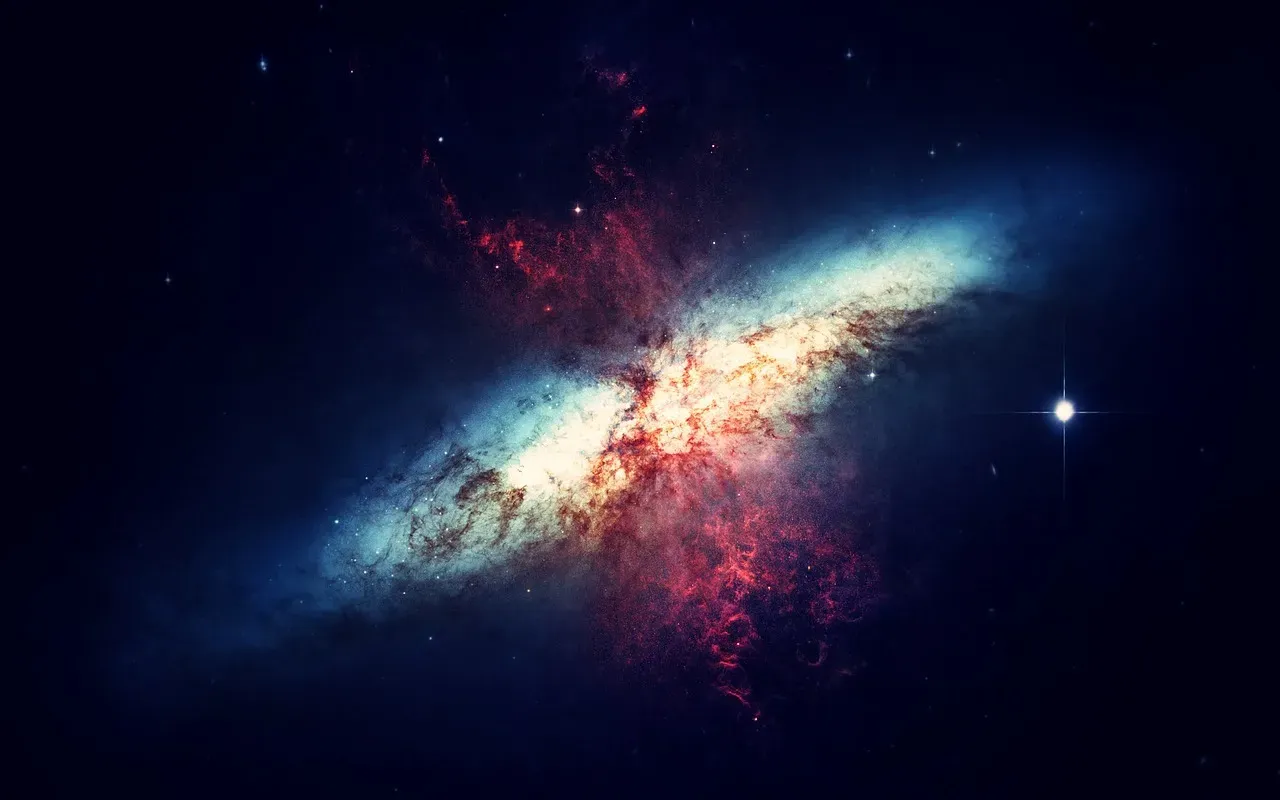
It’s not just faraway galaxies that host black holes; we have a giant one lurking at the center of the Milky Way. Astronomers have measured the orbits of stars whipping around an apparently empty spot, revealing that they’re circling something incredibly massive and compact. From those orbits, they’ve deduced that our central black hole, called Sagittarius A*, has a mass roughly a few million times that of the Sun.
What’s wild is that this monster is relatively quiet right now, not exactly feasting on nearby material. If it were actively devouring gas and stars, the center of our galaxy would light up in high‑energy radiation. Instead, it’s sitting there like a sleeping dragon, occasionally flaring faintly as bits of material fall in. It’s strange to think that our entire galaxy, including our solar system, is effectively orbiting a gigantic, dark anchor.
Black Holes Can Merge and Send Ripples Through Spacetime
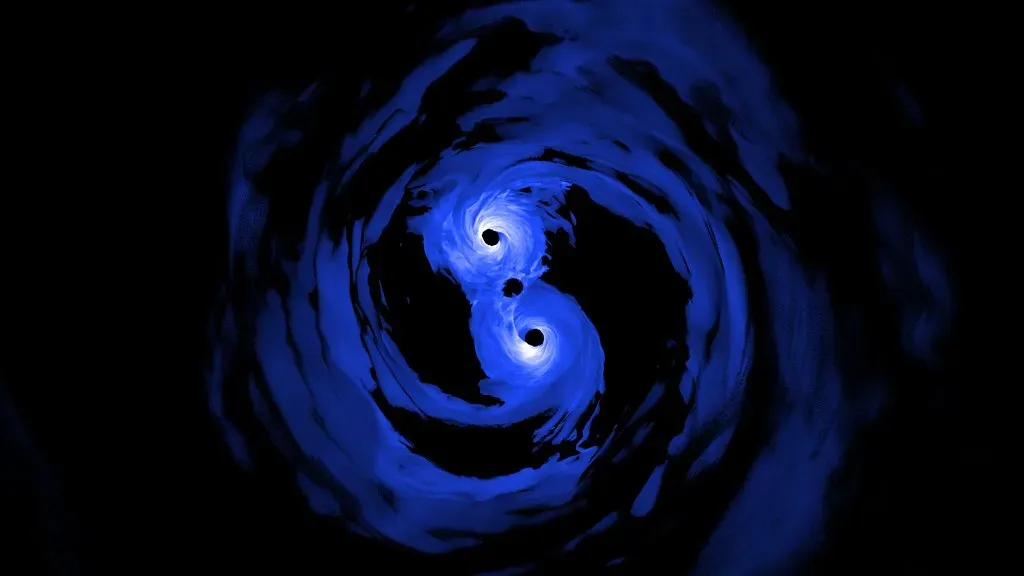
In 2015, scientists directly detected gravitational waves for the first time – tiny ripples in spacetime created when two black holes collided and merged. These waves were picked up by enormous, incredibly sensitive detectors that can measure changes smaller than the width of an atomic nucleus. The event that produced them happened over a billion light‑years away, yet its signal still reached us clearly enough to decode.
When black holes merge, they release an astonishing amount of energy in just a fraction of a second, briefly outshining all the stars in the observable universe combined in gravitational waves. We can’t “see” these mergers with normal light, but we can hear their faint echoes in spacetime itself. It’s like the universe has a hidden soundtrack, and black hole collisions are some of its loudest notes.
Not All Black Holes Are the Same Size – Some Are Truly Colossal
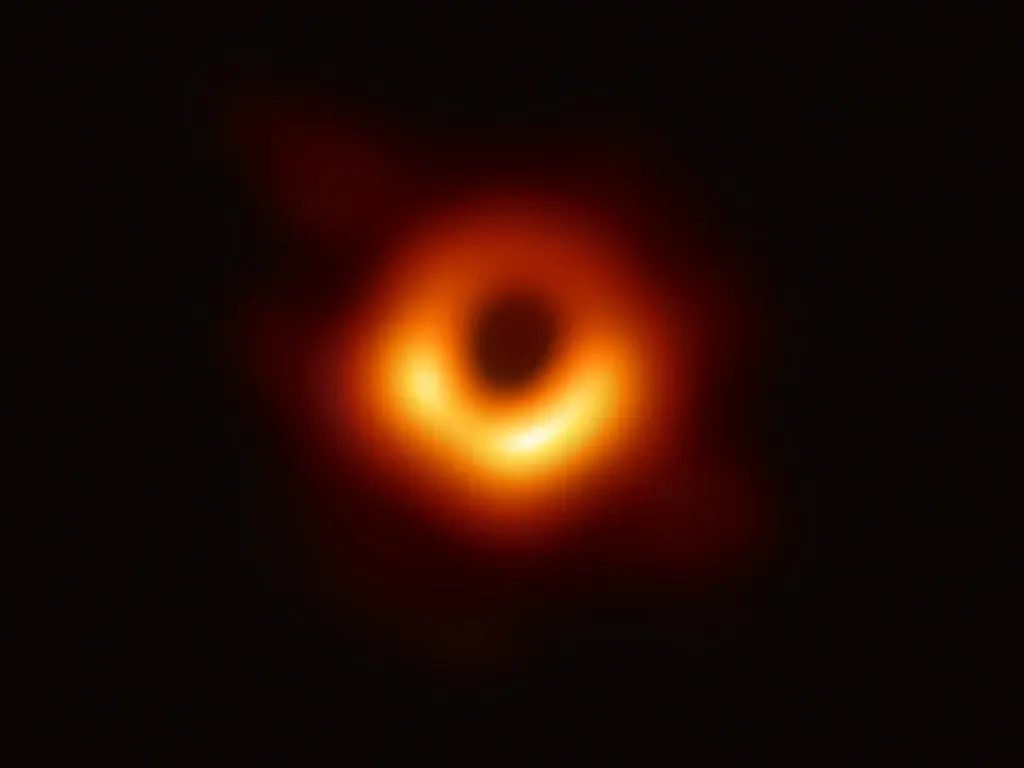
Black holes come in different categories, and some of them make our Sun look like a tiny campfire next to a skyscraper. Stellar‑mass black holes form from the collapse of large stars and tend to be a few to a few dozen times the mass of the Sun. Supermassive black holes, on the other hand, can pack millions to billions of solar masses into a region smaller than our solar system.
There are also clues that an in‑between class called intermediate‑mass black holes exists, with masses between those two extremes. These might form when smaller black holes merge or when especially dense star clusters collapse. The sheer range of sizes hints that black holes may grow and evolve in multiple, still not fully understood ways, turning them into a kind of cosmic ecosystem of darkness.
Some Black Holes Spin So Fast They Drag Space Around Them
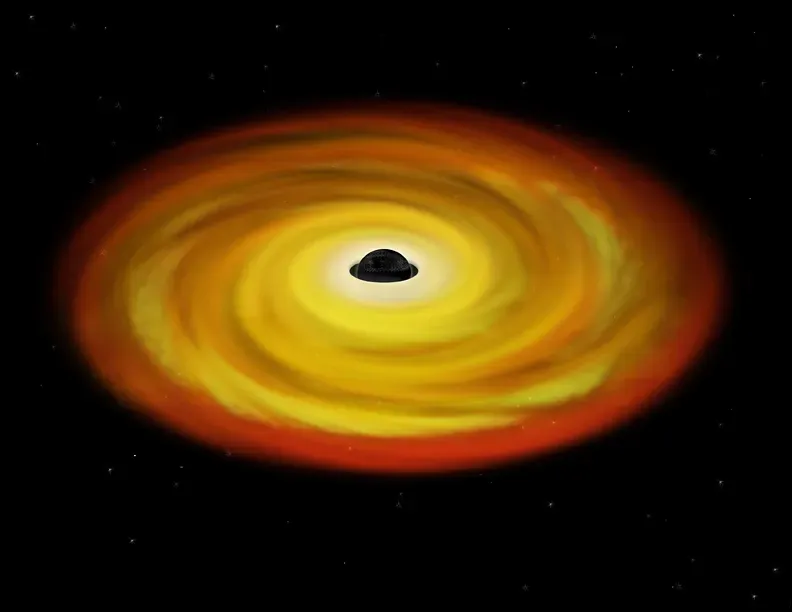
Many black holes don’t just sit there; they spin. And when a black hole spins rapidly, it doesn’t just rotate like a ball – it literally drags the fabric of space around with it. This effect, called frame dragging, means that nearby matter and even light are forced to swirl along, like leaves caught in a whirlpool. The faster the spin, the more intense this twisting becomes.
In extreme cases, the rotation can be so fast that it approaches the maximum allowed by physics, with space near the black hole distorted into complex shapes that are hard to visualize. The spin also affects how matter falls in and how powerful jets of energy can be launched from the region around the black hole. It turns a black hole from a simple sink into a kind of cosmic engine with moving parts made of pure spacetime.
Falling In Feels Very Different From Watching From Afar
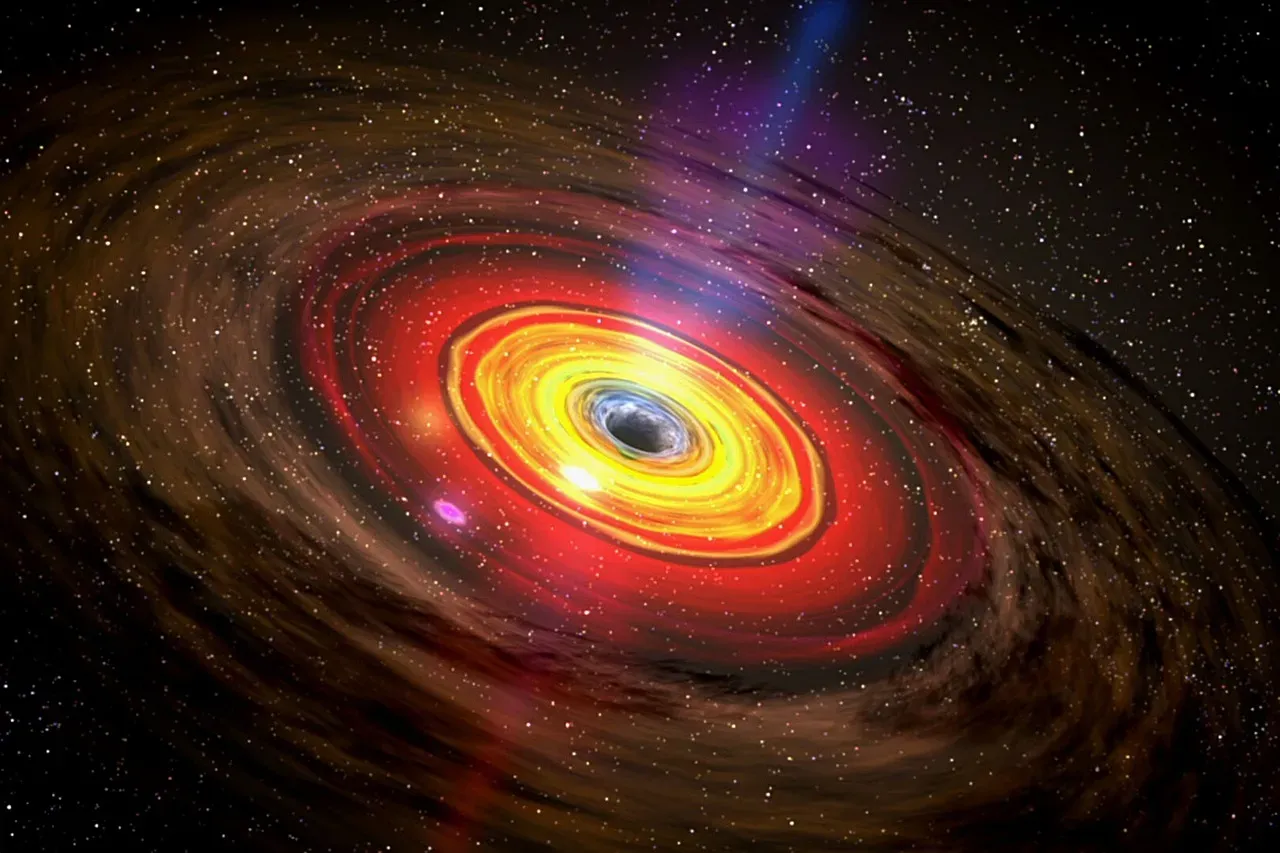
What you’d experience falling into a black hole is bizarrely different from what a distant observer would see. From far away, you’d appear to slow down as you approached the event horizon, getting redder and dimmer until you seemed to freeze at the edge. Time for you would feel normal, but to someone watching, you’d never quite cross over, just fade out painfully slowly.
If you were the unlucky person actually falling in, though, you’d cross the event horizon in finite time, unaware of any special boundary at that exact moment. Depending on the black hole’s size, you might be stretched by tidal forces (the famous “spaghettification”) as gravity pulls harder on your feet than your head. For very large black holes, you might pass the horizon without immediately being torn apart, surviving a little longer in a place where escape is already impossible.
They Challenge What We Think We Know About Information and Reality
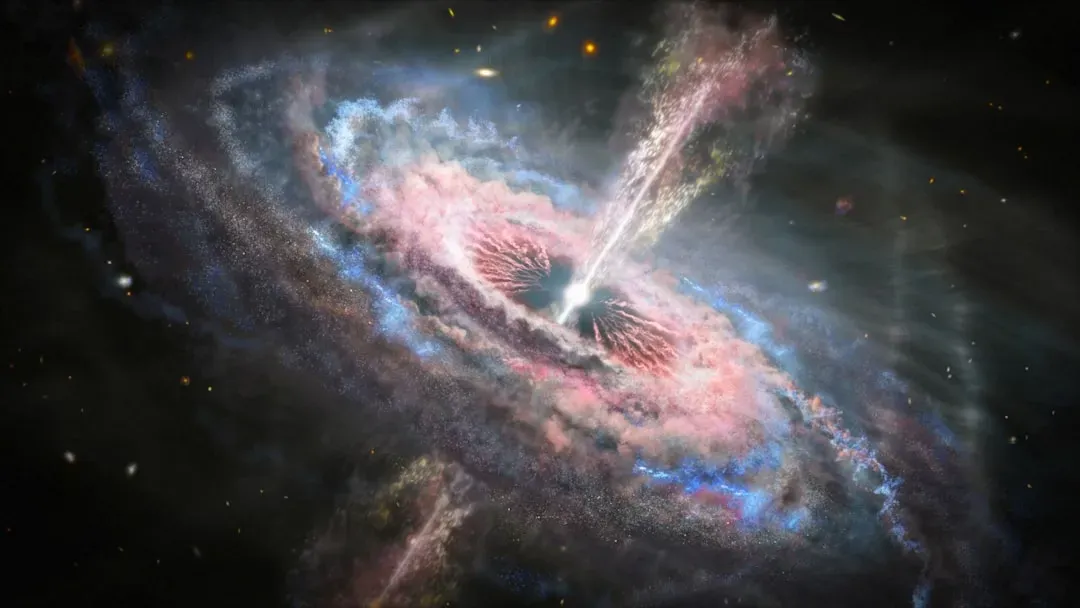
One of the strangest arguments in modern physics revolves around what happens to information that falls into a black hole. Basic principles of quantum mechanics say information about the physical state of things can’t be completely destroyed. But if a black hole swallows matter and then eventually evaporates away via Hawking radiation, where does that information go?
This “information paradox” has sparked decades of debate and research, with ideas involving holographic principles, quantum entanglement, and new ways of thinking about space and time. Black holes, in this view, are not just dense objects but profound puzzles about whether the universe keeps perfect track of everything that ever happens. In a strange way, they force us to ask whether reality is more like a movie playing out in space, or like a vast, encrypted file where nothing is ever truly lost.
Black Holes Are the Universe’s Most Extreme Thought Experiments
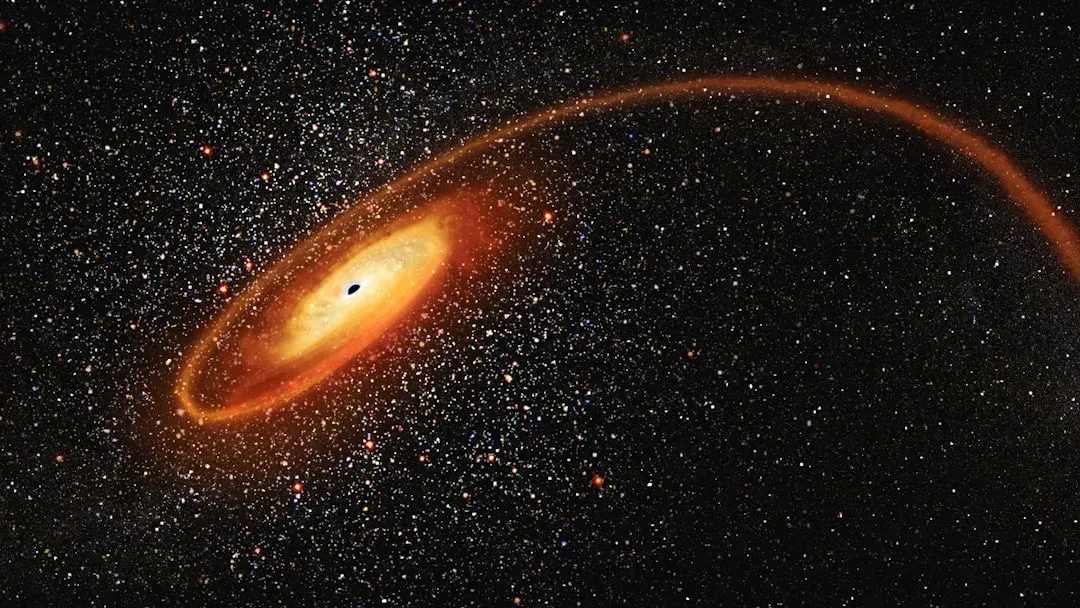
Black holes sit at the crossroads of our best theories of gravity, quantum physics, and cosmology, and they stubbornly refuse to fit neatly into any of them. They crush stars, reshape time, bend light into rings, and send ripples through spacetime that we can now detect from Earth. Every new observation, from images of their shadows to recordings of their mergers, confirms that they are real and yet somehow even stranger than the textbooks made them sound.
In a universe already full of weirdness, black holes are the places where reality pushes back and says, “You haven’t figured me out yet.” They’re not just cosmic vacuum cleaners; they’re laboratories for the most radical ideas in physics and reminders of how small our everyday intuitions really are. When you look up at the night sky now, can you shake the feeling that somewhere out there, space and time are being twisted into knots in ways we’re only beginning to understand?