
Every day you wake up, open your eyes, and there it is again: that silent, private movie playing in your mind. You feel things, remember, imagine, love, worry, hope. Yet no one, not even the brightest scientists alive in 2026, can fully explain where this inner world comes from or how a lump of biological tissue in your skull creates it. For all our technology and brain scans and equations, the simple fact that it “feels like something” to be you is still deeply mysterious.
I remember the first time this really hit me. I was sitting in a crowded café, watching people scroll on phones, laugh, stare out the window, and I suddenly realized: each of them is living inside a completely different, invisible universe of thoughts and feelings. We can measure their heart rate, map their neurons, and analyze their speech, but that inner glow of experience remains stubbornly out of reach. This is why many researchers now say human consciousness isn’t just one more scientific problem; it might be the hardest one we will ever face.
The Hard Problem: Why Does Experience Exist At All?
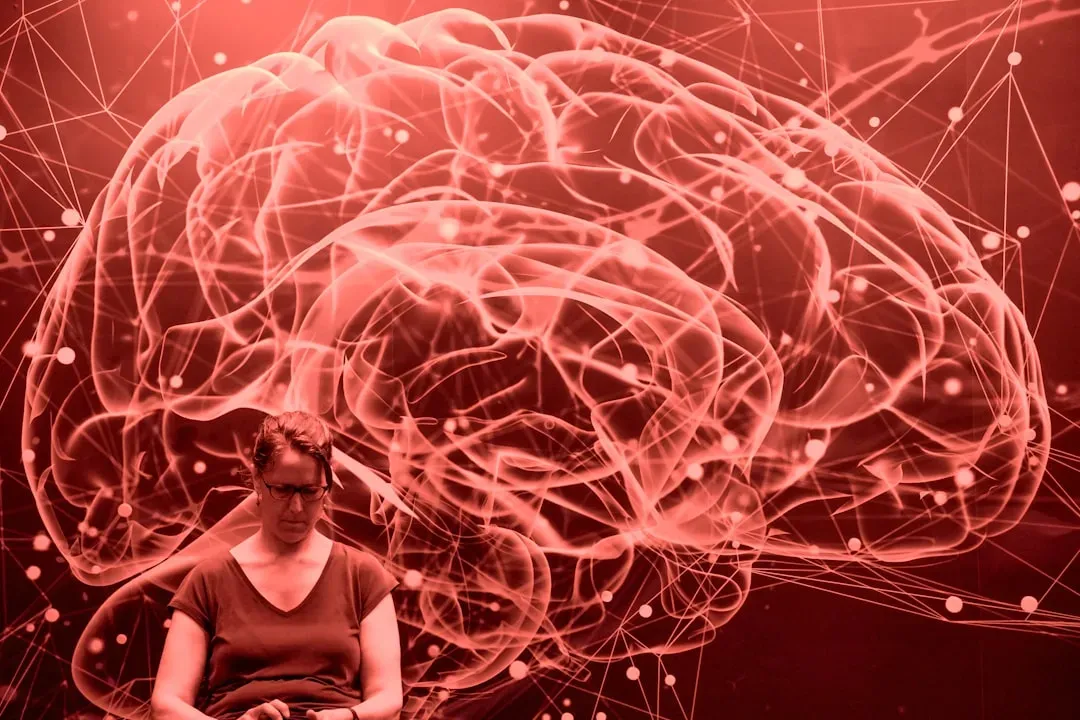
Here’s the shocking part: from a purely physical perspective, the universe doesn’t need consciousness to get work done. Atoms collide just fine without wondering how they feel about it. Yet humans (and likely many animals) don’t just process information; we experience it. There’s a raw feel to pain, the vivid redness of a strawberry, the strange intimacy of your own inner voice. Why should any of that exist, instead of the brain just silently crunching numbers in the dark?
This is often called the “hard problem” of consciousness: not how the brain behaves, but why there is any felt experience on the inside. Neuroscience is getting better at answering the “easy problems,” like which brain areas light up when you see a face or hear music. But bridging the gap between electrical activity and the feeling of being you is still like trying to explain color to someone who has only known black and white. The mystery is not just complicated; it might demand a completely different kind of explanation than anything we’ve used in science so far.
Brain Science: Incredible Maps, Unanswered Questions
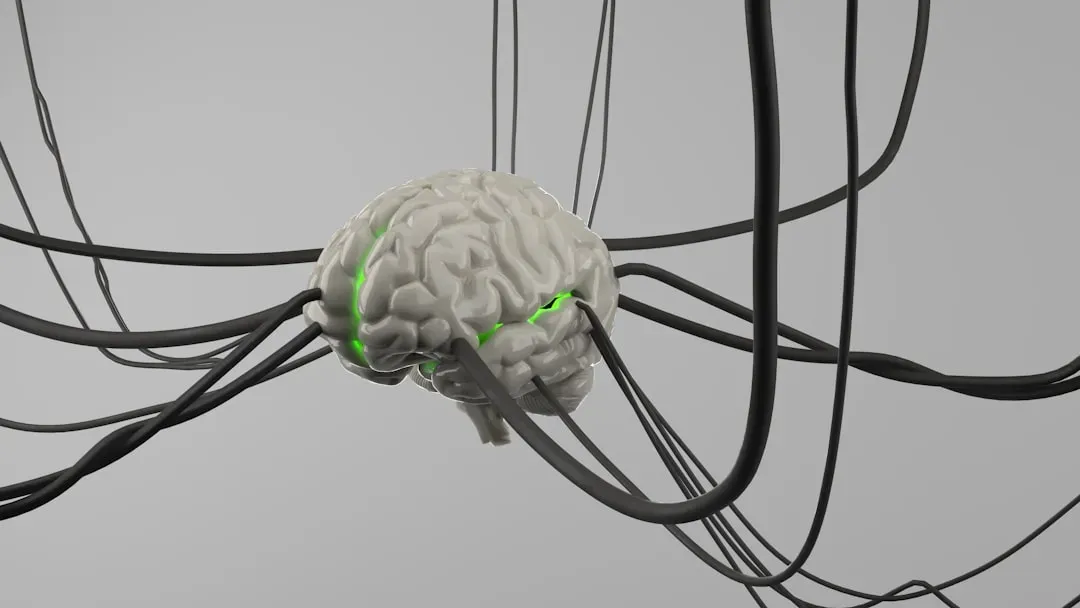
In the past few decades, brain science has made staggering progress. We can record from individual neurons in animals, watch large-scale brain networks light up in human fMRI scans, and even stimulate tiny regions with electrodes to trigger sensations or memories. Projects around the world are building vast maps of the brain’s wiring, almost like trying to chart every street in a city the size of a planet. The level of detail is mind-blowing compared with what scientists had a century ago.
And yet, even with these detailed maps, something is missing. You can point to a brain region and say it’s involved in vision or language, but that still doesn’t explain why any of that activity is accompanied by an inner feeling. It’s like having the complete blueprint of a radio and understanding every circuit, but still not knowing how music emerges from it. Neuroscientists are increasingly honest about this gap: the mapping is necessary, but it may not be sufficient to crack the deepest part of the mystery.
Emergent Property or Fundamental Feature of Reality?
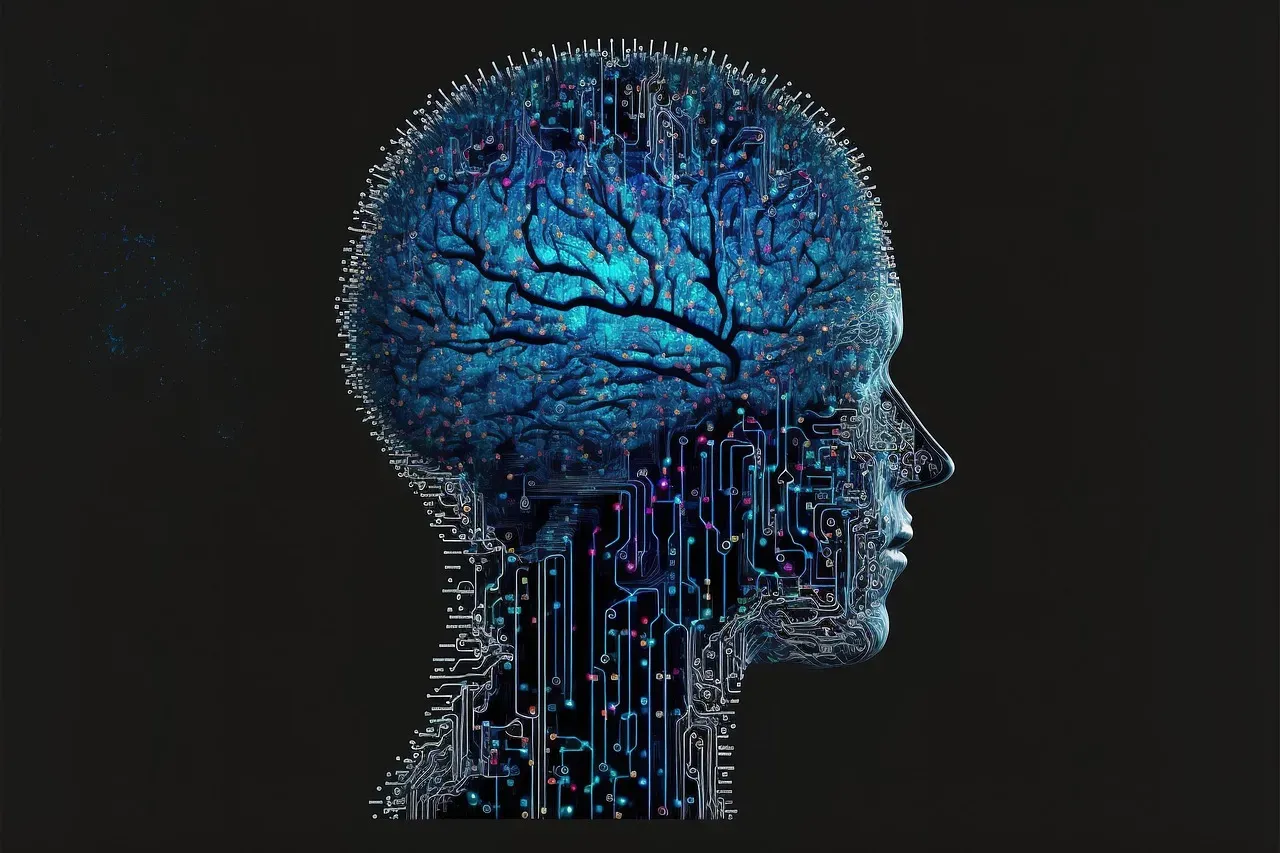
One big debate is whether consciousness “emerges” from complexity or whether it’s something more basic, woven into the fabric of reality. The emergent view says that when a system gets complex enough – like a human brain with billions of neurons – a new property appears, the way wetness emerges from water molecules. On this view, consciousness is a sort of sophisticated side effect of information processing, not a fundamental ingredient of the universe.
Others argue that this doesn’t really solve the problem; it just shifts it. They suggest that for experience to exist at all, even in principle, reality might have to contain some kind of primitive “subjective” aspect, however faint. This line of thinking leads toward views where consciousness is closer to a basic feature of the world, a bit like space, time, or mass. That doesn’t mean rocks or atoms are having deep inner lives, but it does hint that our scientific picture might be incomplete if it only deals with things that can be measured from the outside.
Competing Theories: From Global Workspace to Integrated Information
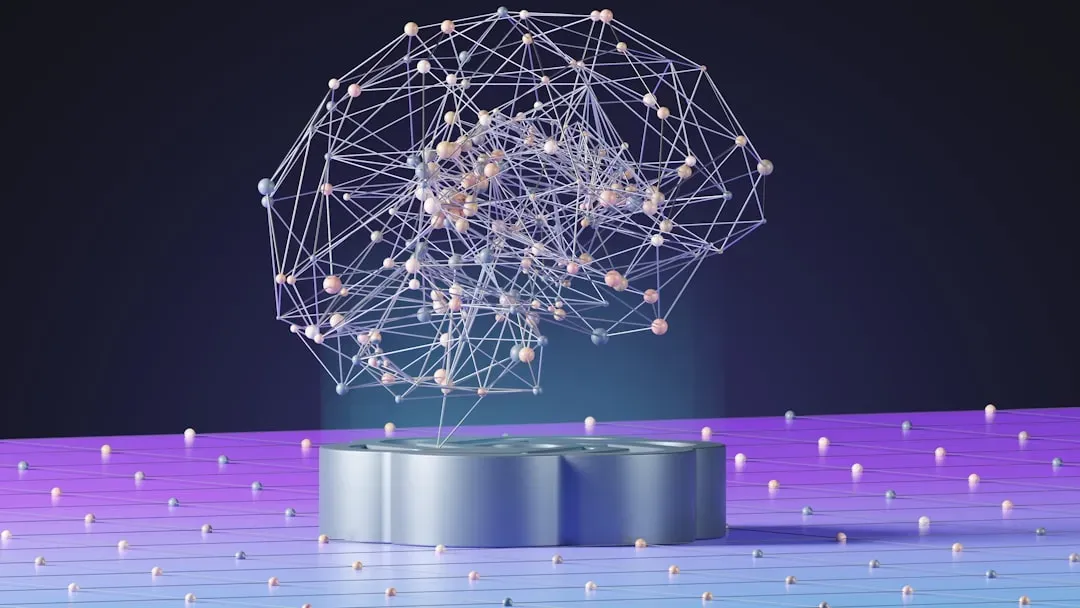
Despite the mystery, scientists haven’t just thrown up their hands. Several serious theories try to pin down what consciousness is in functional terms. Global Workspace Theory, for example, compares the mind to a kind of mental stage. According to this view, information becomes conscious when it’s broadcast widely across many brain systems, allowing different processes like memory, attention, and decision-making to coordinate with each other. Unconscious processes stay in the backstage, never reaching the spotlight.
Another influential approach, Integrated Information Theory, says consciousness corresponds to how much information a system generates as a unified whole, beyond the sum of its parts. In simple terms, the more tightly knit and irreducible the network of interactions, the richer the experience. These ideas are being tested with brain recordings, careful experiments, and even AI models. Still, no theory has achieved universal acceptance, and some critics argue that we might be missing a crucial piece – like trying to explain life before understanding DNA.
Artificial Intelligence and the Question of Machine Minds
The rise of advanced AI makes the consciousness puzzle feel less abstract and more urgent. Modern language models and other AI systems can produce text, images, and even conversations that feel eerily human at times. They can mimic empathy, recall information instantly, and react in ways that look thoughtful. But there’s a massive open question: is anything actually “going on” inside, or is it all just sophisticated pattern-matching with no inner experience at all?
Right now, most researchers think today’s AI is not conscious, at least not in any human-like way. These systems work by processing data and optimizing patterns, with no direct sign of subjective feeling. Still, as AI becomes more complex and more deeply integrated into daily life, the line between smart behavior and genuine experience will get harder to draw. If we don’t understand the source of human consciousness, how can we confidently say whether a future AI has any moral status or inner life to respect?
Death, Identity, and the Personal Stakes of the Mystery
This isn’t just an abstract puzzle for philosophers and lab scientists. Consciousness is tied directly to questions we all care about: What am I, really? What happens when I die? If my memories, personality traits, and habits were perfectly copied into another body or a machine, would that “me” actually be me, or just a convincing duplicate? Without a clear understanding of consciousness, our answers are mostly intuitive guesses wrapped in cultural stories.
For many people, consciousness is where ideas about the soul, free will, and moral responsibility live. Even if future science explains more of the mechanisms, there may always be a deeply personal side to this mystery that data alone can’t touch. That’s part of why the topic stirs such intense emotions: it sits at the intersection of physics, biology, psychology, spirituality, and everyday life. When you look closely, you’re not just asking how brains work; you’re asking what it truly means to be someone rather than just something.
Could We Ever Truly Solve It?
Some researchers think consciousness will eventually be explained like any other natural phenomenon: slowly, through better experiments, richer models, and a lot of confusion along the way. Others suspect that our minds might simply be the wrong kind of tool to fully grasp themselves, the way a camera can’t photograph itself from the outside without a mirror. There’s a real chance that the source of consciousness will remain partly out of reach, not because it’s magical, but because we’re trying to study subjectivity using methods built for objects.
Still, the struggle itself might be the point. In trying to understand consciousness, we’re forced to question our deepest assumptions about reality, identity, and what counts as explanation. Even if we never get a final, perfectly satisfying answer, every step forward reshapes how we see ourselves and our place in the universe. The fact that a bit of matter can sit here wondering about its own existence might be the strangest and most beautiful fact of all. Did you expect that?