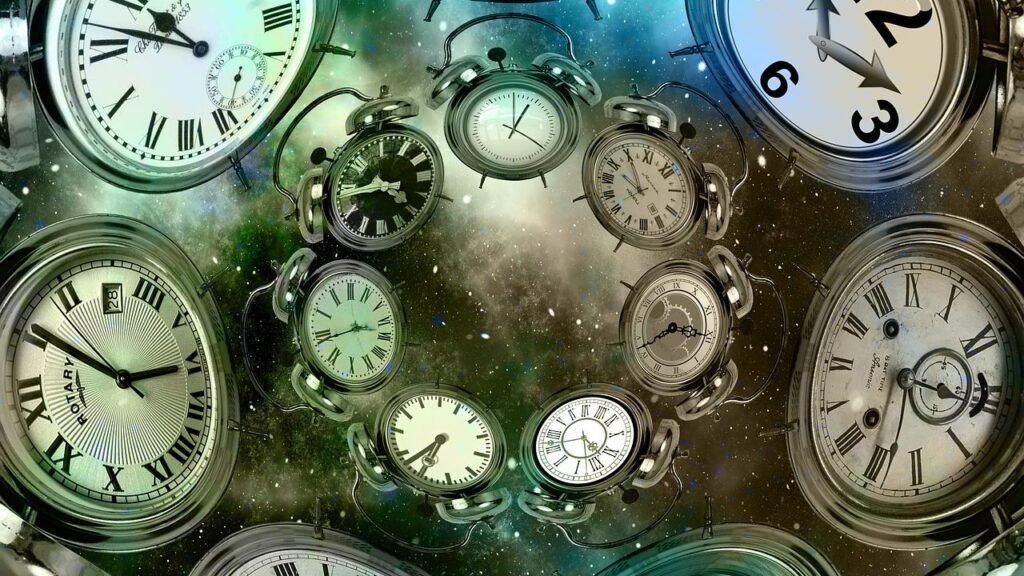
You probably glance at your watch several times a day. You make plans for next week. You remember last summer. Time feels like the most obvious thing in the world, doesn’t it?
It’s ticking along right now as you read these words. Yet here’s the thing that physicists are wrestling with: time might not actually exist at all. It could be the universe’s greatest magic trick, a cosmic sleight of hand that your brain has fallen for completely.
Let’s dive in. This isn’t some fringe idea cooked up by eccentric thinkers in dusty basements. Some of the brightest minds in theoretical physics are seriously questioning whether time is real or just something we’ve invented to make sense of reality.
Einstein’s Relativity Changed Everything About Time Forever
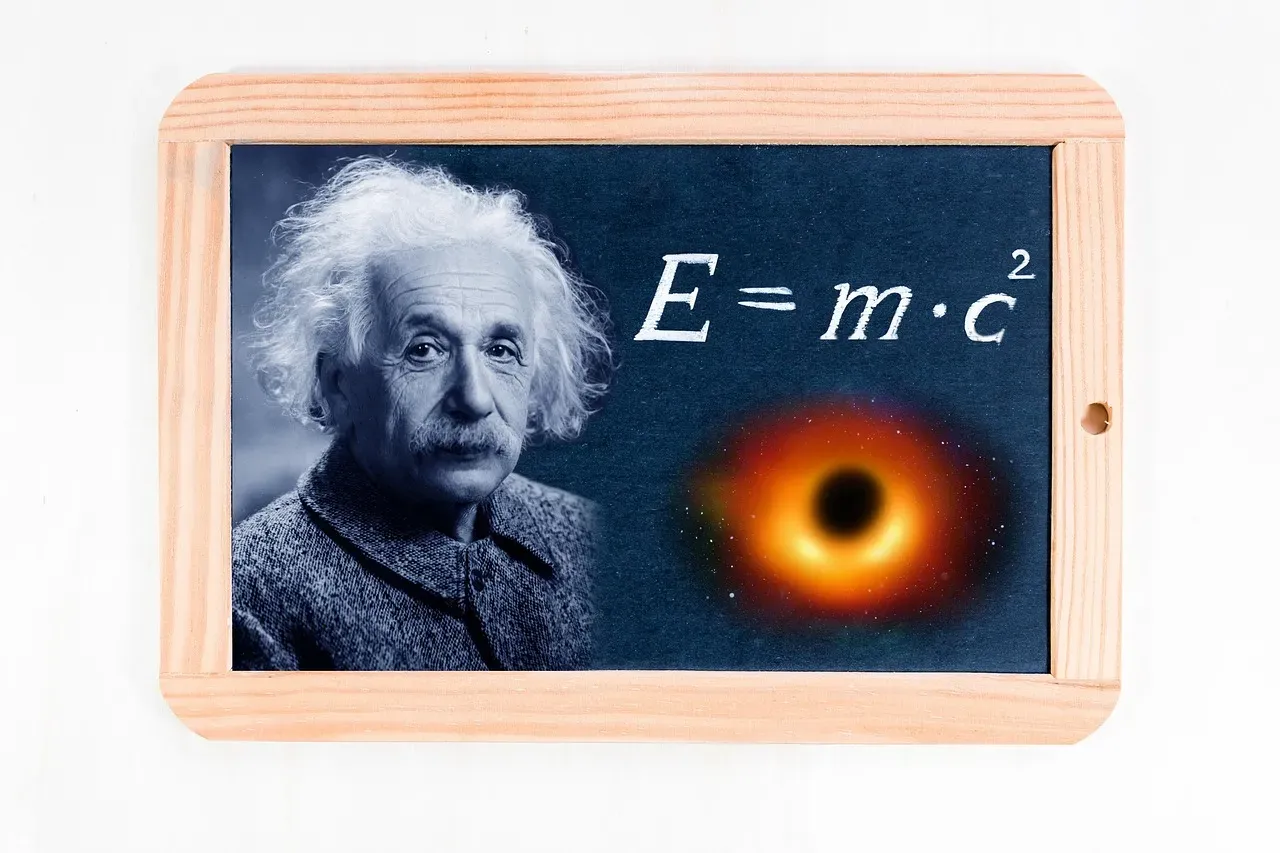
When Einstein introduced his special theory of relativity back in 1905, he showed that time isn’t the same for everyone. Let’s be real, this was shocking. If you’re traveling at very high speed or near a massive object like a planet, time will seem to pass more slowly for you compared to someone who’s farther away from the gravitational pull or moving more slowly.
Hermann Minkowski announced in a 1908 colloquium with the dramatic words that space and time are doomed to fade away into mere shadows, and only a kind of union of the two will preserve an independent reality. Einstein’s theories suggest that all moments could be equally real, leaving no universal present. This means your childhood birthday party, this exact moment, and your distant future might all exist simultaneously in what physicists call spacetime.
The Block Universe Makes Your Past Still Real Right Now
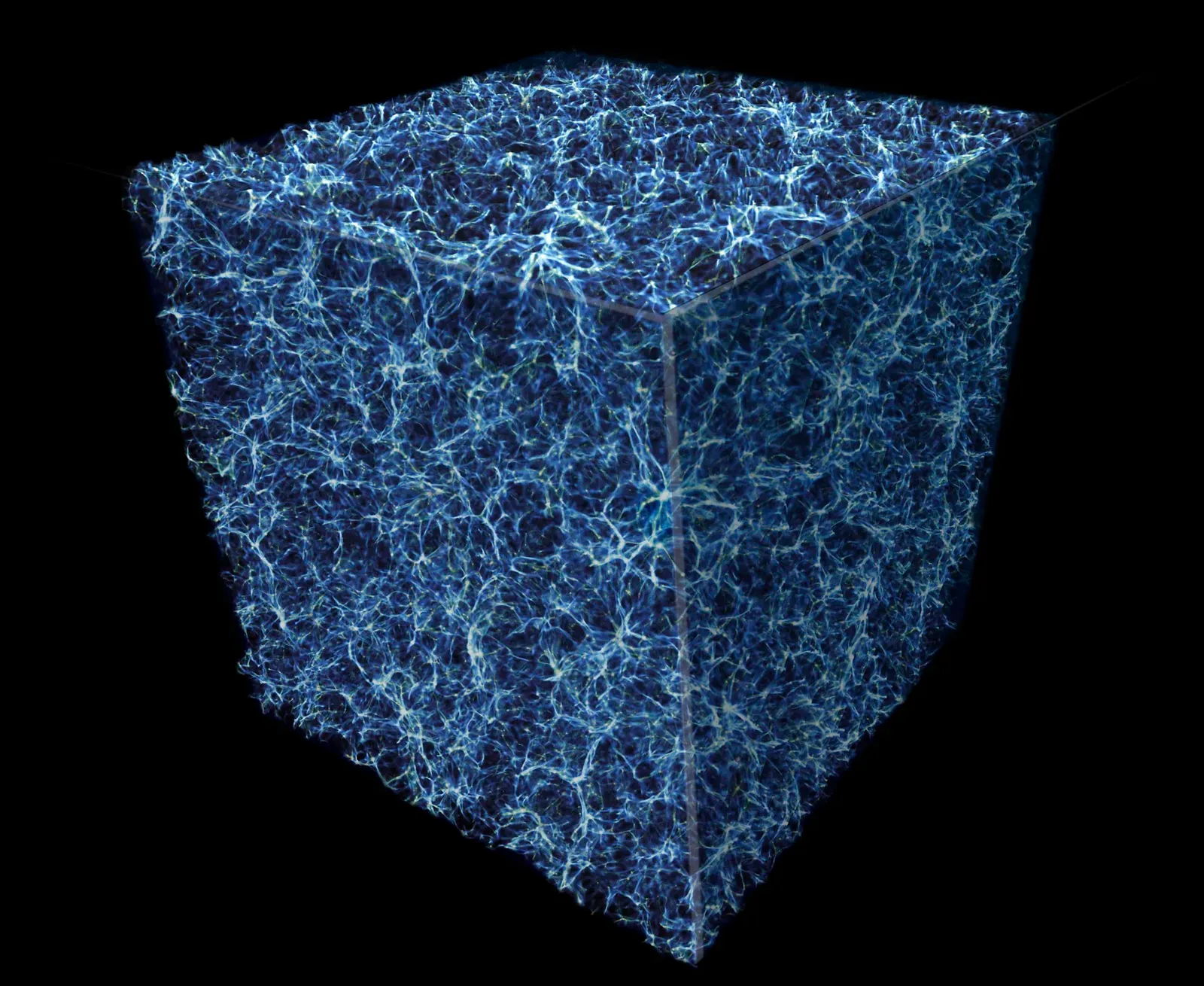
Physics gives us the so-called block universe, where time is just part of a four-dimensional spacetime. Imagine a loaf of bread where each slice represents a moment in time. All the slices exist at once. Your past isn’t gone, and your future isn’t approaching.
In this view called the block universe, there is no basis for singling out a present time that separates the past from the future because all times coexist with equal status. I know it sounds crazy, but think about it. In Albert Einstein’s theory of relativity, time is woven together with the three dimensions of space, forming a bendy, four-dimensional spacetime continuum encompassing the entire past, present and future. Everything that has happened or will happen is already laid out in this cosmic block.
Your Brain Creates the Flow of Time as Illusion
We do not really observe the passage of time, but what we actually observe is that later states of the world differ from earlier states that we still remember. Here’s the thing: your memories don’t prove time flows. Many physicists say that our brains layer the experience of flow on top of an otherwise static reality.
Nothing other than a conscious observer registers the flow of time, and a clock measures durations between events much as a measuring tape measures distances between places. Your sense of moving from past to future might be nothing more than how your neurons process information. Perhaps the biggest puzzle isn’t whether time exists but why our brains are so attached to the notion that it flows without pausing, and why we find it so hard to let go of that idea.
Quantum Physics Reveals Time Doesn’t Exist Fundamentally
Time may not be a fundamental element of the universe but rather an illusion emerging from quantum entanglement, a new study suggests. The quantum world gets truly bizarre. The Page and Wootters mechanism, first proposed in 1983, suggests that time emerges for one object through its quantum entanglement with another acting as a clock.
Loop quantum gravity often does away with a global time parameter. Quantum physics admits superpositions between forward and time-reversal processes, whereby the thermodynamic arrow of time becomes quantum-mechanically undefined. Honestly, at the quantum level, time becomes so slippery that the concept might be meaningless.
Julian Barbour Says Time Is Completely Nonexistent
Julian Barbour’s 1999 book The End of Time advances timeless physics: the controversial view that time, as we perceive it, does not exist as anything other than an illusion. Barbour goes further than most. Barbour’s solution to the problem of time in physics and cosmology is as simply stated as it is radical: there is no such thing as time, because if you try to get your hands on time it’s always slipping through your fingers.
As Barbour says, the cat that jumps is not the same cat that lands, and there is no past moment that flows into a future moment. Instead all the different possible configurations of the universe, every possible location of every atom throughout all of creation, exist simultaneously in a vast Platonic realm that stands completely and absolutely without time. It’s a radical proposition, but Barbour has published serious physics papers backing it up.
Entropy and the Arrow Create Our Sense of Direction

Entropy is one of the few quantities in the physical sciences that requires a particular direction for time, and as one goes forward in time the entropy of an isolated system can increase but not decrease, thus entropy measurement is a way of distinguishing the past from the future. Think about a cup of coffee cooling down. It never spontaneously heats back up.
In the new story of the arrow of time, it is the loss of information through quantum entanglement, rather than a subjective lack of human knowledge, that drives a cup of coffee into equilibrium with the surrounding room. As stated by Seth Lloyd, the arrow of time is an arrow of increasing correlations. The direction we call “forward” in time is simply the direction in which things become more disordered and entangled.
The Present Moment Doesn’t Exist in Physics Equations
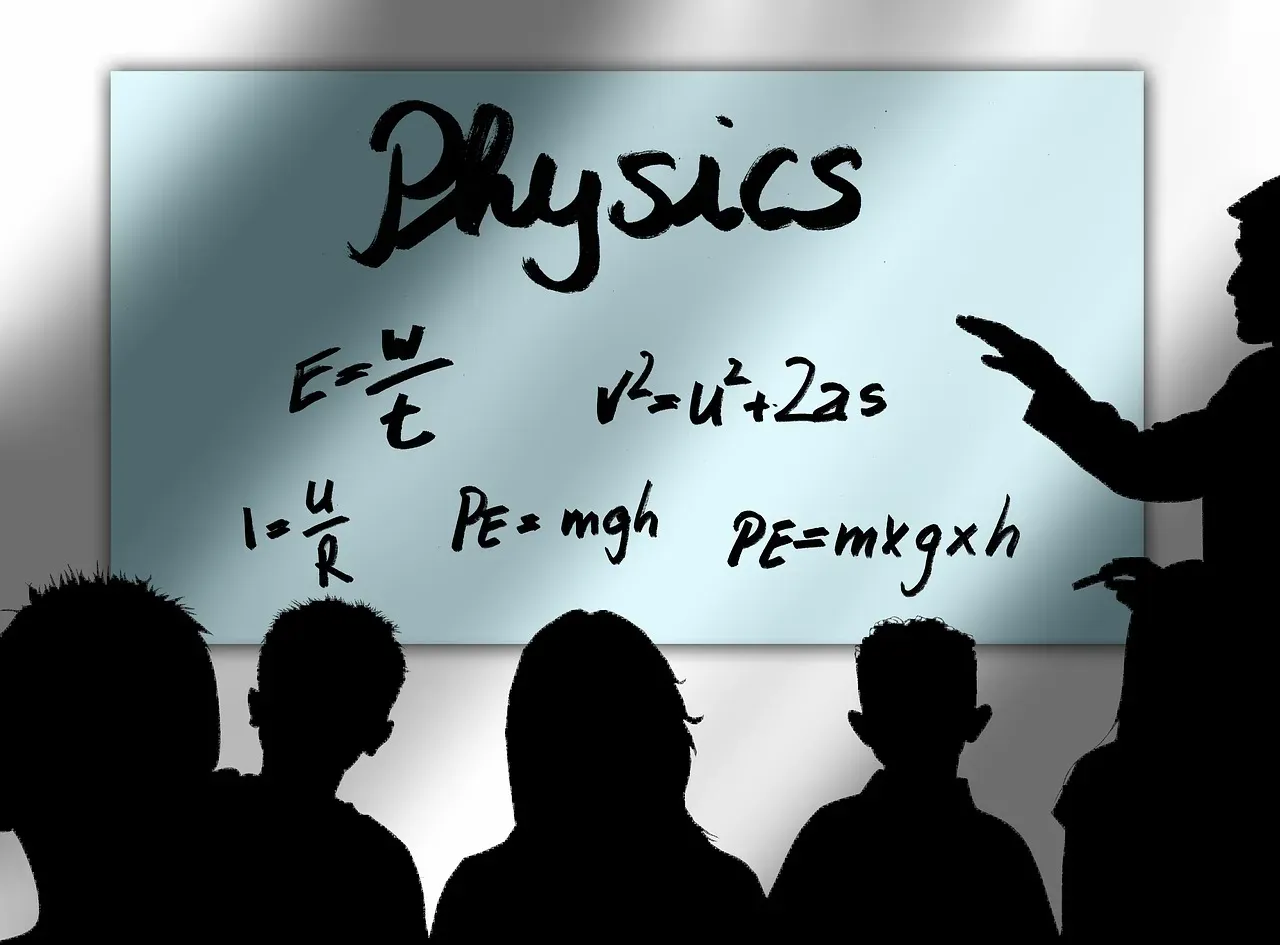
The equations of physics do not tell us which events are occurring right now, and the present moment does not exist in them, and therefore neither does the flow of time. This is deeply unsettling. The remark that the equations of physics do not tell us which events are occurring right now is an unsettling statement for scientists to make, and that remark highlights the gap between how we sense time and how modern equations describe it.
Albert Einstein’s theories of relativity suggest not only that there is no single special present but also that all moments are equally real. The universe doesn’t care about your “now.” Researchers have shown that gravity can slow clocks, so time passes a little bit slower at sea level compared to the top of a mountain because you’re a bit closer to Earth’s gravity. Your present moment is different from someone else’s, depending on where you are and how fast you’re moving.
Measuring Time in a Supposedly Timeless Universe
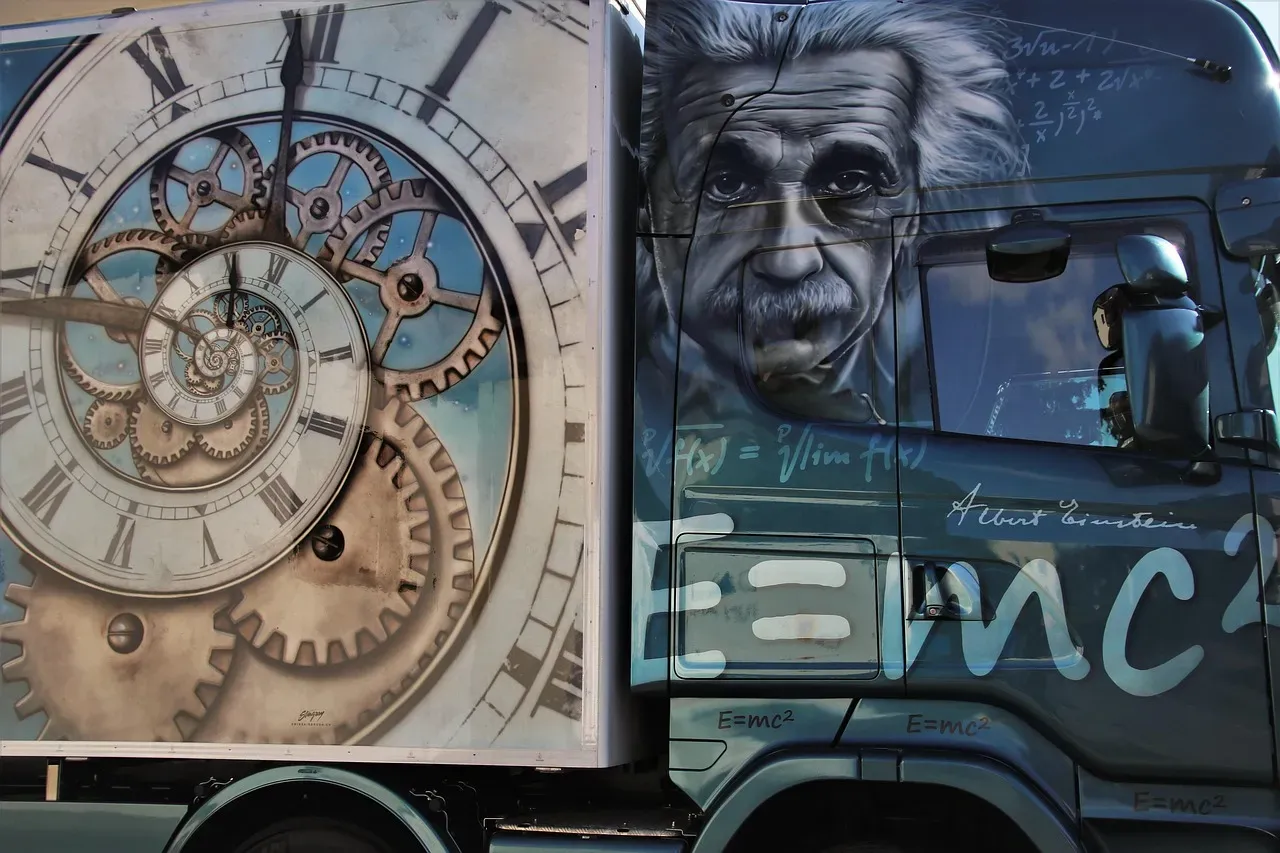
Gravity can slow clocks, so for instance time passes a little bit slower at sea level compared to the top of a mountain because you’re a bit closer to Earth’s gravity. We can measure these differences with atomic clocks. Although we don’t experience this effect in our daily routines, atomic clocks confirm it.
Yet here’s the paradox: if time doesn’t exist fundamentally, how do clocks work? Time is relative, meaning that time can move differently depending on how fast you’re moving or how close you are to a strong gravitational field, though we don’t experience this effect in our daily routines. Maybe clocks aren’t measuring time flowing but simply comparing different states of quantum systems. The ticking isn’t time passing but correlations changing.
Where Does This Leave Us and Our Experience?
Regardless of whether time’s existence is an illusion, a by-product of thermodynamics, or an emergent property of deeper laws, we remain anchored in our daily routines. You’ll still need to show up for work on time. Your dinner reservation still matters. The practical reality doesn’t change even if the fundamental physics does.
Our subjective sense of flowing time, generated by our brains that evolved for other purposes, might be an illusion. Some propose that what we call the flow of time emerges from correlations among physical objects, and our stories and memories might be responsible for building a chain of events we label before and after. Time could be something our consciousness creates rather than discovers.
The implications are staggering. If time is an illusion, what does that mean for causality, for free will, for the very nature of existence itself? These aren’t just academic questions. They strike at the heart of how we understand our place in the cosmos. The debate continues to rage among physicists and philosophers, with no clear resolution in sight.
What do you think about the idea that time might not be real? Does it change how you view your past and future? Tell us your thoughts in the comments.