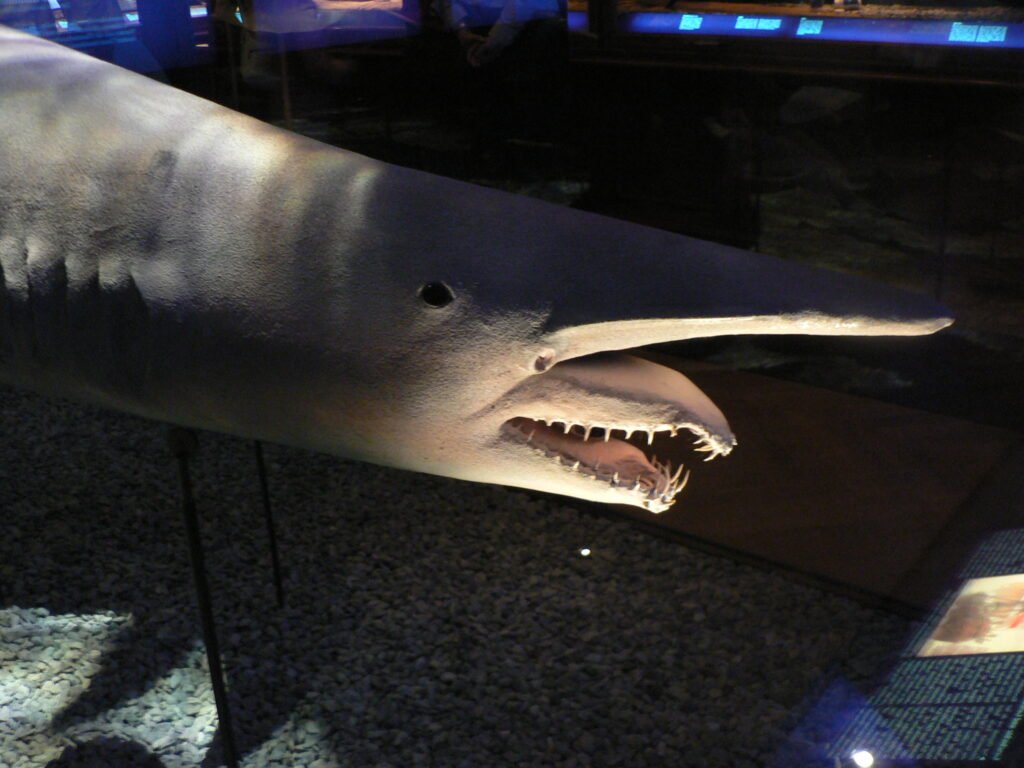

Have you ever wondered what kind of life exists in the parts of the ocean we can barely reach? The deep sea remains one of Earth’s greatest mysteries, a realm where darkness reigns and pressure crushes anything unprepared for it. Yet this alien environment teems with creatures so bizarre, so utterly strange, that they seem ripped from the pages of a sci-fi novel.
The deep ocean is home to peculiar creatures and mystifying phenomena that appear to live only in science-fiction stories. What you’ll discover as you dive deeper into this article might shake your assumptions about what life on our planet can look like. Think transparent heads, glowing lures, and bodies that defy basic anatomy. These aren’t CGI effects or Hollywood inventions. They’re real, breathing animals that have adapted to one of the most extreme environments imaginable.
The Abyss Begins Where Sunlight Dies
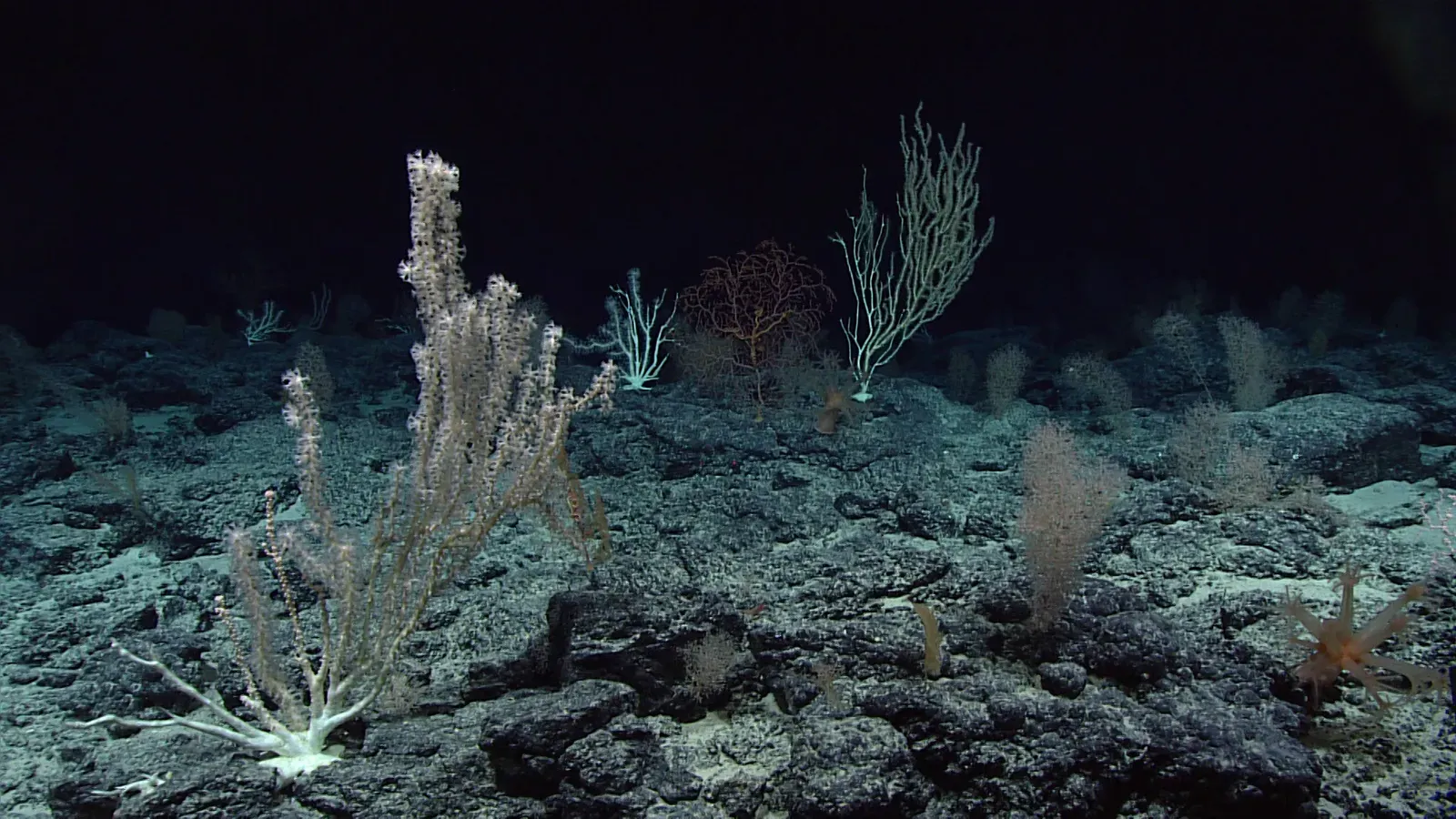
Scientists define the deep sea as encompassing all ocean waters below 656 feet, where sunlight filtering through the water begins to dwindle, giving way to a realm of complete darkness, frigid temperatures and crushing pressure. It’s hard to wrap your head around what that means until you consider the numbers. Below this threshold, no plants grow. No photosynthesis happens. Food is scarce, drifting down from above like rare snow.
The deep sea is the largest habitat on Earth and the last unexplored frontier on our planet. Honestly, we’ve explored more of the moon’s surface than we have of the ocean floor. In this permanent night, survival demands radical solutions. Over millions of years, animals have evolved specific traits to survive extreme conditions, resulting in some truly alien-looking animals.
Anglerfish: Nature’s Most Deceptive Predator
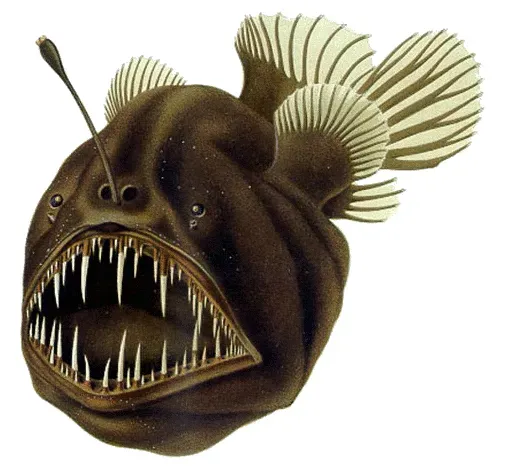
You’ve probably seen an anglerfish before, even if you didn’t know its name. Viperfish and similar species are deep-sea creatures with needle-sharp teeth and light-producing organs arranged along their bodies, but the anglerfish takes things to another level. Picture a fish with jaws lined with translucent fangs, its body compressed and dark. Dangling from its head is a glowing lure that looks like a tiny lantern in the void.
Here’s the thing, though. The anglerfish isn’t making the light on its own but relies on a partnership with bacteria, which produce the glow through a symbiosis scientists still don’t fully understand. The anglerfish also has one of the strangest reproductive strategies in the animal kingdom. Males are tiny compared to females, and when they find a mate, they latch on permanently. Over time, the male fuses to the female’s body, becoming little more than a sperm-producing appendage. Talk about commitment.
The Giant Isopod: A Roly-Poly on Steroids
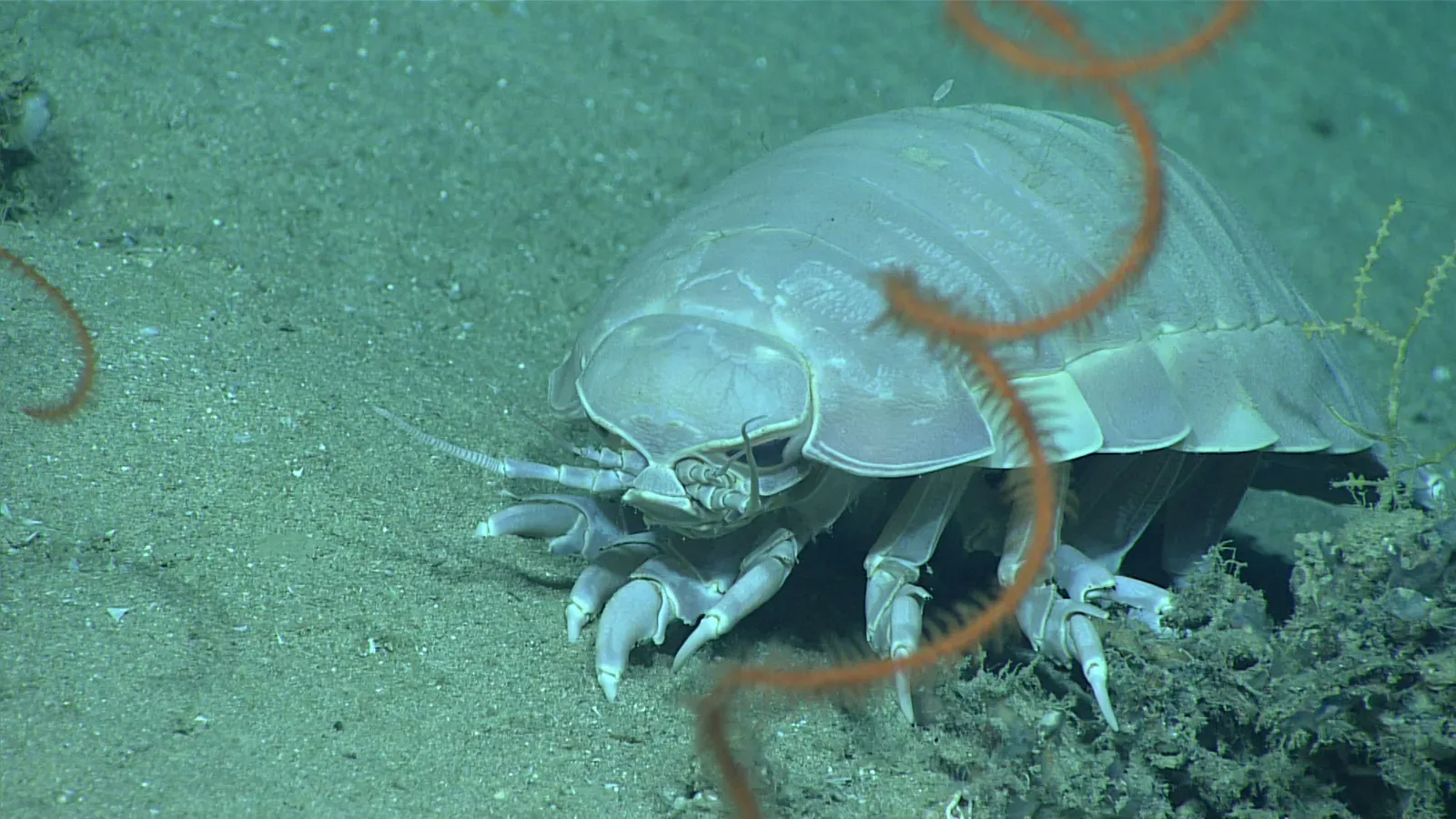
The giant isopod lives at depths down to 7,000 feet in the Indo West Pacific and Atlantic oceans, and is the largest of around 10,000 species of isopods, measuring up to 16 inches from head to tail. If you’ve ever caught a pillbug in your backyard, imagine that same creature but the size of a football. These armored scavengers patrol the ocean floor like little tanks, searching for anything edible that falls from above.
Giant isopods are an example of deep-sea gigantism, which may result from a lack of predators in the ocean’s deepest corners or from the need for organisms to carry more oxygen at great depths. They can survive years without food in captivity, which makes sense when meals in the abyss are few and far between. When threatened, they curl into a ball, protecting their soft underbelly just like their terrestrial cousins.
Bioluminescence: The Language of Light in Darkness
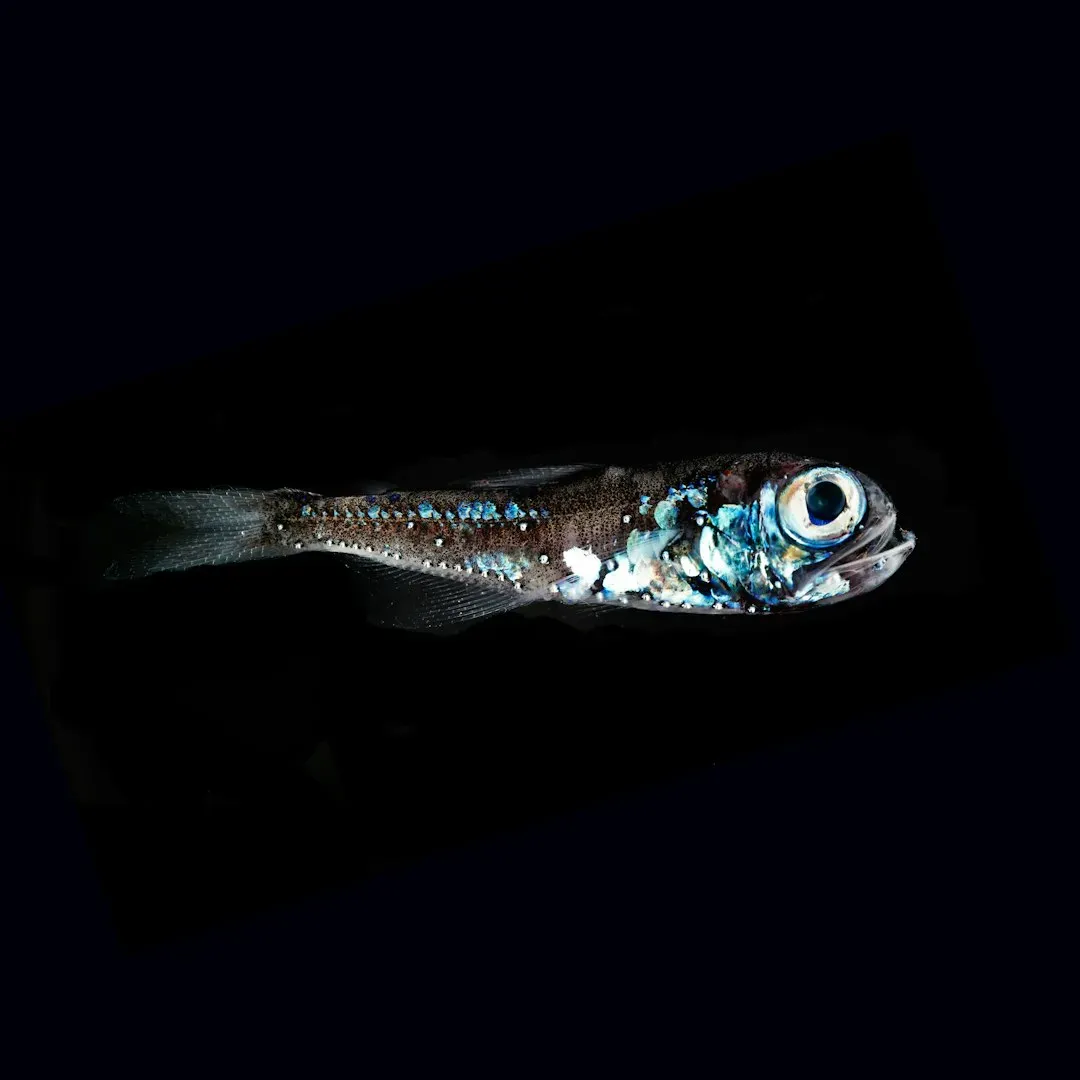
In the deep sea, bioluminescence is extremely common, and because the deep sea is so vast, bioluminescence may be the most common form of communication on the planet. Let that sink in for a moment. The most widespread way creatures talk to each other might not be sound, scent, or sight as we know it. It’s light produced by their own bodies.
In one study, 76% of observed individuals in the water column have bioluminescence capability. That’s a staggering majority. Bioluminescence occurs through a chemical reaction that produces light energy when luciferin reacts with oxygen. Some animals use it to attract prey, dangling glowing appendages like fishing lures. Others flash it to startle predators or to blend in with faint light from above, a clever trick called counter-illumination.
The Barreleye Fish and Its Transparent Head
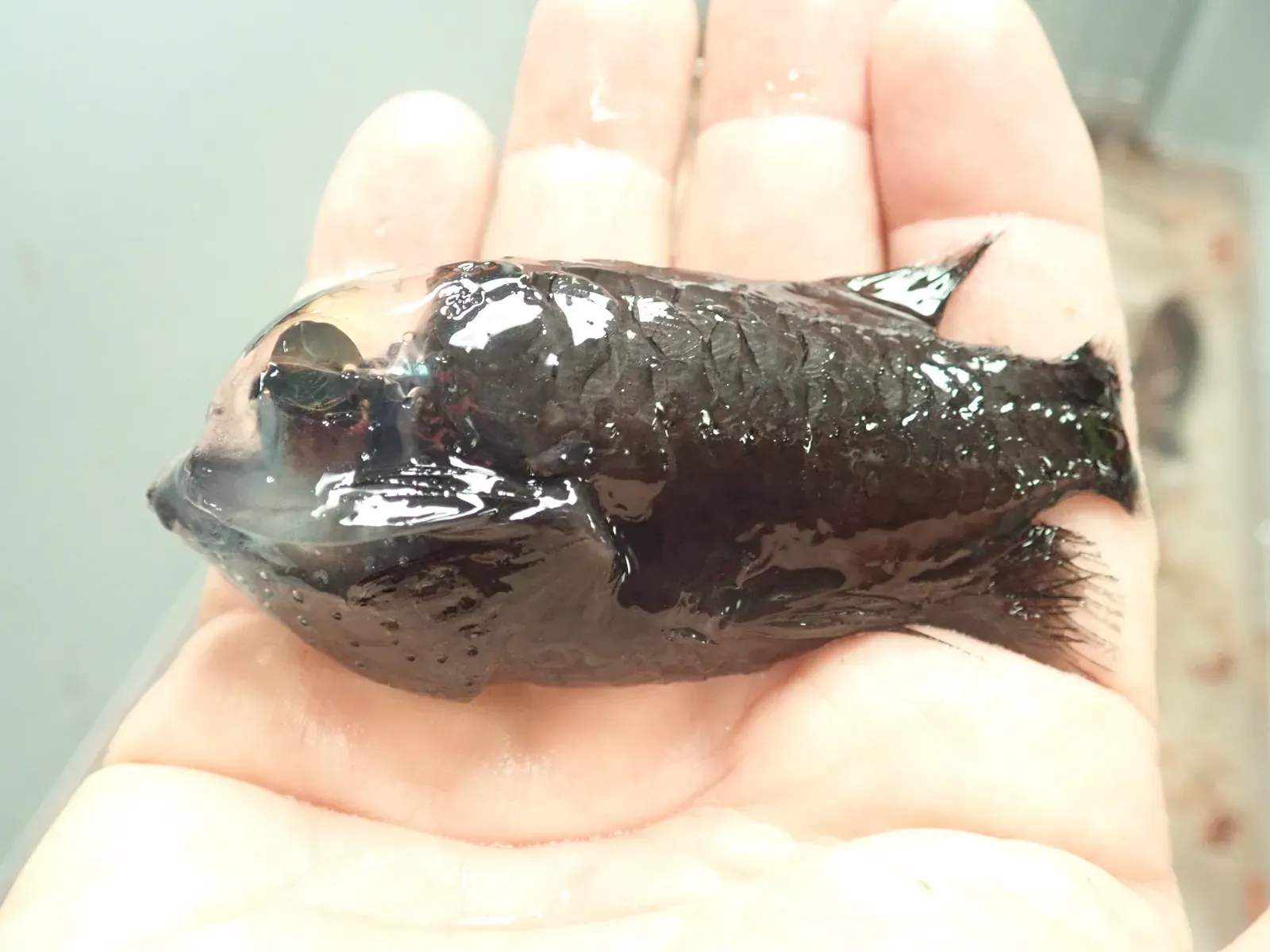
Deep in the northern Pacific Ocean swims the barreleye, with green, tubular eyes and a transparent head that looks like something out of a science-fiction movie. Yes, you read that right. This fish has a see-through skull. Its eyes are barrel-shaped tubes that point upward, constantly scanning for silhouettes of prey against the faint glow filtering down from distant sunlight.
The transparent dome protects its delicate eyes while allowing maximum visibility. It’s an adaptation so specific, so perfectly tuned to its environment, that it’s hard not to marvel at the ingenuity of evolution. When scientists first discovered intact specimens, they struggled to believe what they were seeing. Nature had built a living submarine with a glass cockpit.
Gulper Eel: A Mouth That Swallows the Impossible
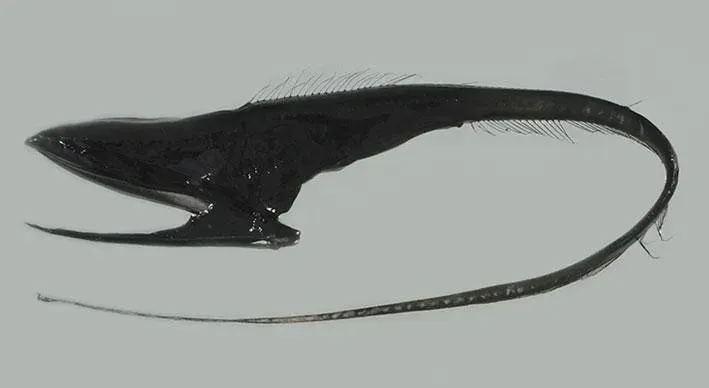
The Gulper Eel’s most distinctive feature is its enormous, expandable mouth, large enough to engulf prey far bigger than itself, with a jaw that can unhinge like a pelican’s. Imagine a creature that’s mostly mouth, with a whip-like tail trailing behind and a body thinner than a ribbon. It drifts through the darkness, waiting for something unlucky to cross its path.
The gulper eel’s bioluminescent tail tip glows faintly, possibly used as a lure to attract curious prey. Living over 6,000 feet down, this eel doesn’t have the luxury of being picky. When food is scarce, you need a stomach that can stretch to accommodate whatever stumbles your way. It’s the ultimate opportunist, built for a world where the next meal might not come for weeks.
Vampire Squid: Master of Misdirection
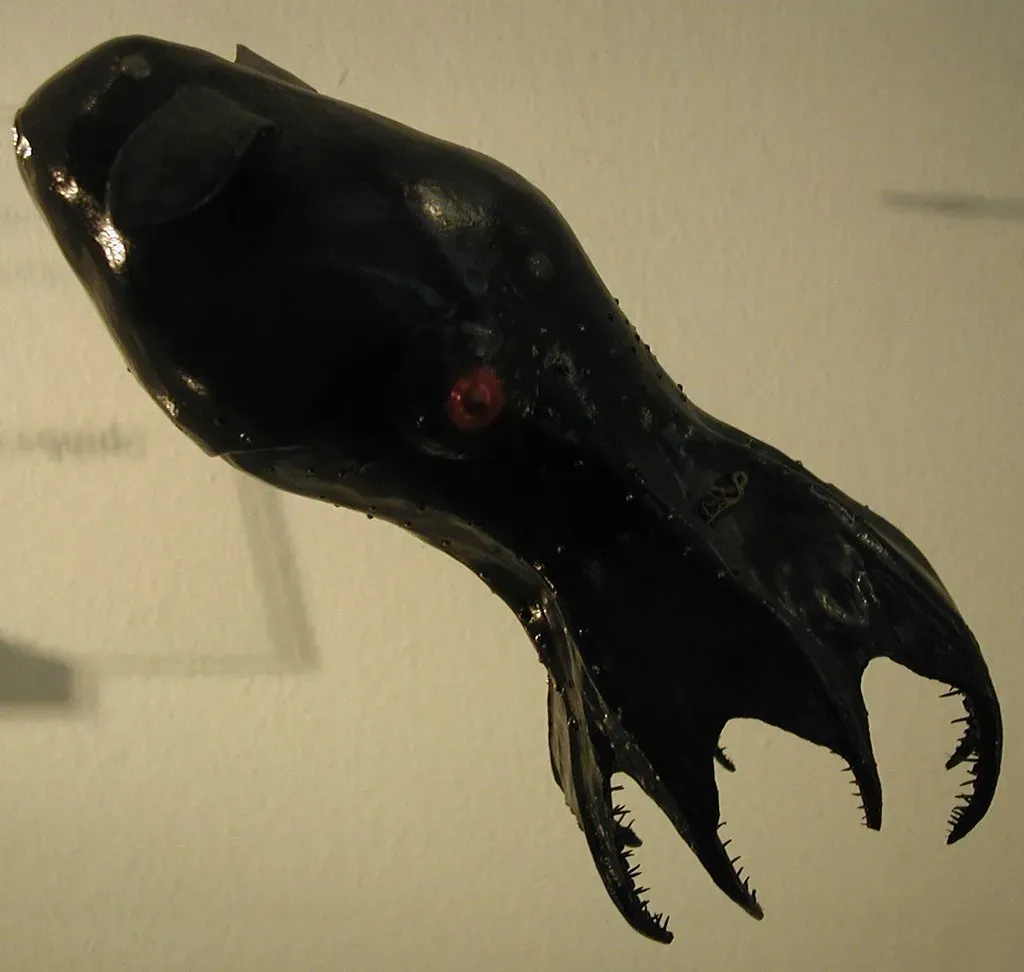
The vampire squid isn’t actually a squid or a vampire, despite its name. It occupies its own unique classification, hovering somewhere between octopuses and squid on the evolutionary tree. When threatened, the vampire squid releases a cloud of bioluminescent mucus, creating a disorienting display that confuses predators while it escapes. Think of it as a living smoke bomb that glows instead of producing darkness.
Its body is covered in light-producing organs, and it can control each one independently, creating mesmerizing patterns. Some researchers believe these displays serve multiple purposes: confusing attackers, communicating with potential mates, or even mimicking other creatures. It’s a shape-shifter in a realm where deception can mean the difference between life and death.
The Deep-Sea Dragonfish and Its Red Spotlight
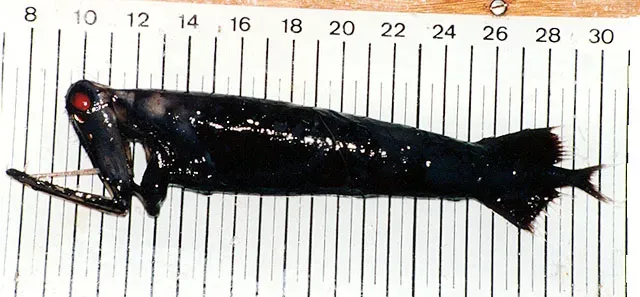
The Deep Sea Dragonfish is one of the ocean’s most efficient predators, thriving in pitch-black zones, glowing with its own eerie luminescence. Its body is serpentine, lined with sharp teeth that jut out at odd angles. The stoplight loosejaw produces red bioluminescence, and since most deep-sea creatures cannot see red light, this fish essentially has a secret spotlight that illuminates prey without alerting them.
It’s like hunting with night-vision goggles in a world where everyone else is blind to infrared. The dragonfish can see its victims perfectly while remaining invisible to them. This evolutionary hack gives it an almost unfair advantage, turning the tables in an environment where every advantage counts.
Recent Discoveries That Rewrite the Textbooks
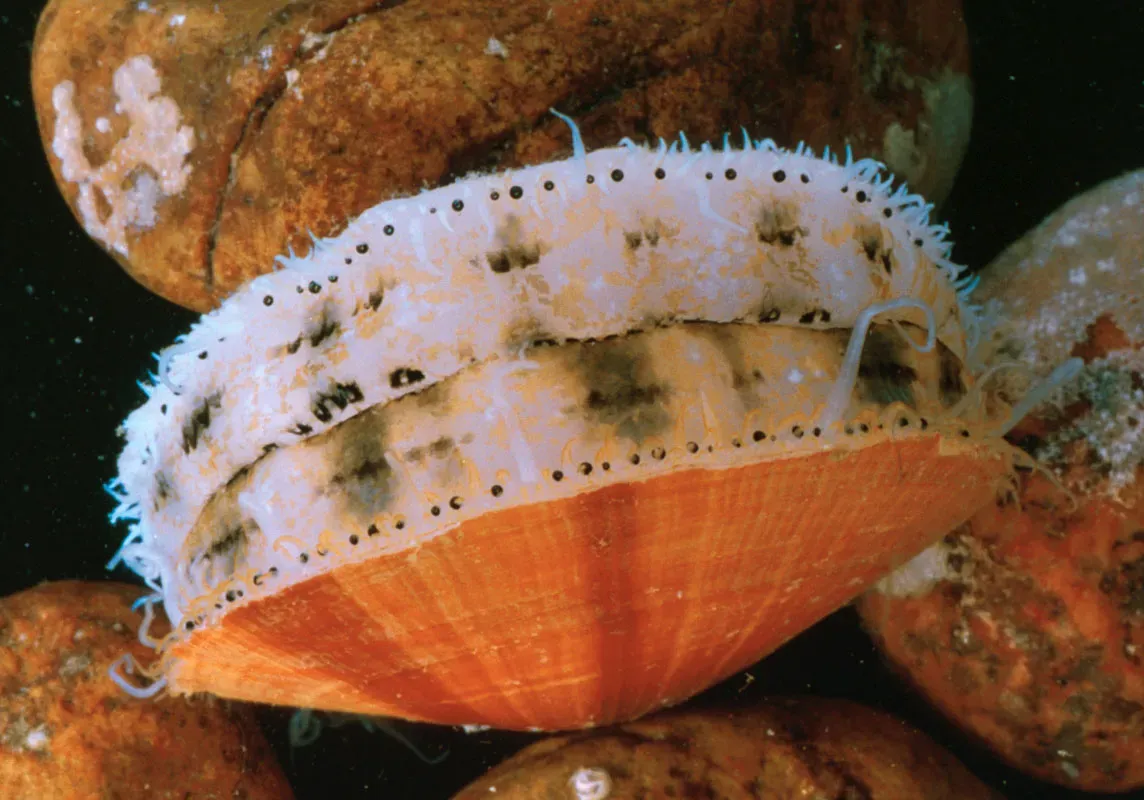
Researchers recently unveiled 14 new species from ocean depths exceeding 6,000 meters, including a record-setting mollusk, a carnivorous bivalve, and a popcorn-like parasitic isopod. We’re living in a golden age of deep-sea exploration. Colossal squids had never been observed in their natural habitat until this year when scientists captured the first video of one about 2,000 feet below the ocean’s surface, though this particular squid was a baby measuring only about one foot.
Thirty previously unknown deep-sea species, including a carnivorous “death-ball” sponge, were confirmed from the Southern Ocean, and when iceberg A-84 calved in January 2025, researchers investigated an area previously sealed beneath ice. Each expedition brings new surprises. We’re constantly learning that our planet is stranger and more wonderful than we ever imagined.
Why This Matters More Than You Think
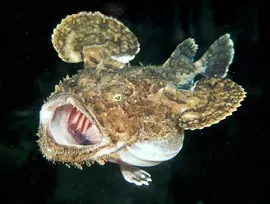
These creatures aren’t just biological curiosities for scientists to catalog. They’re part of ecosystems we barely understand, playing roles we’re only beginning to appreciate. More than half of the species that live in deep reefs are unknown, yet these reefs are already being affected by fishing, pollution, and climate change. We’re altering environments before we even know what lives there.
Let’s be real for a second. The deep ocean isn’t some distant, untouchable place anymore. Scientists see human-produced trash on every dive, even though they are almost always the first humans to set eyes on these deeper reefs. Plastic pollution, warming waters, and deep-sea mining threaten habitats that took millions of years to develop. What happens when we lose species we never even knew existed?
These sci-fi creatures hold secrets about adaptation, survival, and evolution that could revolutionize medicine, technology, and our understanding of life itself. They remind us that Earth still has mysteries worth protecting. What do you think about it? Does knowing these creatures exist change how you see our oceans?