
Have you ever looked up at the sky and witnessed something that made you question reality? Maybe a ghostly streak of rain that never quite reaches the ground, or perhaps pillars of light shooting up like alien beacons from a snow-covered field. Our atmosphere is full of secrets, wild displays that science can explain only partially, if at all. Some phenomena are so rare that most people will never see them in their lifetimes.
What makes these events truly captivating is how they challenge our understanding of what’s normal. They remind us that despite all our technology and knowledge, nature still has tricks up its sleeve. Let’s dive into ten of the most bizarre weather occurrences that continue to puzzle scientists and mesmerize anyone lucky enough to witness them.
Red Sprites Dancing Above Thunderstorms
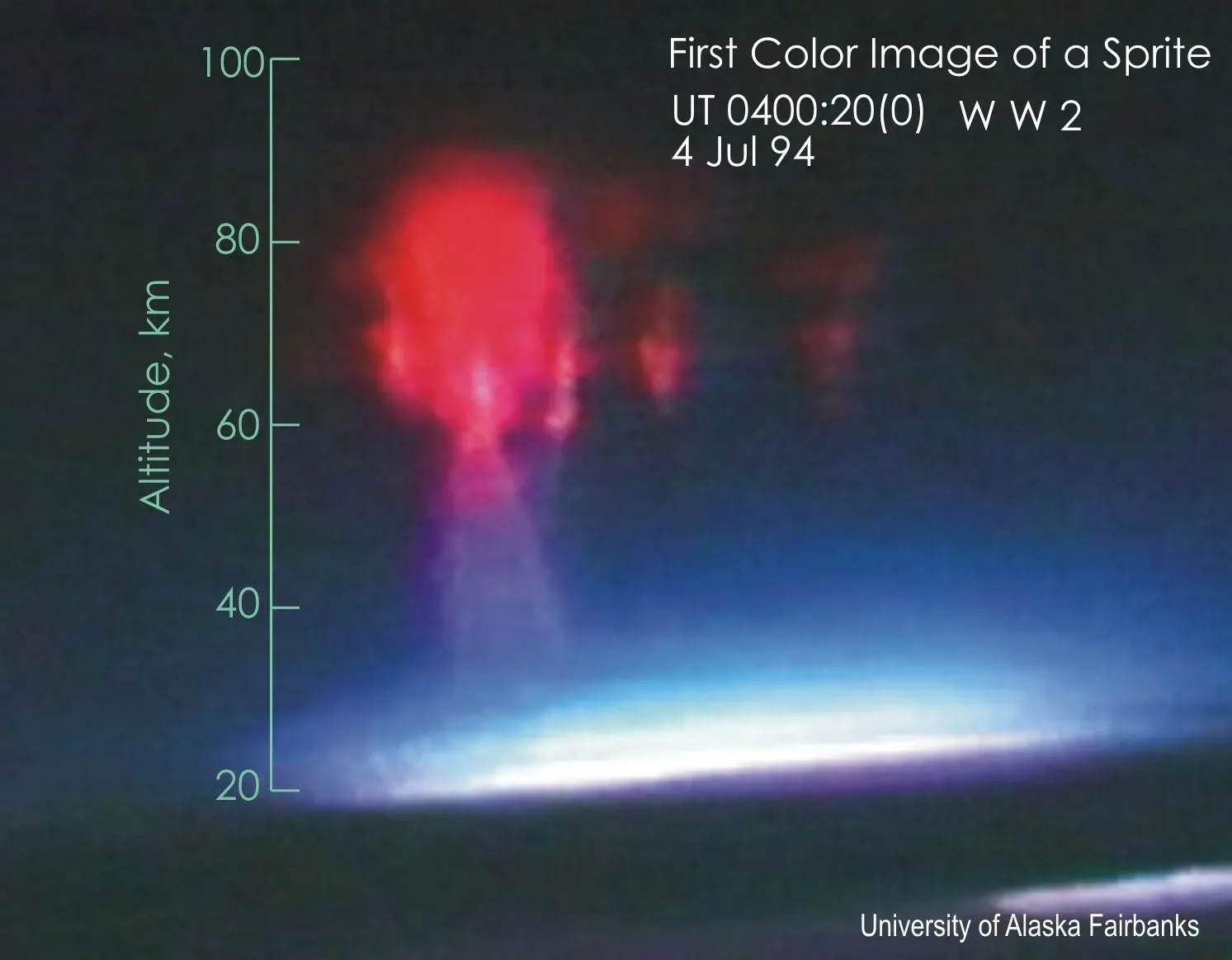
Sprites occur way up in the atmosphere at about 50 to 90 kilometers above us, and images of them are rarely captured because they are cold plasma discharges above thunderclouds that balance out positive lightning charges. Think of them as lightning’s mysterious cousins that travel upward instead of down. These reddish flashes last only milliseconds, making them nearly impossible to photograph without specialized equipment.
What’s truly weird about sprites is that we only confirmed their existence in 1989, despite centuries of anecdotal reports. Pilots and sailors had been describing strange red flashes in the upper atmosphere for generations, but scientists remained skeptical. These Transient Luminous Events are very fast, very bright phenomena similar to lightning happening in the upper atmosphere, and they are associated with thunderstorms but remain mysterious as they are difficult to study.
Blood Rain Falling From the Heavens

Between July 25 and September 23 in 2001, the people of Southern India witnessed unusual weather phenomena following a reported loud boom in the sky, when rain started falling that was blood red, with some reports of black, green, and even yellow rain. Imagine waking up to find crimson droplets staining your windows and streets looking like crime scenes. It sounds apocalyptic, honestly.
The explanation is somewhat mundane yet still puzzling. Researchers have found that this unusual form of rain is stained either by dust from deserts or by microscopic algae suspended in the raindrops, though scientists are not entirely sure how algae get into the clouds. The 2001 incident in India sparked wild theories, including suggestions of extraterrestrial origins, until scientists eventually identified the culprit as a common red algae. Still, the mystery of how such massive quantities reach cloud level remains.
Asperitas Clouds Turning the Sky Into an Ocean
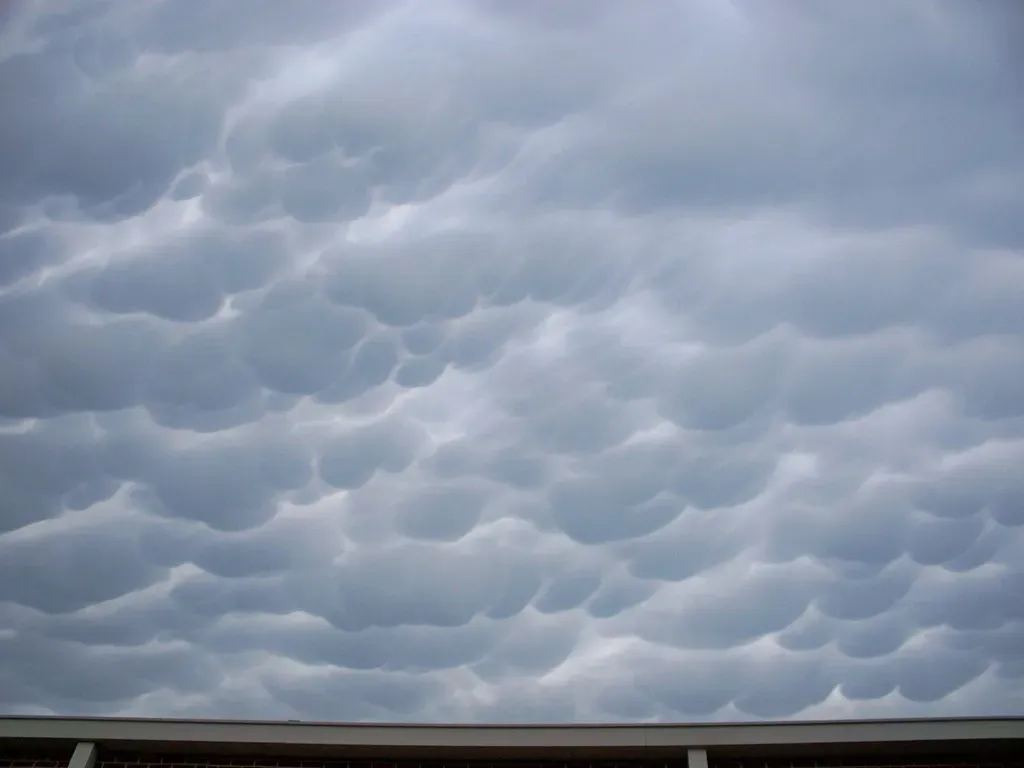
Asperitas is a relatively rare but distinctive wave-like cloud formation, best described as like looking at a rough sea from below the surface, and it was officially named by the World Meteorological Organization in March 2017. These clouds look absolutely menacing, like the underside of a stormy ocean frozen above your head. Imagine glancing up and seeing waves crashing overhead, except they’re made of clouds instead of water.
Here’s the thing: asperitas is so new to science that it only got its official name less than a decade ago. That made it the first time a new cloud type was added to the International Cloud Atlas in 66 years. The dramatic appearance makes people think severe weather is imminent, though these formations are generally harmless. They form when different air masses with varying temperatures and moisture levels collide, creating those distinctive undulating patterns.
Heat Bursts That Turn Midnight Into Midday
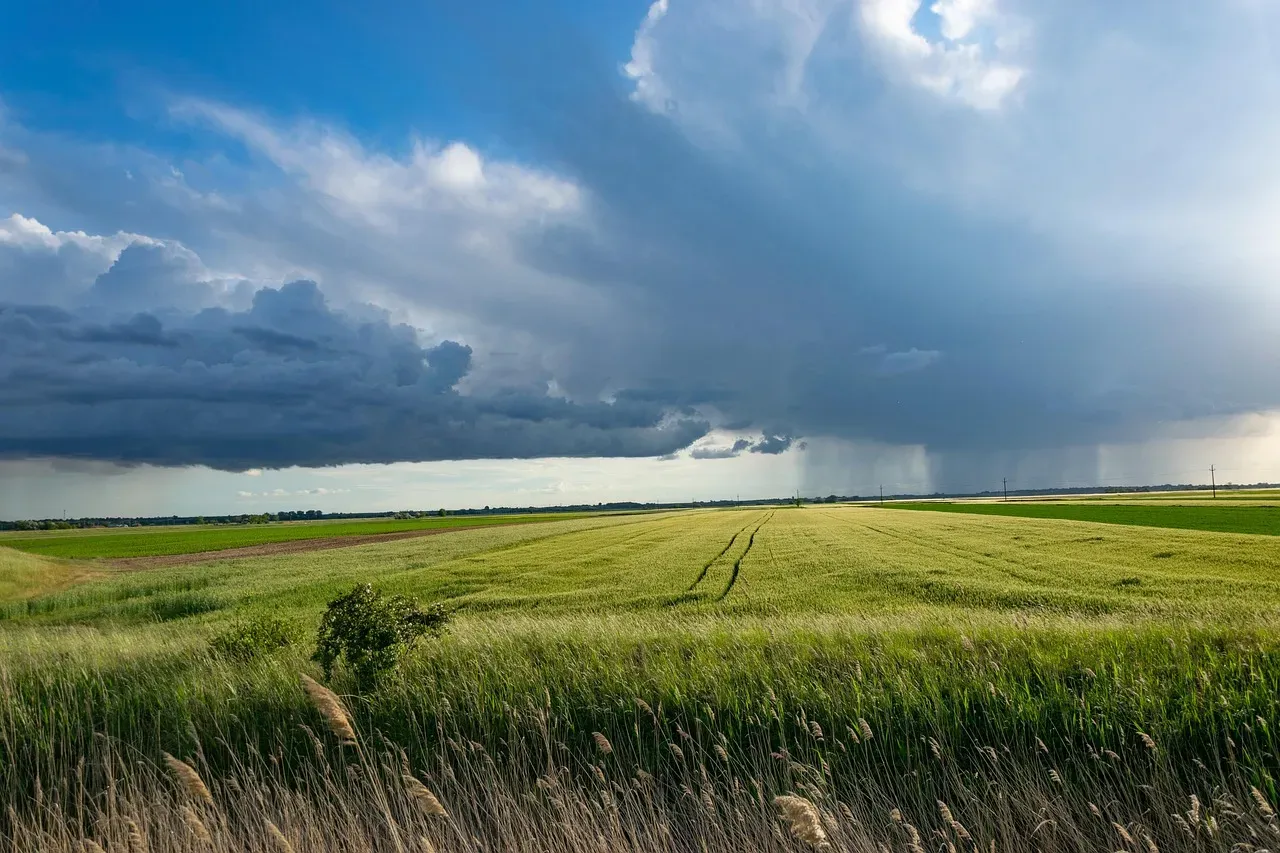
Imagine waking up at midnight to find the temperature has shot up 20 degrees in minutes and 80 mph wind gusts have ravaged your town, though this is a rare phenomena called a heat burst. Think about that for a moment. You go to sleep on a cool evening, then suddenly you’re jolted awake by intense heat and violent winds in the middle of the night. It defies everything we expect from weather patterns.
Heat bursts occur in the wake of dying thunderstorms, but other conditions have to be just right, with the storm high in the atmosphere and the air beneath hot and dry. The mechanics involve dense parcels of air plummeting from great heights, heating up as they compress. What makes this phenomenon truly bizarre is how localized it can be. One town experiences a sudden blast of heat and chaos, while neighboring areas sleep peacefully through the night, completely unaware.
Volcanic Lightning Crackling Through Ash Clouds
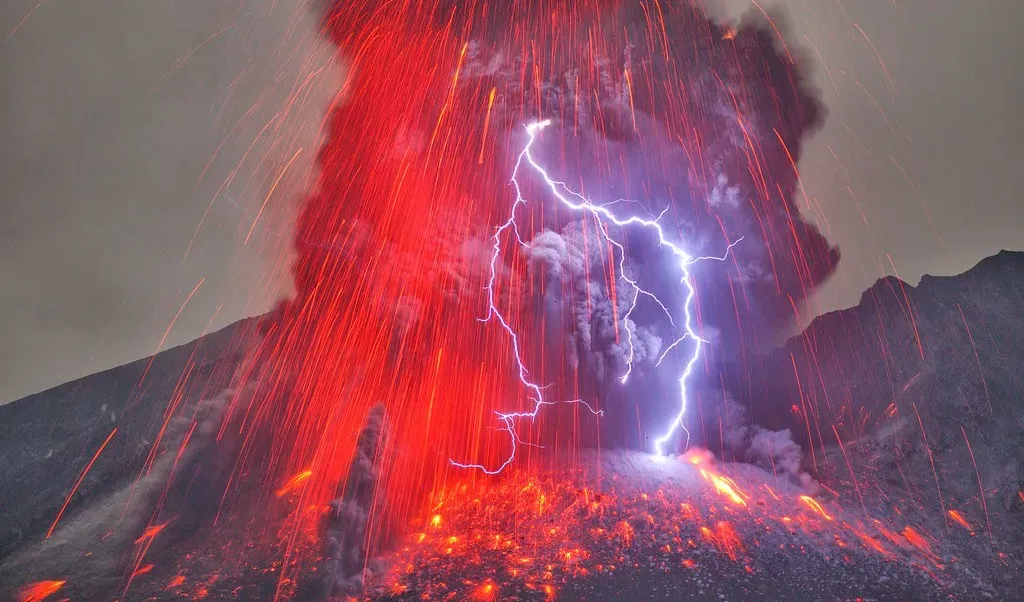
The impressive spew from an erupting volcano has superheated chunks of rock and gases shooting into the sky, and it’s not rare to see lightning shooting from the ash cloud. Regular thunderstorms are dramatic enough, but lightning generated by volcanic eruptions takes spectacle to another level. The combination of fire, ash, and electrical discharge creates scenes that belong in fantasy movies rather than real life.
Volcanic lightning doesn’t occur in the sky like common lightning, but it’s still electrically charged from particles hitting together when a volcano erupts and superheated chunks of rock and gases shoot into the sky, rub together and make electricity. The friction between ash particles, rock fragments, and ice crystals generates massive electrical charges. These bolts can fork through the ash plume in multiple directions simultaneously, creating a terrifying light show that ancient civilizations must have interpreted as divine wrath.
Morning Glory Clouds Rolling Across the Horizon
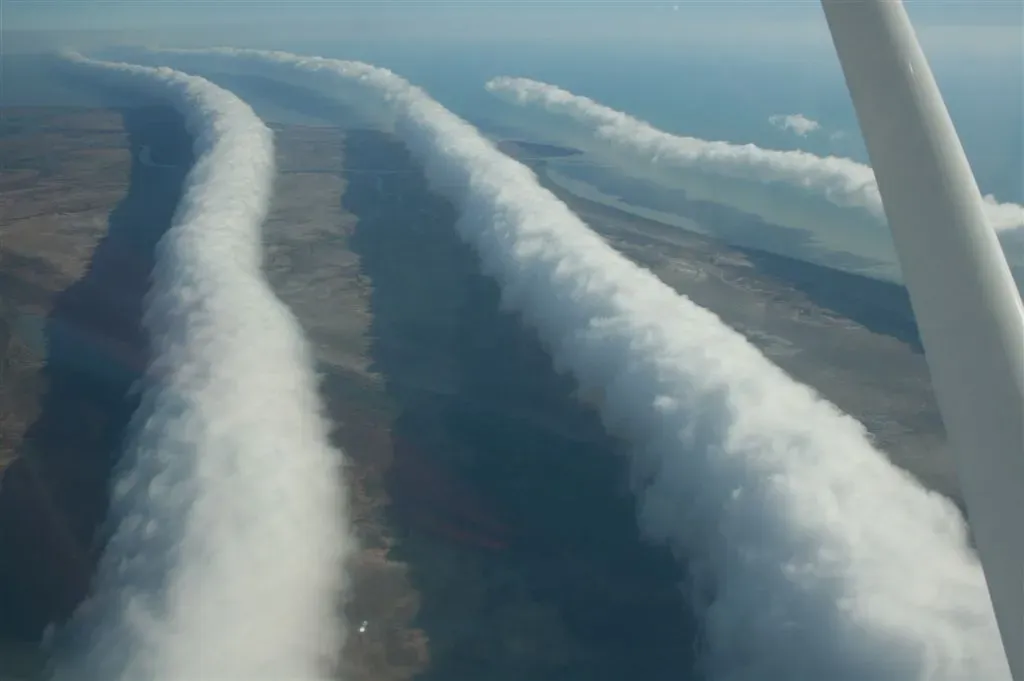
Morning glory is a very rare type of cloud that takes on a rolling appearance, looking like a massive tube in the sky. Picture a giant rolling pin made of clouds, stretching for hundreds of miles across the horizon. These massive tube-shaped formations can appear in succession, creating multiple rolling cylinders stacked in the sky like some cosmic bakery display.
These clouds measure up to 620 miles long and can occasionally appear consecutively, with the consensus being that they form when an updraft pushes through the cloud, creating its signature rolling appearance, while moist cooler air at the back causes them to sink downward. The best place to witness this phenomenon is northern Australia’s Gulf of Carpentaria between September and November. Glider pilots actually chase these formations because the rolling motion creates powerful updrafts that can carry aircraft along for incredible distances.
Waterspouts Raining Fish and Frogs

Unsuspecting marine life can get sucked up with the water and then dumped over land, with waterspouts responsible for all those incidents of raining fish and frogs. This explains those biblical tales that seemed too outrageous to be true. In 1947, The Library of Congress reported that fish fell in a town in Louisiana after a devastating storm, and in 2005, people in Serbia reported thousands of frogs falling from the sky.
The mechanics are straightforward yet still sound like fiction. Fair weather waterspouts form on the surface of open water when warm temperatures and high humidity cause air to rise with enough strength that water is drawn up into a funnel. Once these spinning columns of air lose energy over land, they release their cargo. Imagine standing outside during what seems like a normal storm, only to be pelted by confused, flapping fish instead of rain.
Green Flash at the Edge of Sunset
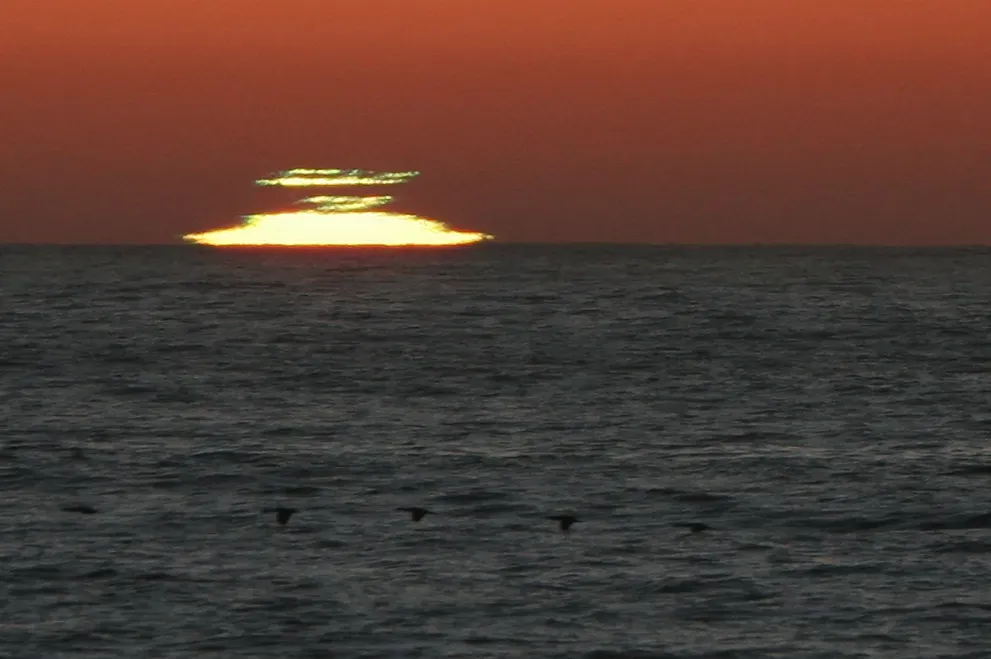
These sporadic events take place briefly just before sunset and sunrise, can only be seen on a clear day when looking at a distant horizon, most commonly over the ocean, as the name implies, with a green flash of light appearing near the sun. Sailors have told stories about this phenomenon for centuries, often surrounded by superstition and myth. Captain Jack Sparrow fans might recognize the reference.
Observing the green flash is the result of looking at the sun through a greater thickness of the atmosphere as the sun moves lower in the sky, with water vapor absorbing the yellow and orange colors while air molecules scatter the violet light. You need perfect atmospheric conditions to witness it. The slightest haze, pollution, or cloud can ruin the effect. That’s what makes spotting a green flash so special. It requires patience, a clear horizon, and honestly, a bit of luck.
Ball Lightning Floating Through Rooms
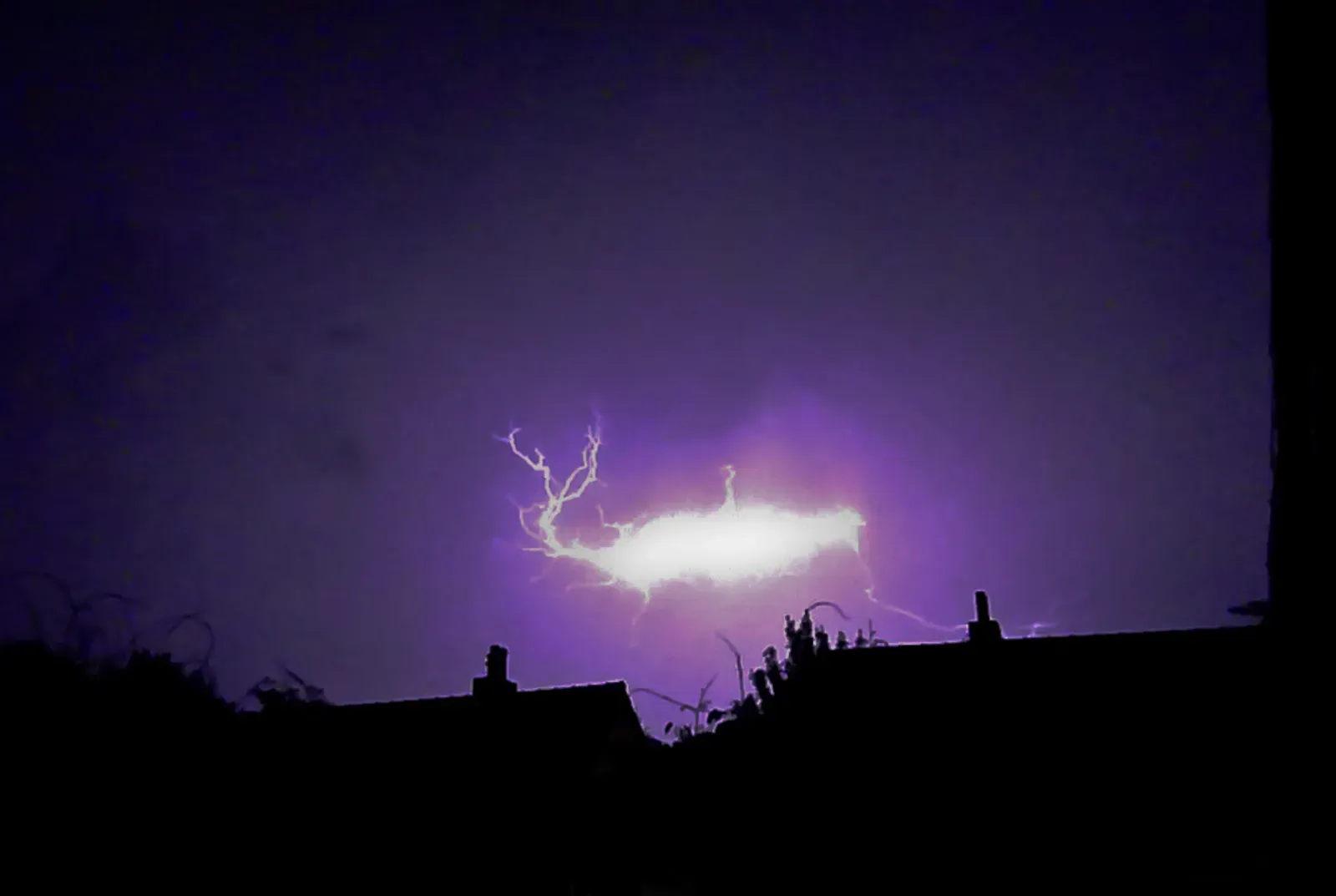
Ball lightning belongs to rare and mysterious weather events that have been reported by witnesses for centuries as a small, glowing sphere of light that appears during thunderstorms and can float or bounce along the ground for several seconds. People have described these orbs passing through walls, floating down airplane aisles, and even exploding with loud bangs. Scientists struggled to take these reports seriously for decades.
Despite numerous reports of ball lightning, scientists have struggled to explain what causes these strange weather phenomena, with some theories suggesting it’s related to electrical discharge during a lightning strike, while others think it could be a type of plasma. The lack of photographic evidence and reliable data made ball lightning the weather equivalent of a cryptid. Only recently have researchers managed to accidentally capture one on camera during a thunderstorm in China. The footage confirmed what witnesses had been saying all along, though we still can’t fully explain how these glowing spheres form or persist.
Brocken Spectre Creating Giant Shadow Figures
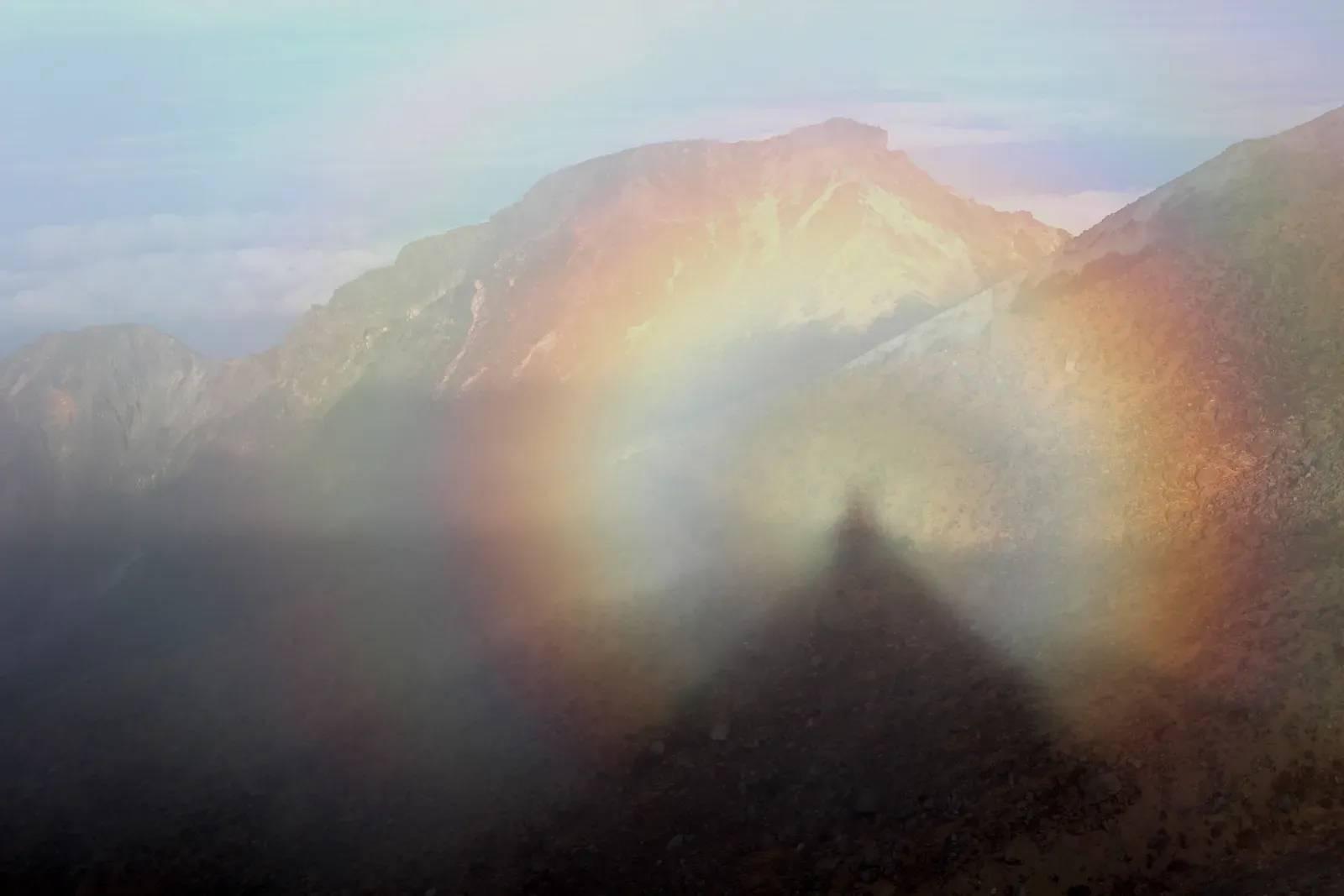
A Brocken Spectre is a bizarre and rarely seen optical phenomenon, which is a magnified shadow of the photographer cast onto distant fog, and a coloured ring called a glory is often seen surrounding the shadow, with this combination only visible from the perspective of the witness. Imagine hiking through misty mountains and suddenly seeing a gigantic shadowy figure looming in the clouds ahead, surrounded by colorful halos. Your first thought might be supernatural.
The weather phenomena occur when a shadow is magnified and surrounded by a rainbow, with the Brocken Spectre being the product of the sun casting a shadow on a water droplet in the air behind you, reflecting back off the water droplets. The phenomenon takes its name from Germany’s Brocken Mountain, where sightings are frequent due to the peak’s elevation and persistent fog. Airplane passengers sometimes witness their plane’s shadow on clouds below, complete with the circular glory effect, creating an otherworldly sight that follows the aircraft across the sky.
Conclusion
These ten weather phenomena remind us that our planet’s atmosphere is far more complex and mysterious than daily forecasts suggest. From plasma discharges dancing above thunderstorms to shadows magnified into spectral giants, nature continues to create displays that challenge our understanding and ignite our imagination. What’s remarkable is that science has explanations for most of these events, yet they remain rare enough that witnessing one feels like stumbling upon magic.
The next time you look up at the sky, remember that countless invisible processes are at work. Perhaps you’ll be one of the fortunate few to spot red sprites crackling above a distant storm, or maybe you’ll catch that elusive green flash as the sun dips below the ocean horizon. Keep watching, because the atmosphere loves to surprise us when we least expect it. What bizarre weather have you witnessed that made you question what was real? Share your experiences, because nature’s most spectacular moments deserve to be remembered.