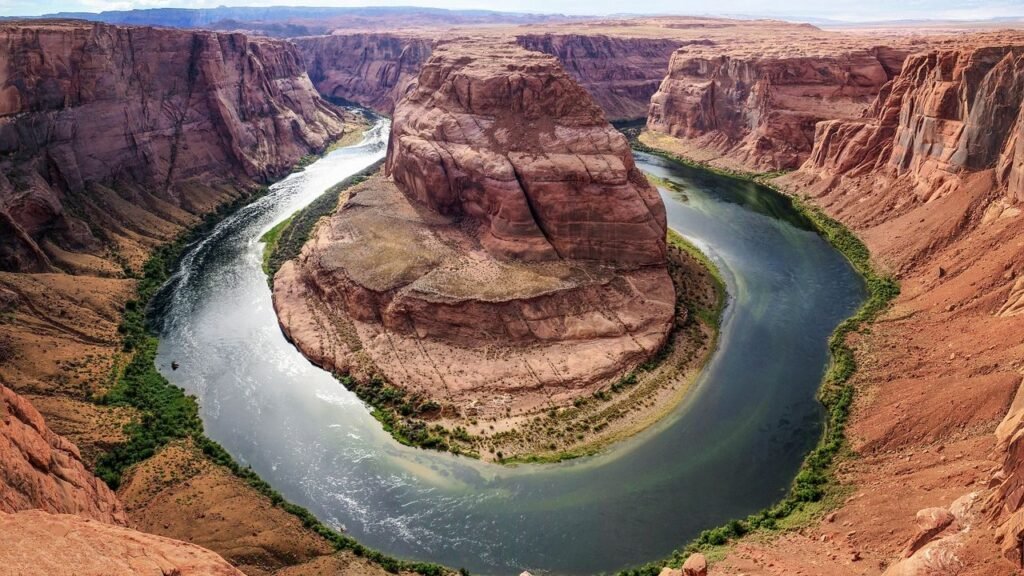

Picture standing at the edge of one of the planet’s most breathtaking wonders, gazing into a vast chasm that drops more than a mile into the earth. What you’re really looking at is a natural time machine, a geological masterpiece that reveals secrets spanning nearly half the age of our planet. The layers of rock stacked like enormous pages in a book tell stories of ancient oceans, volcanic eruptions, and life forms that existed long before dinosaurs roamed the Earth.
You can see approximately one third of the planet’s history exposed in the Grand Canyon’s walls, from the Precambrian to the Permian Period. Think about that for a moment. Each step you take down into the canyon transports you further back through time, revealing chapters of Earth’s dramatic transformation. The colors alone hint at different eras: rust reds, tans, grays, each shade representing a unique moment frozen in stone. So let’s dive into the fascinating clues hidden within these ancient walls and discover what they reveal about our planet’s incredible journey.
A Geological Library Written in Stone
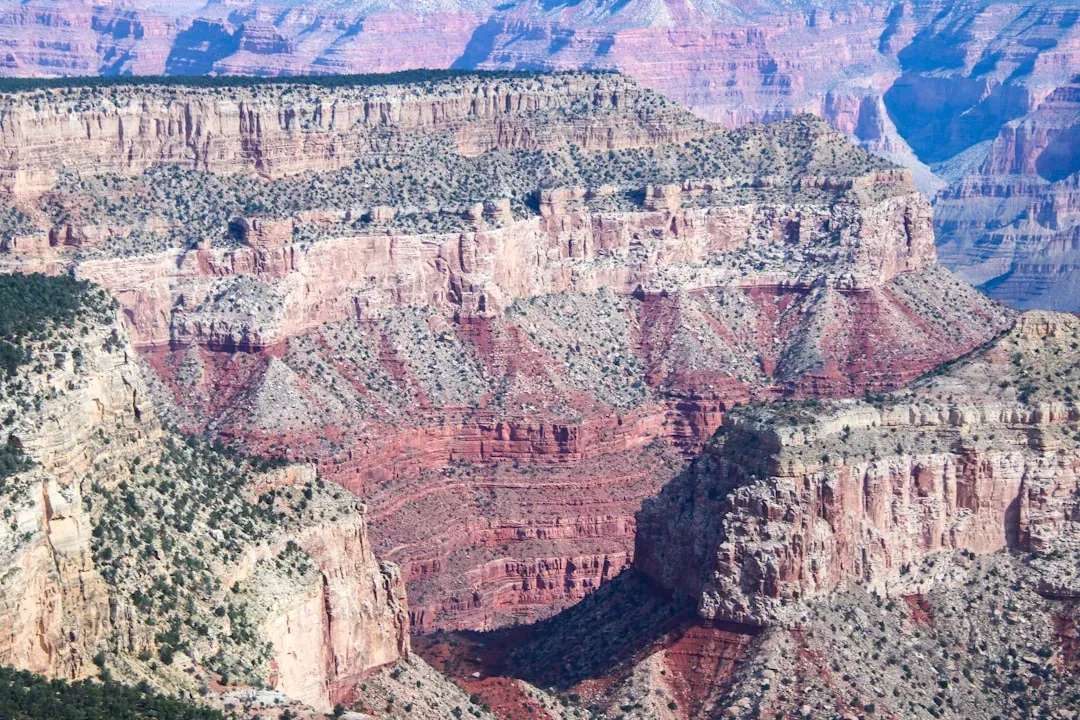
The Grand Canyon is significant because of the thick sequence of ancient rocks that are well preserved and exposed in the walls of the canyon. These aren’t just any rocks though. The nearly 40 major sedimentary rock layers range in age from about 200 million to nearly 2 billion years old, with most deposited in warm, shallow seas and near ancient sea shores in western North America. Imagine trying to read a book where roughly two thirds of the pages are missing. That’s essentially what geologists face here, yet what remains is extraordinary.
The canyon functions like nature’s own textbook. Geologists closely inspect every face of the canyon and read the layers of its rocks like the page of a book. Each layer captures a snapshot of environmental conditions from millions of years ago, whether Arizona was covered by shallow tropical seas or transformed into vast desert landscapes. The arrangement follows a simple but powerful principle: older rocks sit at the bottom, younger ones rest on top, unless something dramatic disrupted the natural order.
The Vishnu Basement Rocks: Earth’s Ancient Foundation
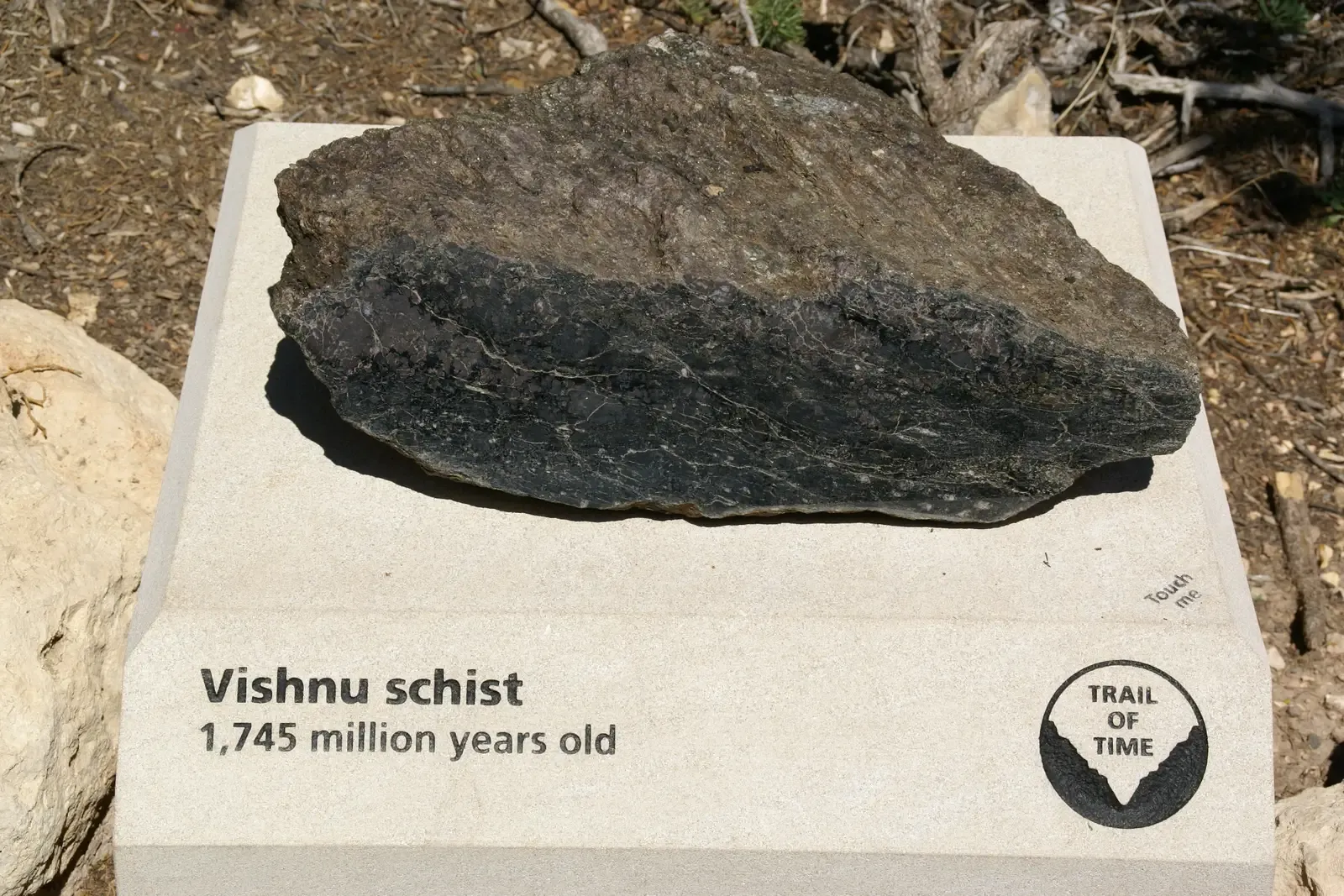
Deep in the canyon’s inner gorge lies something truly mind-boggling. The oldest known rock in Grand Canyon, called the Elves Chasm Gneiss, is located deep in the canyon’s depths as part of the Vishnu Basement Rocks and clocks in at an ancient 1.84 billion years old. Let that sink in for a second. These dark, crystalline rocks formed when our planet was unrecognizable compared to today.
The Grand Canyon’s story began nearly 2 billion years ago when two plates of Earth’s crust collided, as rows of volcanic islands smashed together and merged, and under extreme heat and pressure their rocks transformed into the dark-colored basement rocks seen near the bottom of the canyon today. These rocks are about 1.7 billion years old, from an era early in Earth history known as the Proterozoic, and tell the story of the creation of North America when volcanic islands collided with the continental landmass. It’s hard to fathom, honestly, but these rocks witnessed the literal birth of the continent we call home.
The Great Unconformity: Missing Chapters in Time
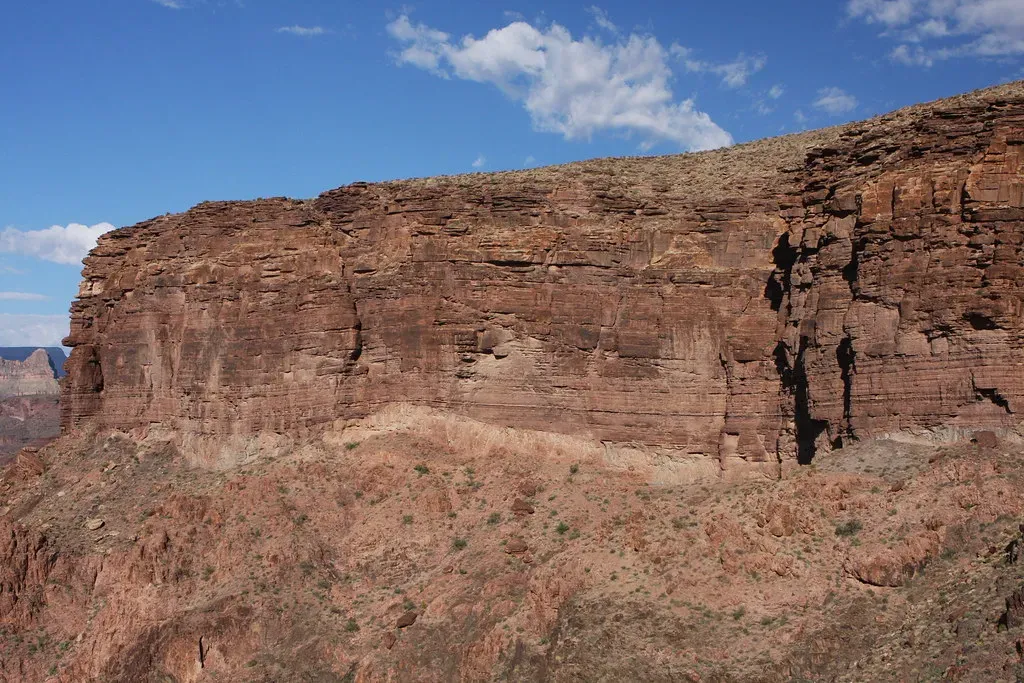
Here’s where things get really interesting. The Great Unconformity is the contact below the Tonto Group where Paleozoic Rocks overlie the Vishnu Basement Rocks, and there is approximately 1.2 billion years of Earth history missing at this contact. Think about that. Over a billion years just vanished from the geological record. Poof. Gone.
Unconformities are gaps in the geologic record that occur when rocks or sediments are eroded away and time elapses before new deposition occurs, and new sediment eventually forms new rock layers on top of the eroded surface, but there is a period of geologic time that is not represented. You can think of these gaps as missing pages ripped from Earth’s autobiography. The very fact that there is this gap in the record provides information to geologists, indicating changing ocean levels or changes in the Earth’s crust. Sometimes what’s absent tells you just as much as what’s present. The mystery of what happened during those missing billion years continues to fascinate researchers around the world.
The Grand Canyon Supergroup: Glimpses of Primitive Life
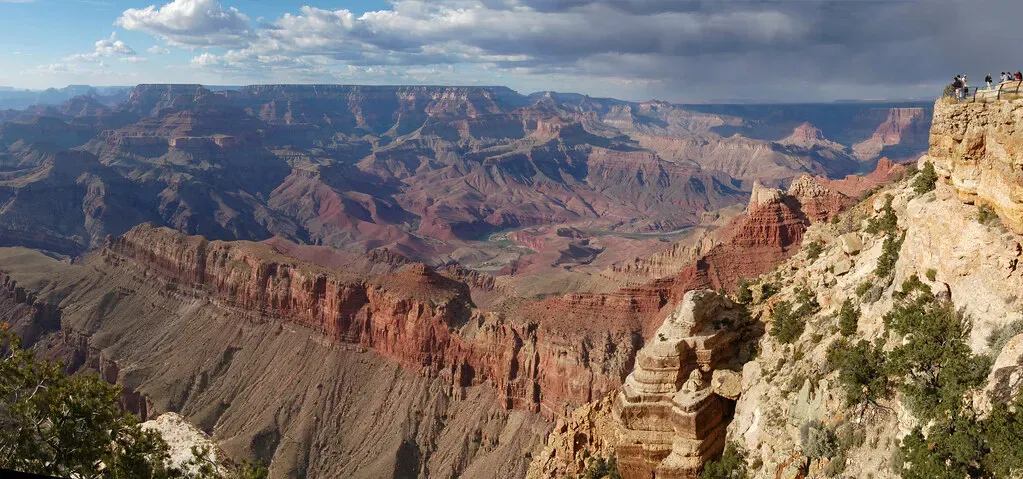
The Grand Canyon Supergroup consists of late Precambrian sedimentary and volcanic rocks predominantly deposited in rift basins from about 729 to 1,255 million years ago. These tilted layers peek out in various spots throughout the eastern canyon, offering rare windows into an era when Earth was just beginning to experiment with complex life forms.
These rocks do not contain many fossils because they formed before complex life on Earth was common, but the few fossils that are present include stromatolites, columns of sediment formed by cyanobacteria, and their composition indicates this area was previously a very shallow sea. Sediments drifted to the bottom of prehistoric seas and hardened there, forming layers that include a 1.25-billion-year-old limestone studded with fossils of algae, the earliest life recorded in the canyon. These primitive organisms might not seem impressive, yet they were revolutionary. Cyanobacteria helped create the oxygen-rich atmosphere that eventually allowed more complex life to evolve.
Paleozoic Seas: When Arizona Was Underwater
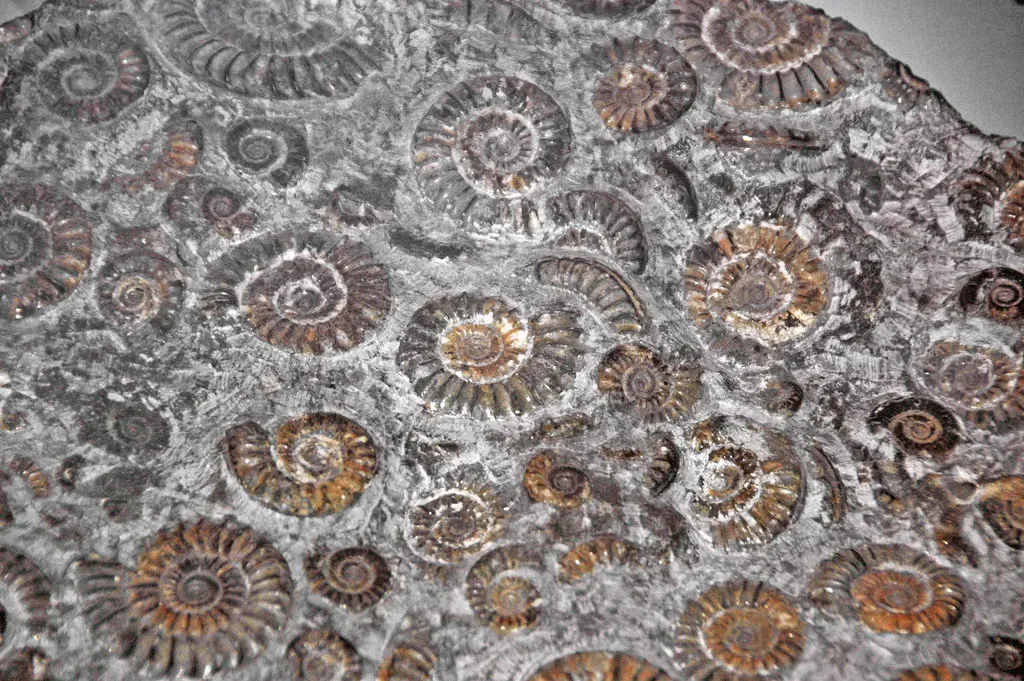
Fast forward several hundred million years, and Arizona looked completely different. An ocean started to return to the Grand Canyon area from the west about 550 million years ago, and as sea level rose the ocean flooded the coastal plain causing the concurrent deposition of the Tapeats Sandstone, Bright Angel Shale, and Muav Limestone. Picture warm, shallow tropical seas stretching as far as the eye could see, teeming with strange creatures.
Trilobites are some of the oldest fossils to appear in the Grand Canyon’s fossil record, and these sea creatures related to insects and crustaceans roamed a shallow ocean between 525 to 505 million years ago searching for dead organic material to eat. The Redwall Limestone, that distinctive reddish layer visible throughout the canyon, formed roughly 340 million years ago in even deeper waters. Around 350 million years ago the ocean was deeper and more advanced sea creatures like bryozoans were present, filter-feeding animals that clumped together while reaching tentacles up into the water column to grab food, and their lacy structures can be found along with corals and coiled nautiloid fossils.
Remarkable Fossil Discoveries From the Cambrian Explosion
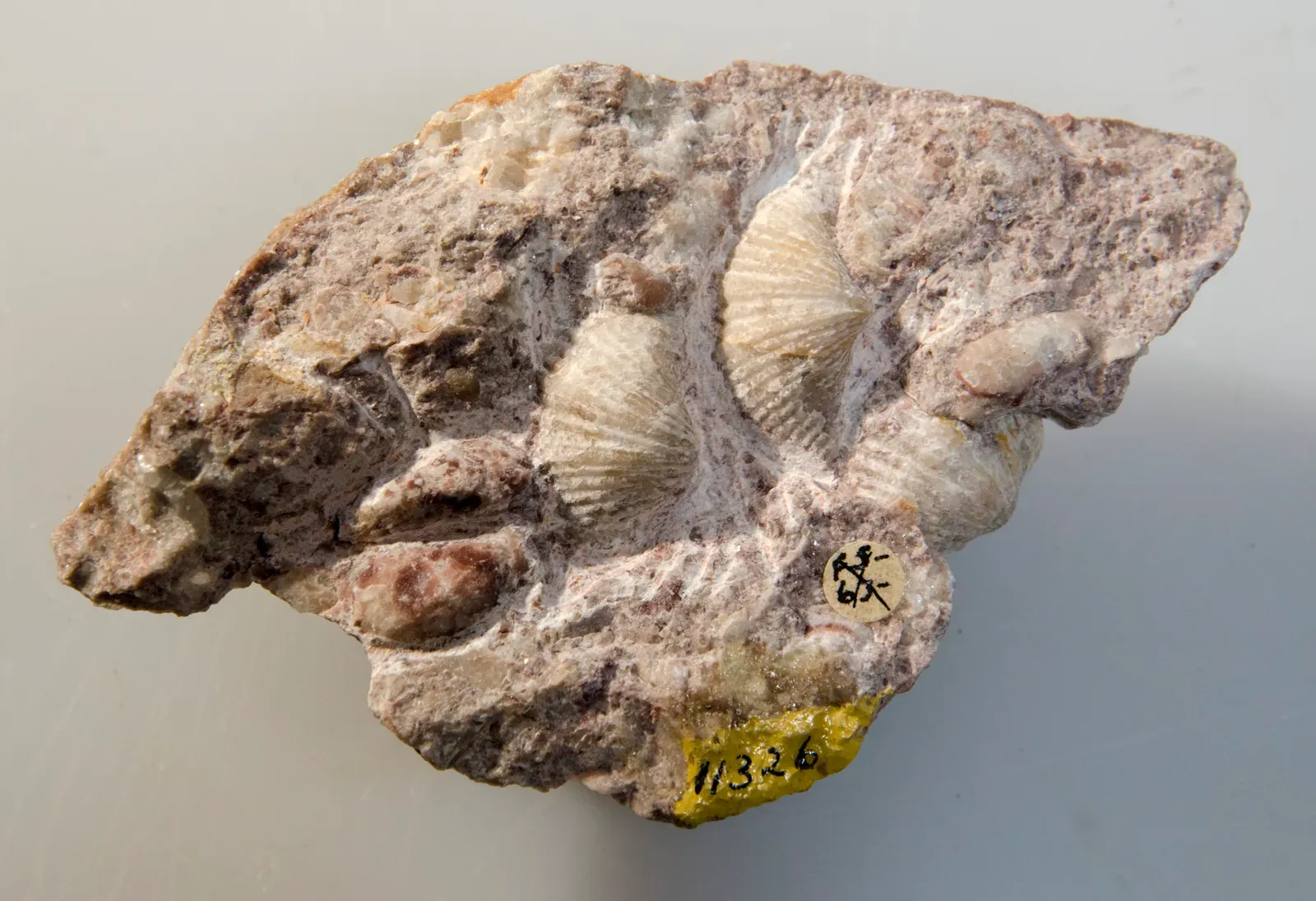
In a stunning development, paleontologists discovered remarkable fossils in the Grand Canyon that reveal fresh details about the emergence of complex life half a billion years ago, with newfound remains suggesting the region offered ideal conditions for life to flourish and diversify. This discovery, made during a 2023 expedition, represents the first find of its kind from the Grand Canyon.
Researchers dug into the flaky claylike shale of the Bright Angel Formation where most of the canyon’s Cambrian-era fossils have been found, and instead of typical hard-shelled invertebrates they unearthed rocks containing well-preserved internal fragments of tiny soft-bodied mollusks, crustaceans, and priapulids. During the Cambrian the Grand Canyon was much closer to the equator than it is today and conditions were perfect for supporting a wide range of life, with the depth of the oxygen-rich water allowing a balance between maximizing nutrients or oxygen and reducing wave damage. This “Goldilocks zone” allowed evolutionary experimentation to run wild, producing creatures with bizarre adaptations that still influence ecosystems today.
Desert Dunes and Ancient Footprints
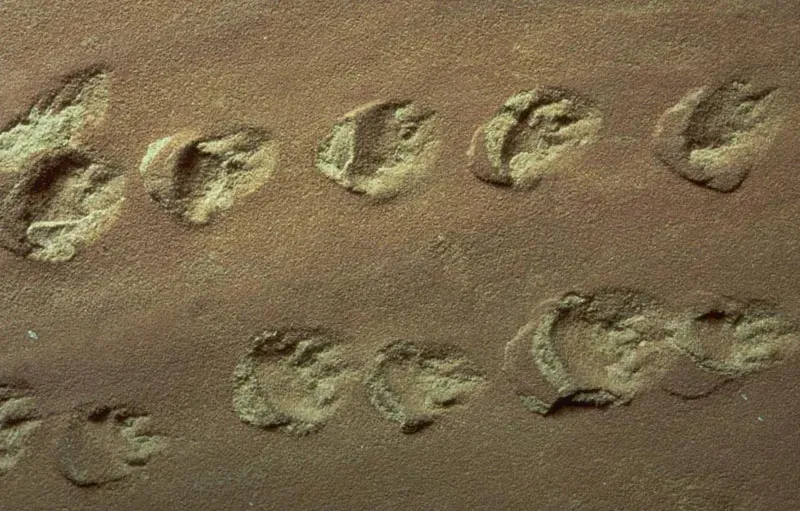
The environment didn’t stay underwater forever. The desert that created the Coconino Sandstone lasted for 5 to 10 million years, and today the Coconino is a golden white to cream-colored cliff-former near the canyon’s rim with cross bedding patterns of frosted fine-grained well-sorted and rounded quartz grains. This layer represents one of the best-preserved examples of fossilized sand dunes anywhere on the planet.
Close to the rim of the Grand Canyon lies the Coconino Sandstone, the result of a vast sand dune-covered landscape, and it’s common to find reptile, scorpion, and spider tracks from when these critters were scurrying across the dunes 280 million years ago. Meanwhile, lower in the sequence, ferns and early conifers thrived in swampy environments. Life changed drastically around 320 to 280 million years ago when the Grand Canyon region was teeming with plant life including fern-like organisms and conifers, and large insects including dragonflies with 28-inch wingspans started to appear. Imagine dragonflies the size of hawks buzzing through prehistoric forests.
Reading Climate Secrets Hidden in Caves
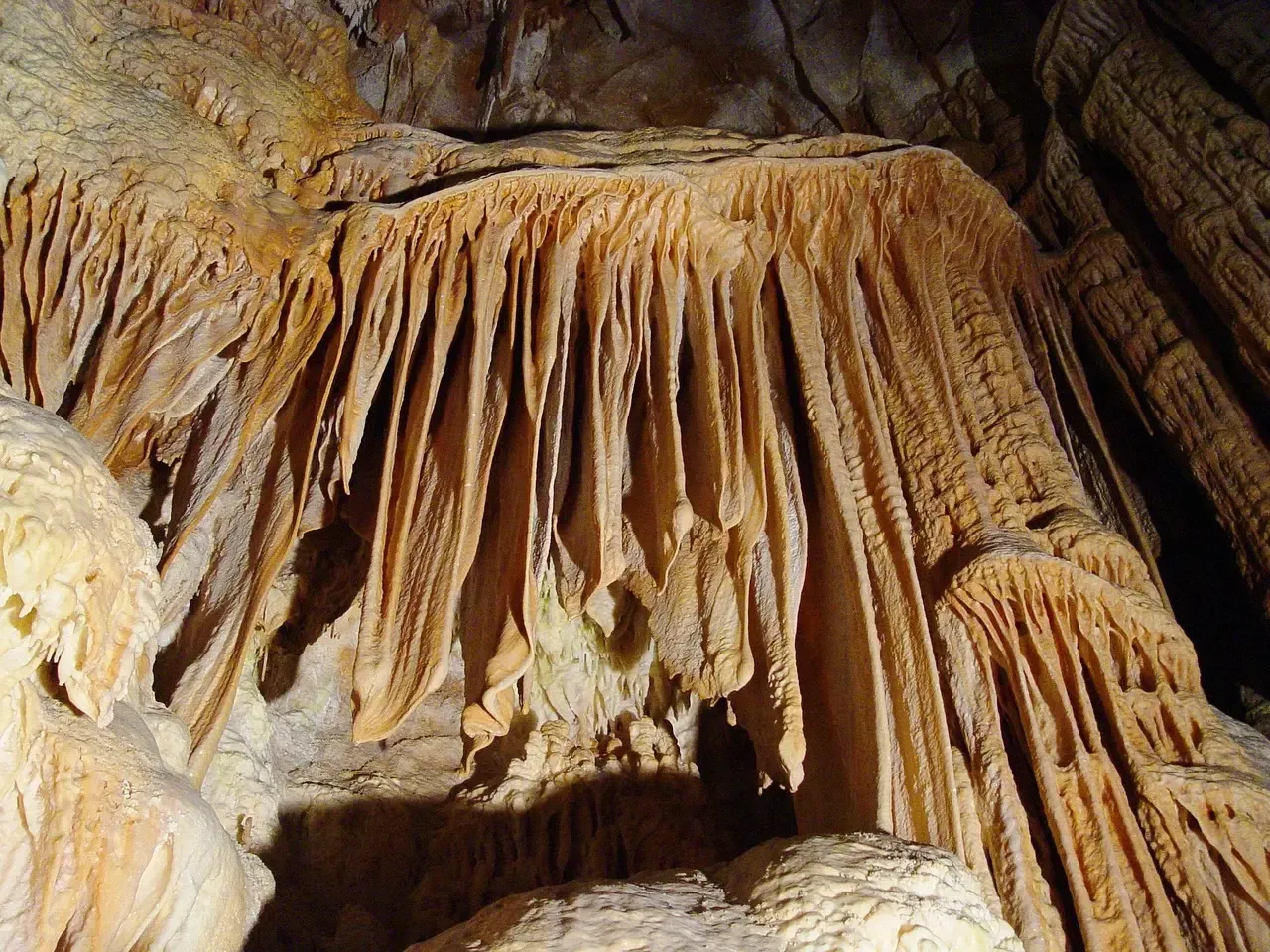
The canyon’s secrets aren’t only locked in the visible rock walls. According to a study by UNLV and the University of New Mexico, vast cave systems lie beneath the surface which just might hold clues to better understand the future of climate change by studying nature’s past, with a research team studying an ancient stalagmite from the floor of an undisturbed Grand Canyon cave. These mineral formations act like ancient rain gauges.
Stalagmites are common cave formations that act as ancient rain gauges recording historic climate change, growing as mineral-rich waters seep through the ground above and drop from cave ceilings, with calcite minerals accumulating over thousands of years and accurately recording the rainfall history of an area much like tree rings. During a past warm period both the summer monsoon and infiltration into the cave increased, suggesting that summer was important for Grand Canyon groundwater recharge even though today it is not an important season for recharge. Understanding past climate patterns helps scientists predict how future warming might affect water resources in the arid Southwest, a critical concern for millions of people.
The Canyon’s Formation: A Relatively Recent Event
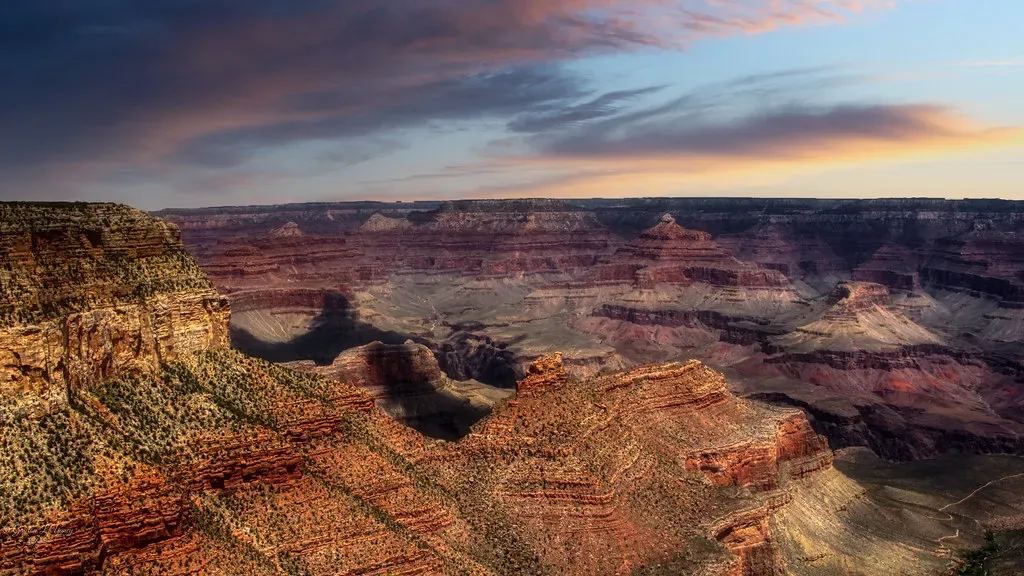
Here’s something that surprises most people. The canyon itself has formed much more recently than the deposition of rock layers, only about five million years ago as opposed to the rocks, the youngest of which are a little less than 300 million years old. The Colorado River began its relentless carving relatively recently in geological terms.
Nearly two billion years of Earth’s geological history have been exposed as the Colorado River and its tributaries cut their channels through layer after layer of rock while the Colorado Plateau was uplifted, and several recent studies support the hypothesis that the Colorado River established its course through the area about 5 to 6 million years ago. This incredible formation was carved over millions of years by the Colorado River, and the canyon has since been forming at varying rates with periods of intense erosion carving the canyon. The process continues today, though human intervention through dams has significantly altered the river’s natural flow and sediment transport.
Conclusion: A Window Into Deep Time
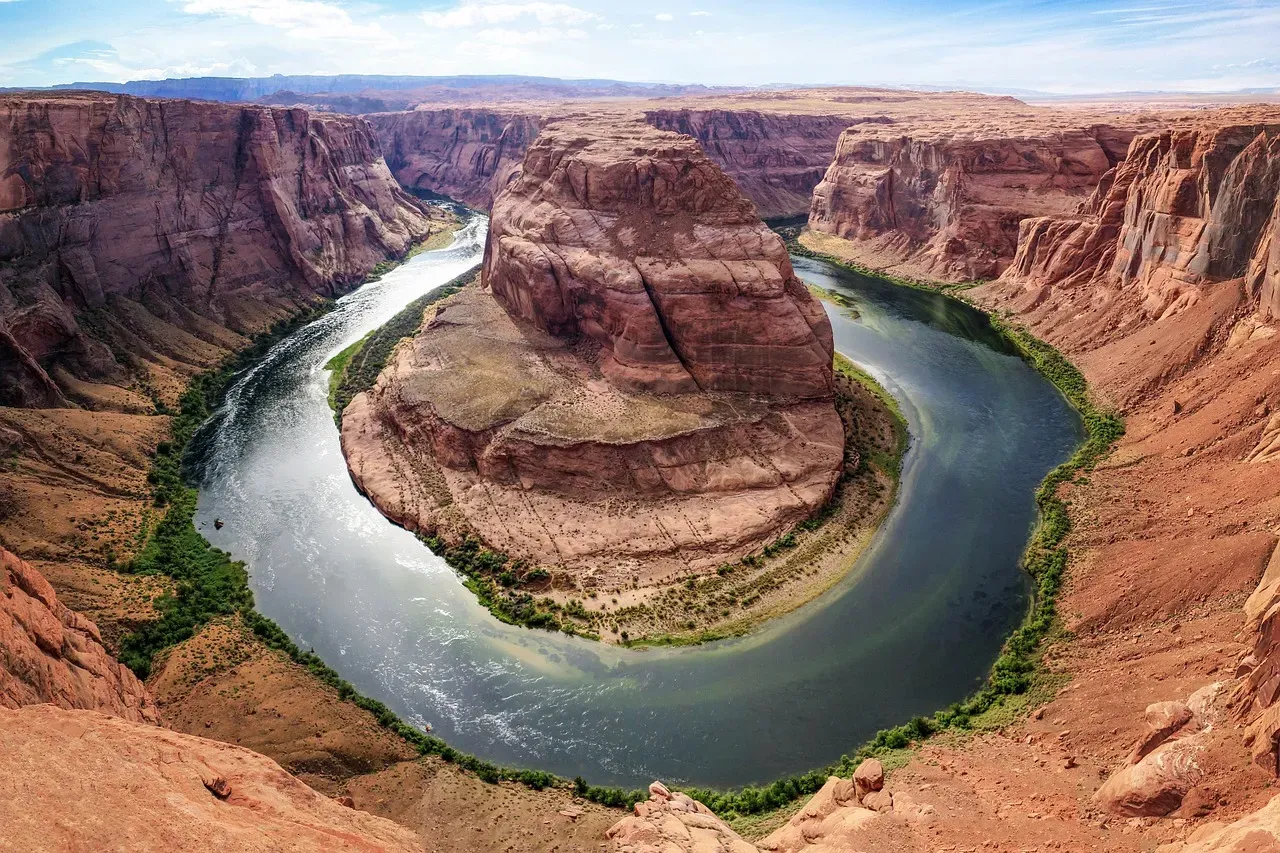
Standing at the rim of the Grand Canyon offers more than spectacular views. You’re gazing at one of the most complete geological records on our planet, a testament to Earth’s dynamic and ever-changing nature. Grand Canyon is probably the single location on the planet that provides the best opportunities for both researchers and students to learn about geology. From the ancient collision of volcanic island chains to shallow tropical seas, from vast desert landscapes to the recent carving action of the Colorado River, each layer contributes to an epic story.
The canyon reminds us that Earth operates on timescales almost incomprehensible to human minds. Billions of years condensed into colorful bands of rock. Missing chapters representing more time than all of recorded human history. Fossils capturing moments when bizarre creatures experimented with different survival strategies. What other secrets might still be waiting in those ancient stones? Did you expect that a place you can visit today holds nearly half of our planet’s entire history written in its walls?