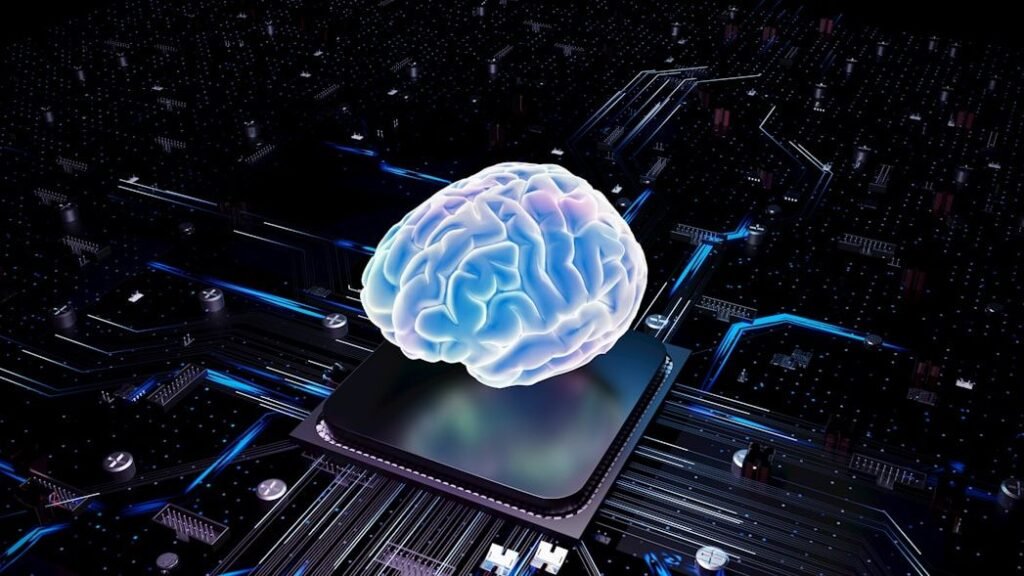

Have you ever wondered what happens inside your brain when you make a decision, recall a memory, or simply watch the world go by? For centuries, understanding the human mind has been one of science’s greatest mysteries. Yet today, we’re witnessing something remarkable. Artificial intelligence is emerging as a powerful tool that might finally help us decode the enigmatic workings of our own consciousness and neural networks.
The collision of AI and neuroscience is creating possibilities that seemed like pure science fiction just a decade ago. Scientists are now using machine learning algorithms to map brain activity, decode thoughts, and trace the intricate connections between billions of neurons. The implications stretch far beyond academic curiosity. These breakthroughs could transform how we treat neurological disorders, help paralyzed patients communicate, and perhaps even reveal what makes us uniquely human. So let’s explore how artificial intelligence is becoming neuroscience’s most valuable ally in unraveling the brain’s deepest secrets.
Decoding Thoughts Into Text
Imagine your thoughts being translated directly into words without speaking a single syllable. Scientists at The University of Texas at Austin have developed an artificial intelligence system called a semantic decoder that can translate a person’s brain activity into continuous text while they listen to or imagine telling a story, potentially helping people who are mentally conscious yet unable to physically speak. This technology relies on brain imaging rather than surgical implants, making it remarkably less invasive than previous approaches.
The brain decoder uses machine learning to translate thoughts into text based on brain responses to stories people have listened to, though past versions required participants to spend many hours inside an MRI machine. Recent improvements have dramatically shortened training time. The technique can now be adapted to new users in about an hour using fMRI while users watch silent videos, like Pixar shorts. It’s hard to say for sure, but this could revolutionize communication for stroke survivors and people with conditions like ALS.
Mapping the Brain’s Wiring at Unprecedented Scale
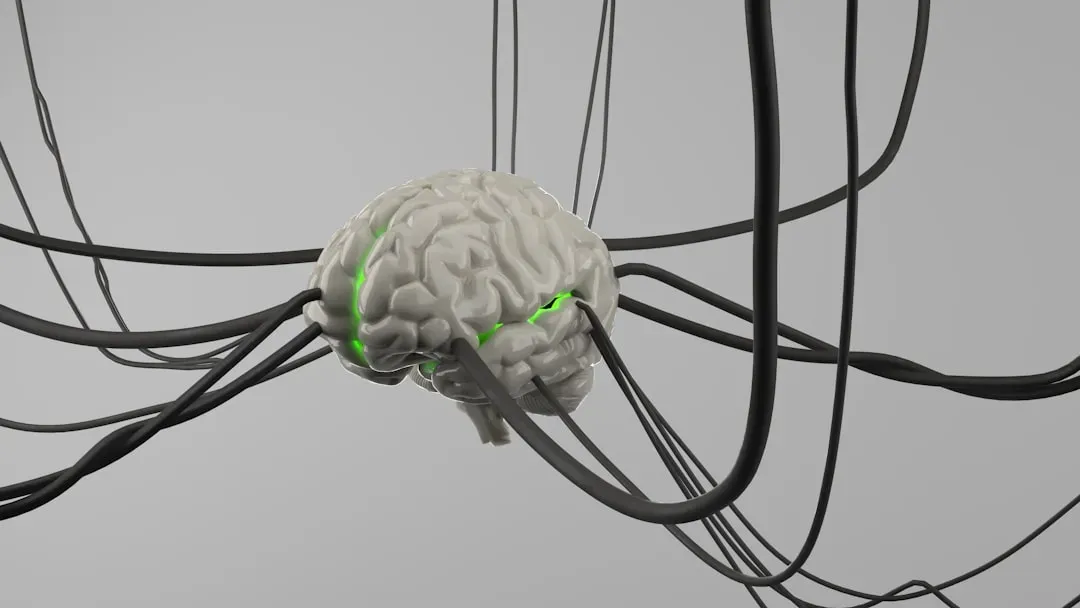
Your brain contains roughly 86 billion neurons, each connected to thousands of others. Mapping these connections manually would be virtually impossible. The field of connectomics aims to precisely map how each cell is connected to others, and detailed maps of how brains from various organisms are wired could transform our understanding of how brains work, thanks to machine learning algorithms and software tools that process and visualize data at unprecedented scale.
Researchers used artificial intelligence to reconstruct all neural wiring within a 0.001 cubic millimeter chunk of mouse cortex from roughly a terabyte of data, resulting in an intricate wiring diagram that scientists can mine for insights into how circuits are connected and perform computations. The fascinating thing is, this work would have required around 100,000 person-hours without AI assistance. Researchers found a class of rare but extremely powerful synaptic connections where neuron pairs may be connected by more than 50 individual synapses, and while the vast majority of contacts have just one synapse, these powerful connections appear to exist for specific reasons rather than by chance.
Neural Interfaces That Stream Thoughts in Real Time
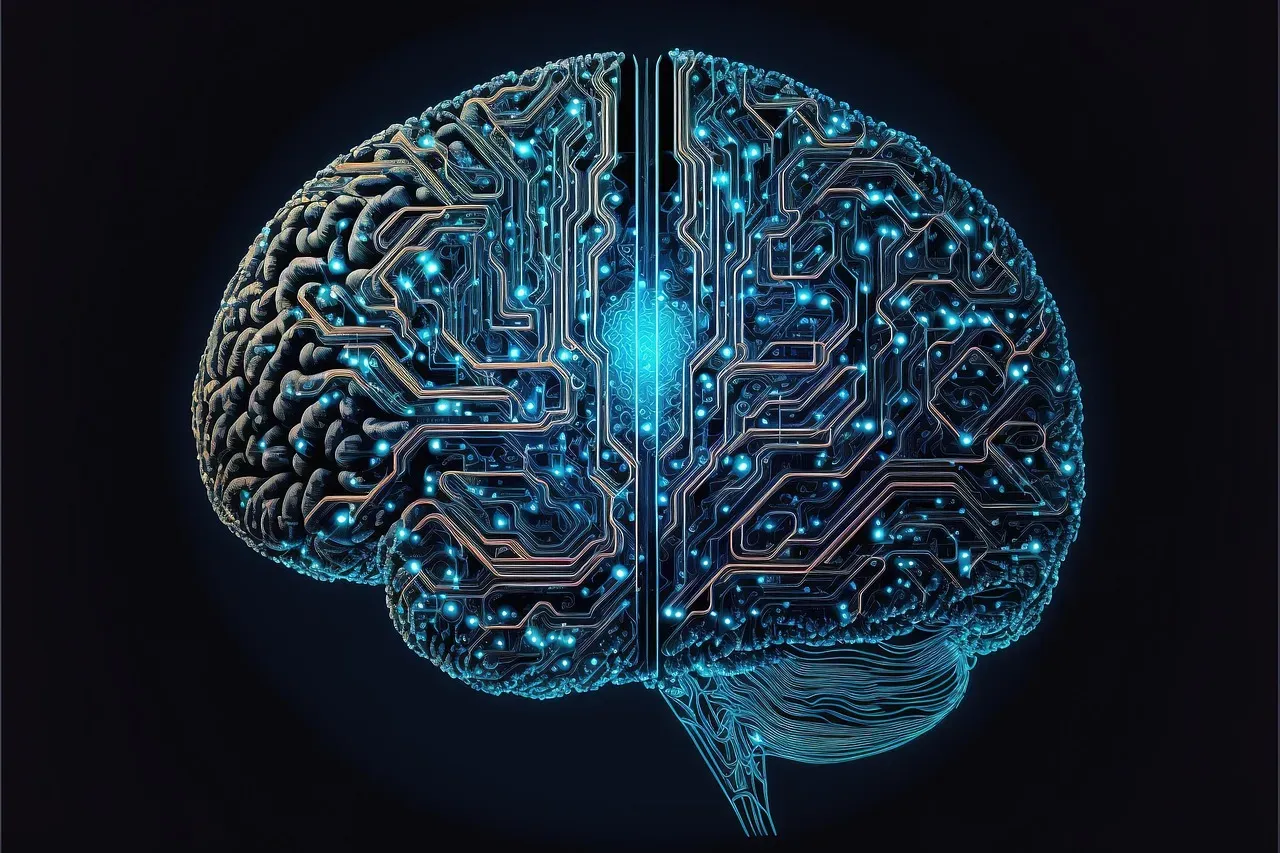
BISC is an ultra-thin neural implant that creates a high-bandwidth wireless link between the brain and computers, packing tens of thousands of electrodes in a tiny single-chip design that supports advanced AI models for decoding movement, perception, and intent. Think about that for a moment. We’re talking about a device roughly as thick as a human hair that can interpret what your brain wants to do.
This technology isn’t just impressive from an engineering standpoint. The new brain implant could significantly reshape how people interact with computers while offering new treatment possibilities for conditions such as epilepsy, spinal cord injury, ALS, stroke, and blindness by creating a minimally invasive, high-throughput communication path to support seizure control and help restore motor, speech, and visual abilities. The high-bandwidth recording allows brain signals to be processed by advanced machine-learning and deep-learning algorithms that can interpret complex intentions, perceptual experiences, and brain states. Let’s be real, this represents a fundamental shift in how we might interact with technology.
Understanding Brain Activity Patterns Through Deep Learning
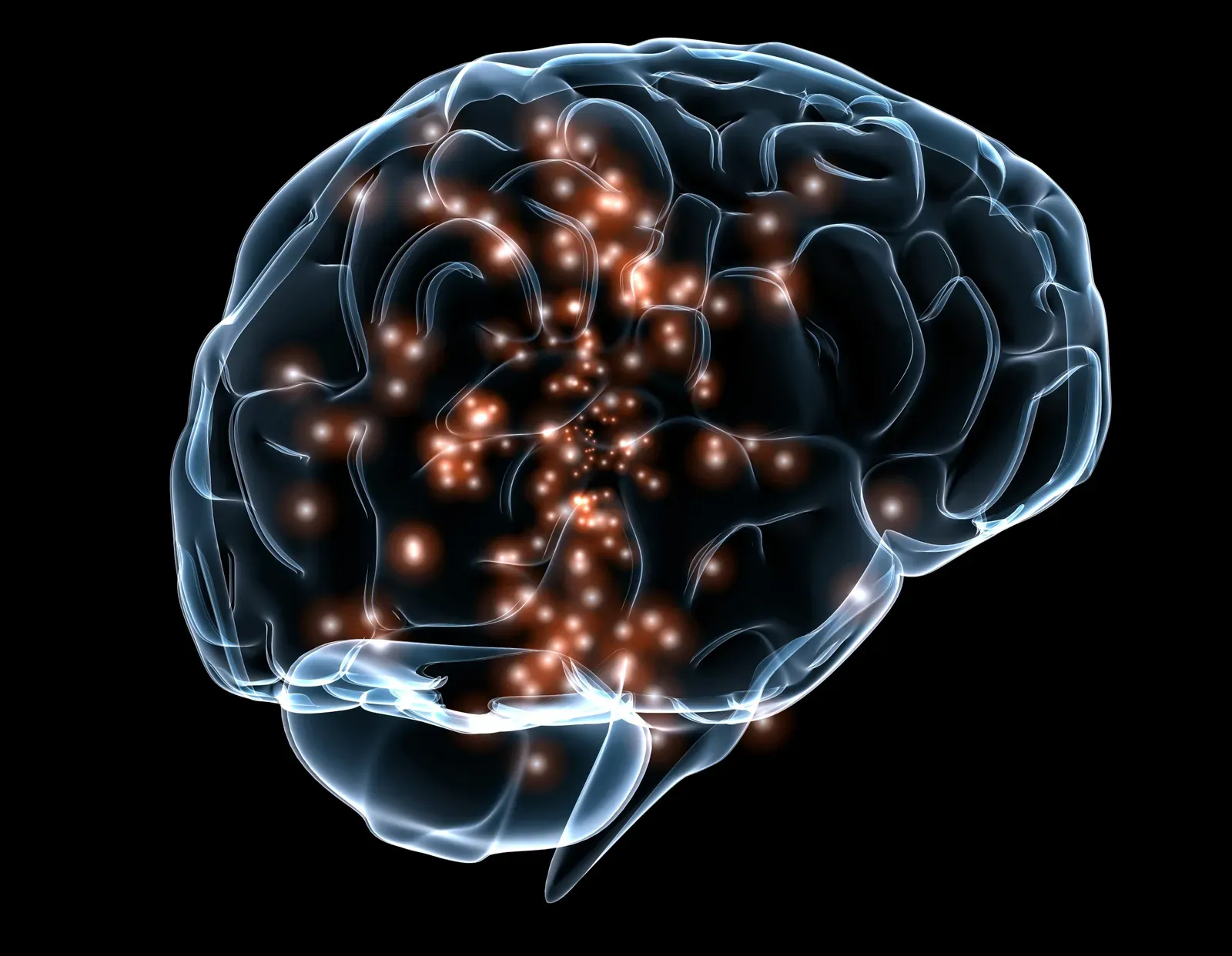
The rapid advancement of Artificial Intelligence is reshaping the landscape of neuroscience and clinical neurology, as deep learning, graph neural networks, and multimodal fusion algorithms have demonstrated tremendous potential in analyzing neural and physiological data such as EEG, fMRI, and structural MRI, enabling researchers to decode neural activity patterns with unprecedented accuracy and uncover complex relationships between brain function, cognition, and behavior. Here’s the thing: these patterns were always there, but we simply couldn’t see them before.
Machine learning approaches are particularly powerful at recognizing subtle patterns humans might miss. Using recordings from inside the brain, scientists applied machine learning to decode word categories from corresponding brain activity with up to 77 percent accuracy, the highest reported for this kind of process, which could help nonspeaking patients better communicate. The algorithms can identify which parts of the brain light up when you think about specific words or concepts. AI has demonstrated considerable potential in uncovering patterns that were once obscured by the brain’s biological complexity, and by observing how AI models emulate human cognitive functions, researchers gain valuable insights into neural network operations, enabling prediction of cognitive states and behaviors through subtle patterns of brain activity often beyond human resolution.
Bridging the Gap Between Vision and Understanding
A research team at Stanford’s Wu Tsai Neurosciences Institute made a major stride in using AI to replicate how the brain organizes sensory information by developing a topographic deep artificial neural network that uses naturalistic sensory inputs and spatial constraints on connections, successfully predicting both sensory responses and spatial organization of multiple parts of the human brain’s visual system. What’s remarkable is how closely the AI model mirrors actual brain organization.
Unlike conventional neural networks, the TDANN incorporates spatial constraints, arranging virtual neurons on a two-dimensional cortical sheet and requiring nearby neurons to share similar responses, and as the model learned to process images this topographical structure caused it to form spatial maps, replicating pinwheel structures in primary visual cortex and clusters in higher ventral temporal cortex that respond to categories like faces or places. Honestly, watching AI spontaneously develop brain-like organization patterns suggests we’re onto something fundamental about how intelligence itself works. The model essentially taught itself to organize information the way evolution taught our brains to do it.
Revolutionizing Clinical Applications
AI will help connect the dots between the body and the brain like never before, and by integrating molecular and physiological data across organs, researchers will uncover new pathways driving brain disorders and identify novel targets to treat them. This represents a paradigm shift from treating symptoms to understanding root causes at the molecular level.
Researchers have discovered a brain activity pattern that can predict which people with mild cognitive impairment are likely to develop Alzheimer’s disease using a noninvasive brain scanning technique and a custom analysis tool. Early detection matters enormously when it comes to neurological diseases. Participation in clinical trials testing brain implants are growing from single digits to dozens of patients, and beyond helping people with ALS and paralysis communicate, some companies are starting to target more prevalent conditions like mental health symptoms. The technology is moving from research labs into real-world medical applications faster than many anticipated.
AI Learning from the Brain, Brain Learning from AI
Mouse learning mechanisms resembled those of a computer model of reinforcement learning developed by AI researchers, and scientists can gain insights into brain mechanisms from AI while better understanding of brain mechanisms for decision-making and learning may be transferred to AI models. This creates a fascinating feedback loop where each field enhances the other.
Neuroscience itself has inspired AI innovations, with neural architectures and brain-like processes shaping advances in learning algorithms and explainable models, and by enabling more granular analyses of neural data, AI is uncovering insights that were previously inaccessible. I know it sounds crazy, but we’re essentially using artificial minds to understand biological ones, which in turn helps us build better artificial minds. Intelligence involves discernment including judgment, ethical reasoning, understanding context, and deciding what matters when there’s no clear answer, and this kind of intelligence draws on experience, emotion, and awareness, closely tied to how humans make meaning and navigate complexity.
The Future of Understanding Consciousness
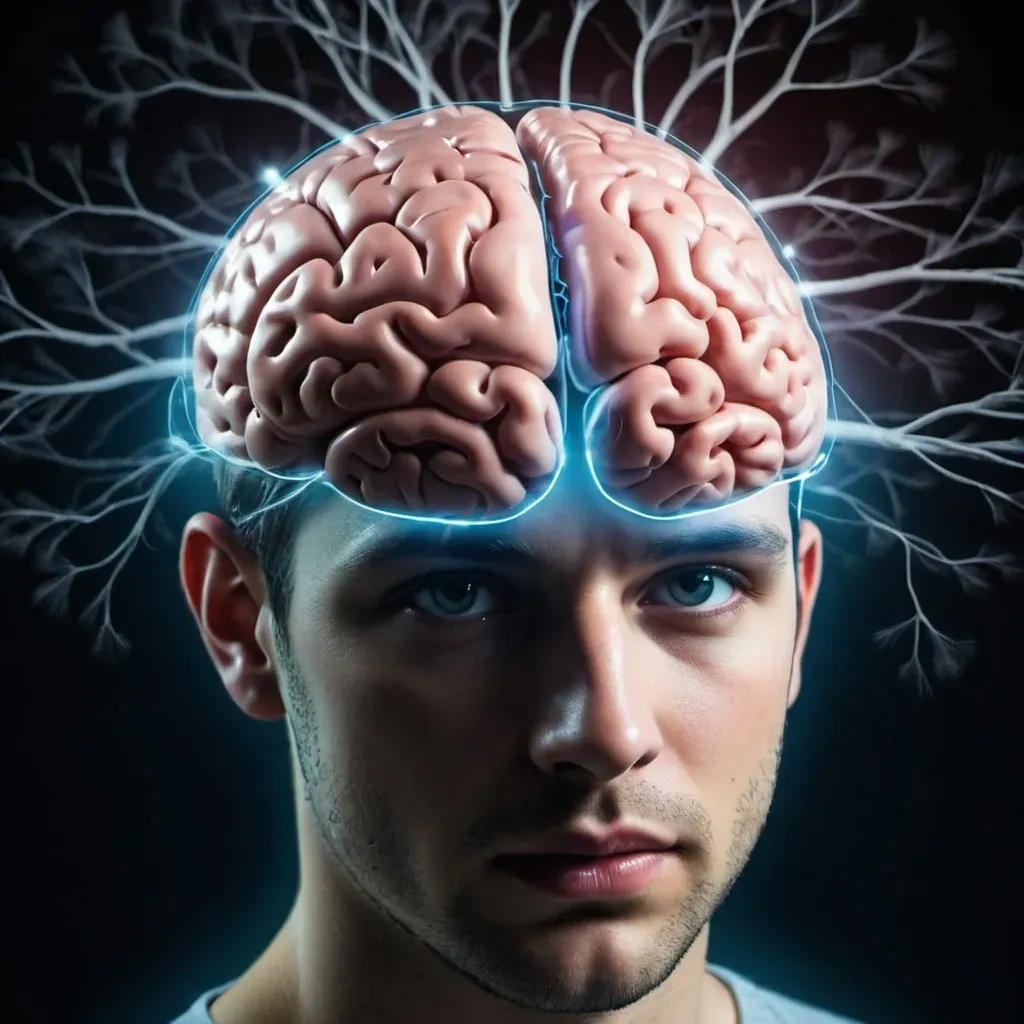
The convergence of Artificial Intelligence and neuroscience is redefining our understanding of the brain, unlocking new possibilities in research, diagnosis, and therapy, exploring how AI’s cutting-edge algorithms are revolutionizing neuroscience by enabling analysis of complex neural datasets. Yet questions remain about whether AI systems themselves could ever become conscious. We’re gradually homing in on neural correlates of consciousness, the neural patterns that occur when we process information consciously, but nothing about these patterns explains what makes them conscious while other neural processes occur unconsciously, and if we don’t know what makes us conscious, we don’t know whether AI might have what it takes.
With the advancement in artificial intelligence, there’s now a unique opportunity to study the nature of consciousness by approaching it from its computational significance, and as AI systems reproduce and even surpass human information processing capabilities, identification of computational elements possibly unique to consciousness is coming under more focused analysis. Perhaps studying how AI processes information will reveal what’s special about human consciousness. As humans, we know we are conscious and like to think we are intelligent, so we find it natural to assume the two go together, but just because they go together in us doesn’t mean they go together in general, as intelligence and consciousness are different things.
Conclusion: A New Era of Self-Discovery
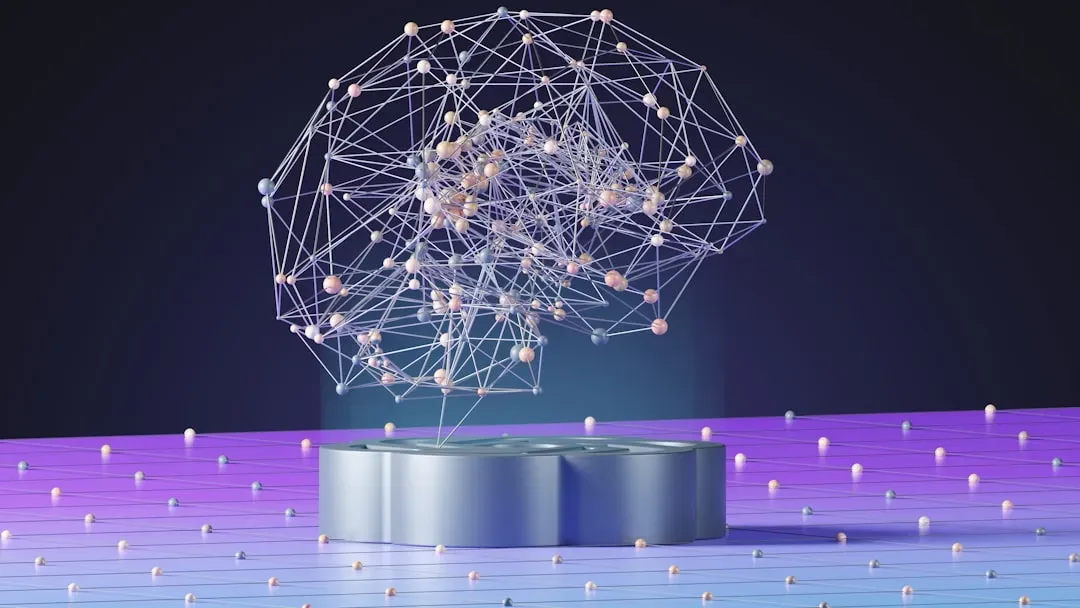
The partnership between artificial intelligence and neuroscience represents one of the most exciting scientific frontiers of our time. We’re developing tools that can read thoughts, map neural connections at breathtaking scale, and decode the patterns underlying consciousness itself. These advances promise not just to treat devastating neurological conditions but to answer fundamental questions about what makes us human. The brain that created AI is now using AI to understand itself, creating a virtuous cycle of discovery.
What intrigues you most about this intersection of artificial and biological intelligence? As we stand at this threshold, the secrets of our minds are becoming less mysterious, one neural pattern at a time. The journey to understand ourselves has never been more promising.