
Imagine everything you thought you knew about the cosmos suddenly becoming uncertain. You’re gazing at the night sky, seeing the same constellations ancient civilizations saw, yet scientists are now telling you that the universe itself is behaving in ways that defy our best theories. We’ve spent decades building mathematical models to describe how everything works, from the smallest particles to the largest galactic structures. Those models are now being questioned.
A new measurement confirms what previous results had shown: The Universe is expanding faster than predicted by theoretical models, and faster than can be explained by our current understanding of physics. Something doesn’t add up, and that’s both thrilling and unsettling. Let’s be real, when your fundamental understanding of reality gets challenged, you’re either about to make a groundbreaking discovery or realize you’ve been missing something huge all along.
When Two Methods Tell Different Stories
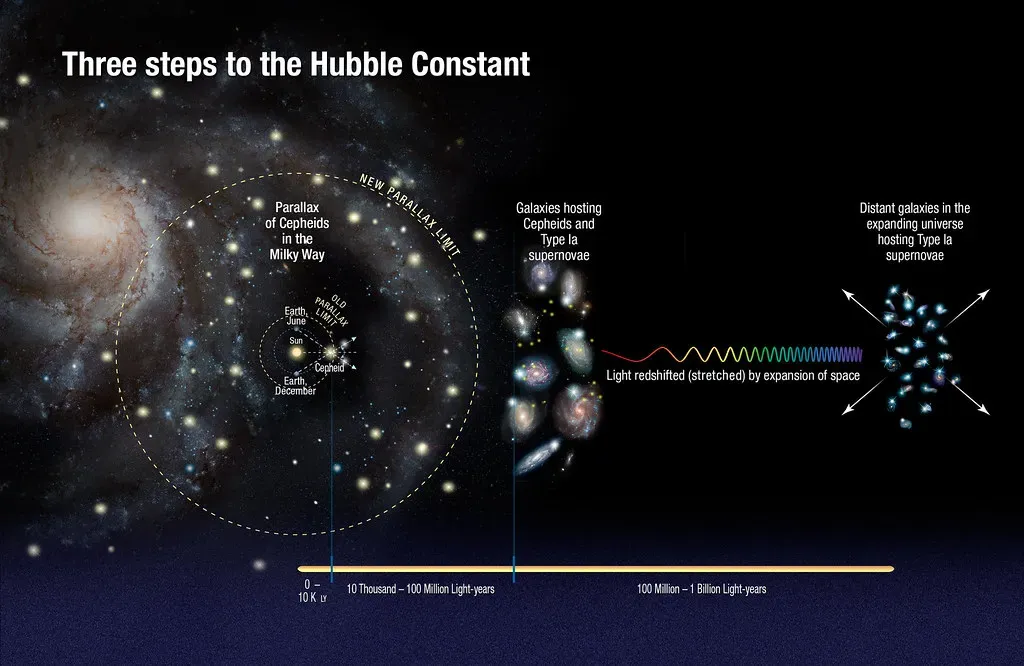
You might wonder how scientists measure something as incomprehensibly vast as the expansion rate of the entire universe. The tension centers on two different ways of calculating the Hubble constant. The first sets it at around 68 kilometers per second per megaparsec and is based on analyses of the cosmic microwave background, the afterglow radiation from the Big Bang that serves as a snapshot of the infant universe. Think of this as looking at a baby photo and predicting how tall someone should be as an adult.
The second method fixes the Hubble constant at about 73 kilometers per second per megaparsec, and comes from local measurements of the cosmic expansion from observations of stars and galaxies. This is like actually measuring the adult’s height directly. The problem? These two measurements don’t match. At all.
The Hubble Tension Becomes a Crisis
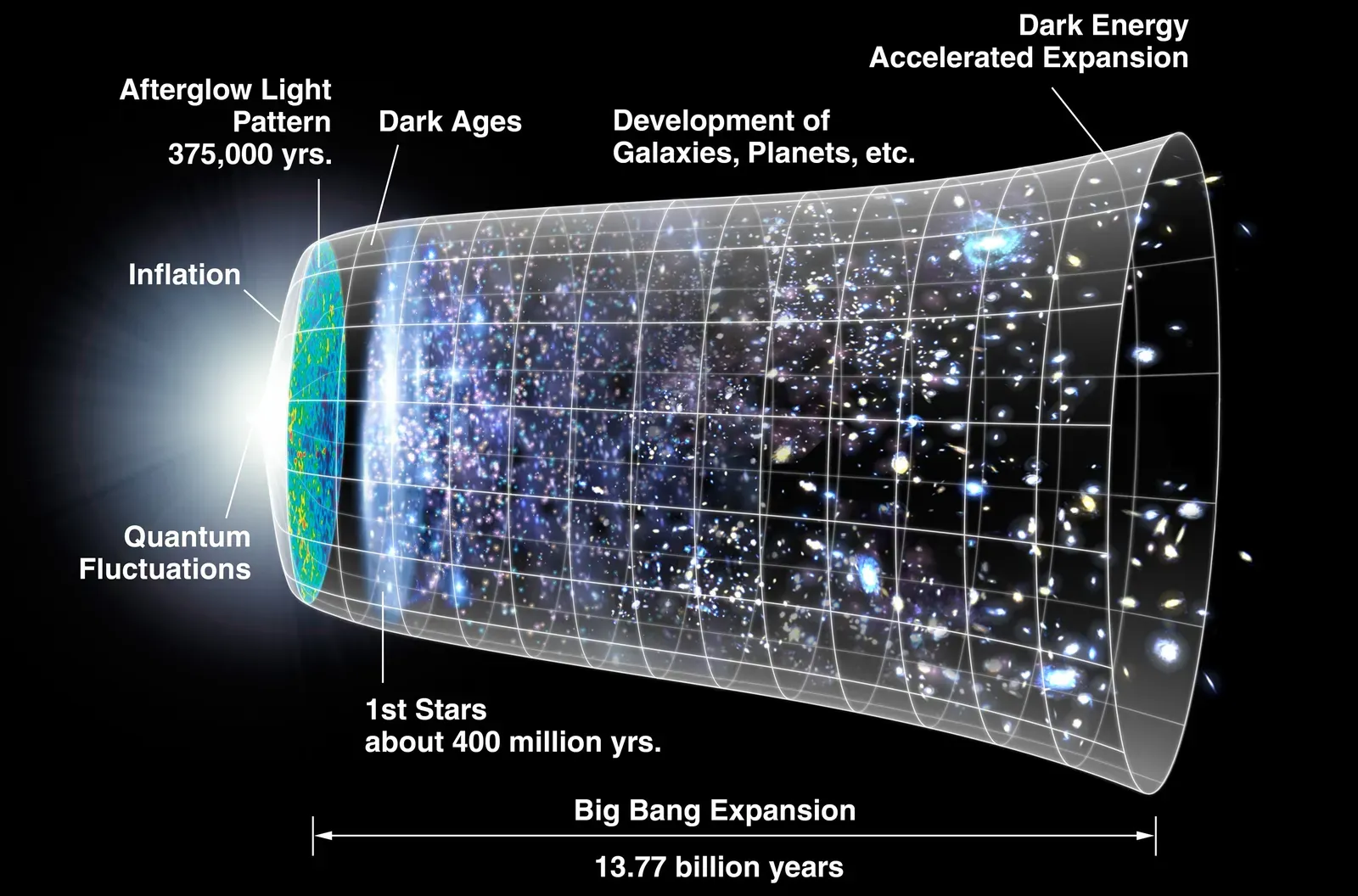
Recent research led by Dan Scolnic turned “the tension now into a crisis.” That’s not exactly the language scientists use lightly. A new study has confirmed what many researchers have long suspected: the universe is expanding much faster than our current understanding of physics can explain. This discrepancy between predictions and actual measurements, known as the Hubble tension, is getting stronger with every new result.
Here’s the thing: for years, cosmologists hoped these differences would disappear with better instruments or refined calculations. Instead, the opposite happened. The tension between new analysis and results from measurements of the early cosmos has reached five sigma, the statistical threshold used in particle physics to confirm the existence of new particles. In science, five sigma means you’re essentially certain something real is happening. It’s hard to say for sure, but this isn’t just measurement error anymore.
Measuring the Universe With Exploding Stars
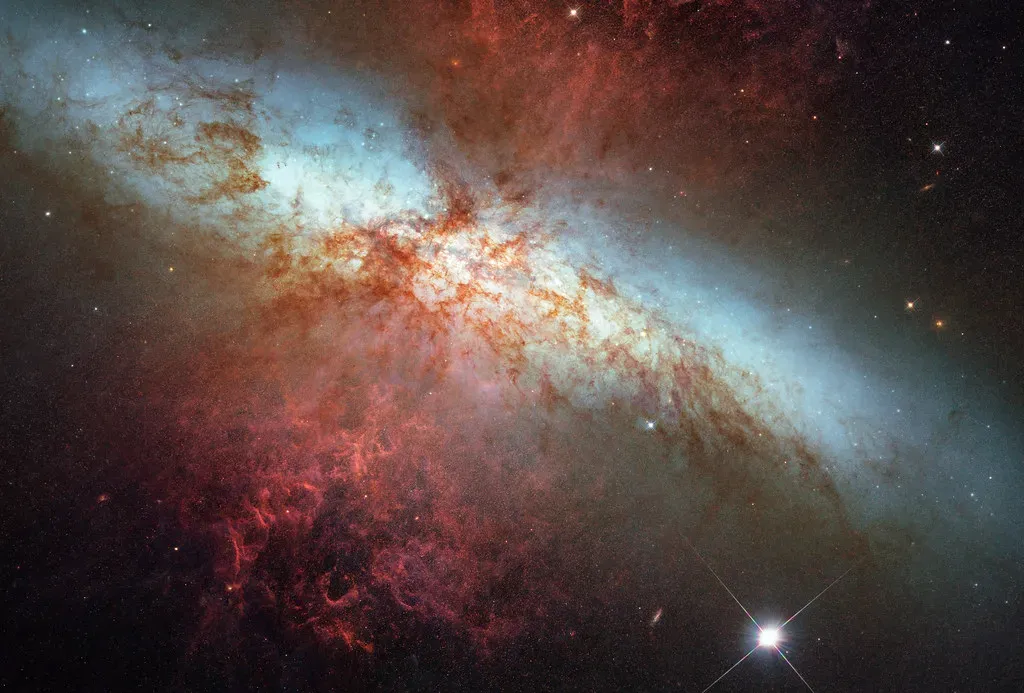
You probably haven’t spent much time thinking about Type Ia supernovae, but these exploding stars have become crucial cosmic measuring sticks. Type Ia supernovae are exploding stars that flare with the same brightness and are brilliant enough to be seen from relatively longer distances. Because they have predictable luminosity, astronomers can calculate how far away they are by measuring how dim they appear from Earth.
In 1998, everything changed when two different teams of astronomers observing far-off supernovae noticed that the stellar explosions were dimmer than expected. While dim supernovae might not seem like a major find, these astronomers were looking at Type1a supernovae, which are known to have a certain level of luminosity. That dimness meant these supernovae were farther away than they should have been. The universe had expanded more than predicted.
The Coma Cluster Discovery
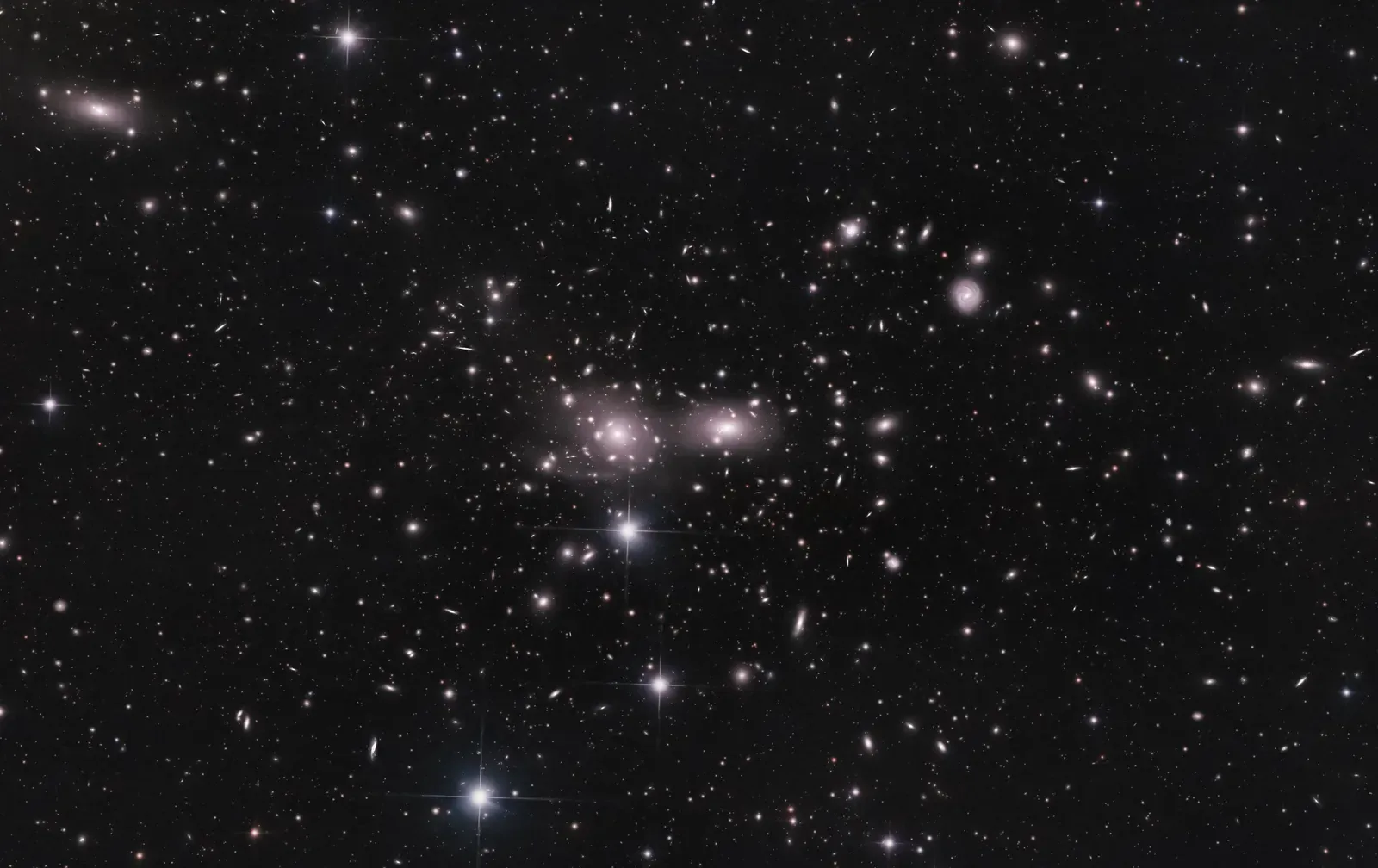
The mystery of the Hubble tension has deepened with the startling finding that the Coma Cluster of galaxies is 38 million light-years closer than it should be. Wait, closer? Yes, you read that right. When astronomers measured this nearby cluster using precise new techniques, they found it wasn’t where the standard cosmological model predicted it should be.
Using high-precision measurements, the team calibrated the cosmic distance ladder. They arrived at a value for the Hubble constant of 76.5 kilometers per second per megaparsec, which essentially means that the local universe is expanding 76.5 kilometers per second faster every 3.26 million light-years. This value still conflicts with predictions from the early universe, suggesting a flaw in our current cosmological models. The Coma Cluster sits in our cosmic backyard, and if we can’t even get that right, what does that say about our understanding of the entire universe?
Dark Energy’s Mysterious Role
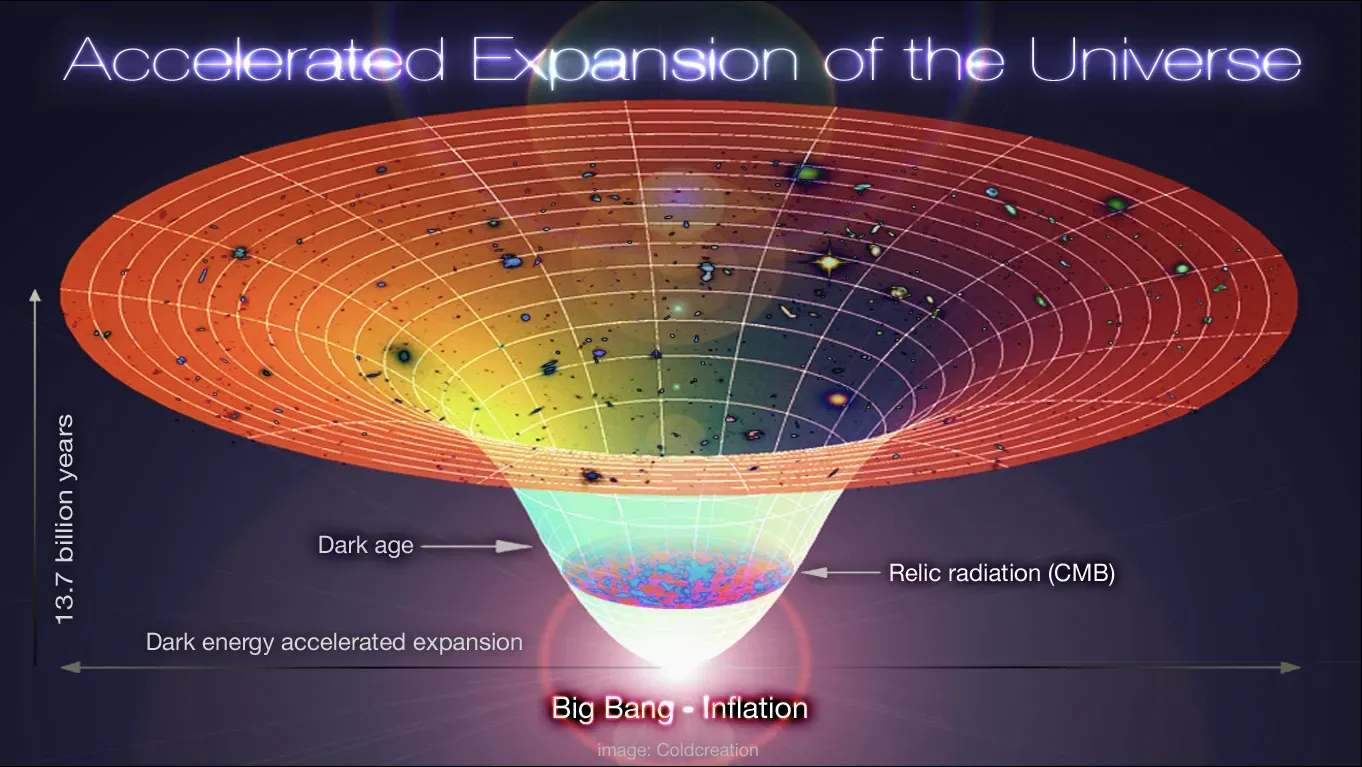
We know that dark energy exists, it’s making the universe expand at an accelerating rate, and approximately 68.3 to 70 percent of the universe is dark energy. Let’s be honest though: calling it “dark energy” is basically admitting we have no idea what it actually is. It’s like giving a fancy name to your ignorance.
One possibility is that dark energy, already known to be accelerating the universe, may be shoving galaxies away from each other with even greater or growing strength. Some recent observations suggest dark energy might not even be constant over time. The latest results based on observations of large-scale structure suggest dark energy, which is thought to be causing the expansion of the universe to accelerate, may be changing with time. If that’s true, you can pretty much throw out the rulebook.
Could Our Models Be Fundamentally Wrong?
The problem is things don’t connect. Scolnic noted that “this is saying, to some respect, that our model of cosmology might be broken.” That’s a massive understatement. We’re not talking about tweaking a few numbers here. We might need to rethink fundamental aspects of how the cosmos works.
This is the strongest evidence in the last 25 years that there’s something else needed in the standard model of cosmology. Some scientists are exploring whether we’ve been measuring distances incorrectly all along. Others wonder if there’s an unknown particle or force we haven’t discovered yet. Another idea is that the cosmos contained a new subatomic particle in its early history that traveled close to the speed of light. Such speedy particles are collectively referred to as dark radiation and include previously known particles like neutrinos. More energy from additional dark radiation could be throwing off the best efforts to predict today’s expansion rate.
What This Means for Cosmology’s Future
You might be wondering whether this crisis spells doom for modern cosmology. Honestly, it’s more exciting than that. Researchers noted this may be reshaping how we think about the universe, and it’s exciting. There are still surprises left in cosmology, and who knows what discoveries will come next. Science progresses through exactly these kinds of contradictions.
This mismatch has grown, leading to a billion-year gap in estimates for the time that has passed since the Big Bang. As a result, cosmologists are wrestling with the possibility that our best understanding of the makeup and history of the universe may be wrong. That’s not failure. That’s science working exactly as it should, forcing us to confront uncomfortable truths and seek better answers.
Looking Ahead
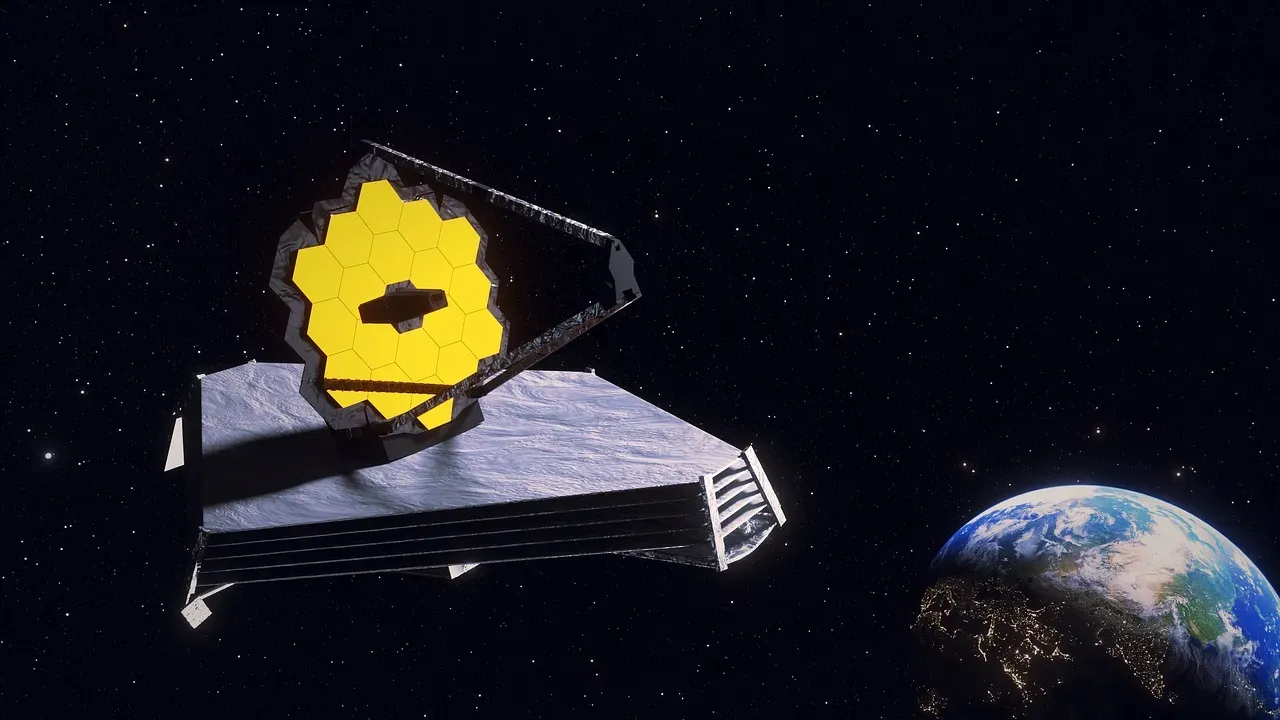
New telescopes and instruments are coming online that should help resolve this cosmic mystery. The universe keeps expanding, whether we understand it or not. Meanwhile, you’re living through one of those rare moments in scientific history when everything might be about to change.
The quest to determine how fast the universe is expanding has irked cosmologists for decades, leading it to be dubbed the Hubble tension or even the Hubble crisis. Yet this frustration contains the seeds of discovery. When your measurements don’t match your predictions, you’re standing at the threshold of something new. Maybe we’ll discover a new force of nature. Maybe we’ll realize dark energy works differently than we thought. Maybe our understanding of gravity itself needs an update.
The universe has been expanding for nearly fourteen billion years, and it’ll keep doing so long after we figure out the details. What matters is that we’re asking the right questions, even if we don’t like the answers we’re getting. The cosmos is under no obligation to make sense to us, after all. What do you make of this cosmic puzzle? Does it change how you think about our place in an ever-expanding universe?