
Have you ever wondered if Earth harbors creatures as baffling as anything we might find on a distant planet? The truth is, you don’t need to travel to faraway galaxies to encounter beings that challenge everything scientists thought they knew about biology. Right here, in oceans, forests, and hidden corners of our world, animals display powers that push the boundaries of what seems possible. Some reverse aging. Others survive radiation that would obliterate a human.
Think of these beings not as mere animals, but as living puzzles wrapped in scales, tentacles, and microscopic armor. Let’s be real, nature has an odd sense of humor when it comes to evolutionary gifts. So let’s dive in and prepare yourself for creatures whose abilities are so mind-bending, they make fictional superheroes look tame.
The Immortal Jellyfish: Nature’s Time-Traveler
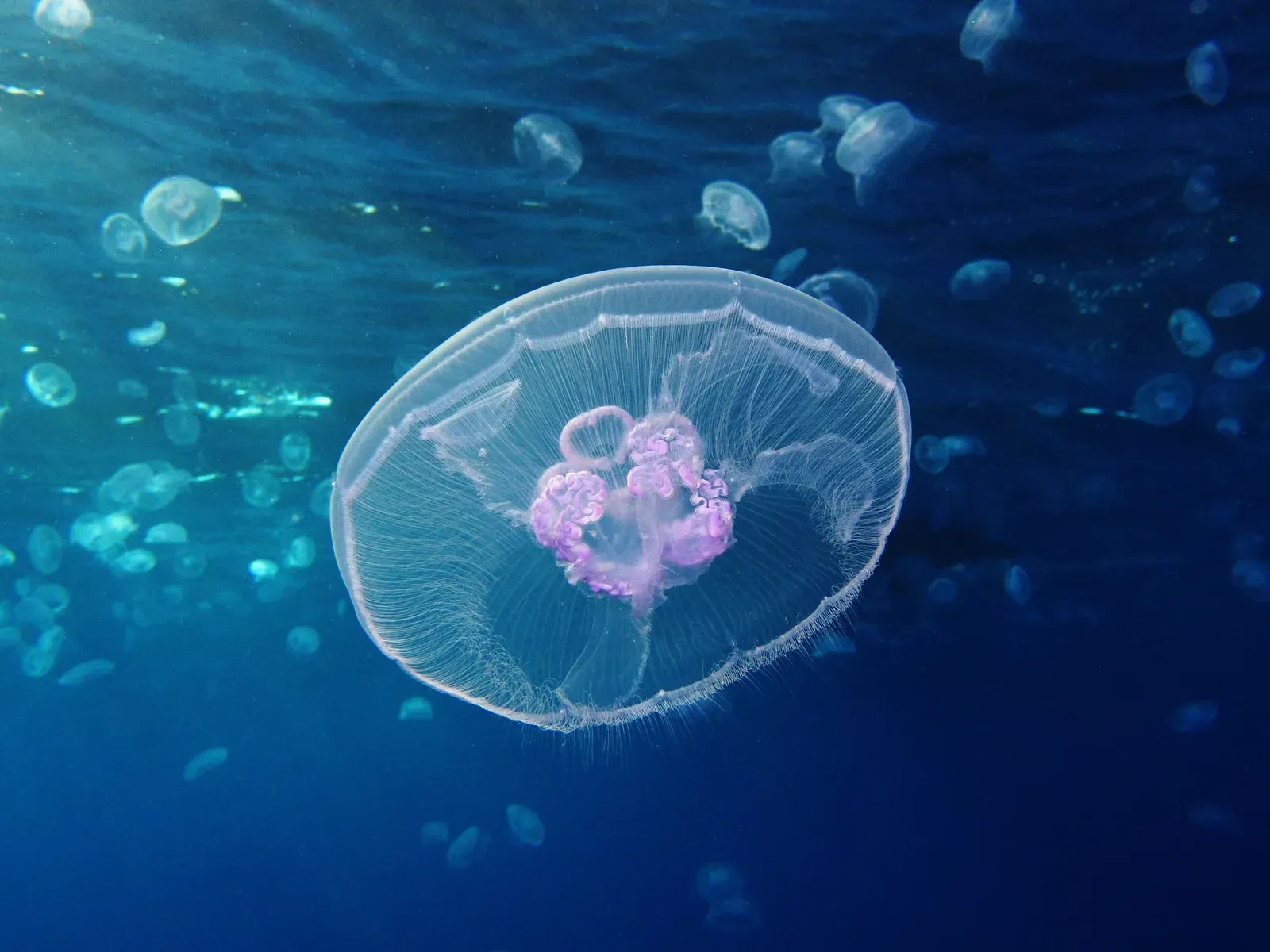
Picture a creature that can literally reverse its own aging process when threatened or injured, essentially bypassing death and rendering itself biologically immortal. The immortal jellyfish, known as Turritopsis dohrnii, has the ability to reverse age and theoretically live an eternal life through its capacity to regrow its cells. When most creatures age and die, this tiny jellyfish merely hits rewind on its biological clock.
Through a process known as transdifferentiation, immortal jellyfish facing stress, injury or starvation can revert back into a polyp, essentially resetting their biological clocks to cheat death. Scientists are still unpacking the mechanics of how mature cells transform backward into younger versions. The species’ cell development method of transdifferentiation has inspired scientists to find a way to use this process to renew damaged or dead tissue in humans. It’s hard to say for sure, but this creature might hold secrets that revolutionize medicine as we know it.
Tardigrades: The Indestructible Micro-Beasts
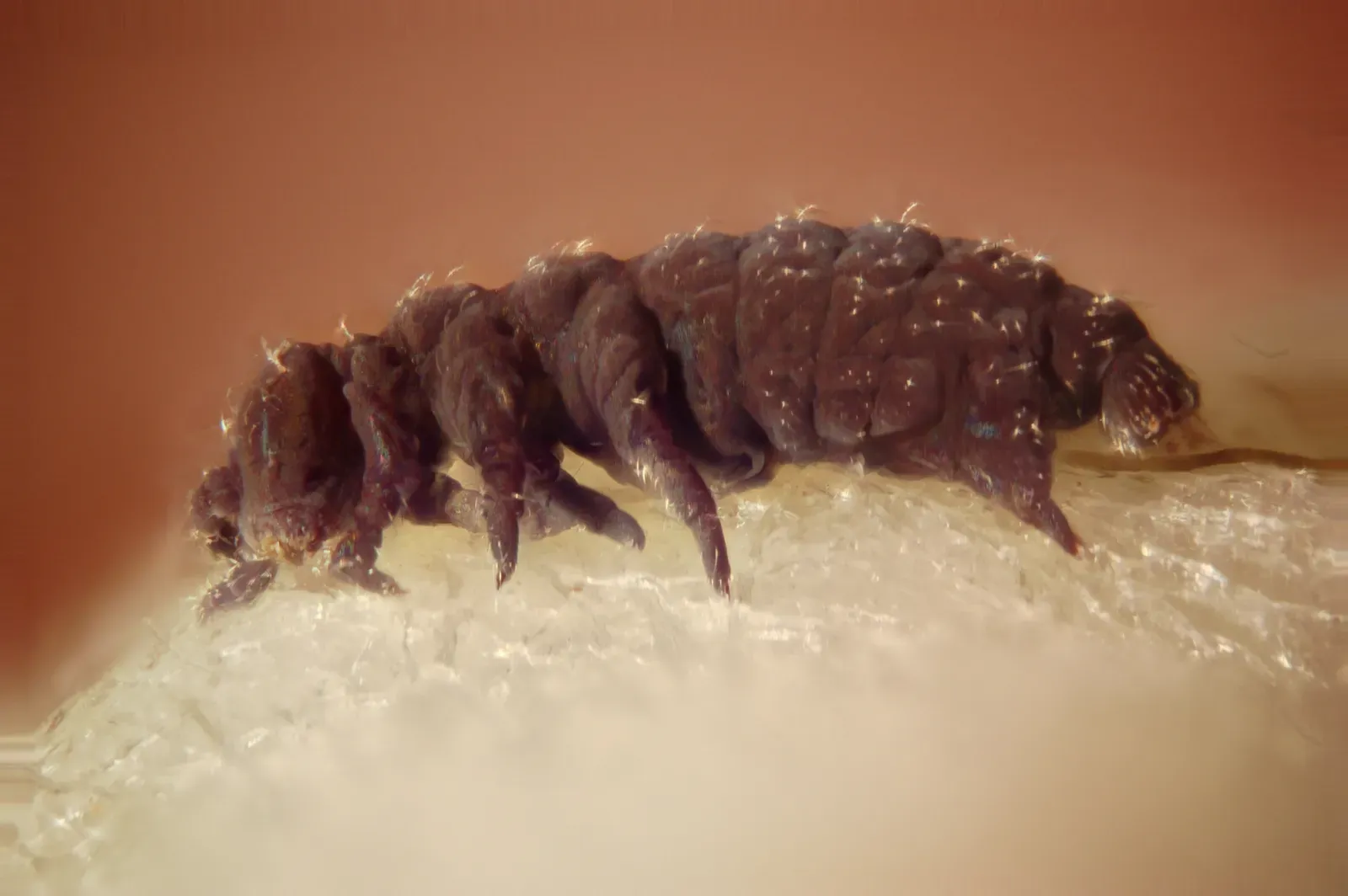
Classified as extremophiles, tardigrades can withstand extreme conditions including surviving nearly 30 years without food or water, enduring temperatures from minus 200 degrees Celsius to 151 degrees Celsius, tolerating pressures more than six times greater than those in the deepest ocean parts, surviving radiation levels up to 1,000 times higher than the lethal dose for humans, and even withstanding the vacuum of space. Let me tell you, these microscopic water bears make every other survivor on Earth look fragile by comparison.
When facing external stressors, tardigrades curl up into a little ball, entering a deep hibernation called tun, where their legs retract, their metabolism drastically slows and they nearly completely dehydrate themselves. The tardigrade Ramazzottius varieornatus contains a unique nuclear protein termed Dsup, for damage suppressor, which can increase the resistance of human cells to DNA damage under conditions such as ionizing radiation. Researchers are racing to understand how these minuscule creatures essentially shut down all life processes and then magically restart when conditions improve.
The Mantis Shrimp: Underwater Superhero with Hypervision
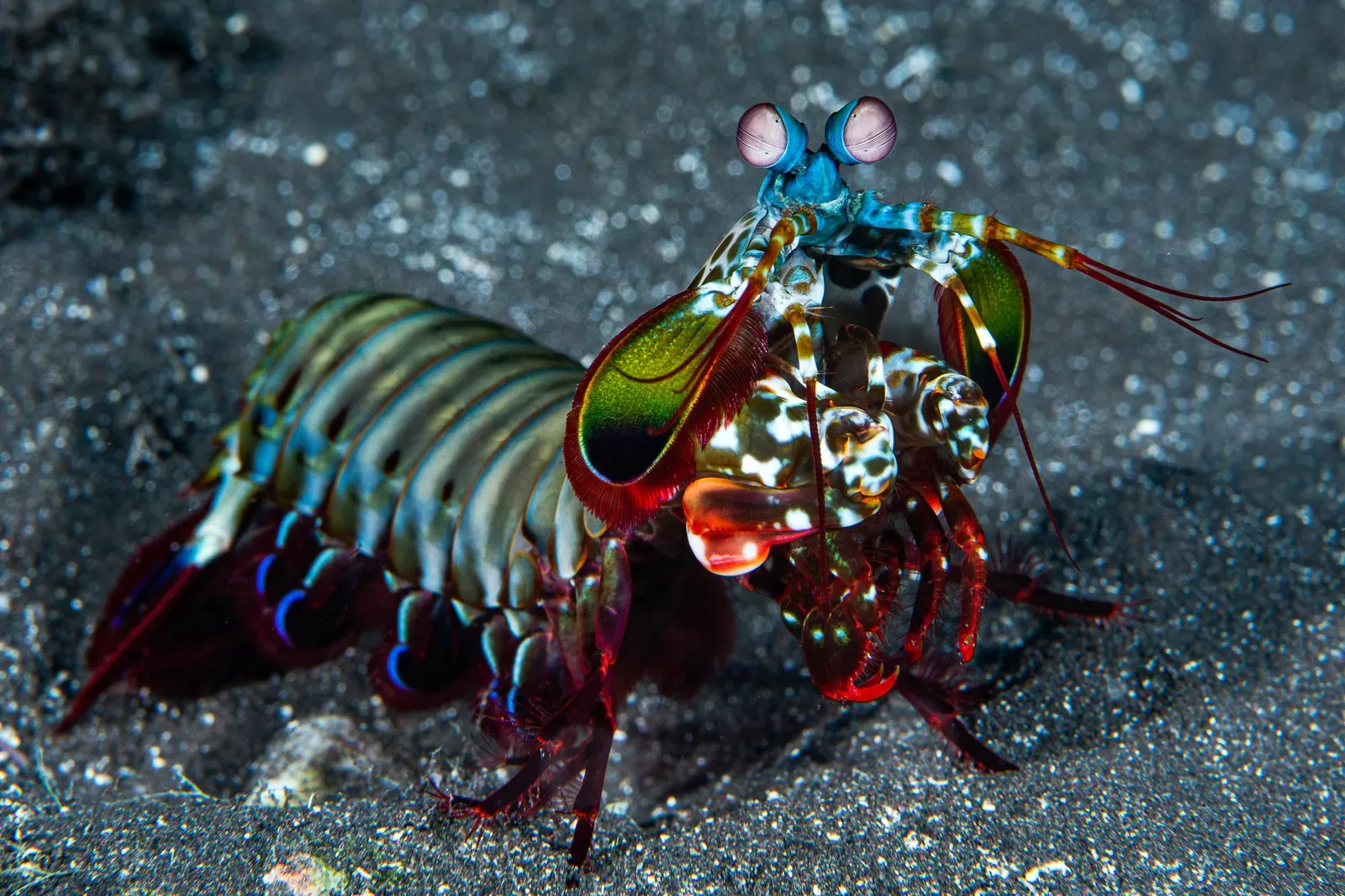
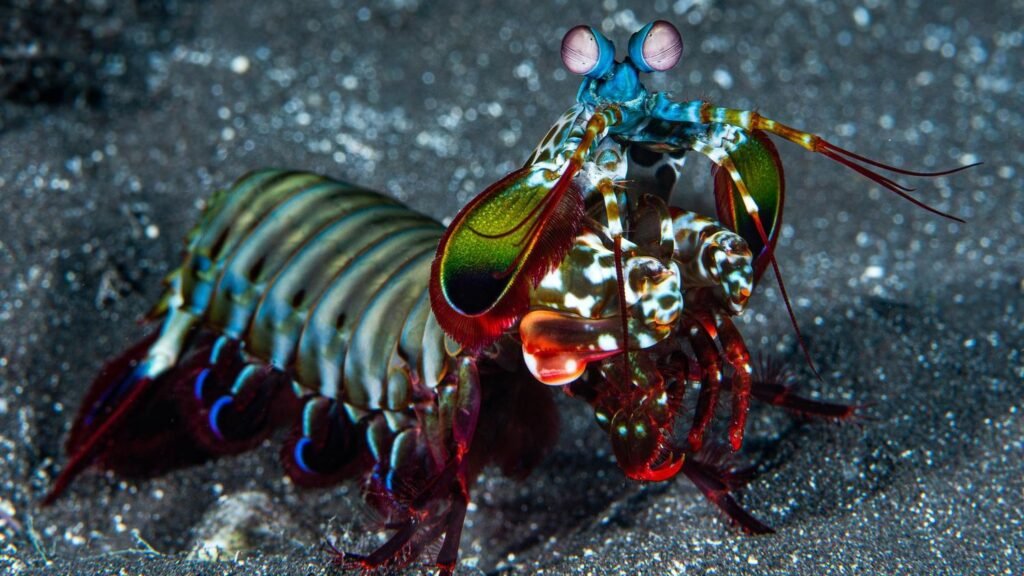
Humans see color through three types of photoreceptors, but the mantis shrimp has up to sixteen, allowing it to see ultraviolet light, polarized light, and colors beyond human imagination, with scientists using it as a model for next-generation cameras and optical sensors. Honestly, if aliens landed tomorrow with super-powered vision, we might just introduce them to mantis shrimp for comparison.
Here’s the thing though: The mantis shrimp can hit with the force of a bullet using specialized club-like appendages, with strikes so fast they create tiny implosions in the water, generating heat as hot as the sun’s surface. The force is so immense that it creates cavitation bubbles that can momentarily reach the temperature of the sun’s surface, and this punch can shatter aquarium glass and crack open hard-shelled crabs in an instant. The physics behind this punch remain partially mysterious to scientists who study materials science and robotics.
The Axolotl: Master of Perfect Regeneration
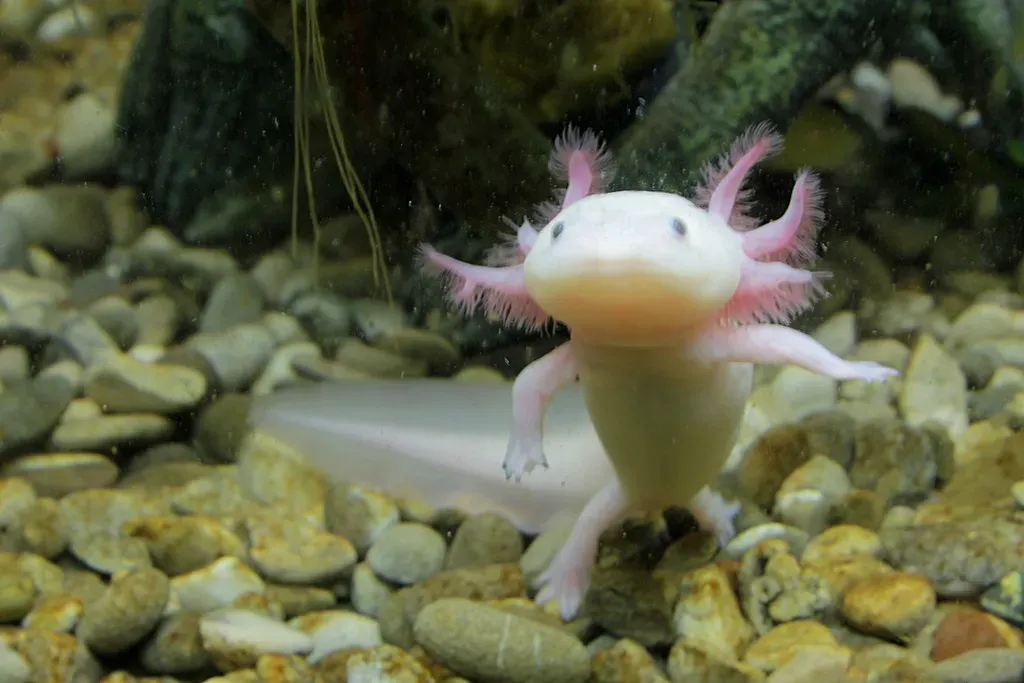
The axolotl can fully restore its heart, spinal cord, and even brain tissue without scarring, with cells reverting to an earlier state allowing for perfect regrowth unlike humans who heal with scar tissue. Think about what this means: losing a limb isn’t permanent for this smiling, dragon-like salamander. Axolotls can regenerate nearly any part of their body including limbs, spinal cord, heart tissue, and even parts of their brain, with scientists having even transplanted limbs between individuals with perfect regrowth.
The medical implications stagger the imagination. Their regenerative abilities make them a focus of intense scientific study, with the promise of medical breakthroughs held within their cells that could one day help humans heal from injuries once deemed irreversible. Sadly, axolotls are critically endangered in the wild, victims of habitat loss and pollution, yet in laboratories and aquariums around the world, they remain symbols of nature’s resilience as creatures that refuse to grow old and refuse to die.
The Pistol Shrimp: Weaponizing Physics Underwater
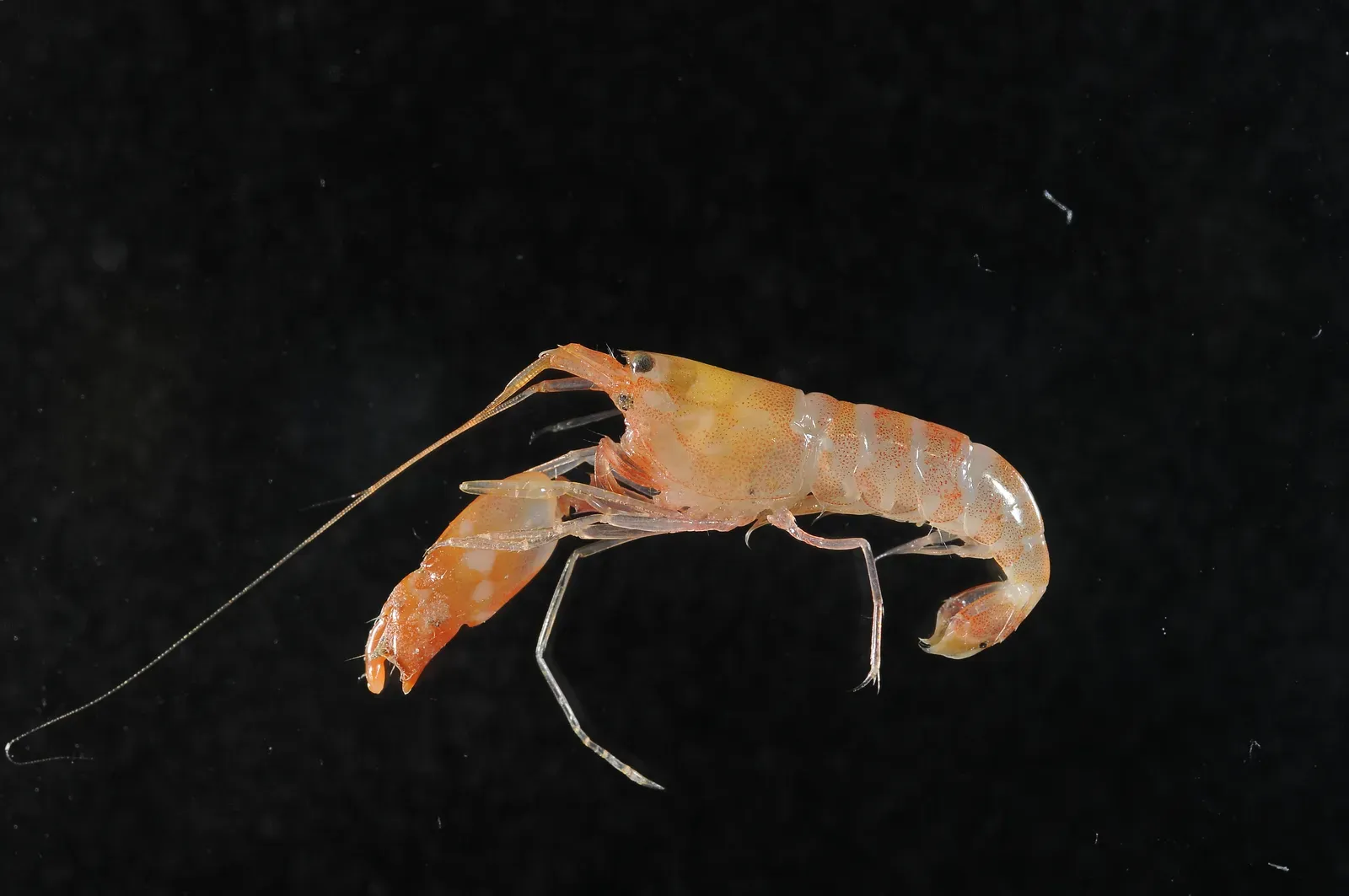
This unassuming shrimp wields a claw that snaps shut so fast it creates a cavitation bubble hotter than the sun’s surface, and when the bubble collapses, it produces a shockwave that kills or stuns nearby prey, with the resulting sound over 200 decibels rivaling a gunshot. I know it sounds crazy, but a creature barely longer than your thumb produces one of the loudest biological sounds on the planet.
The pistol shrimp’s underwater gunfire is so intense that large colonies can disrupt sonar equipment, and the shrimp uses this sonic energy to communicate, proving that power and finesse can exist in even the smallest creatures. Scientists found that the pistol shrimp’s body has special shock-absorbing features to avoid hurting itself, as researchers discovered that when they tested shrimp without these protections, the creatures got knocked around by their own sonic blasts. The biological engineering behind this self-protection mechanism still baffles researchers.
The Octopus: Earth’s Closest Thing to an Alien Intelligence
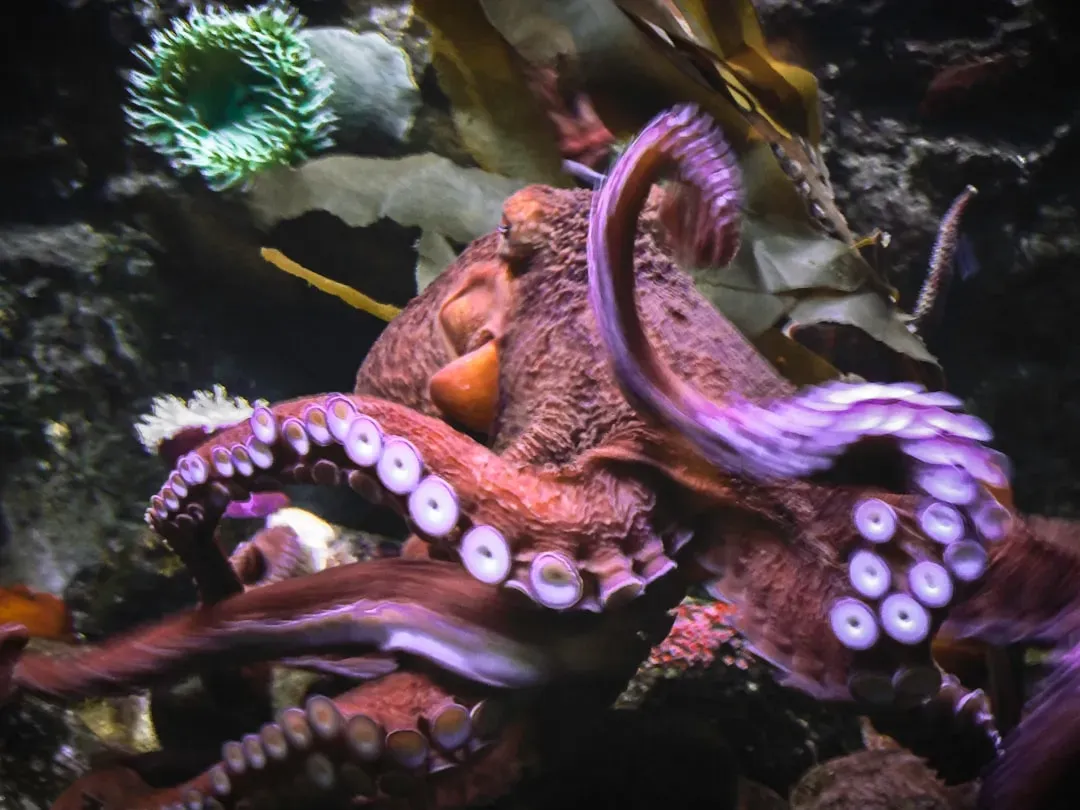
Octopuses are the most complex animal with the most distant common ancestor to humans, probably an animal about the size of a leech or flatworm, meaning octopuses have developed eyes, limbs, and brains via a completely separate route with very different ancestors from humans. In terms of brain-to-body ratio, the octopus has the largest ratio of any invertebrate. Picture a creature whose neurons are distributed throughout its body, with each arm almost thinking independently.
Octopuses are some of the only invertebrates to use tools, they can wield external weapons such as the way the blanket octopus carries tentacles from the Portuguese man o’ war, and they hunt collaboratively with other species, sometimes having to give their fish partners a good punch to keep them in line. Inky the octopus infamously escaped the National Aquarium of New Zealand in the dead of night by opening his own tank and slipping through a drain in the floor which led to the ocean, while other octopuses have been reported spitting jets of water to short out aquarium lights that were bothering them.
The Platypus: Living Contradiction with Electric Sense
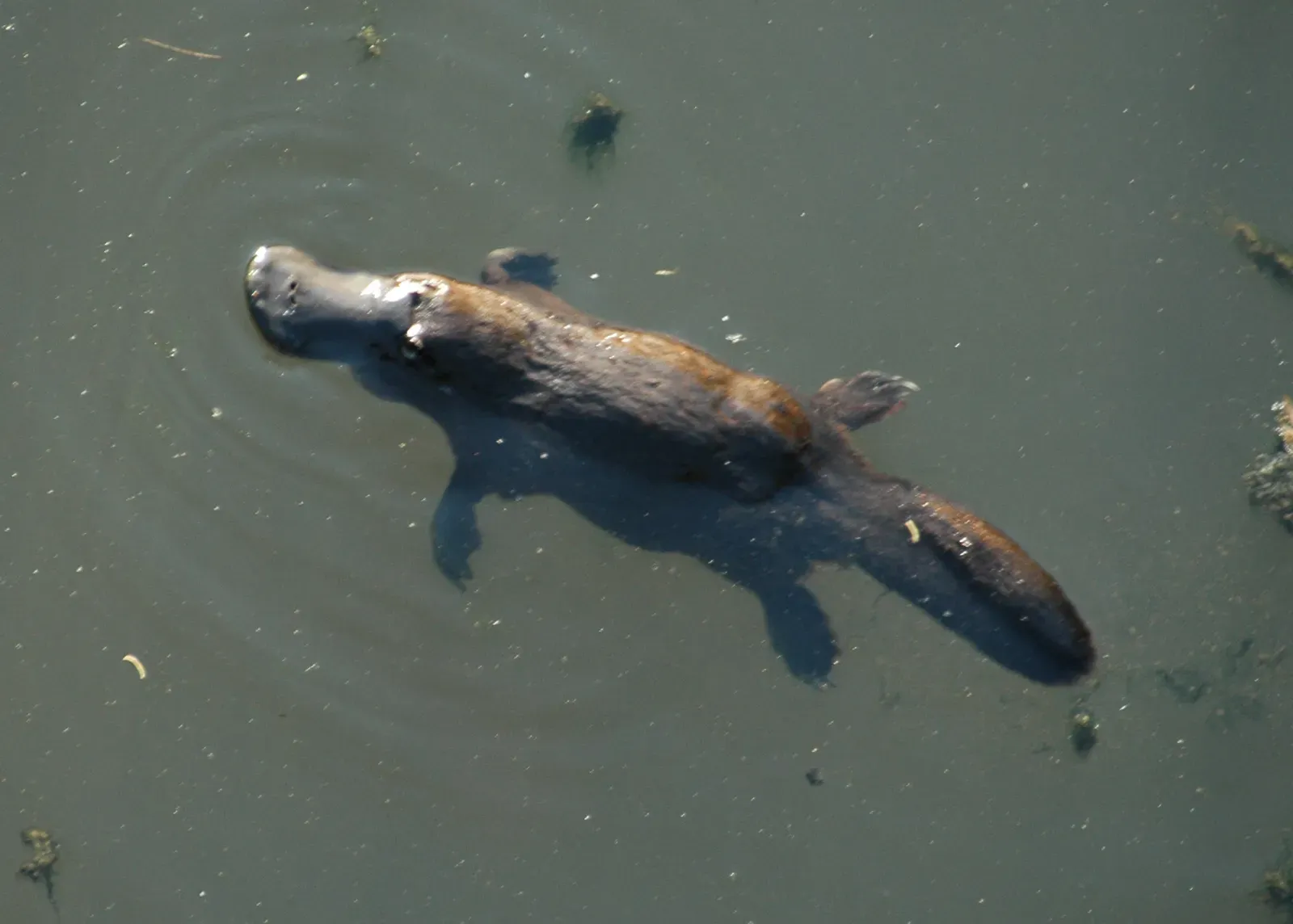
Platypuses are among the most uniquely adapted species in nature with remarkable abilities including using their bill as an electroreceptor to detect hidden insects and shrimp while swimming, with male platypuses having venomous spurs on their hind legs to protect them from predators and rivals. Their bills are packed with special cells called electroreceptors, with nearly 40,000 of these receptors in a platypus bill that pick up tiny electric currents from other animals’ muscles.
This mammal that lays eggs, nurses its young without nipples, and hunts using electrical fields seems like evolution’s practical joke. This helps platypuses find prey in murky water. The electroreception works like having a built-in detector for living things, allowing these creatures to navigate pitch-black rivers with astonishing precision. Scientists studying platypus biology continue discovering contradictions that challenge conventional understanding of mammalian evolution. The more we learn, the stranger they become.
Conclusion
The creatures we’ve explored prove that you don’t need interstellar travel to encounter alien-like beings. From jellyfish that cheat death to microscopic warriors surviving space itself, Earth harbors mysteries that science is only beginning to unravel. These animals push biological boundaries so far that they force researchers to rewrite textbooks and rethink what’s possible.
Perhaps the most humbling realization is how much remains unknown. Each discovery about these remarkable beings opens ten new questions about the limits of life itself. What do you think about it? Which of these abilities would you want if you could have one? Tell us in the comments.