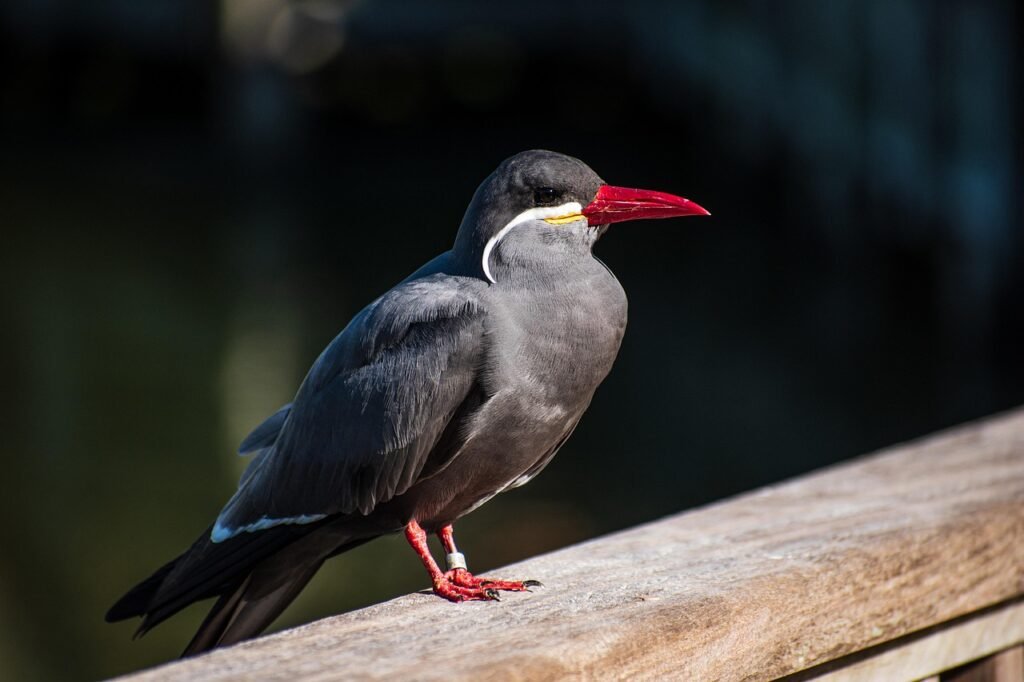


Charred Trees Draw in Seed Dispersers (Image Credits: Pixabay)
Devastated forests reduced to ash and skeletal trees find hope in the arrival of fruit-eating birds that unwittingly plant the seeds of rebirth.
Charred Trees Draw in Seed Dispersers
Standing remnants of burned vegetation transform into essential platforms after wildfires sweep through ecosystems. Frugivorous birds flock to these scorched snags, perching atop them to rest and digest fruits gathered from nearby unburned patches.[1]
From these vantage points, the birds defecate or regurgitate seeds directly onto the nutrient-enriched, fire-cleared soil below. This “perch effect” channels seeds precisely where conditions favor germination, accelerating natural regeneration. Researchers observed this dynamic in action, noting how the absence of competing foliage makes burned areas prime targets for such dispersal.[1]
The process hinges on the birds’ attraction to the open, sunny post-fire landscape, often termed the “magnet effect.” These feathered couriers bridge surviving vegetation with barren zones, introducing diversity early in recovery.[2]01482-4)
Key Evidence from Patagonian Wildfires
A study in Nahuel Huapi National Park captured the perch effect’s power following 1999 fires. Scientists monitored seed rain under standing burned trees and in open areas, collecting 2,980 seeds from 16 woody species across three sites.[1]
Of the 1,064 bird-dispersed seeds, 89 percent fell beneath perches. Traps under snags averaged 12.5 seeds per square meter, compared to 6.7 in the open – nearly double the rate overall, with endozoochorous species showing the starkest gains.
| Location | Seeds/m² Under Perches | Seeds/m² in Open |
|---|---|---|
| All Sites Average | 12.5 | 6.7 |
Seedling survival also proved higher beneath resprouting canopies, underscoring the multi-layered benefits of retained woody debris.
Mechanisms Fueling Post-Fire Revival
Birds not only deliver seeds but enhance their viability through gut passage, which can scarify hard coats and boost germination rates. In Mediterranean forests, similar patterns emerged, with frugivores roosting on dead structures to initiate restoration.[3]
This passive restoration contrasts with active replanting, relying instead on natural vectors for cost-effective, diverse regrowth. Yet it demands preservation of burned skeletons, as post-fire logging disrupts the cycle.
- Perches concentrate seeds in fertile ash beds.
- Resprouts act as seed traps and fruit sources.
- Birds connect fragmented habitats at landscape scale.
- Diverse seed rain promotes resilient communities.
- Early intervention counters invasive species.
Challenges and Conservation Lessons
While effective, the system faces threats from intensified fires and habitat loss. In regions like Patagonia, unlogged burns showed superior recovery, highlighting policy needs.[1] Recent research reinforces fire’s role in directing dispersal, urging land managers to integrate avian ecology into recovery plans.[4]
Protecting these natural engineers ensures ecosystems rebound stronger, blending destruction with renewal.
Key Takeaways
- Standing burned trees boost bird-dispersed seeds by up to 89 percent in key studies.
- The perch effect doubles seed arrival rates post-fire.
- Avoiding salvage logging preserves vital restoration pathways.
Wildfires reshape landscapes, but birds perched on their remnants quietly orchestrate a greener tomorrow. How can we better support these natural recovery agents? Share your thoughts in the comments.