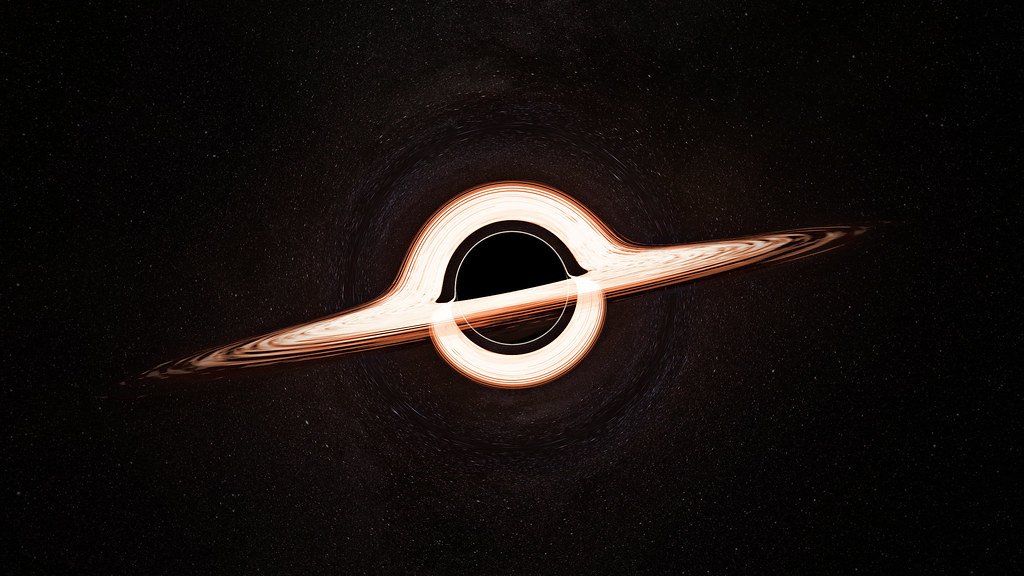

Step outside on a clear night, look up, and realize this: almost everything you see is just the tip of a cosmic iceberg. The stars, galaxies, glowing nebulae – they’re beautiful, but they’re not even close to the whole story. Hidden behind that glittering curtain is a universe full of weirdness that still has some of the smartest people on the planet scratching their heads.
Astrophysicists have mapped black holes, photographed the shadow of a supermassive monster in a distant galaxy, and measured ripples in spacetime itself. Yet, on the deepest questions – what the universe is made of, how it truly began, and where it’s going – we’re still very much in the dark. Let’s dive into seven of the strangest cosmic puzzles that, even in 2026, science still hasn’t cracked.
1. Dark Matter: The Invisible Mass Holding Galaxies Together
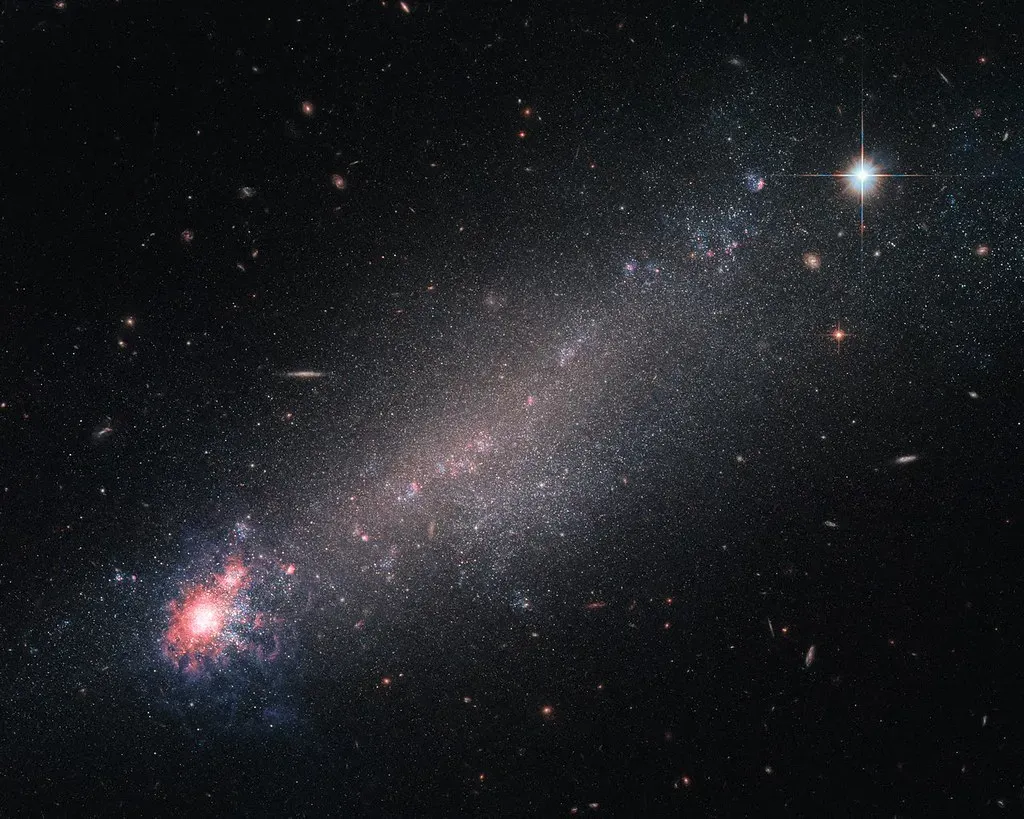
Imagine watching a merry-go-round spin so fast that the horses should fly off, but somehow they don’t – that’s basically what galaxies look like. When astronomers measure how fast stars orbit around galactic centers, the outer stars move so quickly that visible matter alone cannot hold them in place. The only way the math works is if there’s a huge amount of extra, invisible mass creating extra gravity.
This unseen stuff is called dark matter, and the strange part is that we still have no solid proof of what it is made of. It doesn’t glow, it doesn’t reflect light, and it barely interacts with normal matter at all, except through gravity. Physicists have built ultra-sensitive detectors buried deep underground to try to catch a single dark matter particle, but so far, nothing has given a clear answer. The bizarre possibility remains that we might be missing some deeper law of gravity itself rather than a new type of matter.
2. Dark Energy: The Mysterious Force Speeding Up the Universe
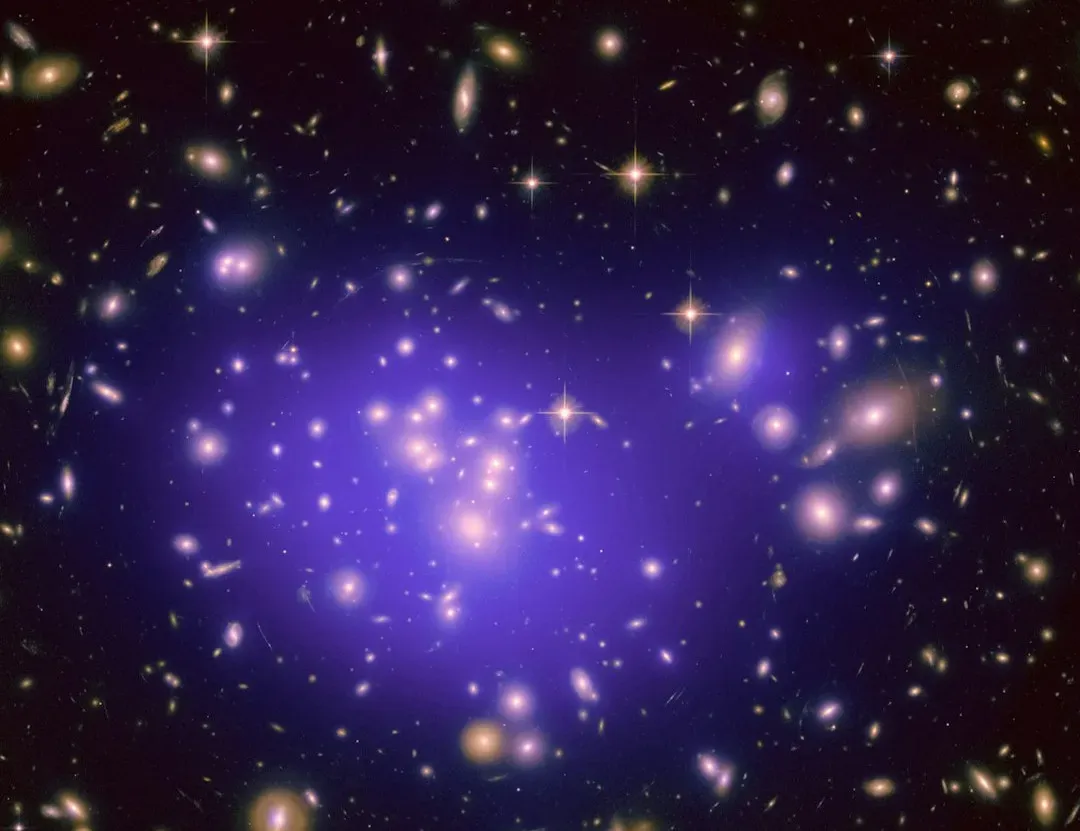
For most of human history, people assumed that gravity would slowly pull the universe back together, like a ball thrown into the air that eventually falls. Then, in the late twentieth century, observations of distant exploding stars suggested something shocking: the expansion of the universe is not slowing down – it’s speeding up. It’s as if some hidden force is pushing galaxies apart faster and faster over time.
Astrophysicists call this force dark energy, and it’s even stranger than dark matter. Roughly about two thirds of the entire energy content of the universe appears to be tied up in this invisible, repulsive effect. Theoretical models try to explain it as a property of empty space or a new field that permeates the cosmos, but none of these ideas match observations perfectly. The unsettling truth is that the fate of the universe – whether it drifts into a cold emptiness or tears itself apart – depends on something we barely understand.
3. The Big Bang and What Came Before (If Anything)
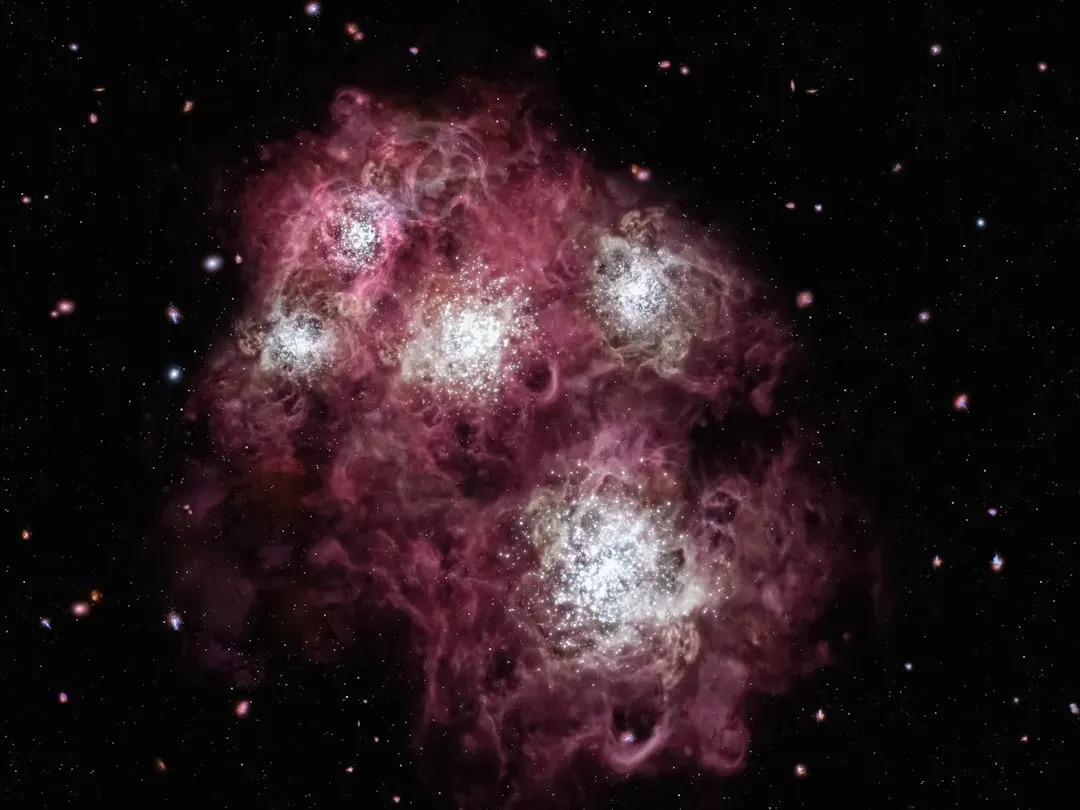
The Big Bang model describes the universe expanding from an extremely hot, dense state about many billions of years ago, and it explains a lot: the glow of background radiation, the abundance of light elements, and the way galaxies are spread out. But if you ask, “What happened before the Big Bang?” the conversation quickly gets uncomfortable. Our best theories of physics, general relativity and quantum mechanics, clash near that beginning point like two operating systems that just won’t run on the same machine.
Some ideas suggest the universe may have gone through cycles of expansion and contraction, like a cosmic heartbeat. Others imagine that our universe might be just one bubble in a vast multiverse, where Big Bang–like events happen over and over. The problem is that these ideas are incredibly hard to test, and science is only as strong as the evidence it can gather. For now, the very first moments of the universe sit behind a kind of fog that no telescope or particle collider has yet been able to burn through.
4. Black Holes and the Information Paradox
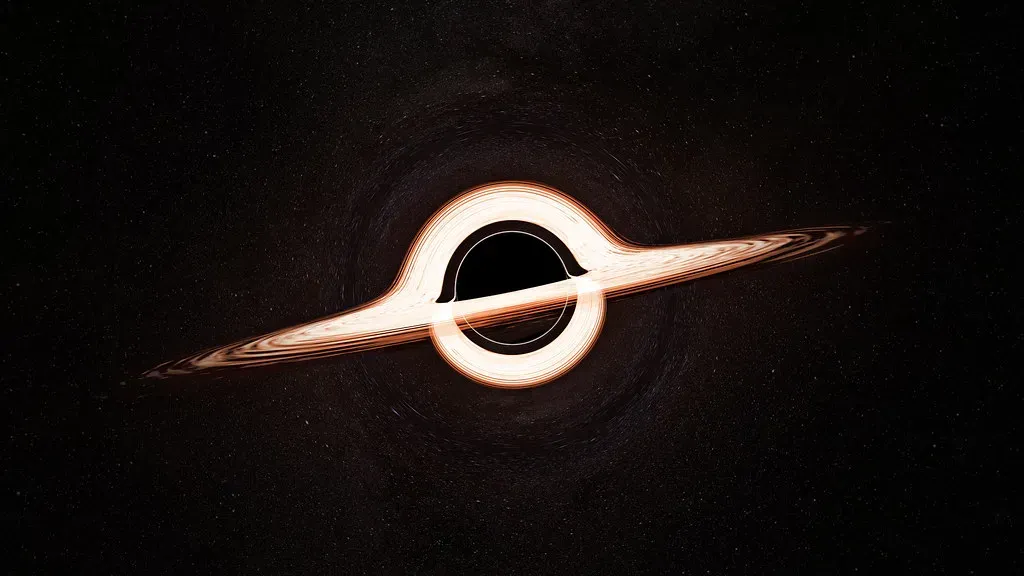
Black holes are supposed to be simple: stuff falls in, nothing escapes, gravity wins. But when physicists tried to combine quantum theory with black hole physics, things got weird. According to quantum rules, information about the physical state of matter can’t be completely destroyed. Yet, when matter falls into a black hole and the black hole slowly evaporates over unimaginable timescales, it seems like that information disappears forever.
This conflict is known as the black hole information paradox, and it has become one of the most stubborn puzzles in modern physics. Some researchers argue that information might be somehow encoded on the event horizon, the surface beyond which nothing can return. Others propose that spacetime itself may become wildly tangled, like a web of quantum connections, preserving information in ways we don’t yet grasp. The answer, when it finally comes, might reshape our understanding of space, time, and reality more than any discovery since relativity.
5. Fast Radio Bursts: Cosmic Signals from the Deep Unknown
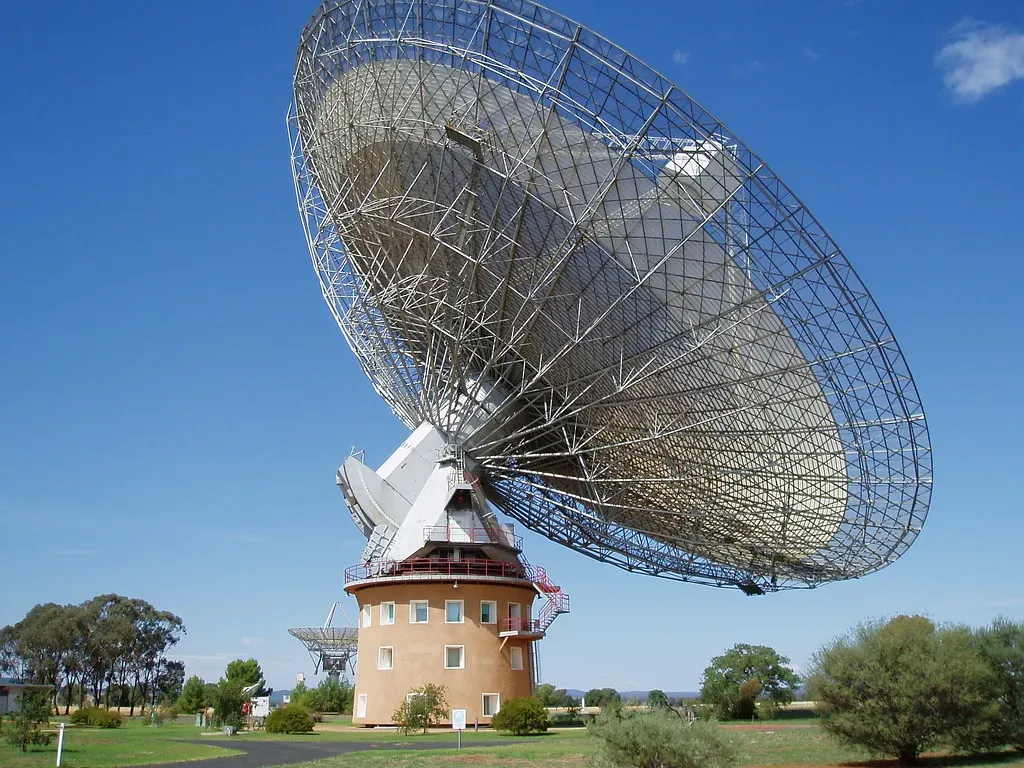
Every now and then, radio telescopes pick up incredibly brief, incredibly powerful flashes of radio waves from distant space. These fast radio bursts, or FRBs, last just a fraction of a second but release more energy than the Sun emits in days or even weeks. When they were first discovered, they seemed almost like cosmic prank calls, sudden and unexplained.
We now know they come from far beyond our galaxy, but we still don’t fully understand what is causing them. Some appear to repeat from the same spot in the sky, suggesting exotic objects like highly magnetized neutron stars, while others flash once and vanish forever. Astronomers are building networks of telescopes to catch these events in real time and pinpoint their sources more accurately. The fact that something so powerful, so sudden, and so common across the universe is still not clearly understood shows how much is left to discover.
6. The Baryon Asymmetry: Why Anything Exists at All
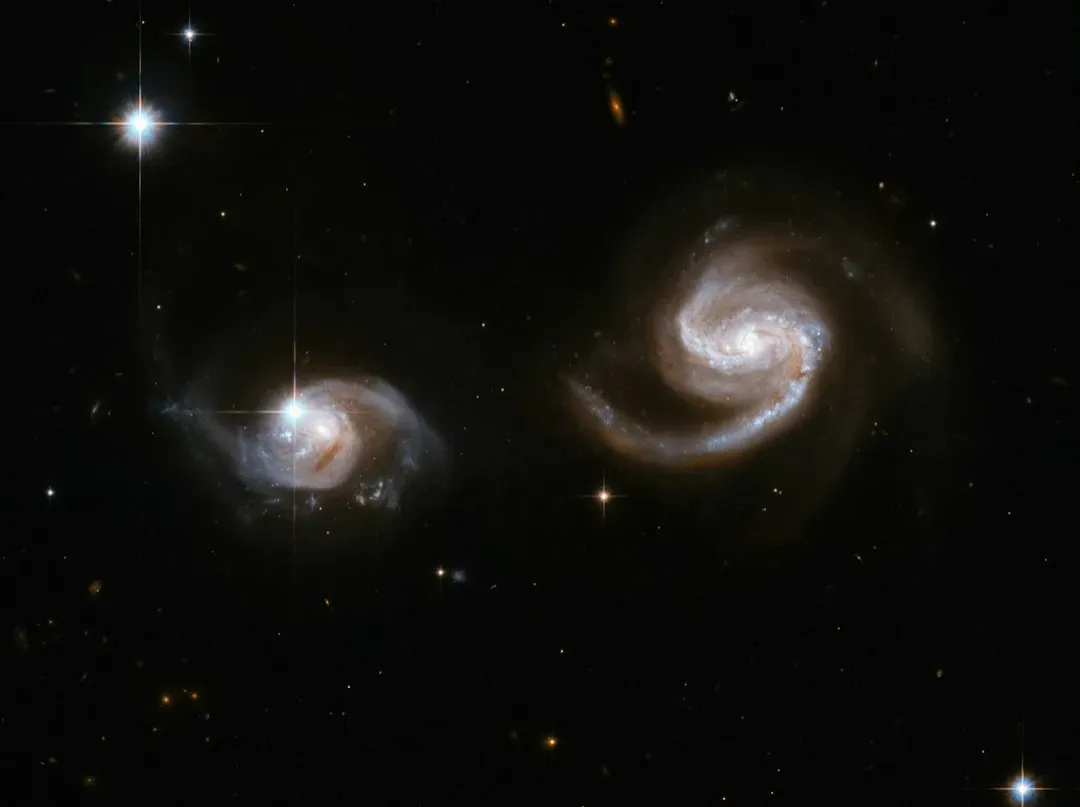
Look around: you, the Earth, your coffee mug, the stars – it’s all made of matter. But according to basic physics, the Big Bang should have produced matter and antimatter in nearly identical amounts. When matter and antimatter meet, they annihilate in a blast of energy, so if the early universe started with equal parts, almost everything should have cancelled out, leaving behind a smooth bath of light and very little else.
Yet the universe clearly picked a favorite, and that favorite is matter. This imbalance is called the baryon asymmetry problem, and it’s essentially a fancy way of asking why there is something instead of almost nothing. Experiments with particle accelerators and underground detectors keep searching for tiny differences in how matter and antimatter behave that might explain it. The answer would not just solve a puzzle; it would explain why there are galaxies, planets, and people here to ask the question in the first place.
7. The Cosmic Censorship and Nature of Spacetime Itself
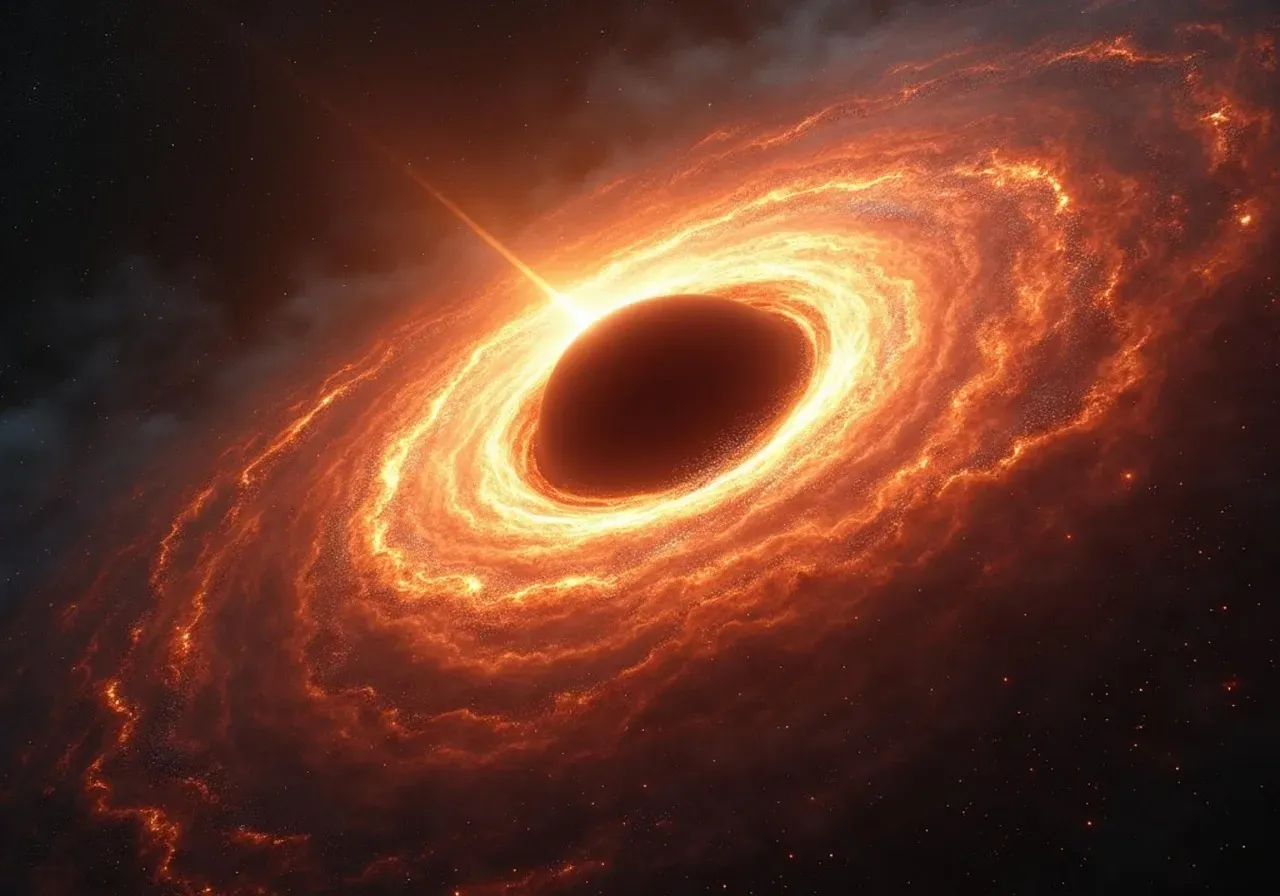
Einstein’s equations allow for very strange things: points of infinite density, regions where time and space swap roles, and paths that loop back on themselves. In practice, many physicists hope that nature “hides” these extreme features behind event horizons, a concept sometimes called cosmic censorship. The idea is that the universe protects us from naked singularities – raw, exposed breakdowns of physics that we could, in theory, observe.
Yet it is still not clear whether the universe always plays by this rule. Some solutions to the equations of general relativity allow for naked singularities or wormhole-like structures that stretch spacetime in exotic ways. Even more confusing, quantum gravity theories – our attempts to merge quantum mechanics with general relativity – suggest spacetime might not be smooth at all but made of something more granular or network-like at the tiniest scales. Until we can test these ideas, perhaps with more precise observations of extreme objects and gravitational waves, the true nature of spacetime remains an open question.
Living with the Cosmic Unknowns
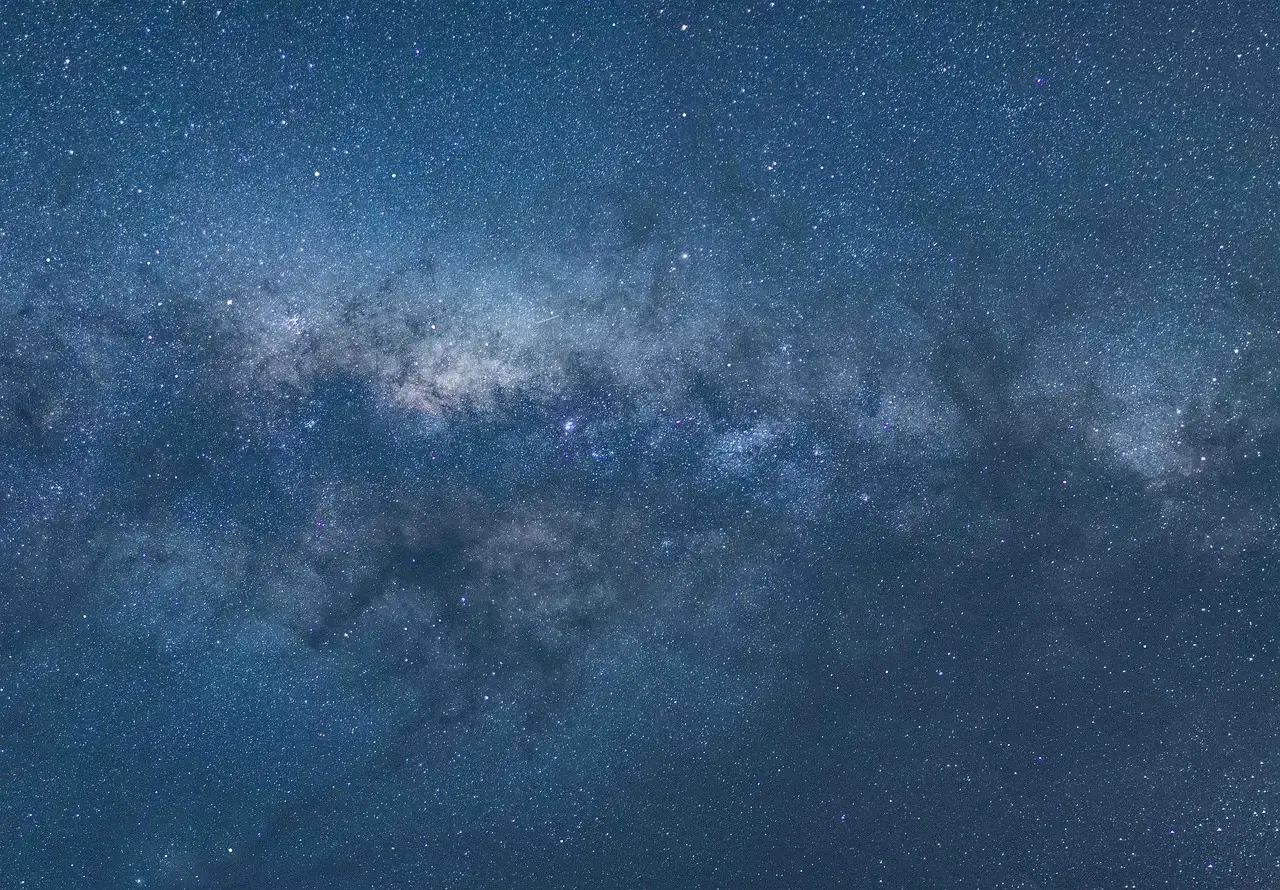
These seven mysteries are not small details; they cut right to the heart of what the universe is, where it came from, and where it is heading. Dark matter and dark energy hint that most of reality is made of something we can’t see, while black holes, the early universe, and spacetime itself challenge our deepest assumptions about how nature works. In a strange way, the more we discover, the more the cosmos feels like a vast, unfinished puzzle with entire corners still blank.
On a personal level, there’s something strangely comforting about that. The fact that, even in 2026 with precision telescopes and powerful supercomputers, we still do not have all the answers leaves room for curiosity, imagination, and future breakthroughs. The night sky is not just a backdrop; it’s an open question hanging over our heads. When you look up tonight, which of these mysteries will you find yourself wondering about first?