

Imagine waking up tomorrow and realizing that what you’ve always called “reality” was never a solid thing in the first place, just a fragile agreement your brain made with everyone else’s. That sounds like the start of a sci‑fi movie, but it’s closer to how many neuroscientists and cognitive scientists now describe everyday experience. Reality, they argue, is not a direct window onto the world; it’s a controlled hallucination that your brain constantly updates and negotiates with other people.
What’s more unsettling is the growing concern that this shared hallucination is starting to crack. From weaponized misinformation and deepfakes to hyper‑personalized online feeds, the common picture of the world that holds societies together is fragmenting. If our sense of reality is a story we tell together, what happens when we stop telling even remotely the same story?
The Shocking Idea: Your Brain Is Guessing, Not Seeing
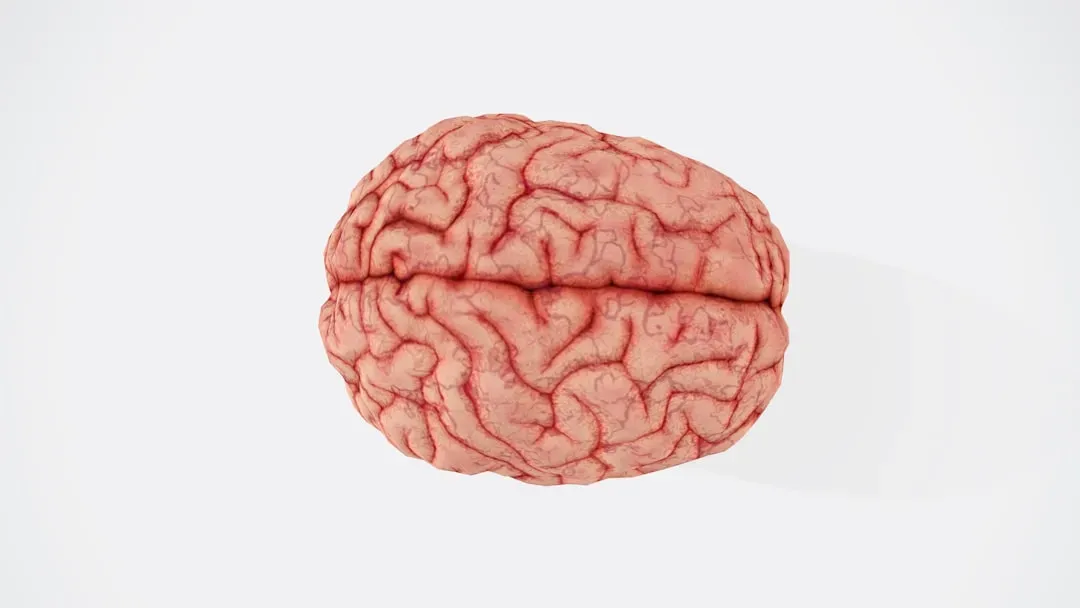
The striking claim that reality is a hallucination isn’t saying the world outside doesn’t exist; it’s saying that what you experience is your brain’s best guess about what’s out there. Your senses don’t stream in a perfect high‑definition recording of reality; they send noisy, incomplete signals that your brain has to interpret. Vision, touch, sound – all of it is more like a sketch your brain keeps redrawing than a photograph it simply displays.
Modern neuroscience increasingly describes the brain as a prediction machine. Instead of passively waiting for information, it constantly predicts what it expects to see, hear, or feel, and then checks those predictions against incoming sensory data. Most of the time, the prediction wins, and you see what you expect. Only when the world surprises you does your brain adjust the picture. It’s a powerful way to explain everything from optical illusions to why you can understand a friend in a noisy bar but not a stranger with a heavy accent.
From Private Hallucination to Shared Reality

If everyone’s brain is hallucinating, why don’t our worlds look completely different? The answer is that our hallucinations are trained and tuned by culture, language, and constant feedback from other people. When you’re a child, adults keep correcting you: that animal isn’t a “doggie,” it’s a “cow”; that sound is not “boom,” it’s “door closing.” Over time, your brain learns how to label, group, and interpret the world in ways that fit your community’s expectations.
This is how a hallucination becomes shared: we continually negotiate reality with each other through conversation, norms, education, and media. You could think of it like multiplayer augmented reality, where everyone’s headset is running slightly different software, but there’s enough overlap to function together. Laws, money, borders, social roles – all of these are examples of collective hallucinations that only exist because lots of people behave as if they do. They’re not “fake,” but they’re not found in nature either; they live in the space between our brains.
Why Scientists Say the Hallucination Is Cracking
Some scientists and social theorists are sounding the alarm that our shared version of reality is weakening. They point to the way social media feeds, recommendation algorithms, and online communities increasingly isolate people into separate informational bubbles. If every person’s feed is tuned to their preferences and fears, their brain gets a different set of “training data” about what the world is like. Over time, people stop agreeing even on basic facts, like what happened in an election or whether a video is real.
This isn’t just an abstract worry; it shows up in rising polarization, conspiratorial thinking, and the sense that people are living in completely different worlds. Deepfakes and synthetic media push this further by making it harder to trust your own eyes and ears. When you can fake a voice or face so well that an ordinary person – or even some detection systems – can’t reliably tell, the old anchor of “I saw it happen” starts to lose its strength. The shared hallucination depends on some common trusted signals, and those are looking shakier every year.
How Technology Hacks the Prediction Machine in Your Head
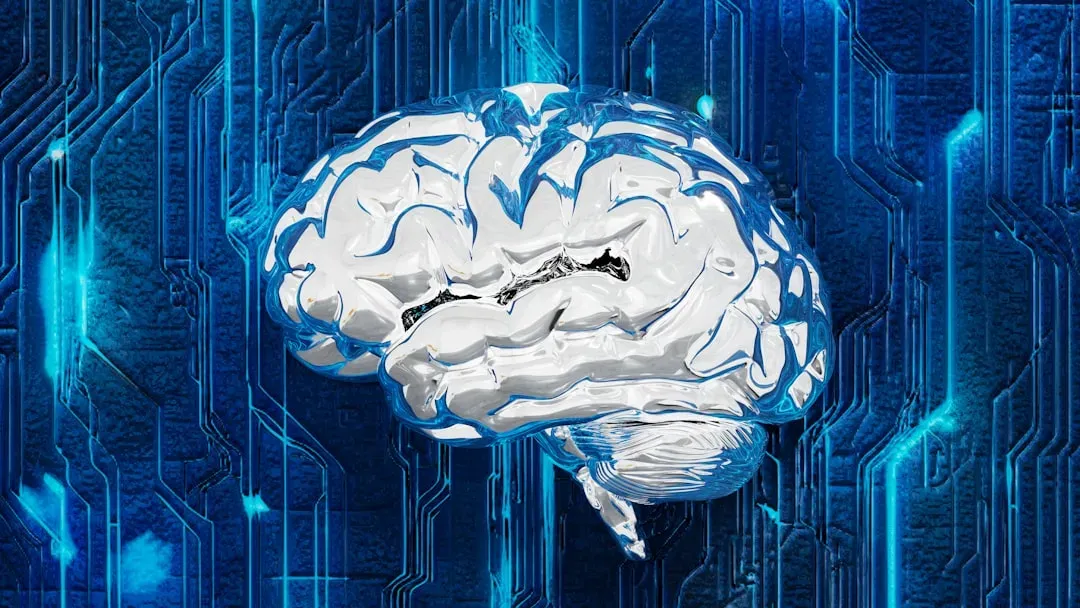
One of the unnerving parts of this story is how good modern technology has become at steering our inner hallucinations. Platforms track behavior at a massive scale and learn what keeps you scrolling, clicking, and reacting. Then they serve you more of that, over and over. The result is a personalized stream of content that teaches your brain, day by day, what “normal” looks like, what “everyone” thinks, and what you should fear or desire. You start to feel like you’re just seeing the world, but really you’re seeing a world that has been carefully filtered for your nervous system.
Because the brain is a prediction engine, repetition has a powerful effect. When you see the same kind of story, image, or framing again and again, your brain begins to predict it, and predicted reality feels more real than alternatives. This is how conspiracy theories can move from fringe fantasies to emotionally convincing “truths” for some people: the brain gets a coherent storyline that explains scattered events, and it prefers that over uncertainty. Tech doesn’t have to directly lie to you to distort your reality; it just has to nudge what shows up in your predictive pipeline.
When Shared Hallucinations Hold Societies Together

As eerie as the phrase sounds, shared hallucinations are not automatically a bad thing – in many ways, they’re what make complex societies possible. Take money: those numbers in your bank account or the colored paper in your wallet have no intrinsic value in nature. They work because nearly everyone agrees to treat them as meaningful, and institutions enforce and reinforce that agreement. Laws, human rights, citizenship, even the idea of a “country” are similar – collective stories that coordinate behavior and reduce chaos.
The danger comes when those stories split so far apart that people no longer feel bound by a common world. If one large group sees an election as legitimate and another sees it as a massive fraud, they’ll interpret the same events in fundamentally different ways. The same goes for public health, climate science, or basic trust in institutions. Shared hallucinations are glue; when they crumble or fork into incompatible versions, the result can be political paralysis, social unrest, or in extreme cases, outright conflict. The collapse of a shared reality isn’t a metaphor then; it’s something you can see on the streets.
Can We Rebuild a More Honest Shared Reality?

Even if reality is a controlled hallucination, that doesn’t mean it’s hopeless or anything goes. Some hallucinations are better anchored to the world than others because they’re tested against evidence, updated when they fail, and checked by many different people. That’s basically what science tries to do: expose our guesses about reality to hard tests and let the ones that survive shape our shared picture. It’s slow and messy, but it’s one of the most reliable ways we’ve found to align many brains on something closer to how things actually work.
On a more everyday level, rebuilding a shared reality might look surprisingly simple: talking to people outside your bubble, admitting when you’re wrong, seeking out sources that challenge you rather than only confirm you. It also means demanding more transparency from the technologies and institutions that shape what we see. I’ve noticed, even in my own media habits, how easy it is to slide into a narrow stream of comfortable information. Catching that drift and deliberately widening it is a small act, but if enough people do it, the collective hallucination can become more stable and less easily hijacked.
Living Sanely Inside a Shared Hallucination

There’s something oddly freeing about admitting that what you experience is a brain‑generated model and not a perfect copy of the world. It can make you a little less certain and a little more curious: if my brain is guessing, where might it be guessing wrong? You start to see your own reactions and beliefs not as sacred truths, but as predictions shaped by your past, your culture, and your feeds. That doesn’t mean you abandon convictions, but you might hold them with a bit more humility and a bit less fury.
At the same time, the idea that our shared hallucination could fracture should make us more intentional about how we participate in it. Every article you share, every heated comment you post, every thing you choose to believe or check contributes in some tiny way to the model of reality you and others live inside. We can’t step outside our brains, but we can shape the stories we feed them. In a world where reality is negotiated, the way we negotiate – curious or rigid, honest or manipulative – might be the difference between a society that slowly upgrades its shared hallucination and one that watches it fall apart.
If reality is indeed a shared hallucination, then the question that hangs in the air is simple and unsettling: which version are you helping to build?