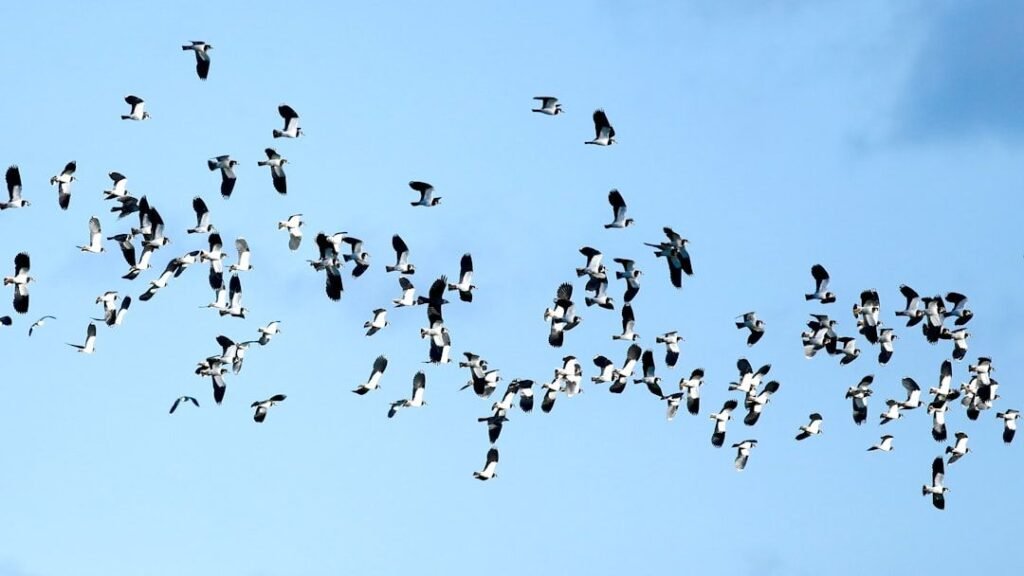

Every autumn, the sky fills with long, wavering lines of birds heading south, like living arrows slicing through the clouds. It looks peaceful from the ground, but what they’re doing is brutal: flying for days or weeks on end, battling storms, predators, and exhaustion, sometimes crossing entire oceans without stopping. Why would any animal put itself through something that extreme, year after year?
The answer is stranger, deeper, and more beautiful than most people realize. Migration is not just about “going somewhere warmer.” It’s a high‑risk, high‑reward strategy shaped by millions of years of evolution, guided by invisible maps in the brain and senses we barely understand. Once you know what’s really happening inside those tiny feathered bodies, you’ll never look at a flock passing overhead the same way again.
The Real Reason Birds Leave: It’s Not Just About Warm Weather
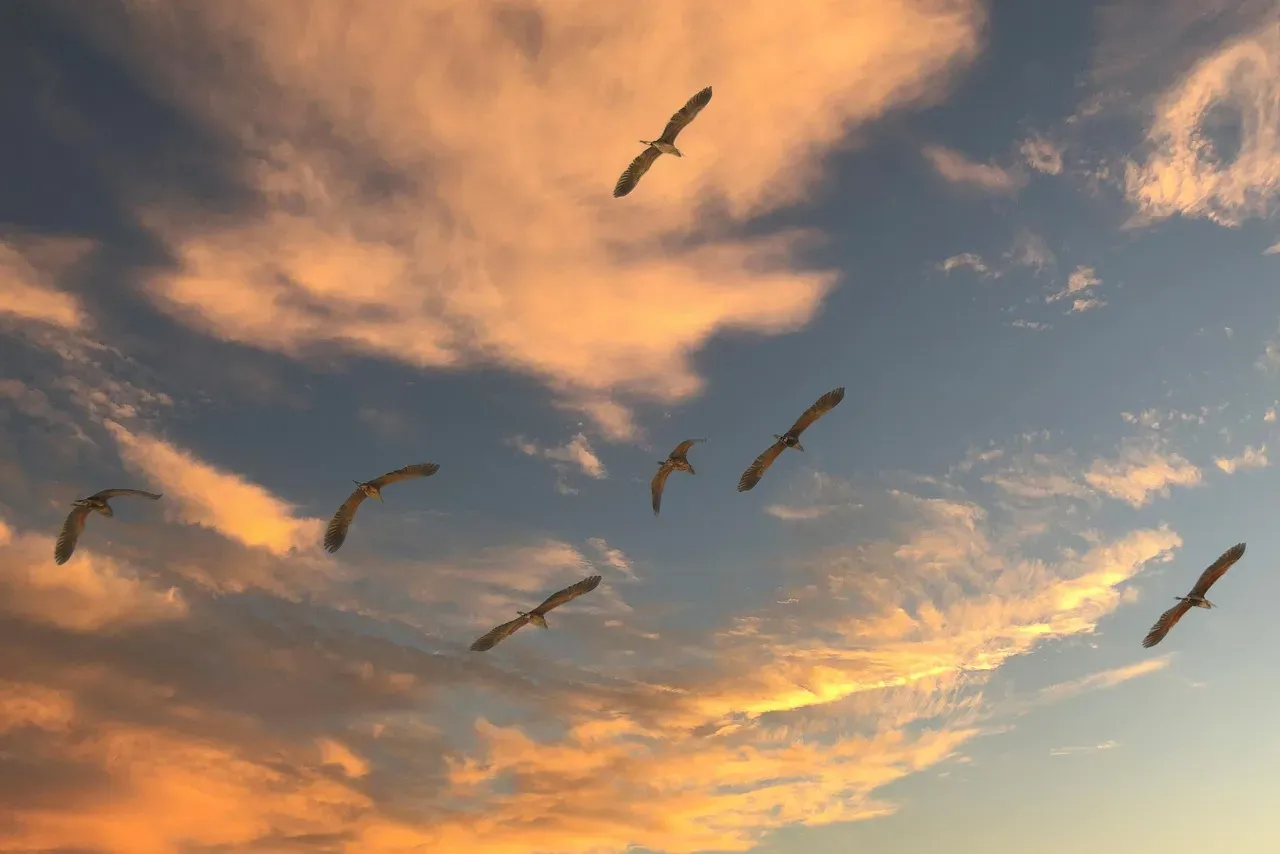
It’s tempting to think birds migrate just to escape the cold, but that’s only a small part of the story. Many birds, like some species of chickadees and crows, stay through brutal winters and do just fine. The real driving force is food. Insects vanish, water freezes over, seeds become scarce, and suddenly a place that was paradise in June turns into an empty pantry by January.
Migration is a way to “chase abundance.” Birds head north in spring because the long days and cool temperatures create a massive seasonal boom in insects, flowers, and fresh plant growth. They head south in fall because those food riches shift with the seasons. You can think of birds as professional travelers following an all‑you‑can‑eat buffet that keeps moving across the planet, and they’ve evolved to keep up with it remarkably well.
The Surprising Advantage of Raising Chicks Far to the North
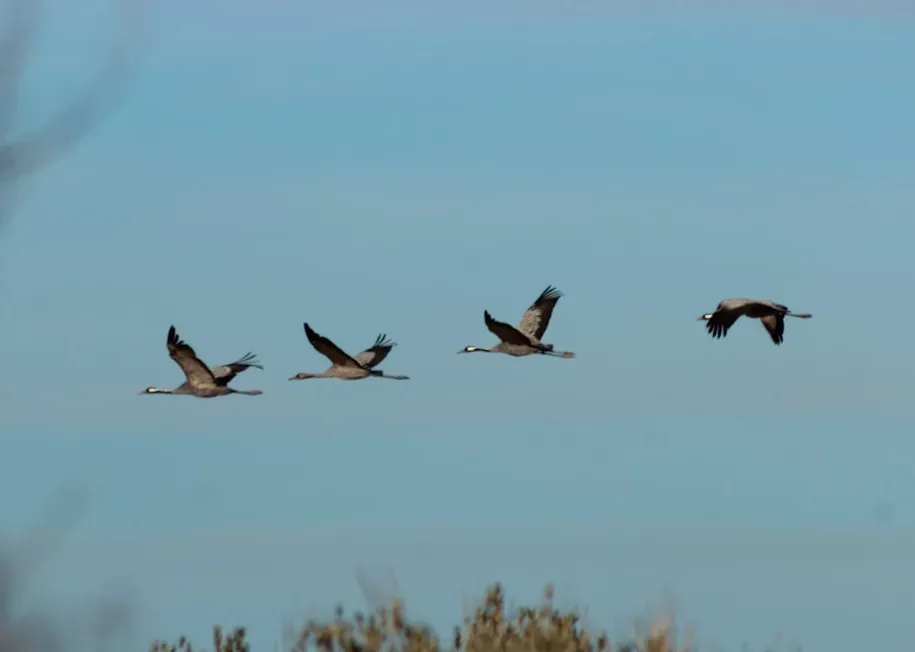
There’s another big reason many birds fly thousands of miles: the north is an incredible nursery at the right time of year. In high northern regions, summer days can feel almost endless, with sunlight stretching late into the evening. That means more hours for parents to forage and feed their young, and more energy flowing through the whole ecosystem. It’s like the world briefly turns into one big high‑speed growth zone.
On top of that, there can be fewer predators in some northern breeding areas compared to dense tropical forests. A warbler that spends winter in a warm, crowded jungle might raise its young in a sparse, cooler forest where nests are a little harder to find. By migrating, these birds essentially combine the best of two worlds: rich, stable winters in the tropics and explosive, high‑energy summers where their chicks can grow fast and strong.
How Tiny Bird Brains Hold Maps of an Entire Planet
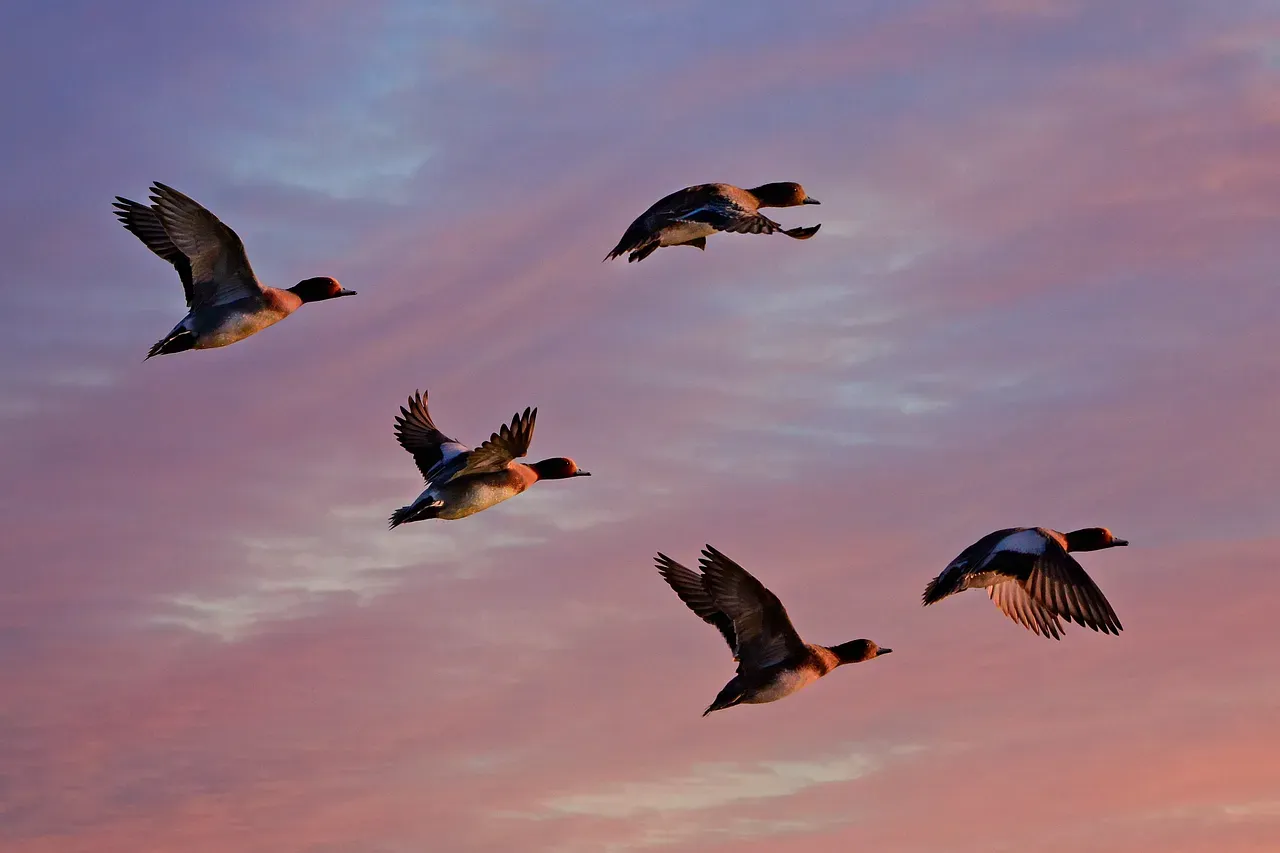
One of the wildest parts of bird migration is that many birds just seem to “know” where to go, even on their very first trip. Young birds of some species migrate alone, without parents showing them the route, yet they still manage to reach the same wintering grounds as generations before them. That means much of their journey is coded into their genes and brains, like a built‑in GPS loaded before they even hatch. It sounds almost magical until you realize it’s the result of countless successful and failed journeys over evolutionary time.
Birds navigate using a mix of cues: the position of the sun, the stars at night, wind patterns, and even smells carried by the air. Some can recognize coastlines, mountains, and rivers as visual landmarks from thousands of meters up. When scientists gently shift a bird’s internal sense of time using artificial light cycles, they often change the direction it tries to fly in migratory tests. It’s like the bird is constantly cross‑checking an internal clock with an internal map, and when the clock changes, the path shifts.
The Magnetic Sense: Birds That Feel the Earth Itself
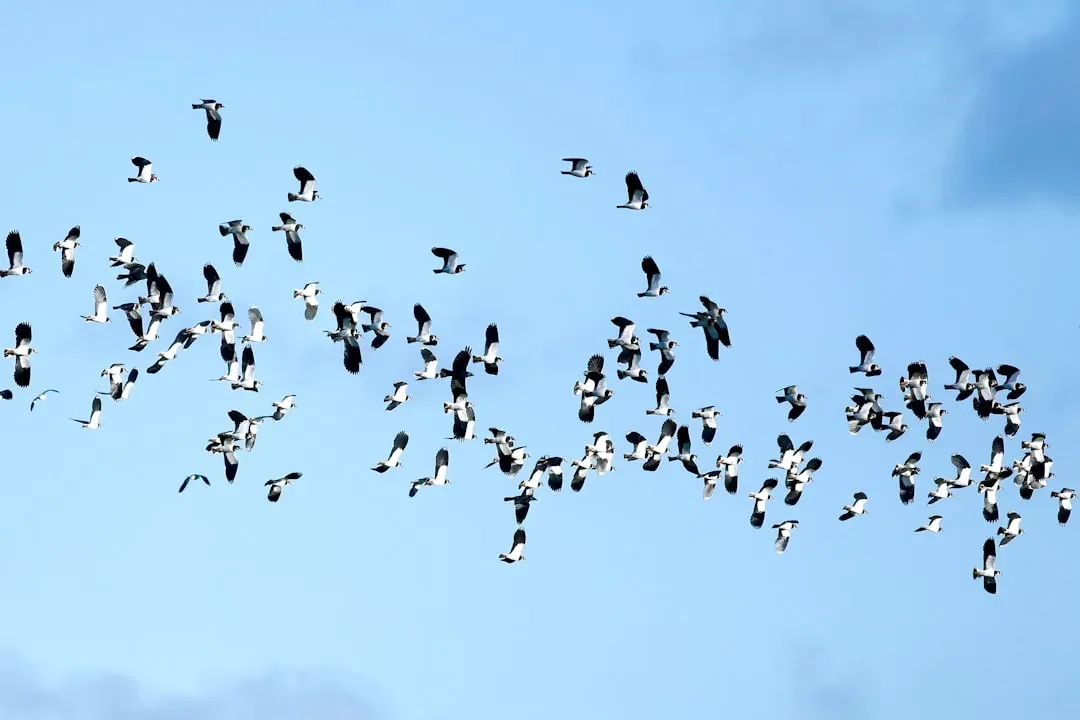
As if using the sun and stars weren’t enough, many birds seem to sense the Earth’s magnetic field in a way we can barely imagine. Experiments have shown that when scientists subtly alter magnetic fields around migratory birds, the birds often change direction as if the compass in their head has been nudged. Some evidence suggests there may be tiny iron‑based particles or special light‑sensitive molecules in their bodies that react to magnetism. It’s like carrying a built‑in, always‑on compass that works in total darkness or thick clouds.
What makes this even stranger is that this magnetic sense appears to work together with their eyes and brain. Some research indicates birds may literally “see” patterns influenced by the magnetic field superimposed on their normal vision. Imagine looking at the sky and not just seeing clouds and stars, but faint invisible lines telling you which way is north. That’s the kind of exotic perception these migrants might be using every time they launch into the night.
Supercharged Bodies: How Birds Prepare for Extreme Endurance Flights
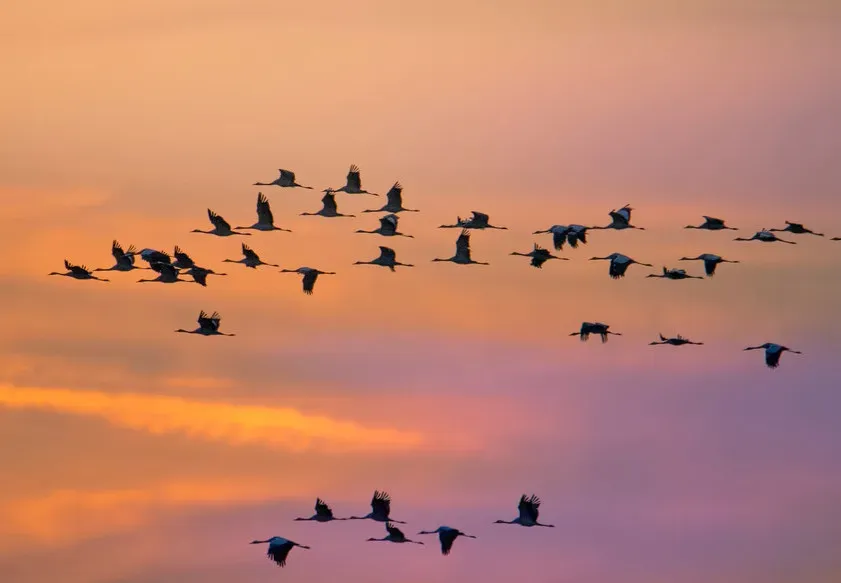
Before a big migration, many birds basically turn into tiny athletes in training. Their bodies change dramatically: they pile on massive fat reserves, sometimes nearly doubling their body weight in a short time. That extra fat is not just a burden; it’s life‑saving fuel. Some shorebirds have been recorded flying for days across open ocean without landing, burning through almost all their stored fat as they go. It’s the biological equivalent of running several marathons back‑to‑back without stopping to eat.
Inside, their organs and muscles shift priorities. The digestive system may shrink temporarily because it’s less useful mid‑flight, while heart and flight muscles become extra powerful. Their blood becomes more efficient at transporting oxygen, and they can switch fuels from carbohydrates to fats depending on the demands of the journey. I remember seeing a flock of sandpipers on a mudflat once, feeding in a frantic blur, and realizing they weren’t just eating – they were refueling a long‑distance engine for a trip most humans couldn’t survive.
The Cost of the Journey: Storms, Skyscrapers, and Sleepless Nights
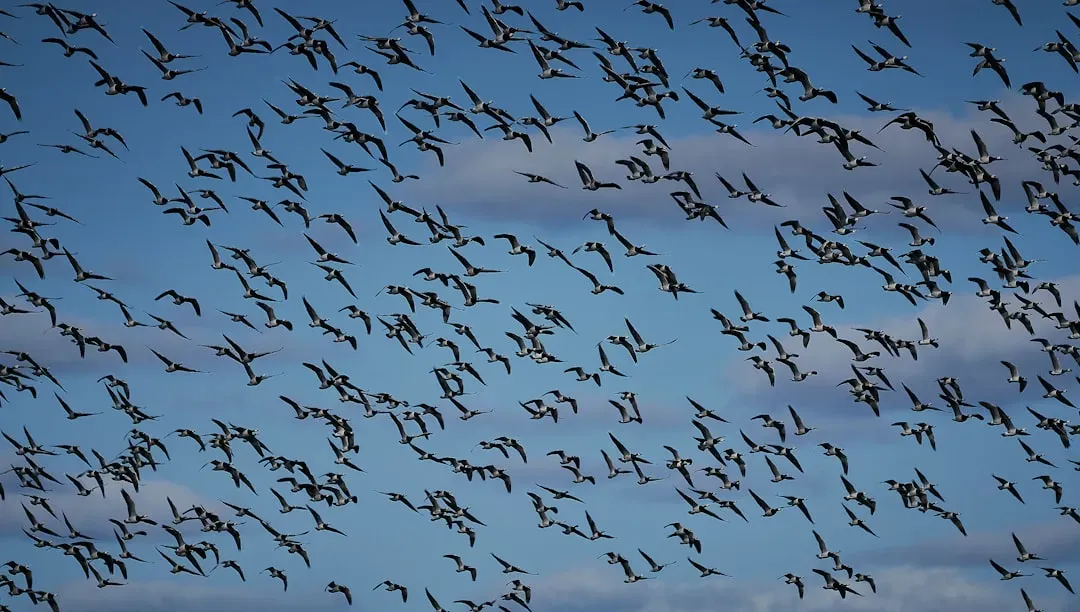
Migrating thousands of miles is incredibly dangerous, and not all birds make it. They face violent storms that can push them far off course, strong headwinds that drain their energy, and predators waiting along well‑known migration routes. Many species time their flights to take advantage of tailwinds, but if the weather shifts suddenly, they can find themselves stranded or forced to land in unfamiliar and unsafe habitats. Each trip is a gamble, and the stakes are literally life or death.
Human activity has added a whole new layer of risk. Bright city lights confuse night‑migrating birds, drawing them into dangerous airspaces around skyscrapers and communication towers. Many collide with windows they can’t see, or circle disoriented until they are exhausted. Habitat loss along the way means traditional stopover sites – places where birds rest and feed – are disappearing, turning what used to be a series of short flights into a punishing marathon with fewer chances to recover.
Climate Change: When the Ancient Timetable Starts to Break
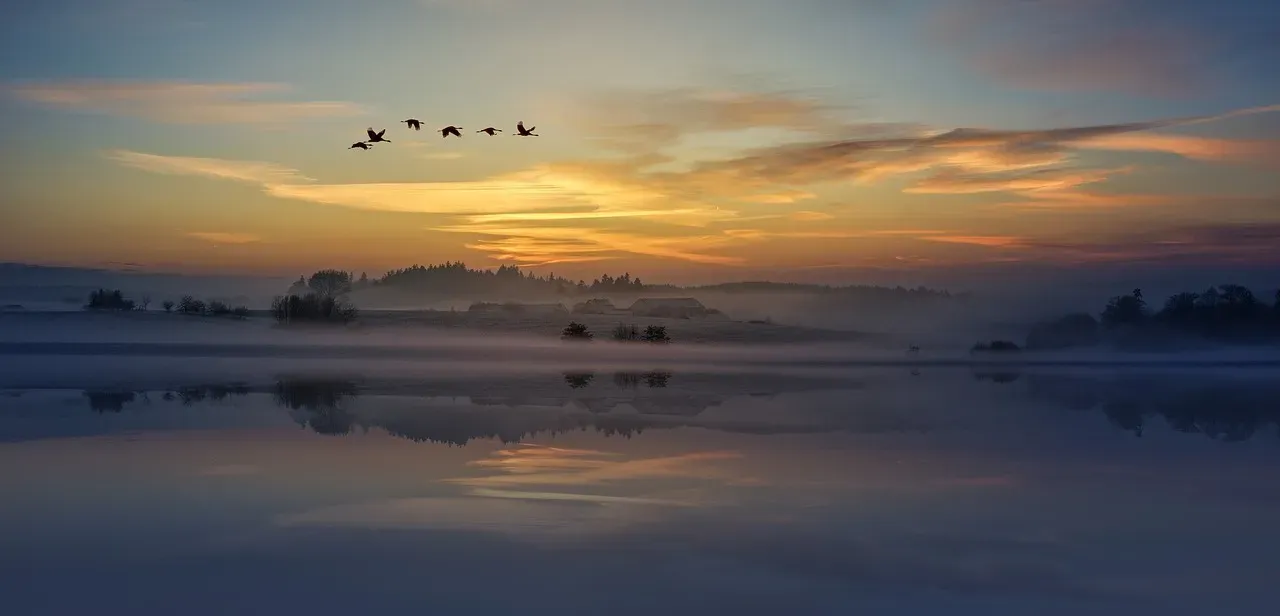
For thousands of years, birds have relied on seasonal patterns that were fairly predictable: spring warming, insect blooms, plant growth, and the pace of changing daylight. Now, climate change is scrambling many of those signals. In some regions, springs arrive earlier, but birds are still leaving their winter homes on their old schedule. By the time they arrive, the insect peak they depend on to feed their young may already be over. That mismatch can mean fewer surviving chicks and declining populations over time.
Warming temperatures also shift where good habitats exist. Some birds are moving their breeding ranges farther north, or higher up mountains, trying to track cooler conditions. But there’s only so far they can go before they run out of suitable places to live. On the wintering grounds, droughts, heatwaves, and habitat changes can strip away the resources birds count on to replenish their energy. Migration, which once balanced risk and reward, can turn into a losing bet if the world keeps changing faster than birds can adapt.
Why It Still Happens: The Deep Logic Behind the Risk
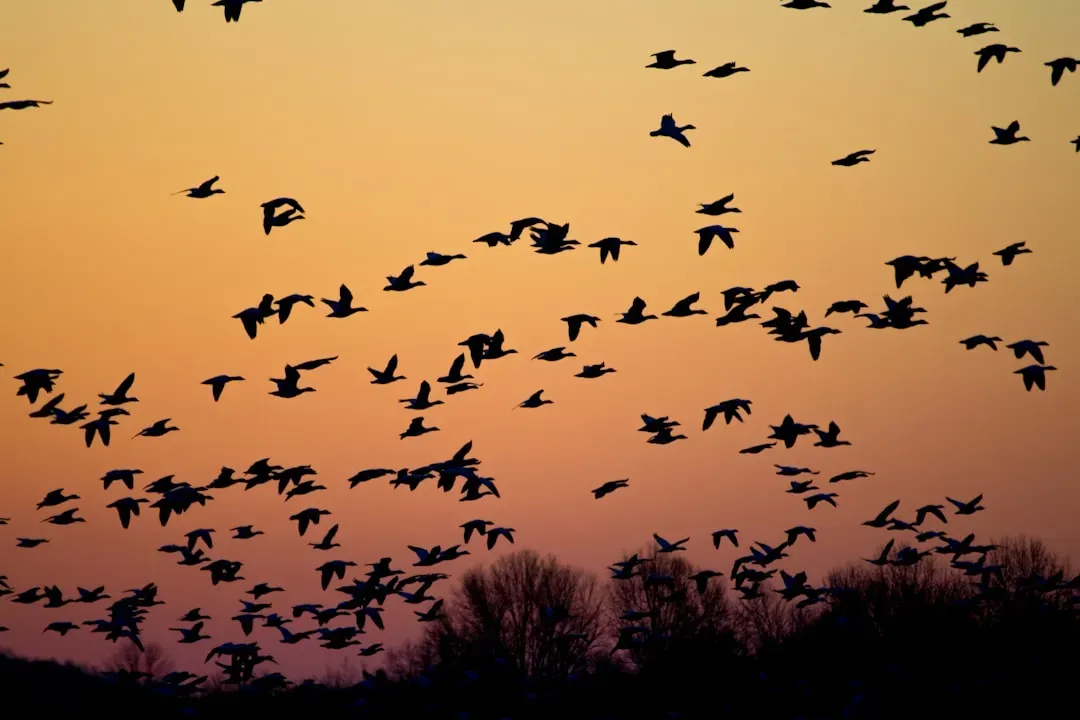
Given how dangerous migration is, it’s fair to wonder why evolution hasn’t favored birds that just stay put. The answer is that for many species, the benefits still outweigh the costs. Birds that migrate successfully often raise more young than they could if they stayed in one place all year. Over many generations, this higher reproductive success keeps the migratory behavior in the population, even if some individuals die along the way. It’s a harsh balance, but it’s a stable one as long as the environment stays within certain limits.
Migration is also incredibly flexible at the edges. Some species are starting to shorten their routes or stop migrating entirely in regions where winters are becoming milder and food remains available. Others are shifting timing, leaving earlier or later than they used to. To me, that mix of ancient instinct and real‑time adjustment is one of the most impressive things about birds. They’re following a script written over millions of years, but they’re also editing it as the world changes around them.
A Planet Written in Wings
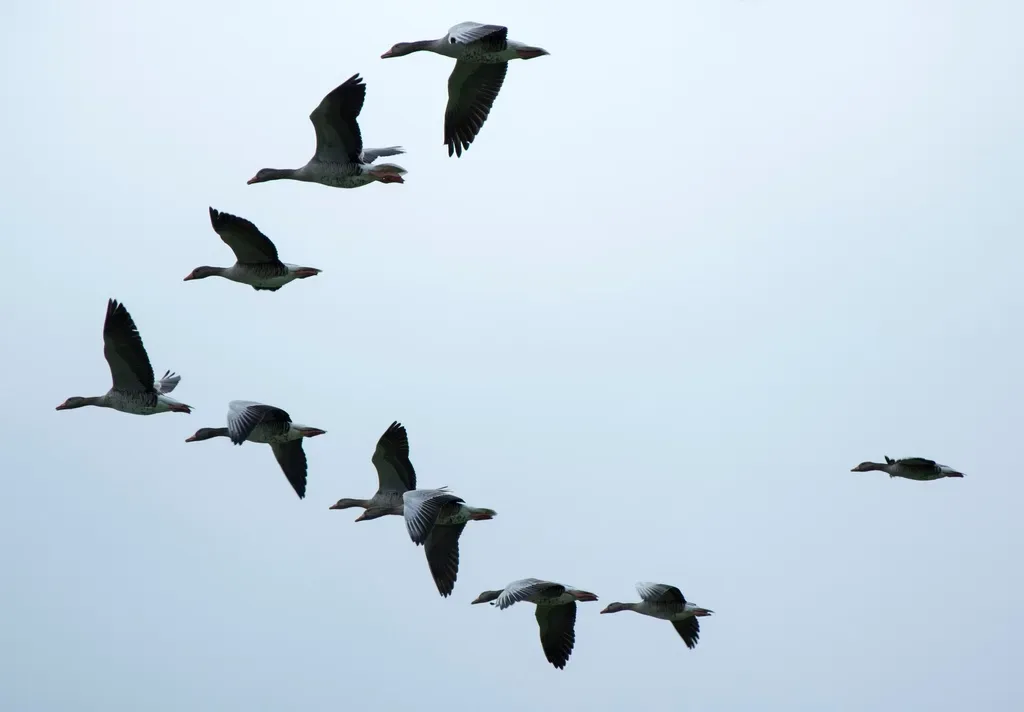
When you watch a flock of birds vanish into the distance, you’re seeing the result of countless invisible forces layered together: food cycles shifting with the seasons, predators and safe havens scattered across continents, magnetic fields humming through the Earth, and genetic maps passed down like heirlooms. Every long‑distance flight is a bet that the world will still be roughly the same as it was last year, with the same rivers, forests, and wetlands waiting at the other end. As those places change, the risks they face grow, but the ancient drive to move with the seasons is still pushing them onward.
In a way, migration turns the entire planet into a single, shared habitat stitched together by routes in the sky. The same bird might see Arctic tundra, tropical forest, and bustling cities in one lifetime, tying distant places together in a way we rarely think about. The next time you hear faint calls overhead on a dark autumn night, it’s worth pausing for a second. Somewhere up there are tiny bodies following invisible maps across an enormous, shifting world – did you ever imagine so much was happening in those small silhouettes above you?