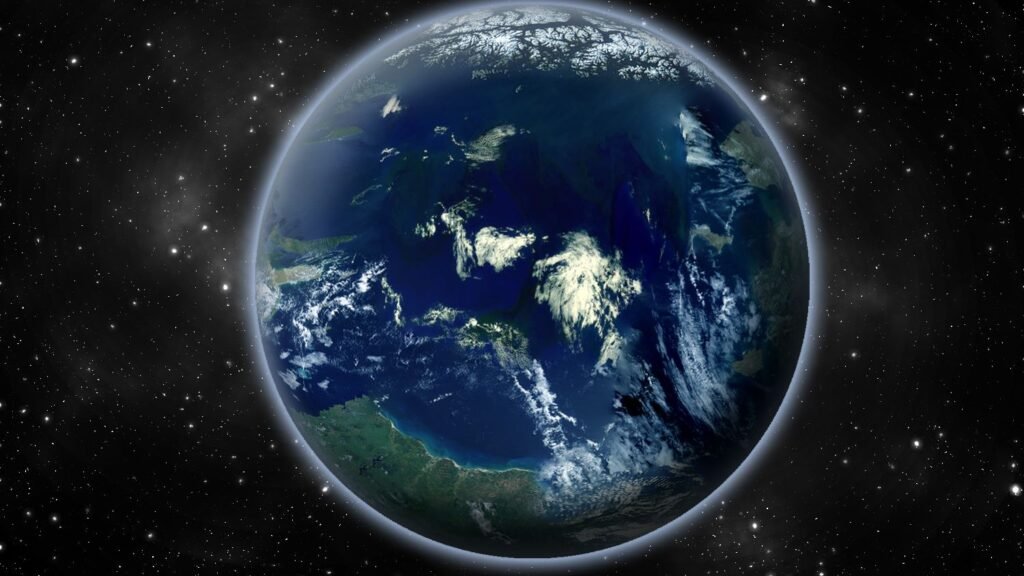

Imagine looking up at the night sky and realizing that almost every star you see could have its own family of planets, some of them possibly as familiar as our own world. Not in a distant sci-fi future, but right now, quietly orbiting their suns, hidden in the dark. That thought alone is enough to make your everyday worries feel very small.
In the past few years, astronomers have gone from guessing that other Earth-like planets might exist to strongly suspecting that they are actually common. We still have not found a perfect twin of Earth yet, but we are getting uncomfortably close, the way you might slowly recognize a face in a crowded room. The mystery is no longer whether such planets exist, but which one we will truly call the first real Earth 2.0.
The Galaxy Is Packed With Planets (And That Changes Everything)
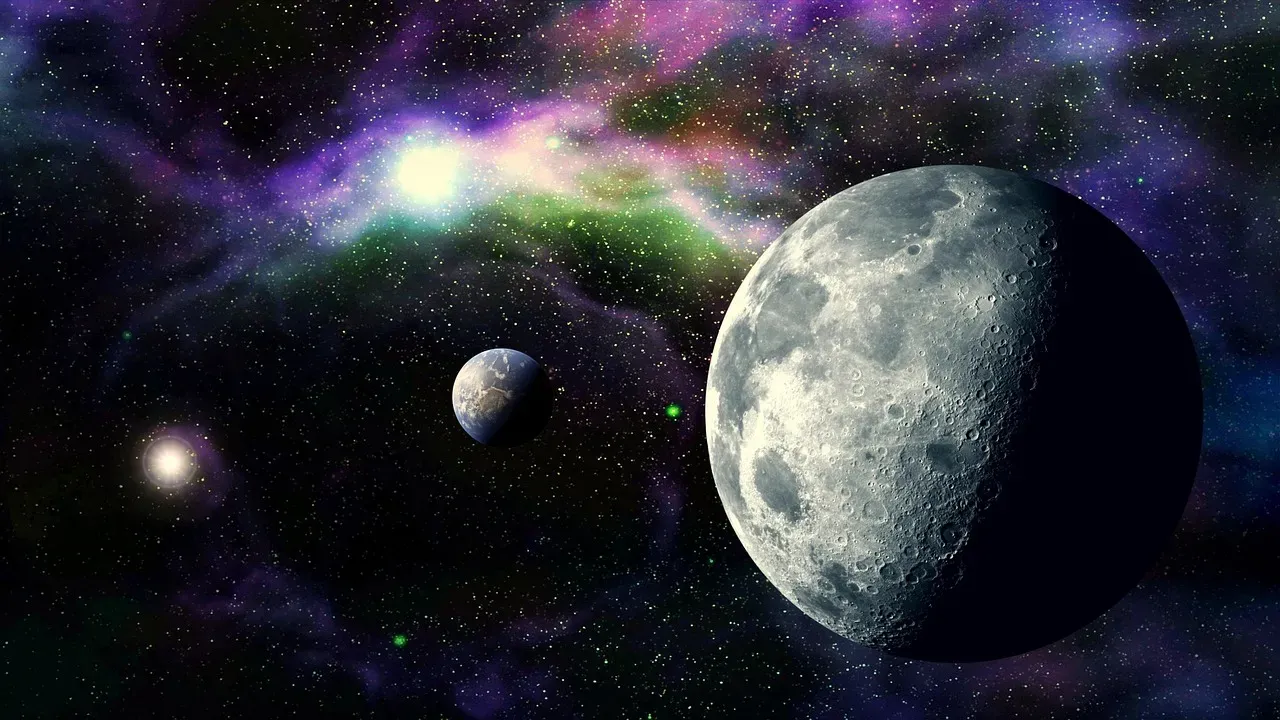
The most surprising shift in modern astronomy is how quickly planets went from rare to routine. Before the mid‑1990s, no one had confirmed a single planet around a Sun-like star outside our solar system; today, astronomers have confirmed thousands, with many thousands more strong candidates. Observations from missions like Kepler and TESS have made it clear that planets are not an exception in the galaxy; they are the rule.
When scientists extrapolate from the data, they estimate that our Milky Way likely holds hundreds of billions of planets. A significant fraction of Sun-like stars and red dwarfs appear to host small, rocky worlds, some of them in regions where liquid water could exist on the surface. It is like discovering that every house in your city secretly has its own backyard garden, most of them just hidden behind high walls. With that many worlds, the odds that some of them are Earth-like start to feel less like a dream and more like a statistical expectation.
What Does “Earth-Like” Even Mean?
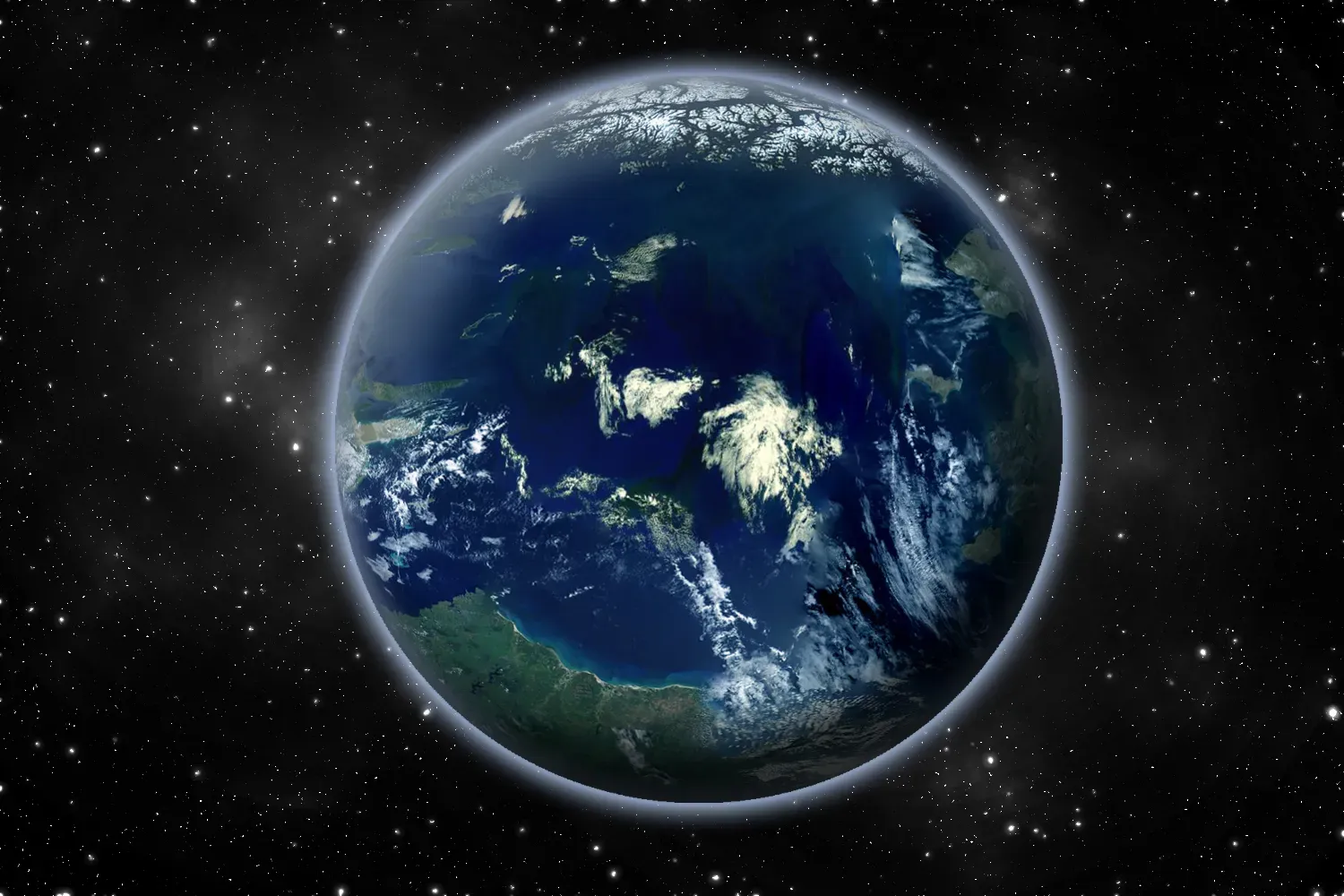
The phrase “Earth-like” sounds simple, but it is actually a moving target. At the most basic level, astronomers usually mean a rocky planet, similar in size to Earth, orbiting within its star’s habitable zone, where temperatures could allow liquid water. That does not guarantee oceans, blue skies, or continents, but it at least means the planet is not a frozen rock or a scorched cinder by default.
Even then, there are many variables: atmosphere composition, amount of greenhouse gases, presence of a magnetic field, tectonic activity, and even the planet’s rotation speed and tilt. Two planets with the same size and same distance from their stars could end up as very different worlds, like Earth and Venus. So when astronomers say “Earth-like,” they are usually talking about potential rather than certainty: planets that could be somewhat similar to Earth if conditions line up in the right way.
Kepler’s Legacy: Evidence That Earths Might Be Common
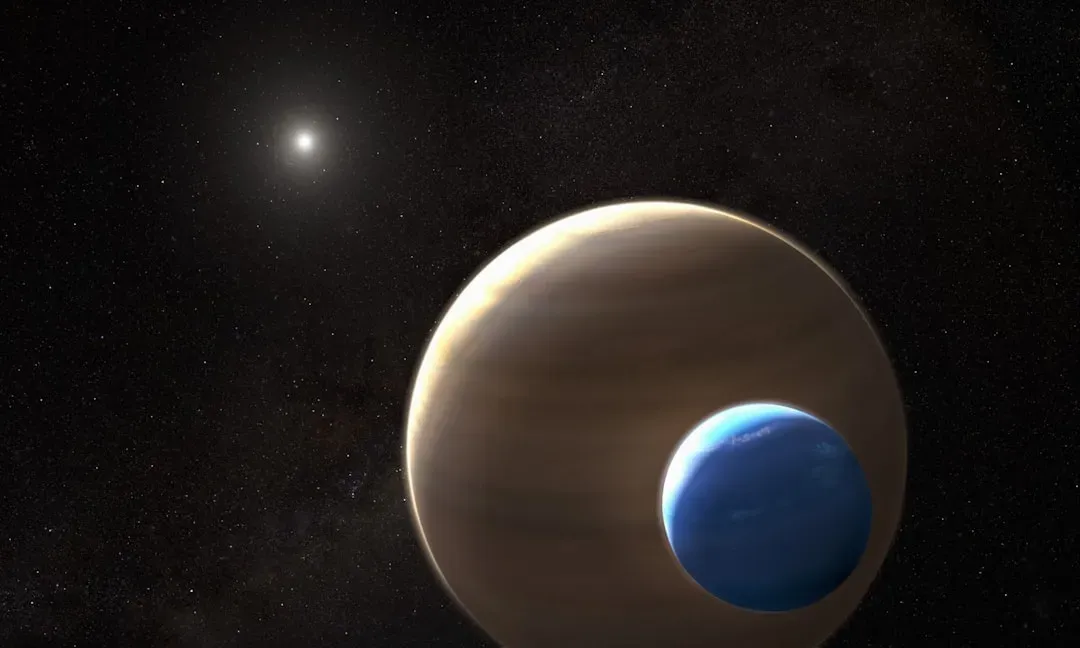
NASA’s Kepler space telescope completely rewired how we think about planets in the galaxy. By staring at one small patch of sky for years and watching for tiny dips in starlight as planets passed in front of their stars, Kepler collected a goldmine of data. From that single, patient gaze, astronomers could infer how common different types of planets are, even ones we could not see individually.
Analyses of Kepler’s data suggest that small, rocky planets are widespread, especially around cool, dim stars known as red dwarfs. Some studies indicate that roughly about one in every few Sun-like stars could host an Earth-sized planet in the habitable zone. When you multiply that by the sheer number of stars in the Milky Way, you end up with potentially billions of Earth-size worlds in temperate orbits. We are still arguing over the exact number, but the answer seems less like “a few rare gems” and more like “a crowded jewelry box.”
Intriguing Candidates: From TRAPPIST-1 To Teasing Near-Misses
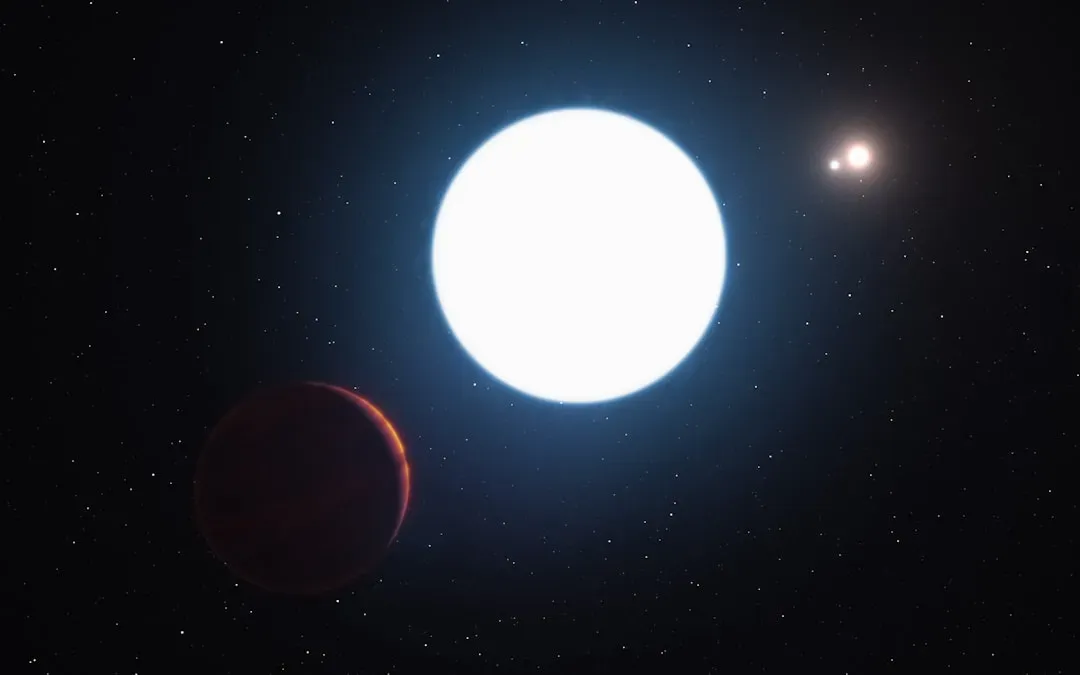
Several star systems have become favorites in the search for Earth-like worlds, not because they are confirmed Earth twins, but because they are tantalizingly close. The TRAPPIST‑1 system, for example, is a tiny, cool star about forty light‑years away, with at least seven rocky planets packed closer than Mercury is to our Sun. Several of those worlds orbit in the star’s habitable zone, where water could, in principle, be liquid.
Then there are planets like Proxima Centauri b, orbiting the closest star to the Sun, and others around nearby red dwarfs that seem to be the right size and in the right temperature range. The catch is that many of these stars are active, throwing out flares and radiation that might strip atmospheres or sterilize surfaces. So far, we see outlines: masses, orbits, sizes. The actual details – blue skies or suffocating smog, oceans or deserts – remain blurred, like a photo just slightly out of focus.
The Hard Part: Seeing The Invisible
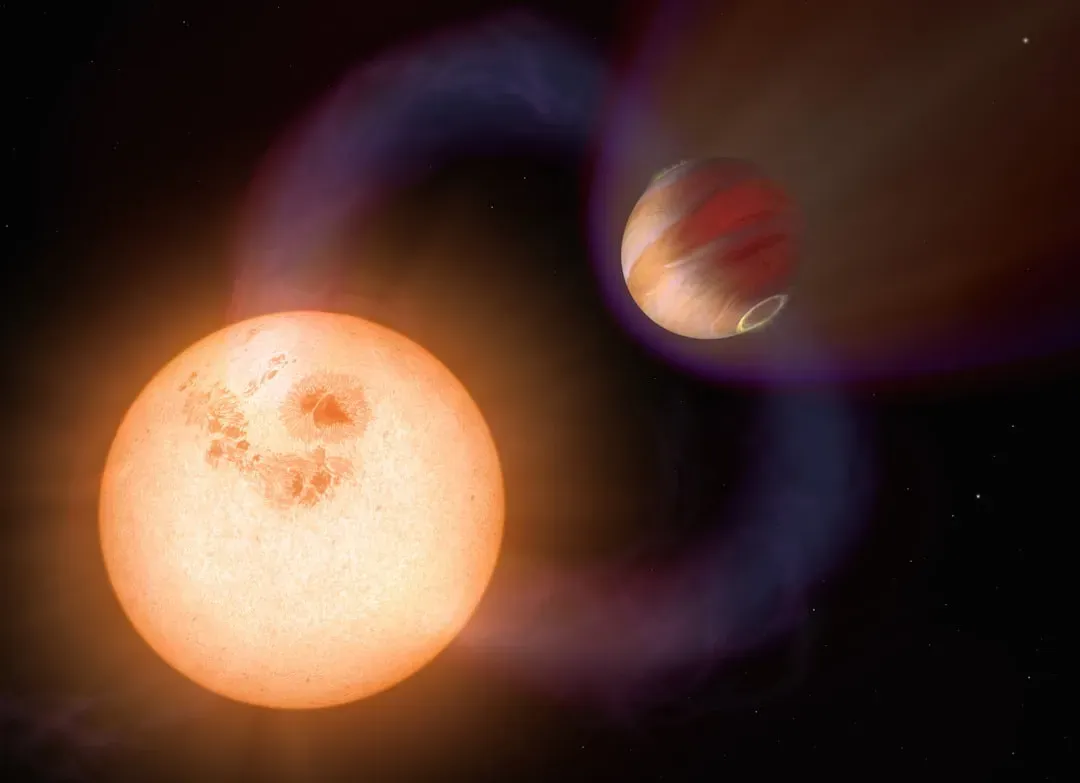
Finding Earth-like planets is difficult because they are small, faint, and easily drowned out by the glare of their stars. Detecting a planet’s pull on its star or the tiny dip in brightness during a transit is already a delicate measurement. Trying to actually see the planet itself, separate from the star, pushes our instruments to their absolute limits, especially for Earth-sized worlds at Earth-like distances.
On top of that, studying a planet’s atmosphere from light‑years away is like trying to read the ingredients on a label reflected in a distant window. Astronomers use techniques such as transit spectroscopy, where starlight filters through a planet’s atmosphere during a transit, imprinting subtle chemical signatures. So far, this method works best for larger, hotter planets, but new telescopes are beginning to nibble at smaller and cooler targets. The difficulty is frustrating, but it also means that each good measurement feels like a tiny scientific miracle.
New Telescopes Are Finally Built for This Hunt

For the first time, we have space telescopes and observatories specifically designed to study potentially habitable worlds. The James Webb Space Telescope, launched earlier this decade, is already examining the atmospheres of some small exoplanets and testing how far we can push our current technology. Even if Webb cannot fully dissect an Earth twin’s atmosphere, it is paving the way by showing what works and what does not.
Looking ahead, planned observatories on the ground and in space aim to actually image Earth-sized planets around nearby stars and separate their faint light from the star’s glare. Concepts include starshades that block starlight like a hand blocking the sun, and massive segmented mirrors with extremely precise optics. If these projects are funded and launched, the next few decades could move us from guessing about distant Earths to directly seeing them as pale dots, and maybe even measuring gases like oxygen and methane in their skies.
Could Any of These Worlds Actually Be Alive?
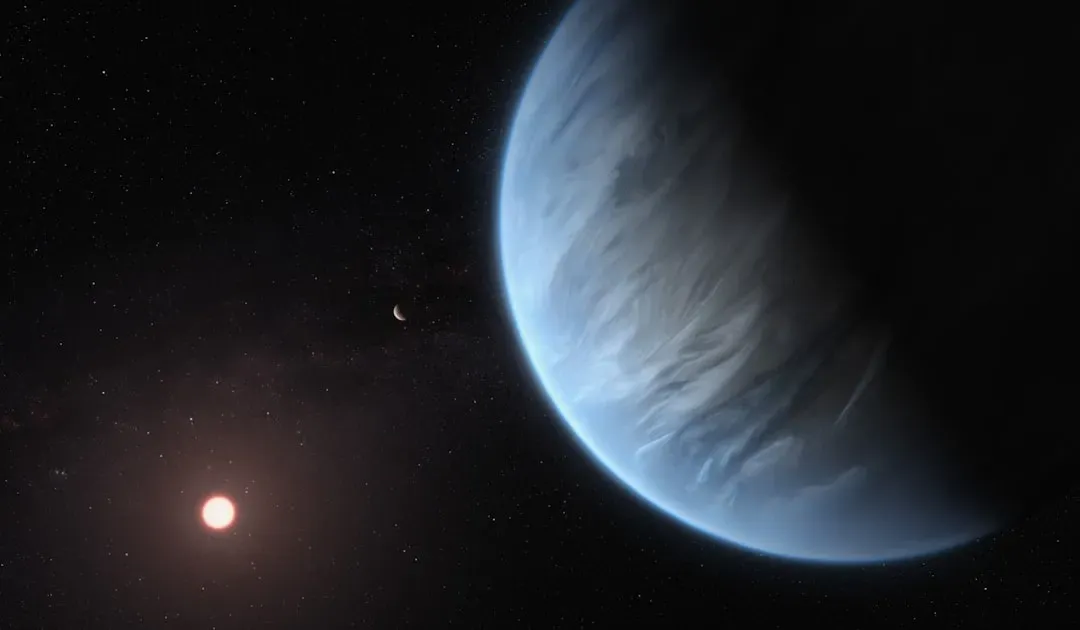
Finding an Earth-like planet is only half the dream; the other half is asking whether anything lives there. Life on Earth depends on a combination of liquid water, energy, and time, but we still do not know how common that lucky combination is elsewhere. Some scientists argue that given enough Earth-like planets, life is likely to appear on at least some of them, while others caution that we might be underestimating how special our own story is.
To search for life, astronomers look for potential biosignatures: combinations of gases that are hard to explain without biology, such as significant oxygen alongside methane in a stable atmosphere. The challenge is that planets and atmospheres can be tricky; geological activity and chemistry might mimic some of these signals without any living organisms at all. So the first “maybe” detection will probably spark more debate than certainty. Deep down, though, many researchers quietly suspect that with billions of planets to work with, it would be more surprising if life had only ever happened once.
What This Search Says About Us
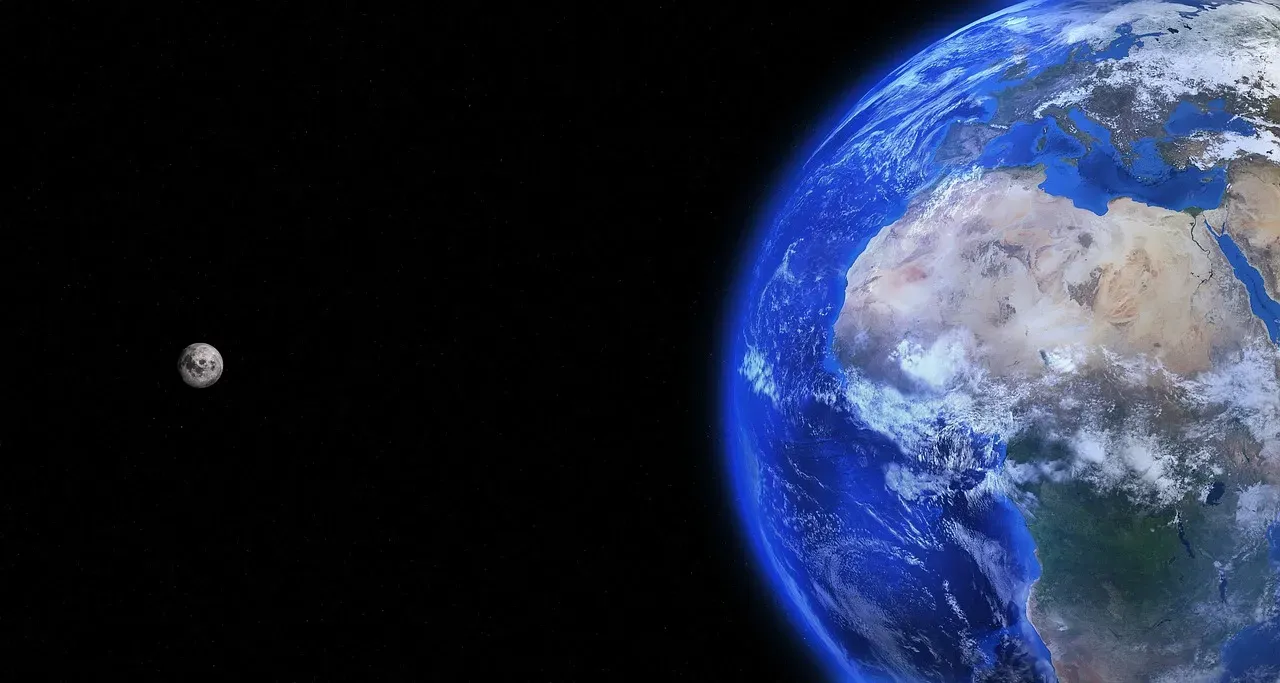
There is a strange emotional tension in the hunt for other Earth-like worlds. On one hand, finding planets that look a bit like home makes our place in the universe feel less isolated, as if Earth is just one of many possible stages for the same cosmic play. On the other hand, every time we fail to find a perfect twin or clear signs of life, it reminds us that our own world might be more fragile and rare than we want to admit.
I remember the first time I saw an artist’s impression of a distant exoplanet – just a digital painting, really – and still felt a jolt of familiarity, like seeing a coastline you swear you have visited before. That feeling is part wonder, part homesickness for places we have never seen. Whether we eventually discover that the galaxy is crowded with living worlds or that Earth is an almost impossible fluke, the search itself forces us to look at our own planet with new eyes. In the end, the question hidden behind all the data and telescopes is simple: if there are other Earths out there, what kind of neighbors are we going to be?