
Have you ever thought the ground beneath your feet was stable and unchanging, only to learn that entire continents drift like rafts on an ocean of molten rock? That’s exactly how scientists felt when discoveries overturned everything they thought they knew. We’re living through one of the most exciting eras in scientific history, where breakthroughs are happening so fast that textbooks struggle to keep up.
The really wild part is how often scientists had all the evidence right in front of them but couldn’t see what it meant until someone looked at the problem differently. These discoveries didn’t just add new facts to our knowledge base. They completely changed how we understand reality itself.
Ancient Martian Mysteries Hidden in Plain Sight
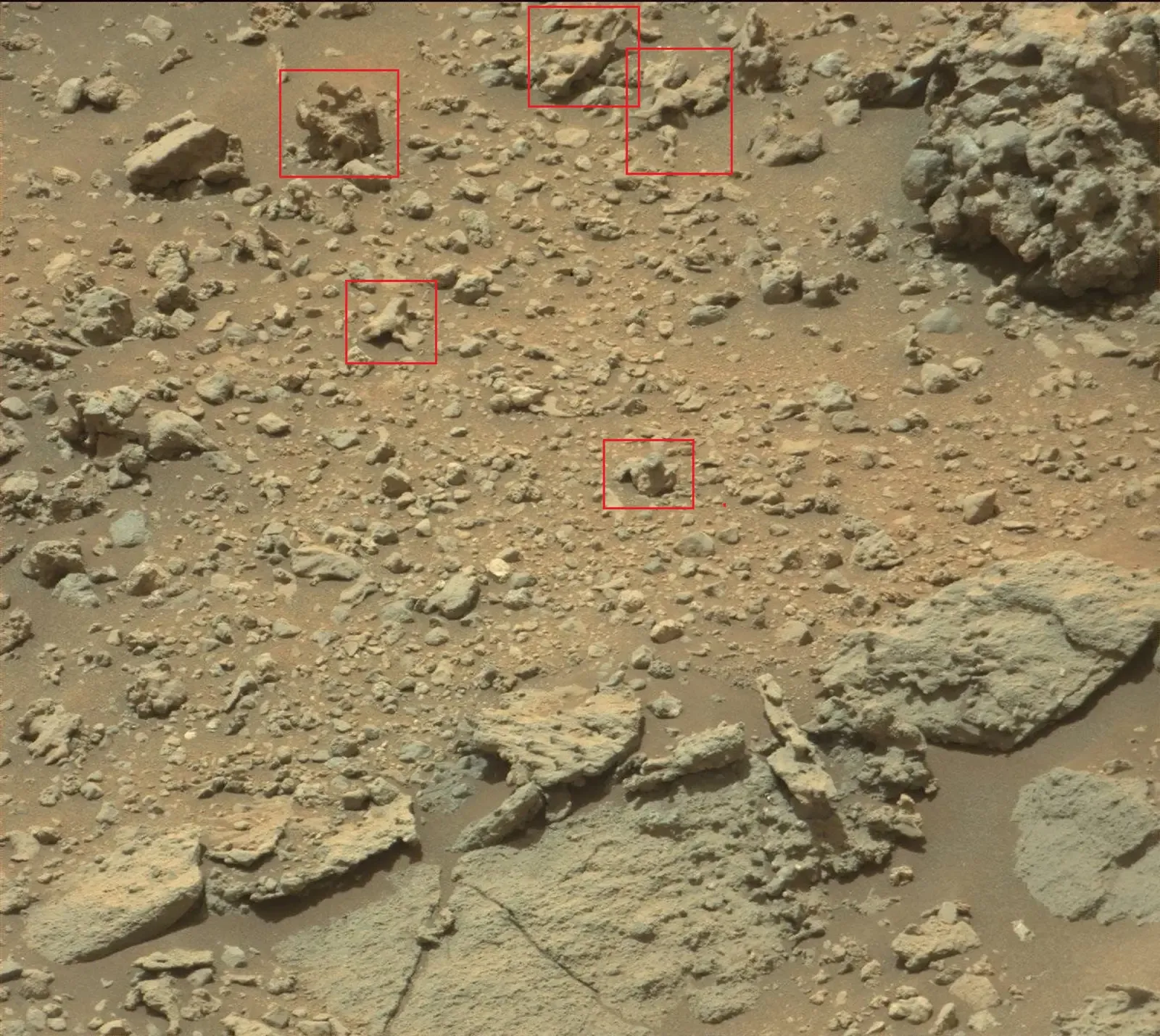
NASA’s Perseverance rover stumbled onto something extraordinary in July 2024 when it discovered a rock with distinctive markings, thought to be around 3.5 billion years old, and the leading theory suggests they came from ancient Martian microbes. Picture yourself as a planetary scientist staring at these strange patterns on your computer screen, knowing you might be looking at evidence of life beyond Earth. The implications are staggering if those markings turn out to be biological.
Perseverance has taken and stored a fragment of the rock, and if all goes to plan, the sample will be returned to Earth one day and thoroughly examined for signs of past life. It’s hard to say for sure what we’ll discover when those samples finally make it back to our laboratories. This finding forces scientists to reconsider the possibility that Mars once hosted living organisms, rewriting our understanding of where life can exist in the solar system.
The Heart’s Secret Brain Changes Everything
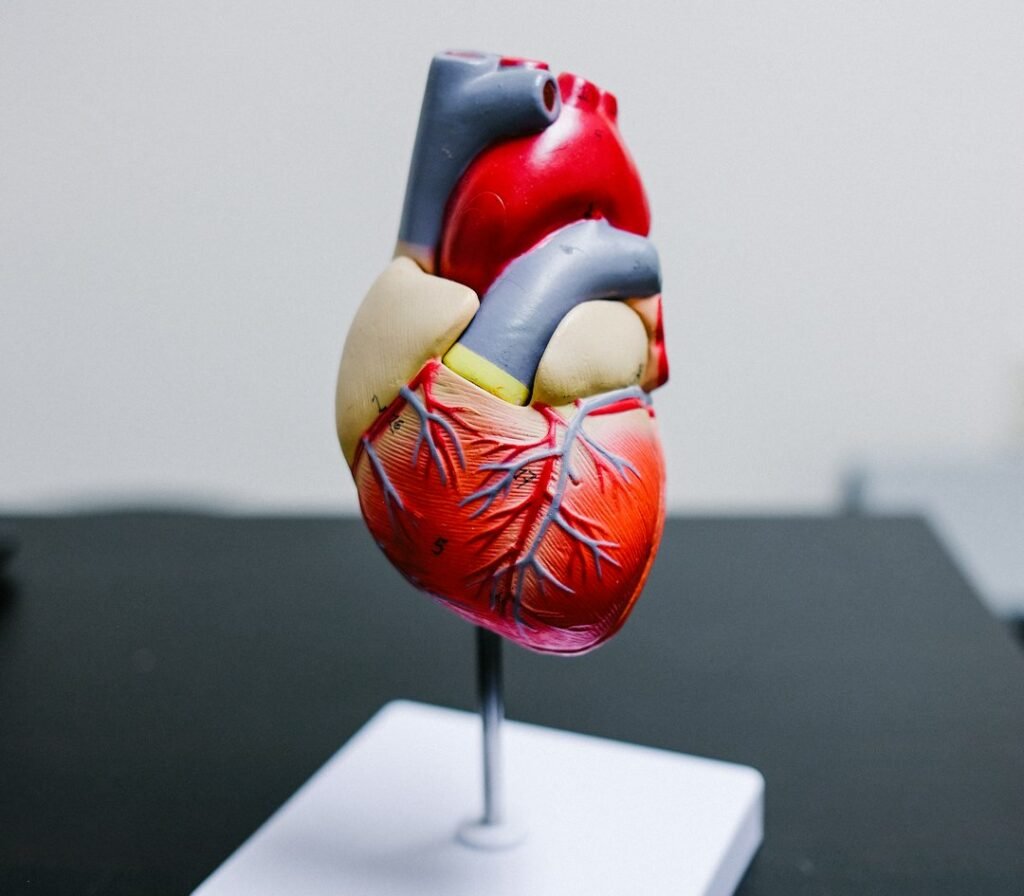
Let’s be real, most of us think the heart is just a pump that pushes blood around our bodies. Recent studies reveal that the heart contains a small control center, an independent neural network that regulates its rhythm, and gaining deeper insight into this intricate system, which proves to be far more sophisticated than earlier believed, may pave the way for innovative therapies for cardiovascular conditions. This discovery completely changes medical textbooks that portrayed the heart as a simple mechanical organ.
The heart essentially has its own mini-brain that makes decisions independently of the central nervous system. Think about what this means for treating heart disease or arrhythmias. Doctors might soon develop treatments targeting this neural network directly rather than just relying on pacemakers or drugs that affect the entire body.
Body Fat Predicts Alzheimer’s Two Decades Early

Here’s something that shocked researchers and gave hope to millions. A groundbreaking December 2024 study revealed how specific body fat deposits signal Alzheimer’s disease up to 20 years before symptoms appear, with the Radiological Society of North America linking these fat patterns to abnormal brain proteins, unveiling previously unknown biological processes behind the disease’s development. Imagine being able to identify Alzheimer’s risk when someone is in their forties or fifties instead of waiting until cognitive decline begins.
This discovery transforms drug discovery possibilities by identifying intervention targets decades before cognitive decline begins, and scientists believe targeting these fat deposits through lifestyle changes might prevent or delay Alzheimer’s. The really exciting part is that you might be able to change your destiny simply by adjusting your diet and exercise routine. This finding fundamentally rewrites our understanding of how brain diseases develop over time.
Mapping Every Connection in a Fruit Fly Brain
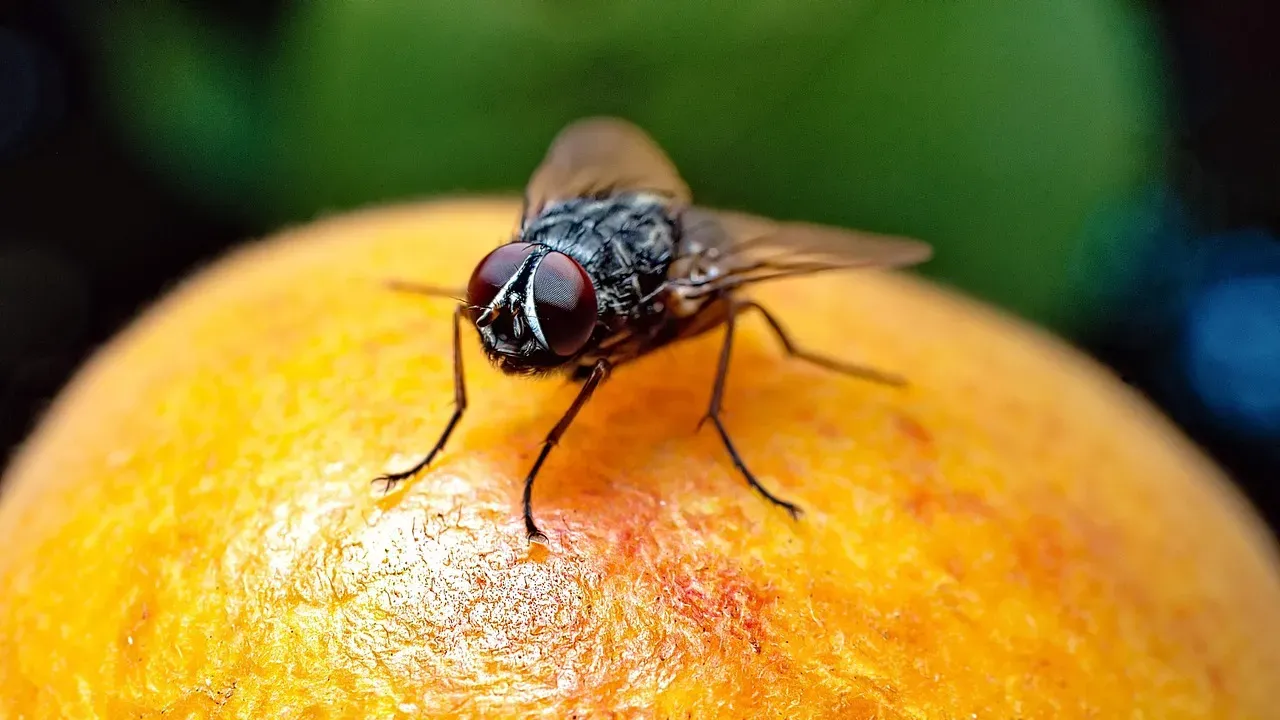
Scientists announced the first ever complete mapping of the entire brain of a fruit fly, Drosophila melanogaster, with a detail of 50 million connections between more than 139,000 neurons. You might wonder why anyone would spend years mapping a fly’s brain when we have human brains to study. The answer lies in understanding the fundamental principles of how any brain works at all.
This achievement represents something that seemed impossible just a decade ago. Every single connection, every pathway that allows this tiny creature to navigate its world, remember things, and make decisions has been charted. Scientists can now trace exactly how sensory information flows through neural circuits to produce behavior, providing a template for understanding more complex brains including our own.
Coherent Neutrino Scattering Finally Observed
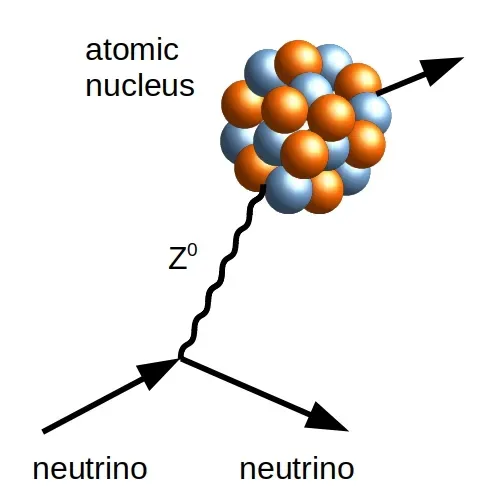
In July, an effect involving neutrinos was finally observed after 50 years of searching, as coherent elastic neutrino-nucleus scattering, first theorized in 1974, in which neutrinos scatter coherently against an atomic nucleus, creates a tiny nuclear recoil. For half a century, physicists knew this phenomenon should exist based on their equations, yet detecting it remained frustratingly out of reach.
The observation of this effect validates fundamental theories about how the universe works at its smallest scales. Neutrinos are among the most abundant yet mysterious particles in existence, passing through your body by the trillions every second without you noticing. Understanding how they interact with matter could unlock new ways to study everything from nuclear reactors to distant supernovas.
Multiple Human Species Walked Earth Together
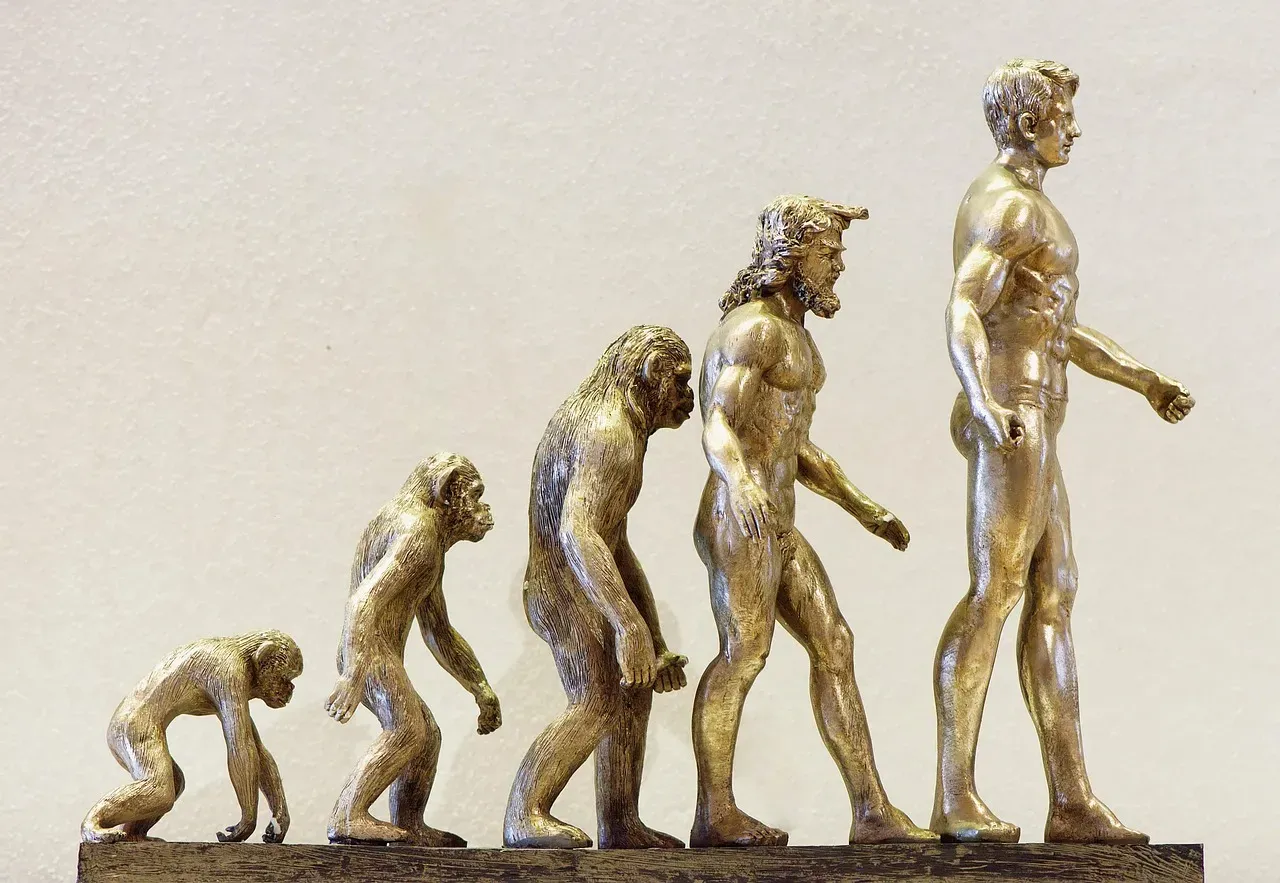
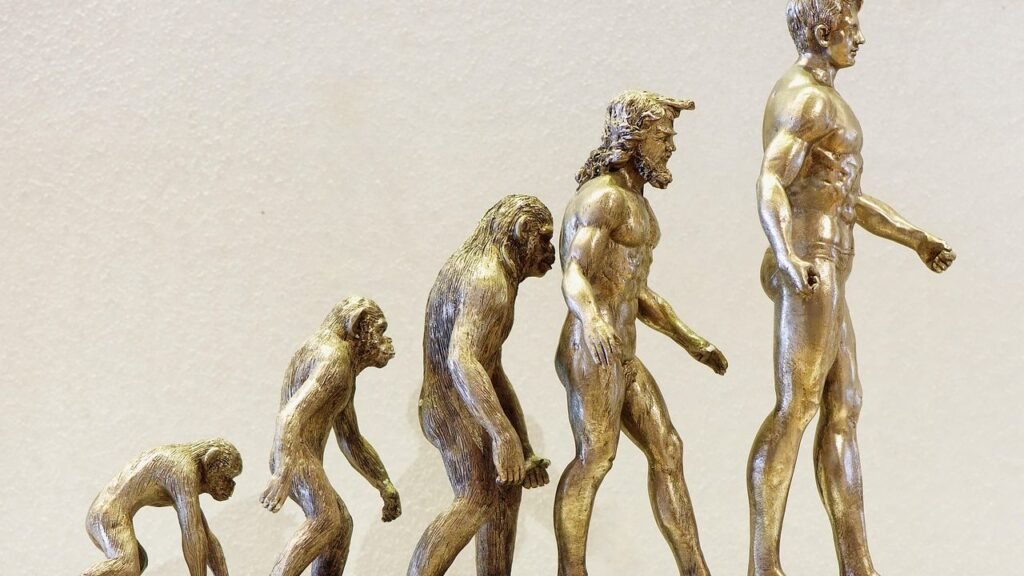
Recent discoveries completely changed our view of human evolution, revealing at least 21 distinct human species once walked Earth, and our ancestors likely encountered eight different human types, from stocky Neanderthals to small-brained but culturally sophisticated Homo naledi. Forget the simple evolutionary ladder you learned about in school. The reality was far more complex and fascinating, with different human species coexisting, possibly even interbreeding.
The 2024 research shows these species weren’t arranged in a simple evolutionary ladder, as some with smaller brains demonstrated complex behaviors like mourning their dead. This completely overturns the assumption that brain size directly correlates with intelligence or cultural sophistication. Our family tree looks less like a ladder and more like a bush with many branches, most of which have gone extinct.
Water Beetles Defy Gravity Under Water
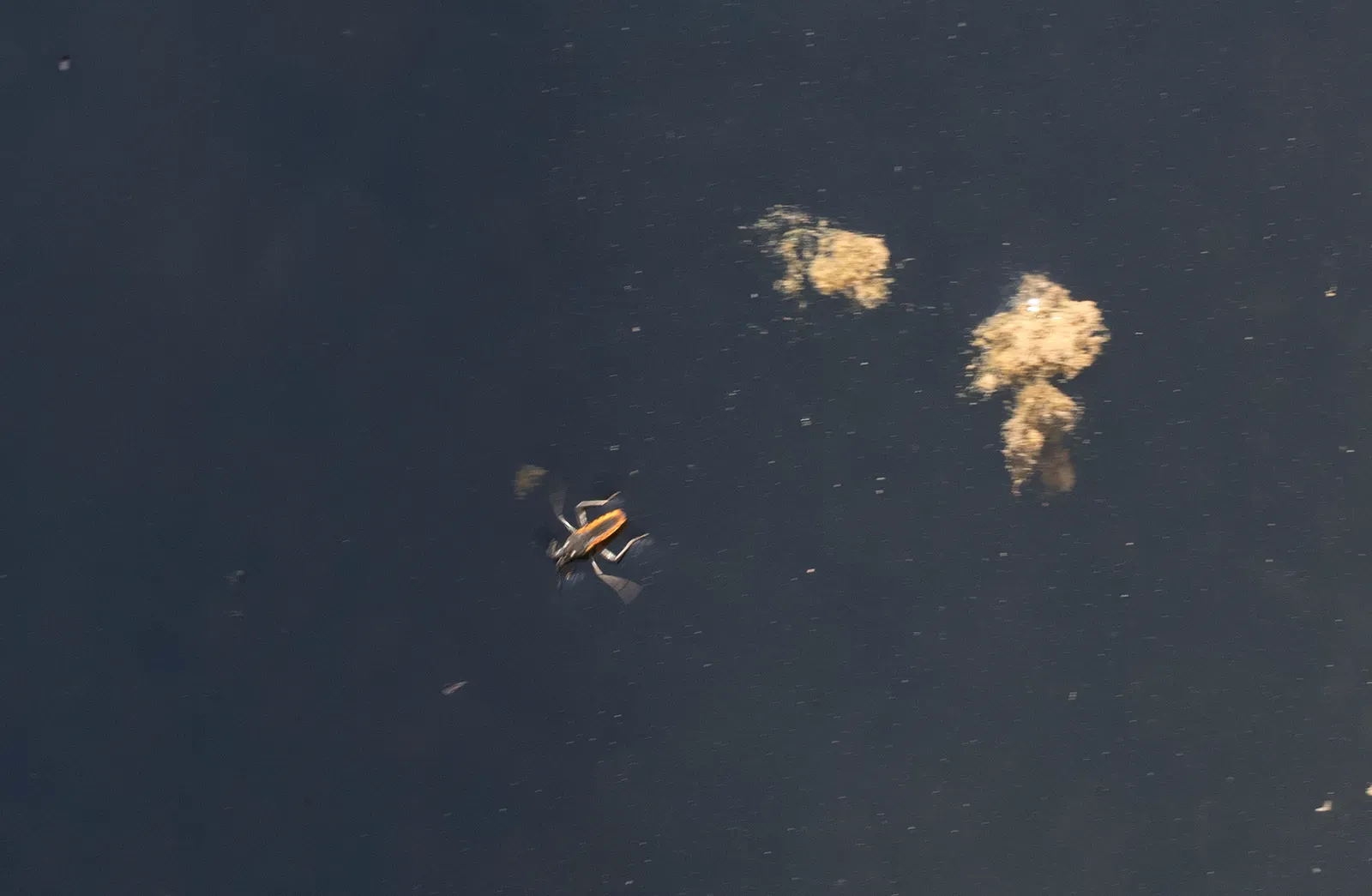
In early 2024, scientists spotted water scavenger beetles doing something impossible, walking upside down under the water’s surface, as these tiny insects trap air bubbles with their leg hairs, creating miniature support systems that let them defy gravity, pushing up tiny hills in the water’s surface without breaking through. This discovery sounds like something from a science fiction movie, yet these insects perform this feat routinely.
Naval engineers are studying these discoveries to develop new underwater devices and adhesive technologies that could transform marine operations. Nature has been solving engineering problems for millions of years through evolution, and we’re only just beginning to understand the clever solutions these creatures have developed. The beetles’ technique could inspire new materials that interact with water in unexpected ways.
Lupus Mystery Solved After Decades
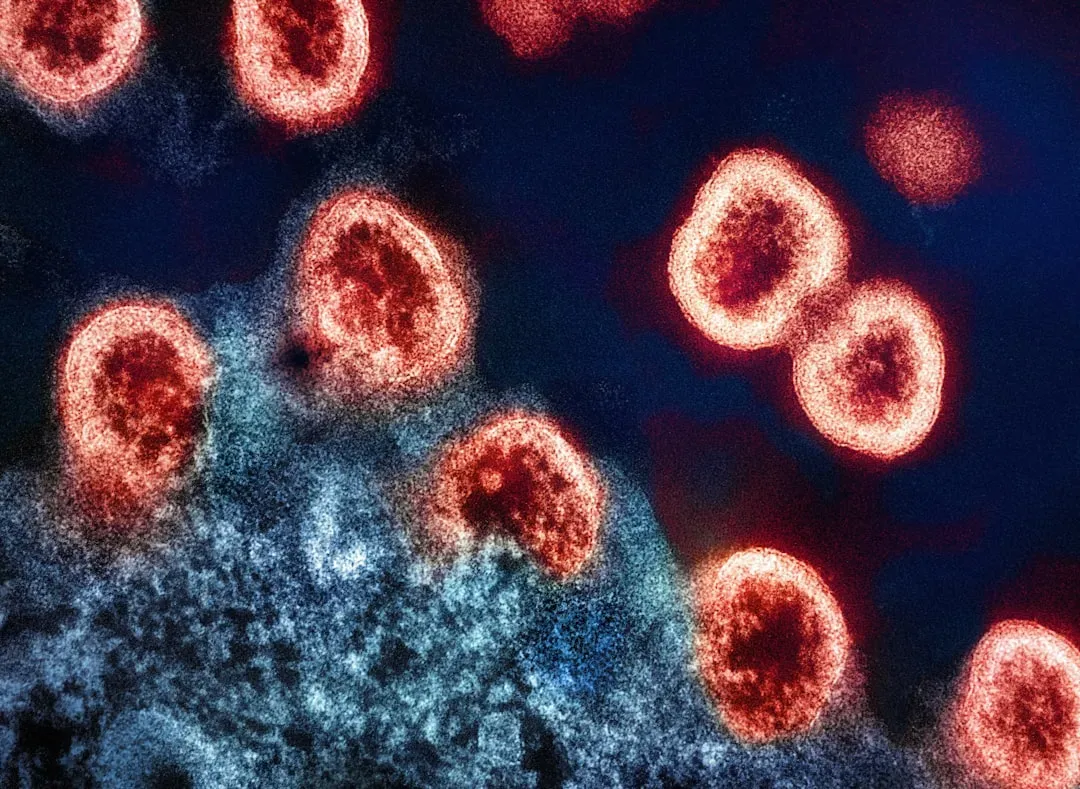
Researchers identified a fundamental imbalance in T-cells as the core cause of lupus, revealing that excessive interferon protein blocks another protein called aryl hydrocarbon receptor, triggering an immune system malfunction. For generations, lupus has been a mysterious autoimmune disease that attacks the body’s own tissues, leaving doctors with limited treatment options and patients suffering through unpredictable flares.
When scientists administered anifrolumab to block interferon, they prevented the T-cell imbalance that leads to the disease, and this breakthrough could transform treatment approaches for lupus and potentially other autoimmune conditions. The discovery didn’t just explain what goes wrong in lupus patients. It provided a clear target for new therapies that address the root cause rather than just managing symptoms.
Asp Caterpillar Venom Holds Medical Promise
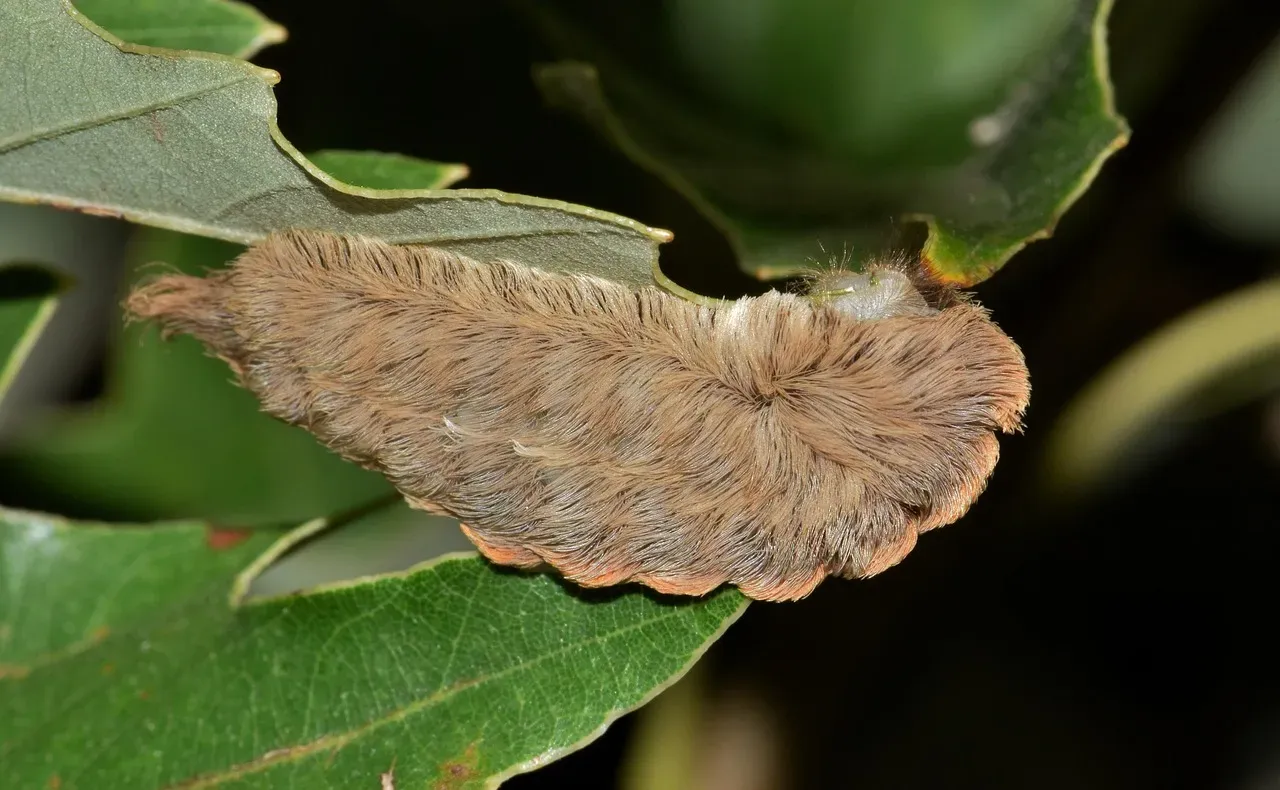
Scientists discovered that asp caterpillar venom contains a shape-shifting protein that forms perfect donut-shaped holes in cell walls, and this protein, likely acquired from ancient bacteria through gene transfer, creates precisely controlled openings. Nobody expected that studying a fuzzy caterpillar’s defensive weapon would lead to potential cancer treatments. Yet here we are, with nature once again proving to be smarter than our best engineers.
The July 2024 finding could transform drug delivery methods, potentially allowing targeted treatment of cancer cells while leaving healthy cells untouched, with researchers estimating practical medical applications could emerge within two decades. The beauty of this protein is its precision – it opens doors in cell membranes without destroying the entire cell. Imagine chemotherapy drugs that only affect tumor cells, sparing patients the devastating side effects of current treatments.
Aging Happens in Waves, Not Gradually

Researchers scanned more than 21 million cells from every major mouse organ across five stages of life and found that certain cell populations change in every organ, both in the same way and at the same time, during specific stages of life, suggesting that aging is not a linear process but instead a developmental stage sparked by specific molecular cues. This finding challenges everything we thought we knew about getting older.
Some of these changes are controlled by the same molecular features, meaning scientists might be able to target them to delay or even reprogram the aging process itself. The implications are mind-bending. If aging happens in coordinated waves rather than as a gradual decline, we might be able to intervene at specific moments to slow or halt the process. This discovery rewrites biology textbooks that portrayed aging as simple wear and tear on the body.
Conclusion
These ten discoveries represent more than just new facts added to our knowledge base. They fundamentally changed how we understand life, the universe, and our place within it. From beetles walking on water to proteins that could cure cancer, from multiple human species to hearts with their own brains, science continues to surprise us.
The most exciting part is knowing that tomorrow might bring another discovery that makes us rethink everything all over again. What do you think will be the next breakthrough to rewrite the textbooks? Let us know your thoughts in the comments.