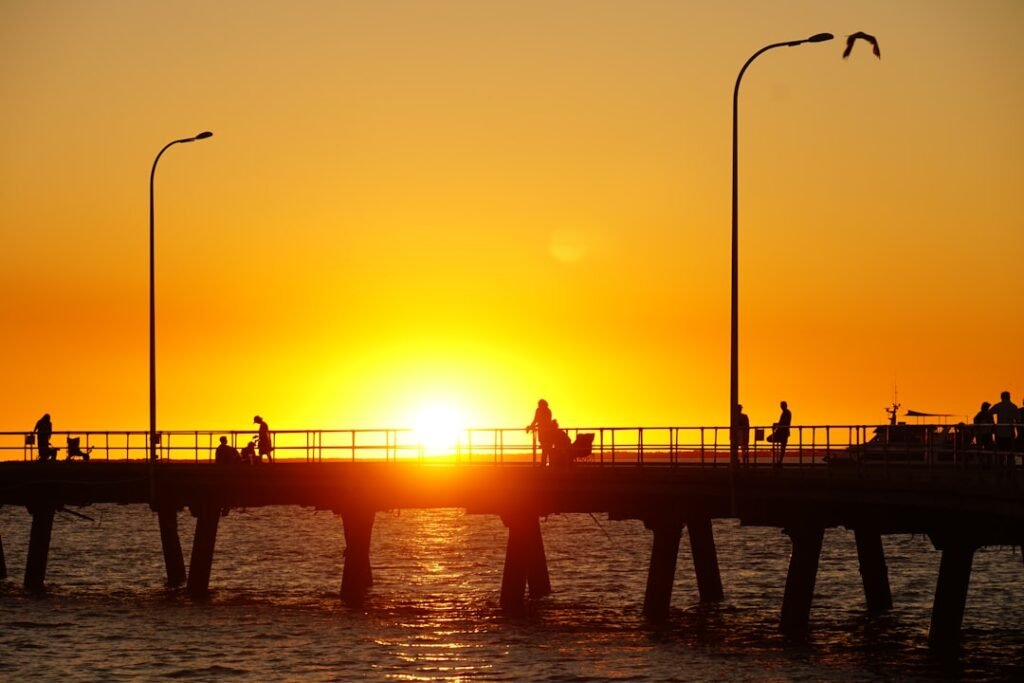

Record Heat Accelerates Rapidly (Image Credits: Unsplash)
Australia – A massive heat dome has entrenched a punishing heatwave across the nation, propelling temperatures toward the 50°C mark.[1]
Record Heat Accelerates Rapidly
Temperatures already soared to 43-47°C across South Australia, northwestern Victoria, northern New South Wales, and southwestern Queensland on January 24. The Bureau of Meteorology issued severe to extreme heatwave warnings for all mainland states and territories as of January 25. Inland areas now brace for the worst, with high-resolution models signaling possible 50°C readings in parts of inland South Australia, western New South Wales, or southern Queensland during peak afternoon hours. Northern Victoria towns such as Ouyen and Mildura forecast 47-48°C by Tuesday, threatening state records. Adelaide prepared for nearly 45°C on Australia Day Monday. In Western Australia’s Pilbara region, readings neared 49°C last week, and desert spots could hit 50°C soon.[1]
The surge stems from the heatwave’s origins in Western Australia before it expanded eastward. Peak intensity arrives between Monday and Thursday. Mid- to upper-40s temperatures grip inland communities like Albury, Wagga Wagga, Mildura, Dubbo, and Tamworth for multiple days.
Mechanics Behind the Scorch
A potent upper-level ridge forms the heat dome, reinforced by Tropical Cyclone Luana’s landfall on Western Australia’s Kimberley coast Saturday. The cyclone injected energy into the upper atmosphere, bolstering ridging. This clockwise high-pressure system draws arid, blistering air from the continent’s interior toward southern states including South Australia, Victoria, and New South Wales.[1]
Clear skies under the dome allow relentless solar heating. Dry soils, starved of early January rain, amplify the effect through a feedback loop: absent moisture evaporation, sunlight bakes the ground and air directly. Mid-level temperatures hover near 30°C at the 850 millibar level – 15-20 degrees above normal. An Omega blocking pattern locks in the extremes, with the ridge stretching southward flanked by deep lows.
Fire Dangers Reach Critical Levels
Extreme fire risks accompany the heat, fueled by parched air, soils, and incoming winds. Authorities issued ‘Catastrophic’ fire danger ratings in parts of South Australia and Victoria. Victoria declared a statewide Total Fire Ban. New South Wales and the Australian Capital Territory posted ‘Extreme’ ratings in the ACT and Central Ranges, encompassing Orange and Bathurst. South Australia’s Lower and Upper South East plus Murraylands face similar threats.[1]
- Extreme Heatwave Warnings target Snowy Mountains and South West Slopes in New South Wales, plus Northeast Victoria.
- Severe Heatwave Warnings blanket most of New South Wales, Victoria, South Australia, and portions of Western Australia.
- Officials urged residents to stay indoors amid the dangers.
Officials draw parallels to the devastating ‘Black Summer’ bushfires of 2019-2020. The combination of heat dome persistence and dry conditions heightens ignition potential nationwide.
Outlook and Record Context
The heat dome persists through the rest of January, with some moderation possible as February begins via a frontal wave from the west. By mid-week, the pattern intensifies further, elongating the ridge and baking South Australia, New South Wales, Victoria, and Queensland with 45-50°C highs. Northeastern South Australia and northwestern New South Wales stand vulnerable to new records.[1]
Australia’s all-time highs provide stark benchmarks:
- 50.7°C at Oodnadatta, South Australia (January 2, 1960)
- 50.7°C at Onslow, Western Australia (January 13, 2022)
- 50.5°C at Mardie Station and Roebourne, Western Australia (various dates)
- 50.5°C at Roebourne, Western Australia (January 13, 2022)
- 50.3°C at Oodnadatta, South Australia (January 3, 1960)
- 50.1°C at Wilcannia, New South Wales (January 11, 1939)
Key Takeaways
- A heat dome, boosted by recent cyclone activity, sustains clear skies and extreme dry heat.
- 50°C looms in inland regions; fire bans and warnings dominate southern states.
- Relief may arrive early February, but records remain at risk through late January.
This heatwave underscores Australia’s vulnerability to amplified weather extremes. Communities must prioritize safety amid the blaze. What steps are you taking to beat the heat? Share in the comments.