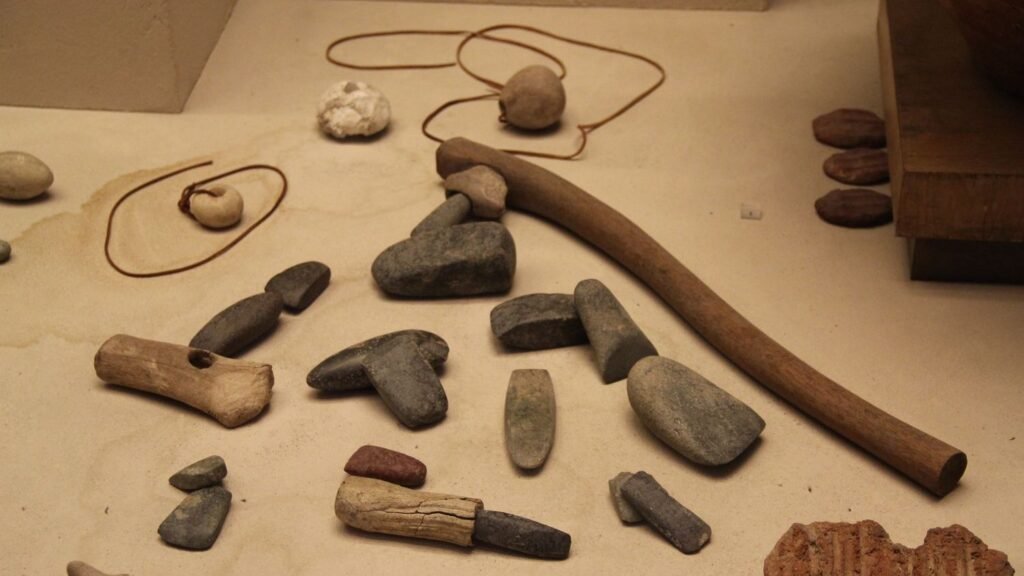

It’s wild to think that the phone in your pocket, the car on your street, and the satellites circling the planet all trace back to a chipped stone in some forgotten riverbed. Long before code, rockets, and AI, there was a human staring at a rock, wondering if it could be something more. That tiny spark of curiosity – the urge to shape the world instead of just surviving in it – is what truly launched human history.
Our ancestors didn’t have manuals, tutorials, or online forums. They had trial and error, busted fingers, and a stubborn belief that life could be easier if they figured out the right trick. Every tool they invented was a bet on the future: that their children would carry it forward, refine it, and push humanity one step further from fragile survival toward mastery. When you zoom out over hundreds of thousands of years, those tools form a kind of storyline – one where each clever idea rewrites what it means to be human.
The First Stone Tools: When Curiosity Met Survival
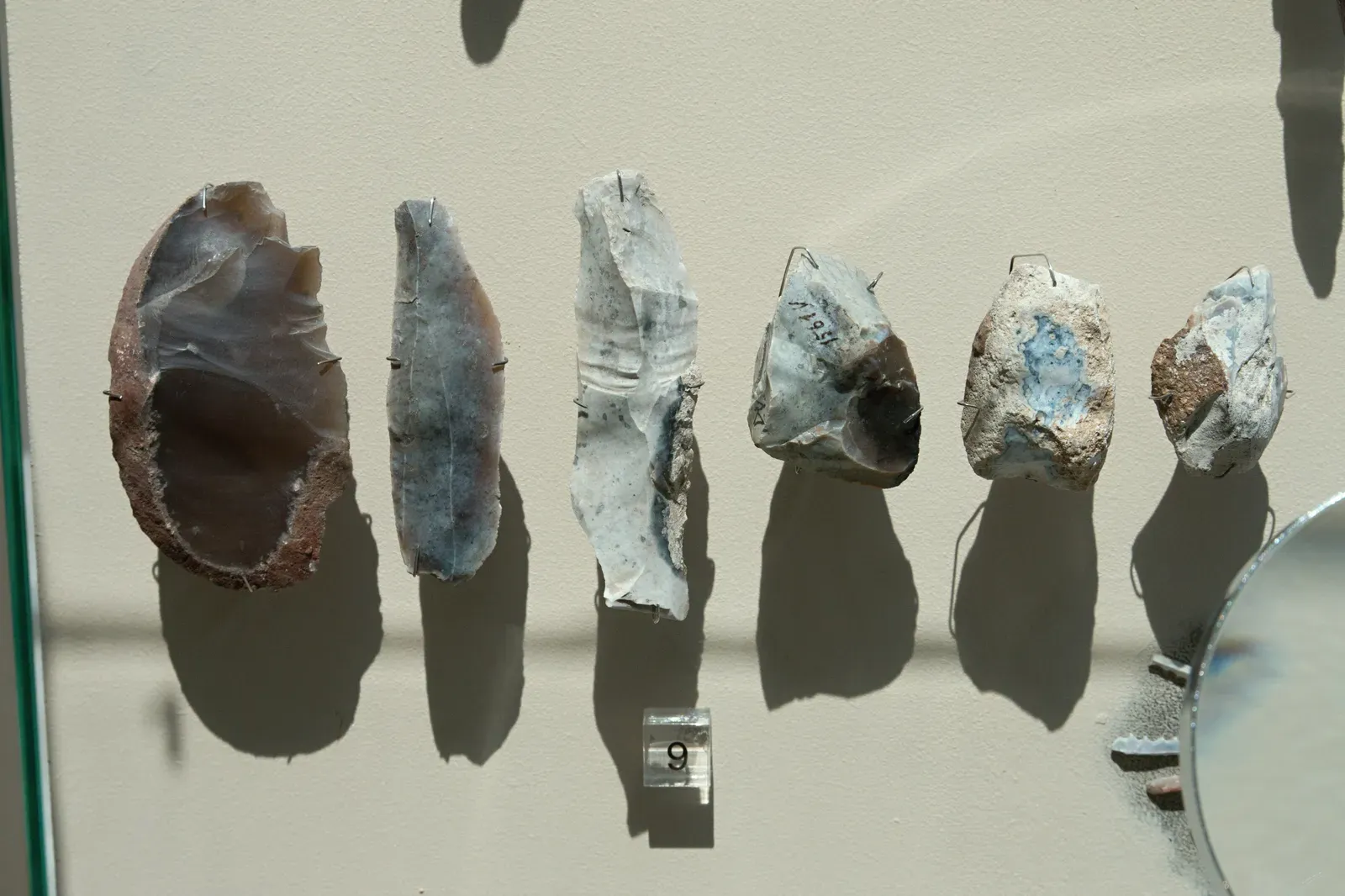
Imagine picking up a rock, smashing it against another, and suddenly realizing the sharp edge you just created can slice meat or strip bark. That’s essentially what happened more than two and a half million years ago, when early humans and their relatives began making simple stone tools, often called Oldowan tools. These were not random rocks; they were deliberately shaped flakes and cores, sharpened with intention and used for cutting, pounding, and scraping.
Those crude-looking stones did something enormous: they unlocked new sources of food. With sharper edges, early humans could process meat from large animals more efficiently, break open bones for nutrient-rich marrow, and cut through tough plant material. Eating more energy-dense foods like meat likely supported bigger brains over many generations. So even though those early tools look unimpressive in a museum case today, they were like nature’s first upgrade pack for the human body and mind.
Fire as a Tool: Turning Nature Into a Partner
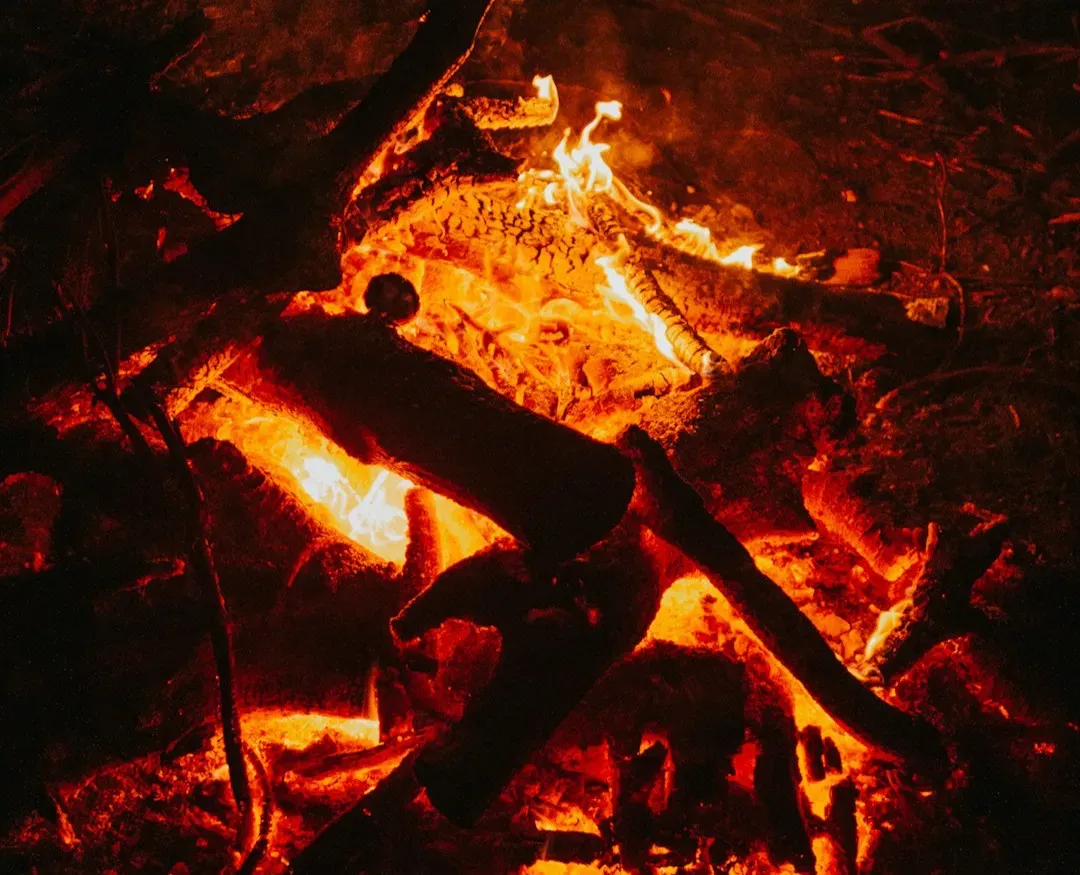
The moment humans learned to control fire, the rules changed. Fire wasn’t just a warm glow in the dark; it was a tool as powerful as any weapon. People could cook food, making it safer, easier to digest, and more nutritious. That meant less energy spent chewing and digesting, and more energy available for our growing brains. Fire also drove away predators at night and gave small, vulnerable groups a psychological sense of safety they had probably never known before.
But fire did more than protect and feed; it transformed landscapes. Our ancestors used controlled burning to clear land, drive animals into certain areas, and encourage the growth of plants they depended on. Over time, this meant humans were not just living in nature, but quietly redesigning it. Fire turned wild forests and plains into something more like planned environments, long before farming appeared. In a way, you could say that fire was the first tool that allowed humans to start editing the planet itself.
The Acheulean Handaxe: A Stone Swiss Army Knife
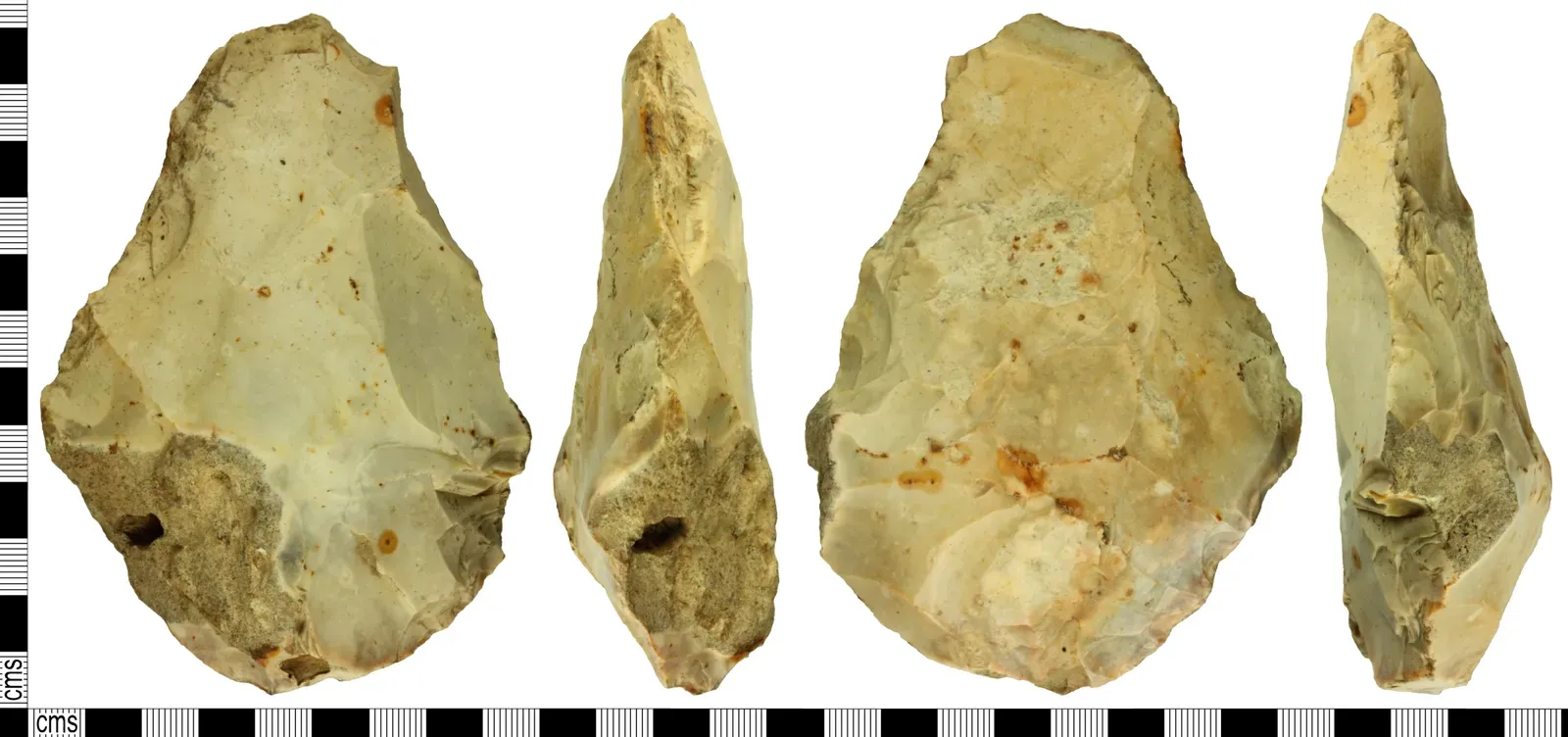
Roughly one and a half million years ago, something visually striking appears in the archaeological record: beautifully shaped, teardrop-like stone handaxes, often called Acheulean tools. Unlike the earlier, simpler flakes, these were carefully crafted, symmetrical, and multipurpose. You can think of them as the original all-in-one tool: they could cut, chop, scrape, dig, and butcher. The fact that similar shapes appear across vast regions suggests that knowledge was being shared, copied, and improved over generations.
Making one of these handaxes wasn’t easy. It required planning, patience, and the ability to imagine the final shape hidden inside a raw stone, then remove layer after layer to reveal it. That level of mental visualization and fine motor control hints at major cognitive advances. In a very real sense, every finished handaxe is a fossilized thought. It shows that our ancestors were not just reacting to their environment, but actively organizing their ideas, teaching skills, and creating mental blueprints that others could follow.
Spears, Bows, and Projectiles: Extending Human Reach
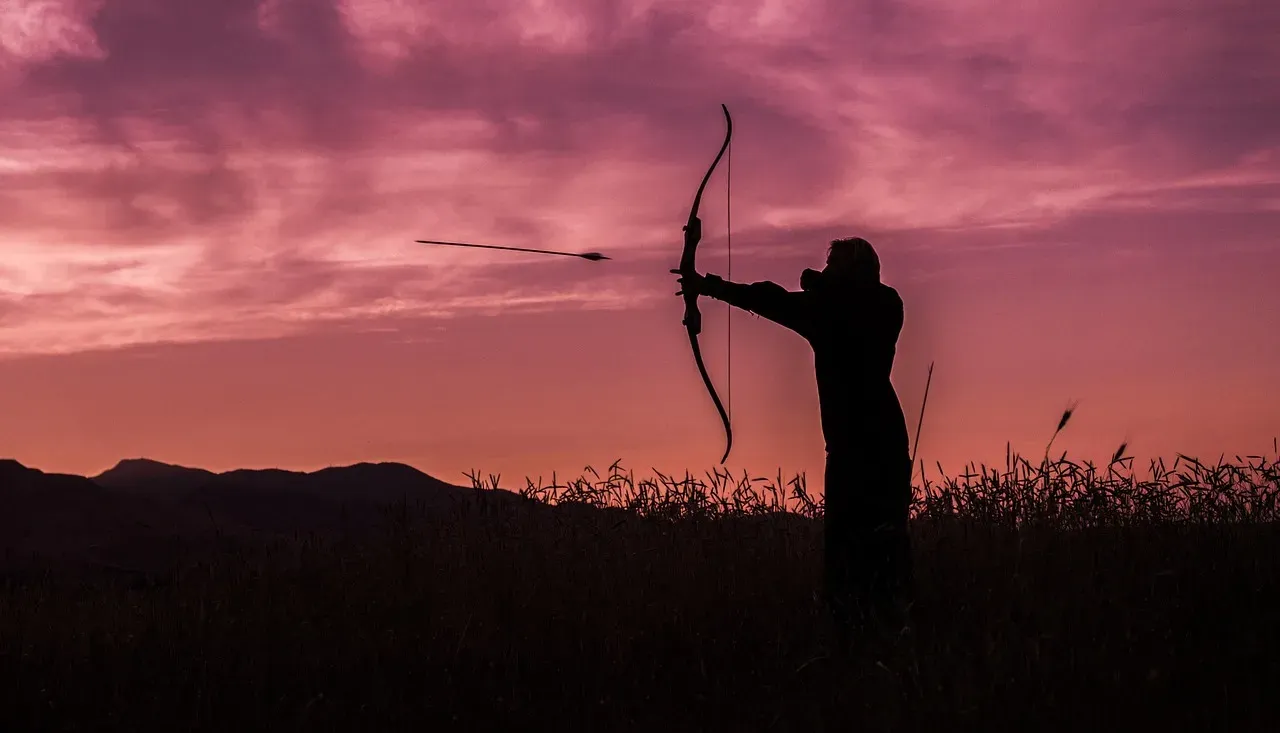
At some point, humans got tired of having to be within arm’s reach of something that wanted to kick, gore, or bite them. The shift from hand-held weapons to thrown spears and eventually to bows and arrows fundamentally rewired how we hunted and fought. Early wooden spears, some found preserved in ancient bogs, show that people were already shaping wood for balance and penetration. Later, attaching sharp stone tips to these spears made them even more lethal and efficient.
The real revolution came when projectiles could be launched with tools like spear-throwers and bows. These inventions allowed humans to keep a safer distance from prey and enemies, turning agility and planning into more important survival traits than sheer strength. Groups that mastered these tools could hunt larger or faster animals and defend themselves more effectively. The bow in particular changed everything: suddenly, a skilled but physically smaller hunter could provide as much food as a stronger one, shifting social dynamics and maybe even ideas about leadership and value within a group.
Needles, Clothing, and the Art of Surviving the Cold
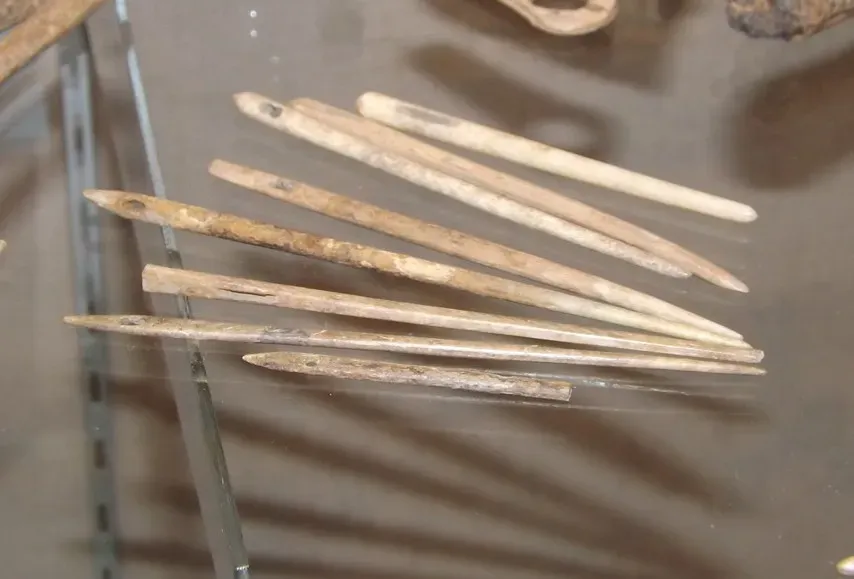
When humans began pushing into colder regions, bare skin and a few animal hides thrown over the shoulders stopped being enough. The appearance of bone needles, awls, and other sewing tools marks a subtle but powerful moment in history: humans started engineering microclimates on their own bodies. With fitted clothing, stitched seams, and layered outfits, people could live and travel in environments that would otherwise kill them in hours.
These small tools also reshaped identity and culture. Clothing wasn’t just about warmth; it quickly became a way to express group belonging, status, and creativity. Decorations, dyes, beads, and carefully arranged patterns turned practical garments into wearable stories. I remember standing in front of a tiny, ancient bone needle in a museum once, thinking how whoever used it probably cared about their kids being warm in winter just as much as any parent today. That needle was more than a tool; it was proof that love, pride, and aesthetics were already woven into everyday survival.
Farming Tools and the Birth of Settled Life
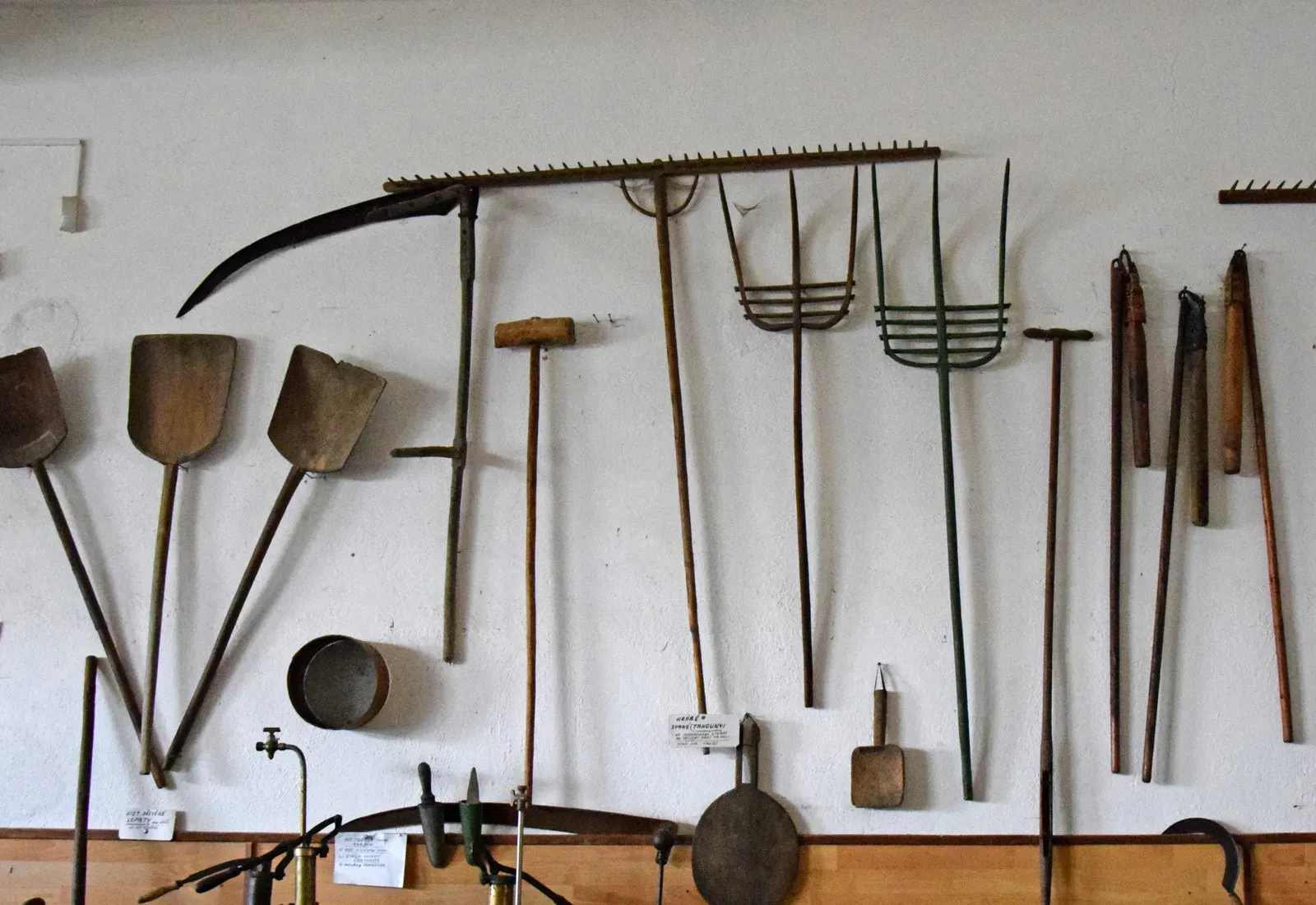
For most of human history, people followed the food: hunting animals, gathering plants, always moving when resources ran thin. Then came a quiet but radical shift. Simple tools like stone sickles, digging sticks, and later plows allowed humans to cultivate crops and control where their food came from. Instead of chasing herds, they planted seeds and waited. Instead of wandering, they began to stay put. This was not an overnight change, but once it took hold, it rewired the entire human story.
Farming tools did more than feed more mouths; they created surplus. Extra grain could be stored, traded, and used to support specialists who weren’t directly involved in food production. That surplus paved the way for new roles: artisans, builders, priests, administrators. Villages grew into towns, then into cities. With cities came walls, roads, laws, and conflicts on a new scale. It’s strange to think that a simple sharpened stick used to plant seeds helped lead, step by step, to crowded megacities and the global food systems that shape our politics today.
Metals, Wheels, and the Acceleration of Change
When humans shifted from stone and bone to metals like copper, bronze, and later iron, it was like unlocking a higher difficulty setting in the game of innovation. Metal tools were sharper, tougher, and more durable. Farmers could plow harder soils, builders could shape wood and stone more precisely, and warriors could carry weapons that sliced and pierced more effectively. Metallurgy itself required complex knowledge: controlling fire temperatures, finding ores, and experimenting with alloys. It turned toolmaking into a specialized craft and often a closely guarded skill.
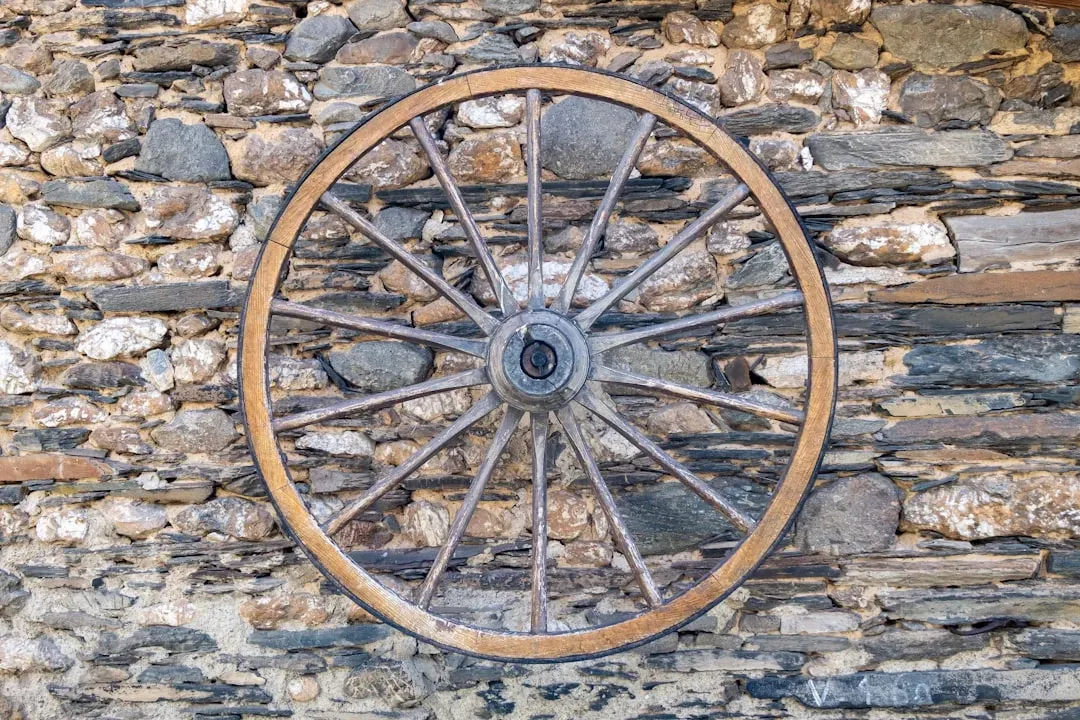
Around the same broad period, another deceptively simple invention began transforming movement: the wheel. Early wheels, attached to carts or wagons, made it possible to move heavier loads over longer distances, connecting communities that once would have felt like separate worlds. When you combine metal tools with wheeled transport, suddenly you have roads, extensive trade networks, and faster spreads of ideas, goods, and diseases. From that point on, history starts to accelerate, and each new tool builds on a taller and taller stack of earlier insights.
Writing Tools: Turning Memory Into a Shared Machine

One of the most underrated toolsets in human history isn’t sharp or heavy at all: it’s soft clay tablets, carved bone styluses, brushes, inks, and eventually pens. When ancient people began using tools to record numbers, names, and stories, they created something extraordinary – an external memory system. No longer was knowledge trapped in a single brain or a single generation. Writing turned memory into an object that could be stored, copied, and carried across continents.
These humble tools of writing made law codes, religious texts, scientific records, and literature possible. They allowed rulers to manage far-flung territories and merchants to track complex trades. Over centuries, the refinement of writing tools – from reed pens to metal nibs to typewriters and keyboards – has multiplied our ability to think together across distance and time. If stone handaxes are fossils of early thought, then libraries are like sprawling, living minds built from ink and paper, and the simple tools that created them quietly changed everything.
The Tools Are Us
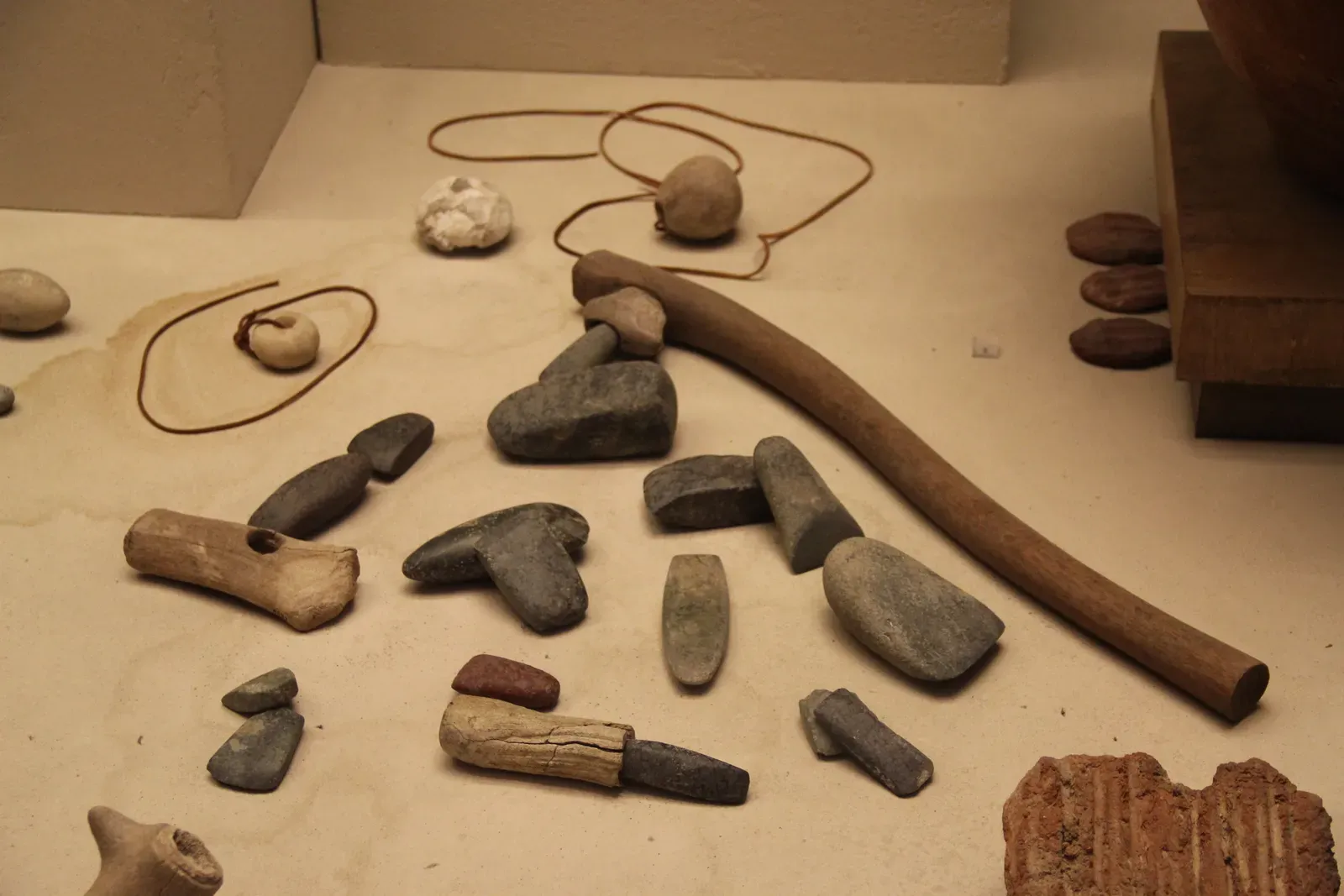
When you step back and trace the path from chipped stones to smartphones, a pattern emerges: every tool our ancestors created did more than solve a problem. It reshaped bodies, brains, societies, and even the landscapes themselves. Fire redefined food and safety, handaxes and spears sharpened our minds, sewing needles and farming tools stretched the boundaries of where we could live, and metal, wheels, and writing connected us into ever larger, more complex webs.
It’s tempting to think we’re living in a completely new era, surrounded by technology our ancestors could never imagine, but in a way we’re still doing exactly what they did: nudging rocks, fire, and ideas into new shapes, hoping life will get a little better, a little safer, a little more meaningful. Their tools did not just change ; they created the very possibility of history itself. Next time you pick up any tool, from a kitchen knife to a laptop, it might be worth asking: how would our distant ancestors see this little piece of magic in your hand?