
It’s wild to think about, but dinosaurs are not the beginning of the story. By the time the first dinosaurs appeared, life on Earth had already seen empires rise and fall, oceans fill with predators, and land ruled by strange beasts that looked like mash-ups of reptiles and mammals. Entire worlds of creatures had lived, dominated, and vanished long before anyone had ever heard the word dinosaur.
When you zoom out across hundreds of millions of years, dinosaurs start to feel like just one dramatic chapter in a much longer saga. Before them came armies of armored fish, sabre-faced predators, and “mammal-like reptiles” with tusks and beaks that would look right at home in a sci‑fi movie. Let’s go back to those forgotten ages and meet some of the real rulers of Earth that came first.
Trilobites: The Original Kings Of The Ancient Seas
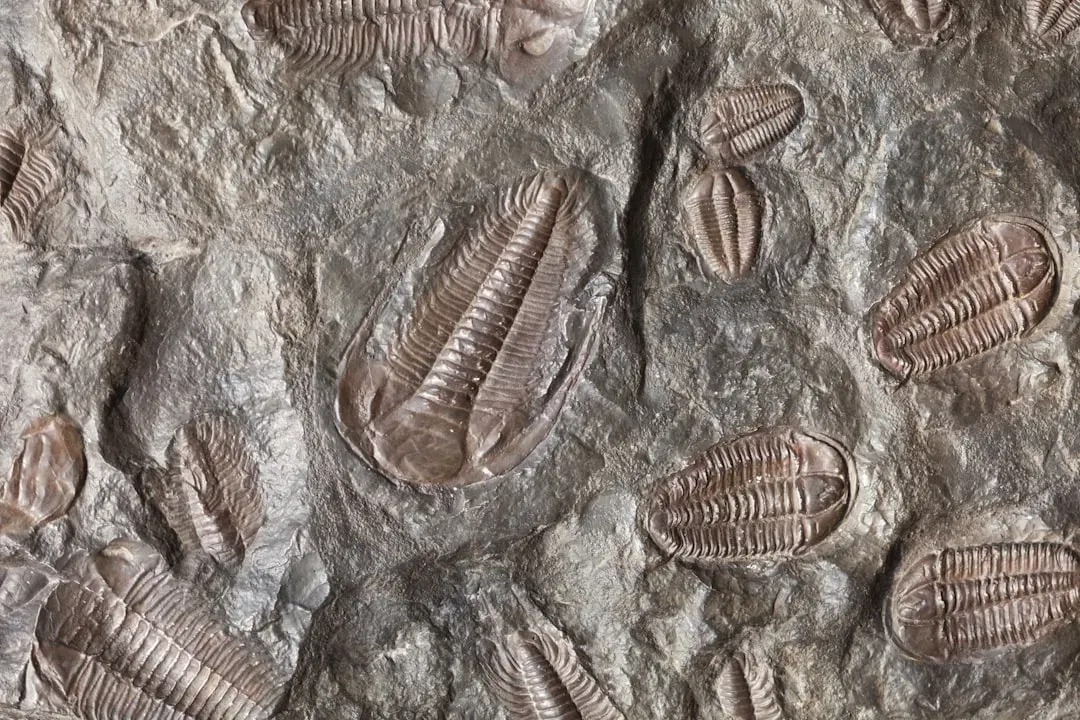
Long before anything walked on land, trilobites were already conquering the oceans. They appeared more than half a billion years ago, during the Cambrian Period, and for an incredibly long time they were among the most common and successful animals on the planet. Imagine horseshoe crabs crossed with pill bugs, armed with complex, crystal-like eyes that were surprisingly advanced for their time.
Trilobites came in a huge variety of shapes and sizes: some were as small as a grain of rice, others the length of a house cat. Some were smooth and streamlined, others carried barbed spines like underwater battle tanks. They scuttled along sea floors, burrowed into mud, and filtered food from the water, turning ancient oceans into busy highways of armored life. When they finally disappeared around the end of the Permian, they took with them nearly three hundred million years of evolutionary history.
Opabinia And Anomalocaris: Nightmare Hunters Of The Cambrian
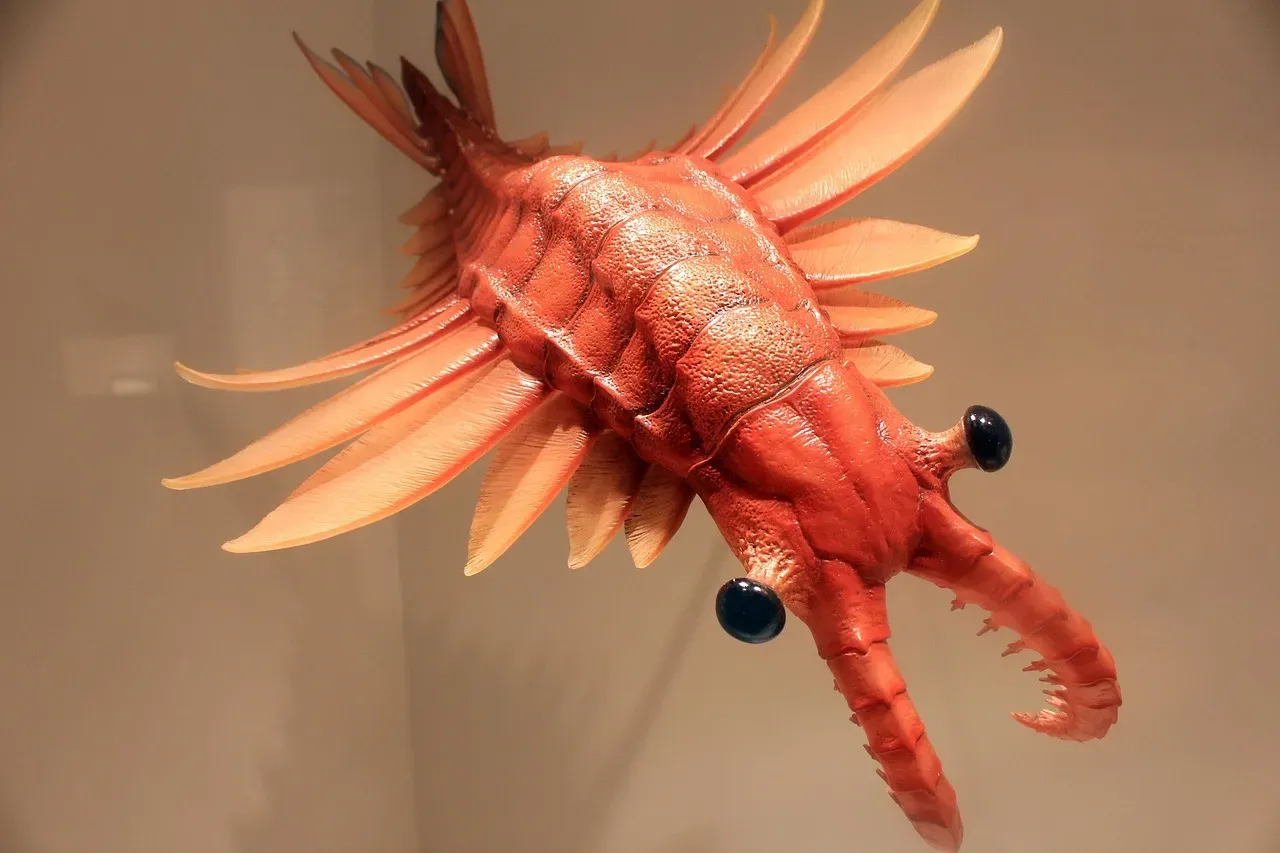
If you ever wanted proof that nature has a strange sense of humor, the Cambrian predators Opabinia and Anomalocaris are it. These creatures lived more than five hundred million years ago, when complex animal life was just exploding onto the scene. Anomalocaris, whose name means “odd shrimp,” was one of the top predators of its day, with a soft, torpedo-like body, grasping front appendages, and a circular, tooth-lined mouth that looked like a blender.
Opabinia was even weirder: a small creature with five stalked eyes and a long, flexible proboscis ending in a claw. It probably used that strange trunk to grab soft prey and pull it into its mouth, like an underwater crane. These animals hunted trilobite-like creatures and other early life in shallow seas, creating one of the first real predator-prey arms races on Earth. Compared to them, many later monsters look almost conservative in design.
Dunkleosteus: The Armored Titan Of The Devonian Seas
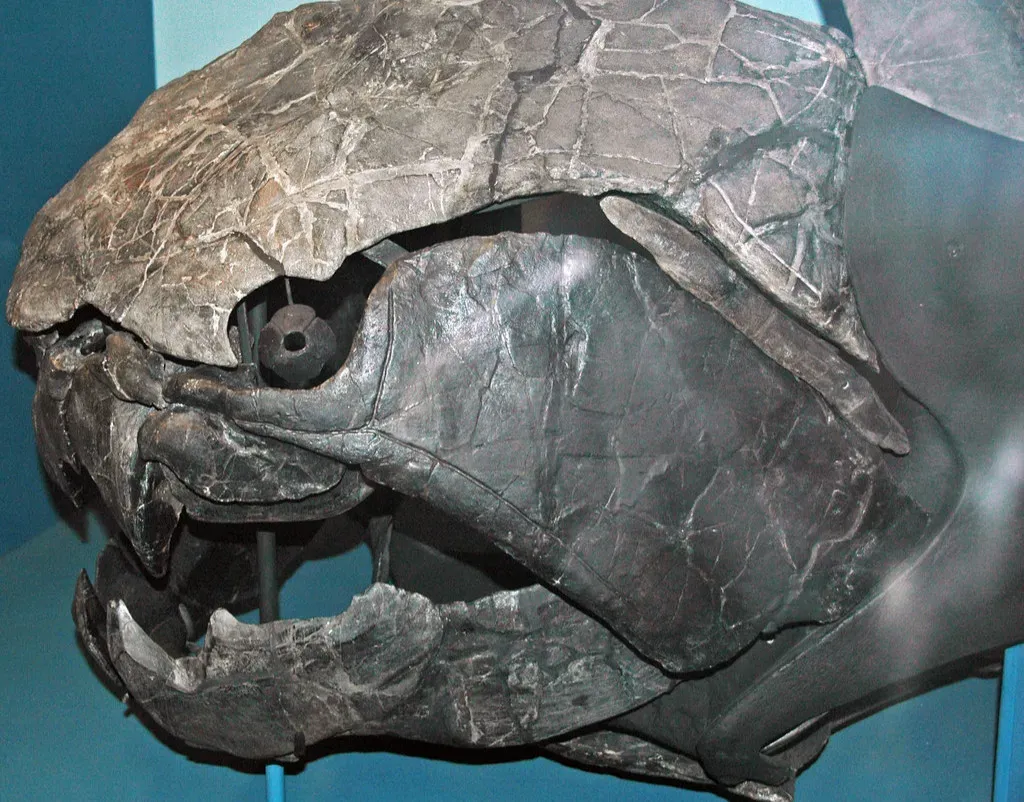
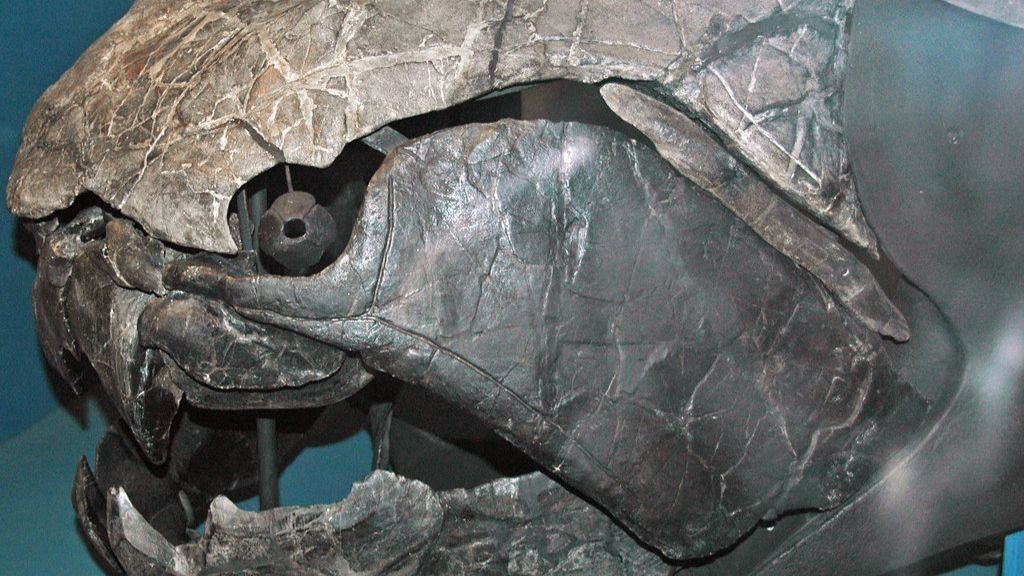
Fast forward to the Devonian Period, sometimes called the Age of Fishes, and you meet Dunkleosteus, a creature that makes sharks look almost polite. This massive armored fish lived roughly three hundred and eighty million years ago and could grow longer than a small car. Its head and front body were wrapped in thick bony plates, giving it the appearance of a swimming tank with a mouth full of nightmares.
Instead of teeth, Dunkleosteus had sharp, bony jaw plates that acted like self-sharpening shears. Studies of its skull suggest that it had one of the most powerful bites of any fish that has ever lived, strong enough to crush armor and bones. It likely fed on other large armored fish and pretty much anything else unlucky enough to cross its path. In its world, this was the undisputed apex predator, ruling the oceans long before marine reptiles or giant mosasaurs ever evolved.
Dimetrodon: The Sail-Backed “Reptile” That Was Closer To Us
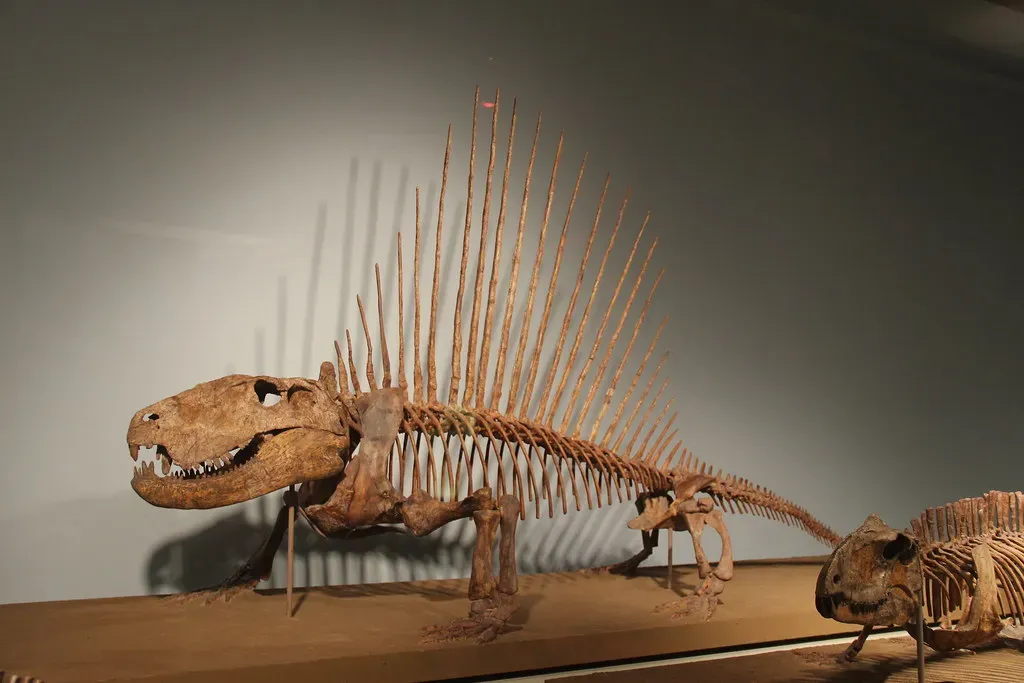
Dimetrodon is one of those animals that gets constantly mistaken for a dinosaur, but it vanished almost fifty million years before the first dinosaurs appeared. This sail-backed predator lived during the early Permian Period and roamed swampy and river-filled landscapes that looked very different from today. With its sprawling legs, long tail, and huge back sail supported by tall spines, it looked like someone had merged a lizard with a windsurfer.
Here’s the twist: Dimetrodon wasn’t a dinosaur and not even a reptile in the strict modern sense. It was a synapsid, part of the line that would eventually give rise to mammals, which puts it closer to us than to any later dinosaur. It had sharp, differently shaped teeth, which is a hint of more complex feeding strategies than many earlier animals. Dimetrodon likely ruled as a top land predator, hunting anything it could overpower in the hot, seasonal climates of early Pangea.
Gorgonopsians: Sabre-Toothed Assassins Of The Permian
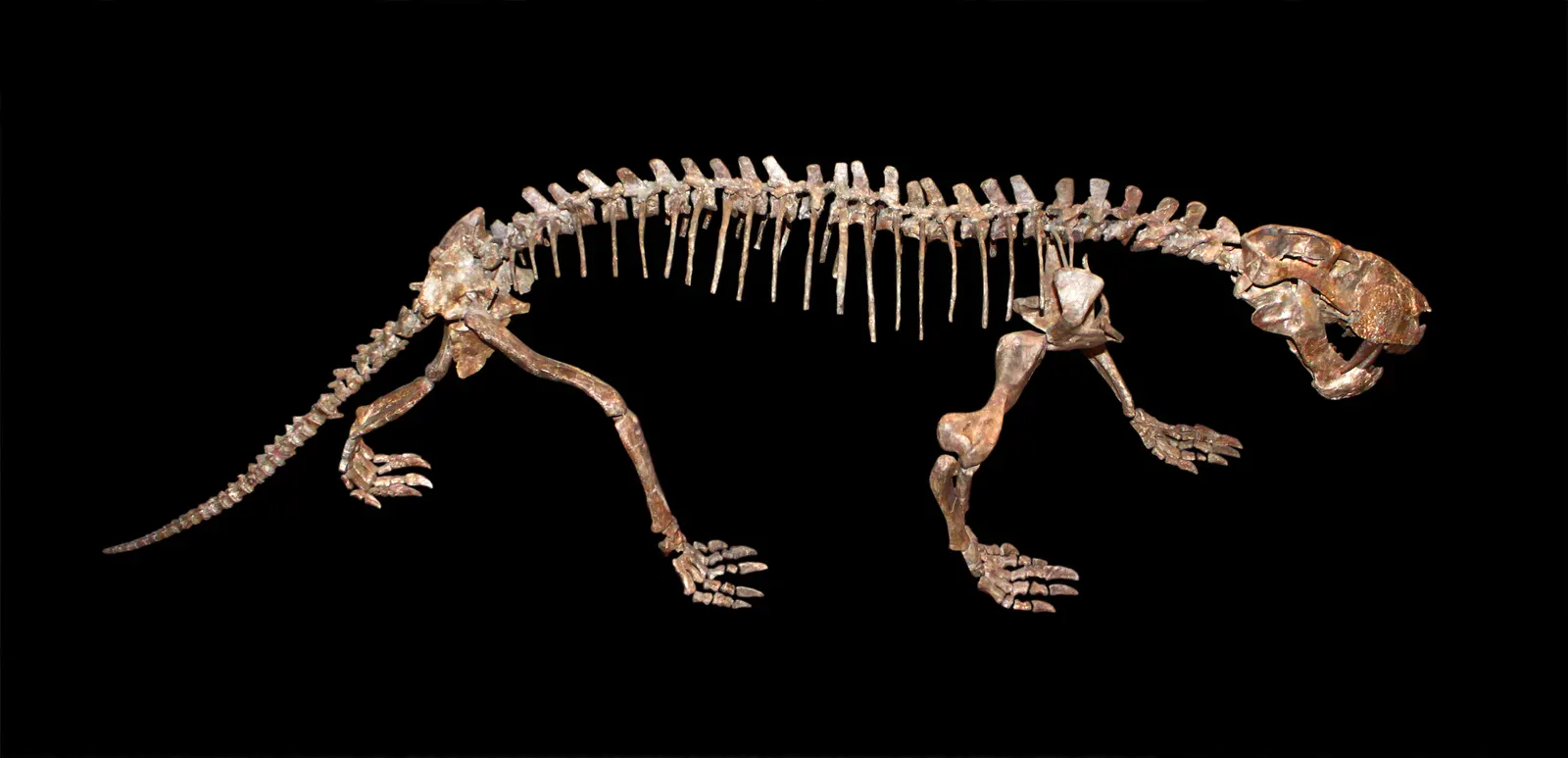
As the Permian Period moved toward its catastrophic end, another group of synapsids stepped into the spotlight: the gorgonopsians. These animals were lean, muscular predators with long skulls and dramatic saber-like canine teeth. They lived roughly two hundred and sixty to two hundred and fifty million years ago and hunted in environments where early forests, deserts, and river systems stretched across the supercontinent.
Gorgonopsians probably used their large fangs to deliver deep, disabling bites to their prey, which included hefty plant-eating synapsids and reptile-like creatures. Some species were dog-sized, while others reached the size of a large wolf or even bigger. When you picture them, think of a mash-up between a big cat, a reptile, and a wolf, with the attitude of something that knew it was at the top of the food chain. Their sudden disappearance during the mass extinction at the end of the Permian cleared the stage for entirely new groups to evolve later.
Dicynodonts: Tusks, Beaks, And The Rise Of The Plant-Eaters
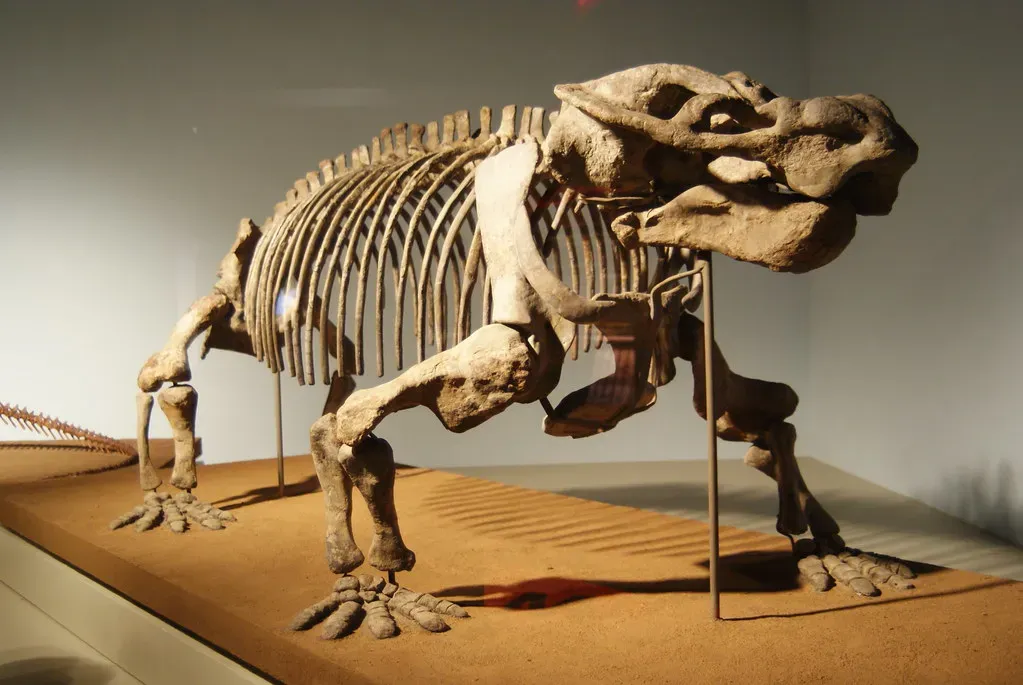
Not all pre-dinosaur rulers were fierce carnivores. Dicynodonts were a hugely successful group of herbivorous synapsids that dominated land ecosystems in the late Permian. They had beak-like mouths, often paired with small tusks, and many had sturdy, barrel-shaped bodies built for processing tough plants. Their skulls look strange to modern eyes, but they were incredibly well adapted to the food sources of their time.
Dicynodonts were also remarkably resilient. While many lineages died out during the massive extinction at the end of the Permian, some dicynodonts survived and continued into the early age of dinosaurs. At their peak, they ranged from small, dog-sized plant nibblers to bulky, cow-sized grazers, filling ecological roles similar to modern herbivorous mammals. In terms of sheer numbers and spread across the globe, they were among the true rulers of pre-dinosaur Earth.
Pareiasaurs: The Armored Herbivores That Time Forgot
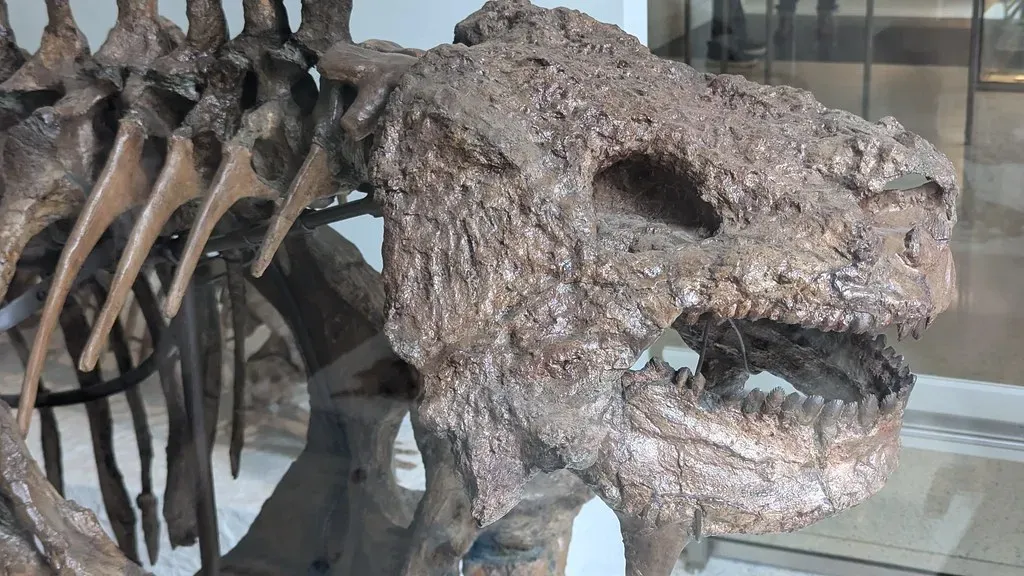
Pareiasaurs were another group of heavyweight plant-eaters that thrived during the middle and late Permian. These animals looked a bit like oversized, armored iguanas mixed with bulldogs, with thick bodies, strong legs, and knobby, bony growths on their skin and skulls. Some species were as large as modern cows, lumbering through forests and floodplains in what is now Africa, Russia, China, and other parts of the ancient supercontinent.
Those bony studs and plates may have helped protect them from large predators like gorgonopsians, or they may also have played a role in display and recognition within their own species. Pareiasaurs were important ecosystem engineers, shaping vegetation and soils through their constant feeding and movement. When they vanished at the end of the Permian, entire food webs had to reorganize around new kinds of large plant-eaters. Their legacy is a reminder that for long stretches of time, the big, slow herbivores that quietly eat the world can be just as dominant as the flashy predators.
Forgotten Empires Beneath Dinosaur Footsteps
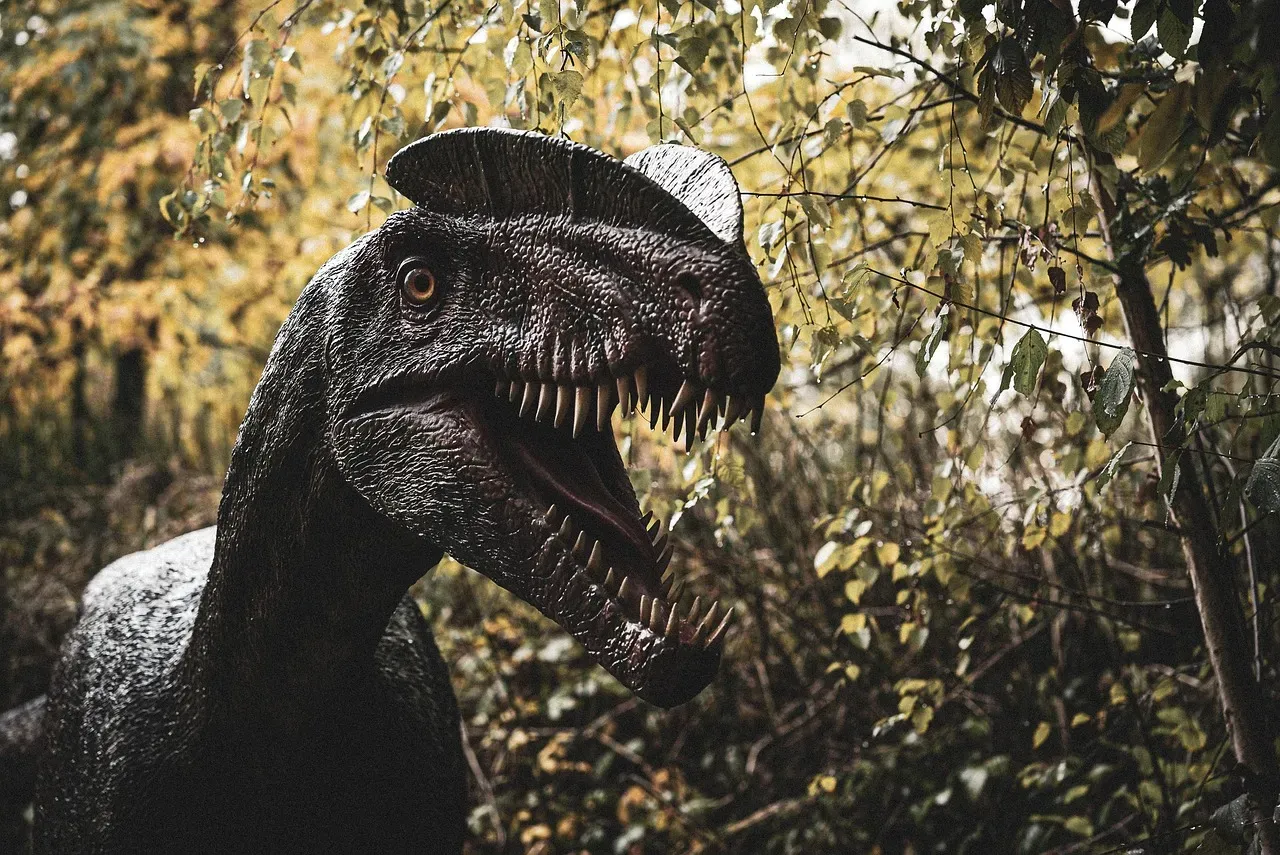
By the time dinosaurs ever set foot on Earth, the planet had already survived exploding innovations, towering predators, and at least one global catastrophe that wiped out most existing life. Trilobites had come and gone, Cambrian hunters had ruled the seas, armored fishes like Dunkleosteus had bitten their way to the top, and synapsid lineages like Dimetrodon, gorgonopsians, dicynodonts, and pareiasaurs had already tried their own versions of world domination. Dinosaurs, in a sense, inherited a world that had been built, destroyed, and rebuilt many times over.
When we picture deep time, it’s easy to let dinosaurs hog the spotlight, but they are only one act in a much longer play. The animals that ruled before them were stranger, older, and in some ways even more experimental, testing out body plans and lifestyles that would echo through evolution for ages. Next time you see a dinosaur skeleton, it might be worth asking yourself what forgotten empires it’s quietly standing on top of. Which of these ancient rulers surprised you the most?