
Long before modern skyscrapers and 3D printers, ancient builders were carving mountains, moving stones heavier than jumbo jets, and aligning cities with the stars so precisely that today’s experts still argue over how it was even possible. We dig up their ruins, run laser scans, fly drones overhead, and yet a lot of what they did still feels like a magic trick we can’t quite explain. It’s a little unsettling to realise that some of the smartest engineering on Earth was done by people whose names we don’t even know.
What makes these forgotten civilizations so gripping isn’t just the scale of their buildings, but how much of the story is missing. We’re left staring at kilometer‑long lines carved in the desert, perfect stone joints that a credit card can’t slide into, and underground cities that feel more like sci‑fi bunkers than ancient refuges. As new tools like ground‑penetrating radar and satellite imaging reveal more every year, the mystery grows, not shrinks. The more we uncover, the more obvious it becomes: in some ways, the ancient world was much stranger and more advanced than we like to admit.
The Enigma of Göbekli Tepe: Stone Circles Older Than History
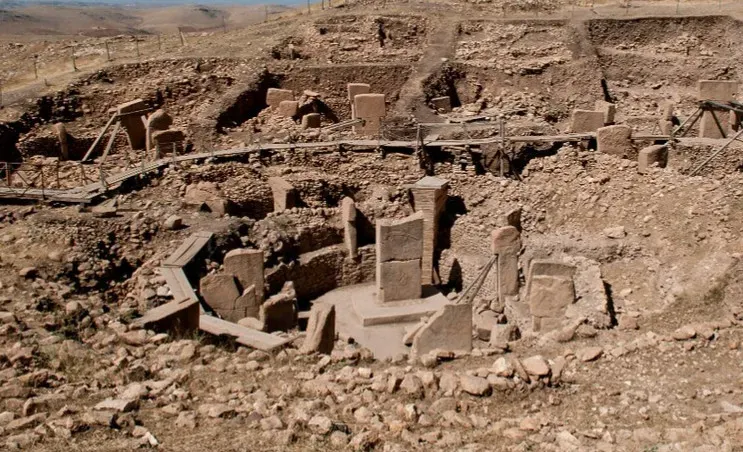
Imagine a sprawling temple complex built thousands of years before the pyramids, by people who didn’t know pottery, metal, or writing. That’s Göbekli Tepe in modern‑day Türkiye, a site that has forced archaeologists to rewrite the story of how civilization even began. Massive T‑shaped stone pillars, some over five meters tall and weighing tons, were carved with animals, abstract symbols, and eerie human‑like forms that hint at a complex belief system.
The shock isn’t just the age, but the sophistication. For a long time, experts believed that organized religion and big monuments emerged only after farming settled people into permanent villages. Göbekli Tepe flips that script, suggesting that shared spiritual or ritual spaces came first, and agriculture followed as a way to support those gatherings. Even stranger, the builders later buried the entire complex under layers of earth, almost like they wanted to hide or preserve it. No one knows exactly why they did this, and that single unanswered question turns each new excavation into something that feels less like a dig and more like peeling back a conspiracy hidden in the soil.
Nabta Playa: A Stone Calendar in the Sahara’s Forgotten Lakes
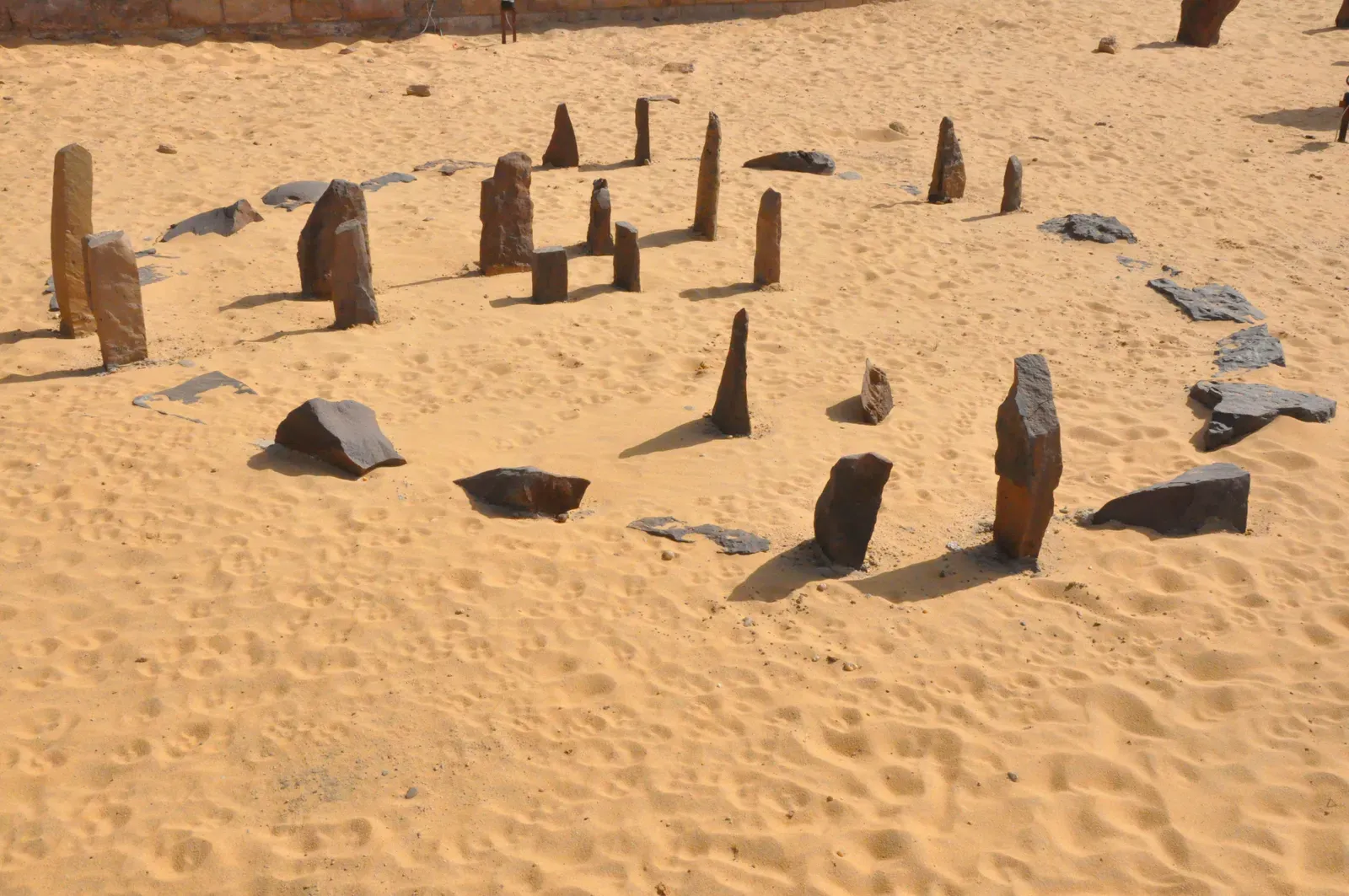
Far out in what is now harsh Sahara desert, there once was a landscape of lakes, grasslands, and roaming herds. In that long‑vanished world, an early African society set up standing stones at Nabta Playa, in southern Egypt, that seem to chart the movements of the sun and stars. Some researchers see it as one of the earliest known astronomical observatories, built by people who were likely semi‑nomadic cattle herders, not urban elites.
What puzzles experts is the level of celestial awareness implied by the arrangement. The pattern of stones appears to align with the summer solstice and possibly with bright stars that would have mattered for tracking seasons and rainfall cycles. Considering its age, that’s an extraordinary level of planning from a community without writing or monumental architecture in the usual sense. The site hints that scientific thinking – observing patterns, predicting cycles, planning for the future – was already alive in places and people we usually skip over in history books. In a twist of irony, a culture that read the sky so closely is now half‑erased by the desert that swallowed its lakes.
The Nazca Lines: Messages to Gods or Runways of the Imagination?
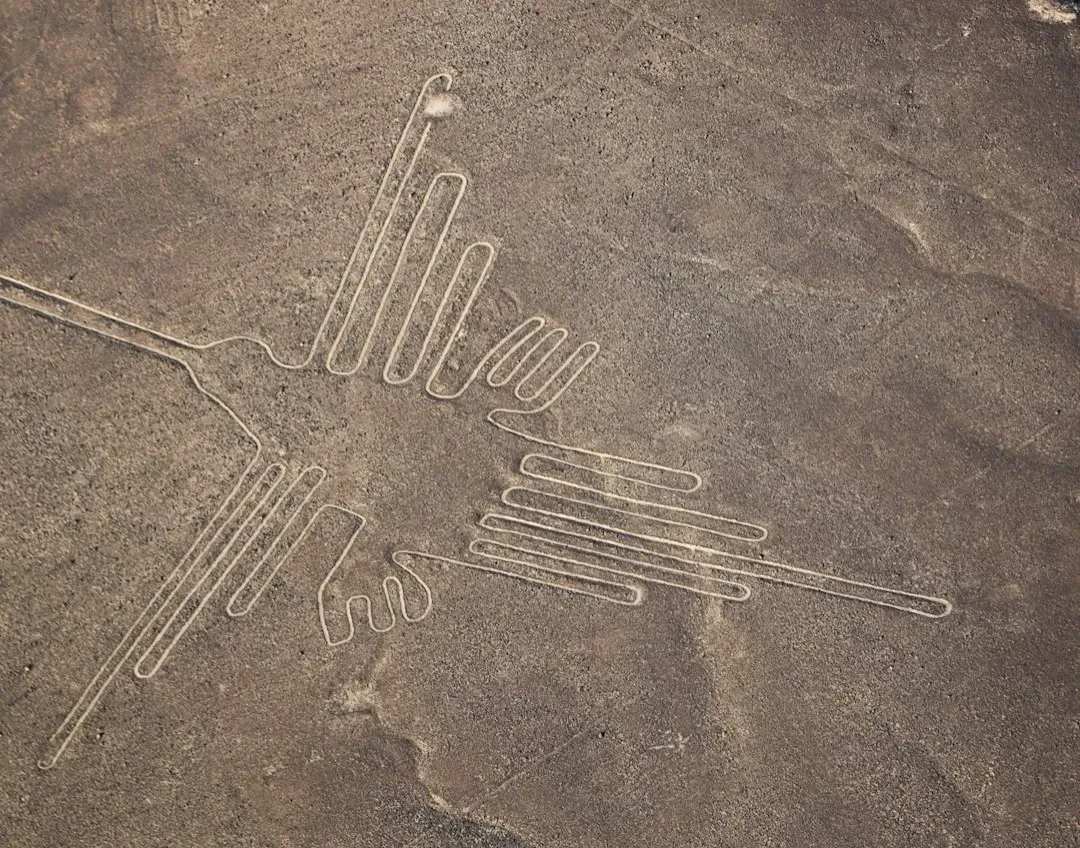
Scattered across a dry plateau in southern Peru lie giant drawings etched into the earth: hummingbirds, monkeys, spiders, and long, ruler‑straight lines stretching over kilometers. These Nazca Lines are so big that you really see them only from the air, which is exactly why they’ve attracted every theory under the sun, from ritual pathways to outlandish talk of ancient landing strips. What’s undeniable is that they were made by people without drones, satellites, or even simple planes, yet the proportions and straightness are remarkably precise.
Most scholars today lean toward the lines being part of religious or water‑related ceremonies, possibly serving as processional routes, with animals and shapes linked to deities or natural forces. The Nazca people carefully removed the dark surface stones to reveal the lighter soil beneath, using simple tools and an eye for geometry that rivals modern surveyors. The real puzzle is why they devoted so much effort to something they could never properly see from ground level. There’s something oddly moving about that idea: entire communities spending countless hours creating art meant more for gods or the cosmos than for human audiences, like writing a love letter you know you’ll never read back.
Puma Punku and Tiwanaku: Precision Stonework at the Roof of the World
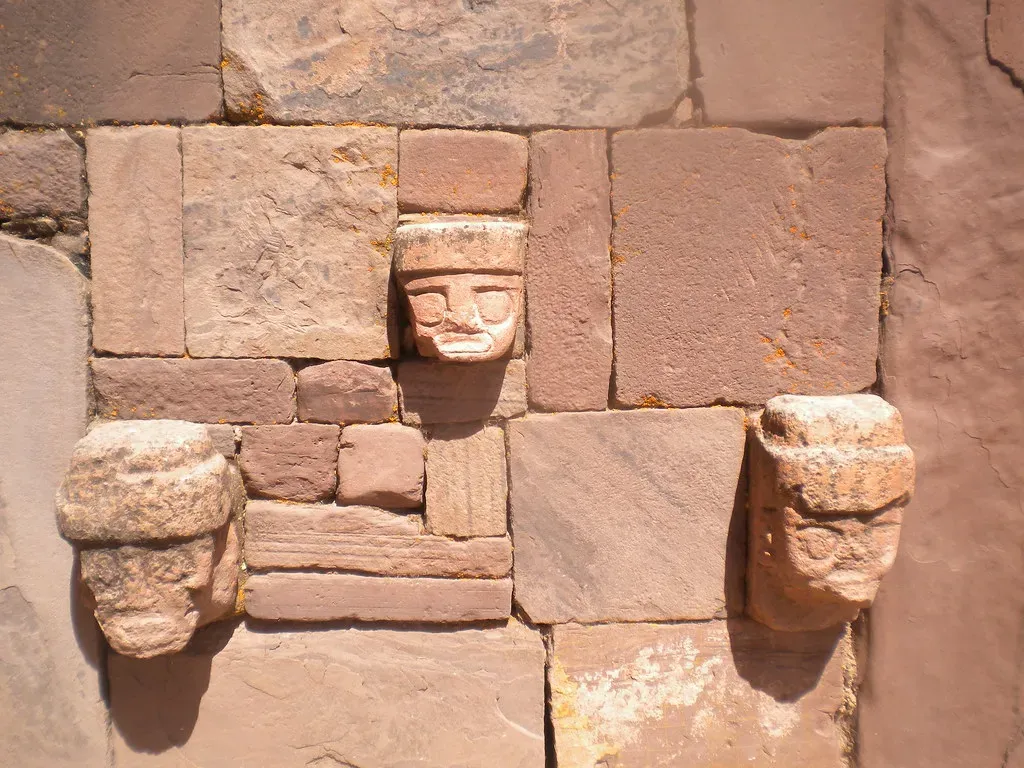
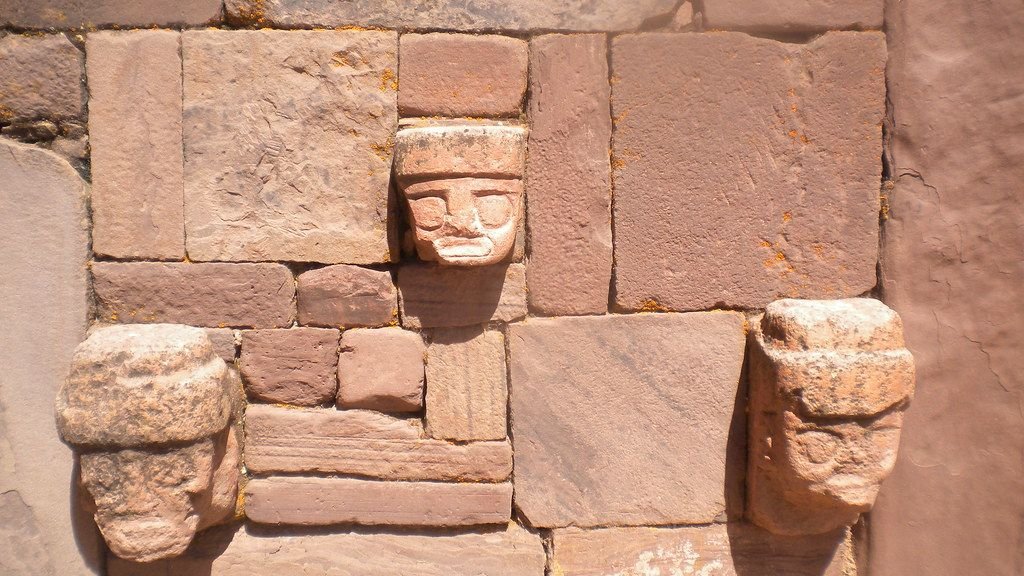
Near the shores of Lake Titicaca in Bolivia, the ruins of Tiwanaku and its puzzling annex, Puma Punku, sit quietly in the thin Andean air. At first glance, it’s a jumble of stones; at second glance, it’s a workshop of impossibly clean cuts and sharp‑edged blocks that look almost machined. Some stones are carved into interlocking H‑shapes with right angles and grooves that slot together like a three‑dimensional puzzle. The sheer precision, using nothing but stone and metal tools, keeps engineers and archaeologists debating how these builders planned and executed their designs.
The Tiwanaku civilization, which flourished many centuries before the Inca, created an urban and ceremonial center with complex canals, sun‑aligned gates, and monumental terraces. At Puma Punku, some blocks weigh dozens of tons, hauled from quarries kilometers away at high altitude, which alone is a logistical headache by any standard. While wild fringe claims often drown out serious research, the real story is already spectacular enough: a high‑altitude society mastering geometry, urban planning, and stonework that still challenges modern reconstruction efforts. Standing among those sharp‑cornered ruins, it’s hard not to feel like we’re missing the instruction manual to a giant stone machine.
The Indus Valley Cities: Perfectly Planned, Mysteriously Silent
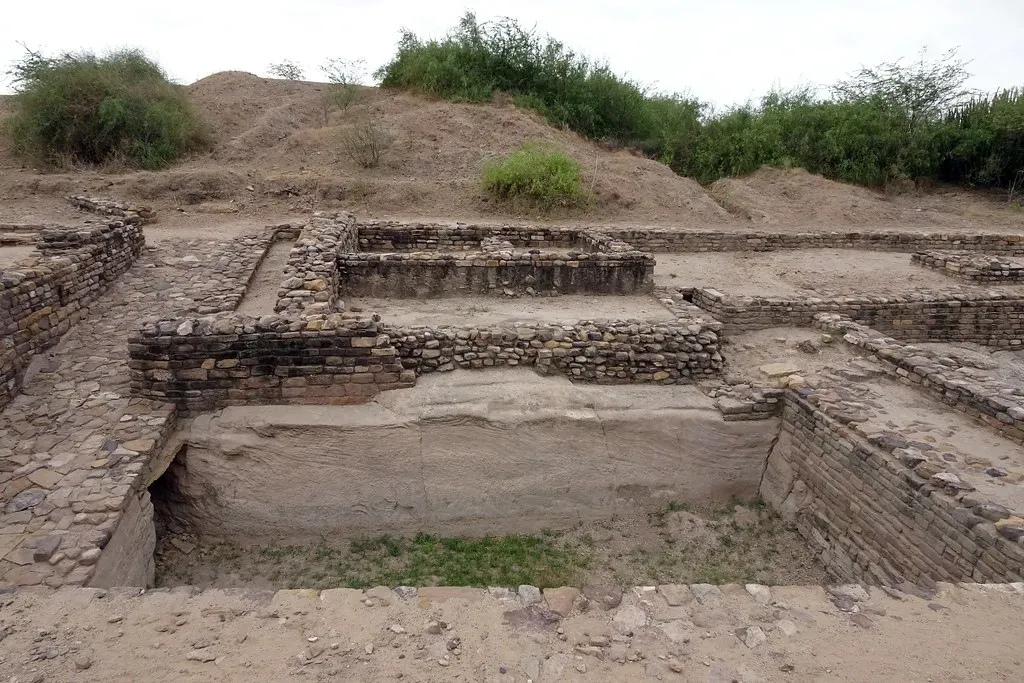
In what is now Pakistan and northwest India, the Indus Valley Civilization built cities that feel startlingly modern in their layout. Places like Mohenjo‑daro and Harappa had grid‑pattern streets, standardized brick sizes, sophisticated drainage, and what might be some of the earliest urban sanitation systems. While other societies were still figuring out how to stack stones into walls, these people were designing neighborhoods with public baths, wells, and covered sewers that put many later cities to shame.
The most haunting part is their silence. They left behind small inscribed seals with symbols that look like a script, but so far no one has definitively cracked their writing. That means we know almost nothing for sure about their kings, their myths, or even what they called themselves. Their civilization eventually faded, possibly under the pressure of environmental shifts, changing rivers, or gradual social change, and their story became a blank chapter in human history. We walk down their excavated streets, see evidence of their order and care, and yet their voices never quite reach us, like a beautifully built city with all the signs removed.
Derinkuyu and the Underground Cities of Cappadocia
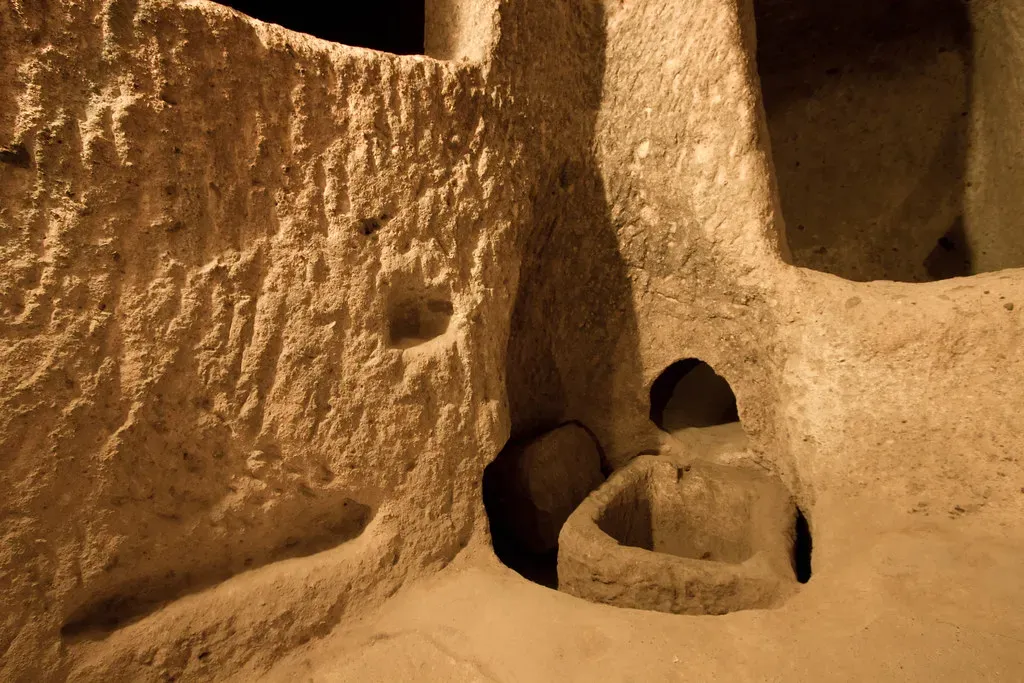
In central Türkiye, beneath an otherworldly landscape of rock spires and soft volcanic cliffs, entire underground cities lie hidden. Derinkuyu is the most famous: a vast multilevel complex carved straight into the rock, plunging many stories below the surface. It has ventilation shafts, stables, kitchens, churches, wine presses, and sliding stone doors that could seal off sections like a fortress. At its height, it may have sheltered thousands of people, animals included, from invasions or other threats above.
What makes Derinkuyu and its neighboring underground cities so unsettling is how carefully they were engineered to keep life going in the dark. The air circulation is surprisingly effective, water access was built in, and the layout suggests communities that knew they might have to disappear underground for long stretches of time. Archaeologists still argue about how early these cities began and how they evolved, but everyone agrees they required intense coordination and shared purpose. Walking through those tunnels today feels like stepping into the mind of a civilization that anticipated crisis as a permanent condition and responded by digging into the earth rather than building higher toward the sky.
Nan Madol: A Lost City Floating on the Pacific
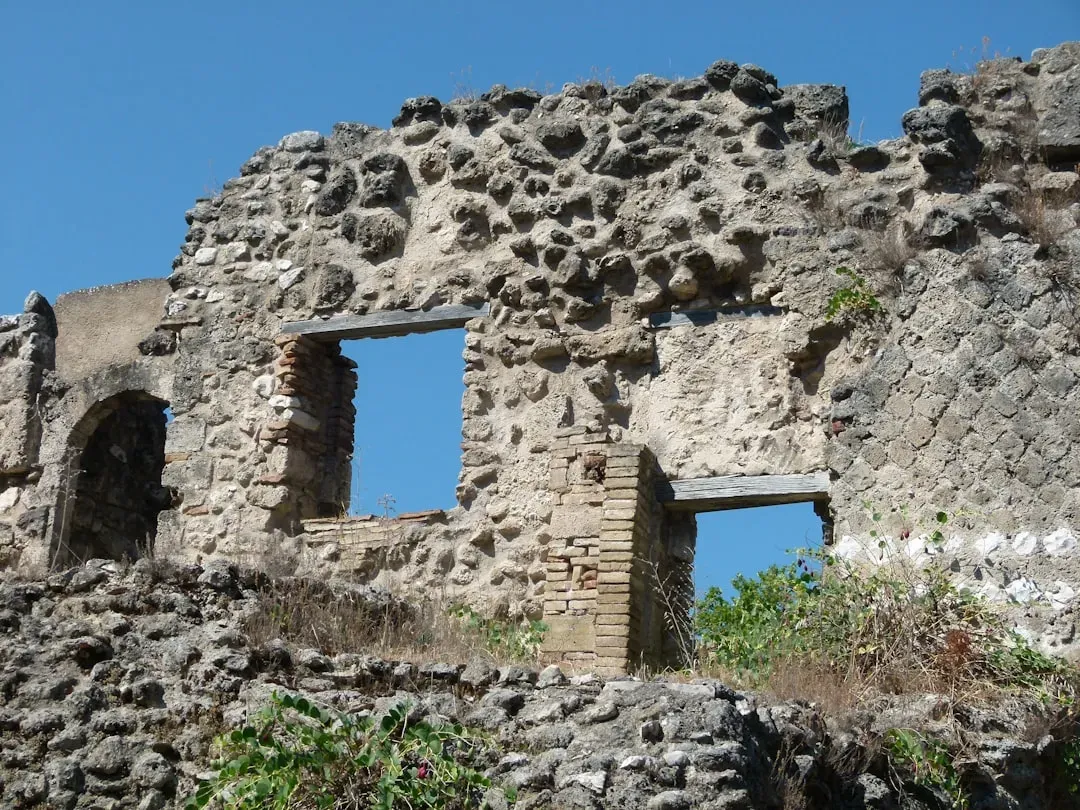
Off the coast of Pohnpei in Micronesia, Nan Madol sits like something out of a dream: a network of artificial islets built on a coral reef, laced with canals, and lined with stacked basalt columns that look eerily like man‑made logs of stone. This was once a ceremonial and political center for the Saudeleur dynasty, but even today, hauling those massive basalt prisms across water and then balancing them into walls would be a serious engineering challenge. The site has been called a kind of Venice of the Pacific, but that label undersells how strange and isolated it really is.
The builders used no mortar, relying on the weight and fit of the stone to stabilize their platforms and walls, all in an area vulnerable to storms and the restless Pacific. Oral traditions and archaeological evidence suggest a complex hierarchy and ritual life centered on this watery city, but no clear written history survives to walk us through the details. Modern researchers still debate exactly how they transported the heaviest stones from distant quarries over ocean shallows. Standing among those dark basalt walls, with waves pushing at the edges of the ruins, you get the chilling sense of a civilization daring the sea to erase it – and the sea, slowly but surely, taking up the challenge.
The Ancient World Was Never Simple
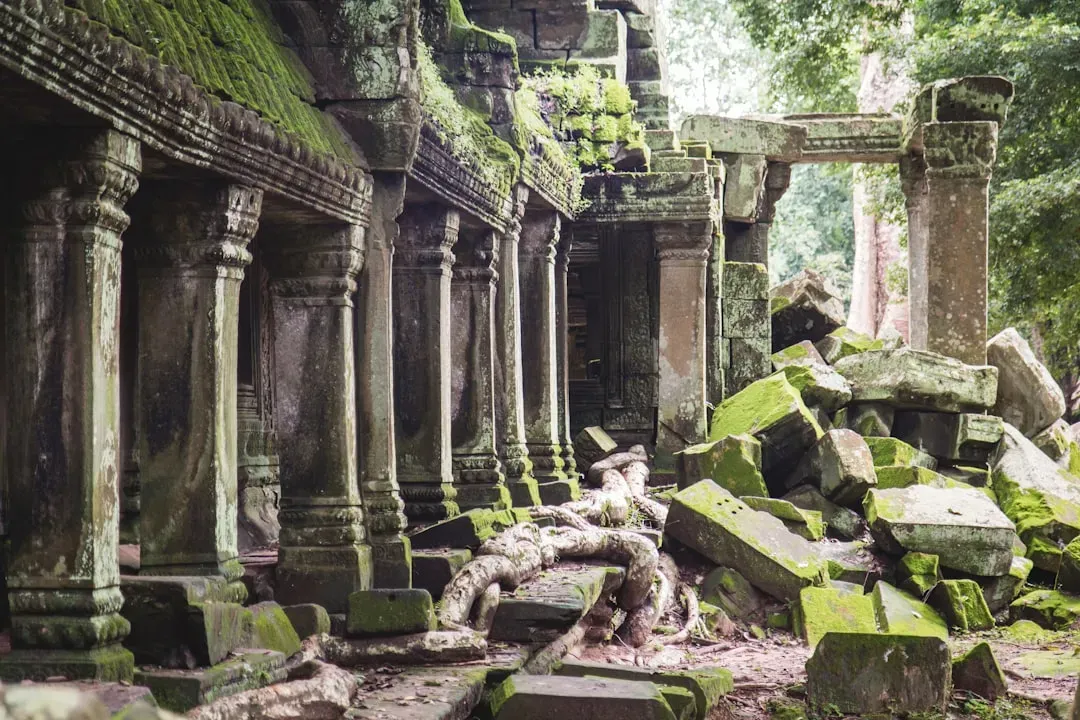
Across continents and millennia, these forgotten or half‑remembered civilizations built in ways that still leave scientists scratching their heads. Whether it’s aligning stones with stars, weaving cities beneath the earth, or raising impossible rock platforms in the middle of the ocean, they show a mix of creativity, grit, and problem‑solving that cuts straight through lazy stereotypes about “primitive” people. We may carry smartphones, but they moved mountains with rope, muscle, and a stubborn refusal to accept the limits of their tools.
What ties all these wonders together is the uncomfortable truth that human history is full of gaps, and some of our biggest assumptions rest on stories written by only a handful of cultures that happened to leave more records. Every time radar finds a buried temple, or a script like the Indus symbols edges closer to being understood, another piece of that bigger, messier puzzle drops into place. Maybe the real marvel isn’t any single temple or stone circle, but the fact that people, everywhere and always, have looked at their world and decided to reshape it in ambitious, baffling ways. Which of these ancient mysteries changed your picture of the past the most?