
Every night, your brain quietly pulls you into strange stories: flying over cities you’ve never seen, talking to people you haven’t met in years, reliving moments you thought you’d forgotten. It can feel random, mystical, or even a little spooky. But behind those wild scenes is a very real, very physical process unfolding in your sleeping brain.
Dreams aren’t just background noise or leftover thoughts from your day. Neuroscientists now see them as deeply tied to how we process emotions, build memories, and even rehearse for the future. Once you look under the hood, dreams stop being just weird nighttime movies and start to look more like a secret training ground your brain enters every single night.
The Night Stages Your Brain Moves Through

Have you ever noticed how some dreams feel cinematic and emotional, while others are vague and fragmented? That’s because your brain moves through different sleep stages, and each stage shapes your dreams in its own way. Sleep cycles through light sleep, deeper slow-wave sleep, and rapid eye movement (REM) sleep roughly every hour and a half, looping several times through the night.
During REM sleep, your eyes flicker under closed lids, your breathing becomes irregular, and your brain activity looks surprisingly similar to when you’re awake. This is when the most vivid, story-like dreams tend to appear. Earlier in the night, in deeper non-REM sleep, dreams may be shorter, more thought-like, and less emotional, almost like rough sketches compared to the full-color film of REM.
The Brain Regions Crafting Your Dream Worlds
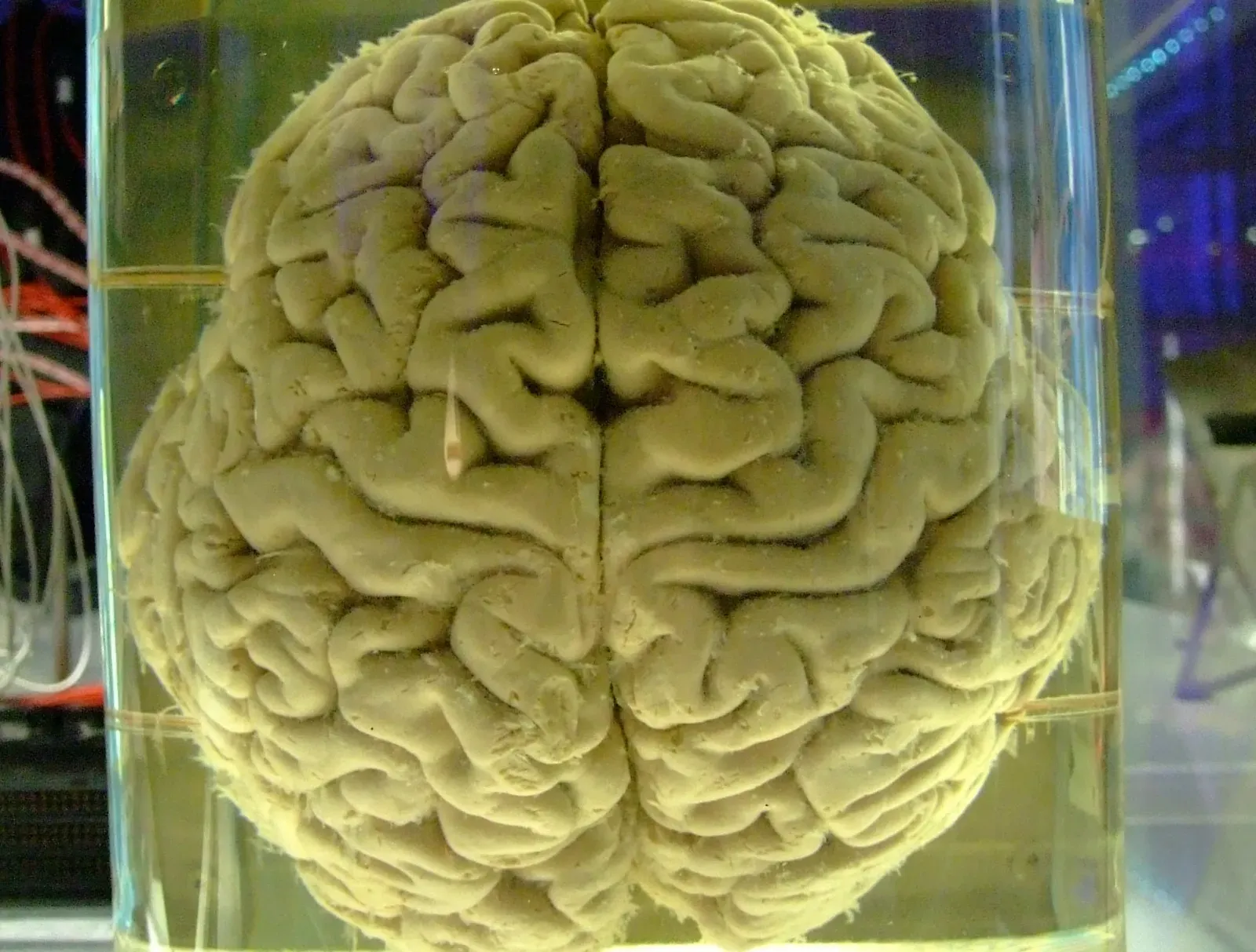
If you could peek into your brain while you dream, you’d see a strange pattern: some regions light up like a festival, others go dark. Areas involved in emotion, like parts of the limbic system, become highly active, which helps explain why dreams can feel so intense, dramatic, or unsettling. Visual centers in the back of the brain also switch on, building the images, colors, and movement that fill your dream scenes.
At the same time, regions involved in rational thinking and self-control, especially parts of the prefrontal cortex, quiet down. That’s why your dream logic feels off: you can accept impossible things without questioning them, like breathing underwater or suddenly teleporting. The brain systems that normally say, “Wait, that makes no sense,” are temporarily dialed down, letting your imagination run without supervision.
Why Dreams Feel So Emotional and Strange

One of the most surprising things scientists have learned is how deeply dreams are connected to emotion, especially fear, stress, and unresolved feelings. When you go to sleep after a tough day, your dreams may crank up the emotional volume, turning subtle worries into dramatic scenarios. It can feel exaggerated, but your brain is basically replaying and reshaping emotional memories in a safer, offline mode.
Because logic circuits are quieter and emotion circuits louder, dreams often mix people, places, and events in bizarre ways that still carry a feeling that’s familiar. You might not dream the exact argument you had, but you might find yourself lost in a chaotic building or trying desperately to catch a train that keeps pulling away. The story looks strange, but the emotional message is strangely accurate.
Memories, Learning, and the “Housekeeping” Role of Dreams

Researchers studying sleep and memory have found that your brain doesn’t just pause at night; it gets busy sorting through the day’s experiences. During both non-REM and REM sleep, your brain replays patterns of activity, almost like re-watching key moments on fast-forward. This replay seems to strengthen important memories and weaken or discard what’s less useful, a bit like clearing your phone storage but keeping your favorite photos.
Dreams may be the conscious side-effect of that invisible sorting work. When you dream about studying for an exam, practicing a sport, or reliving a conversation, your brain is likely consolidating what you learned and stitching it into your existing memory network. That’s one reason people who sleep well after learning something new often remember it better than those who stay up all night trying to cram.
Nightmares, Anxiety, and Your Brain on Overdrive

Nightmares can feel like your brain has turned against you, especially when they become frequent or intense. But from a scientific angle, even the scariest dreams come from familiar neural systems, particularly those tracking threat and fear. When stress and anxiety are high, those circuits may stay more activated during sleep, leading to more threatening or repetitive dream themes like being chased, falling, or losing control.
Some researchers think nightmares are your brain’s attempt to rehearse dangerous situations in a safe, simulated space, like an emotional drill. The trouble is that when the rehearsal becomes too extreme or too frequent, especially after trauma, it can backfire and disturb your sleep instead of helping. Therapies that gently rewrite nightmares or change how you respond to them show that even these terrifying dreams are still part of a flexible brain system, not a punishment or curse.
Do Dreams Predict the Future or Reveal Hidden Truths?

Many people have had the eerie feeling that a dream came true, or that a dream exposed something they didn’t want to admit while awake. From a strict scientific perspective, dreams aren’t thought to literally predict the future. Instead, your brain is constantly picking up on small cues, patterns, and possibilities you might not consciously notice, then weaving them into dream stories that occasionally line up with what happens later.
Dreams can reveal what’s sitting below the surface of your awareness: fears you’re downplaying, desires you’re hesitant to act on, or decisions you’re avoiding. They’re not magical prophecies, but they can be meaningful reflections. When a dream keeps repeating, or hits you with a feeling that lingers all day, that’s often a sign your brain is working hard on something you haven’t fully looked at while awake.
Can You Control or Change Your Dreams?

Some people regularly experience lucid dreams, where they realize they’re dreaming while still inside the dream. Brain scans suggest that, in these moments, parts of the prefrontal cortex briefly wake up inside REM sleep, bringing back a bit of self-awareness and critical thinking. This can let you change the dream, confront a fear, or simply explore the strange world your brain has built with a little more control.
Practices like keeping a dream journal, doing reality checks during the day, and gently rehearsing new dream endings before bed can increase the chances of lucidity or at least shift the tone of recurring dreams. You probably won’t turn every nightmare into a superhero adventure, but even small changes in how you relate to your dreams can reduce fear and increase curiosity. It turns the night from something that just happens to you into something you’re quietly collaborating with.
What Dreams Might Be Doing for Your Life

When you zoom out, a pattern starts to appear: dreams seem to sit at the crossroads of memory, emotion, creativity, and problem-solving. They remix your daily experiences into new combinations, which sometimes leads to fresh insights or surprising ideas that pop into your head in the morning. Many people notice that sleeping on a problem helps, and dreaming may be one of the hidden reasons why.
Even if you rarely remember your dreams, your brain is still running these nightly journeys, adjusting emotional intensity, tidying memories, and testing out possible futures. In a world that rewards constant busyness, the quiet work of dreaming is easy to dismiss as strange or useless. Yet your dreaming brain is working for you, every night, trying to help you make sense of your life in ways your waking mind could never quite manage on its own.