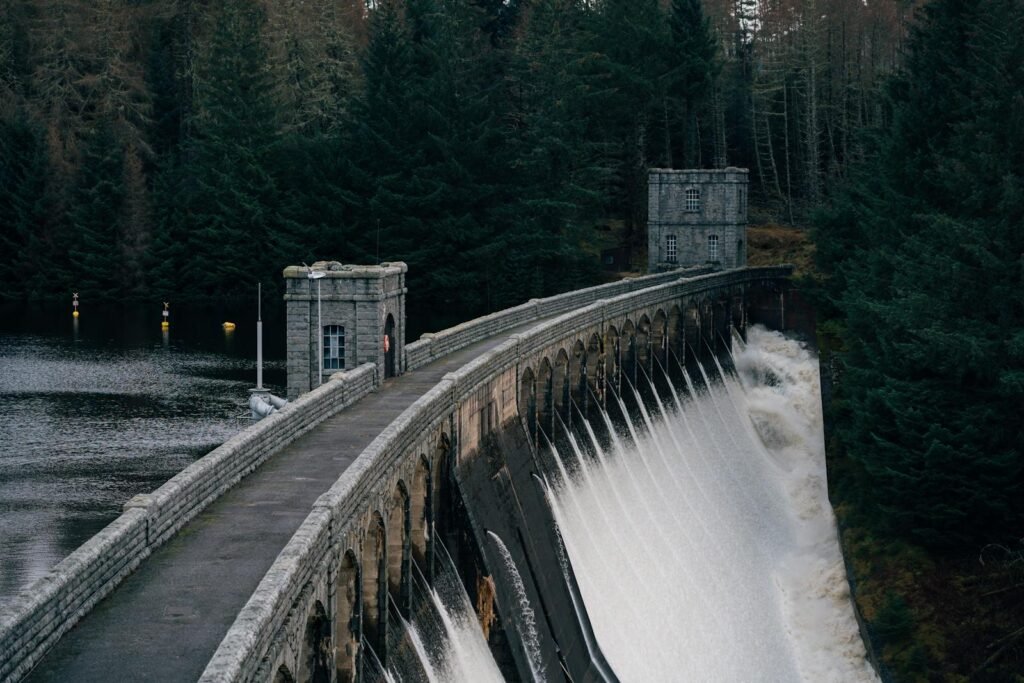

Ever get the feeling that the more we learn about our planet, the more questions pile up? For all the technological advances and research breakthroughs we’ve made, Mother Nature still keeps some of her most intriguing secrets locked away. There are moments when scientists scratch their heads, stare at the data, and admit they just don’t have all the answers yet. It’s humbling, honestly. These mysteries remind us that despite our sophisticated instruments and clever theories, the natural world can still surprise us in ways we never anticipated. Let’s dive into five phenomena that continue to baffle even the brightest minds in science.
Ball Lightning: The Floating Orb That Shouldn’t Exist
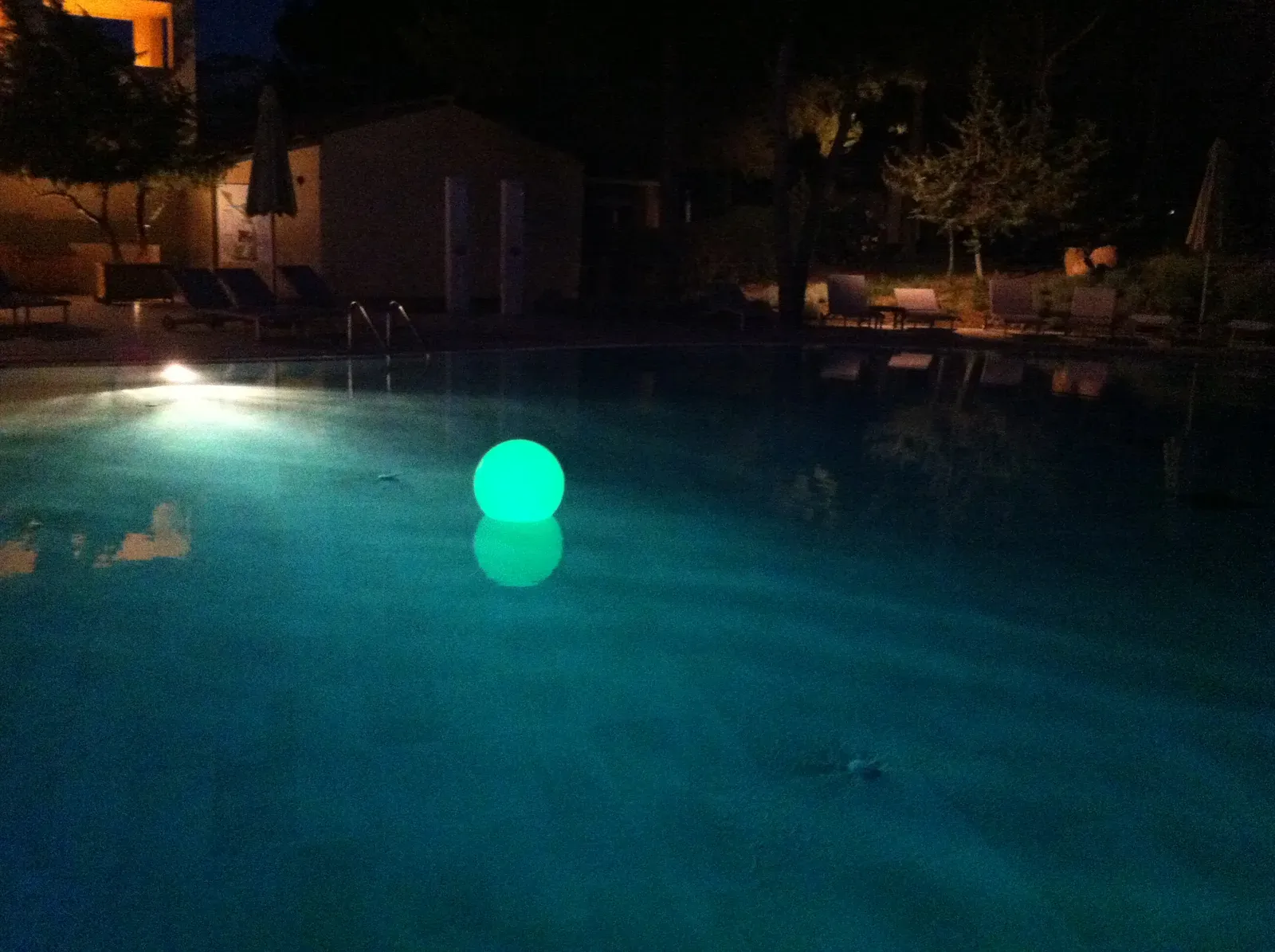
Picture this: you’re standing outside during a storm when suddenly a glowing sphere of electricity appears, floating eerily across the sky like something from a science fiction movie. Ball lightning has puzzled scientists for centuries, with witnesses describing it as a floating orb of light varying in size from a golf ball to a beach ball, sometimes accompanied by a hissing noise. The really frustrating part? It’s wildly unpredictable.
Its unpredictable nature makes it difficult to study, yet ball lightning has been sporadically documented throughout history and remains scientifically unexplained. Scientists have proposed various theories involving plasma, microwave radiation, and even tiny black holes, yet none have been proven conclusively. The phenomenon appears and vanishes so quickly that capturing it on film or measuring it in real time feels nearly impossible.
The Taos Hum: A Sound Only Some Can Hear

There is no agreement among the scientific community about why about two percent of people hear a low-frequency hum in the small town of Taos, New Mexico, and its surroundings since the 1990s. Imagine hearing a persistent, droning noise that no one else around you can detect. It would drive you mad, wouldn’t it?
The explanations for the mystery range from plain boring such as tinnitus to amusingly creative, like secret government mind control experiments. Some researchers think it might be related to seismic activity or electromagnetic signals, while others wonder if it’s a physiological quirk affecting only certain individuals. The truth is, nobody really knows for sure. What makes it stranger is that similar hums have been reported in other locations around the world, suggesting this isn’t just a Taos-specific oddity.
Hessdalen Lights: Norway’s Unexplained Sky Show

In the remote valley of Hessdalen, Norway, mysterious lights dance across the sky, captivating locals and scientists alike as floating orbs of light changing colors and intensity. Unlike fleeting phenomena that appear once in a blue moon, these lights show up with surprising regularity. The Hessdalen Lights are relatively frequent with sightings recorded several times a year, and despite numerous studies including electromagnetic and spectroscopic analysis their origin remains elusive.
Some researchers speculate that the lights result from ionized gas or plasma interacting with atmospheric elements, but no definitive explanation has been established. The fact that scientists have set up monitoring equipment and still can’t crack the code makes this all the more intriguing. It’s one of those rare cases where the phenomenon is accessible enough to study yet stubborn enough to resist explanation.
Mass Whale Strandings: The Ocean’s Heartbreaking Mystery

Mass whale strandings occur when large numbers of whales strand themselves on land and are unable to return to the water, then perish mainly as a result of dehydration or suffocation under their enormous weight. It’s absolutely heartbreaking to witness. These magnificent creatures, perfectly adapted to ocean life, suddenly beach themselves in groups.
Whale strandings are fairly frequent, usually occurring along the coasts of Australia and New Zealand, with scientists proposing theories such as navigation errors due to geomagnetic disturbances or hunting endeavors gone awry. Another possibility is that numerous creatures unintentionally beach themselves by following the distress calls of a single troubled whale, yet with multiple complex factors at play a single definitive cause remains elusive. Some evidence points toward sonar interference from naval exercises, but that doesn’t explain every incident. The reality is probably a combination of factors we haven’t fully untangled yet.
Earthquake Lights: Glowing Warnings from Below
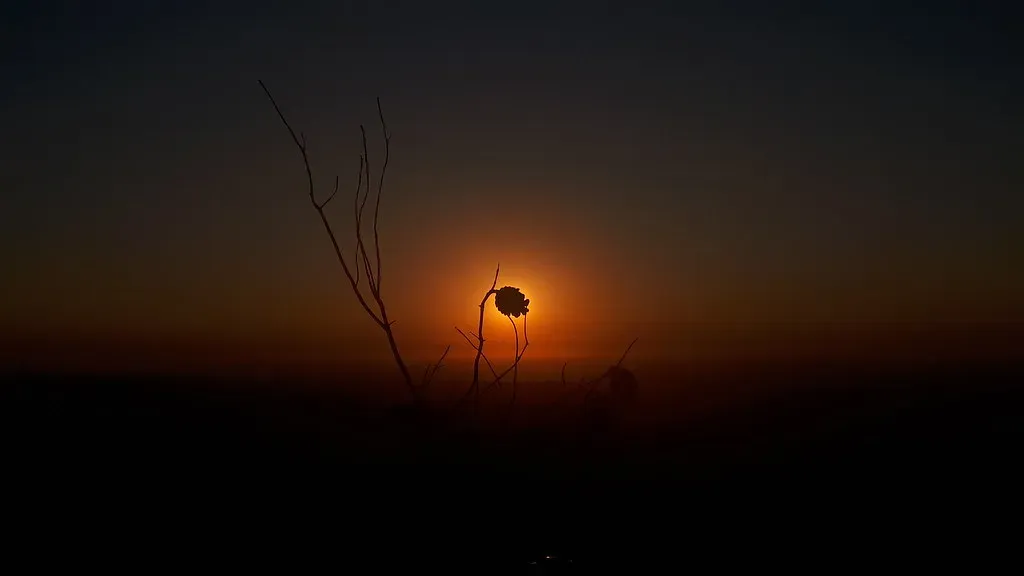
Just before the ground starts shaking, people have reported witnessing strange lights flashing in the sky known as earthquake lights, leaving geologists and physicists searching for answers. Typically appearing as blue, white, or pink glows sometimes taking the form of streaks or orbs in the sky, earthquake lights are rare and unpredictable adding to the difficulty of studying them scientifically.
Some scientists hypothesize they could be caused by electrical charges released from rocks under stress before an earthquake, but this theory fails to explain why such phenomena occur only in certain regions and not globally. If we could understand them better, maybe they’d serve as early warning systems. Sadly, their sporadic nature and the chaos surrounding earthquakes make them incredibly hard to document and analyze properly.
Conclusion
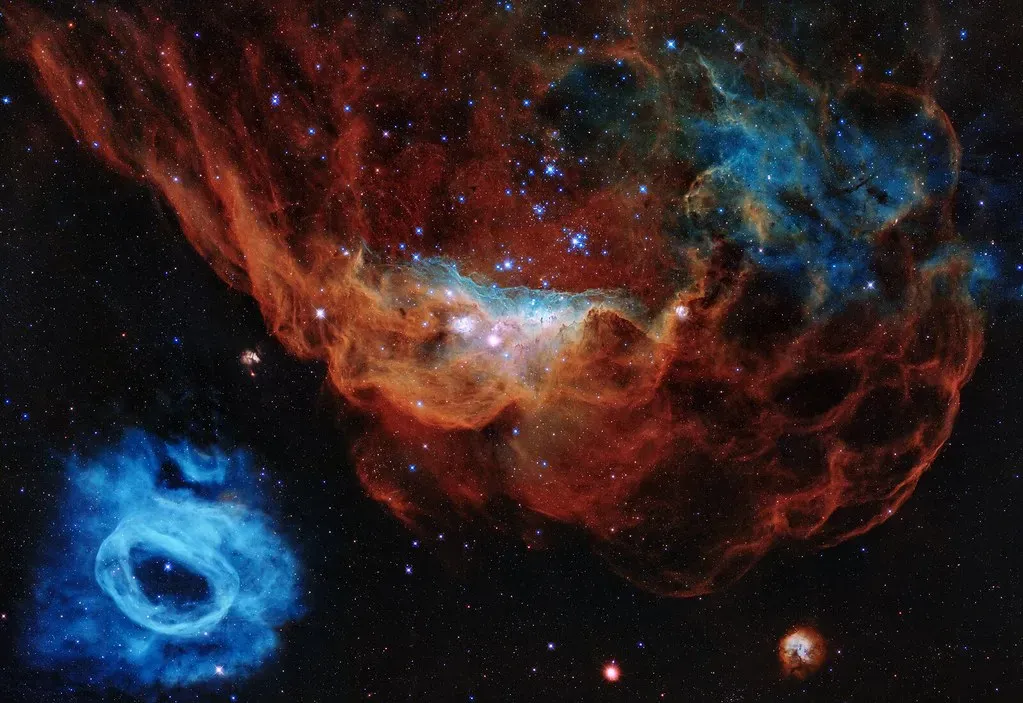
These five phenomena remind us that science is a journey, not a destination. Sure, we’ve mapped genomes and landed rovers on Mars, but we still can’t fully explain glowing orbs in Norway or why whales sometimes beach themselves en masse. It keeps things interesting, doesn’t it? Maybe that’s the beauty of it all – knowing there are still mysteries waiting to be unraveled, questions that might take generations to answer.
So what do you think? Do these unsolved puzzles fascinate you as much as they do us, or do they make you a bit uneasy knowing how much we still don’t understand?