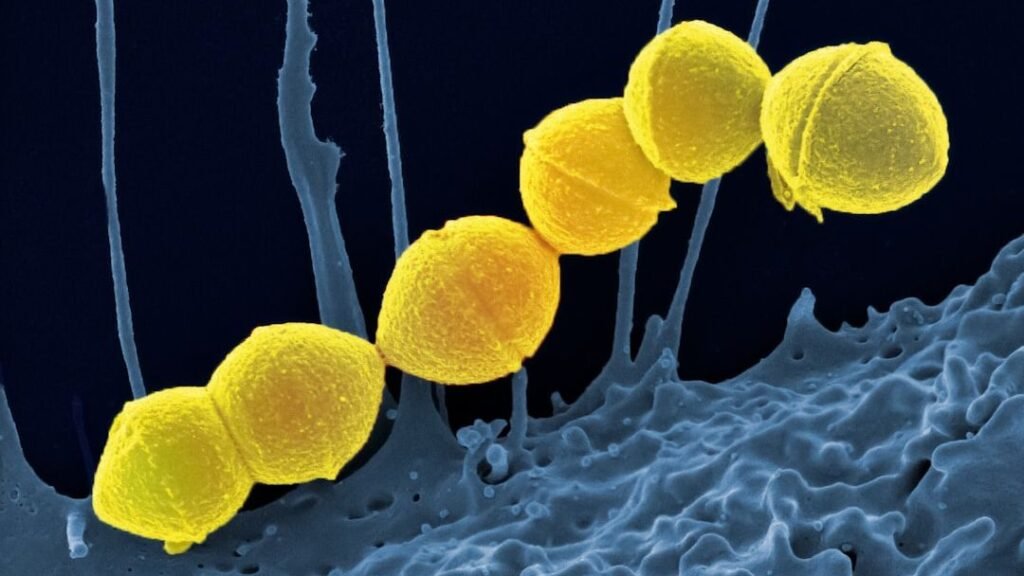

You might think you’re alone when you’re sitting in your living room, but honestly, you couldn’t be more wrong. Right now, as you read this, trillions upon trillions of microscopic organisms are surrounding you, covering every surface, floating through the air, and even thriving on your skin. This invisible realm of bacteria, viruses, fungi, and other microbes has been here long before humans walked the Earth, and they’ll likely outlast us too.
These microorganisms are too small to see with the naked eye, yet indispensable to every ecosystem on Earth, performing countless functions that support all living organisms. Here’s the thing, though: most people have no idea just how vast and intricate this hidden microbial world truly is. Let’s dive in and discover what’s really happening in the spaces we think we know so well.
Your Home Is a Microbial Zoo
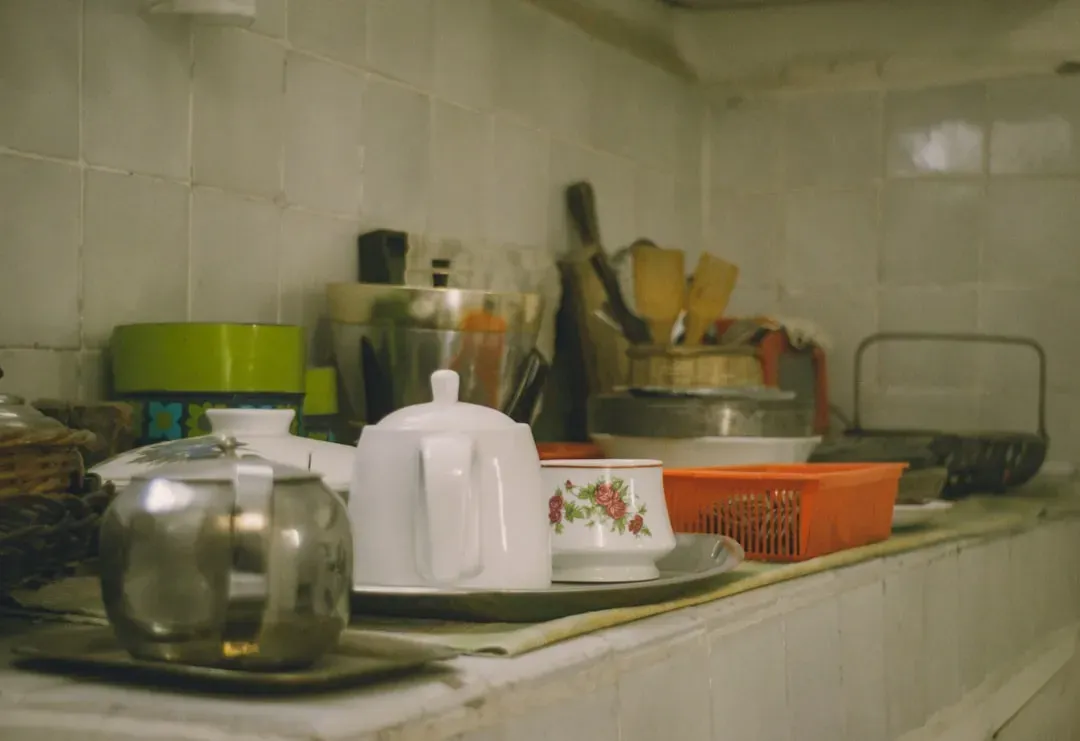
Walk into your kitchen and you’re stepping into one of the most microbe-dense environments in your entire house. Areas where food is stored or prepared have more bacteria and fecal contamination than other places in the home, making the kitchen one of the dirtiest rooms. It’s not just about a bit of dust here or there.
Over 75% of dish sponges or rags harbor coliform bacteria, with sponges containing an average of over 363 million microorganisms per gram. That’s mind-boggling when you think about it. Your dish sponge, the very tool you use to clean your plates and glasses, is essentially a microbial apartment complex. Even your beloved pet’s food bowl isn’t innocent, hosting everything from yeast to potentially harmful bacteria.
Every Breath You Take Contains Invisible Life
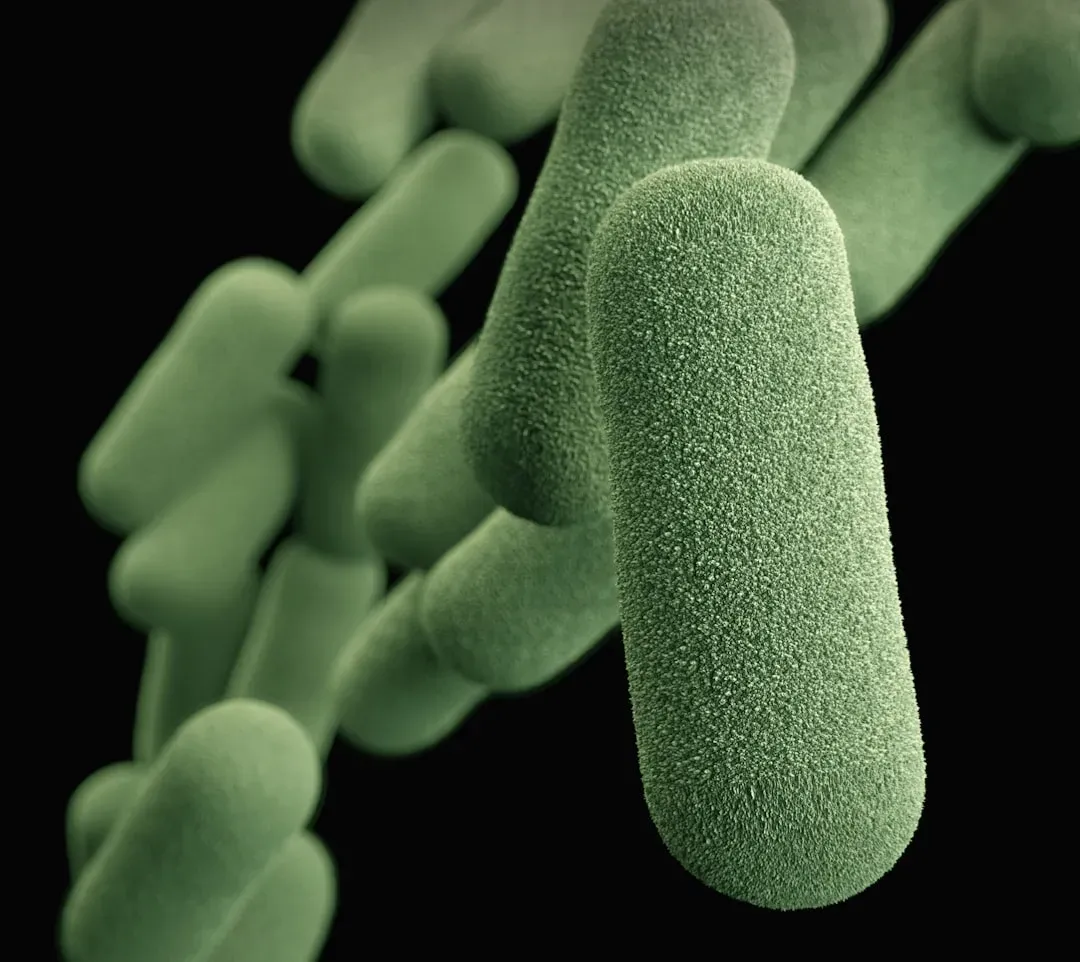
The microbial world may be largely invisible to the human eye, but it is vast almost beyond imagination, with hundreds of thousands of different kinds of bacteria alone living in every conceivable environment. We’re talking about organisms that exist in near-boiling hot springs, deep beneath the ocean floor, high in the clouds, and yes, right inside your lungs and nasal passages.
Think about the last time you opened a window or walked outside. The entire surface of the skin and the linings of the nasal passages, lungs, digestive and urogenital tracts are all home to microbial communities, some extremely dense and others more sparse. You’re basically a walking ecosystem, constantly exchanging microbes with your environment. It’s hard to say for sure, but researchers believe we’re only scratching the surface of understanding how many different species are actually floating around us at any given moment.
Surfaces Are Secret Pathogen Highways
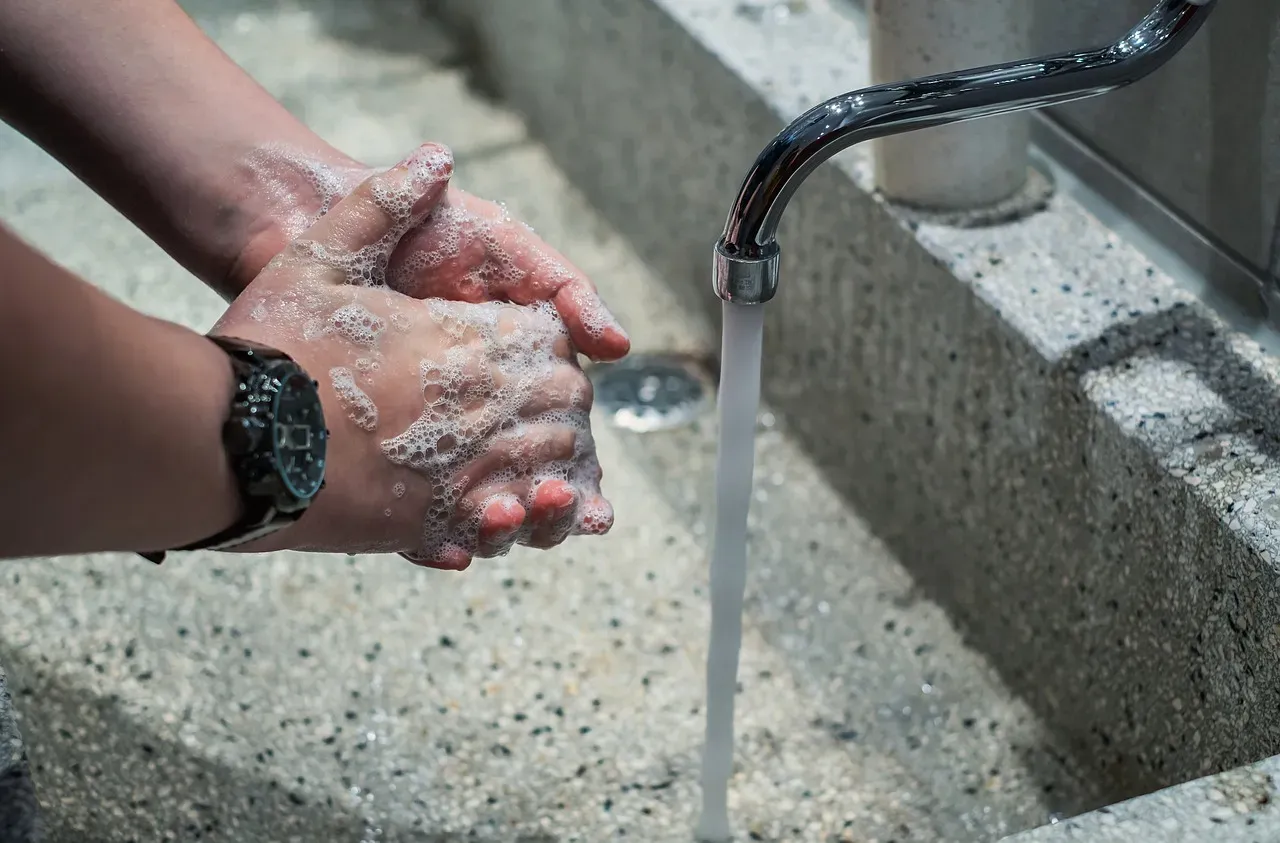
Microorganisms may be transmitted from animated sources to inanimate environmental sources, and contaminated surfaces close to the patients’ environment may be touched at high frequencies, allowing transmission via contaminated inanimate surfaces. Your phone screen, your TV remote, your computer keyboard, they’re all teeming with life. I know it sounds crazy, but these everyday items are basically germ superhighways.
Yeast, mold, and Staphylococcus have been found on computer keyboards, remote controls, and video game controllers, with some viruses able to live on plastic surfaces for as long as three days. Every time you touch your face after scrolling through your phone, you’re potentially introducing hundreds of different microbial species to your mouth and nose. Cell phones are often the most contacted item we own and multiple studies have shown they are frequently colonized with bacteria, as are TV remotes and other items. That’s why hand washing isn’t just a suggestion, it’s essential.
Microbes Are Shaping Your Health in Ways You Never Imagined
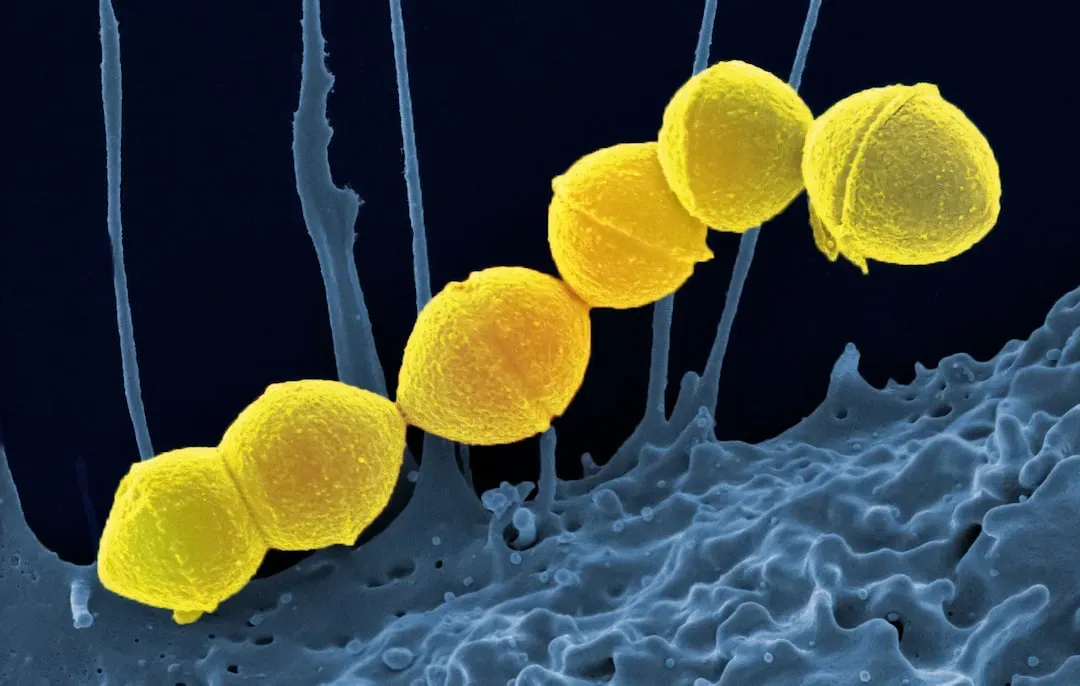
Here’s where things get really fascinating. Emerging evidence shows that exposure to diverse environmental microbiomes and natural biochemical products promotes health and resilience, with contemporary approaches recognizing the vital role of diverse ecosystems in creating health-promoting environments. So not all microbes are villains trying to make you sick. Actually, most of them aren’t.
Recent research is revealing connections that seem almost like science fiction. Changes in the gut microbiome can directly influence how the brain works, and researchers at Northwestern University have provided the first direct experimental evidence that the gut microbiome helps shape differences in brain function across primate species. Your mood, your weight, even your susceptibility to certain diseases may be influenced by the microscopic residents inside you. Favorable microbes were more prevalent in people with lower BMI and fewer diseases, while unfavorable microbes were linked to obesity and disease, and dietary interventions increased beneficial microbes.
The Soil Beneath Your Feet Holds Countless Mysteries
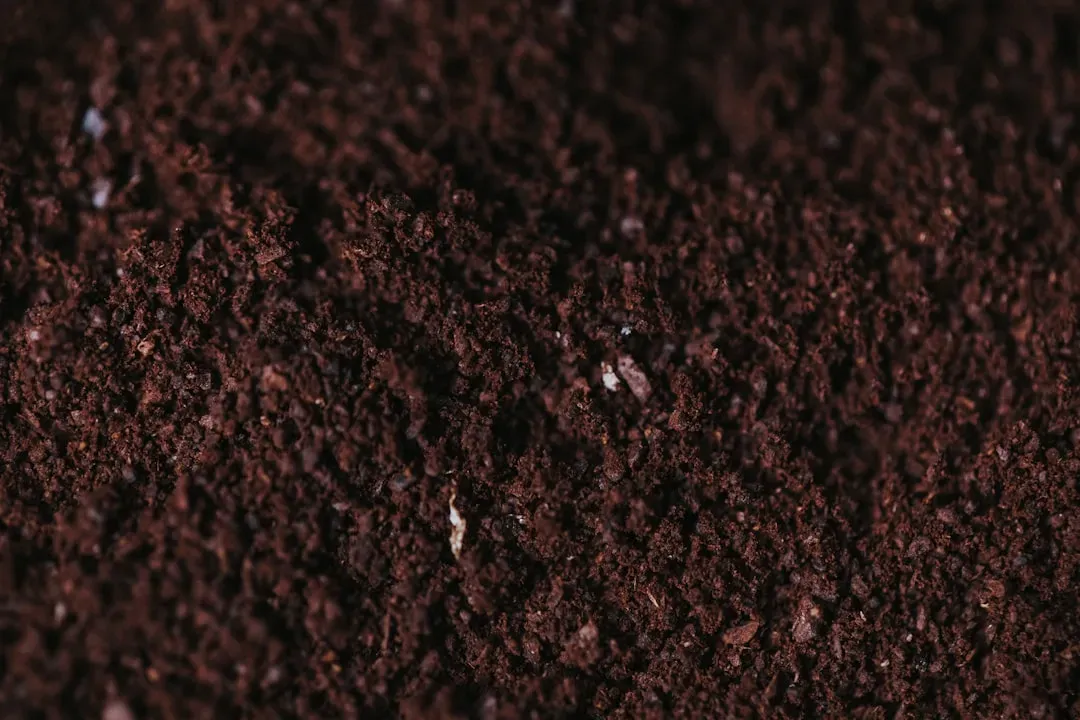
One of the biggest microbiome studies ever attempted has already resulted in the discovery of more than 1,000 new strains of bacteria and never-before-seen microbes, with researchers gathering soil samples from urban and rural locations and analyzing them for genetic relationships and patterns. Let’s be real: we’ve been walking on this planet for millennia, yet we’re only now beginning to understand what’s literally under our feet.
Microbiologists estimate that over 90% of bacteria are not captured by current cultivation techniques, leaving the vast majority of the microbial world largely hidden, though these uncultivated microorganisms could potentially be useful for increasing the sustainability of human activities. Imagine the possibilities. These hidden microbes could hold the key to degrading plastics, cleaning up toxic waste, or even producing new medicines. We just haven’t found them yet. The ground you walk on every day is like an enormous library with millions of books we haven’t opened.
We’re Only Beginning to Decode This Invisible Universe
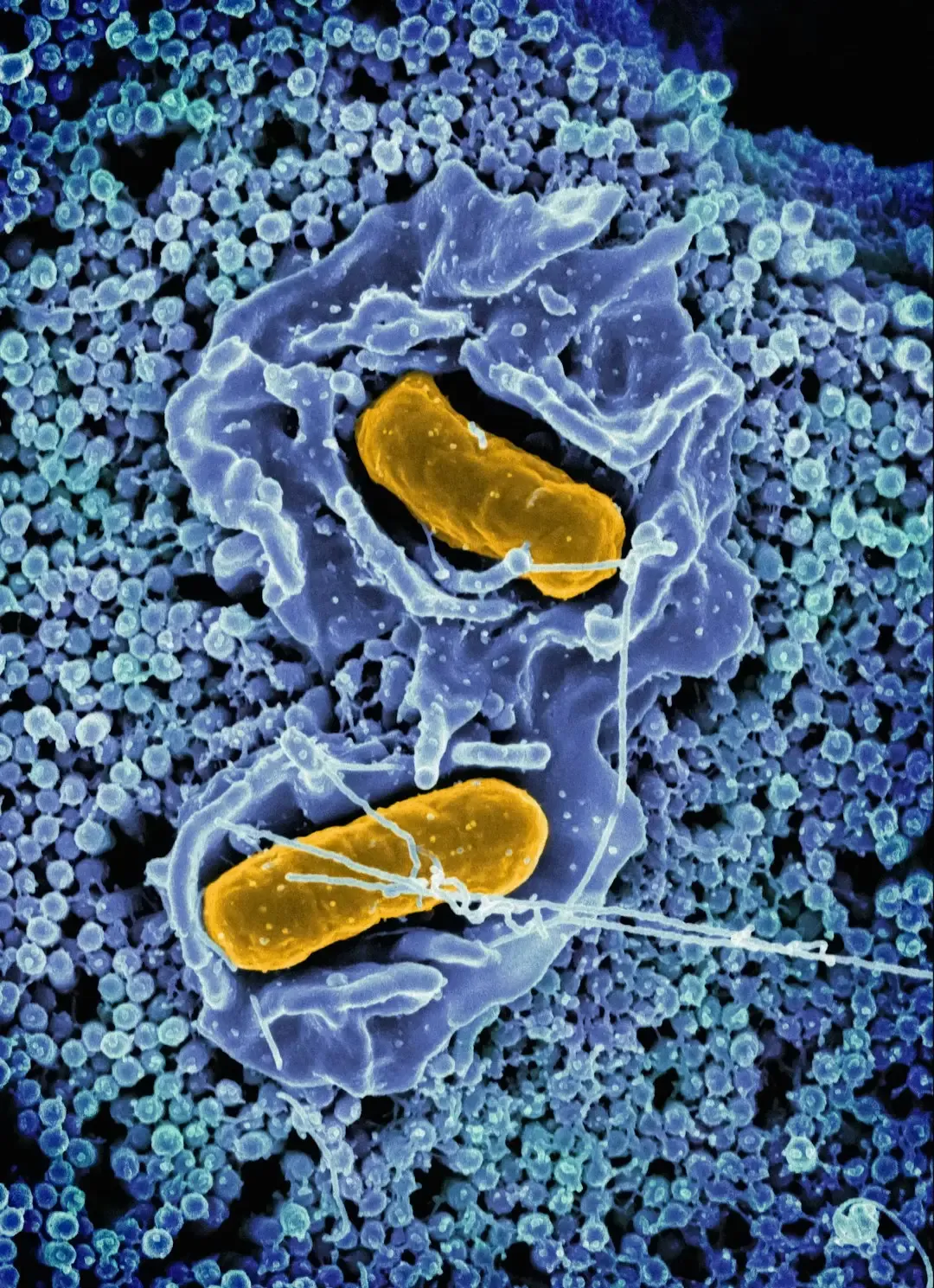
Much like the physical sciences community has coordinated to define and understand the universe’s dark matter, microbiologists have embarked on a similar voyage using DNA sequencing to discover the hidden diversity and genetic potential of Earth’s microbiomes. It’s a bit humbling when you think about it. We’ve mapped the human genome, sent probes to the edges of our solar system, yet we still don’t fully understand the microscopic world that exists in our own homes.
Using new techniques, particularly sequencing and analysis of ribosomal RNA genes, microbiologists have discovered that there are at least 20 major evolutionary groups of microbial life forms on Earth, and recent evidence indicates that millions of microorganisms still remain to be discovered. Every day scientists are uncovering new species, new behaviors, and new relationships between microbes and their hosts. The more we learn, the more we realize how much we don’t know. This invisible world has been here all along, quietly running the show while we went about our lives completely unaware.
What would you have guessed was the germiest place in your home before reading this? The hidden microbial universe surrounding us isn’t going anywhere. Perhaps it’s time we started paying more attention to our smallest, most abundant neighbors.