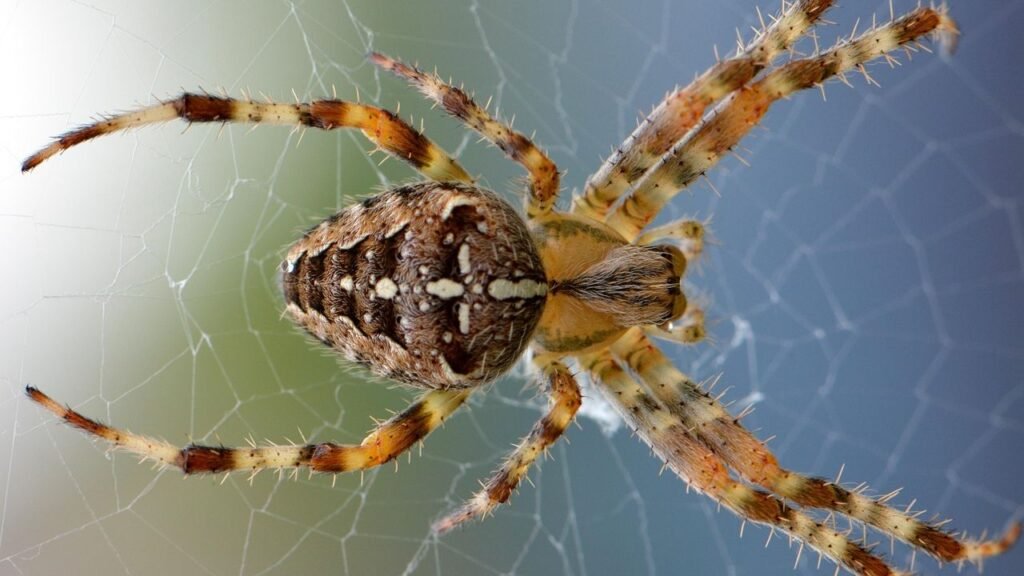

You’ve probably walked face first into a spider web at some point, maybe even cursed a little while wiping away those sticky strands from your hair. Here’s the thing though: that annoying thread you just destroyed is actually one of nature’s most extraordinary materials. Spider silk isn’t just some flimsy string hanging between bushes. It’s stronger than steel by weight, more elastic than rubber, and tougher than Kevlar.
How on earth do these tiny creatures, often no bigger than your thumbnail, create something engineers have struggled for decades to replicate? The answer lies in a spinning process so sophisticated, so perfectly refined over millions of years, that we’re only now beginning to understand its secrets. Let’s unravel this silky mystery and discover what makes spider webs one of the most impressive feats of biological engineering on the planet.
Stronger Than Steel: Understanding Spider Silk’s Remarkable Properties
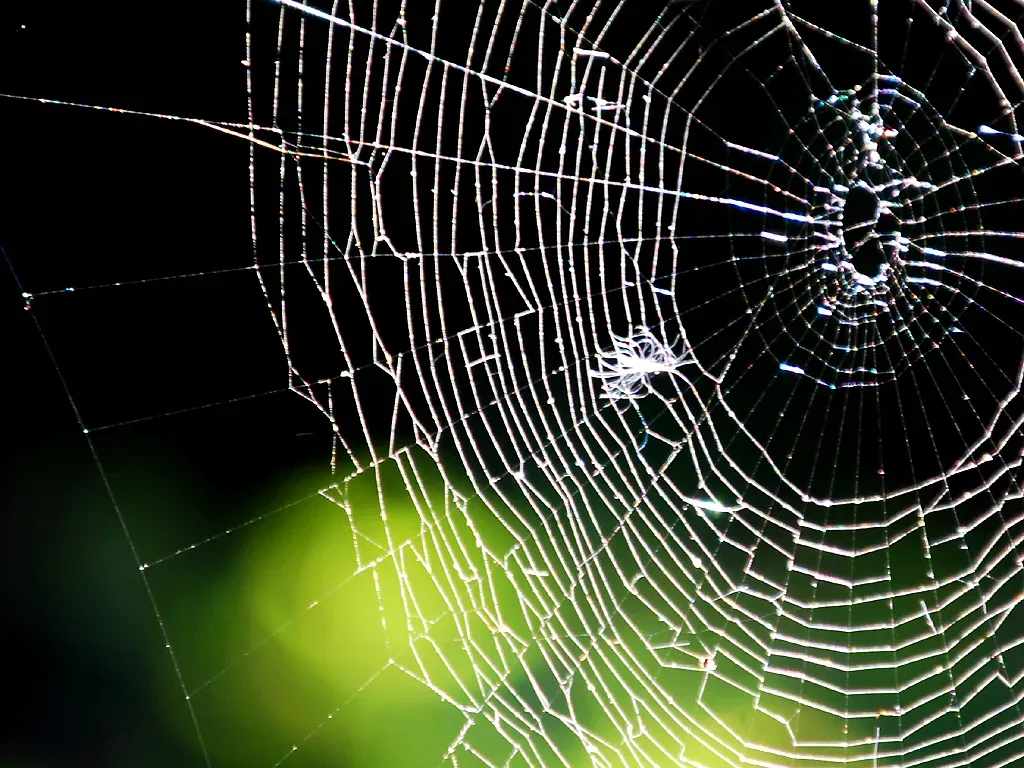
Spider dragline silk possesses tensile strength comparable to that of high-grade alloy steel, yet it weighs about a sixth of the density of steel. Imagine that for a second. A material as strong as steel but light enough that a strand long enough to circle the Earth would weigh only about two kilograms. That’s not science fiction; that’s spider silk.
The material exhibits a unique combination of high tensile strength and extensibility, enabling a silk fiber to absorb a large amount of energy before breaking. This combination of properties, known as toughness, is what truly sets spider silk apart. It’s stronger than steel, tougher than Kevlar and stretchy like rubber. Most synthetic materials excel in one area but fall short in others. Spider silk manages to be exceptional across the board, which is honestly quite remarkable when you think about it.
The Protein Building Blocks: Spidroins and Their Special Structure
The secret to silk’s strength starts with its molecular composition. Spider silk proteins, called spidroins, rapidly convert from the soluble form to solid fibers at ambient temperatures and with water as the solvent. That’s actually pretty wild. No high temperatures, no toxic chemicals, just water and some clever biochemistry.
Analysis reveals a tripartite composition: an N-terminal non-repetitive domain, a highly repetitive central part composed of approximately 100 polyalanine/glycine rich co-segments and a C-terminal non-repetitive domain. These proteins are modular by design, like nature’s LEGO blocks. The main chemical components of spider silk are glycine, alanine, and a small amount of serine, simple amino acids that combine to create extraordinary properties.
What’s fascinating is how these amino acids arrange themselves. The arrangement of amino acids will form a β-turn structure, and sequences will be neatly arranged to form a β-turn sheet structure. These structural arrangements act like molecular springs and cables, giving silk its unique blend of strength and elasticity.
Inside the Spider’s Silk Factory: The Gland System
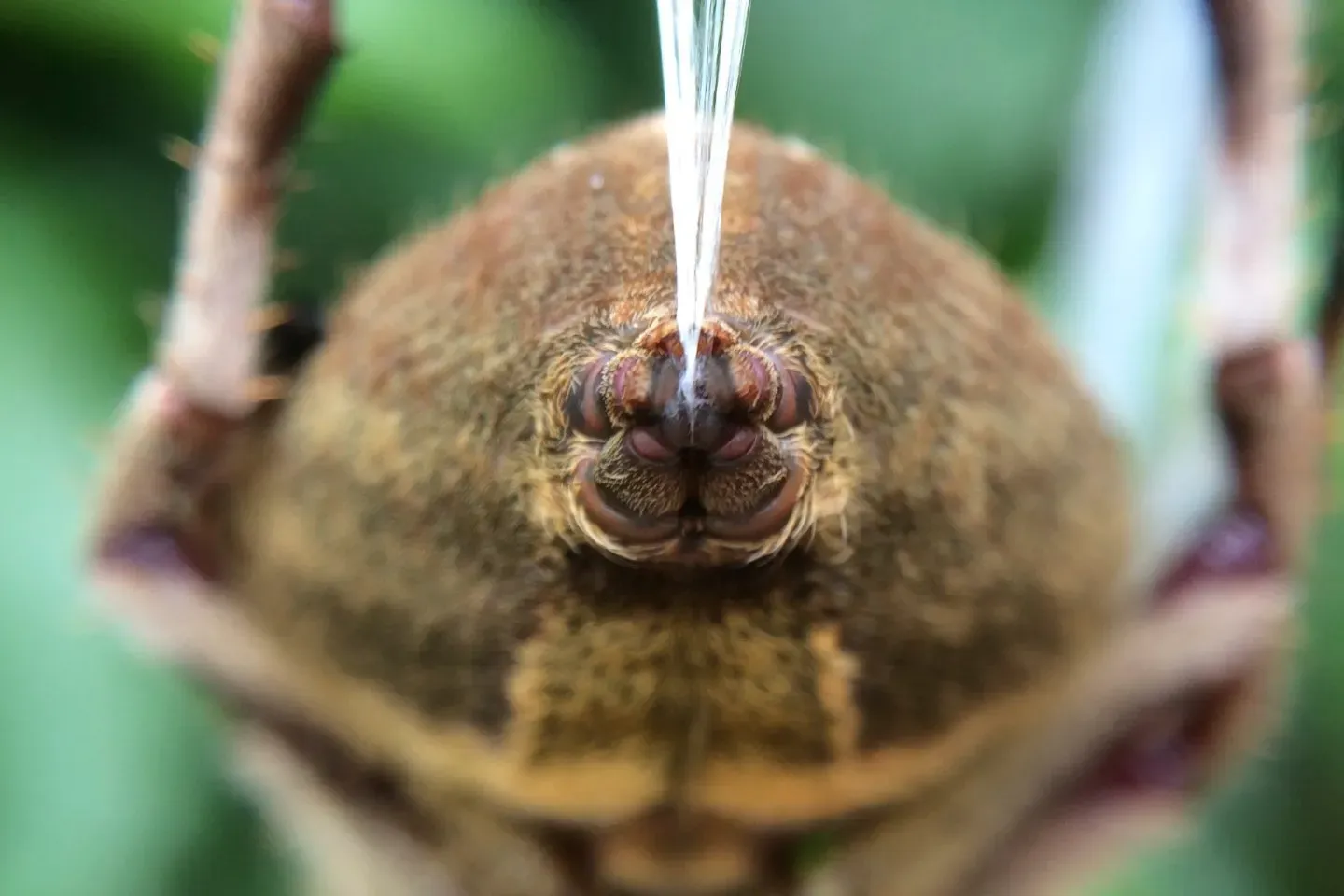
Spiders aren’t working with just one type of silk production facility. Most spiders have six spinnerets and four to six glands for producing silk, although these numbers vary by species. Each gland produces a different type of silk for different purposes. It’s like having multiple specialized factories all working inside one tiny body.
Dragline silk is the strongest kind of silk because it must support the weight of the spider. This is the silk spiders use as their safety line when dropping from heights or constructing the main structural framework of their webs. Many species have different glands to produce silk with different properties for different purposes, including housing, web construction, defence, capturing and detaining prey, egg protection, and mobility.
The storage of silk proteins is equally impressive. In the spider body, spidroin exists as a highly concentrated protein solution at roughly half protein within the silk gland. Maintaining such high concentrations without premature solidification requires exquisite biochemical control that scientists are still working to fully understand.
The Spinning Process: From Liquid to Solid in Milliseconds
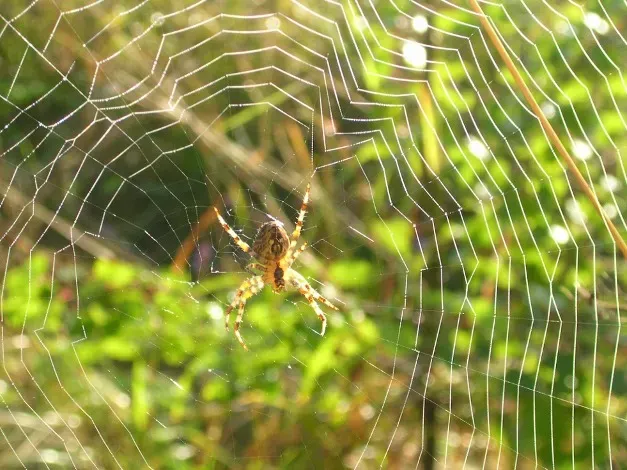
When spiders spin silk out of their silk gland, spiders use their hind legs to grab the fiber and pull it out. This pulling action isn’t just for show. The stretching process aligns the protein chains within the fibers and increases the number of bonds between those chains, directly affecting the final strength of the silk thread.
As the silk protein travels through the spinning duct, it undergoes dramatic transformation. Cells lining the duct exchange ions, reduce the dope pH from neutral to acidic, and remove water from the fiber, inducing the liquid silk dope to undergo a phase transition and condense into a solid protein fiber with high molecular organization. This happens incredibly fast, sometimes in less than a second.
When proteins are pressed down into the acidic environment in the duct, the proteins begin to bind and unfold to create silk fiber. The pH gradient is crucial here. The N-terminal dimerized at pH 6 and became increasingly stable as the pH dropped along the duct, while the C-terminal domain destabilized as the pH dropped, gradually unfolding until it formed the β-sheets characteristic of silk at pH 5.5. Nature figured out chemistry that would make any materials engineer jealous.
Web Architecture: Engineering Precision in Every Thread
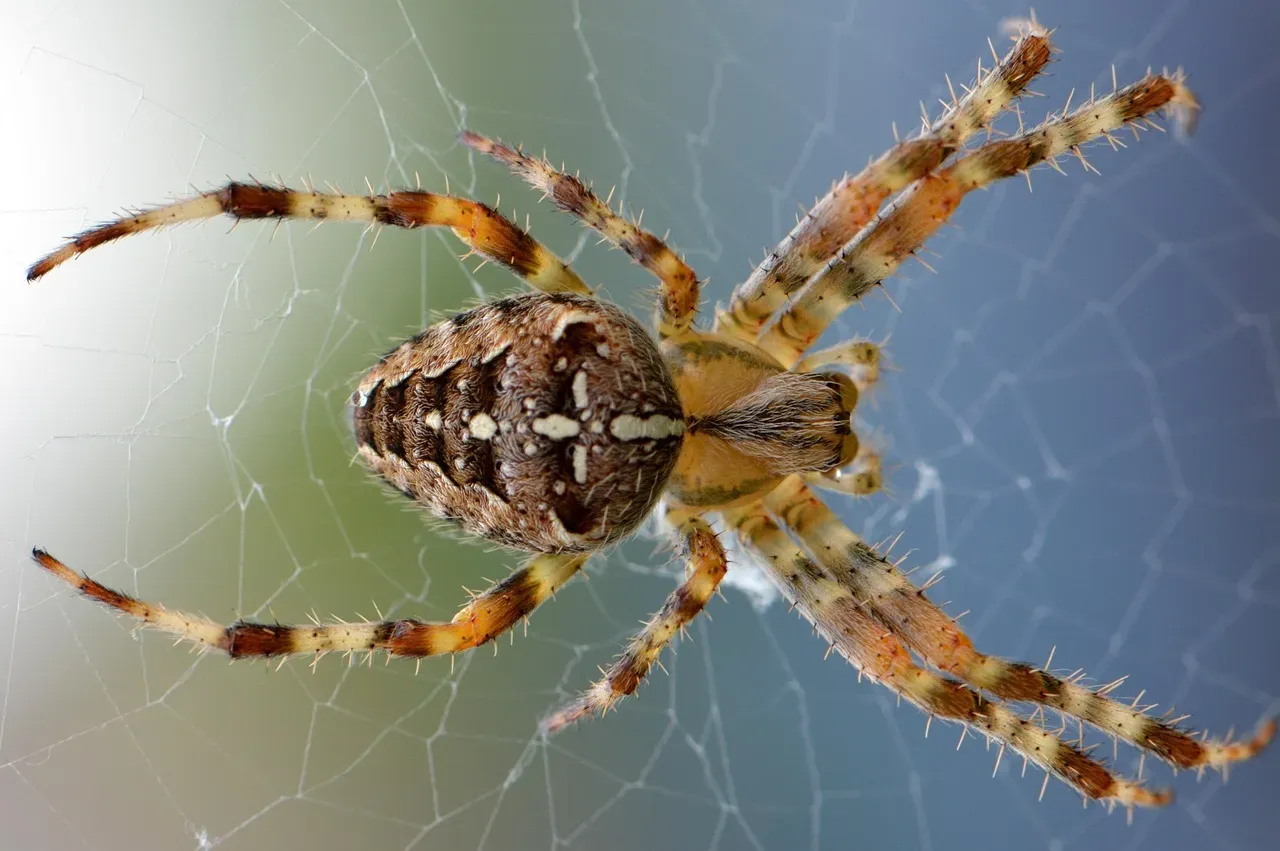
Building an orb web isn’t random. After strengthening the first thread, the spider continues to make a Y-shaped netting, constructing the first three radials of the web, then adding more radials while making sure the distance between each radial and the next is small enough to cross. There’s genuine mathematical precision happening here.
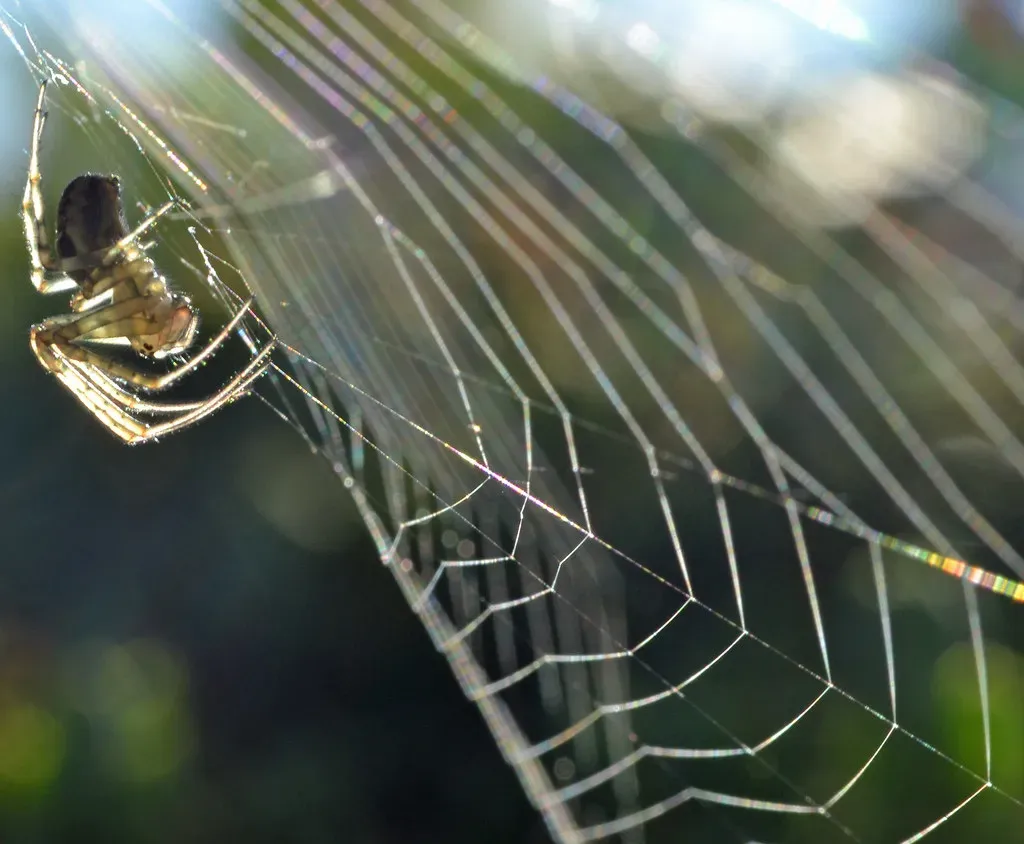
The spider makes a spiral of non-sticky, widely spaced threads to enable it to move easily around its own web during construction, then, beginning from the outside and moving inward, methodically replaces this spiral with a more closely spaced one made of adhesive threads. It’s like building scaffolding first, then replacing it with the final structure. Pretty clever for a creature with a brain smaller than a pinhead.
Different spiders build different web types based on their ecological niche. Orb-weaver spiders construct 15-35 radial threads extending from central hub to frame perimeter, spacing these supports at relatively uniform angular intervals of 10-25 degrees, with each radius receiving tension adjustment through spider manipulation. This creates structural elements that distribute loads throughout the web efficiently.
Multiple Silk Types: A Spider’s Material Toolkit
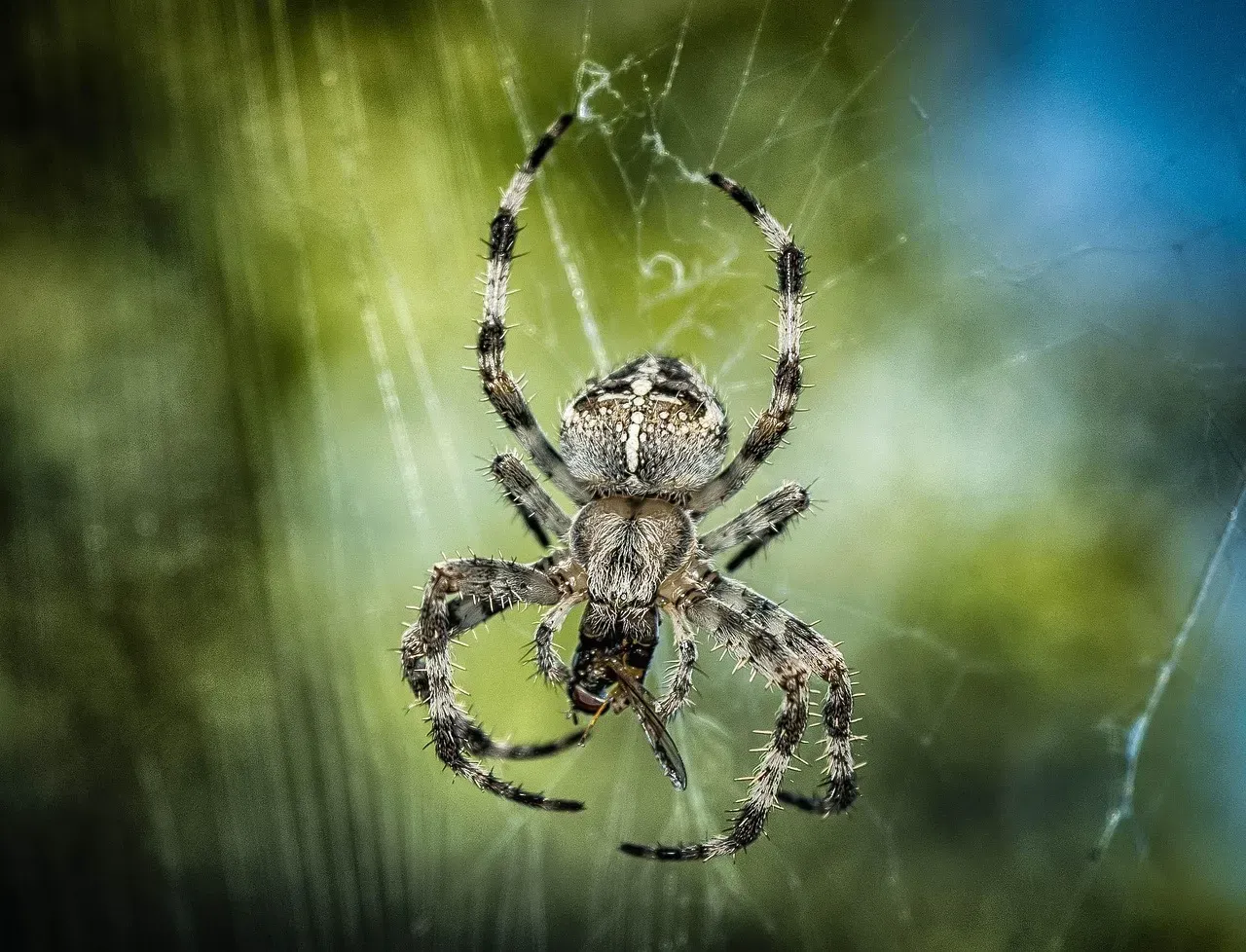
Not all spider silk is created equal. Spiders can make as many as seven different types of silk, although most spiders are capable of making four or five different kinds. Each type has specialized mechanical properties suited to its function. Dragline silk for structure and safety lines, capture silk coated with sticky glue for trapping prey, wrapping silk for immobilizing caught insects.
The elongation of spider silk is slightly higher than those of silk and nylon, and the elongation at break can even reach two to four times its length. Some silks stretch like rubber bands, while others remain stiff and strong. When exposed to water, dragline silks undergo supercontraction, shrinking up to 50% in length and behaving like a weak rubber under tension. This property might help keep webs taut in humid conditions.
The sticky capture spiral deserves special mention. Sticky silk and its supporting line are produced simultaneously from a triad of spigots, with a central spigot providing the supporting line while two spigots on either side coat the line with liquid silk from aggregate glands. It’s simultaneous multi-material manufacturing at the microscopic scale.
Why Scientists Can’t Yet Match Nature’s Recipe
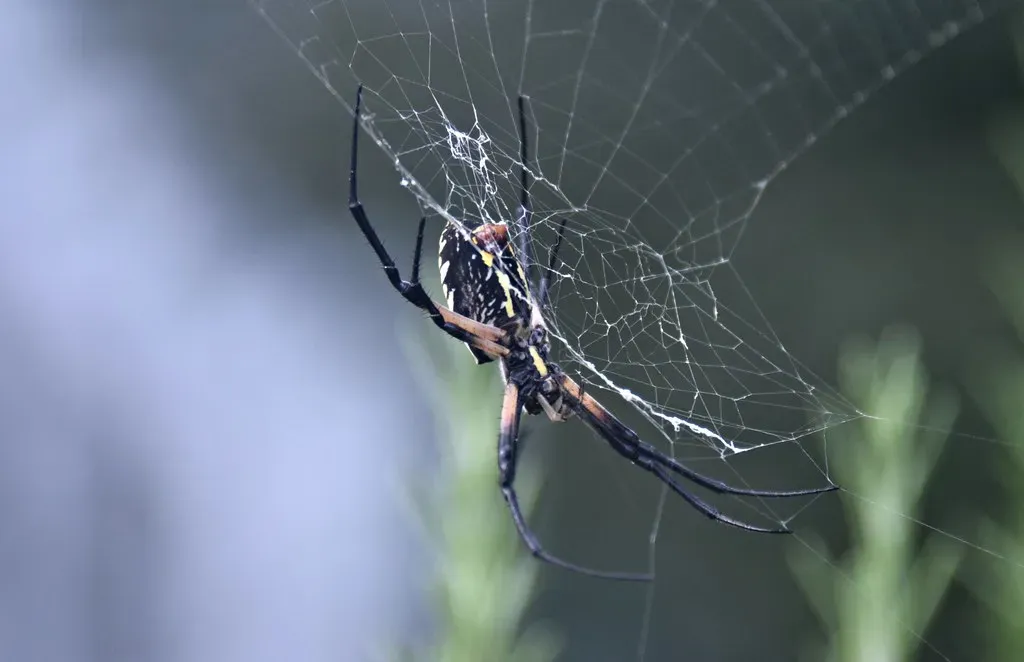
Here’s where things get humbling for us humans. Despite decades of research and millions in funding, we still can’t make artificial spider silk that truly matches the natural version. Artificial spider silks have fewer and simpler proteins than natural dragline silk, and consequently offer half the diameter, strength, and flexibility of natural dragline silk.
The problem isn’t just producing the protein. There are biochemical and physiological functions, and the possible contribution of less prominent compounds and synergic effects, that we don’t seem to fully understand, as science still has not decoded all the secrets of natural spider silk biosynthesis that spiders have used every day for millions of years. Spiders make it look effortless, spinning silk at room temperature with water as a solvent. Our industrial processes usually require high heat, pressure, and harsh chemicals.
Nexia used wet spinning and squeezed the silk protein solution through small extrusion holes to simulate the spinneret, but this was not sufficient to replicate native spider silk properties. Even when we get the proteins right, replicating the complex spinning process remains extraordinarily difficult.
Recent Breakthroughs: Getting Closer to the Spider’s Secret
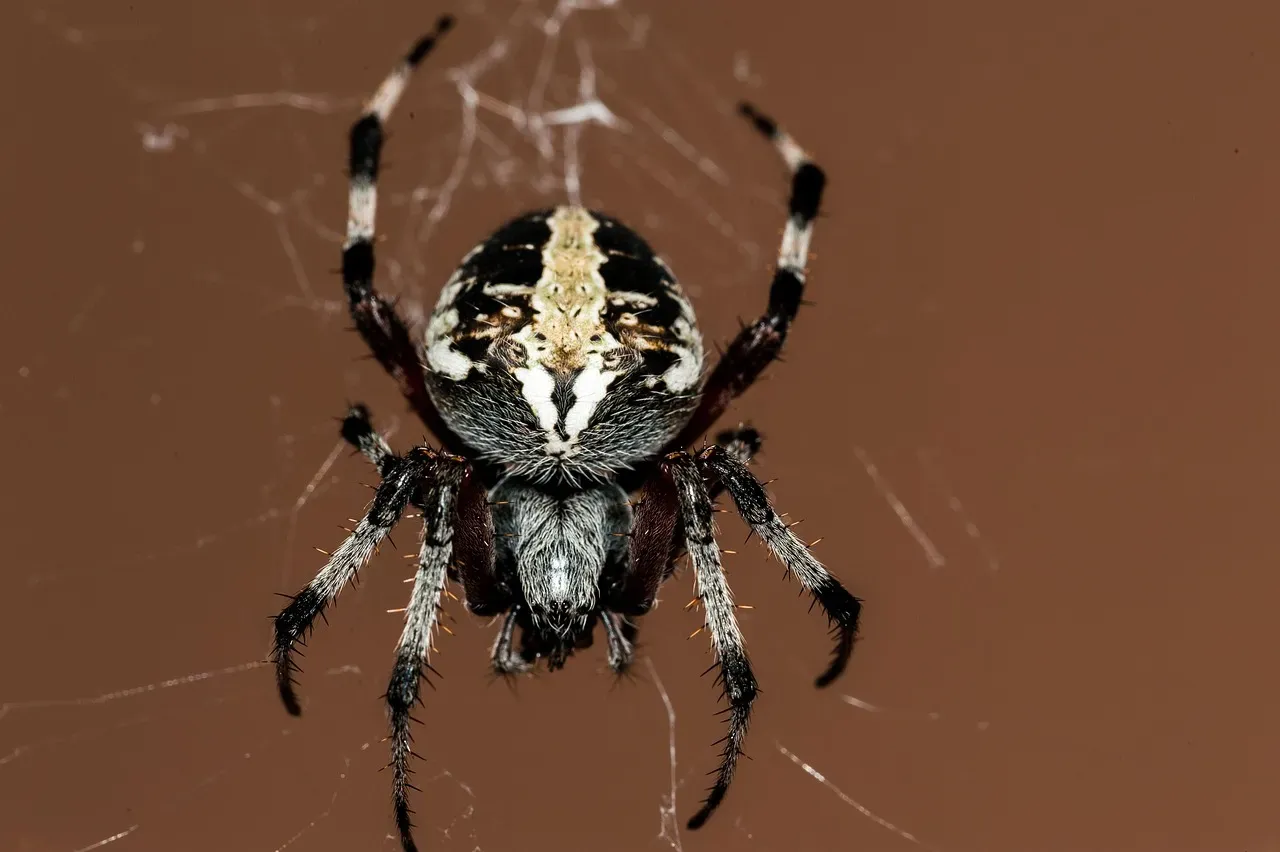
Scientists haven’t given up though. Recent research from 2025 has revealed some exciting developments. Researchers already knew stretching is necessary for making really strong fibers, but computational methods were able to probe what’s happening at the nanoscale to gain insights that cannot be seen experimentally. Understanding the mechanism is the first step toward replication.
Researchers employed CRISPR-Cas9-mediated gene editing to successfully synthesize whole polyamide spider silk fibers from transgenic silkworms, creating fibers that show promise as sustainable alternatives to synthetic materials like nylon. When creating artificial silk with a MaSp2-SpiCE mixture, a characteristic yield point typically seen with natural spider silks was observed, which was not seen with MaSp2 alone. We’re learning that minor components play major roles.
Progress in bioengineering has also opened new doors. The emergence of novel artificial spider silk, with its exceptional mechanical properties, biocompatibility, and versatile functionality, is paving the way for vast potential across various fields by mimicking the characteristics of natural spider silk. From medical sutures to lightweight body armor, applications are multiplying.
From Lab to Real World: Potential Applications of Artificial Silk
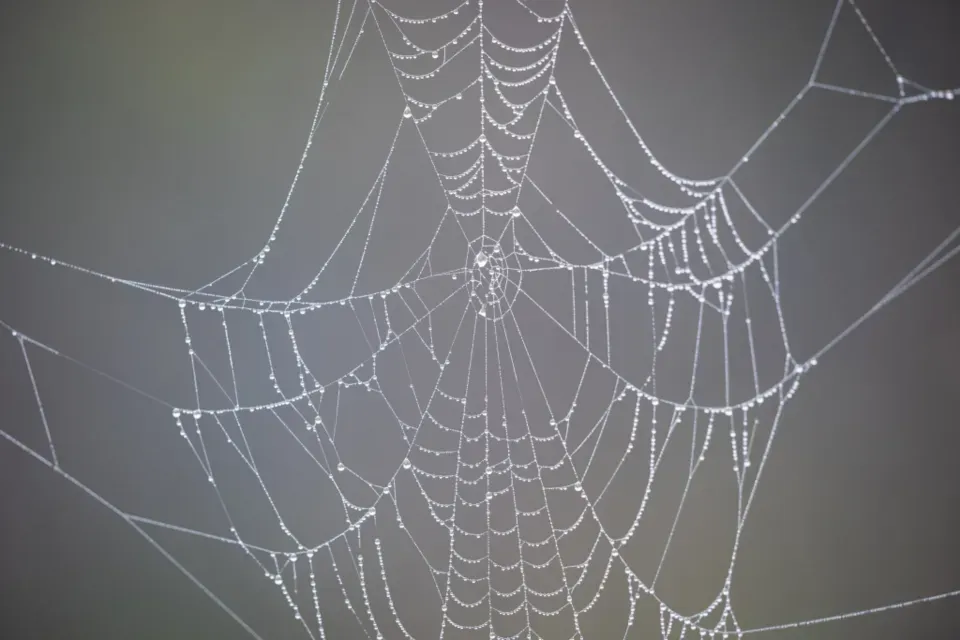
The potential uses for artificial spider silk are genuinely exciting. Insights could help researchers design engineered silk-inspired proteins and spinning processes for various applications, including strong, biodegradable sutures and tough, high-performance, blast-proof body armor. Imagine surgical sutures that are stronger than current materials but completely biodegradable, eliminating the need for removal procedures.
Artificial silk is strong enough to be woven into bandages that helped treat joint injuries and skin lesions in mice, showing promise for regenerative medicine. In biomedicine, it supports wound healing, nerve regeneration, sutures, and drug delivery due to its low immunogenicity. The body doesn’t reject it, which is hugely important for medical implants.
Beyond medicine, there’s aerospace, electronics, and sustainable textiles. The exceptional properties of artificial spider silk, including its light weight, high strength-to-weight ratio, and remarkable elasticity, render it a promising candidate for a diverse array of applications. Spider silk could revolutionize multiple industries, if we can crack the production challenge.
The Environmental Advantage: Green Manufacturing at Its Finest
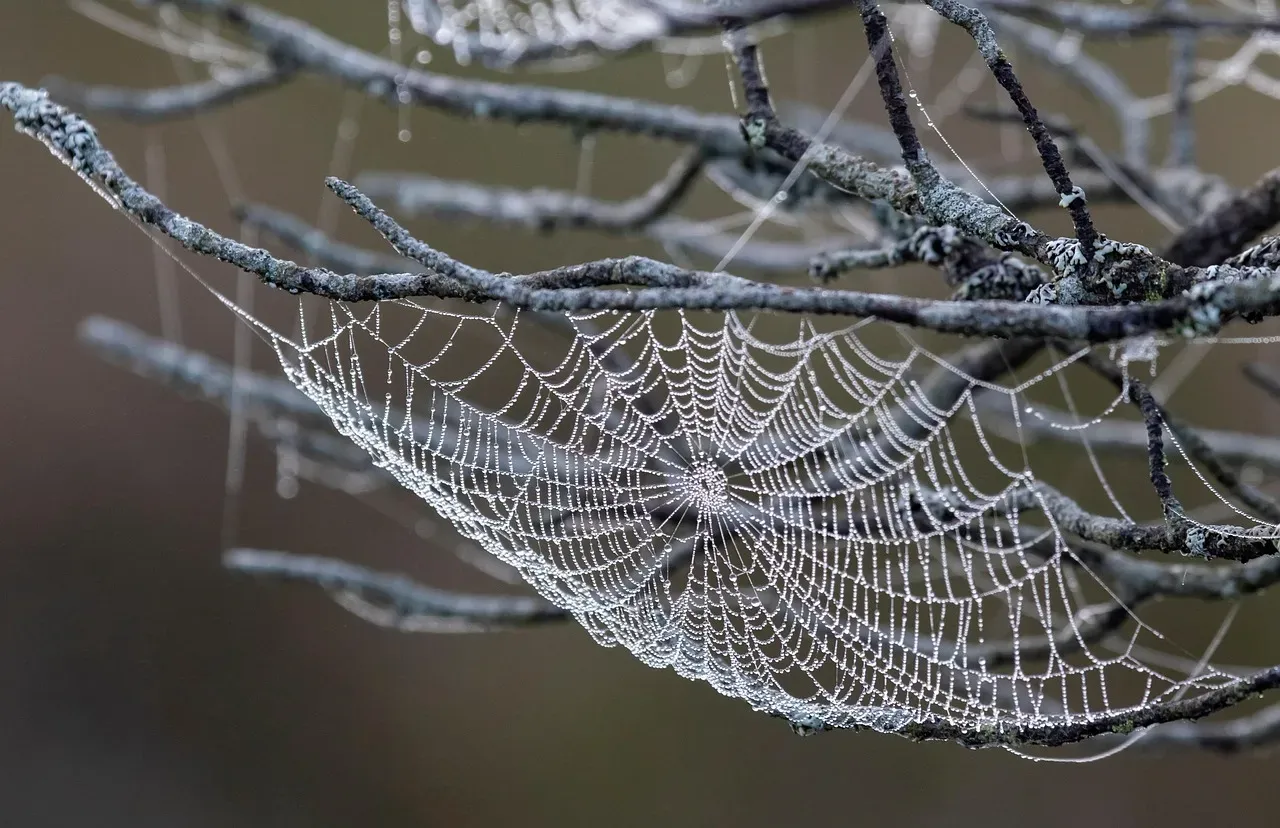
Perhaps the most compelling aspect of spider silk production is its environmental friendliness. The spider spins its silk at ambient temperatures, low pressures and with water as solvent. Compare that to manufacturing Kevlar or carbon fiber, which require extreme temperatures and toxic chemicals. Spiders accomplish superior results using conditions you’d find in your living room.
Spider silk also has the advantage of being biodegradable, meaning it won’t persist in landfills for centuries like petroleum-based synthetic fibers. In our current climate crisis, developing materials that are both high-performance and environmentally sustainable isn’t just nice to have; it’s essential.
The production process itself generates no harmful byproducts. The mild conditions of silk biosynthesis imply that the fabrication of innovative functional silk-based smart materials would be an eco-friendly process with minimal negative ecological impact. When we finally crack the code for large-scale artificial spider silk production, we’ll have a manufacturing process that’s genuinely green from start to finish.
Conclusion: Nature’s Blueprint for Tomorrow’s Materials
Spider silk represents more than just an interesting biological curiosity. It’s a masterclass in materials engineering, demonstrating that nature figured out solutions to problems we’re still grappling with in our most advanced laboratories. The combination of strength, elasticity, toughness, and biodegradability in a single material produced at room temperature with water as a solvent seems almost impossible, yet spiders achieve it routinely.
We’ve made significant progress understanding the molecular mechanisms, protein structures, and spinning processes involved, but there’s still much to learn. Every breakthrough brings us closer to replicating this remarkable material and unlocking its enormous potential across medicine, industry, and environmental sustainability.
Perhaps the most humbling lesson is that evolution, given hundreds of millions of years, remains the best engineer we know. The next time you accidentally walk through a spider web, take a moment before brushing it away. You’re touching one of nature’s most sophisticated materials, spun by a creature that mastered nanotechnology long before humans even had a word for it. What do you think the future holds for spider silk technology? Could it revolutionize how we manufacture materials?