
Somewhere deep inside your cells, there’s a record of journeys you never took, battles you never fought, and landscapes you’ve never seen. Your DNA is carrying fragments of stories that began long before you were born, long before your grandparents, even long before written history. It’s like a biological time capsule, quietly passing from generation to generation, waiting for someone to finally lift the lid.
In the past few decades, science has turned that invisible code into a powerful window into human history. Today, a small tube of spit can reveal clues about your ancestors’ migrations, their struggles for survival, the foods they adapted to, and even the plagues they endured. The more we read from our genes, the more we realize that none of us are disconnected individuals; we’re all pages in the same gigantic, ongoing story.
The Hidden Time Machine Inside Every Cell
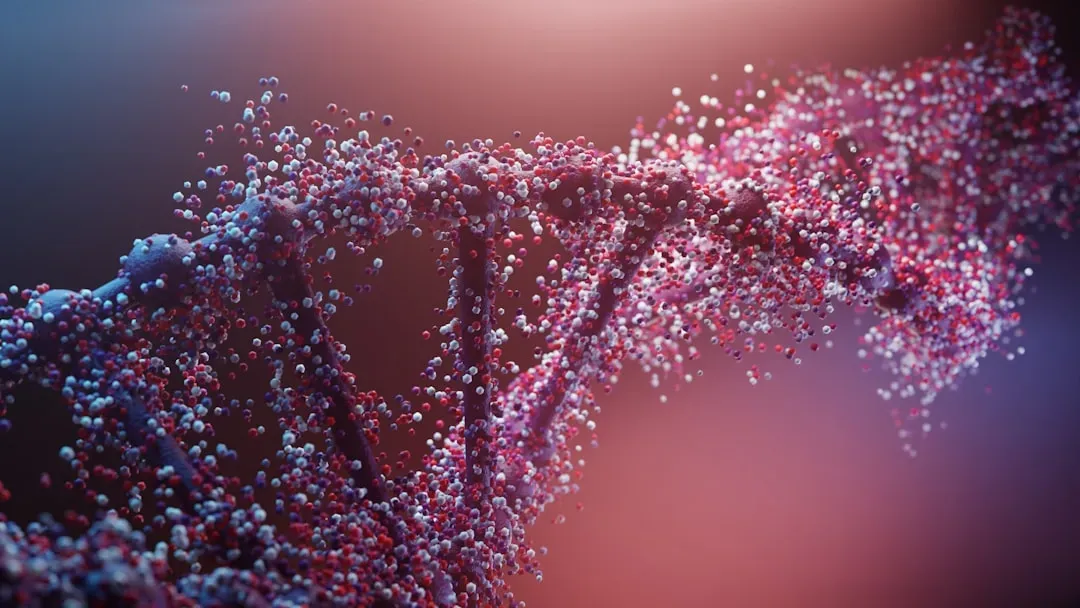
Imagine carrying around a history book written in four letters that never leave your body. That’s essentially what DNA is: a molecular language made of A, T, C and G that has been copied and recopied for hundreds of thousands of years. The amazing part is that this copying process is not perfect, and those tiny errors, called mutations, are exactly what allow scientists to trace where your ancestors came from and how they moved across the planet.
Over long stretches of time, different human groups picked up their own unique patterns of mutations, like regional accents in a language. When geneticists compare your DNA to people from many parts of the world, they can see echoes of ancient populations you share roots with. It’s not about pinpointing a single “origin” place, but about seeing the web of connections that link you to countless people, events and environments stretching back through the ages.
Migrations Written in Your Mitochondria
Some of the clearest traces of ancient movements are hidden in small, special bits of DNA passed down differently from the rest. Mitochondrial DNA, for example, is inherited almost entirely from your mother, and it changes slowly over time. By tracking these changes in people all over the world, scientists have reconstructed major branches of the human family tree and the pathways our ancestors took as they spread out of Africa and across the globe.
What’s surprising is how global many people’s stories turn out to be once you follow these maternal and paternal lines far enough back. Someone who thinks of themselves as from one country might carry a mitochondrial lineage that traces through distant regions and ancient cultures. It’s a reminder that the borders on today’s maps are recent inventions, while your DNA has been crossing continents for tens of thousands of years.
Neanderthal Echoes in Modern Humans
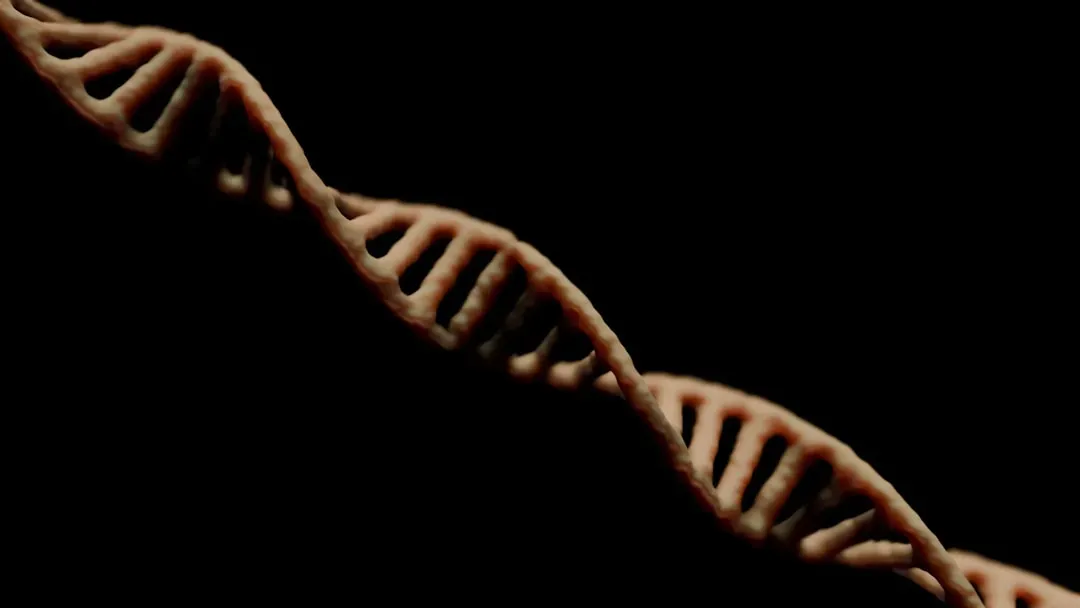
For a long time, people thought of Neanderthals as a separate branch that just vanished without leaving a trace. Then DNA analysis turned that story upside down. When scientists managed to sequence Neanderthal genomes and compare them to living humans, they found that most people with ancestry outside Africa carry small chunks of Neanderthal DNA. Those bits are like tiny fossils embedded in our genomes, proof that our ancestors met, lived together and had children with other human species.
These Neanderthal fragments aren’t just curiosities; some are linked to real traits in people today, from skin and hair characteristics to immune system function and even risk for certain conditions. You could be walking around with a Neanderthal-derived gene that helps your body respond to infections or sunlight. It’s a strange thought: part of you belongs to a group of humans who disappeared tens of thousands of years ago, yet they still quietly shape your life.
Disease, Survival, and the Scars of Past Epidemics
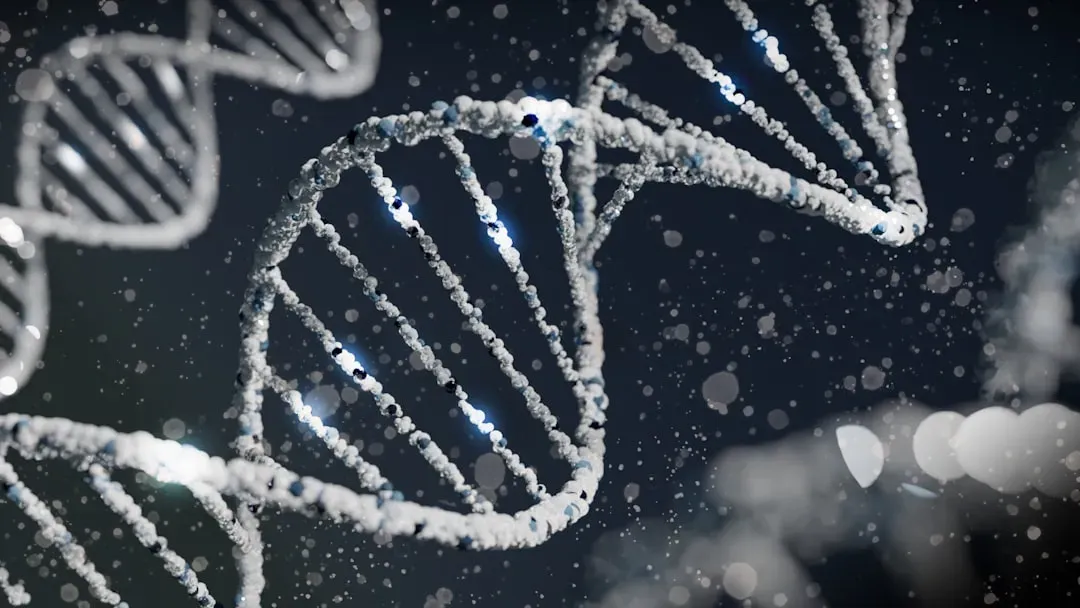
Your genes also carry the fingerprints of old enemies: viruses, bacteria and parasites that hunted our ancestors. When a deadly disease sweeps through a population, people with certain genetic variants might be slightly more likely to survive and have children. Over time, those helpful variants become more common, leaving a genetic echo of ancient epidemics. Modern research has linked some immune-related genes to outbreaks that happened long before recorded history.
The twist is that what once helped people survive can now sometimes cause trouble. Variants that were useful against old pathogens might increase the risk of autoimmune diseases or allergies in today’s cleaner, more controlled environments. So when a doctor looks at your genetic risk for certain conditions, they’re not just seeing random quirks; they’re seeing the trade-offs your ancestors made in their struggle to stay alive in a much harsher world.
How Your DNA Test Rewrites Family Stories
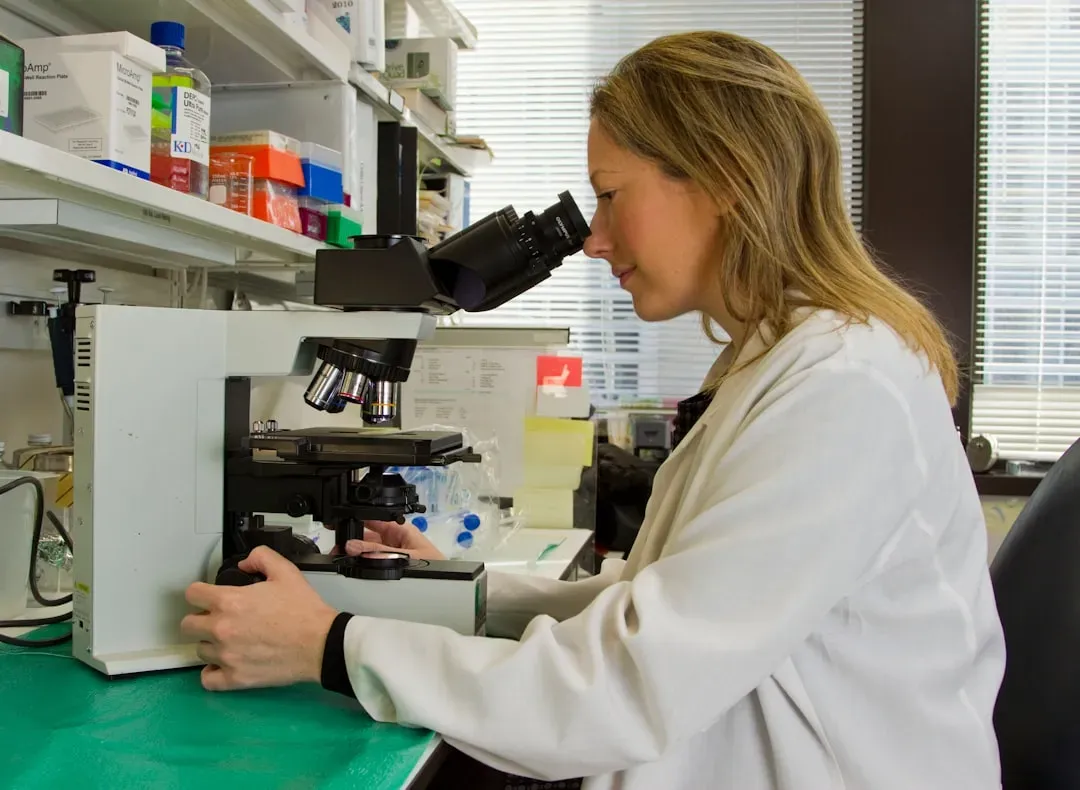
At-home DNA tests have turned kitchen tables into mini ancestry labs, and the results can be both thrilling and unsettling. Many people go in expecting to confirm a family story and instead find a twist: unexpected regions in their ancestry breakdown, unknown relatives, or evidence of migration and mixing nobody ever talked about. It can feel almost like having a relative from centuries ago finally speak up and say, “Here’s what really happened.”
On the positive side, this can reconnect people with long-lost branches of their family, or reveal cultural roots that were hidden or erased over time. On the challenging side, it can uncover painful histories – forced migration, colonization, or family secrets that were deliberately buried. I’ve seen friends discover grandparents they never knew existed or lineages from places their family never mentioned. In those moments, DNA becomes less about percentages and more about identity, belonging and how we make sense of who we are.
The Limits and Myths of Genetic Ancestry
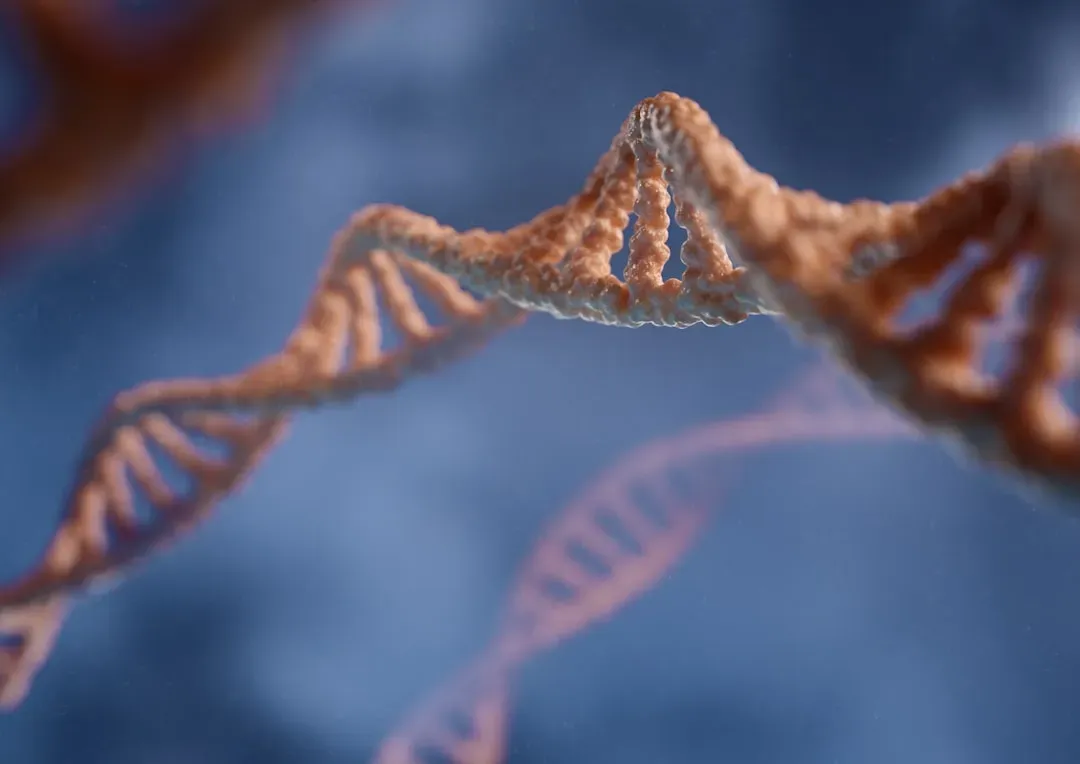
As powerful as DNA is, it doesn’t tell the whole story of your past. Those colorful ancestry maps and neat percentages can make it look like your identity can be boiled down to numbers, but reality is much messier. Genetic tests only compare you to the reference groups they have data for, and those groups are shaped by who chooses to get tested and how companies categorize populations. That means your results are educated estimates, not absolute truth carved in stone.
There’s also a huge part of your heritage that DNA simply can’t measure: the languages your ancestors spoke, their beliefs, the music they loved, the stories they told around fires and dinner tables. Two people can share similar DNA but have completely different cultural experiences and identities. So it helps to see genetic ancestry as one lens among many, a powerful tool that works best when it’s combined with history, oral traditions and lived experience instead of replacing them.
What Your Ancient Code Means for Your Future
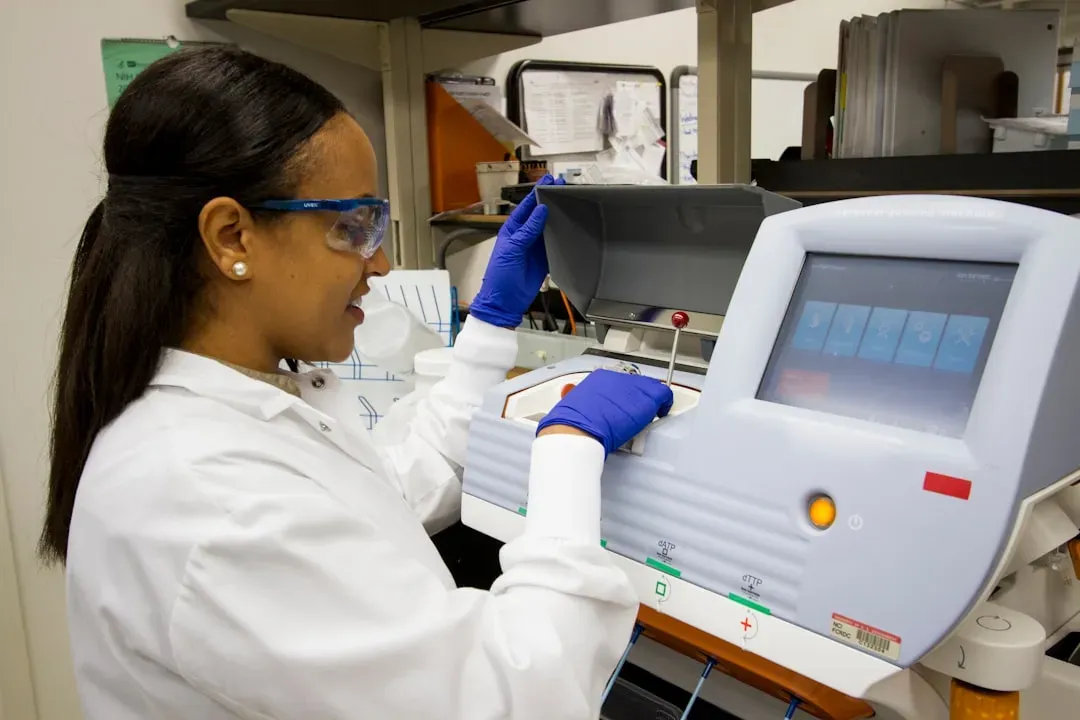
Looking at genetics only as a window into the past misses something important: this same code that remembers history is also shaping your future. Modern medicine is using DNA to understand why some people respond differently to drugs, why certain diseases run in families, and how lifestyle can interact with inherited risks. For some conditions, knowing your genetic tendencies can help you take concrete steps – like changing diet, exercise or screening routines – to reduce risk and stay healthier longer.
At the same time, there are real ethical questions about who gets access to this information and how it’s used. DNA can be incredibly personal and powerful, and it can be misused if handled carelessly or without consent. To me, the most meaningful way to think about it is this: your genes are a connection, not a destiny. They tie you to ancient people who fought to survive long enough for you to exist, but they don’t write your entire story. You still get to decide what you do with the life they handed down to you.