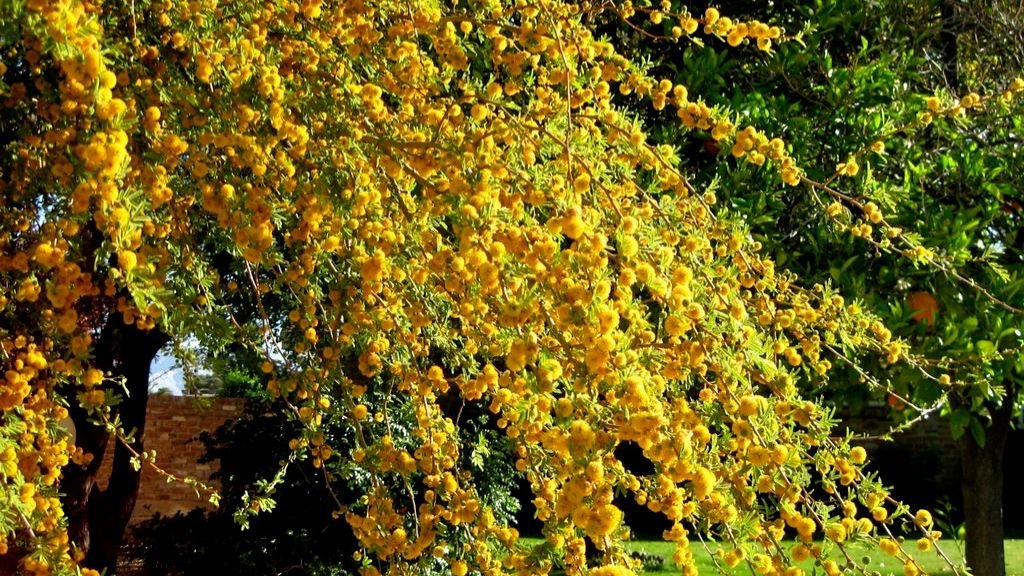
Walk through a garden in early spring and it almost feels choreographed: tulips rise together, fruit trees suddenly explode into flowers, and forest floors turn into carpets of color. No one sends a memo, there’s no group chat, yet plants somehow “agree” on the right moment to bloom. It’s so precise that farmers can predict flowering windows down to the week, and wild species keep to a schedule that has worked for them for thousands of years.
But inside every plant, something far more intricate than a calendar app is running. They’re constantly measuring light, temperature, day length, and even their own age, then quietly converting all that into a single decision: bloom now, or wait. Once you see what’s going on under the surface, a field of flowers stops looking random and starts feeling like the outcome of a very patient, very slow kind of intelligence.
The Invisible Timekeepers: Plant Circadian Clocks
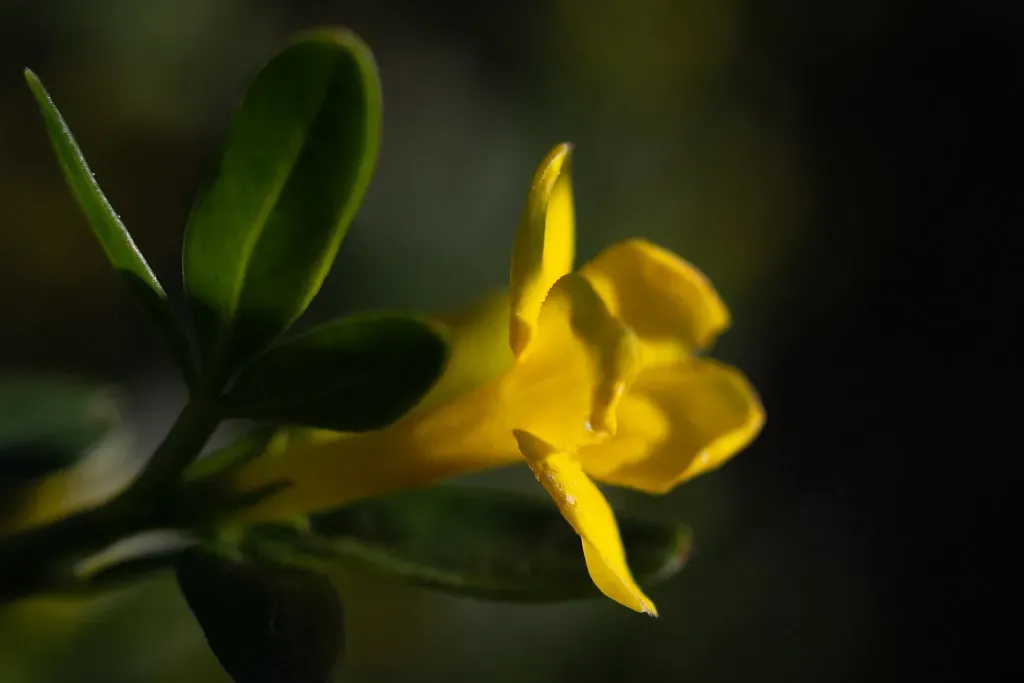
Every plant you see outside has a built-in 24‑hour clock ticking away in its cells, even though it doesn’t have a brain or nervous system. This internal clock, called a circadian rhythm, keeps track of day and night much like our own sleep–wake cycle. If you move a potted plant into continuous light or darkness, many of its processes, like leaf movements or hormone production, still follow a roughly daily rhythm for a while. That’s a sign there’s a true internal clock at work, not just a reaction to light switching on and off.
These clocks are run by circuits of genes that turn each other on and off in loops, acting like a biological set of gears. Plants use this timing system to anticipate sunrise, prep their photosynthesis machinery before dawn, and shift resources during the night. When it comes to flowering, the circadian clock doesn’t decide alone, but it sets the stage: it determines exactly when during the day a plant is most “listening” for light signals that say it’s time to bloom. In other words, the clock doesn’t just track time; it shapes how plants interpret the world around them.
Measuring Day Length: How Plants Read the Seasons
One of the biggest secrets behind bloom timing is that many plants are expert timekeepers of the year, not just the day. They don’t own calendars, but they do something just as effective: they measure how long the day and night are. Some plants, known as long‑day plants, only flower when days are getting longer and nights are shorter, which usually means late spring or early summer. Others are short‑day plants, waiting for longer nights and shorter days that signal late summer or autumn.
This habit of using day length as a seasonal cue is called photoperiodism, and it’s a brilliant survival strategy. If a plant flowers too early, a late frost can wipe out its entire reproductive effort. If it blooms too late, it may miss the right pollinators or run out of warm days to make seeds. By tying flowering to day length, plants hook their life cycle to something very stable: the Earth’s orbit and tilt. Weather can wobble wildly year to year, but the pattern of longer and shorter days is so steady that plants can build their whole schedule around it.
Light Receptors: The Plant’s “Eyes” for Time
To keep track of day length, plants need more than just a clock; they need sensors that can tell light from dark with precision. They use special light‑sensitive proteins, like phytochromes and cryptochromes, that act a bit like molecular eyes. These receptors don’t form images, but they do tell the plant what kind of light is present, how intense it is, and how long it lasts. Some detect red and far‑red light, others respond to blue and ultraviolet, and together they provide a detailed report on the day’s conditions.
What makes this clever is how the light receptors talk to the circadian clock. The clock sets a window of time when the plant is especially responsive to light, and if that light appears during that window, it can trigger a cascade leading toward flowering. If not, the plant waits. This is why switching a light on in a greenhouse at certain times of night can either encourage or delay flowering. It’s not just “light equals go”; it’s “light at the right internal hour equals go.” That timing dance between receptors and the clock is a huge part of the secret behind blooming at the perfect moment.
The Flowering Signal: From Leaves to Buds
Here’s a twist that surprises a lot of people: for many plants, it’s the leaves, not the flower buds, that first “decide” it’s time to bloom. When leaves sense that day length has reached the right threshold, they start producing a mobile signal that travels through the plant’s tissues. This signal moves down the veins, riding the plant’s own transport system, until it reaches the growing tips where flowers will eventually form. Those tips then shift from making leaves and stems to building flowers and reproductive structures.
Scientists spent decades hunting for this mysterious traveling message and eventually identified a key component: a protein that behaves like a chemical announcement saying it’s time to flower. Once it arrives at the buds, it switches on genes that start the flowering program. That single message has huge consequences: it determines whether a plant spends another week investing in vegetative growth or finally gambles on reproduction. It’s a bit like a company suddenly flipping from expansion mode to launching its big product; the entire strategy changes once that signal lands.
Temperature, Stress, and the Fine‑Tuning of Bloom Time
Day length is important, but it’s not the whole story. Plants also pay close attention to temperature, and in some species, cold exposure is essential before flowering is even possible. Many spring bloomers need a chilling period during winter, a process called vernalization. They essentially keep a long‑term record of how much cold they’ve experienced, and only after enough winter has passed will they respond to the longer days of spring. This helps them avoid being tricked into flowering by a brief warm spell in mid‑winter.
On the flip side, extreme heat, drought, or nutrient stress can push some plants to flower early, almost like a last‑chance emergency strategy. If conditions are harsh and survival seems uncertain, investing in seeds quickly can increase the odds that at least the next generation will make it. Other plants delay flowering when stressed, holding back until conditions improve enough to support successful seed development. That tug‑of‑war between the ideal schedule and real‑world pressures makes flowering time a moving target, not a rigid rule, even within the same species.
Age and Size: Why Young Plants Don’t Rush to Bloom
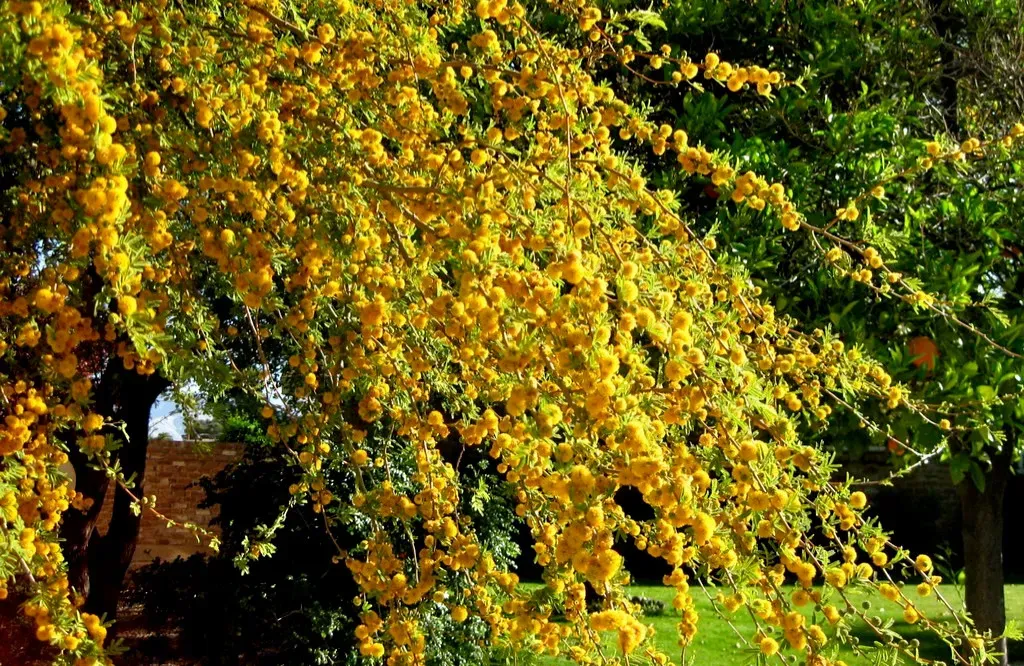
Even if the light and temperature are perfect, a tiny seedling won’t usually burst into flower right away. Plants need to reach a certain internal stage of maturity before they’re allowed to respond fully to environmental cues. They track their age and size using chemical signals, including small RNAs and hormones, that gradually shift as they grow. You can think of it as an internal checklist: enough leaves, enough stored energy, enough root system to support the energy‑hungry process of flowering and seed production.
In practice, this means that two plants of the same species grown under the same conditions might not flower on the exact same day if one started weaker or slower. Gardeners see this all the time: a few individuals race ahead, others lag behind, even though the sun and weather are identical. Age‑related signals make sure a plant doesn’t gamble on reproduction while it’s still too fragile to finish the job. It’s less like a teenager doing something impulsive and more like an adult waiting until their finances are just stable enough to take a big leap.
How Climate Change Is Scrambling Bloom Schedules
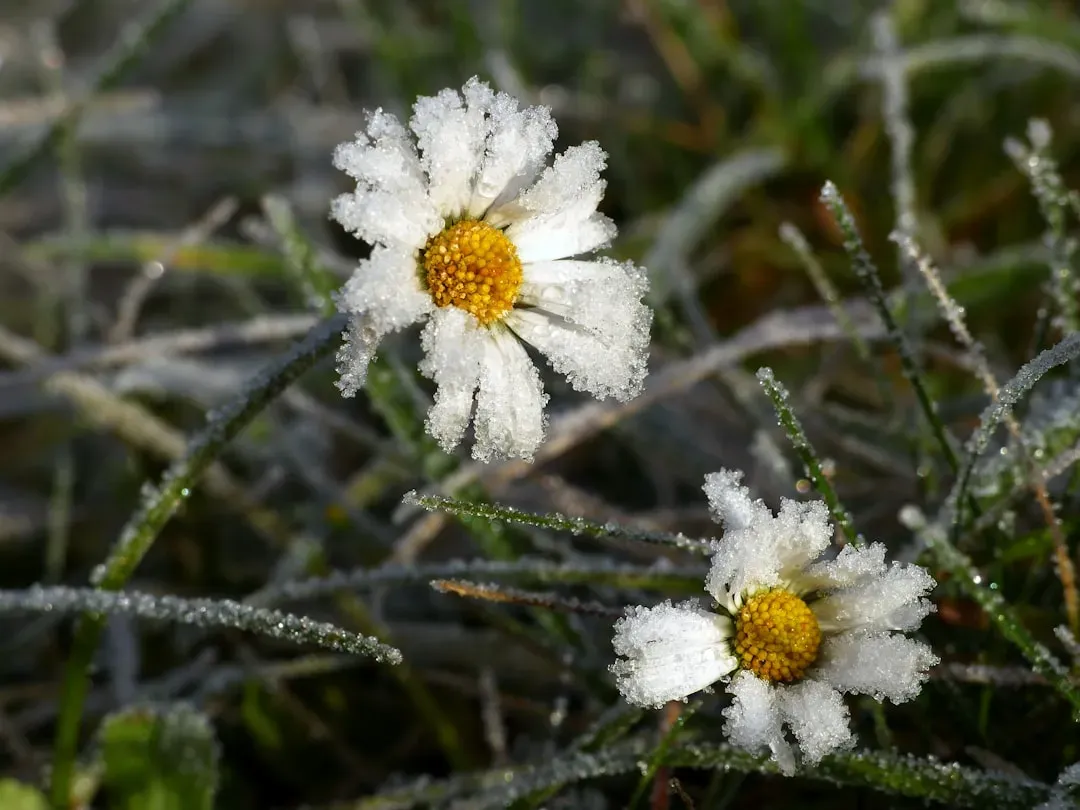
In the last several decades, scientists and everyday observers have noticed something unsettling: many plants are flowering noticeably earlier than they used to. Warmer average temperatures are the main suspect, especially in regions where spring is arriving sooner and winters are milder. Since plants use both temperature and day length to decide when to bloom, the balance between those cues can get thrown out of sync. Day length stays the same year after year, but heat now often comes earlier, nudging some species to flower ahead of their long‑established schedule.
This shift doesn’t just affect pretty landscapes; it can ripple through entire ecosystems. If flowers open before their usual pollinators are active, plants may struggle to set seeds, and insects lose a crucial food source. Farmers face similar problems when fruit trees bloom earlier, only to be hit by late frosts that used to be rare. It’s like someone quietly changing the time on half the clocks in a town but not the others: eventually, the missed appointments add up. Watching plants adjust, or fail to adjust, is becoming one of the clearest signals of how rapidly the world around us is changing.
From Wild Meadows to City Balconies: Why Bloom Timing Matters to Us
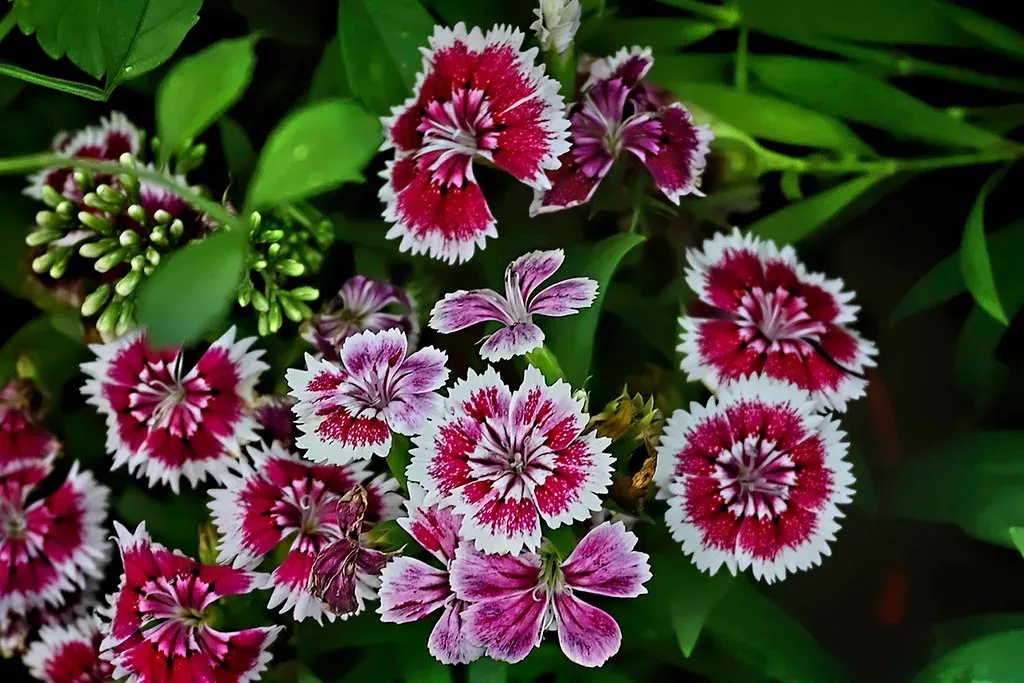
Flowering time might seem like a detail only botanists obsess over, but it threads through ordinary life more than most people realize. Farmers rely on predictable bloom periods to time pollination, irrigation, and harvests, especially for crops like apples, almonds, and canola. Beekeepers move hives around in sync with floral calendars so their bees hit the big nectar flows. Even allergy sufferers feel the impact when certain plants start releasing pollen earlier or for longer stretches than they did a generation ago.
On a smaller scale, you can see the same principles at work in a backyard or on a balcony. Some ornamentals flower only when nights are long enough, others need a cold winter to put on their best spring show, and many are thrown off by streetlights that keep them in “fake summer” mode. Once you know that plants are constantly reading light, temperature, and time, you start to look at a blooming tree less as decoration and more as the visible answer to a long, careful calculation. It makes that brief, dazzling moment when everything flowers at once feel even more precious.