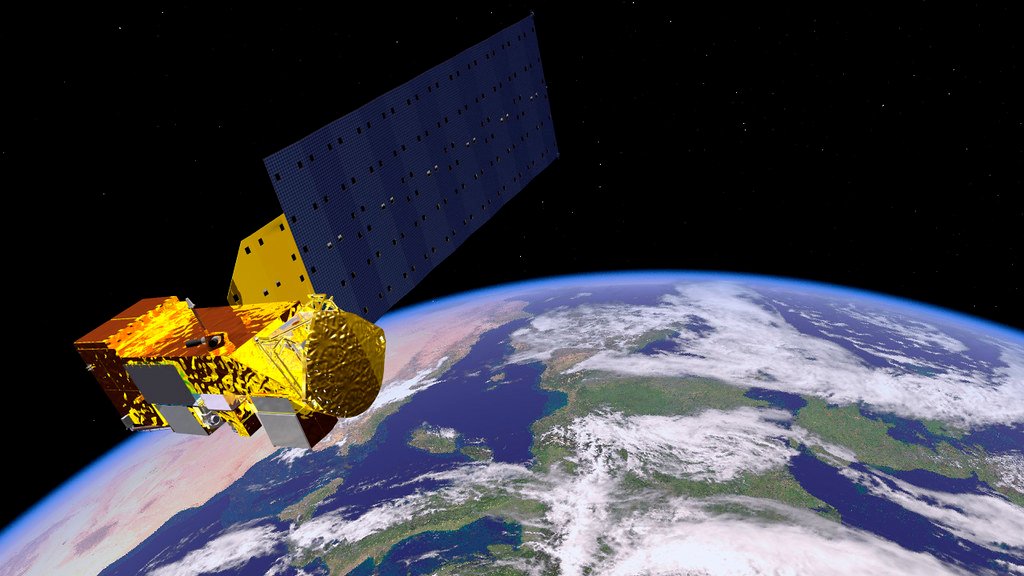

A Hidden Danger from Above (Image Credits: Flickr)
Researchers have transformed earthquake-monitoring equipment into a vital tool for detecting human-made objects plummeting from orbit back to Earth.
A Hidden Danger from Above
Thousands of abandoned satellites, rocket stages, and other debris clutter Earth’s orbit, creating a growing hazard as pieces break apart and re-enter the atmosphere. Most burn up completely during descent, but larger fragments survive and strike the ground, posing risks to people and property. Traditional tracking methods rely on radar and optical telescopes, yet they struggle with small or fast-moving objects in the final stages of fall. This limitation leaves potential crash sites unpredictable until after impact.
Enter an innovative approach that leverages existing global networks. Seismometers, originally deployed worldwide to detect seismic waves from earthquakes, now capture the subtle vibrations caused by debris impacts. This method offers precise location data, even for events in remote areas where satellites might miss signals.
How Earthquake Tech Detects Orbital Falls
Seismometers excel at pinpointing distant tremors by analyzing wave patterns. When space junk slams into the surface, it generates acoustic waves similar to those from meteorites or explosions. Scientists analyze these signals to triangulate exact landing spots within kilometers. The technique builds on prior successes, such as tracking meteor airbursts over cities like Chelyabinsk in 2013.
This repurposing taps into a vast infrastructure of over 15,000 stations operated by agencies like the USGS and international partners. Data processing involves advanced algorithms to filter out noise from natural quakes or human activity. Early tests have already identified debris from known satellite decays, proving the concept’s reliability.
Key Figure: Benjamin Fernando’s Breakthrough
Benjamin Fernando, a postdoctoral research fellow at Johns Hopkins University, led efforts to adapt seismometers for monitoring. His work focused on correlating seismic data with orbital predictions to forecast and verify crash sites. Fernando’s team processed signals from multiple global arrays, achieving locations accurate enough for safety alerts.
The research highlights cross-disciplinary collaboration between seismologists and astronomers. By integrating data from sources like NASA’s orbital catalogs, the system provides real-time insights into re-entry events. This approach not only tracks junk but also refines models of atmospheric drag and fragmentation.
Benefits and Challenges Ahead
The new method promises several advantages over conventional tracking:
- Global coverage using pre-existing sensors, reducing costs.
- Detection of small debris fragments invisible to radar.
- Rapid analysis, enabling timely public warnings.
- Archival data for studying long-term debris patterns.
- Enhanced monitoring of uncontrolled re-entries from defunct satellites.
Challenges remain, including distinguishing debris signals from meteorites or industrial blasts. Ongoing refinements in machine learning aim to boost accuracy. International cooperation will be essential to standardize data sharing.
| Tracking Method | Strengths | Limitations |
|---|---|---|
| Radar/Optical | Pre-reentry tracking | Misses final descent |
| Seismometers | Precise impact locations | Post-impact only |
Key Takeaways
- Seismometers detect vibrations from space junk impacts worldwide.
- Johns Hopkins research pinpoints crash sites with high precision.
- This tool bolsters safety amid rising orbital clutter.
As space activity surges with more launches, tools like these will safeguard life on the ground. For details on the study, see the original report from Astronomy Magazine. What steps should space agencies take next to manage orbital debris? Share your thoughts in the comments.